


Edelstahlwabenkern Explained: Applications, Benefits & Future Trends in Stainless Steel Honeycomb Core Technology
Understanding Edelstahlwabenkern: A Backbone of Modern Industry
At first glance, the term edelstahlwabenkern might sound a bit niche or even technical — and honestly, it kind of is. But this stainless steel honeycomb core (which is the English equivalent) plays an outsized role in numerous industries worldwide. Think of it as an ultra-lightweight, ultra-strong sandwich that helps structures stay strong without unnecessarily weighing them down. The concept matters globally because it addresses fundamental engineering challenges: how to combine strength, durability, and sustainability at a reasonable cost. From aerospace to construction, and even humanitarian applications, grasping what edelstahlwabenkern is and why it’s widely used can unlock smarter material choices for engineers, builders, and organizations alike.
Why Edelstahlwabenkern Matters Globally
The relevance of edelstahlwabenkern isn’t abstract — recent data from the International Organization for Standardization (ISO) highlight its increasing adoption in lightweight construction which is critical to reducing carbon footprints globally. The World Bank’s infrastructure reports also emphasize the urgent need for durable yet lightweight materials in disaster-resistant housing — a challenge that edelstahlwabenkern effectively addresses.
Frankly, combining strength without excessive weight is a global industrial challenge — especially as economies aim for greener, more efficient production. That’s why edelstahlwabenkern use is expanding in high-stakes industries where safety and sustainability can’t be compromised.
Takeaway: Edelstahlwabenkern is rising as a go-to material that solves fundamental engineering problems on a global scale.
What Is Edelstahlwabenkern?
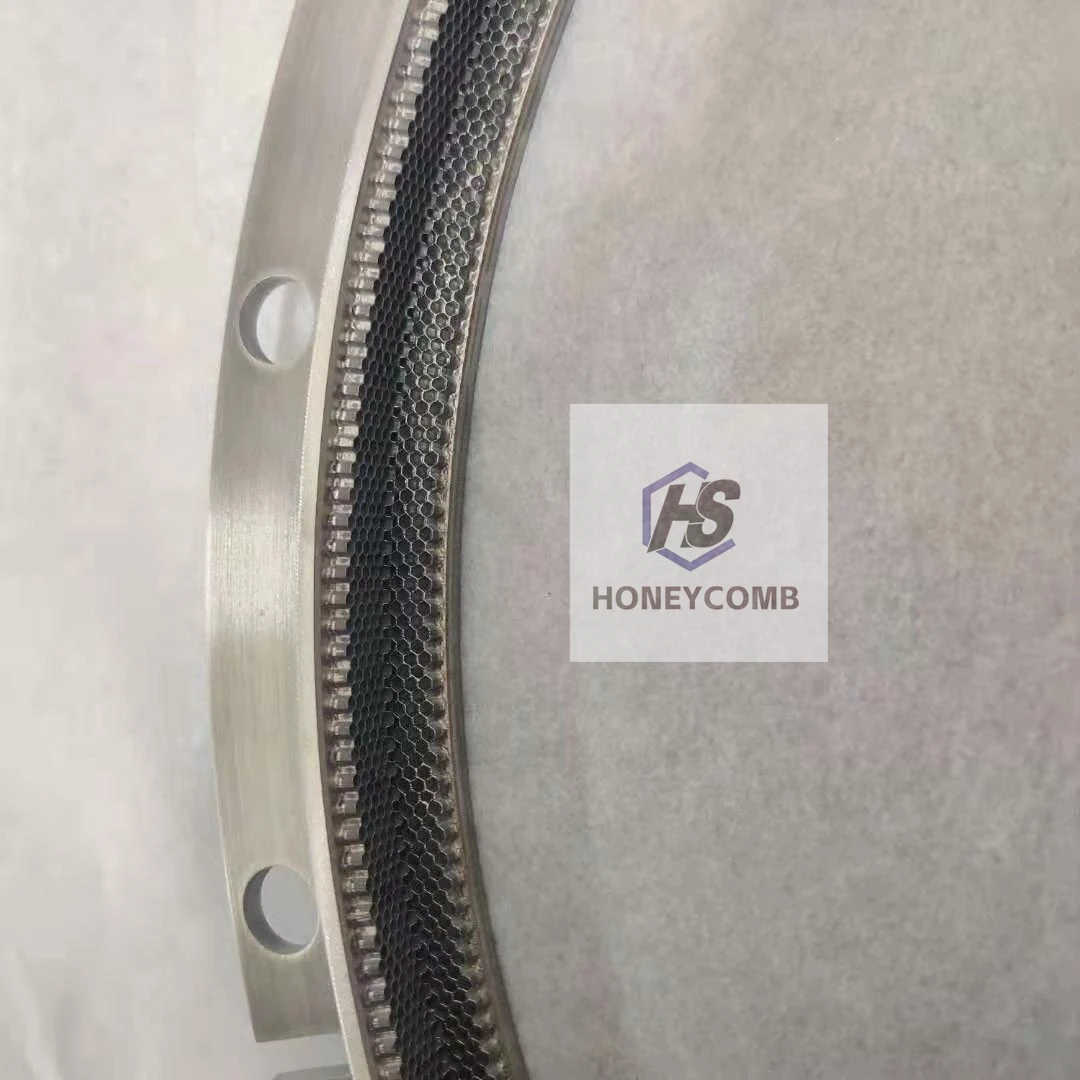
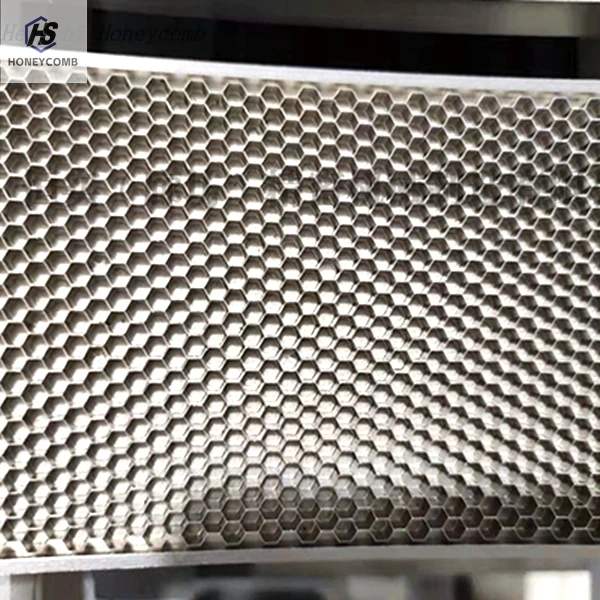
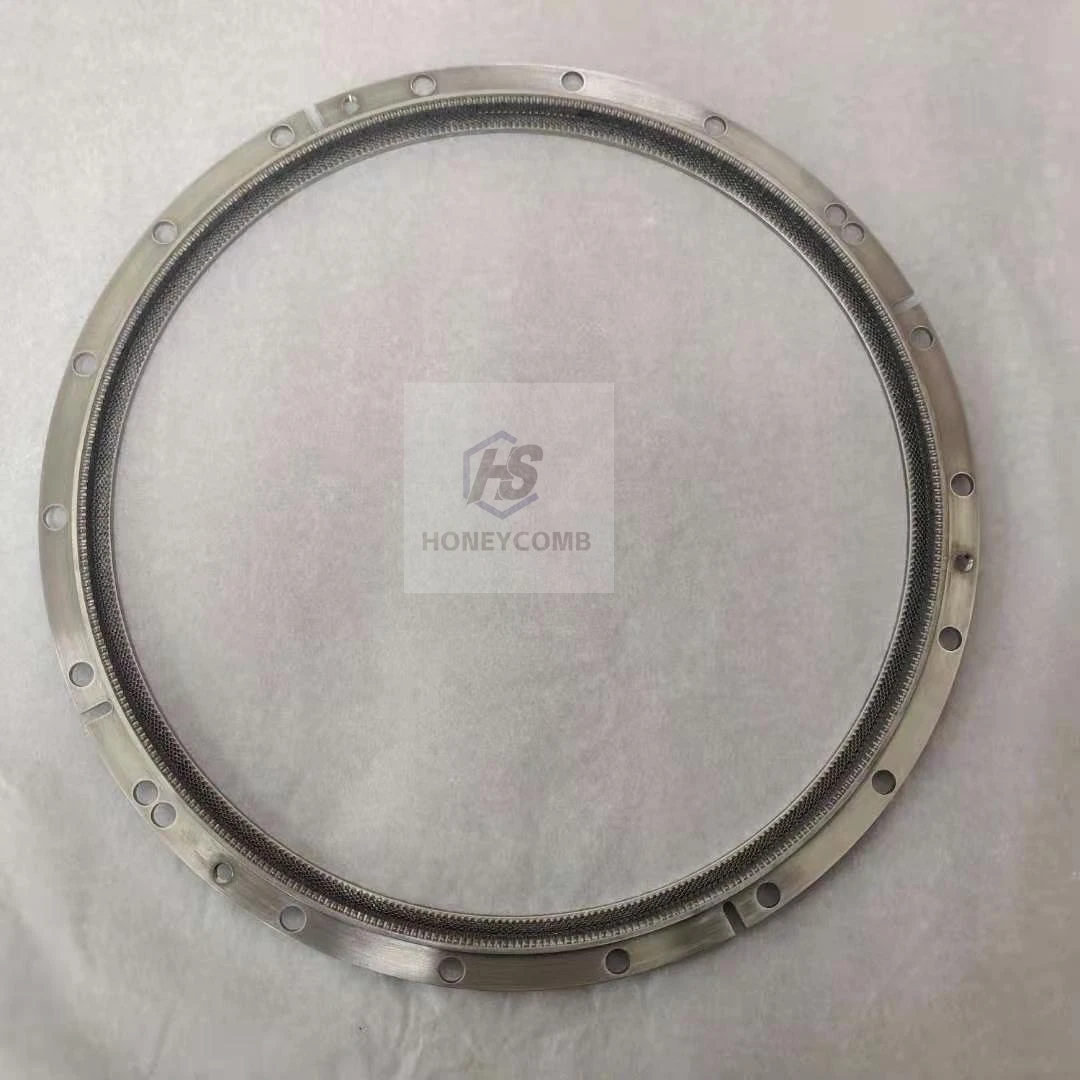
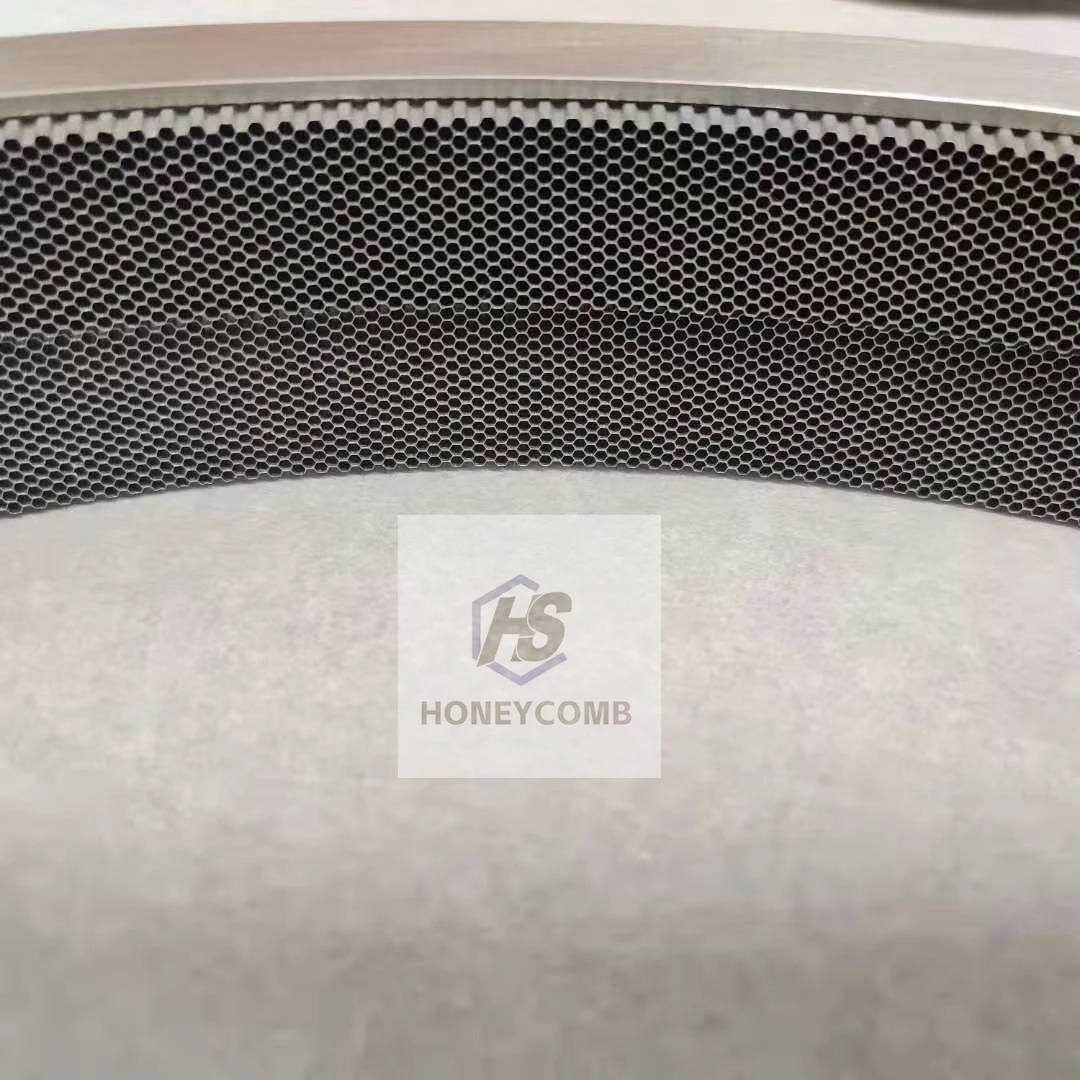
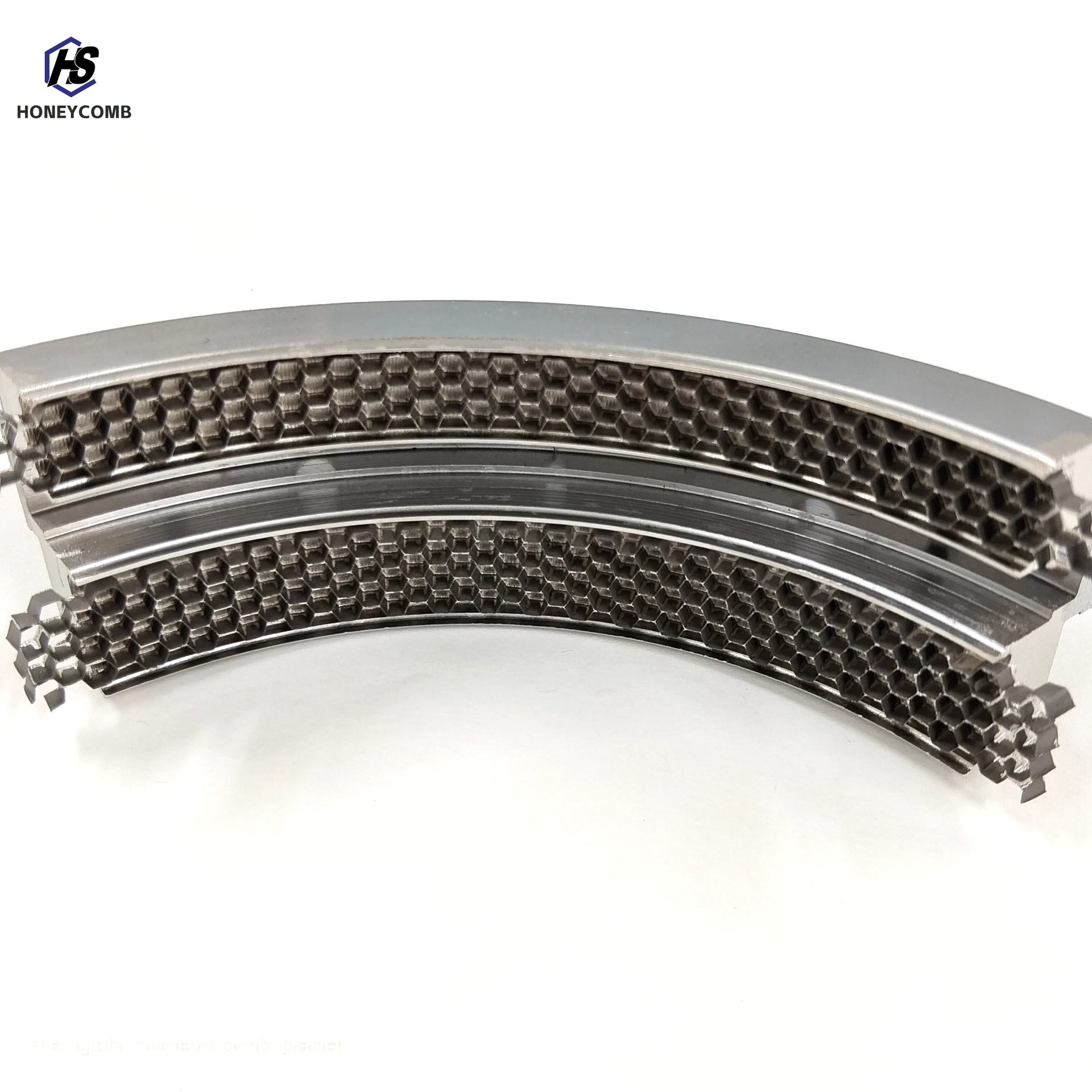
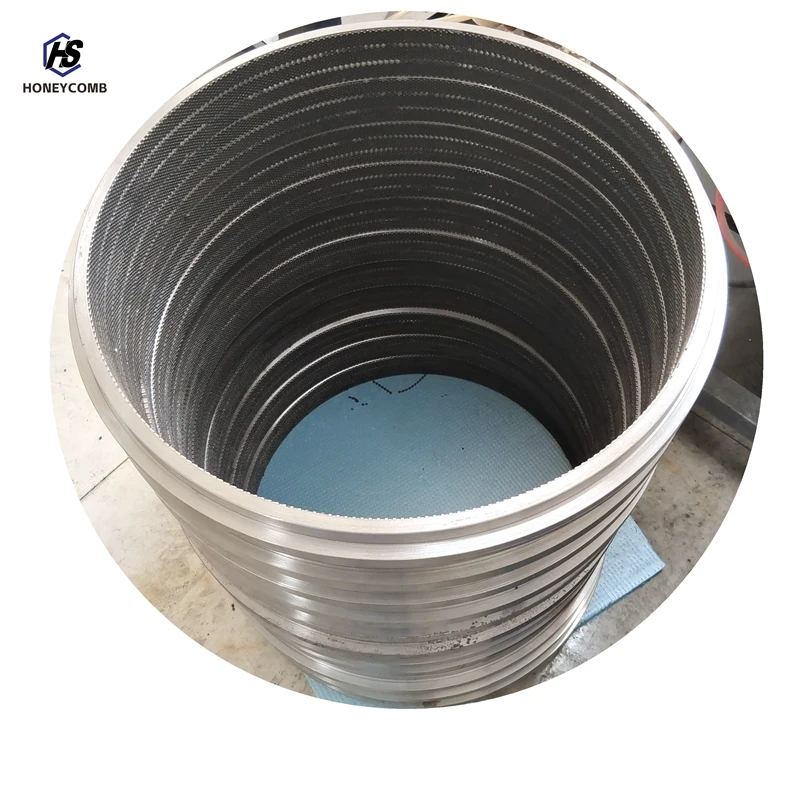
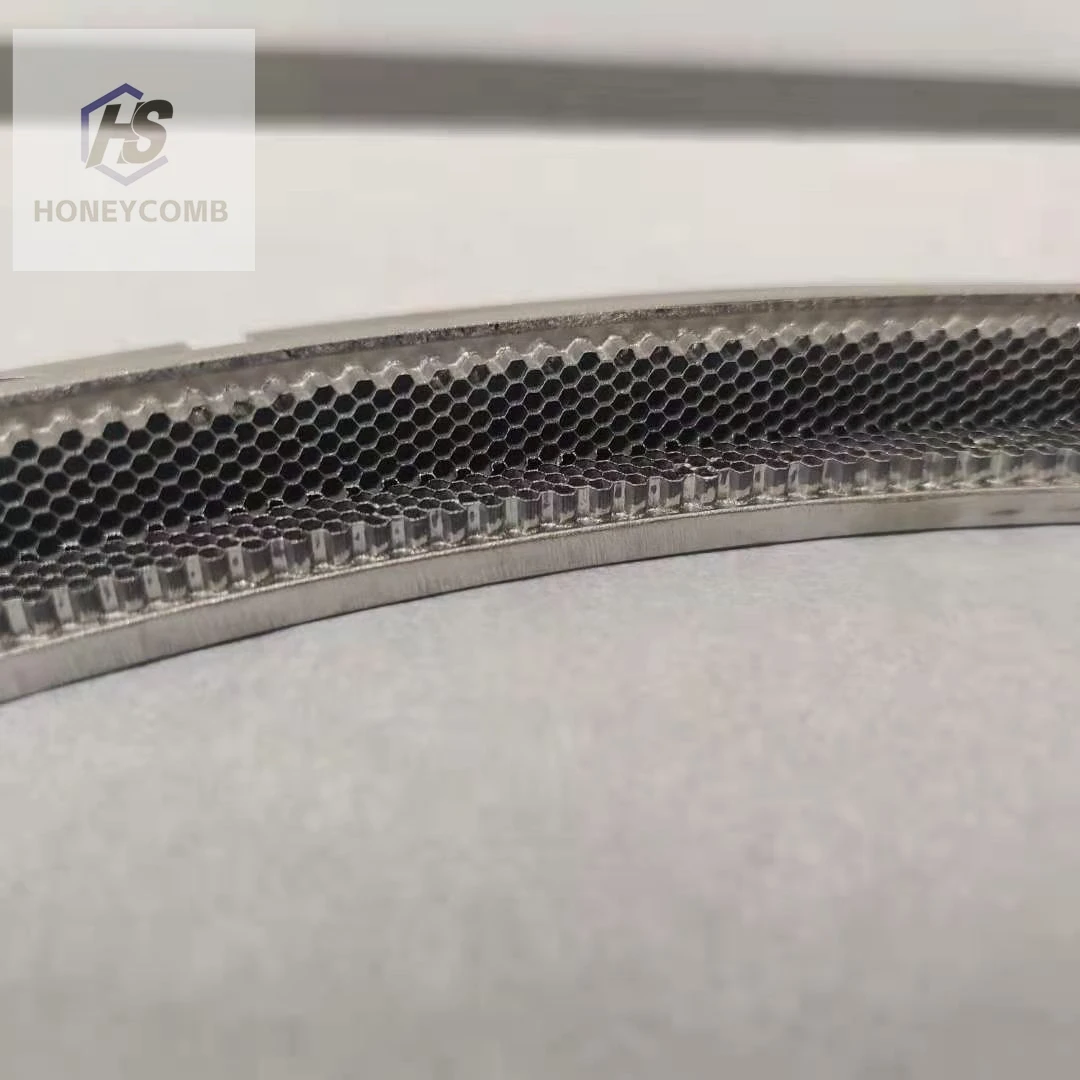
Put simply, edelstahlwabenkern refers to a core made from stainless steel formed into a honeycomb-like structure. The idea isn’t new; honeycomb cores have been used in materials engineering for decades, but stainless steel versions add lasting corrosion resistance and high strength. Imagine a beehive’s hexagonal pattern — that’s the core concept, but engineered with stainless steel instead of wax.
This connection to nature’s design is actually why the honeycomb structure is so efficient: it provides optimal strength-to-weight ratios and load distribution. In modern industry — whether aerospace, automotive, or even humanitarian shelter solutions — this core acts as a backbone for panels, floors, and walls that need to be sturdy, light, and durable.
Takeaway: Edelstahlwabenkern is a lightweight stainless steel honeycomb core inspiring many forms of structural innovation.
Key Factors in Edelstahlwabenkern's Design and Use
Durability and Corrosion Resistance
Stainless steel naturally resists rust and chemical damage. This durability means edelstahlwabenkern components last longer than aluminum or composite cores, especially in harsh environments — coastal areas, chemical plants, or disaster zones.
Lightweight Strength
The honeycomb pattern is a stroke of genius: it delivers exceptional strength with minimal material. This reduces weight dramatically, supporting applications where every kilogram counts — planes, trains, or modular housing units shipped globally.
Thermal and Acoustic Insulation
Interestingly, air gaps inside the honeycomb structure also help with insulation purposes, reducing heat transfer and noise. That duality makes these cores attractive in building materials.
Cost Efficiency Over Life Cycle
While initially pricier than simple steel sheets, the long-term benefits — less maintenance, longevity, efficiency — translate to cost-savings, especially when downtime or replacements are expensive.
Scalability and Customization
Manufacturers can tailor the honeycomb thickness, cell size, and core height to specific needs. This adaptability helps meet diverse project requirements, from tiny shelter walls to massive aerospace panels.
Takeaway: Edelstahlwabenkern blends durability, lightness, and economic sense—insightful traits engineers prize.
Applications Around the Globe
The versatility of edelstahlwabenkern means it’s found in:
- Aerospace Industry: Aircraft floors and walls require lightweight strength to improve fuel efficiency and safety.
- Construction: Facades, partitions, and modular housing panels benefit from its insulation and robustness.
- Disaster Relief: Fast deployment shelters made with honeycomb cores provide lightweight, resilient options that can withstand harsh conditions repeatedly.
- Marine and Offshore: Saltwater corrosion resistance is key for platforms, ships, and coastal infrastructure.
For example, NGOs working in earthquake zones often use modular housing panels incorporating edelstahlwabenkern, shipping them easily across borders thanks to their lower weight and durability. Similarly, manufacturers in Germany and Japan leverage it for cutting-edge car chassis components.
Takeaway: Edelstahlwabenkern’s practical advantages have earned global trust across high-impact sectors and humanitarian use cases.
Product Specification Snapshot
| Attribute | Typical Value | Remarks |
|---|---|---|
| Cell Size | 3-10 mm | Smaller cells for higher strength applications |
| Core Thickness | 10–60 mm | Varies with application need |
| Material Grade | AISI 304 / 316 | 316 preferred for marine use |
| Weight | ~2.5 kg/m² (varies) | Extremely lightweight compared to solid steel |
| Fire Resistance | Excellent | Non-flammable core |
Vendor Comparison
| Vendor | Material Grade | Customization | Price Range | Typical Lead Time |
|---|---|---|---|---|
| Company A | 304 / 316 | High (Cell size & thickness) | $$$ | 3-4 weeks |
| Company B | 316 Marine Grade | Medium | $$$$ | 4-6 weeks |
| Company C | Standard 304 | Low | $$ | 2-3 weeks |
Advantages and Long-Term Value of Edelstahlwabenkern
When you dig into the real-life impact, edelstahlwabenkern isn’t just a fancy material — it’s a long-term partner for efficiency and safety. Its corrosion resistance reduces replacement frequency. The light weight can reduce transportation and installation costs, sometimes dramatically. Socially, its use in safe housing solutions supports dignity and resilience for displaced populations, which is frankly priceless.
On the emotional side, engineers I’ve met almost always mention trust — knowing their designs include materials that won’t fail unexpectedly gives peace of mind. Meanwhile, the sustainability aspect is increasingly important: less waste, longer life, easier recycling.
Takeaway: Edelstahlwabenkern combines lasting economic sense with social and environmental benefits that resonate widely.
Future Trends and Innovations
Looking ahead, edelstahlwabenkern is evolving alongside new manufacturing techniques — robotics and AI-driven quality control are improving consistency. Innovations in stainless steel coatings could enhance corrosion resistance even further. Plus, green energy sectors are exploring lightweight honeycomb structures for wind turbine blades.
There’s also growing interest in integrating digital sensors within the honeycomb layers for smart structural health monitoring — so in the not-too-distant future, these cores might self-report damage or stress levels.
Takeaway: The future of edelstahlwabenkern is bright and smart, aligning with trends toward sustainability and digital transformation.
Challenges and How to Overcome Them
Of course, no material is perfect. Edelstahlwabenkern can sometimes be pricey upfront, and production complexities require expert manufacture. Also, improper bonding with facing sheets can reduce overall panel strength.
To tackle this, many engineers recommend thorough supplier vetting and piloting new materials under local environmental conditions. Emerging automated production lines also help reduce errors and costs, leveling the playing field for wider adoption.
Takeaway: Challenges exist but are met with innovation and careful engineering.
FAQ: What You Might Ask About Edelstahlwabenkern
Q1: How does edelstahlwabenkern improve structural efficiency compared to solid steel?A1: By using a honeycomb core, edelstahlwabenkern offers strength with significant weight reduction, leading to easier handling and fuel savings in transportation while maintaining high load-bearing capacity.
Q2: Is edelstahlwabenkern suitable for use in coastal or marine environments?A2: Yes. Thanks to stainless steel’s corrosion resistance — especially the 316 grade — edelstahlwabenkern performs reliably in salty, humid conditions often found in marine settings.
Q3: Can edelstahlwabenkern panels be customized for specific technical needs?A3: Absolutely. Cell size, core thickness, and stainless steel grade can be tailored for thermal, acoustic, or mechanical requirements, making them versatile for various industries.
Q4: What is the typical lifespan of an edelstahlwabenkern panel in industrial applications?A4: Depending on environment and maintenance, panels can last 20+ years, often outperforming alternatives in corrosion-prone or heavy-load contexts.
Q5: How can NGOs source edelstahlwabenkern for housing projects abroad?A5: NGOs can liaise with specialized vendors or manufacturers who offer export services and customization, easing logistical challenges. For reference, visit edelstahlwabenkern suppliers that cater to international clients.
In Conclusion: Why Edelstahlwabenkern Should Be on Your Radar
All said and done, edelstahlwabenkern is a prime example of engineering meeting real-world need — durable, lightweight, adaptable, and forward-looking. Whether you’re in aerospace, construction, or humanitarian aid, tapping into this stainless steel honeycomb core technology means embracing longevity, performance, and sustainability.
Curious to learn more or explore products? Visit our website at https://www.hshihoneycomb.com for a deeper dive and expert guidance.
Final Reflection: The ingenuity behind edelstahlwabenkern creatively transforms simple geometry and superior materials into solutions that serve industries and communities worldwide, and that kind of thoughtful innovation is always worth noticing.
References
-
Industrial Airflow Guide for maf воздушная правильная машинаNewsApr.16,2026
-
Best maf струйно правильная машина for Industrial EfficiencyNewsApr.09,2026
-
Сотовая правильная машина A Comprehensive Guide to Honey Packing AutomationNewsApr.07,2026
-
Build Your Own DIY газоправильная Машина A Comprehensive Guide to Gas CorrectionNewsApr.04,2026
-
Understanding Кондиционер отопления Systems for Efficient and Comfortable HeatingNewsMar.31,2026
-
Comprehensive Guide to Cellular Blinds Installation Установка сотовых жалюзиNewsMar.28,2026
-
Mobile Aerodynamic Tunnel Design A Comprehensive Guide to Applications and ImplementationNewsMar.26,2026






 English
  Afrikaans
  Albanian
  Amharic
  Arabic
  Armenian
  Azerbaijani
  Basque
  Belarusian
  Bengali
  Bosnian
  Bulgarian
  Catalan
  Cebuano
  China
China  China (Taiwan)
  Corsican
  Croatian
  Czech
Czech  Danish
  Dutch
Dutch  Esperanto
  Estonian
  Finnish
  French
  Frisian
  Galician
  Georgian
  German
  Greek
Greek  Gujarati
  Haitian Creole
  Hausa
Hausa  Hawaiian
  Hebrew
  Hindi
Hindi  Miao
Miao  Indonesian
  Italian
  Japanese
  Javanese
  Malay
Malay  Persian
  Portuguese
  Punjabi
  Russian
  Spanish
  Swahili
  Telugu
  Vietnamese