


Edelstahlwabenwanne: Durable Stainless Steel Honeycomb Panels for Global Industries
edelstahlwabenwanne: The Honeycomb Stainless Steel Solution Shaping Industries Globally
Brief Summary: The edelstahlwabenwanne, or stainless steel honeycomb panel, might sound niche and technical, but it’s quietly making a massive difference worldwide—from aerospace to architecture, and even humanitarian sectors. Understanding this remarkable material’s role unlocks insights into durability, lightweight design, and sustainability, all crucial global drivers these days. Whether you’re an engineer, an architect, or just curious, it’s worth grasping why this honeycomb structure is so prized. Spoiler: It’s about strength, speed, and smart resource use.
Introduction: Global Relevance of edelstahlwabenwanne
It’s not often that a material crosses pure industrial use and touches on broader humanitarian and environmental goals, but the edelstahlwabenwanne manages exactly that. Today, global industries face twin challenges: building lightweight yet ultra-durable constructions, and doing so sustainably. According to ISO standards on materials efficiency, stainless steel honeycomb panels excel in strength-to-weight ratio and corrosion resistance—two features much sought after in harsh environments.
Oddly enough, the need isn’t restricted to mega-corporations. During disaster relief efforts or in remote industrial zones, portable and reliable structures made from honeycomb stainless steel panels provide quick, durable solutions where time and resources are limited. Given the UN’s emphasis on sustainable infrastructure (see their Sustainable Development Goals), materials that reduce waste while maximizing performance globally matter a lot.
Defining edelstahlwabenwanne – What Are We Talking About?
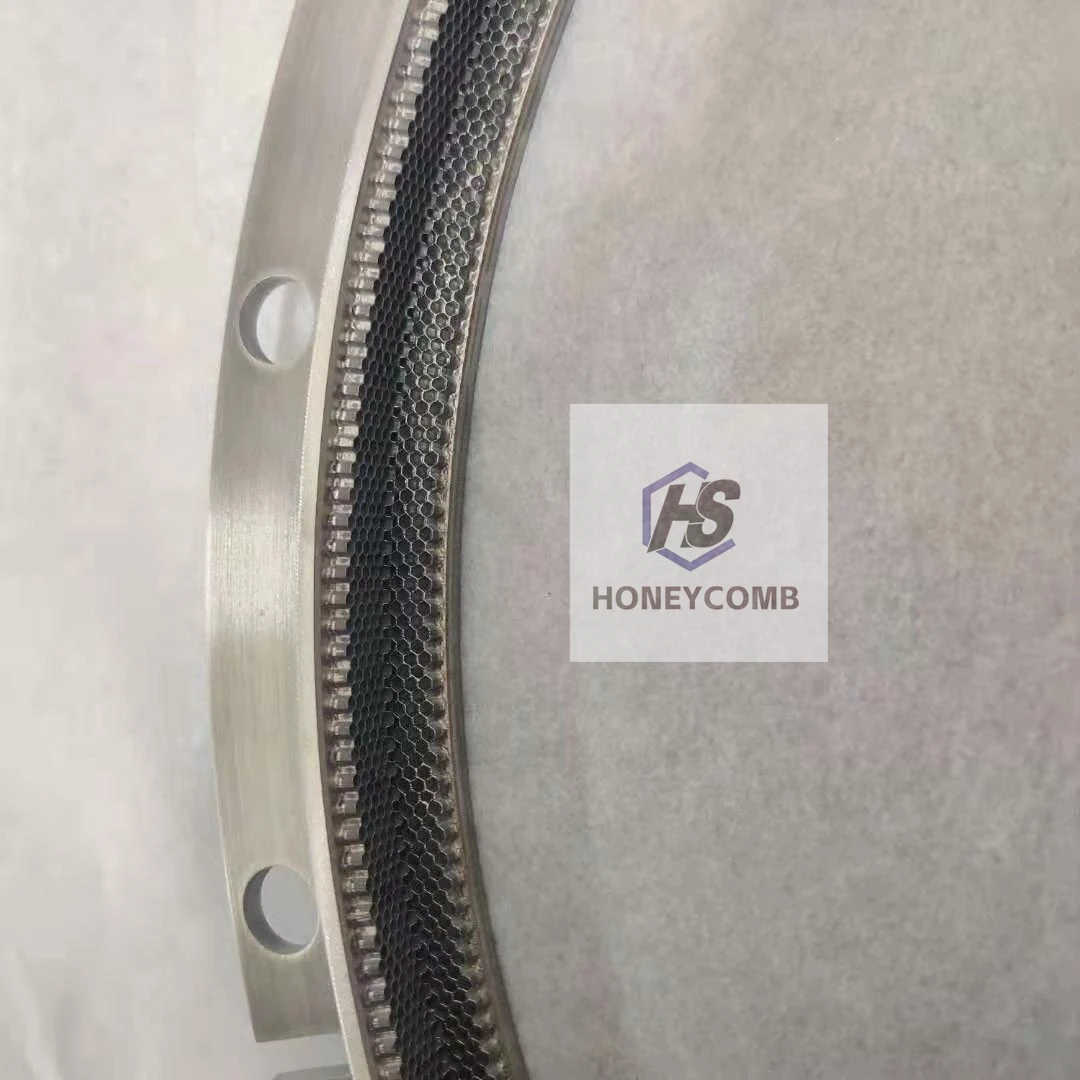
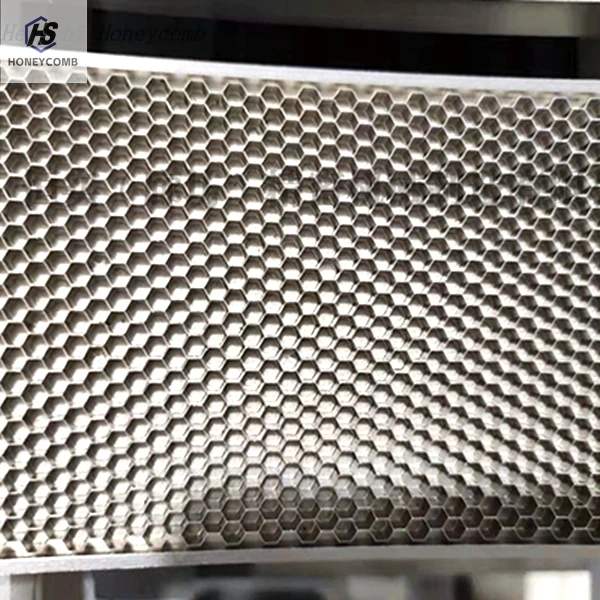
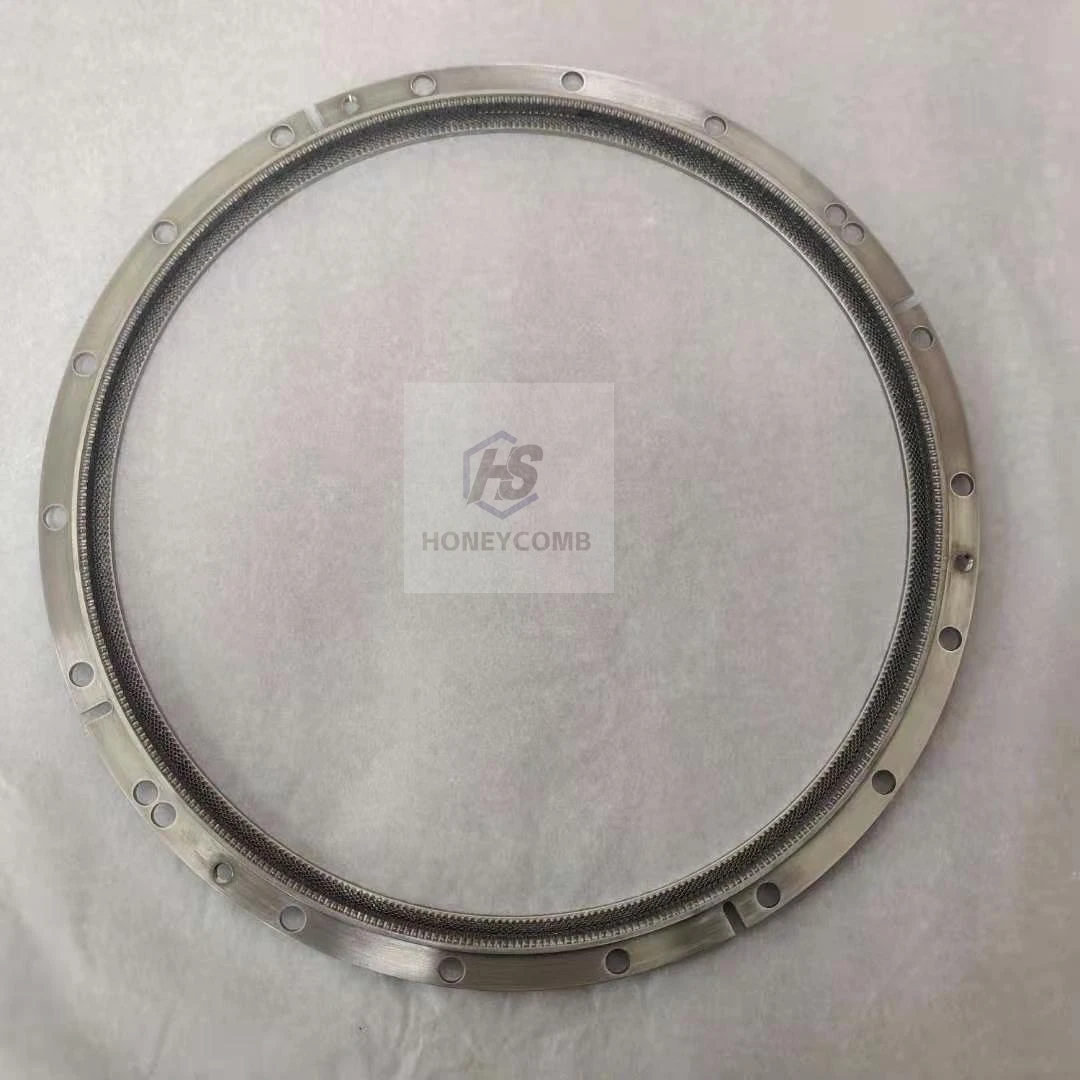
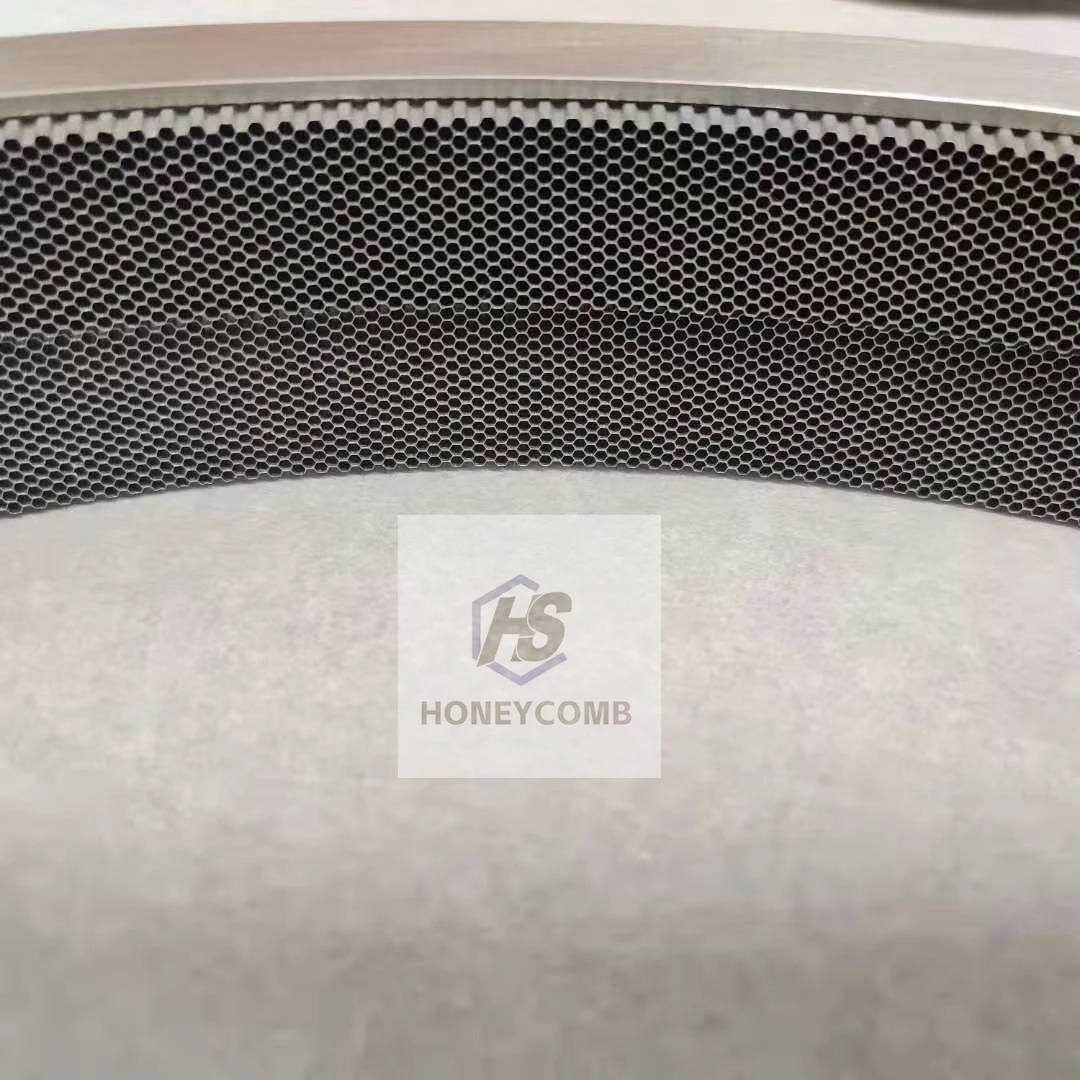
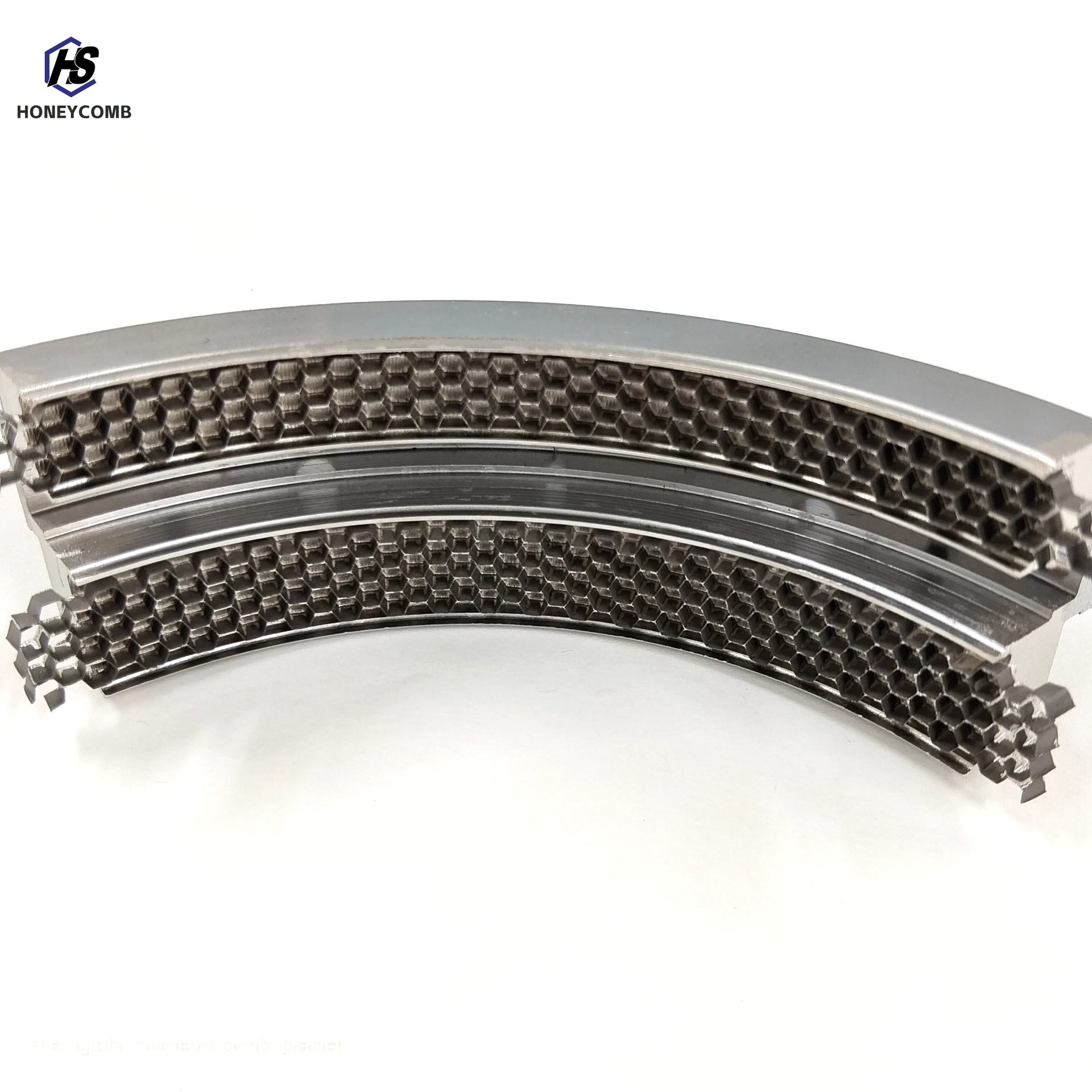
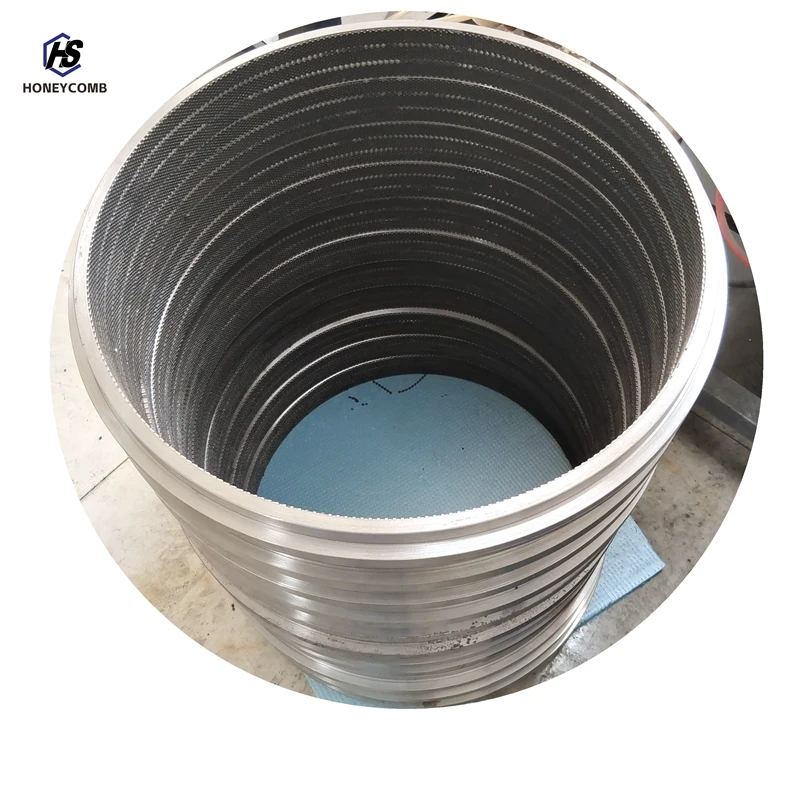
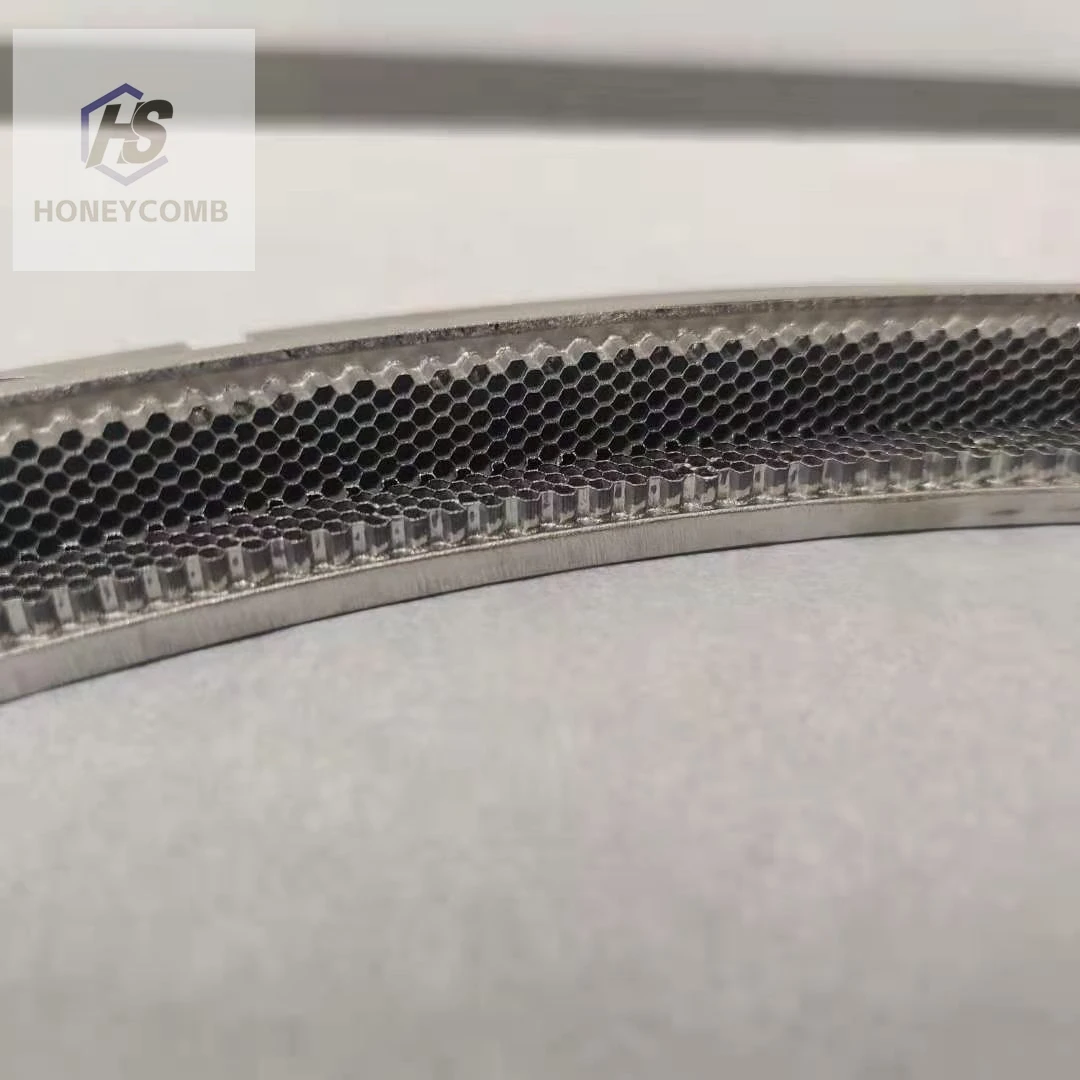
So, what exactly is an edelstahlwabenwanne? Simply put, it’s a stainless steel panel built with a honeycomb core sandwiched between thin sheets of stainless steel. This honeycomb core isn’t just for show — it’s a hexagonal geometric structure inspired by natural bee honeycombs that provides exceptional rigidity without adding much weight.
This structure’s genius lies in how it balances strength with lightness — a serious asset for industries ranging from aerospace, where every gram counts, to construction and transportation, where durability under stress and weathering is non-negotiable. The stainless steel surface adds corrosion resistance and excellent fire safety, making it a modern industry's trusty companion.
Key Components of edelstahlwabenwanne
1. Durability
The stainless steel’s corrosion resistance is critical. Whether you’re dealing with salty coastal air or corrosive chemicals in a factory, it stands up remarkably well. Engineers often mention how these panels outperform traditional steel sheets in longevity, greatly reducing maintenance costs.
2. Lightweight Design
The honeycomb core means much less material usage without sacrificing strength. This reduction in weight leads to energy savings — lower fuel consumption in vehicles, easier transport, and reduced structural loads all around.
3. Thermal & Acoustic Insulation
The honeycomb traps air within its cells, providing natural insulation. So not only is the panel sturdy, but it also helps maintain internal temperatures and reduce noise pollution — think of airport lounges or factory floors.
4. Scalability & Customization
These panels can be customized in thickness, cell size, and sheet material grade, making them adaptable for everything from large façade cladding to compact machinery enclosures.
5. Sustainability
Stainless steel is 100% recyclable without quality loss. With growing emphasis on circular economy principles globally, this makes edelstahlwabenwanne a smart choice for sustainable projects looking to minimize carbon footprint.
Product Spec Table: Typical edelstahlwabenwanne Features
| Specification | Typical Value | Unit |
|---|---|---|
| Panel Thickness | 10 - 40 | mm |
| Cell Size (Honeycomb) | 3 - 10 | mm |
| Sheet Material | 304 or 316 Stainless Steel | Grade |
| Weight | 4.5 - 8.5 | kg/m² |
| Thermal Conductivity | 0.22 - 0.35 | W/m·K |
Global Applications & Use Cases
Across continents, the edelstahlwabenwanne plays diverse and vital roles. In Europe’s aerospace sector, it forms aircraft interiors where light weight and fire safety are paramount. Meanwhile, in Asia, petrochemical plants rely on it to build explosion-proof, corrosion-resistant walls.
In humanitarian contexts, NGOs often use panels derived from stainless steel honeycomb technology to construct fast, durable shelters after disasters—especially where wood or concrete is impractical. For example, after recent floods in Southeast Asia, these panels enabled rapid assembly of medical and logistics hubs.
If you’re curious, check out our broader range and applications at edelstahlwabenwanne.
Vendor Comparison Table: Leading Providers of Edelstahlwabenwanne Panels
| Vendor | Panel Thickness Range | Customization | Lead Time | Price Range (€/m²) |
|---|---|---|---|---|
| HSI Honeycomb | 10-40 mm | High (custom grades/sizes) | 2-4 weeks | 150-250 |
| MetalCore Systems | 12-35 mm | Medium | 3-5 weeks | 140-210 |
| HexaSteel | 8-30 mm | Low (standard sizes) | 1-3 weeks | 130-190 |
Advantages & Long-Term Value of Edelstahlwabenwanne
- Cost efficiency: Lower lifecycle costs due to durability and minimal maintenance.
- Sustainability: Fully recyclable material supports circular economy initiatives.
- Safety & reliability: Fire-resistant and corrosion-proof—ideal for harsh or regulated environments.
- User dignity: Faster construction times mean quicker access to essential structures in emergency housing.
- Innovation: Enables cutting-edge designs previously impossible with traditional materials.
Frankly, you quickly realize this material isn’t just a fad; it’s an investment into smarter, eco-conscious infrastructure.
Future Trends & Innovations
Looking ahead, edelstahlwabenwanne technology is set to integrate with digital fabrication techniques—think robotic assembly and AI-driven customization. Lightweight panels paired with green energy tech, such as solar reflective coatings or embedded sensors for temperature monitoring, are already under development. This meld of automation and sustainability aligns perfectly with rising industry standards like those set by the ISO 14000 environmental management series.
Common Challenges & Innovative Solutions
Of course, no tech is perfect. Some struggle with the upfront costs of custom fabrication or supply chain hurdles for certain grades of stainless steel. But savvy engineers get around these by modular panel designs and flexible production scheduling. Additionally, advancements in recycling scrap material locally help cut delays and waste. So, solutions here are less about “if” and more “how fast we adapt.”
FAQ: Frequently Asked Questions About Edelstahlwabenwanne
- What makes edelstahlwabenwanne panels preferable over traditional steel sheets?
- The honeycomb structure drastically reduces weight while maintaining high strength and corrosion resistance, unlike traditional flat sheets which tend to be heavier and less durable under stress.
- How long can these panels last in demanding environments?
- With proper maintenance, edelstahlwabenwanne panels can last multiple decades (20+ years), especially due to their stainless steel surface resisting corrosion and wear.
- Are these panels eco-friendly and sustainable?
- Yes, stainless steel is fully recyclable without quality loss, meaning panels can be reused or recycled, minimizing environmental impact and meeting strict sustainability guidelines.
- How can international buyers import these panels efficiently?
- Working with established suppliers offering turnkey logistics solutions and customizable lead times (such as HSI Honeycomb) ensures hassle-free international shipping—plus understanding local import regulations helps avoid delays.
- Can edelstahlwabenwanne panels be customized for specific projects?
- Absolutely. Vendors often offer tailored thickness, cell size, and surface grades, making them highly versatile for architectures or engineering needs.
Conclusion & Call to Action
All told, the edelstahlwabenwanne is a game-changer, merging strength, sustainability, and innovation into one smart, efficient product. For anyone looking to future-proof their projects or operations, it’s definitely worth serious consideration. Curious to explore more? Visit our website: edelstahlwabenwanne for detailed specs, expert consultation, and supplier connections.
In my experience, getting familiar with such specialized materials opens doors to improving not just products, but also social impacts worldwide. After all, better materials make better living spaces, safer workplaces, and ultimately, a healthier planet.
Mini takeaway: Edelstahlwabenwanne panels combine durable, lightweight design and eco-friendly recycling potential to meet modern industry and humanitarian demands, promising long-term value and adaptability.
References:
-
Industrial Airflow Guide for maf воздушная правильная машинаNewsApr.16,2026
-
Best maf струйно правильная машина for Industrial EfficiencyNewsApr.09,2026
-
Сотовая правильная машина A Comprehensive Guide to Honey Packing AutomationNewsApr.07,2026
-
Build Your Own DIY газоправильная Машина A Comprehensive Guide to Gas CorrectionNewsApr.04,2026
-
Understanding Кондиционер отопления Systems for Efficient and Comfortable HeatingNewsMar.31,2026
-
Comprehensive Guide to Cellular Blinds Installation Установка сотовых жалюзиNewsMar.28,2026
-
Mobile Aerodynamic Tunnel Design A Comprehensive Guide to Applications and ImplementationNewsMar.26,2026






 English
  Afrikaans
  Albanian
  Amharic
  Arabic
  Armenian
  Azerbaijani
  Basque
  Belarusian
  Bengali
  Bosnian
  Bulgarian
  Catalan
  Cebuano
  China
China  China (Taiwan)
  Corsican
  Croatian
  Czech
Czech  Danish
  Dutch
Dutch  Esperanto
  Estonian
  Finnish
  French
  Frisian
  Galician
  Georgian
  German
  Greek
Greek  Gujarati
  Haitian Creole
  Hausa
Hausa  Hawaiian
  Hebrew
  Hindi
Hindi  Miao
Miao  Indonesian
  Italian
  Japanese
  Javanese
  Malay
Malay  Persian
  Portuguese
  Punjabi
  Russian
  Spanish
  Swahili
  Telugu
  Vietnamese