


Edelstahlwabenplatten Explained: Durable Stainless Steel Honeycomb Panels for Modern Industry
Understanding Edelstahlwabenplatten: A Modern Industrial Marvel
Edelstahlwabenplatten (stainless steel honeycomb panels) might sound technical or niche, but they’re quietly shaping the infrastructure of today — and frankly, tomorrow. These panels offer remarkable strength-to-weight ratios, corrosion resistance, and versatility that have made them indispensable across industries worldwide. Amid rising global demands for durable, sustainable construction materials, knowing about edelstahlwabenplatten can be a game changer for architects, engineers, and procurement professionals alike.
Oddly enough, these panels are not just about performance; they symbolize innovation linked with environmental concerns. They’re used in everything from aerospace to humanitarian shelters, answering global challenges with clever engineering.
Global Relevance: Why Edelstahlwabenplatten Matter
Across continents, industries increasingly demand materials that balance strength, weight, and sustainability. According to the International Organization for Standardization (ISO), energy-efficient and durable materials are essential for meeting global sustainability goals. Edelstahlwabenplatten fit this need perfectly—they deliver resilience and reduce resource consumption.
During extreme weather events or post-disaster rebuilding, lightweight, stable materials streamline construction and reduce costs. The UN’s reports emphasize rapid deployment solutions which often include modular panels similar to these, a hint at their broader humanitarian appeal. Still, supply chain challenges persist, underscoring why understanding this product could help solve infrastructure bottlenecks worldwide.
What Exactly Are Edelstahlwabenplatten?
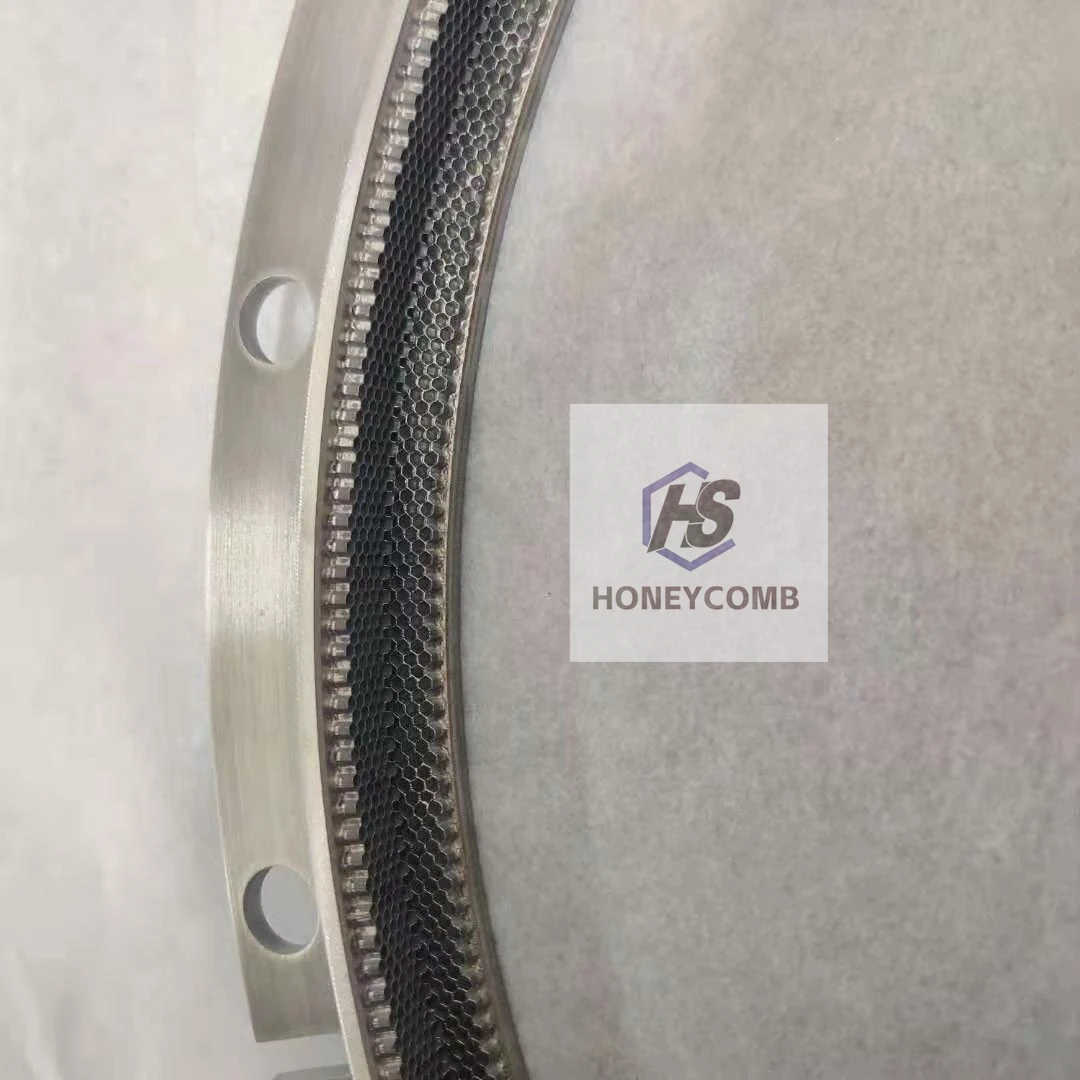
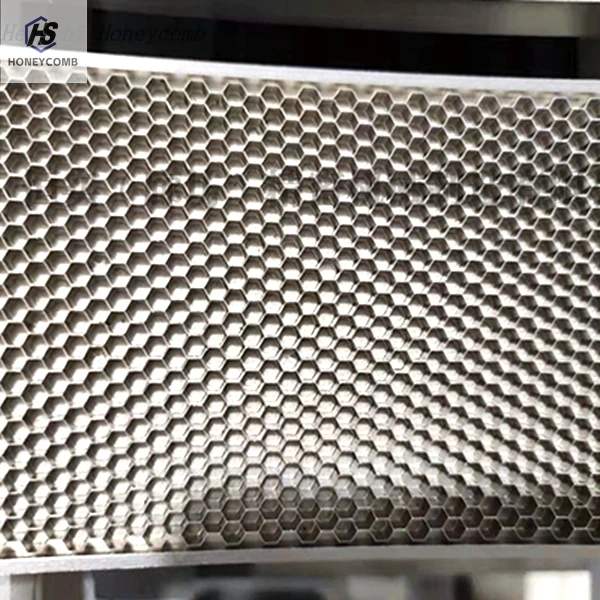
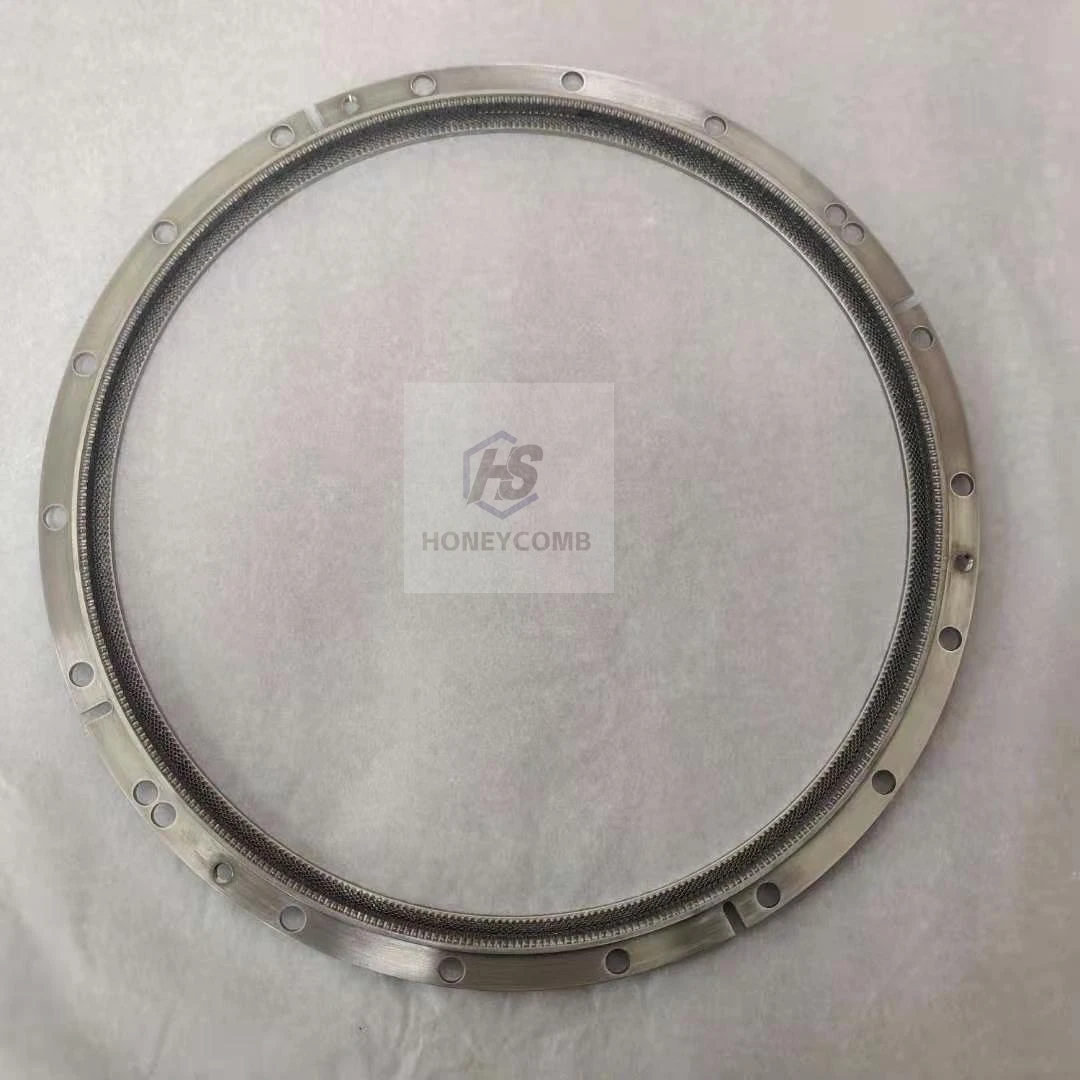
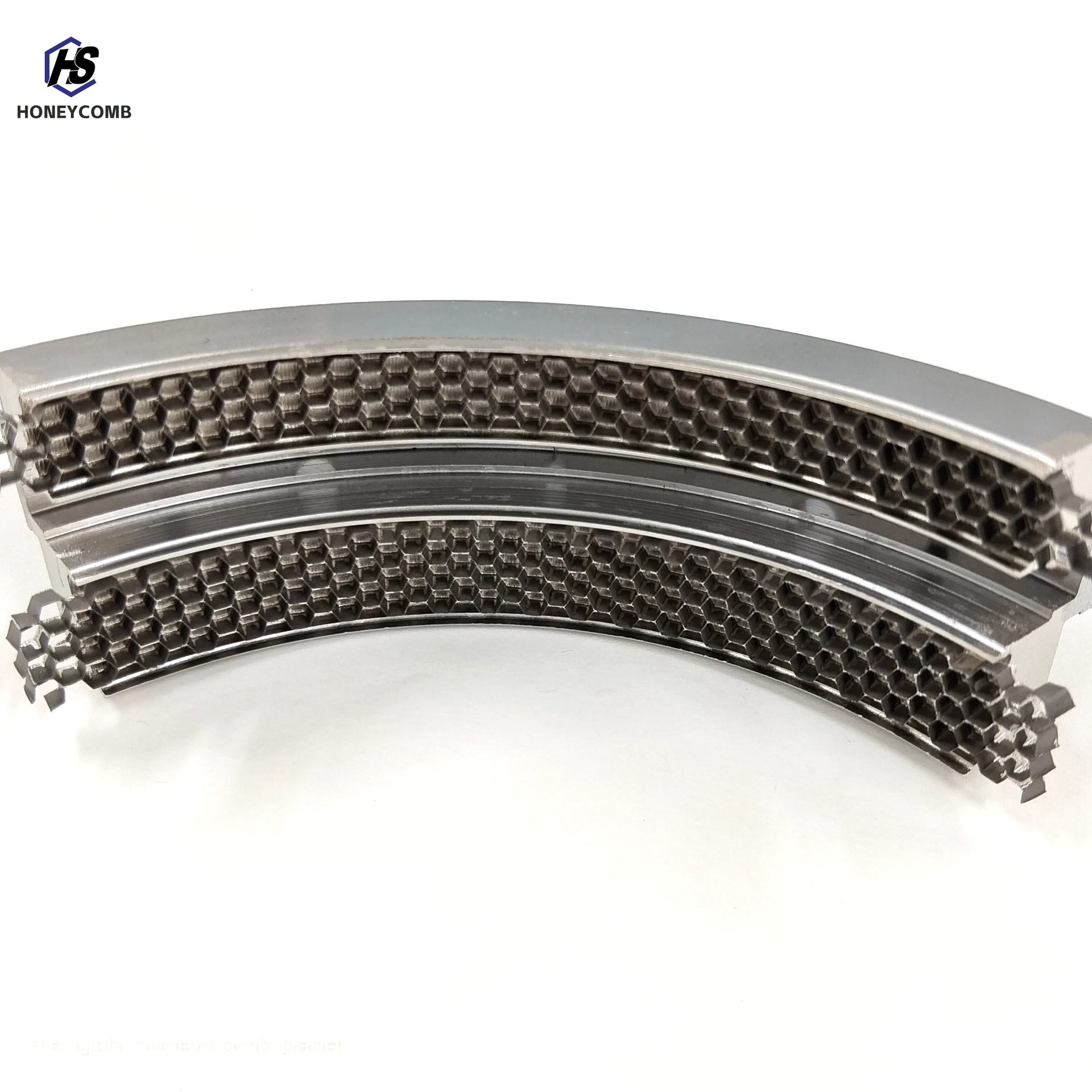
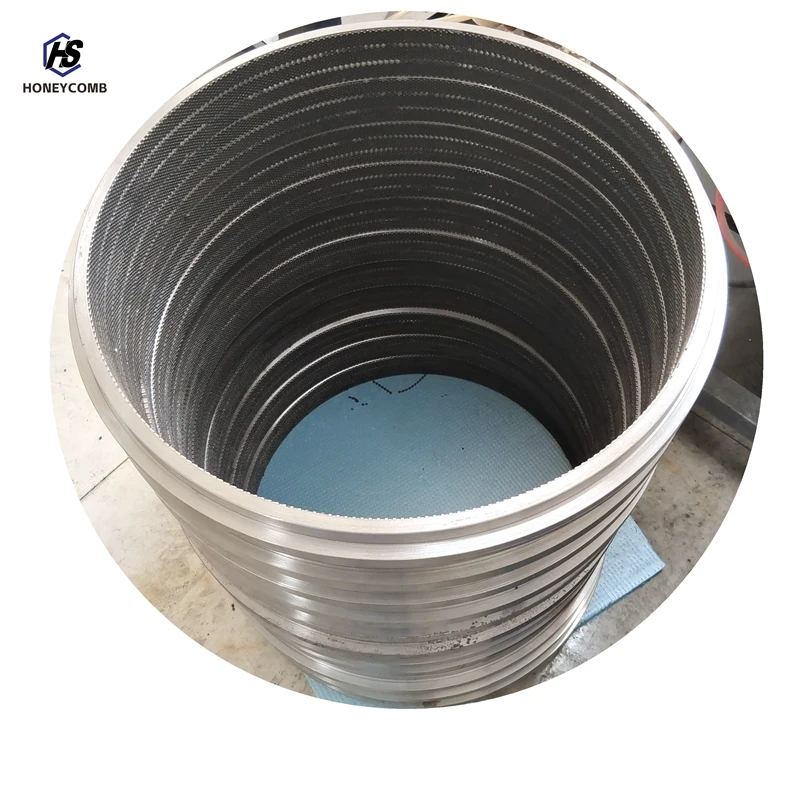
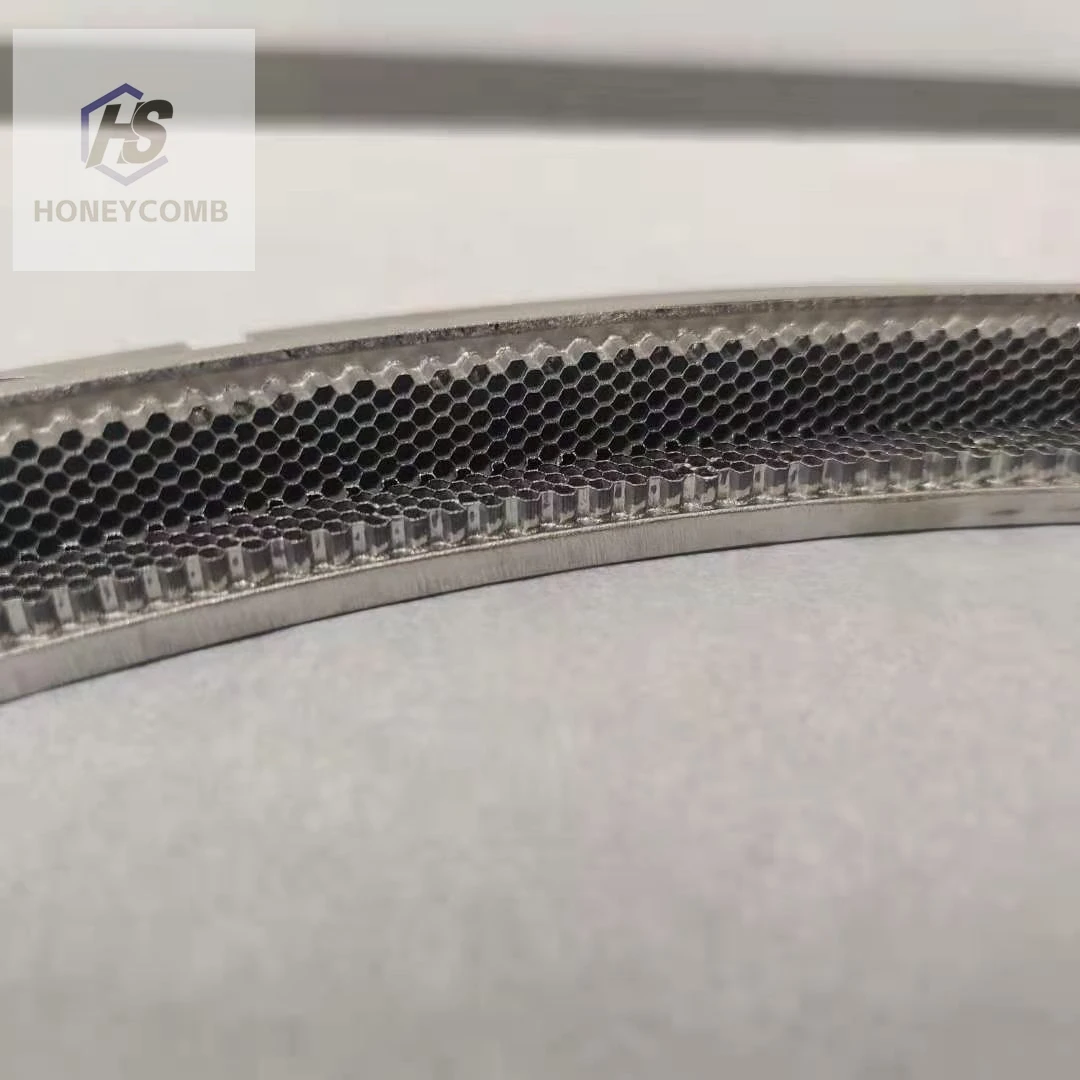
Simply put, edelstahlwabenplatten are stainless steel honeycomb panels—think of them as the modern-day sandwich: two durable steel sheets enclosing a rigid honeycomb core. This structure provides exceptional stiffness with minimal weight, much like natural honeycombs.
These panels serve as building blocks for industries needing strong but lightweight materials, like aviation, automotive, and architecture. They also enhance energy efficiency and can be customized depending on the application, making them quite versatile. For humanitarian efforts or rugged industrial settings, they offer reliable, long-lasting solutions.
Key Features of Edelstahlwabenplatten
- Durability: Stainless steel resists corrosion and wear, ideal for harsh environments.
- Strength-to-Weight Ratio: The honeycomb core provides impressive rigidity without the weight penalty.
- Scalability: Can be manufactured in custom sizes and thicknesses, meeting diverse project needs.
- Thermal Insulation: The air pockets within the honeycomb structure offer good insulation, reducing energy costs.
- Cost Efficiency: Reduced material use and installation times can translate to actual savings.
- Recyclability: Stainless steel is 100% recyclable, aligning with circular economy goals.
Mini takeaway:
Knowing these core components helps explain why edelstahlwabenplatten are rising stars in engineering solutions worldwide.
Product Specification Overview
| Parameter | Value / Range |
|---|---|
| Core Thickness | 10 - 100 mm |
| Face Material | Stainless Steel (Grades 304, 316) |
| Density | ~1.2 - 2.0 kg/m² (Depends on thickness) |
| Compressive Strength | Up to 150 MPa |
| Fire Resistance | Class A (Non-combustible) |
Where Are Edelstahlwabenplatten Used Globally?
From the steel-framed skyscrapers of Asia to modular construction in Europe, these panels are everywhere. A noted adopter is the aerospace sector, where light but sturdy materials reduce fuel use. In industrial zones in North America, they help build cleaner, safer factories.
Humanitarian agencies also use these panels in temporary shelters because they’re easy to transport and assemble, surviving harsh climates better than many conventional materials. In remote areas — especially those prone to natural disasters — they’re crucial for quick rebuild efforts. Honestly, they’ve been a quiet backbone in many disaster zones.
Vendor Comparison Table
| Supplier | Material Grade | Customization | Lead Time | Price Range (USD/m²) |
|---|---|---|---|---|
| Hsi Honeycomb | 304 / 316 | High (custom sizes/thickness) | 2-4 weeks | 45-70 |
| MetalTech Panels | 316 | Medium | 3-5 weeks | 50-80 |
| EcoHoneycombs Ltd | 304 | Low | 1-3 weeks | 40-60 |
Why They’re a Smart Long-Term Investment
If you think of durability, sustainability, and user safety as key pillars, edelstahlwabenplatten tick every box. They cut transportation carbon footprints thanks to lower weight. Less weight means less fuel, a fact many engineers highlight. Also, their corrosion resistance means they last for decades without pricey maintenance — that really saves money long-term.
Emotionally, they enhance safety and trust. In disaster scenarios, survivors need shelter that feels secure and permanent, not flimsy. Edelstahlwabenplatten lend dignity through quality, while logically reducing environmental costs. That blend of heart and mind is rare but deeply needed now.
Future Trends & Innovations
Looking ahead, expect more integration of eco-friendly alloys and hybrid cores combining aluminum or recycled materials. Digital fabrication is also making smaller batches economical, perfect for custom applications or emerging markets with specific needs.
Some R&D labs explore embedding sensors inside panels for structural health monitoring — fascinating stuff that can alert maintenance teams before major issues emerge. Sustainability policies worldwide are nudging construction towards these advanced materials, so their market share is only set to grow.
Challenges & Practical Solutions
Not everything is perfect, of course. Common hurdles include higher upfront costs and supply chain complexities—especially during global disruptions. Yet, many producers are innovating modular designs and streamlining logistics to tackle these.
For maintenance in remote locations, surface treatments that repel dirt and moisture help extend life even further. Industry collaboration and investments in local manufacturing hubs could also reduce lead times and dependency on imports.
FAQs About Edelstahlwabenplatten
-
How do edelstahlwabenplatten compare to traditional steel sheets in terms of weight?
Edelstahlwabenplatten offer a significantly reduced weight due to their honeycomb core, often cutting weight by 30-60% compared to solid steel sheets, without compromising strength. -
Can these panels be customized for specific insulation requirements?
Absolutely. Their honeycomb structure can be adjusted in thickness and core material to enhance thermal insulation, making them adaptable for diverse climates and building codes. -
Are stainless steel honeycomb panels recyclable?
Yes, stainless steel is 100% recyclable without loss of quality, supporting sustainable construction objectives. -
What industries benefit most from edelstahlwabenplatten?
Aerospace, building construction, automotive, defense, and even humanitarian aid sectors find these panels invaluable for their blend of strength, weight, and durability.
Conclusion & Call to Action
At the end of the day, edelstahlwabenplatten are not just a product but a solution to some of the toughest industry challenges — blending innovation, sustainability, and practicality. If you’re considering robust materials for your next project, visiting https://www.hshihoneycomb.com is a smart next step. They offer deep expertise and a variety of customizable options that can fit your unique needs.
Remember, good materials are investments in safety, longevity, and peace of mind. It’s always worth diving into the specs and seeing what modern honeycomb panels can do.
A small but insightful journey into the tough yet lightweight world of edelstahlwabenplatten — modern materials for a better-built tomorrow.
References

-
Industrial Airflow Guide for maf воздушная правильная машинаNewsApr.16,2026
-
Best maf струйно правильная машина for Industrial EfficiencyNewsApr.09,2026
-
Сотовая правильная машина A Comprehensive Guide to Honey Packing AutomationNewsApr.07,2026
-
Build Your Own DIY газоправильная Машина A Comprehensive Guide to Gas CorrectionNewsApr.04,2026
-
Understanding Кондиционер отопления Systems for Efficient and Comfortable HeatingNewsMar.31,2026
-
Comprehensive Guide to Cellular Blinds Installation Установка сотовых жалюзиNewsMar.28,2026
-
Mobile Aerodynamic Tunnel Design A Comprehensive Guide to Applications and ImplementationNewsMar.26,2026






 English
  Afrikaans
  Albanian
  Amharic
  Arabic
  Armenian
  Azerbaijani
  Basque
  Belarusian
  Bengali
  Bosnian
  Bulgarian
  Catalan
  Cebuano
  China
China  China (Taiwan)
  Corsican
  Croatian
  Czech
Czech  Danish
  Dutch
Dutch  Esperanto
  Estonian
  Finnish
  French
  Frisian
  Galician
  Georgian
  German
  Greek
Greek  Gujarati
  Haitian Creole
  Hausa
Hausa  Hawaiian
  Hebrew
  Hindi
Hindi  Miao
Miao  Indonesian
  Italian
  Japanese
  Javanese
  Malay
Malay  Persian
  Portuguese
  Punjabi
  Russian
  Spanish
  Swahili
  Telugu
  Vietnamese