


Edelstahlwabenblech: Durable Stainless Steel Honeycomb Panels for Global Industries
Understanding Edelstahlwabenblech: The Backbone of Modern Industrial Solutions
When you first hear the term edelstahlwabenblech, it might sound like a technical tongue twister, but it’s actually a fascinating and increasingly important material worldwide. Edelstahlwabenblech—literally “stainless steel honeycomb panels” in German—has quietly been revolutionizing various industries from aerospace to construction, thanks to its remarkable strength-to-weight ratio and versatility. If you’re curious why this product keeps popping up in discussions about sustainable materials and engineering marvels, this article will unpack why understanding it truly matters globally, and what benefits it delivers in real-world scenarios.
Introduction: The Global Relevance of Edelstahlwabenblech
Across continents and industries, the demand for materials that combine durability with lightweight properties is soaring. According to the International Organization for Standardization (ISO), materials like stainless steel honeycomb panels are critical in cutting emissions and improving efficiency because they reduce structural weight without compromising strength. The World Bank has flagged infrastructure resilience as a key factor in sustainable development, especially in disaster-prone regions. This is where edelstahlwabenblech plays in deftly — offering solutions that meet both environmental and technical challenges.
Still, a gap exists between innovation and adoption. The complexity of manufacturing and costs sometimes hamper widespread use. Understanding the true value proposition of edelstahlwabenblech can bridge that gap and open new doors for engineers, designers, and policymakers.
What Exactly is Edelstahlwabenblech?
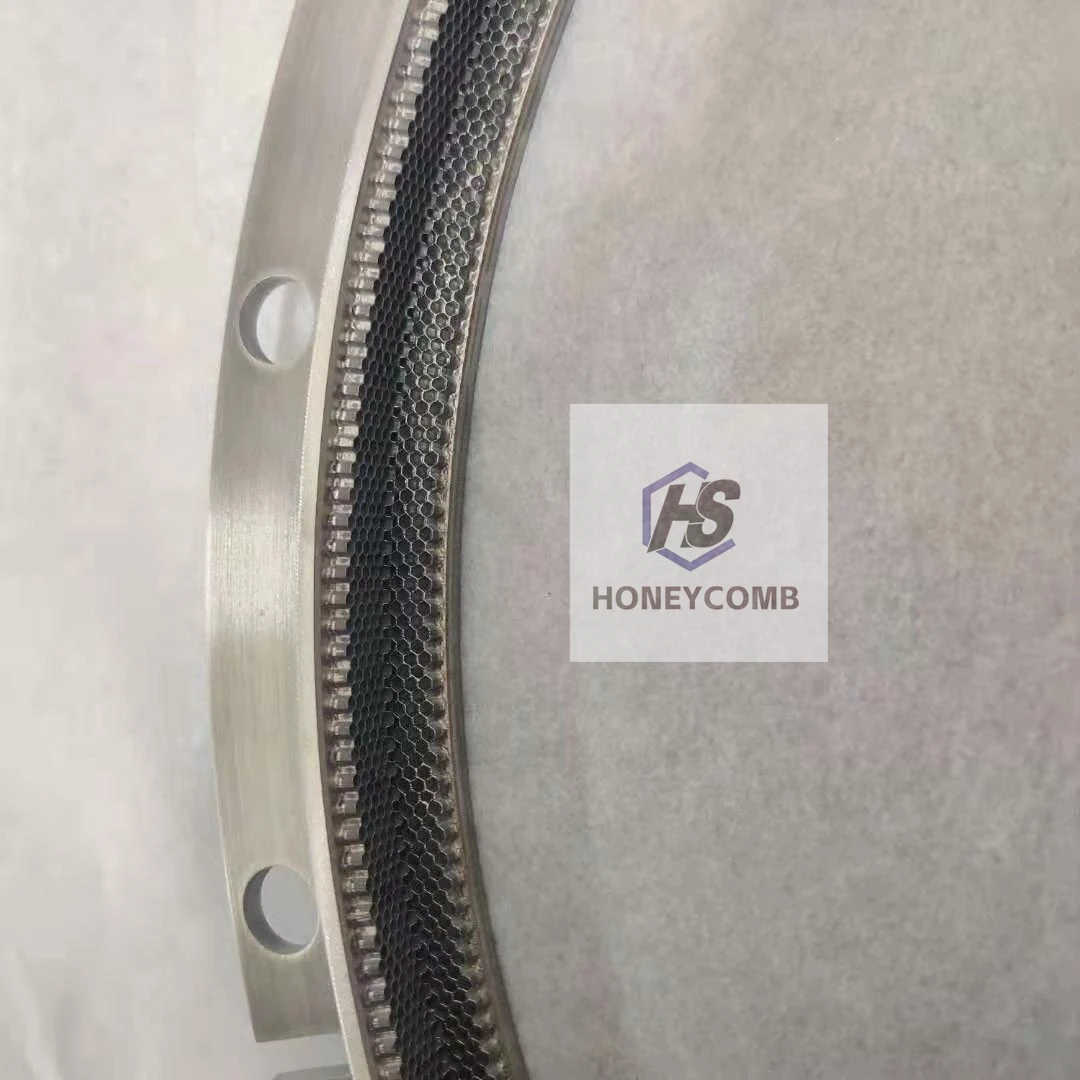
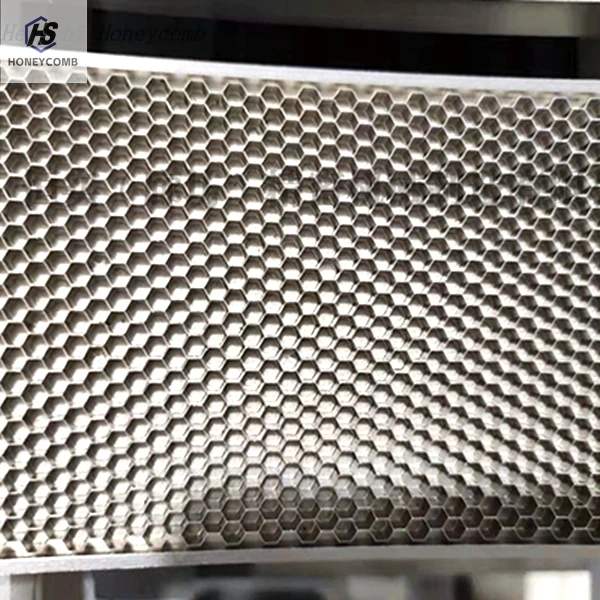
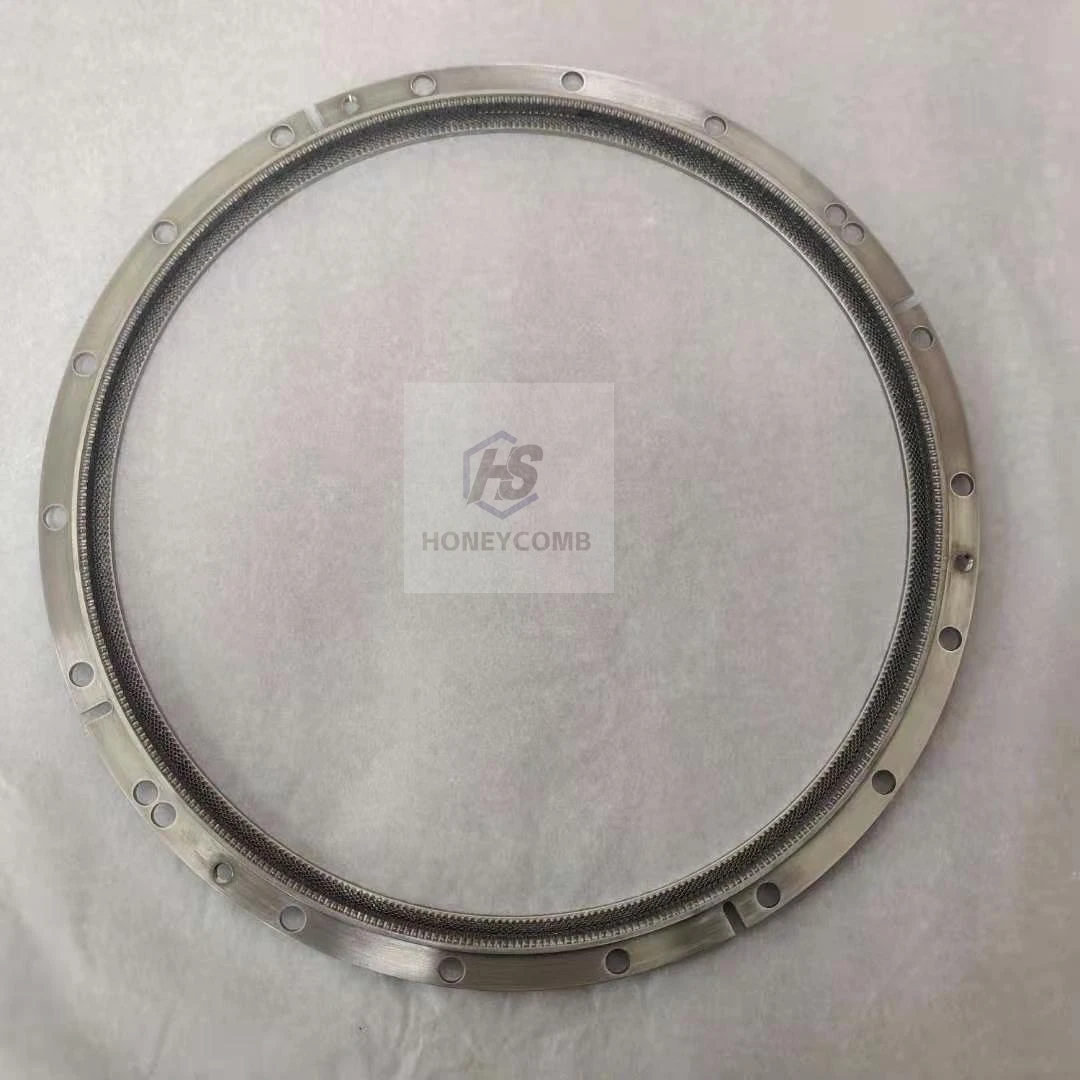
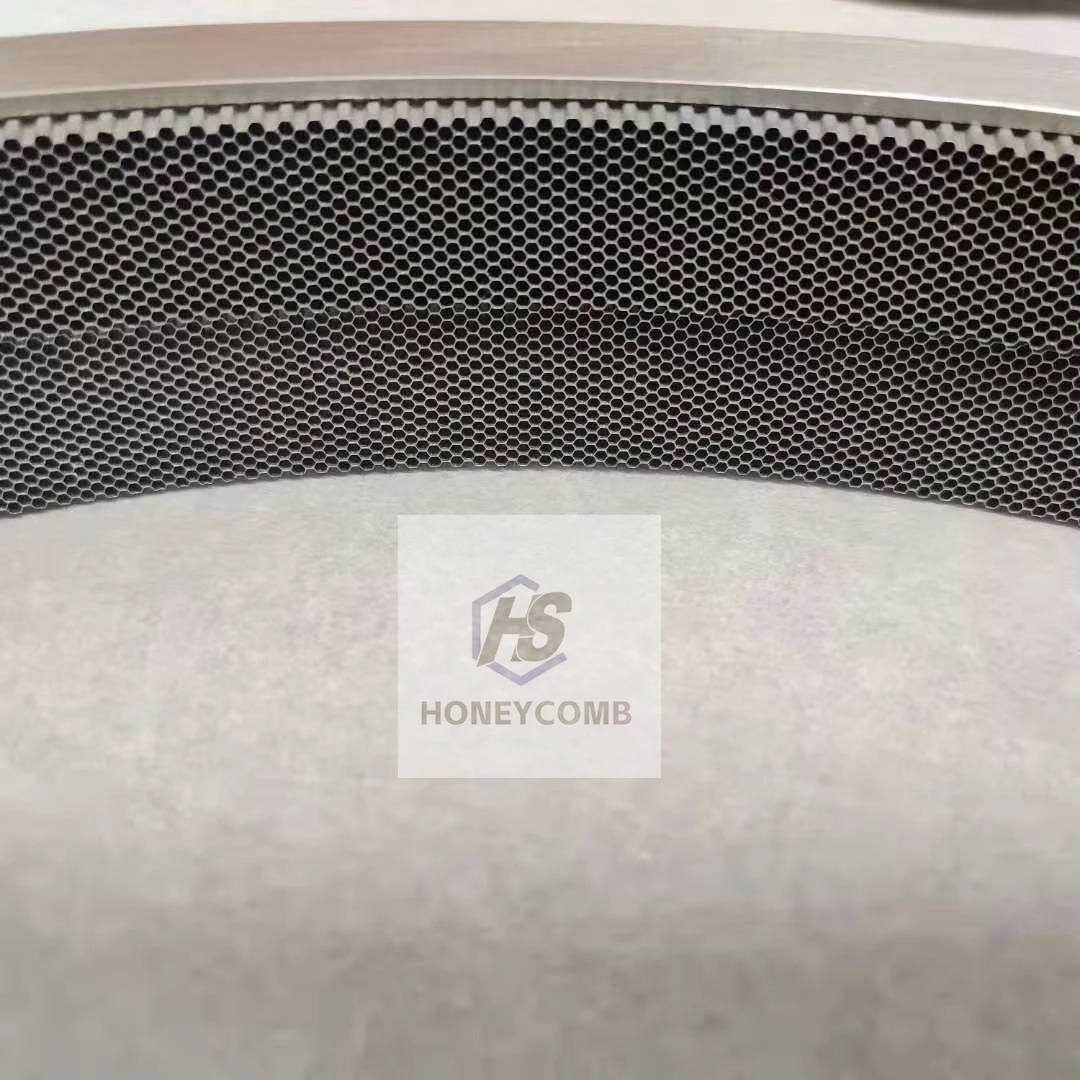
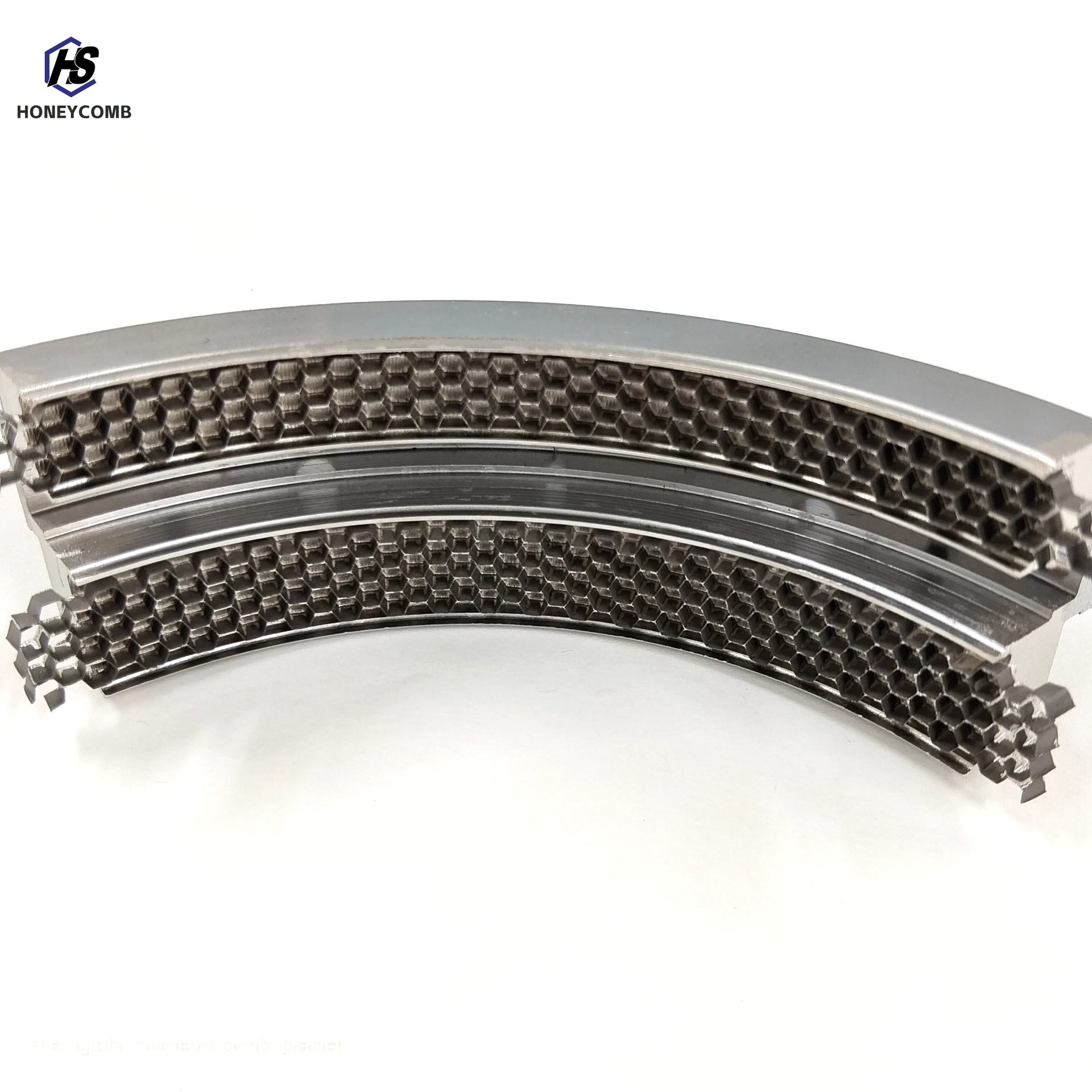
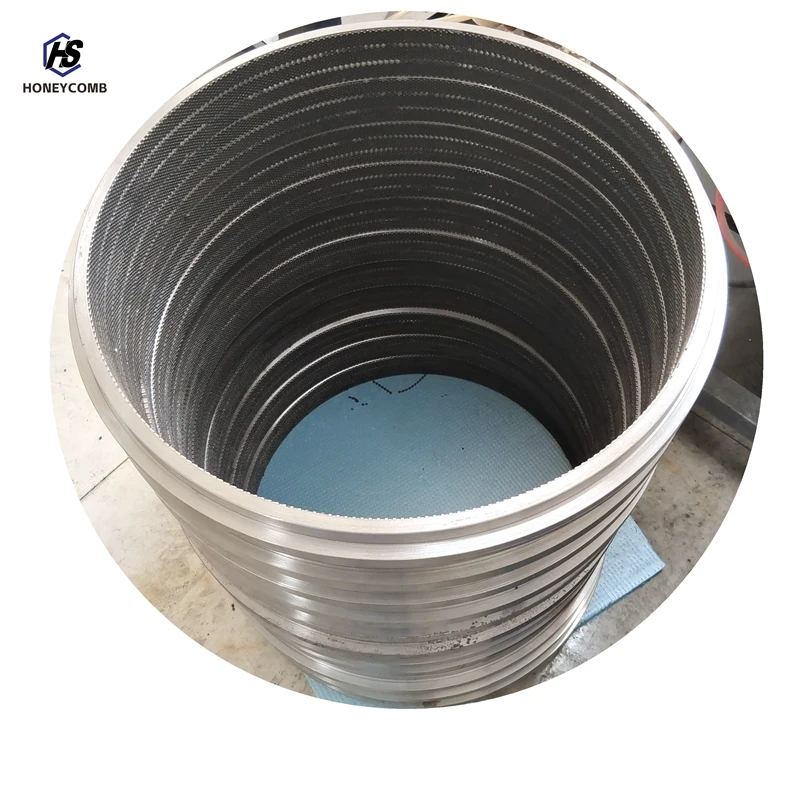
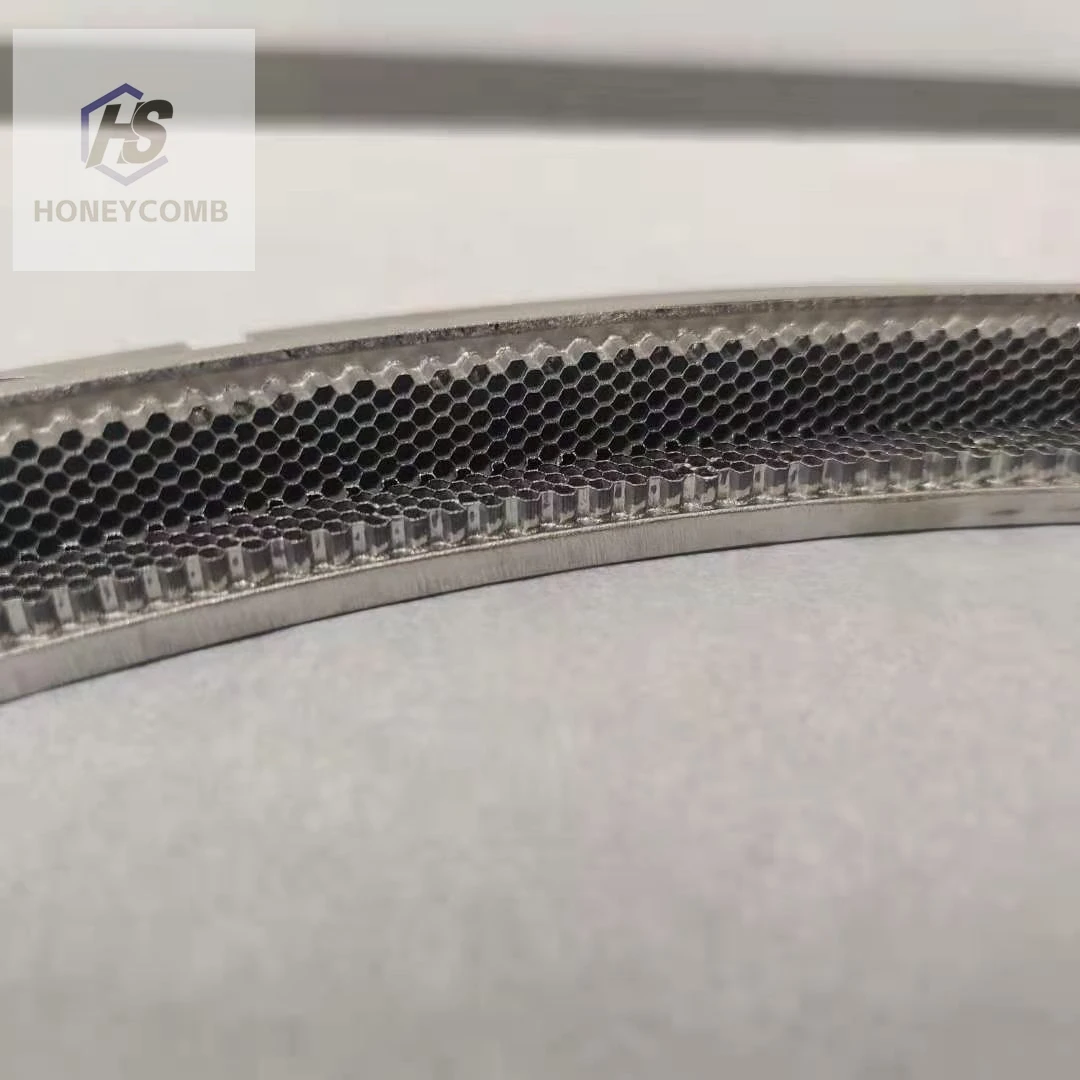
To put it simply, edelstahlwabenblech is a honeycomb-structured panel commonly made from stainless steel. This structure mimics nature’s engineering — the hexagonal honeycomb cells — to achieve maximum strength with minimal material. The panels consist of two thin layers of stainless steel sandwiching a honeycomb core, producing a lightweight yet incredibly rigid sheet. This combination is prized in industries where both weight and durability are critical, such as aviation, shipbuilding, and certain architectural elements.
More than just a fancy structural material, edelstahlwabenblech aligns with humanitarian and environmental needs too. For example, in emergency housing and fast-assembly infrastructures, it provides protection without the excessive weight and bulk of traditional steel plates.
Key Factors of Edelstahlwabenblech
Durability and Corrosion Resistance
Thanks to its stainless steel composition, this honeycomb panel is notably resistant to corrosion, even in harsh environments like coastal zones or chemical processing plants. This characteristic extends the service life, lowering maintenance costs over time.
Strength-to-Weight Ratio
The unique honeycomb geometry achieves extraordinary stiffness and strength. It’s something aerospace engineers rave about — you get a material that's strong enough to support heavy loads while remaining surprisingly light.
Thermal and Acoustic Performance
In addition to mechanical benefits, the honeycomb structure provides excellent thermal insulation and sound dampening, making it a smart choice for modern buildings and vehicles where comfort is paramount.
Scalability and Customization
From small panels to large-scale panels tailored for bridges or wall cladding, edelstahlwabenblech can be customized in thickness, cell size, and coating finishes, adapting beautifully to various industrial needs.
Cost Efficiency Over Lifecycle
While the upfront price may be higher than conventional materials, the longevity and reduced maintenance often translate into better total ownership costs.
Mini takeaway: Edelstahlwabenblech offers an irresistible package of durability, lightness, and functionality, making it a game-changer across sectors.
Product Specifications of Typical Edelstahlwabenblech
| Property | Typical Value | Unit |
|---|---|---|
| Material Grade | AISI 304 / 316 | - |
| Panel Thickness | 10 - 50 | mm |
| Cell Size | 3 - 10 | mm |
| Density | 1.5 - 3.0 | kg/m² |
| Tensile Strength | > 500 | MPa |
| Corrosion Resistance | High (Class F) | - |
Global Applications and Use Cases
It’s kind of amazing how widely stainless steel honeycomb panels are used. In Europe, manufacturers incorporate edelstahlwabenblech into train carriages to reduce weight and improve energy efficiency. Over in Japan, architects use them as facade elements for seismic-resistant buildings. In the aerospace sector, companies rely on this honeycomb core in aircraft floors and walls for both safety and efficiency.
Humanitarian organizations also find clever uses: in disaster relief, modular shelters made partly from stainless steel honeycomb panels can be rapidly deployed, offering weatherproof housing that’s robust yet transportable. In remote mining operations from Australia to Canada, these panels provide durable cladding and equipment protection in corrosive environments. Oddly enough, you might find them in your smartphone casing or laptop in the form of lightweight internal supports.
Vendor Comparison: Edelstahlwabenblech Providers
| Vendor | Material Range | Customization Options | Typical Lead Time | Price Range |
|---|---|---|---|---|
| HSHI Honeycomb | AISI 304, 316 | Thickness, cell size, coatings | 2-4 weeks | $$$ |
| EuroHoneycombs GmbH | 304 only | Limited | 4-6 weeks | $$ |
| StainlessTech Inc. | 304, 316L, 321 | Full custom design support | 3-5 weeks | $$$$ |
Advantages and Long-Term Value
There’s a lot to like about edelstahlwabenblech beyond the numbers. For one, it’s a trustworthy long-term investment. Its resilience not only resists corrosion but also structural wear, which means less downtime and fewer replacements. This reliability nurtures confidence, especially in critical infrastructure.
Environmentally, it supports sustainability goals by reducing raw material use and improving energy efficiency in transportation and buildings — something that’s becoming compulsory in global policy frameworks like those from the United Nations.
Socially, it elevates safety and dignity, especially in temporary housing or medical facilities that use it, by providing strong, stable, and hygienic environments for people in vulnerable situations.
Future Trends and Innovations
The future looks bright. Advances in stainless steel formulations might reduce costs, while novel production methods, such as additive manufacturing, could enable complex honeycomb geometries with tunable properties. There’s also buzz about integrating sensors directly into these panels for predictive maintenance — a smart material for a smart world.
In line with the green energy transition, edelstahlwabenblech is seeing applications in lightweight wind turbine blades and solar panel mounts, combining strength with corrosion resistance — a perfect match for renewable infrastructures.
Challenges and Solutions
Of course, no material is without hurdles. Edelstahlwabenblech still commands a premium upfront, which can deter smaller buyers. Manufacturing processes require precision, and recycling honeycomb panels efficiently remains a technical challenge due to the composite nature.
Experts suggest that modular manufacturing and standardization may drive down costs, while research into disassemblable cores could improve recycling rates. Companies like HSHI Honeycomb are pushing these boundaries, helping supply chains adapt and scale.
FAQ: Frequently Asked Questions About Edelstahlwabenblech
- What industries benefit the most from edelstahlwabenblech?
Mainly aerospace, transportation, architecture, and emergency housing—anywhere weight and strength are critical. - How does stainless steel honeycomb compare to aluminum honeycomb?
Stainless steel offers better corrosion resistance and durability, though aluminum is lighter and often less expensive. - Is edelstahlwabenblech suitable for outdoor applications?
Absolutely. Its corrosion resistance and weather durability make it ideal for harsh outdoor environments. - How customizable are these panels?
Very customizable in thickness, cell size, and surface treatments to suit specific project needs. - Can I import edelstahlwabenblech products internationally?
Yes, but always work with experienced vendors familiar with customs and shipping regulations for smooth transactions.
Conclusion
To sum up, edelstahlwabenblech is more than just a robust construction material. It embodies a smart fusion of engineering, sustainability, and adaptability that the modern world sorely needs. Whether you’re designing aircraft, building resilient shelters, or innovating sustainable infrastructure, this honeycomb panel delivers exceptional value over the long haul.
If you want to explore high-quality edelstahlwabenblech products tailored to your needs, be sure to visit our website: https://www.hshihoneycomb.com. You’ll find detailed specs, customization options, and expert support all in one place.
Sometimes the strongest solutions come from the simplest yet most clever designs—like the honeycomb in edelstahlwabenblech.
References
-
Industrial Airflow Guide for maf воздушная правильная машинаNewsApr.16,2026
-
Best maf струйно правильная машина for Industrial EfficiencyNewsApr.09,2026
-
Сотовая правильная машина A Comprehensive Guide to Honey Packing AutomationNewsApr.07,2026
-
Build Your Own DIY газоправильная Машина A Comprehensive Guide to Gas CorrectionNewsApr.04,2026
-
Understanding Кондиционер отопления Systems for Efficient and Comfortable HeatingNewsMar.31,2026
-
Comprehensive Guide to Cellular Blinds Installation Установка сотовых жалюзиNewsMar.28,2026
-
Mobile Aerodynamic Tunnel Design A Comprehensive Guide to Applications and ImplementationNewsMar.26,2026






 English
  Afrikaans
  Albanian
  Amharic
  Arabic
  Armenian
  Azerbaijani
  Basque
  Belarusian
  Bengali
  Bosnian
  Bulgarian
  Catalan
  Cebuano
  China
China  China (Taiwan)
  Corsican
  Croatian
  Czech
Czech  Danish
  Dutch
Dutch  Esperanto
  Estonian
  Finnish
  French
  Frisian
  Galician
  Georgian
  German
  Greek
Greek  Gujarati
  Haitian Creole
  Hausa
Hausa  Hawaiian
  Hebrew
  Hindi
Hindi  Miao
Miao  Indonesian
  Italian
  Japanese
  Javanese
  Malay
Malay  Persian
  Portuguese
  Punjabi
  Russian
  Spanish
  Swahili
  Telugu
  Vietnamese