


Ventilation en Nid d'Abeille: Energy-Efficient Honeycomb Airflow Solutions
Understanding Ventilation en Nid d'Abeille: A Global Perspective
Ventilation en nid d'abeille, or honeycomb ventilation, sounds a little fancy — but behind that name lies something pretty straightforward and deeply impactful. In essence, it’s a system designed to optimize airflow with a honeycomb-shaped structure, mimicking the natural design of bee hives. But why does this matter beyond sounding neat? Well, quite simply, as our world wrestles with escalating climate issues, urban density, and the need for sustainable building solutions, ventilation en nid d'abeille is quietly stepping into the spotlight. It brings smarter airflow management—a critical factor for energy savings, improving human comfort, and even supporting environmental goals.
Globally, with buildings accounting for about 40% of energy consumption (International Energy Agency, 2021), improving ventilation systems can drastically reduce carbon footprints. Plus, on a human level, better air circulation relates directly to health — less moisture buildup, better indoor air quality, and reduced respiratory risks.
What Exactly Is Ventilation en Nid d'Abeille?
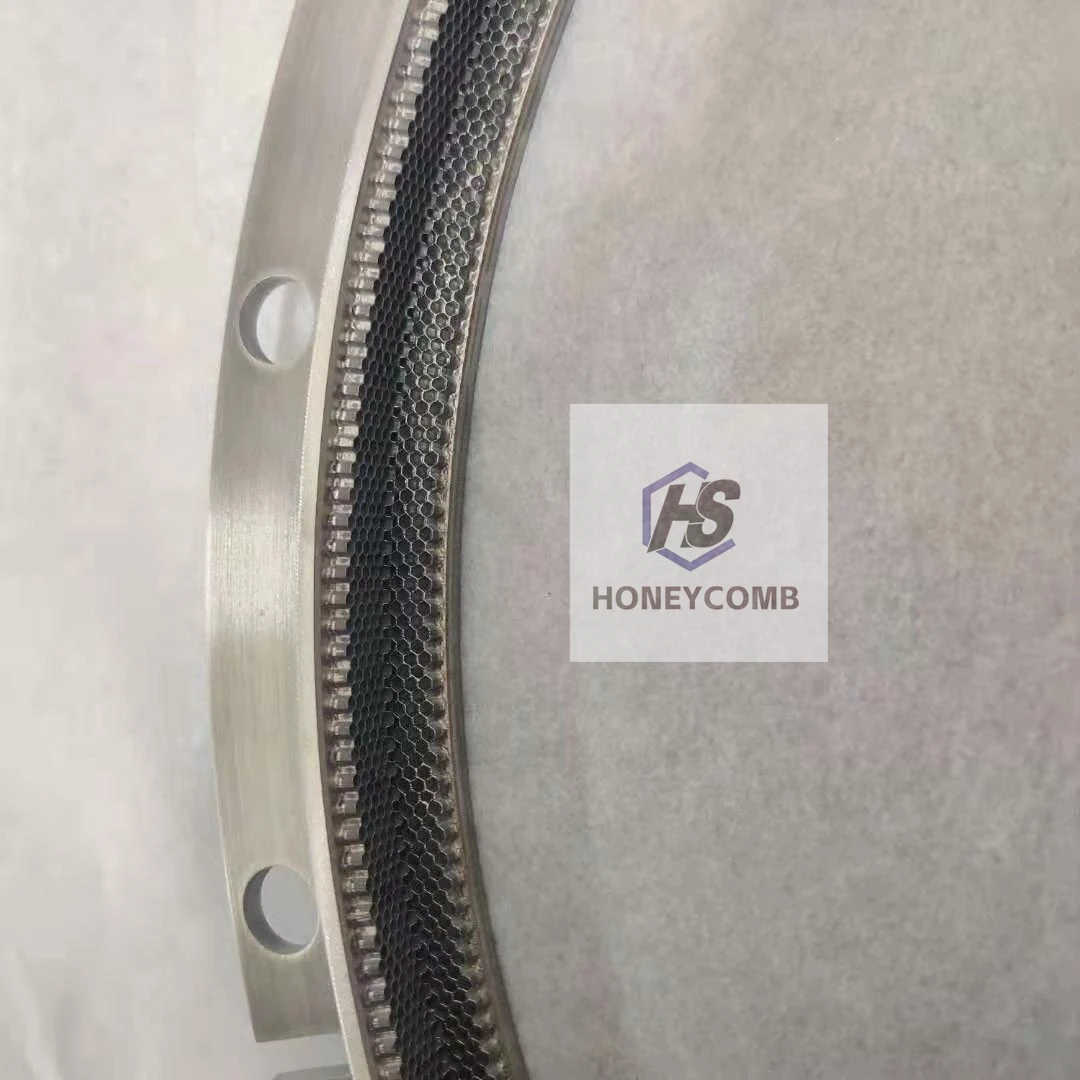
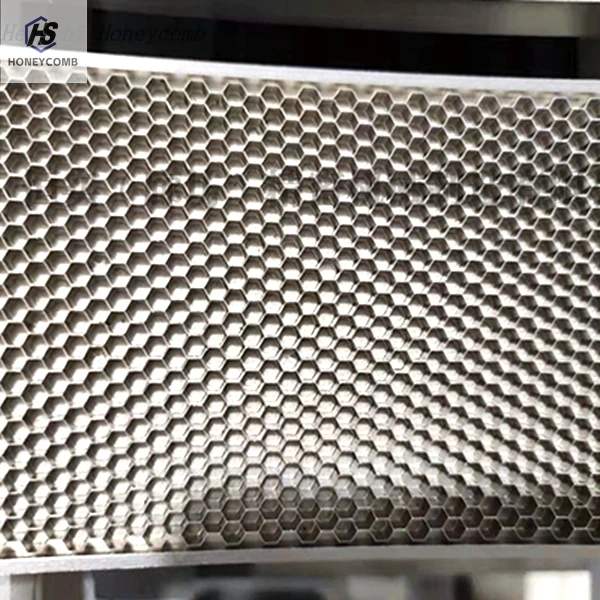
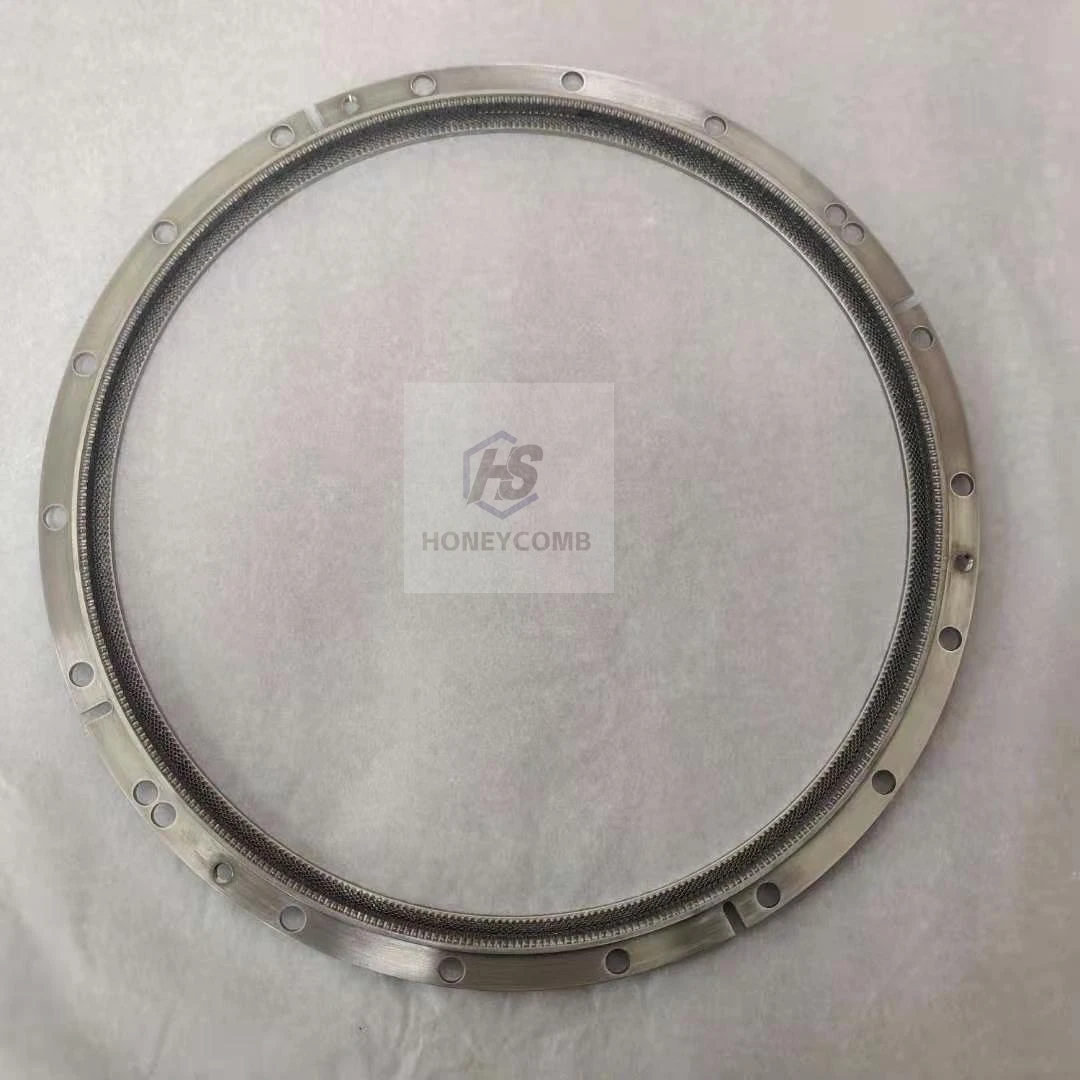
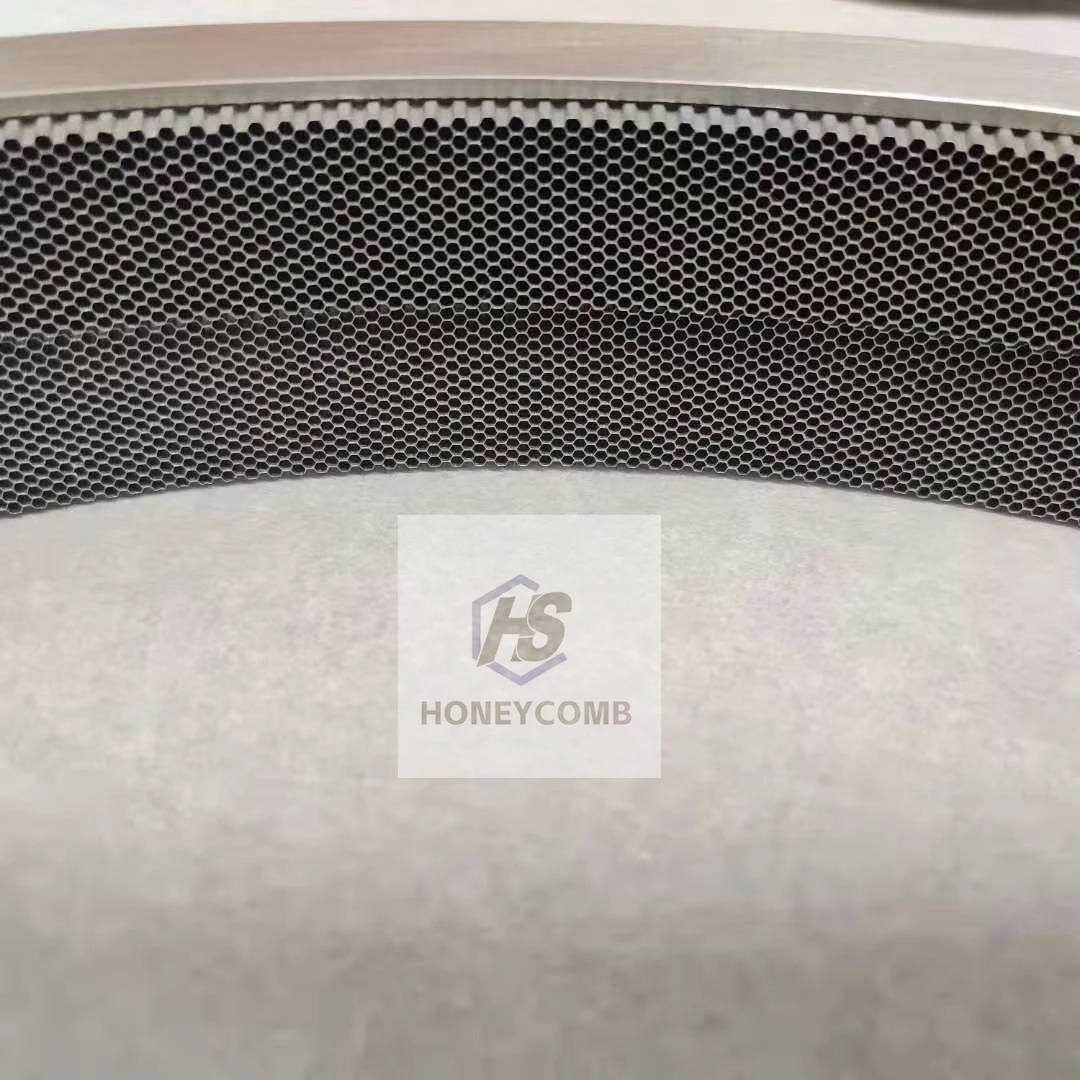
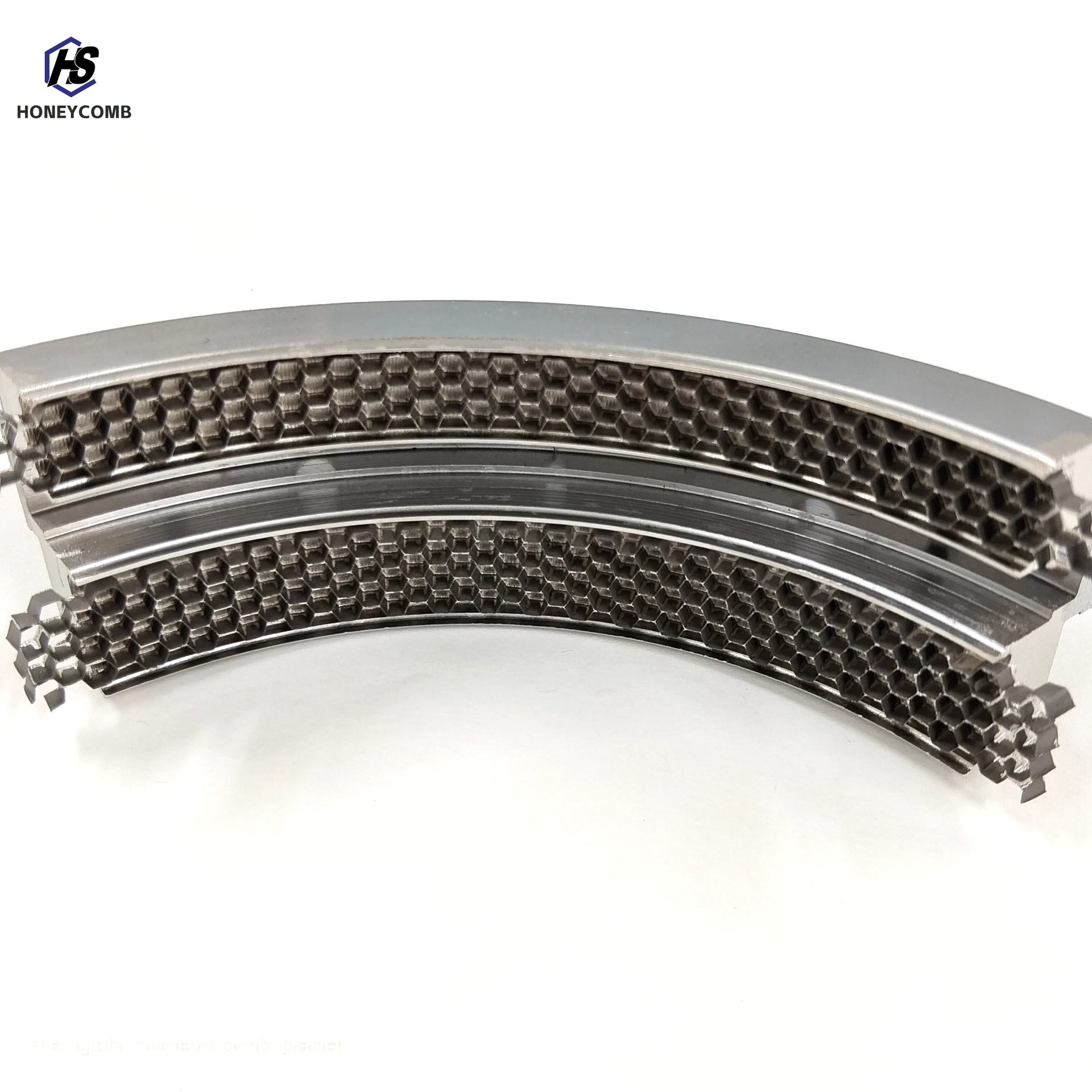
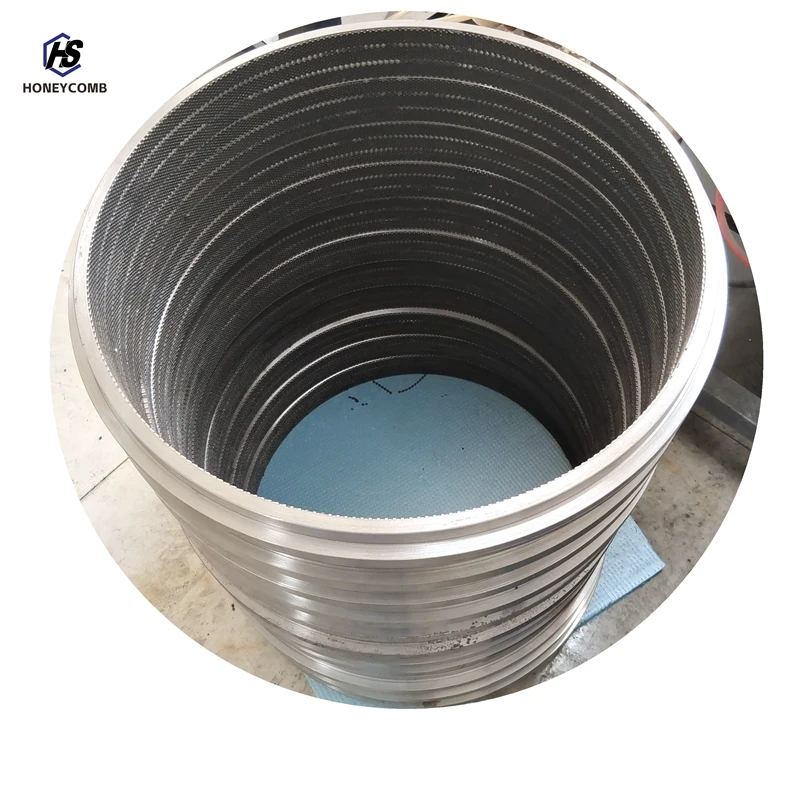
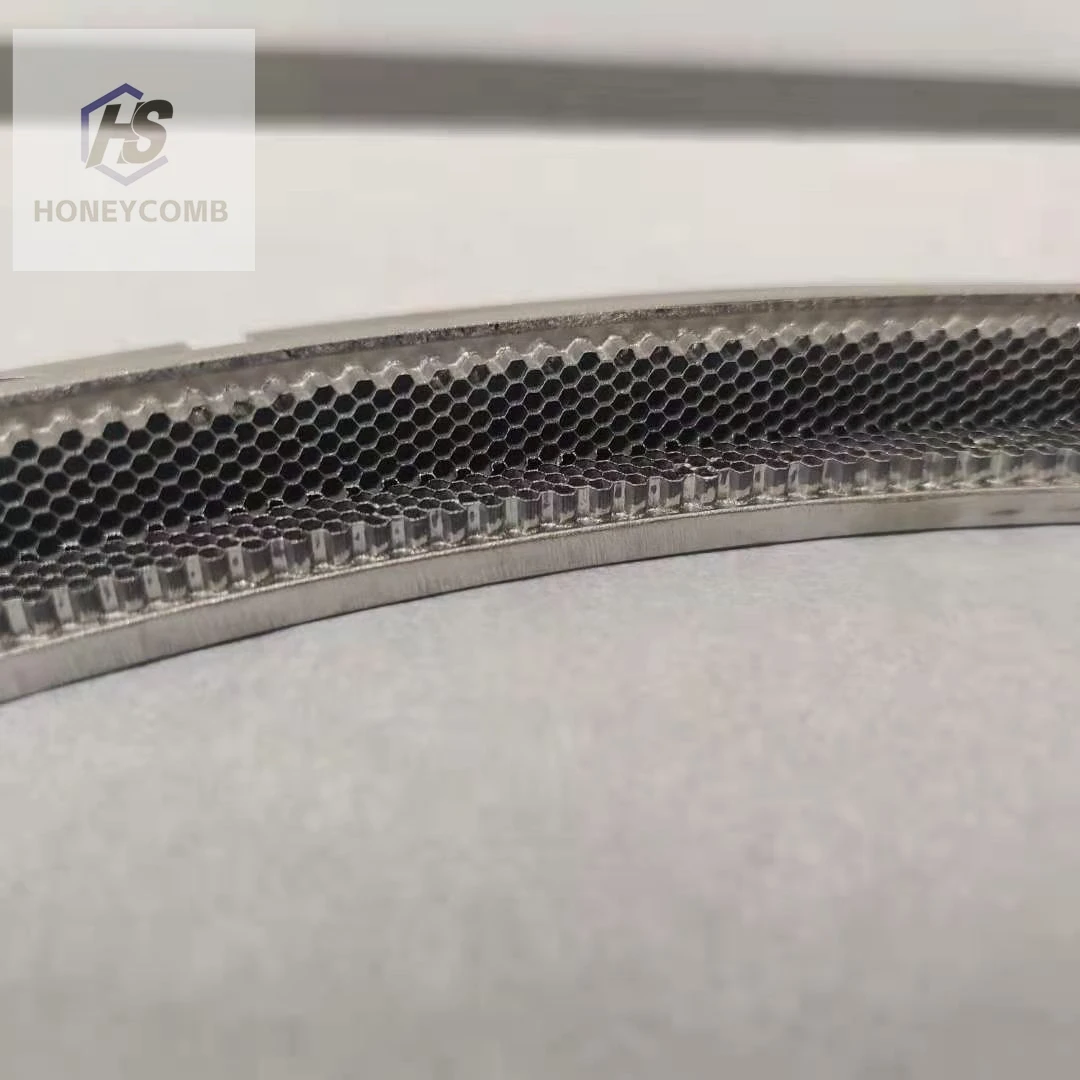
Simply put, it’s a ventilation technology that uses a honeycomb-shaped matrix—think hexagonal cells—to manage the flow and exchange of air. The shape isn’t just for show; it’s a clever way to optimize space, airflow, and strength, much like how bees build efficient and resilient hives.
Industrially, it’s used in HVAC systems, architectural facades, and even portable shelters, where maximizing airflow without compromising structural integrity or energy efficiency matters. In contexts ranging from disaster relief shelters to smart urban buildings, this design supports breathable, sustainable habitats.
Core Components of Ventilation en Nid d'Abeille
1. Structural Durability
Honeycomb patterns lend inherent strength. This means ventilation panels based on this design can withstand harsh weather or mechanical stresses, making them perfect for rugged zones or long-term installations.
2. Airflow Efficiency
The hexagonal cells channel air more uniformly, preventing dead zones and encouraging consistent cross-flow that’s vital for temperature regulation.
3. Energy Savings
Optimized ventilation reduces reliance on active cooling/heating systems. Many engineers say it can drop HVAC energy demand by as much as 15–25% in some setups (ISO 16890 related studies, 2020).
4. Adaptability and Scalability
Whether it’s a small portable unit for emergency shelters or a multi-story building façade, the honeycomb system scales gracefully without losing performance.
5. Material Versatility
Metal, composite plastics, or even recycled materials can be used for the honeycomb panels, aligning with sustainability initiatives and budget constraints.
Global Applications & Real-World Use Cases
- Disaster Relief: Rapidly deployable shelters with honeycomb ventilation ensure adequate airflow in hot or humid climates, reducing mold and health risks.
- Urban Architecture: Innovative buildings in Europe and Asia use honeycomb façade panels to naturally cool interiors, cutting energy bills.
- Industrial Zones: Factories in remote areas incorporate this ventilation method to protect machinery and workers alike from overheating.
- Transportation: Airports and train stations integrate large-scale honeycomb ventilation systems for better air movement and pollution control.
For example, in post-disaster refugee camps in Southeast Asia, shelters featuring ventilation en nid d'abeille have stood out for maintaining indoor comfort despite minimal energy input.
Advantages & Long-Term Value of Ventilation en Nid d'Abeille
The list of benefits is pretty tangible. For one, energy savings translate directly to cost cuts. A building or shelter that breathes well doesn’t need to overwork air conditioners and heaters, which saves both money and the planet. On a social level, safe, mold-free, and comfortable environments improve wellbeing and dignity—often overlooked factors in design.
Emotionally, it’s satisfying to know that somewhat humble hexagons wield such an outsized impact — environmental innovators call it a “quiet revolution” of design. Reliability breeds trust; once installed well, these systems demand little maintenance.
| Specification | Typical Range | Notes |
|---|---|---|
| Cell Size | 5–20 mm diameter | Smaller cells improve structural strength |
| Material Thickness | 0.5–2 mm | Depends on application (indoor/outdoor) |
| Airflow Rate | Up to 800 CFM/m² | Optimized for ventilation efficiency |
| Thermal Resistance (R-Value) | 0.5 to 1.5 | Helps with insulation in some designs |
| Weight | 0.8–3 kg/m² | Lightweight for easy installation |
Ventilation en Nid d'Abeille Vendor Comparison
| Vendor | Materials | Applications | Pricing Level | Customization |
|---|---|---|---|---|
| HoneyVent Corp. | Aluminum, composites | Industrial, commercial | Mid to High | Standard cell sizes, panel shapes |
| VentHex Solutions | Recycled plastics | Portable shelters, urban projects | Low to Mid | Highly customizable |
| EcoHoney Systems | Biodegradable composites | Sustainable construction | Mid | Limited shapes, focused on eco |
Future Trends & Innovations
Oddly enough, the honeycomb ventilation field is buzzing with new ideas. Think adaptive facades where honeycomb panels open and close autonomously depending on temperature and air quality. There’s a visible move toward integrating solar-powered fans and sensors to digitally optimize airflow, linking closely with smart building tech. Also, sustainability continues to push material innovation—biodegradable composites and recycled polymers are gaining traction without compromising durability.
Policymakers and construction standard bodies (like ISO and ASHRAE) are beginning to recognize the energy benefits of such designs, potentially driving wider adoption in codes.
Challenges & Solutions
It’s not all smooth sailing. One challenge is cost — some high-performance honeycomb panels can be pricey, limiting use in low-budget contexts. Also, manufacturing complexity sometimes slows down large orders or customization.
However, solutions are emerging, including modular panel systems that clip easily, reducing labor costs. Experimentation with local materials for the honeycomb core has also made projects in developing nations more feasible. Engineers continue working on balancing airflow efficiency with structural strength to reduce material usage further.
FAQ: Frequently Asked Questions About Ventilation en Nid d'Abeille
- Q: How does ventilation en nid d'abeille improve indoor air quality?
A: The hexagonal cells create uniform airflow channels that reduce moisture buildup and stale air pockets, leading to fresher, healthier interiors. This design aids natural ventilation and can complement mechanical systems effectively. - Q: Can honeycomb ventilation panels be custom-sized for unusual building shapes?
A: Yes, many manufacturers now offer customizable panel sizes and shapes to fit complex architectural needs, making them versatile beyond standard rectangular frames. - Q: Are ventilation en nid d'abeille systems suitable for humid tropical environments?
A: Absolutely. Their design enhances airflow to prevent condensation and mold—common problems in humid climates. Plus, materials used are often corrosion-resistant, extending lifespan. - Q: What maintenance does a honeycomb ventilation system require?
A: Generally minimal—periodic cleaning to remove dust or debris suffices. The durable structure means fewer repairs compared to traditional vents.
Conclusion & Call to Action
Ventilation en nid d'abeille offers a fascinating intersection of natural design, engineering, and sustainability. Its benefits—energy savings, health improvements, adaptability—make it a sensible choice now and in the future. For anyone involved in building, design, or humanitarian aid, it’s worth exploring further.
Interested in learning more or sourcing advanced honeycomb ventilation solutions? Visit our website: ventilation en nid d'abeille.
It’s amazing how something inspired by busy little bees can help us breathe a little easier — literally and figuratively.
-
Industrial Airflow Guide for maf воздушная правильная машинаNewsApr.16,2026
-
Best maf струйно правильная машина for Industrial EfficiencyNewsApr.09,2026
-
Сотовая правильная машина A Comprehensive Guide to Honey Packing AutomationNewsApr.07,2026
-
Build Your Own DIY газоправильная Машина A Comprehensive Guide to Gas CorrectionNewsApr.04,2026
-
Understanding Кондиционер отопления Systems for Efficient and Comfortable HeatingNewsMar.31,2026
-
Comprehensive Guide to Cellular Blinds Installation Установка сотовых жалюзиNewsMar.28,2026
-
Mobile Aerodynamic Tunnel Design A Comprehensive Guide to Applications and ImplementationNewsMar.26,2026






 English
  Afrikaans
  Albanian
  Amharic
  Arabic
  Armenian
  Azerbaijani
  Basque
  Belarusian
  Bengali
  Bosnian
  Bulgarian
  Catalan
  Cebuano
  China
China  China (Taiwan)
  Corsican
  Croatian
  Czech
Czech  Danish
  Dutch
Dutch  Esperanto
  Estonian
  Finnish
  French
  Frisian
  Galician
  Georgian
  German
  Greek
Greek  Gujarati
  Haitian Creole
  Hausa
Hausa  Hawaiian
  Hebrew
  Hindi
Hindi  Miao
Miao  Indonesian
  Italian
  Japanese
  Javanese
  Malay
Malay  Persian
  Portuguese
  Punjabi
  Russian
  Spanish
  Swahili
  Telugu
  Vietnamese