


Exploring the Innovative Honeycomb Model Structure Applications and Benefits
Understanding the Honeycomb Model: Structure, Applications & Benefits
The honeycomb model is a fascinating structural design celebrated for its strength, lightweight nature, and cost-effectiveness. This article dives into the intricacies of this model, exploring its construction, diverse applications across various industries, and the advantages it offers. From aerospace to packaging, the honeycomb structure is revolutionizing how we build and protect. We will also explore how HSHI Honeycomb contributes to this innovative field.
The Core Principles of the Honeycomb Model
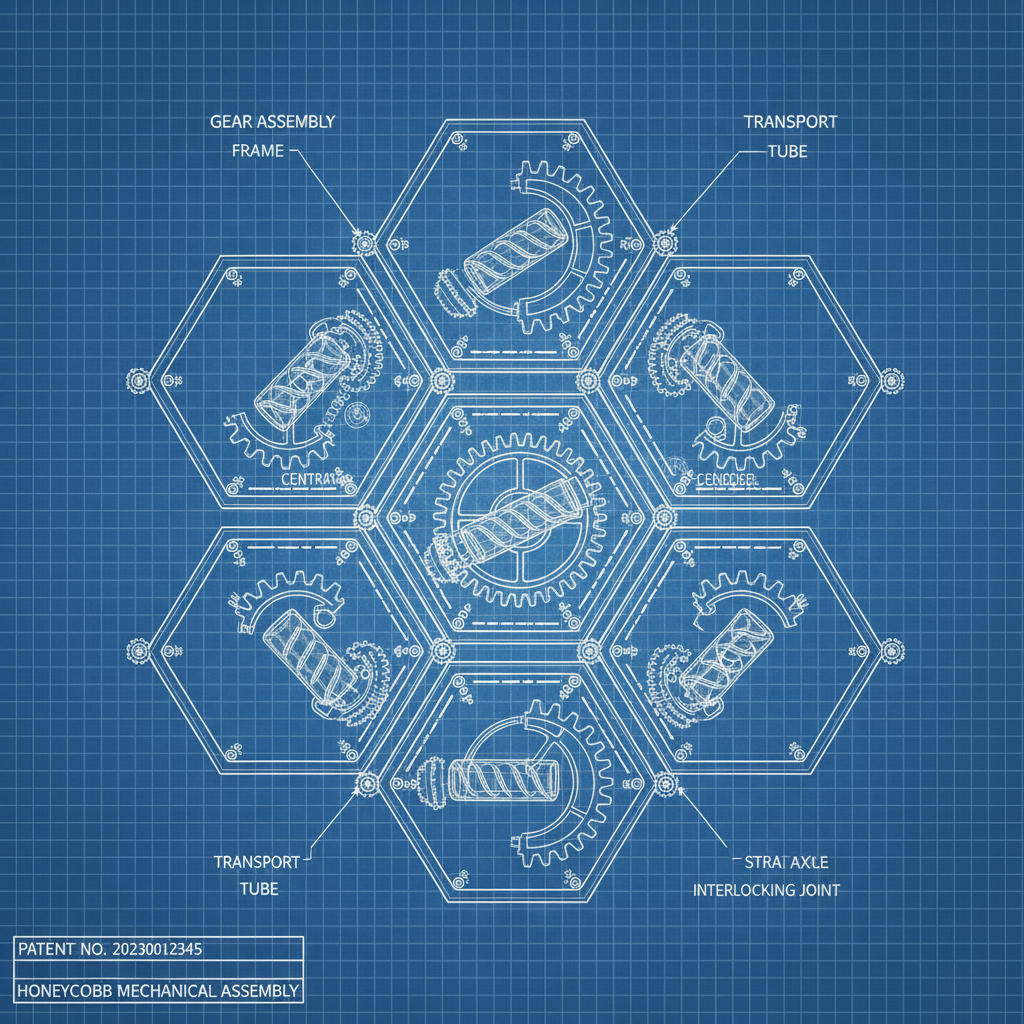
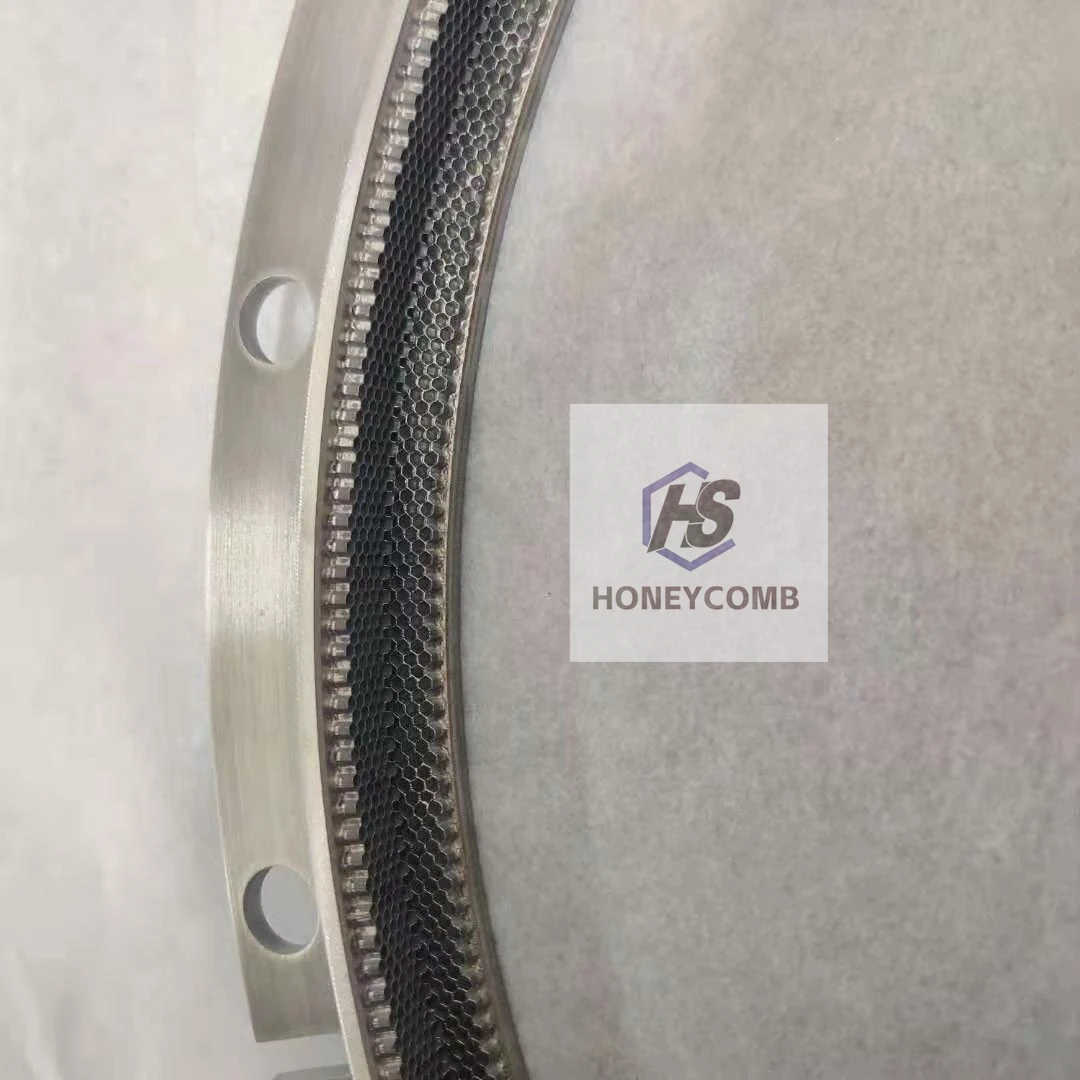
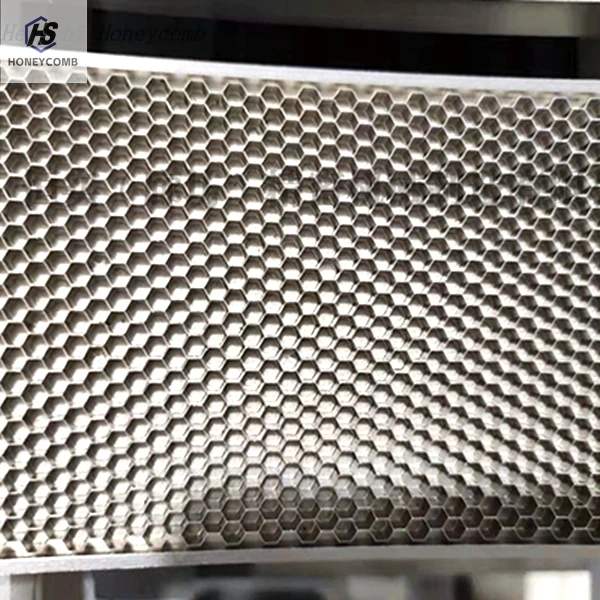
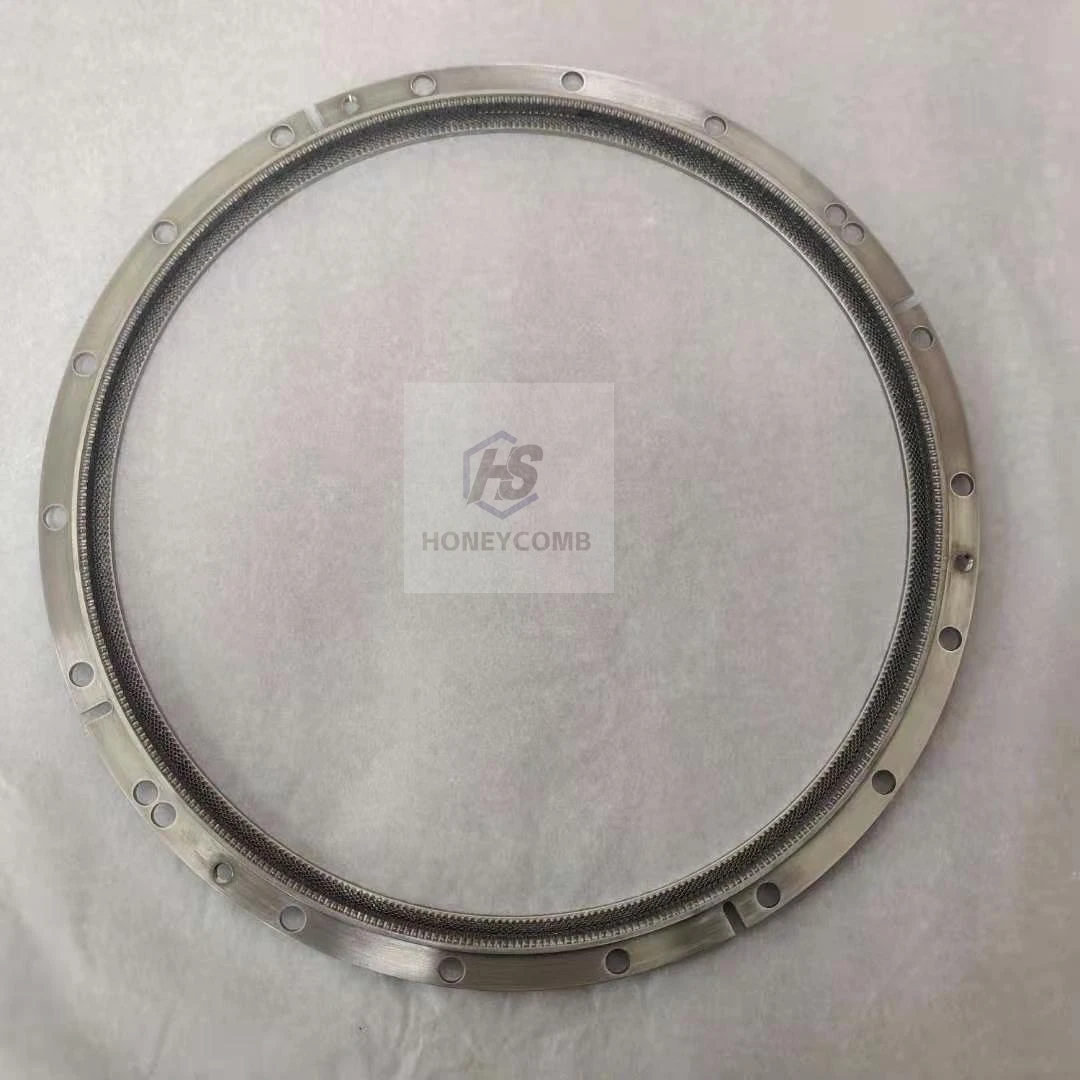
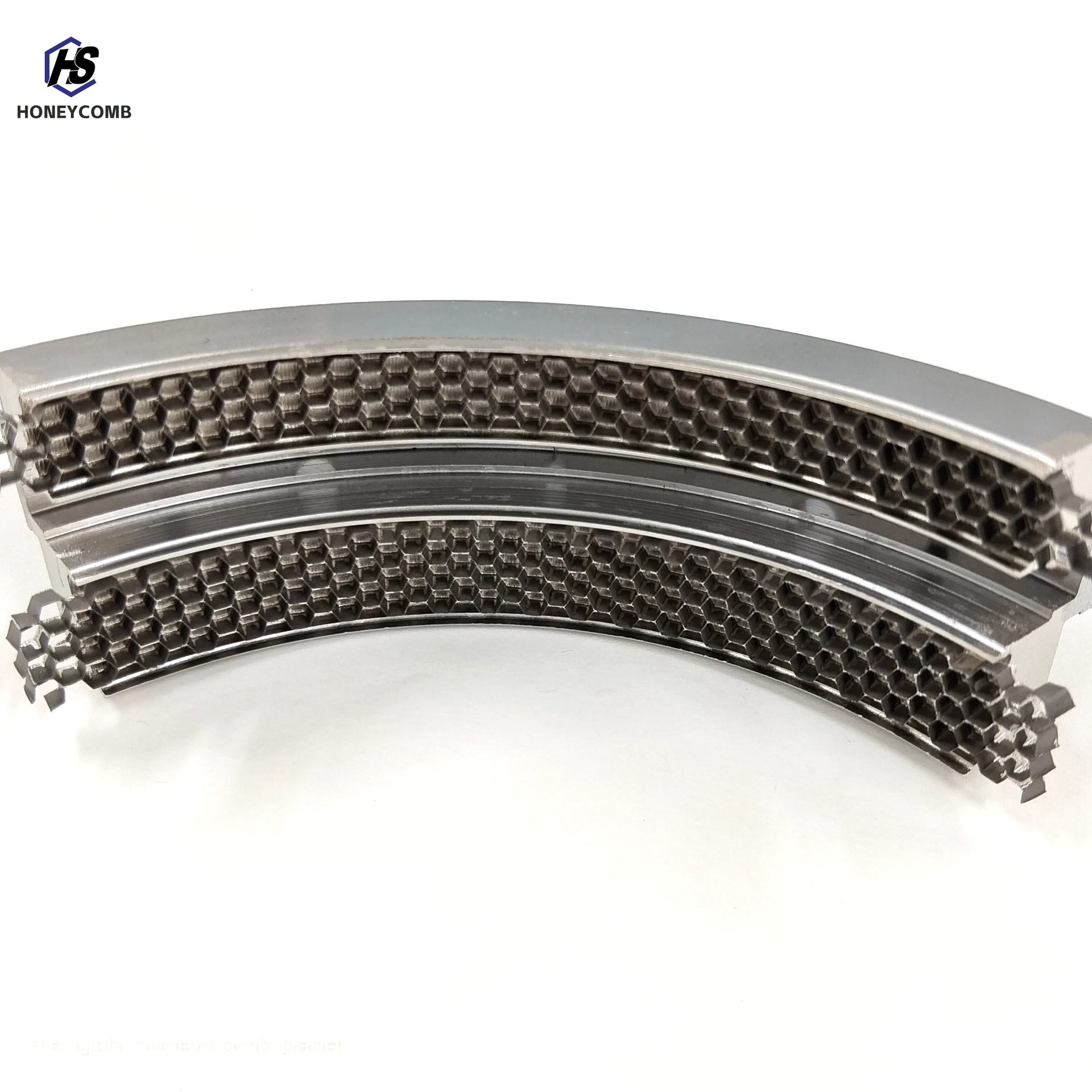
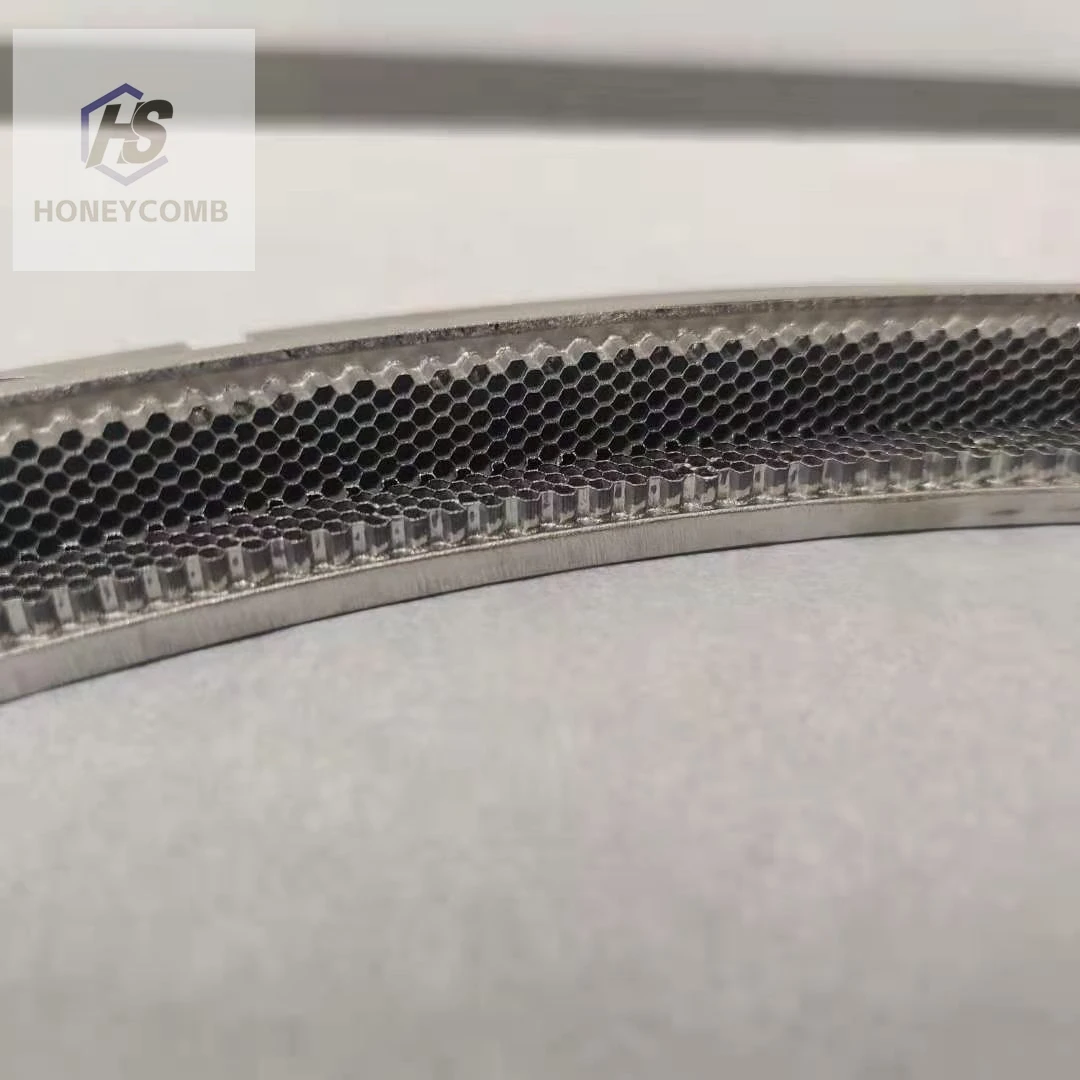
At its heart, the honeycomb model mimics the natural structure found in beehives. It's composed of a core material – often paper-based, aluminum, or composite materials – arranged in a hexagonal pattern. This geometric arrangement is remarkably efficient at distributing stress, providing exceptional strength-to-weight ratio. The hexagonal cells act as miniature columns, resisting compressive forces. Crucially, the model’s efficiency isn’t solely reliant on the core material’s inherent strength but on the integrated structure it creates. The strength of honeycomb structures is heavily influenced by cell size, wall thickness, and the materials used.
Key Highlights: Exceptional strength-to-weight ratio, efficient stress distribution, and versatile material options make honeycomb structures ideal for numerous applications.
Honeycomb Model Materials: A Comparative Look
The selection of materials for the honeycomb core and face sheets significantly impacts performance. Different materials suit different applications based on factors like cost, weight, and environmental conditions. Here’s a comparison of commonly used materials:
Applications of the Honeycomb Model Across Industries
The versatility of the honeycomb model shines through its wide range of applications. In aerospace, it’s used in aircraft wings and fuselage panels to reduce weight while maintaining structural integrity. Packaging industries utilize honeycomb cardboard for protective shipping and displays. Architectural applications include lightweight panels for facades and interior design. Other key areas include automotive components, sporting goods, and even furniture. Its ability to provide strength and rigidity with minimal weight makes it a cornerstone of modern engineering.
Key Application Areas:
• Aerospace: Aircraft panels, interior components
• Packaging: Protective shipping containers, displays
• Automotive: Interior panels, structural components
• Architecture: Facade panels, interior design elements
Benefits of Using the Honeycomb Structure
The adoption of honeycomb structures brings numerous benefits. Foremost is the significant weight reduction compared to solid materials, leading to improved fuel efficiency in aerospace and easier handling in other applications. The high strength-to-weight ratio offers exceptional durability. Furthermore, the honeycomb core provides excellent energy absorption, making it ideal for impact protection. Manufacturing costs can be lower compared to alternative complex structures. HSHI Honeycomb is dedicated to maximizing these benefits for its customers.
The Future of Honeycomb Technology
Ongoing research and development are continually expanding the possibilities of honeycomb technology. New materials, like advanced composites and bio-based polymers, are being explored to enhance performance and sustainability. Innovative manufacturing techniques, such as 3D printing, are enabling the creation of complex honeycomb geometries tailored to specific applications. The integration of sensors within honeycomb structures is also emerging, allowing for real-time monitoring of stress and damage. The future of honeycomb technology is bright, with continued advancements promising even greater efficiency, strength, and versatility.
Conclusion: The Enduring Power of the Honeycomb Model
The honeycomb model remains a remarkable engineering achievement, offering a unique combination of strength, lightweight properties, and cost-effectiveness. Its versatility continues to drive innovation across a diverse range of industries. As materials science and manufacturing technologies advance, the potential of honeycomb structures will only continue to grow. It's a testament to the power of biomimicry and efficient design.
Frequently Asked Questions (FAQs)
What are the main advantages of using a honeycomb structure over solid materials?
Honeycomb structures offer significant advantages over solid materials, primarily in their strength-to-weight ratio. They provide comparable or even superior strength while being significantly lighter, reducing material usage and costs. The honeycomb design also excels in energy absorption, making it suitable for impact resistance. They're more cost effective compared to similar structures.
How does cell size affect the strength of a honeycomb structure?
Cell size plays a crucial role in the strength of a honeycomb structure. Smaller cell sizes generally increase compressive strength, as there are more walls to distribute the load. However, smaller cells also increase material usage and manufacturing complexity. A balance must be struck between cell size, wall thickness, and the desired strength characteristics. Optimization depends on the specific application.
What types of adhesives are used to bond face sheets to honeycomb cores?
Various adhesives are used depending on the materials involved and the application requirements. Common choices include epoxy resins, polyurethane adhesives, and acrylic adhesives. The adhesive must provide strong bonding strength, good shear resistance, and compatibility with both the face sheet and core materials. Proper surface preparation is crucial for ensuring a durable bond.
Is the honeycomb structure suitable for high-temperature environments?
The suitability for high-temperature environments depends on the materials used. Aluminum honeycomb structures have limited high-temperature resistance, while composite honeycomb structures with heat-resistant resins can withstand higher temperatures. The adhesive used also needs to be temperature-resistant. Specific applications may require specialized materials and designs for extreme temperatures.

-
Industrial Airflow Guide for maf воздушная правильная машинаNewsApr.16,2026
-
Best maf струйно правильная машина for Industrial EfficiencyNewsApr.09,2026
-
Сотовая правильная машина A Comprehensive Guide to Honey Packing AutomationNewsApr.07,2026
-
Build Your Own DIY газоправильная Машина A Comprehensive Guide to Gas CorrectionNewsApr.04,2026
-
Understanding Кондиционер отопления Systems for Efficient and Comfortable HeatingNewsMar.31,2026
-
Comprehensive Guide to Cellular Blinds Installation Установка сотовых жалюзиNewsMar.28,2026
-
Mobile Aerodynamic Tunnel Design A Comprehensive Guide to Applications and ImplementationNewsMar.26,2026






 English
  Afrikaans
  Albanian
  Amharic
  Arabic
  Armenian
  Azerbaijani
  Basque
  Belarusian
  Bengali
  Bosnian
  Bulgarian
  Catalan
  Cebuano
  China
China  China (Taiwan)
  Corsican
  Croatian
  Czech
Czech  Danish
  Dutch
Dutch  Esperanto
  Estonian
  Finnish
  French
  Frisian
  Galician
  Georgian
  German
  Greek
Greek  Gujarati
  Haitian Creole
  Hausa
Hausa  Hawaiian
  Hebrew
  Hindi
Hindi  Miao
Miao  Indonesian
  Italian
  Japanese
  Javanese
  Malay
Malay  Persian
  Portuguese
  Punjabi
  Russian
  Spanish
  Swahili
  Telugu
  Vietnamese