


Honeycomb Modules: A Deep Dive into Performance and Applications
Understanding the Rise of the Honeycomb Module
You know, I’ve been working around materials science and industrial components for a while now, and there's been a real shift in what people are looking for. It’s not just about strength anymore, it’s about strength-to-weight ratios, about energy absorption, about finding that sweet spot where you get maximum performance without all the bulk. And that's where the honeycomb module really comes into its own. It’s surprisingly versatile, actually. From aerospace to automotive to even architectural applications, it's popping up everywhere.
Table of Contents
- Honeycomb Module Overview
- Benefits & Use Cases of Honeycomb Module
- Cost, Maintenance & User Experience
- Sustainability & Market Trends
Honeycomb Module Overview
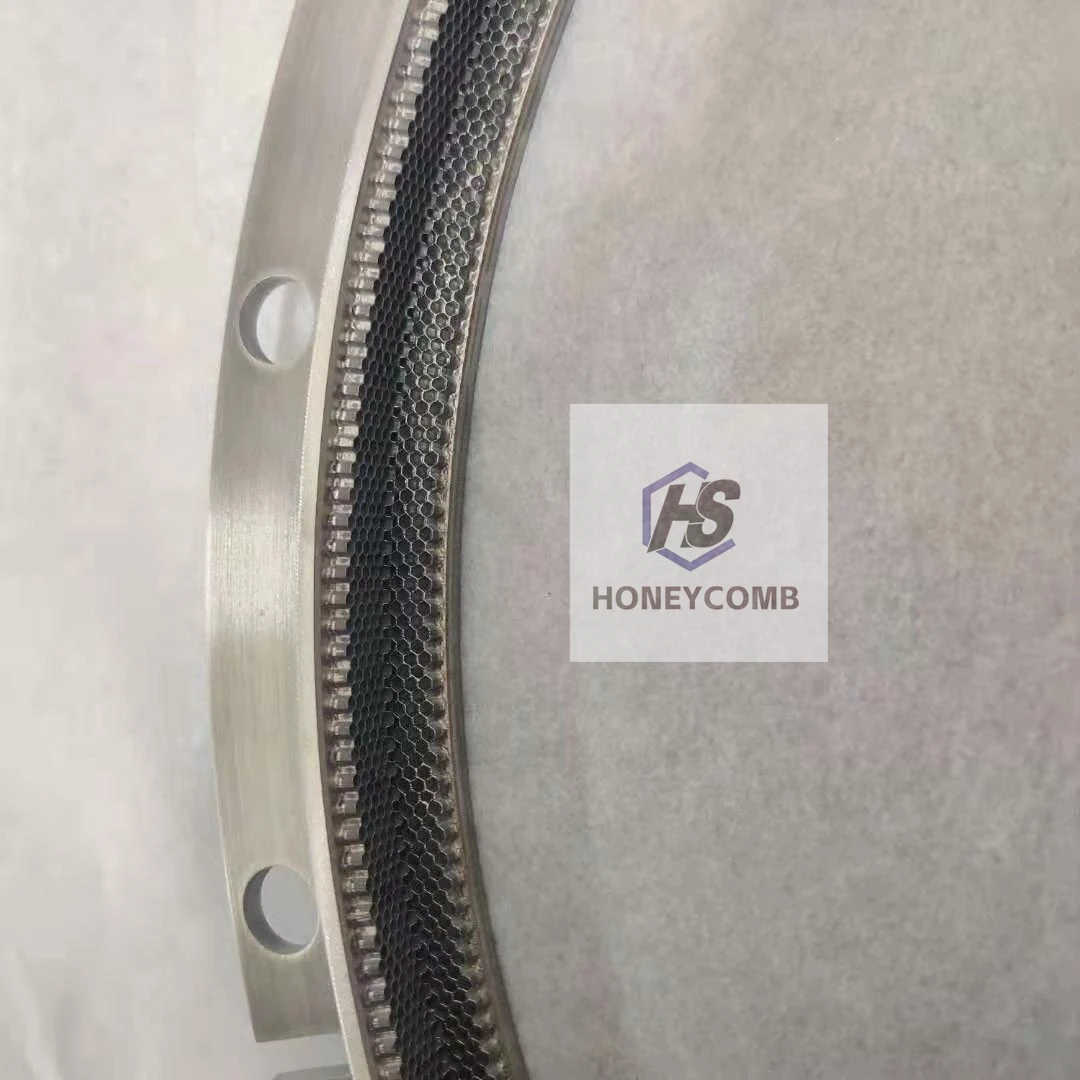
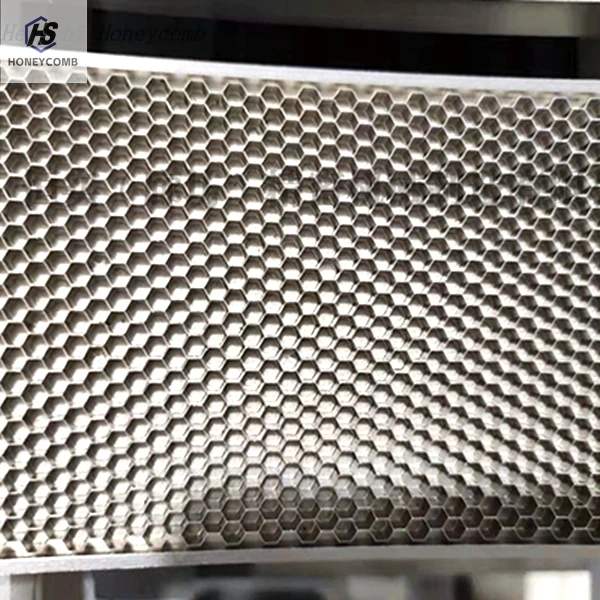
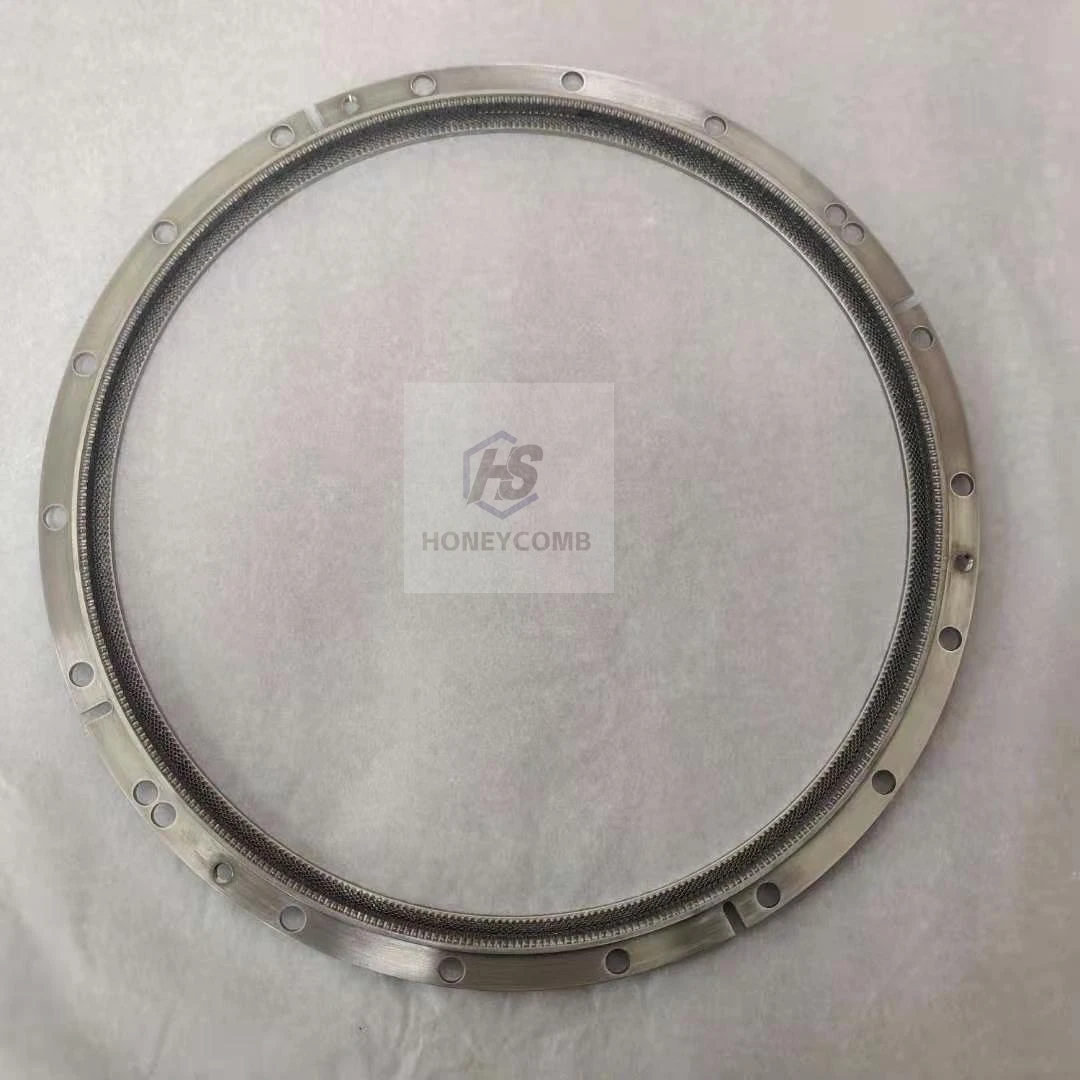
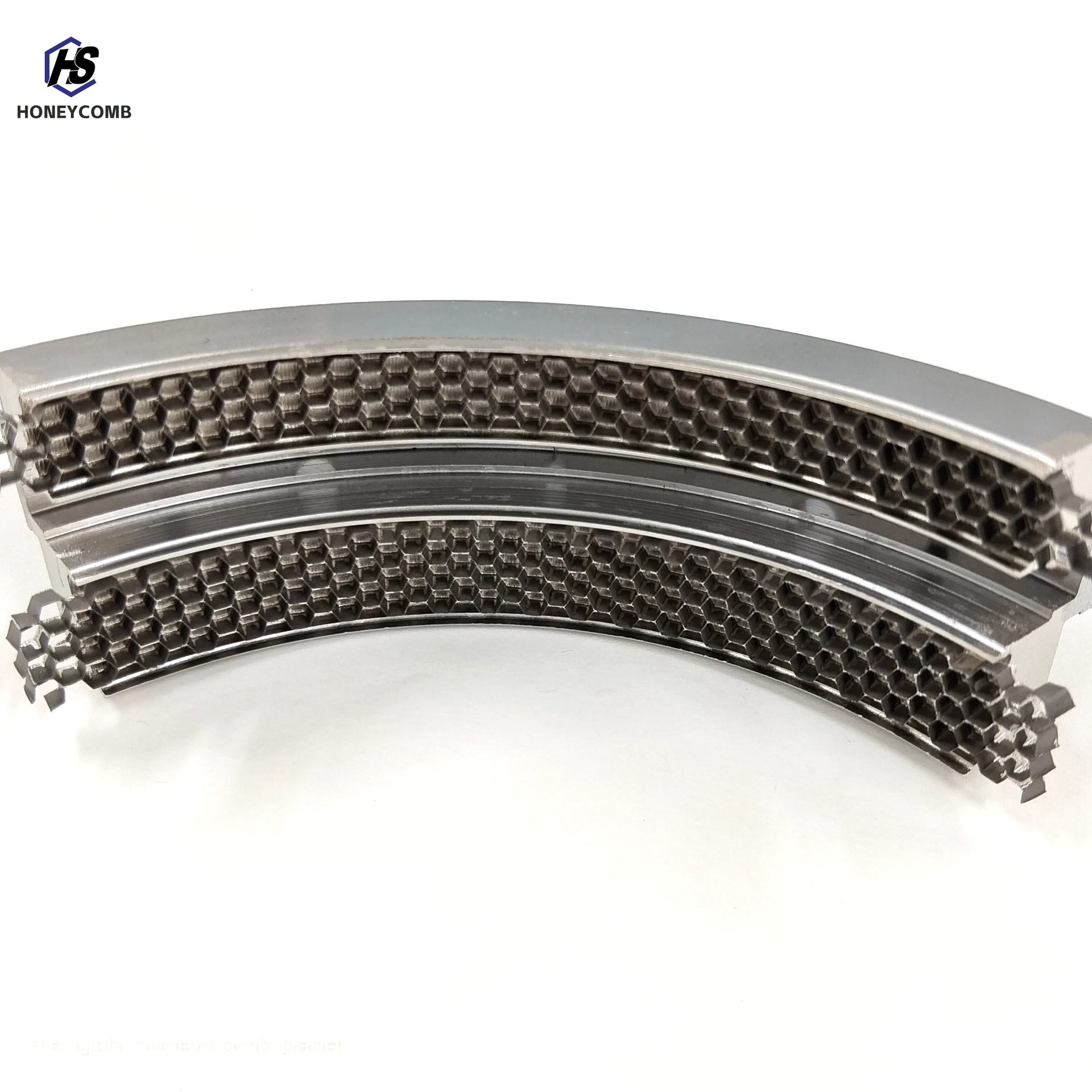
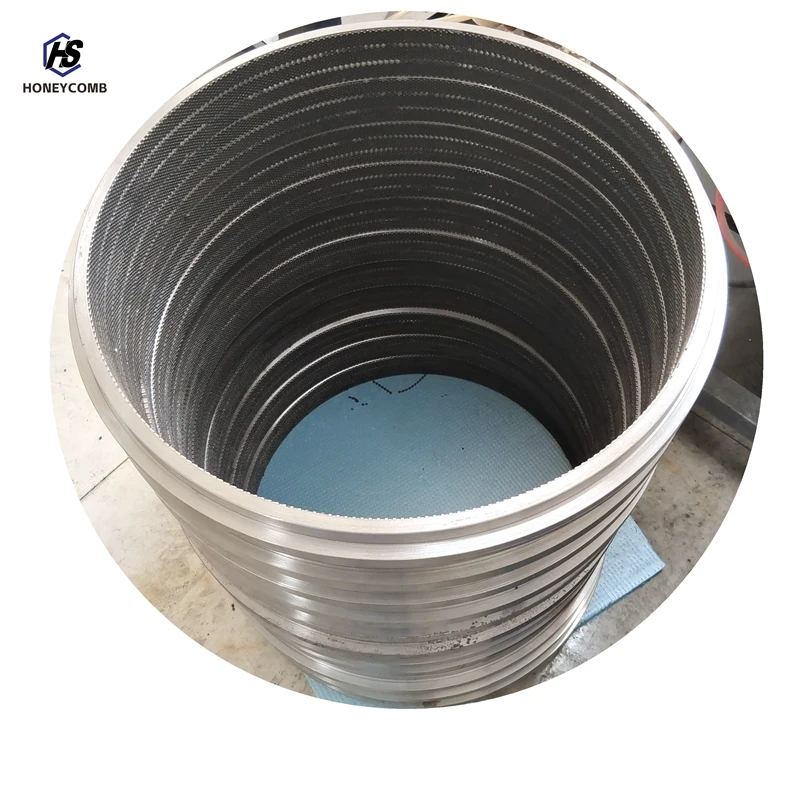
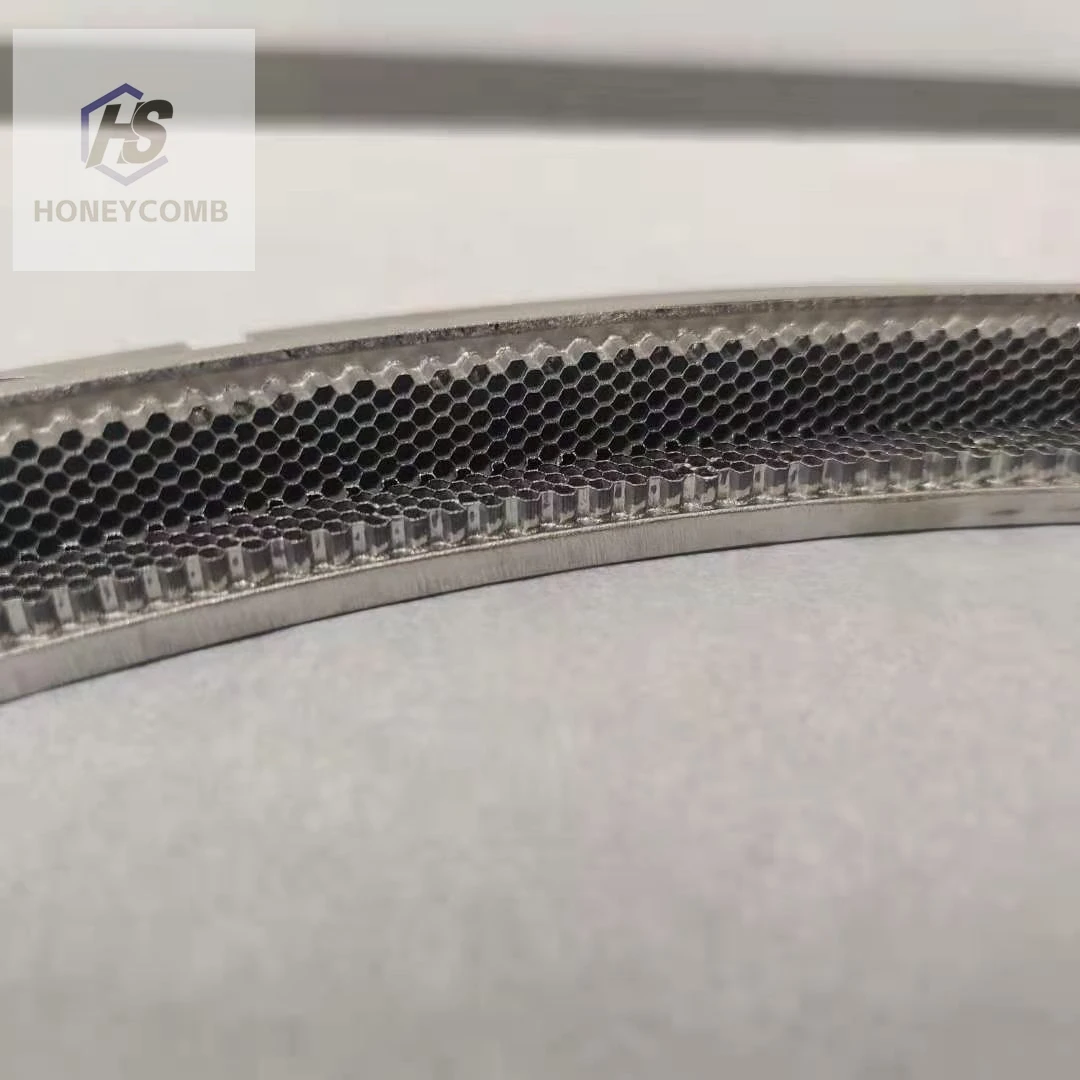
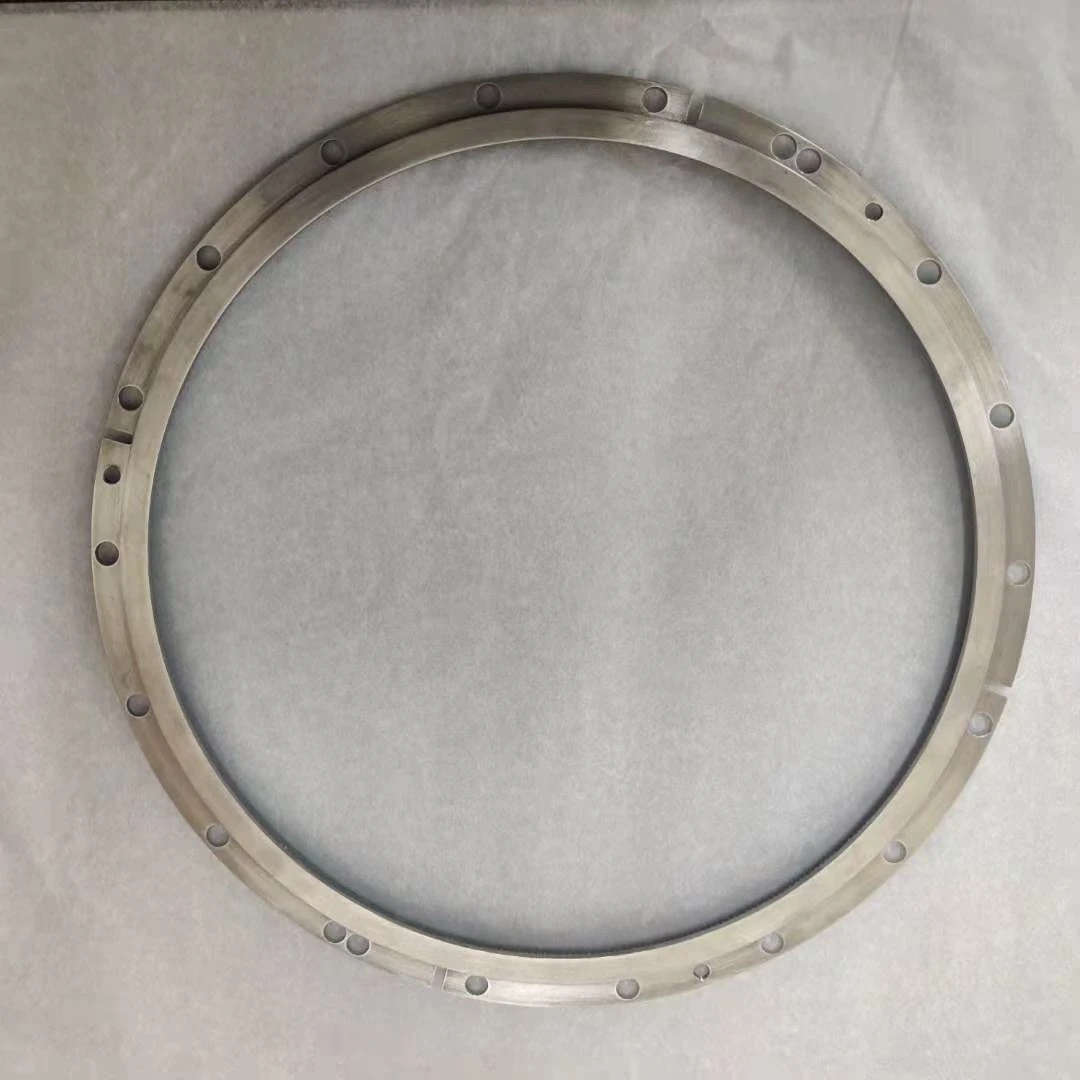
At its core, the honeycomb module is…well, it’s exactly what it sounds like. A cellular structure, mimicking a beehive. But don’t let the simplicity fool you. That geometry is remarkably efficient at distributing stress. It’s been around for decades, obviously, but the materials science is really evolving. We’re seeing more advanced composites, new adhesives, and tighter manufacturing tolerances. Frankly, what HSHI Honeycomb does particularly well is consistency. A lot of smaller manufacturers struggle with keeping specs tight, but they've really dialed in their process. Here’s a quick look at some of the key specs:
| Parameter | Value | Notes |
|---|---|---|
| Material | Aluminum Alloy 5052, Carbon Fiber | Custom materials available |
| Cell Size | 6mm - 12mm | Dependent on application |
| Density | 20-80 kg/m³ | Adjustable for specific needs |
Benefits & Use Cases of Honeycomb Module
I suppose the most obvious applications are in transportation. Lightweighting is huge in aerospace and automotive—fuel efficiency, reduced emissions, all that. But it's also incredibly useful in things like railcar construction, reducing vibration and improving passenger comfort. We’ve also seen a lot of interest from the architecture and construction sector, particularly in facade panels and lightweight structural elements. It offers a really good balance of strength and insulation. One thing I noticed talking to engineers is they appreciate the design flexibility. You can tailor the cell size and material to meet very specific requirements. I was speaking with a client last month building high-speed rail components...they needed something that could withstand constant, high-frequency vibration without adding significant weight. The honeycomb core solved it.
Cost, Maintenance & User Experience
Okay, let's talk money. The initial cost can be higher than some traditional materials, that's true. But you have to consider the total cost of ownership. Because of its durability and lightweight nature, it often reduces maintenance needs and extends the lifespan of the final product. This is a big selling point. Many engineers say the reduced weight translates to lower shipping costs as well. As for maintenance, frankly, it's pretty straightforward. Most honeycomb structures are sealed or coated to protect against environmental factors, so routine inspections and occasional cleaning are usually sufficient. Here’s a quick comparison of vendors:
| Vendor | Lead Time | Customization Options | Price (Relative) |
|---|---|---|---|
| HSHI Honeycomb | 4-6 weeks | High | Medium |
| Corex Honeycomb | 6-8 weeks | Medium | High |
| Eurohoney | 8-10 weeks | Low | Low |
Sustainability & Market Trends
Oddly enough, sustainability is becoming a huge driver. Lightweighting reduces fuel consumption, obviously, but honeycomb structures can also be made from recycled materials. And, because they're so durable, they contribute to longer product lifecycles. There's a growing emphasis on circular economy principles, and the honeycomb module fits right in. I've noticed increased demand for bio-based honeycomb cores as well, using materials like cellulose or flax. The market’s really moving towards solutions that are not only high-performing but also environmentally responsible. Regulations are also pushing things in this direction—particularly in Europe, with stricter emissions standards.
Frequently Asked Questions about Honeycomb Module
- What is Honeycomb Module and how does it work?
- Honeycomb modules utilize a cellular structure, similar to a beehive, to provide exceptional strength-to-weight ratios. This design efficiently distributes stress, making them ideal for applications requiring both durability and lightness.
- What are the main benefits of using Honeycomb Module in industrial applications?
- The primary benefits include reduced weight, increased strength, improved energy absorption, and design flexibility, leading to enhanced performance and cost savings.
- How does Honeycomb Module compare to traditional alternatives?
- Compared to solid materials, honeycomb modules offer similar or superior strength at a significantly lower weight. They also excel in energy absorption and vibration dampening.
- What industries can benefit most from Honeycomb Module implementation?
- Industries such as aerospace, automotive, transportation, construction, and packaging all stand to gain from using honeycomb modules due to their lightweight and durable properties.
Conclusion on Honeycomb Module from china
So, it seems like the honeycomb module isn’t going anywhere. It’s a technology that’s quietly maturing, and the benefits are becoming increasingly clear. It’s not a silver bullet, of course, but it’s a remarkably versatile component with a lot to offer. For businesses looking to improve performance, reduce weight, and embrace sustainable practices, it’s definitely worth considering. Check out HSHI Honeycomb at https://www.hshihoneycomb.com.
- It's a material whose time has really come.

-
Industrial Airflow Guide for maf воздушная правильная машинаNewsApr.16,2026
-
Best maf струйно правильная машина for Industrial EfficiencyNewsApr.09,2026
-
Сотовая правильная машина A Comprehensive Guide to Honey Packing AutomationNewsApr.07,2026
-
Build Your Own DIY газоправильная Машина A Comprehensive Guide to Gas CorrectionNewsApr.04,2026
-
Understanding Кондиционер отопления Systems for Efficient and Comfortable HeatingNewsMar.31,2026
-
Comprehensive Guide to Cellular Blinds Installation Установка сотовых жалюзиNewsMar.28,2026
-
Mobile Aerodynamic Tunnel Design A Comprehensive Guide to Applications and ImplementationNewsMar.26,2026






 English
  Afrikaans
  Albanian
  Amharic
  Arabic
  Armenian
  Azerbaijani
  Basque
  Belarusian
  Bengali
  Bosnian
  Bulgarian
  Catalan
  Cebuano
  China
China  China (Taiwan)
  Corsican
  Croatian
  Czech
Czech  Danish
  Dutch
Dutch  Esperanto
  Estonian
  Finnish
  French
  Frisian
  Galician
  Georgian
  German
  Greek
Greek  Gujarati
  Haitian Creole
  Hausa
Hausa  Hawaiian
  Hebrew
  Hindi
Hindi  Miao
Miao  Indonesian
  Italian
  Japanese
  Javanese
  Malay
Malay  Persian
  Portuguese
  Punjabi
  Russian
  Spanish
  Swahili
  Telugu
  Vietnamese