


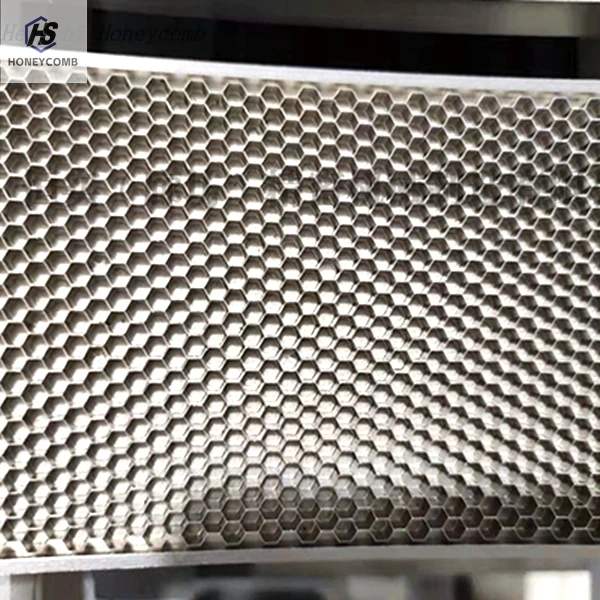
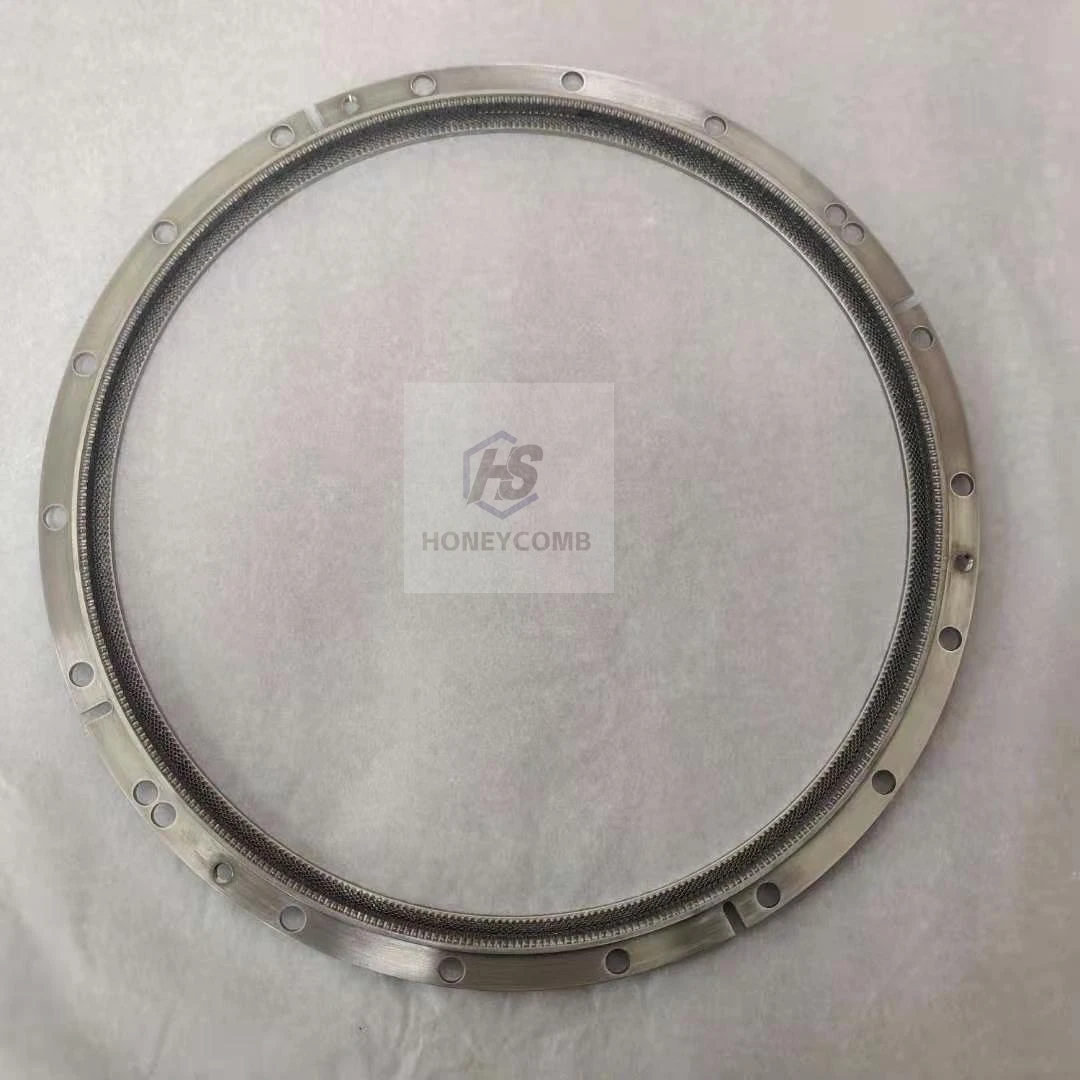
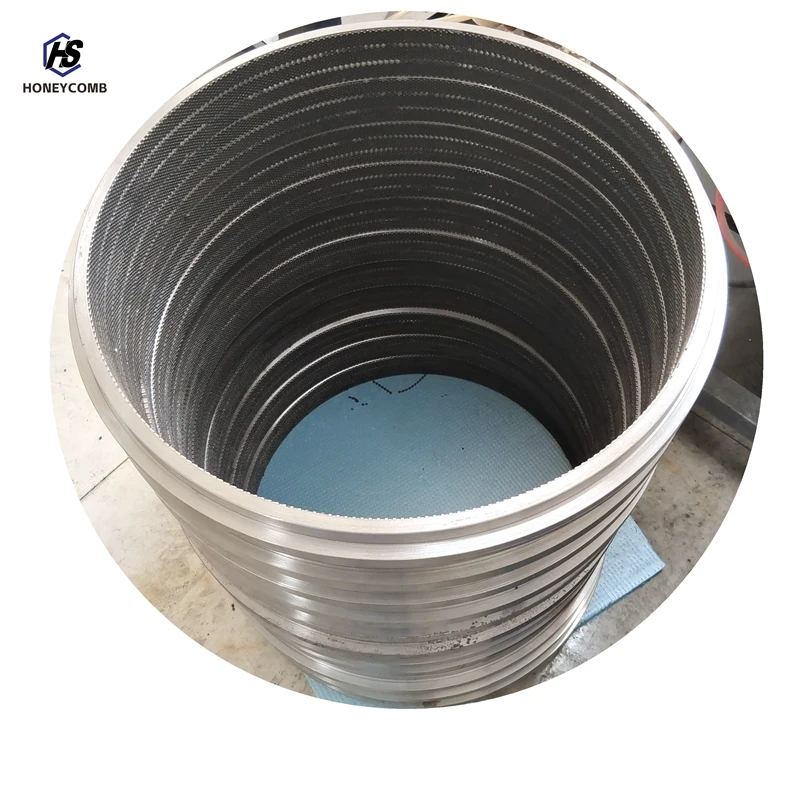
Honeycomb Model Air Flow Straightener for Wind Tunnels
Why the honeycomb model still rules wind tunnel flow quality
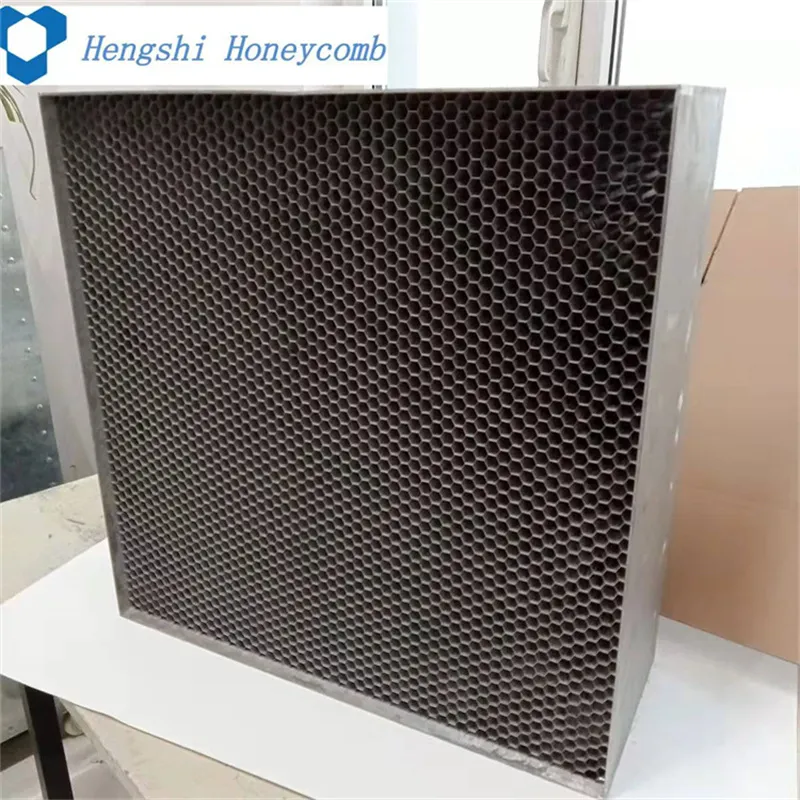
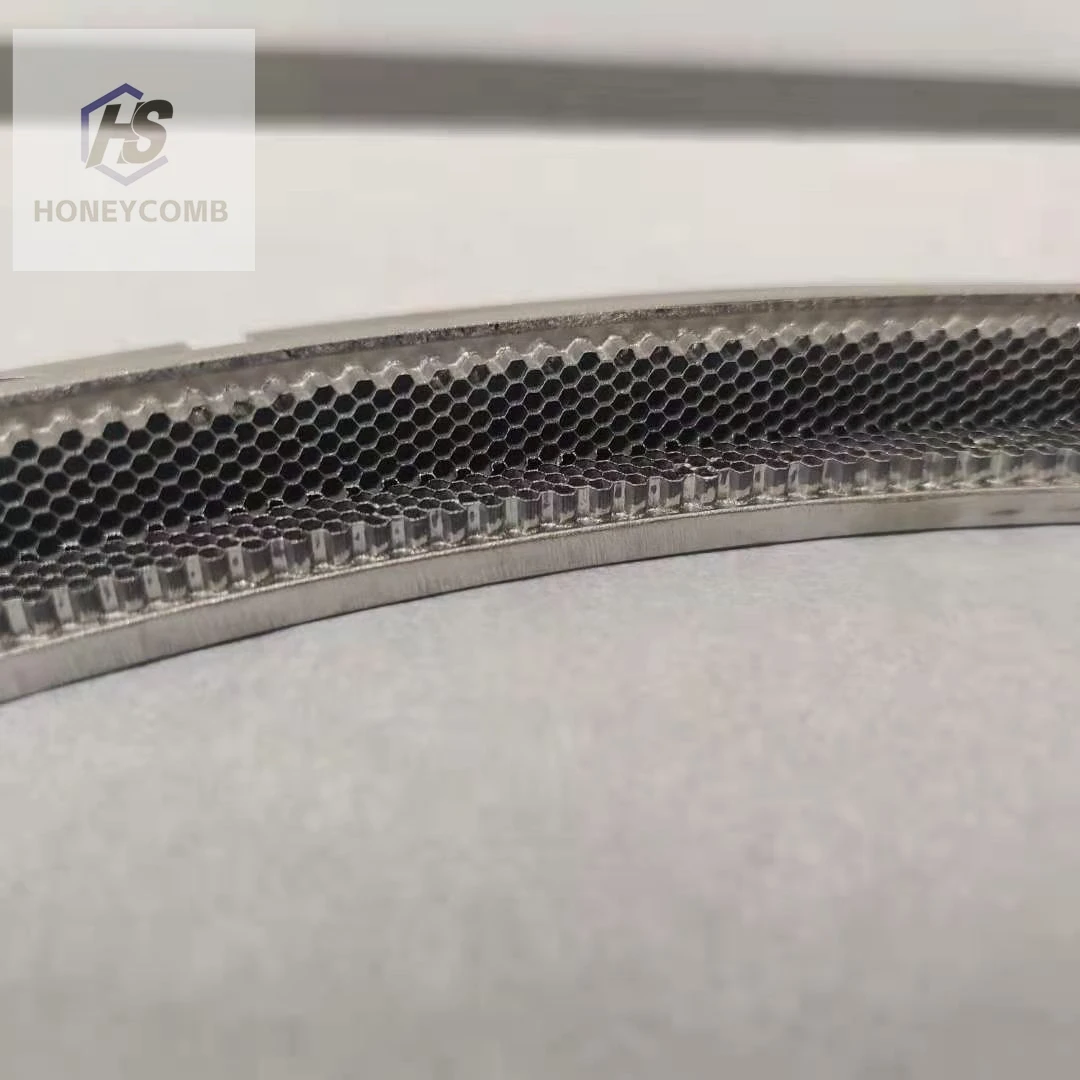
Every tunnel chief I know obsesses over two things: turbulence intensity and repeatability. To be honest, if those aren’t under control, your gorgeous CAD and expensive balances are just … noise. That’s where this product—full name is a mouthful: “Revolutionize Your Wind Tunnel Testing with Precision Honeycomb Cells for Ultimate Aerodynamic Efficiency”—earns its keep. Built in Hebei, China (No.2, Tongda Street, High-tech area Gu'an County, Langfang 065500), it’s a modern take on the classic flow straightener.
Industry trends, in plain language
Wind tunnels—from compact university rigs to OEM-grade facilities—are chasing lower turbulence intensity (TI ≤ 0.3% is the new bragging right) and higher Reynolds scaling fidelity. Actually, many customers say they’re upgrading older screens with a honeycomb model to tame swirl from fans and corners while keeping blockage under control. Lightweight metal cores and Nomex options are trending, plus modular cassettes for quick swap-outs between campaigns.
What this unit brings (short version)
- Flow straightness: cuts large-scale swirl; TI reductions from ≈6% to ≈0.3–0.5% reported in comparable setups.
- Low pressure penalty: careful cell L/D ratios maintain energy while scrubbing cross-flow.
- Modularity: panelized sections for replacement, trimming, and maintenance.
Technical specifications (typical, real-world use may vary)
| Core materials | Al 3003/5052; Stainless 304; Nomex aramid paper (phenolic) |
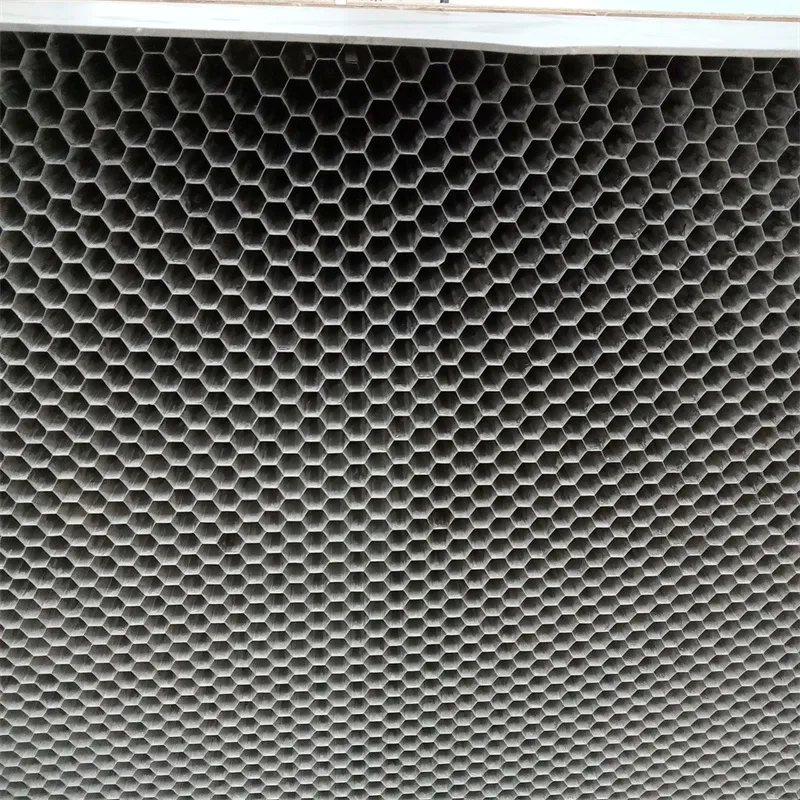
| Cell diameter | 3–12 mm typical; custom micro-cells ≈1.6 mm available |
| Cell wall thickness | ≈0.04–0.08 mm (aluminum), ≈0.03–0.06 mm (Nomex) |
| L/D ratio | 6–12 recommended for wind tunnel straightening |
| Flatness tolerance | ≤0.5 mm/m (≈) |
| Operating temperature | -40 to 120°C (aluminum/SS), -40 to 90°C (Nomex) |
| Standards & testing | ASTM C365/C365M (compressive), ASTM C393 (flatwise flexure), ISO 9001 process control; TI verification per tunnel best-practice refs |
| Service life | ≈5–10 years (depends on FOD control and cleaning routines) |
Process flow—how it’s made and verified
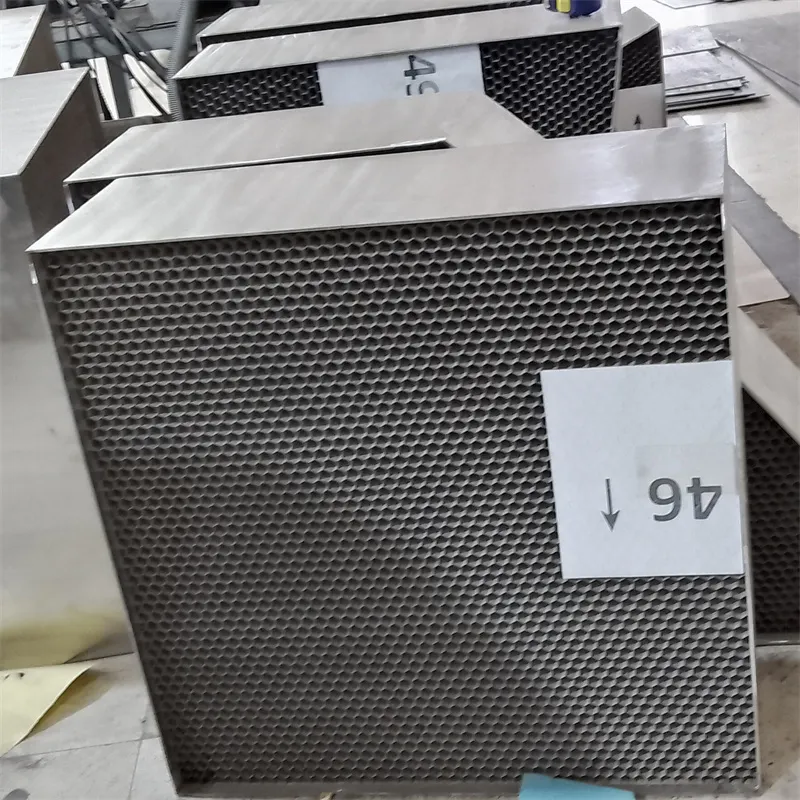
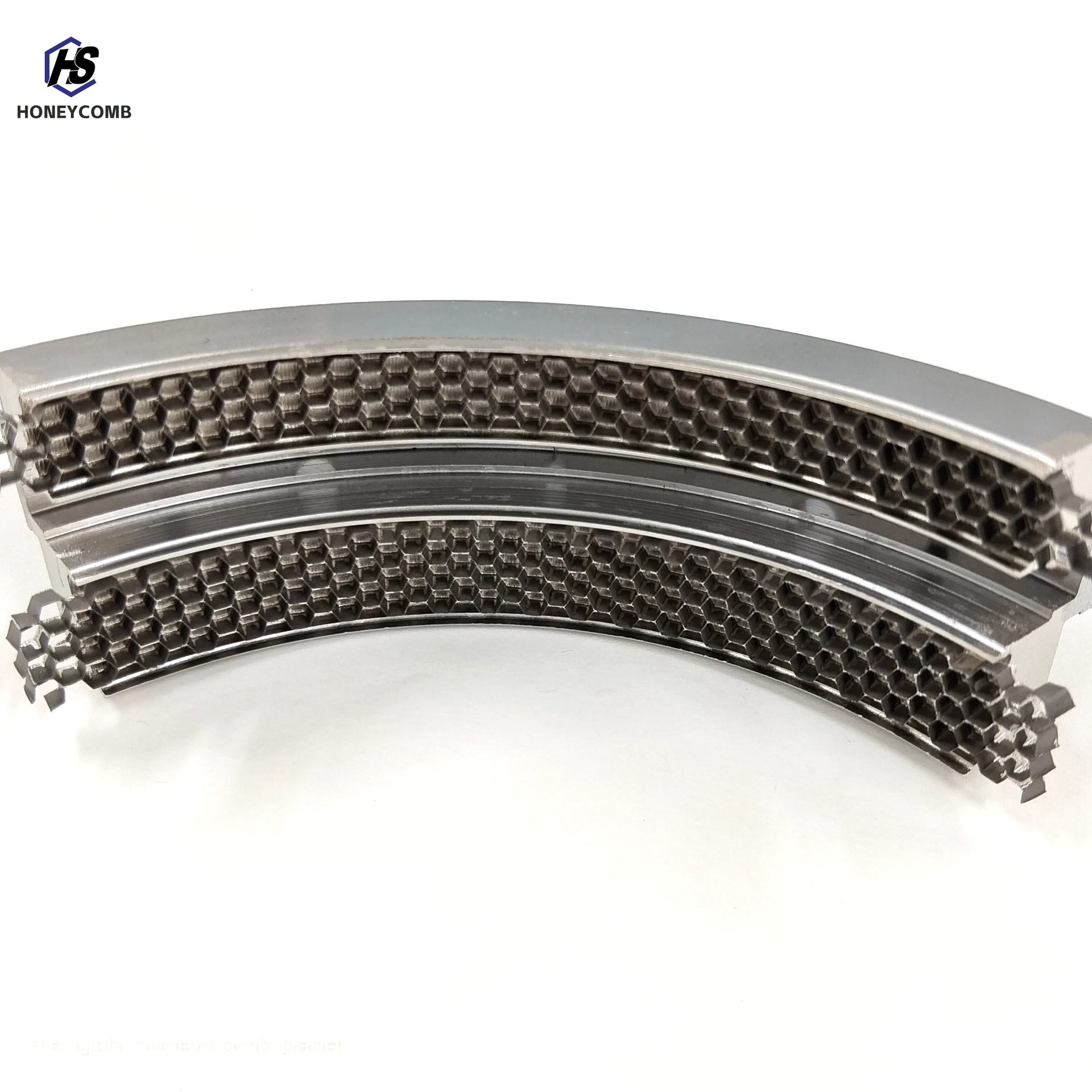
Materials are slit and expanded into hex cells, then bonded or laser-welded (for metallics). Panels are trimmed, edge-closed, and optionally anodized (Al) for corrosion resistance. Quality control includes dimensional checks, flatness, edge squareness, core shear/compression coupons to ASTM methods, then a flow bench step to gauge pressure drop and straightness. Finally, select customers run in-situ TI scans with multi-hole probes or hot-wire—yes, that still matters.
Applications and customization
- Automotive and motorsport tunnels, UAV/propulsor rigs, aerospace component fixtures, architectural boundary-layer tunnels.
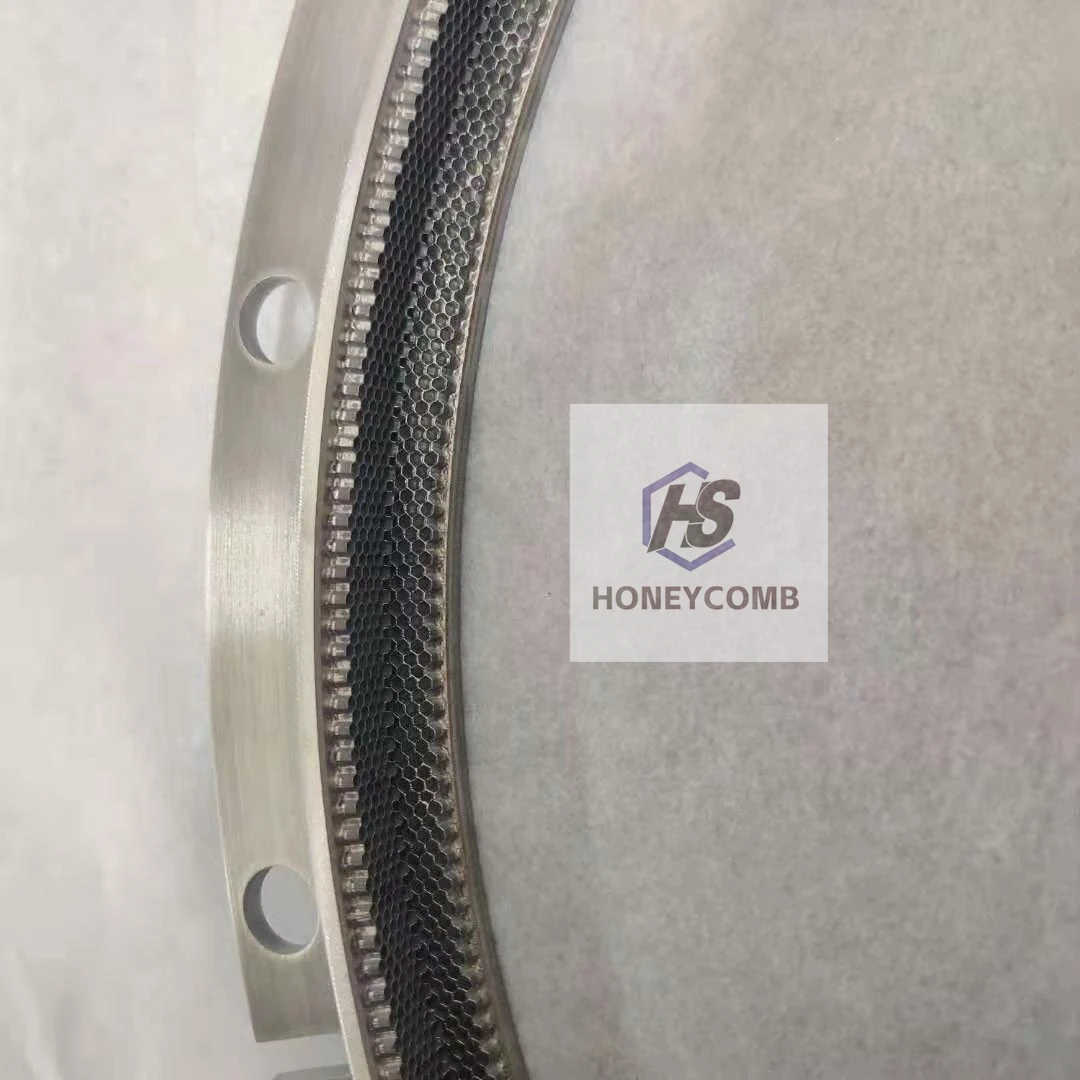
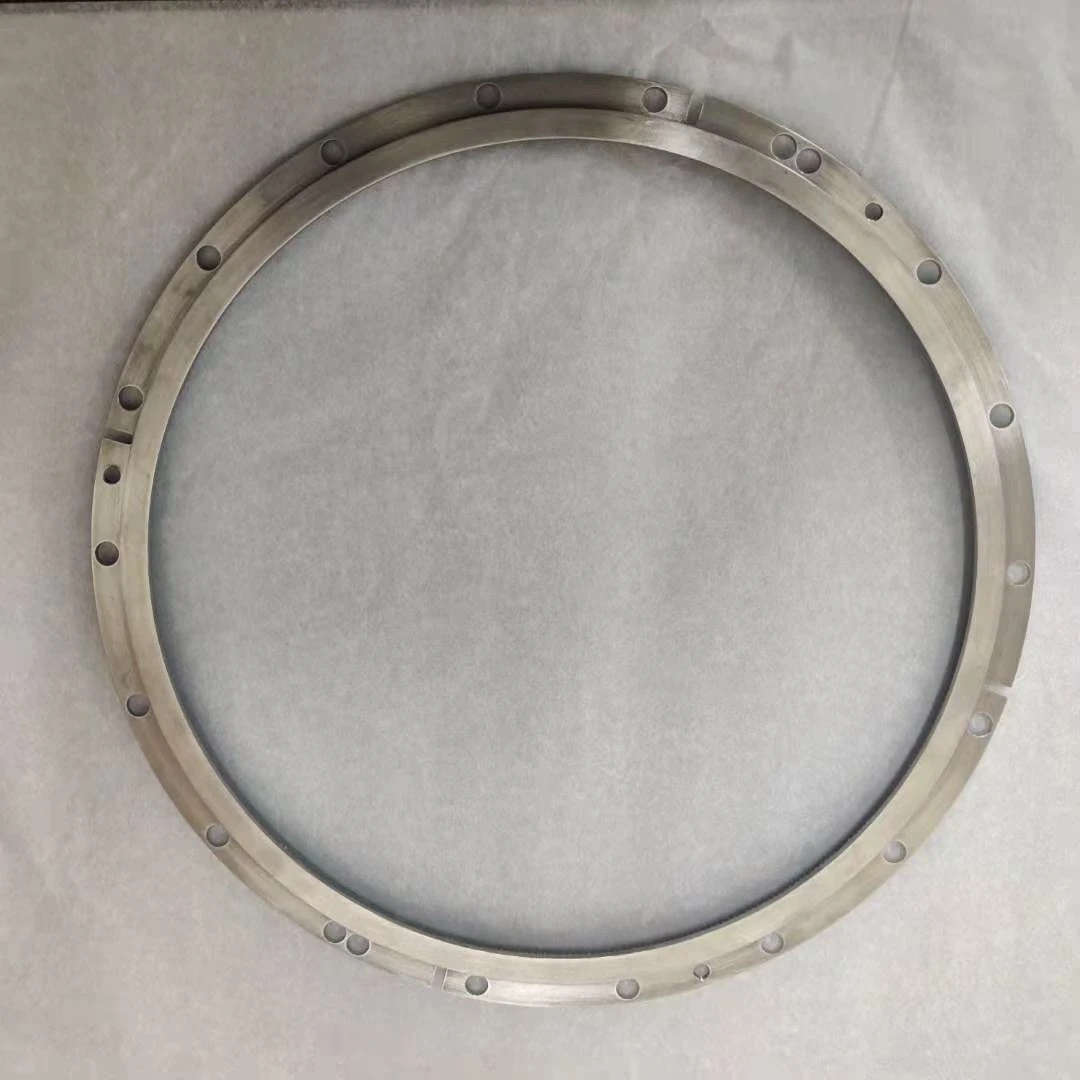
- Customization: bespoke panel sizes, L/D tuning, frame interfaces, corner fillets, anti-FOD meshes, and quick-release cartridges.
- Documentation: material certs, test reports (ASTM C365/C393) on request, RoHS declarations where applicable.
Vendor snapshot (what buyers usually compare)
| Vendor | HSHI Honeycomb (Hebei, CN) | Vendor A (EU) | Vendor B (US) |
| Lead time | ≈15–25 days | ≈4–6 weeks | ≈3–5 weeks |
| Customization depth | High (cell, L/D, frames) | Medium | High |
| Certs/docs | Material certs; ASTM test reports (on request) | Material certs; TI data (select) | Material certs; TI/pressure-drop packs |
| After-sales | Remote install guidance | Standard | Premium (paid) |
Field notes, quick case studies
An EV aerodynamics lab swapped in a honeycomb model with L/D≈8 before the test section. TI dropped from ≈1.2% to ≈0.35%, and repeatability on drag coefficients tightened by around 18%—not life-changing, but their correlation-to-track improved noticeably. Another example: a university UAV rig used Nomex core to keep weight down on a removable frame; blockage stayed under 1.5% while swirl visibly vanished on smoke lines. People love that moment.
Installation tips (hard-won)
- Target L/D 6–10, then add screens if you need extra TI polish.
- Seal edges: even tiny bypass gaps reintroduce cross-flow.
- Adopt a gentle clean schedule; FOD dents cells and creeps TI upward over months.
Customer feedback: “We expected some improvement; we didn’t expect setup times to drop. Flow settles quicker now,” notes a motorsport tunnel manager. I guess that’s the hidden ROI.
References and standards
- Barlow, Rae, Pope – Low-Speed Wind Tunnel Testing, 3rd ed.
- Mehta & Bradshaw – Design of Low-Speed Wind Tunnels (AGARD, classic reference).
- ASTM C365/C365M – Standard Test Method for Flatwise Compressive Properties of Sandwich Cores.
- ASTM C393 – Standard Test Method for Core Shear Properties of Sandwich Constructions.
- ISO 9001:2015 – Quality management systems (process control for fabrication).

-
Industrial Airflow Guide for maf воздушная правильная машинаNewsApr.16,2026
-
Best maf струйно правильная машина for Industrial EfficiencyNewsApr.09,2026
-
Сотовая правильная машина A Comprehensive Guide to Honey Packing AutomationNewsApr.07,2026
-
Build Your Own DIY газоправильная Машина A Comprehensive Guide to Gas CorrectionNewsApr.04,2026
-
Understanding Кондиционер отопления Systems for Efficient and Comfortable HeatingNewsMar.31,2026
-
Comprehensive Guide to Cellular Blinds Installation Установка сотовых жалюзиNewsMar.28,2026
-
Mobile Aerodynamic Tunnel Design A Comprehensive Guide to Applications and ImplementationNewsMar.26,2026






 English
  Afrikaans
  Albanian
  Amharic
  Arabic
  Armenian
  Azerbaijani
  Basque
  Belarusian
  Bengali
  Bosnian
  Bulgarian
  Catalan
  Cebuano
  China
China  China (Taiwan)
  Corsican
  Croatian
  Czech
Czech  Danish
  Dutch
Dutch  Esperanto
  Estonian
  Finnish
  French
  Frisian
  Galician
  Georgian
  German
  Greek
Greek  Gujarati
  Haitian Creole
  Hausa
Hausa  Hawaiian
  Hebrew
  Hindi
Hindi  Miao
Miao  Indonesian
  Italian
  Japanese
  Javanese
  Malay
Malay  Persian
  Portuguese
  Punjabi
  Russian
  Spanish
  Swahili
  Telugu
  Vietnamese