


HVAC Air Flow Straightener – Reduce Turbulence & Energy Use
Why Stainless Honeycomb Is Becoming the Go-To HVAC Airflow Straightener
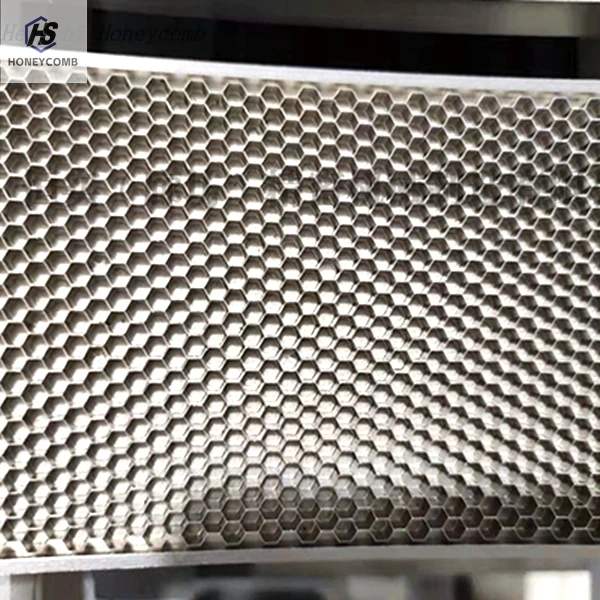
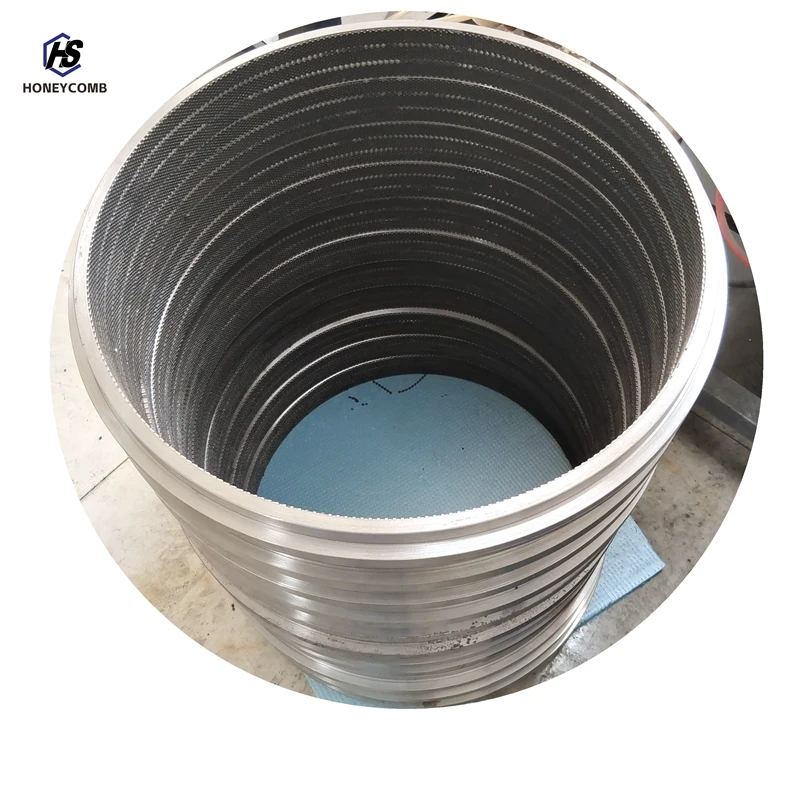
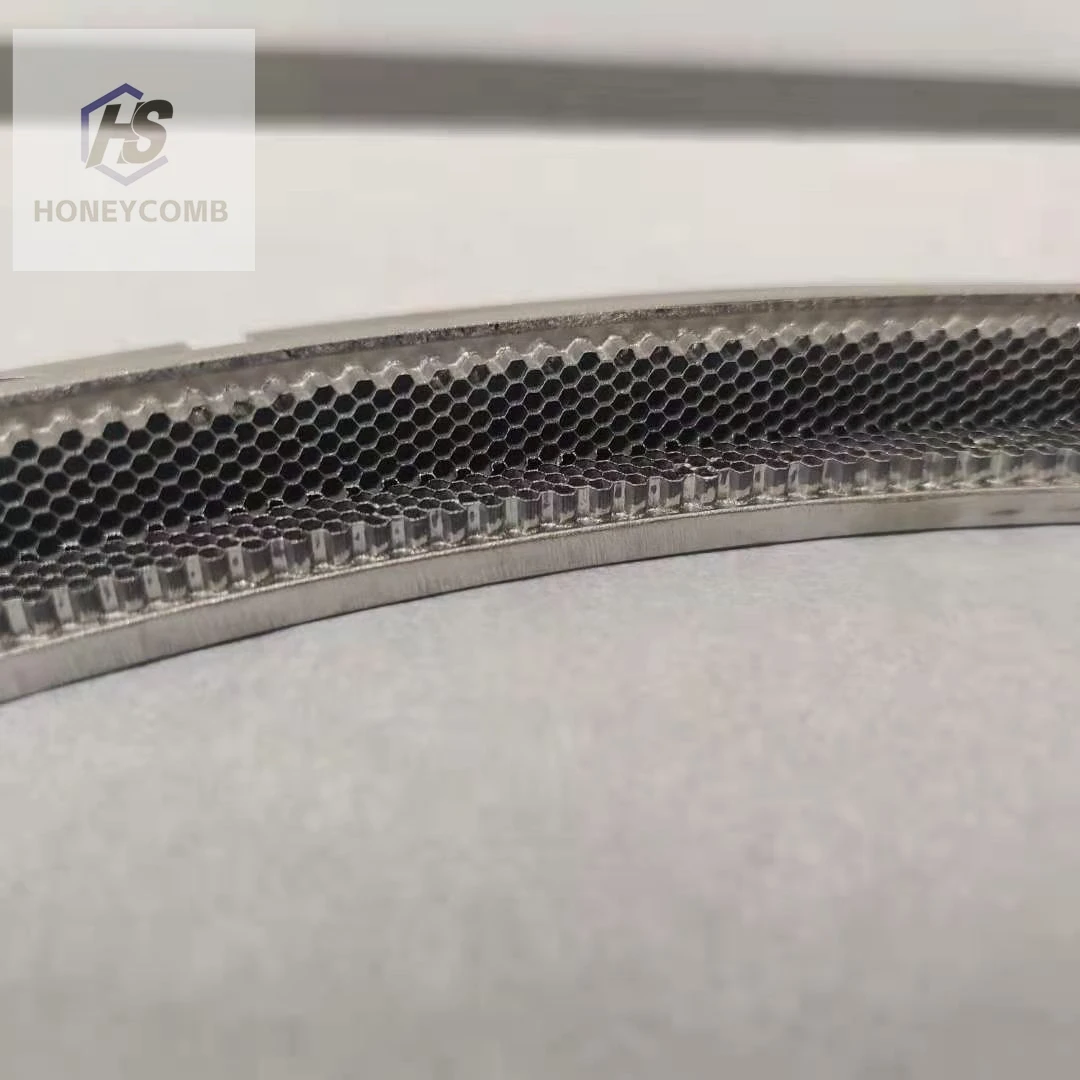
If you care about reliable air data, fan efficiency and calmer ducts (who doesn’t?), you eventually run into the humble hvac air flow straightener. In wind tunnels we’ve used honeycomb for decades; now, it’s migrating into serious HVAC and testing labs. The product I’ve been seeing a lot in field retrofits is a 20 mm core stainless honeycomb panel—light, rigid, and, to be honest, surprisingly durable for mechanical rooms that aren’t exactly spa-like.
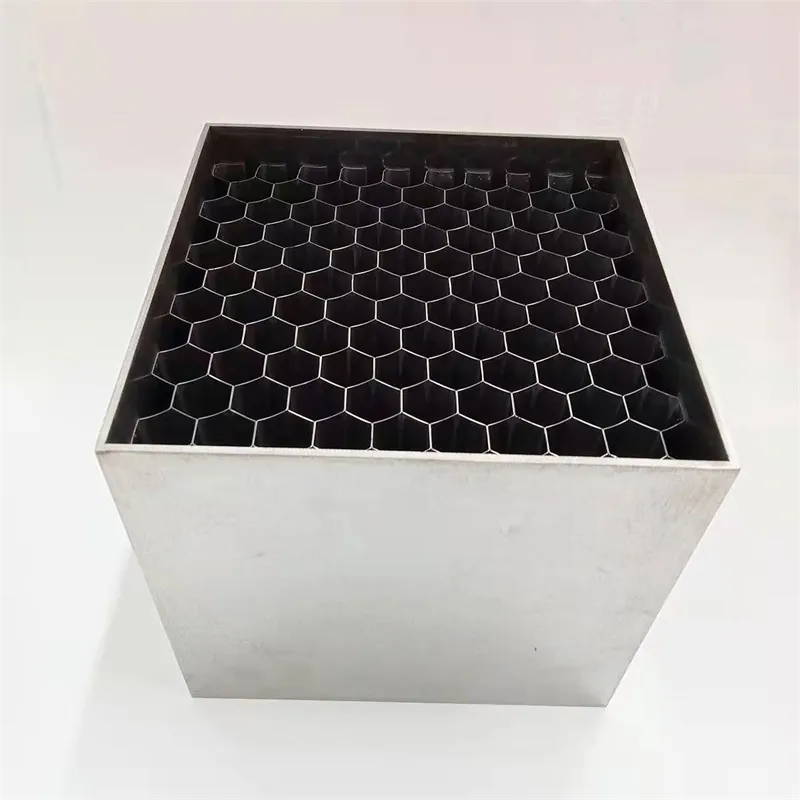
The Product, in Plain Terms
HSHI’s “20mm Core Size Stainless Steel Honeycomb Core Panel – Customized for Wind Tunnel Applications” is built for precision airflow control. In HVAC ducts, it turns a messy, swirling profile into something your sensors trust. I’ve watched commissioning teams reduce balancing time simply by installing a hvac air flow straightener before the station.
| Key Spec (≈ typical) | Detail |
|---|---|
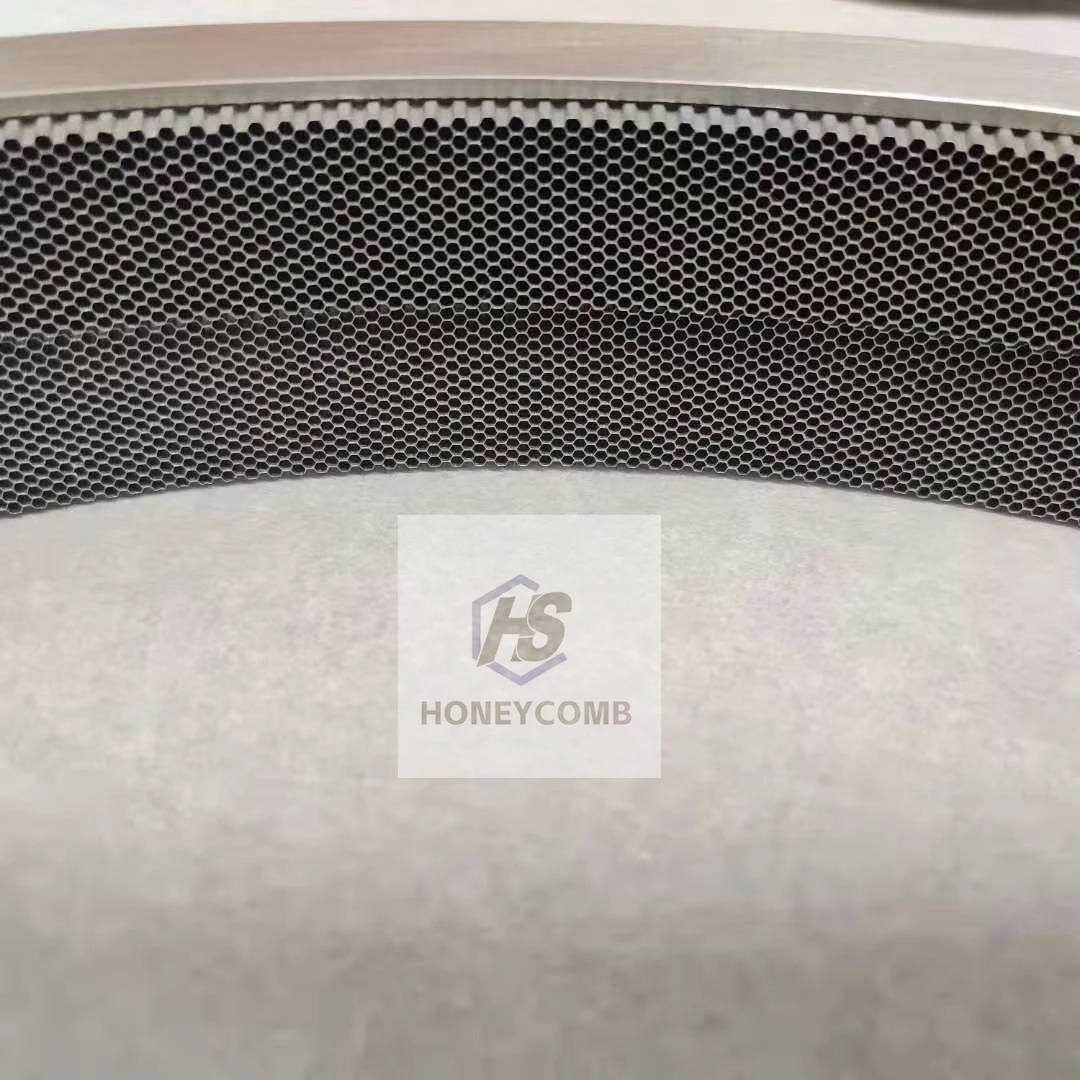
| Core cell size | 20 mm hexagonal stainless honeycomb |
| Material | 304/316 stainless steel foil (≈0.05–0.08 mm foil thickness) |
| Panel thickness | 50–300 mm (custom); open area >95% (design-dependent) |
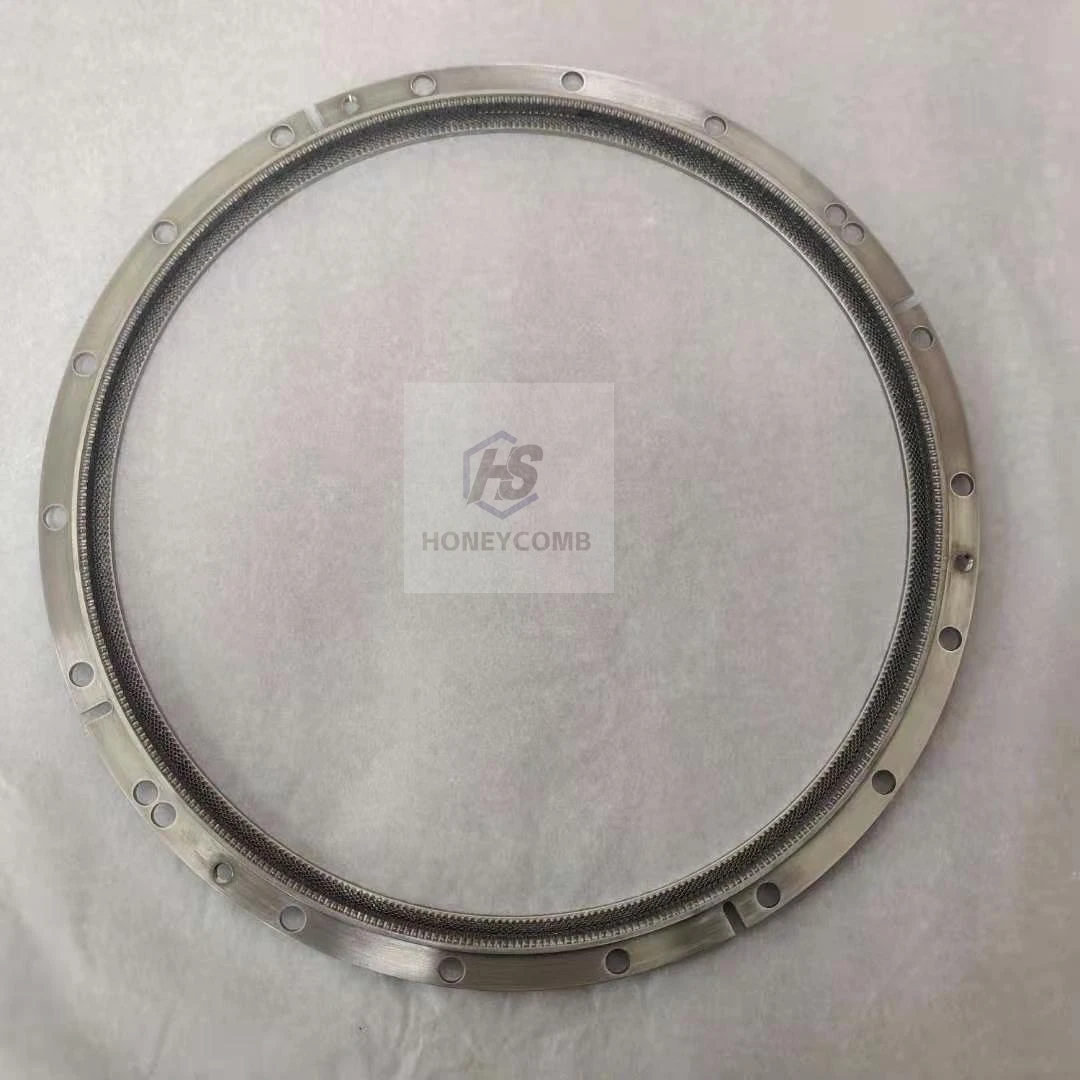
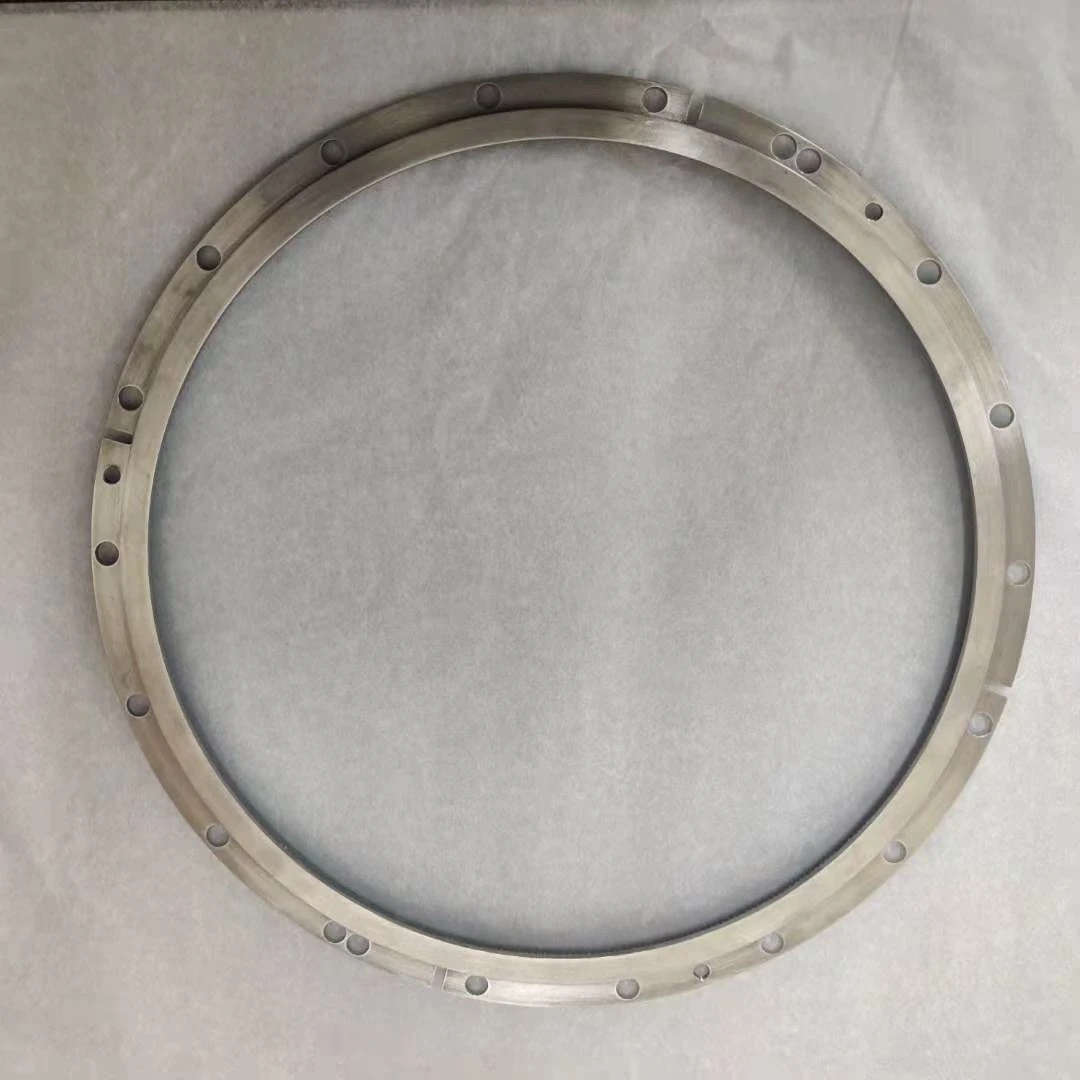
| Finish & frame | Welded or bonded perimeter frame; custom flanges, gaskets |
| Operating temp | -20 to 400°C (application-specific) |
| Origin | No.2, Tongda Street, High-tech area Gu'an County, Langfang, Hebei, China |
Where It’s Used (and Why)
- AHU inlets and fan test ducts (smoother velocity profile, lower swirl).
- Field balancing per ASHRAE guidance—stabilize upstream of pitot arrays.
- Cleanrooms and labs needing directional flow control.
- Wind tunnels and product test cells (the original home of the hvac air flow straightener).
Industry trend? More metering stations and energy dashboards. Engineers want repeatable data, so flow conditioning and straightening are back in style—paired with better fan curves and smart drives.
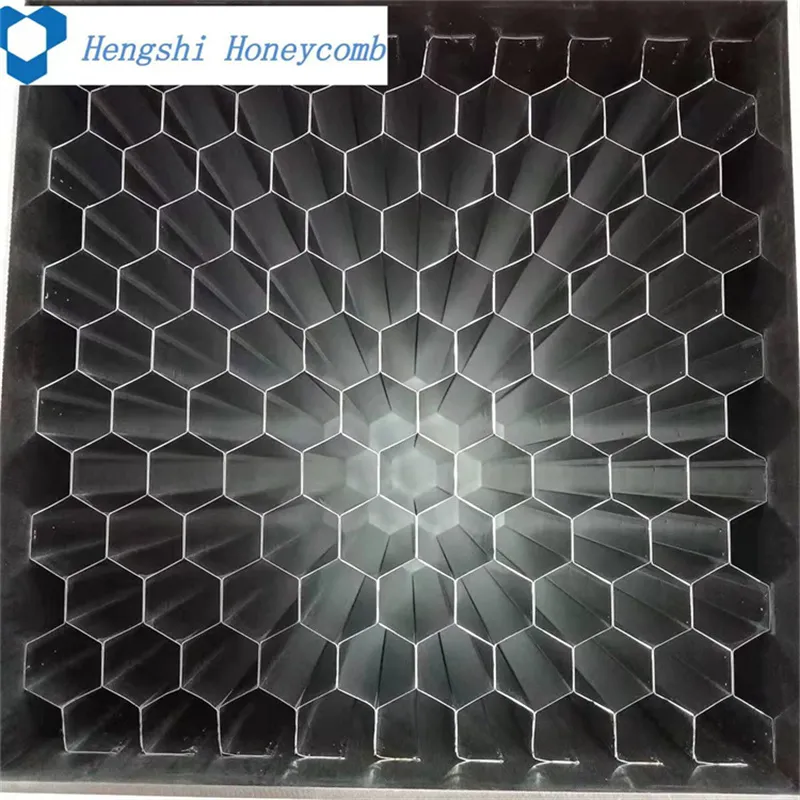
How It’s Made (Short Version)
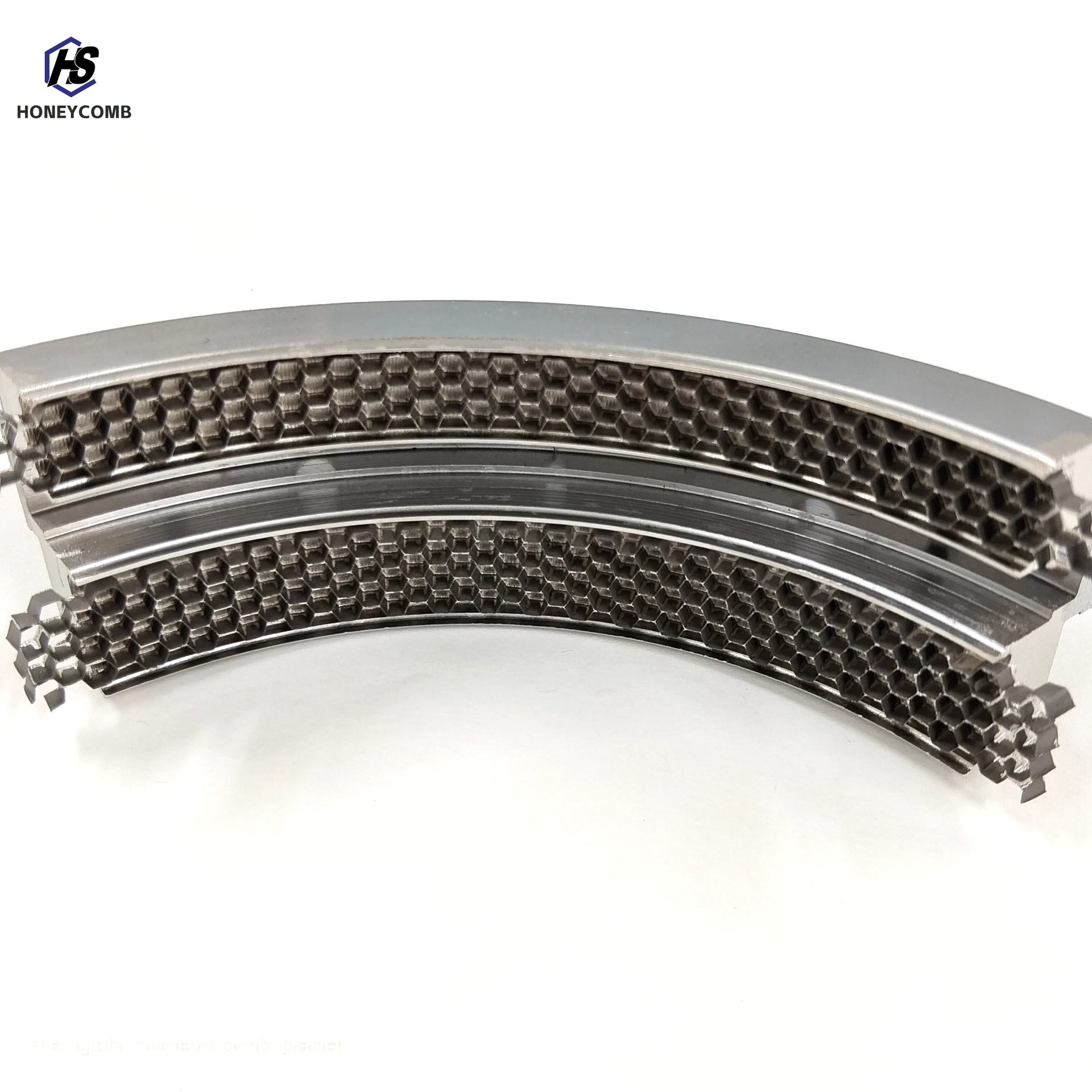
Materials: stainless foil is corrugated, stacked, and spot-welded or brazed to form the honeycomb. Methods: expansion to final cell geometry, trimming, then framed for rigidity. Testing: pressure drop and flow angularity per ISO 5801/AMCA 210 rigs; visual flatness; weld integrity. Service life: around 15–20 years in HVAC, longer in dry, filtered air. Industries: data centers, pharma, R&D facilities, aero test labs.
Typical lab data (illustrative): at 5 m/s face velocity, 150 mm thick honeycomb showed ΔP ≈ 35–60 Pa; outlet flow angularity 0.95 after 10 cell diameters. Real-world use may vary with upstream turbulence and Reynolds number.
Vendor Snapshot (What people ask me)
| Vendor | Core Material | Pressure Drop (relative) | Heat/Corrosion | Lead Time | Customization |
|---|---|---|---|---|---|
| HSHI Stainless (20 mm) | 304/316 SS | Medium (thickness-dependent) | High temp; strong corrosion resistance | ≈ 2–5 weeks | Cut-to-size, frames, flanges |
| Vendor B (Aluminum) | Al 3003/5052 | Low–Medium | Good heat; moderate corrosion | ≈ 1–4 weeks | Good; lighter weight |
| Vendor C (Polymer) | ABS/PP | Lowest | Limited temp; chemical caution | Fast | Basic; budget-driven |
Many customers say the stainless option pays back via stability and cleaning tolerance (steam, disinfectants). It’s not the cheapest hvac air flow straightener, but it’s the least fussy over time.
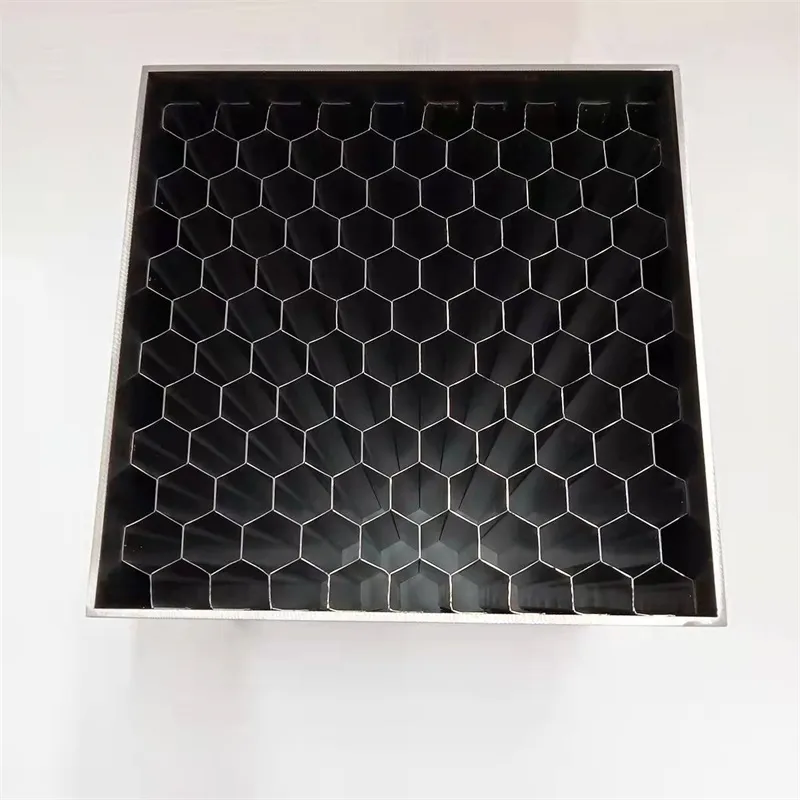
Field Notes, Customization, and a Quick Case
Custom options I’ve seen: depth tuned to L/D ≥ 6–8, round/rectangular frames, anti-vibration mounts, gasketed slip fits, and quick-release rails for wash-down. Installation matters more than people think—give it straight runs per standard guidance.
Case study (data center AHU): adding a 150 mm stainless hvac air flow straightener ahead of a thermal mass flow meter increased reading stability by ≈18%, shaved balancing time by a day, and cut fan power ~3–5% after trimming VFD setpoints. Noise dropped ~2 dB at the inlet. Not bad for a piece of metal lattice.
Standards, Testing, and Compliance
Specify testing to ISO 5801 or AMCA 210 rigs; follow ASHRAE 111 for field measurement/balancing. For metering sections using differential devices, ISO 5167 guidance on straight runs and conditioners is your friend. Certifications like ISO 9001 manufacturing and material traceability are commonly requested—ask for mill certs and weld procedures when you RFQ.
- ISO 5801:2017 Fans — Performance testing using standardized airways. https://www.iso.org/standard/60244.html
- ANSI/AMCA 210-ANSI/ASHRAE 51 Laboratory Methods of Testing Fans. https://www.amca.org
- ASHRAE Standard 111 — Measurement, Testing, Adjusting, and Balancing of Building HVAC Systems. https://www.ashrae.org
- ISO 5167-1 Measurement of fluid flow by means of pressure differential devices (flow conditioners, straight lengths). https://www.iso.org
-
Industrial Airflow Guide for maf воздушная правильная машинаNewsApr.16,2026
-
Best maf струйно правильная машина for Industrial EfficiencyNewsApr.09,2026
-
Сотовая правильная машина A Comprehensive Guide to Honey Packing AutomationNewsApr.07,2026
-
Build Your Own DIY газоправильная Машина A Comprehensive Guide to Gas CorrectionNewsApr.04,2026
-
Understanding Кондиционер отопления Systems for Efficient and Comfortable HeatingNewsMar.31,2026
-
Comprehensive Guide to Cellular Blinds Installation Установка сотовых жалюзиNewsMar.28,2026
-
Mobile Aerodynamic Tunnel Design A Comprehensive Guide to Applications and ImplementationNewsMar.26,2026






 English
  Afrikaans
  Albanian
  Amharic
  Arabic
  Armenian
  Azerbaijani
  Basque
  Belarusian
  Bengali
  Bosnian
  Bulgarian
  Catalan
  Cebuano
  China
China  China (Taiwan)
  Corsican
  Croatian
  Czech
Czech  Danish
  Dutch
Dutch  Esperanto
  Estonian
  Finnish
  French
  Frisian
  Galician
  Georgian
  German
  Greek
Greek  Gujarati
  Haitian Creole
  Hausa
Hausa  Hawaiian
  Hebrew
  Hindi
Hindi  Miao
Miao  Indonesian
  Italian
  Japanese
  Javanese
  Malay
Malay  Persian
  Portuguese
  Punjabi
  Russian
  Spanish
  Swahili
  Telugu
  Vietnamese