


Honeycomb Ring Seal: High-Performance & Durable Sealing
Industry Trends and the Evolution of Advanced Sealing Solutions
The industrial landscape is constantly evolving, driven by demands for higher efficiency, extended operational lifespans, and enhanced safety across critical infrastructure. In sectors such as petrochemicals, power generation, and aerospace, conventional sealing mechanisms frequently face limitations when exposed to extreme temperatures, corrosive media, and high-pressure differentials. This has spurred an urgent need for advanced sealing technologies that can withstand such challenging conditions while minimizing leakage and friction. The market for high-performance seals is projected to grow significantly, with a particular focus on solutions offering superior reliability and reduced maintenance cycles. Innovations in material science and manufacturing precision are at the forefront of this evolution, directly addressing these complex engineering challenges.
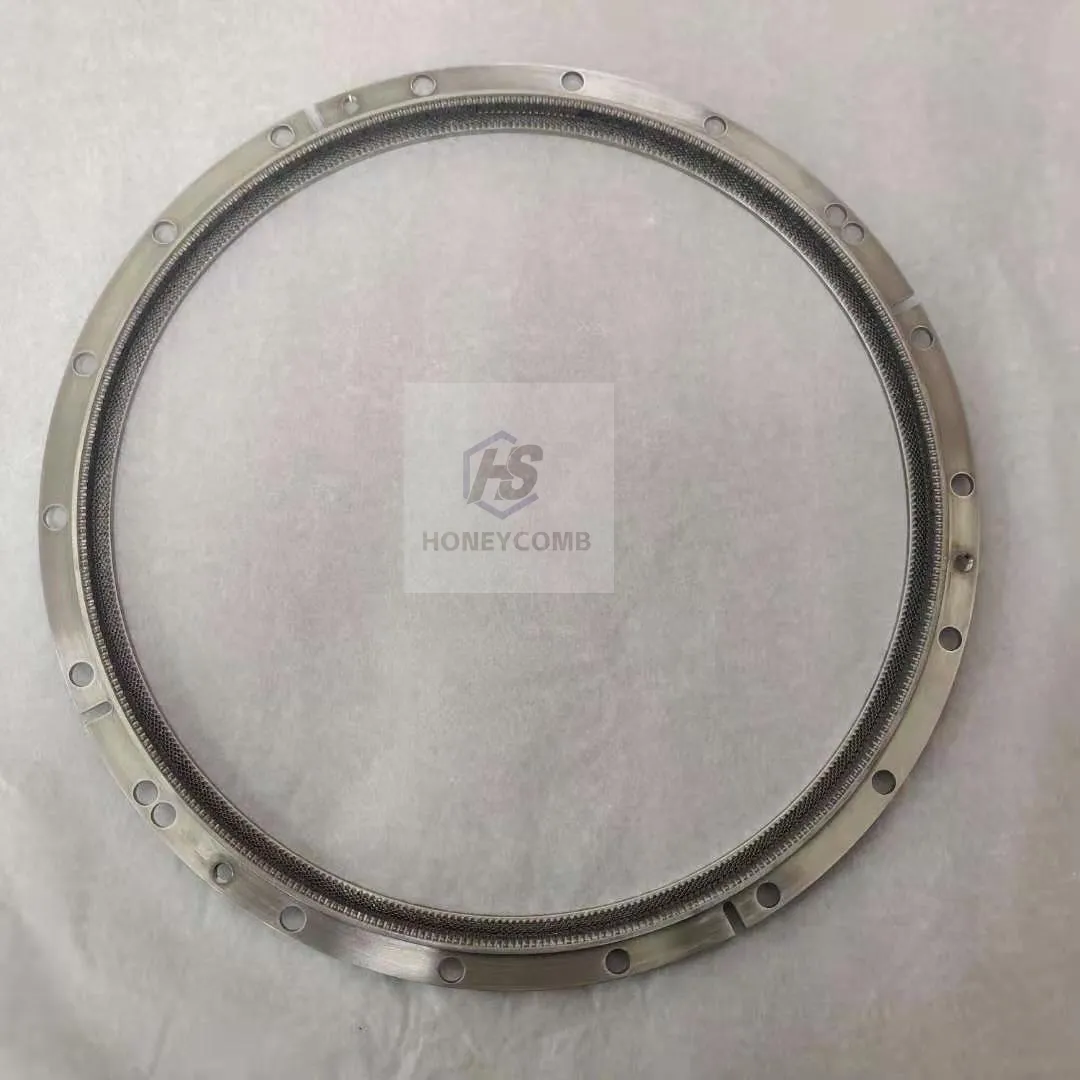
Among these innovations, the Honeycomb Ring Seal has emerged as a groundbreaking solution. Its unique design, leveraging the inherent strength and flexibility of honeycomb structures, offers unparalleled sealing performance in dynamic and static applications where traditional seals falter. This technology is gaining traction due to its proven capabilities in demanding environments, directly contributing to energy efficiency, reduced emissions, and improved operational safety. As industries push the boundaries of performance and sustainability, the adoption of specialized components like the Honeycomb Ring Seal becomes increasingly critical for achieving next-generation operational benchmarks.
Manufacturing Process of the Honeycomb Ring Seal
The production of a Honeycomb Ring Seal involves a sophisticated, multi-stage manufacturing process designed to achieve precision, durability, and optimal performance. Each step is meticulously controlled to meet stringent industry standards, ensuring the final product excels in its intended application. The selection of raw materials is paramount, typically involving high-performance alloys such as Inconel 718, Hastelloy C-276, or stainless steels (e.g., 304L, 316L), chosen for their exceptional corrosion resistance, high-temperature strength, and mechanical integrity.
Detailed Process Flow:
- Material Selection and Preparation: Raw material ingots or bars, pre-qualified to specific metallurgical compositions, undergo initial inspection. These materials are chosen based on the application's required temperature range, chemical compatibility, and mechanical load.
- Forging/Casting: Depending on the complexity and size, the initial form of the seal structure may be achieved through precision forging, which enhances grain structure and mechanical properties, or specialized casting processes for intricate geometries. This forms the base ring of the seal.
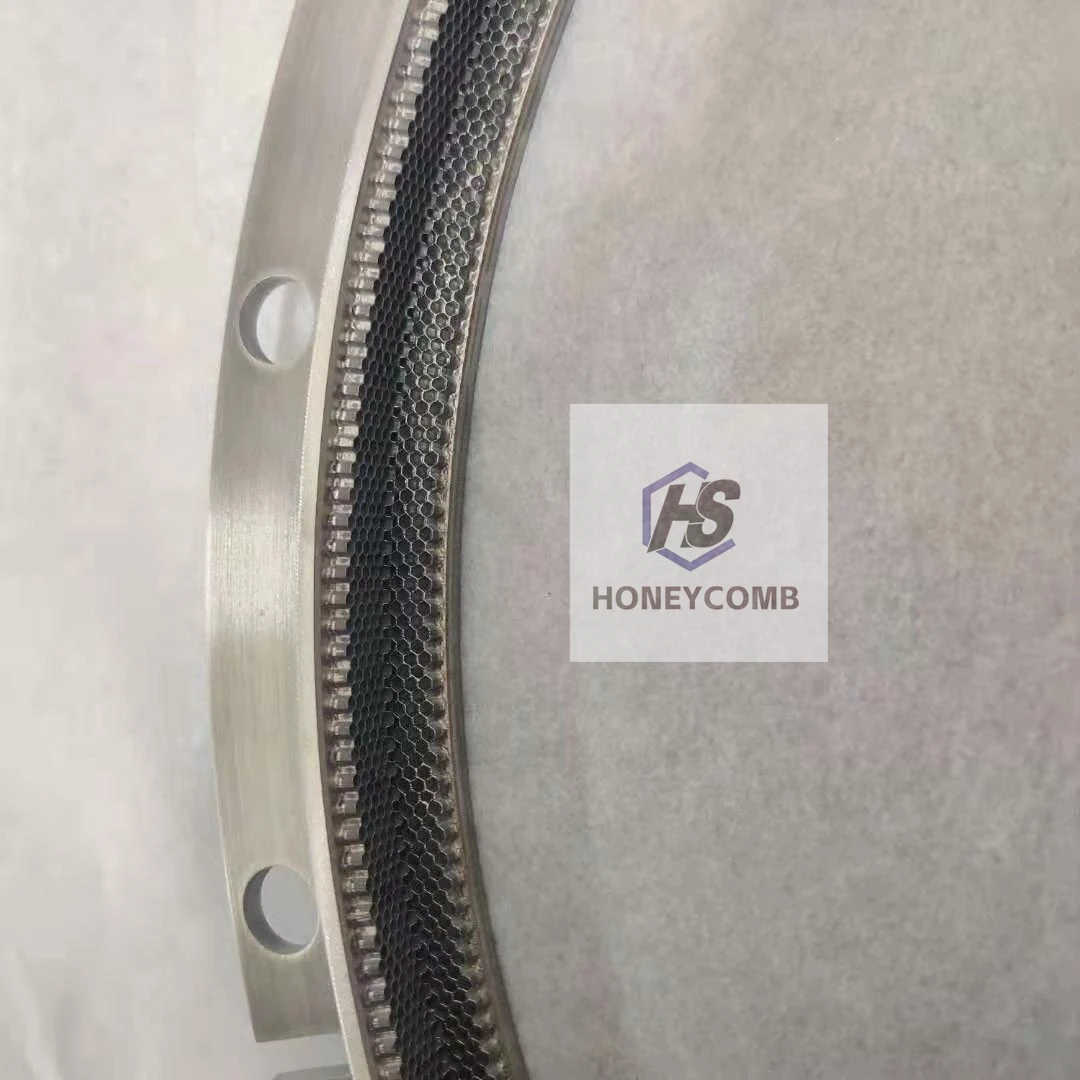
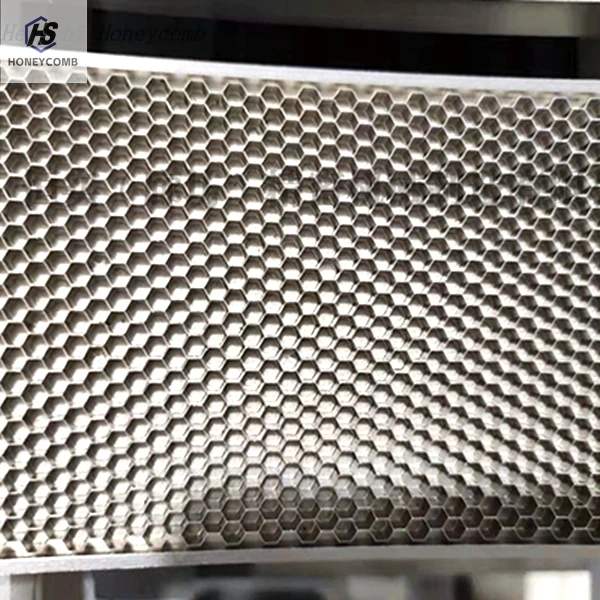
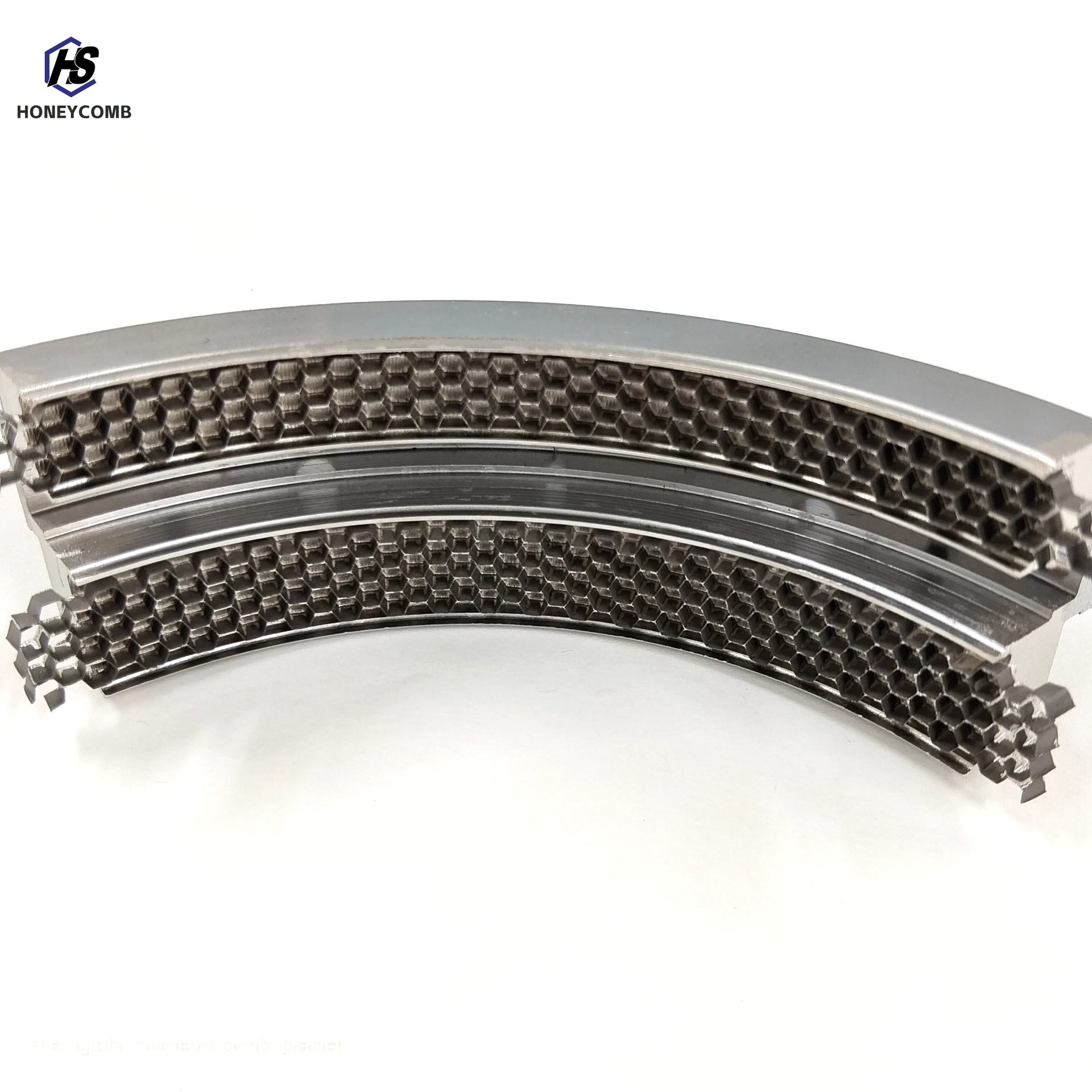
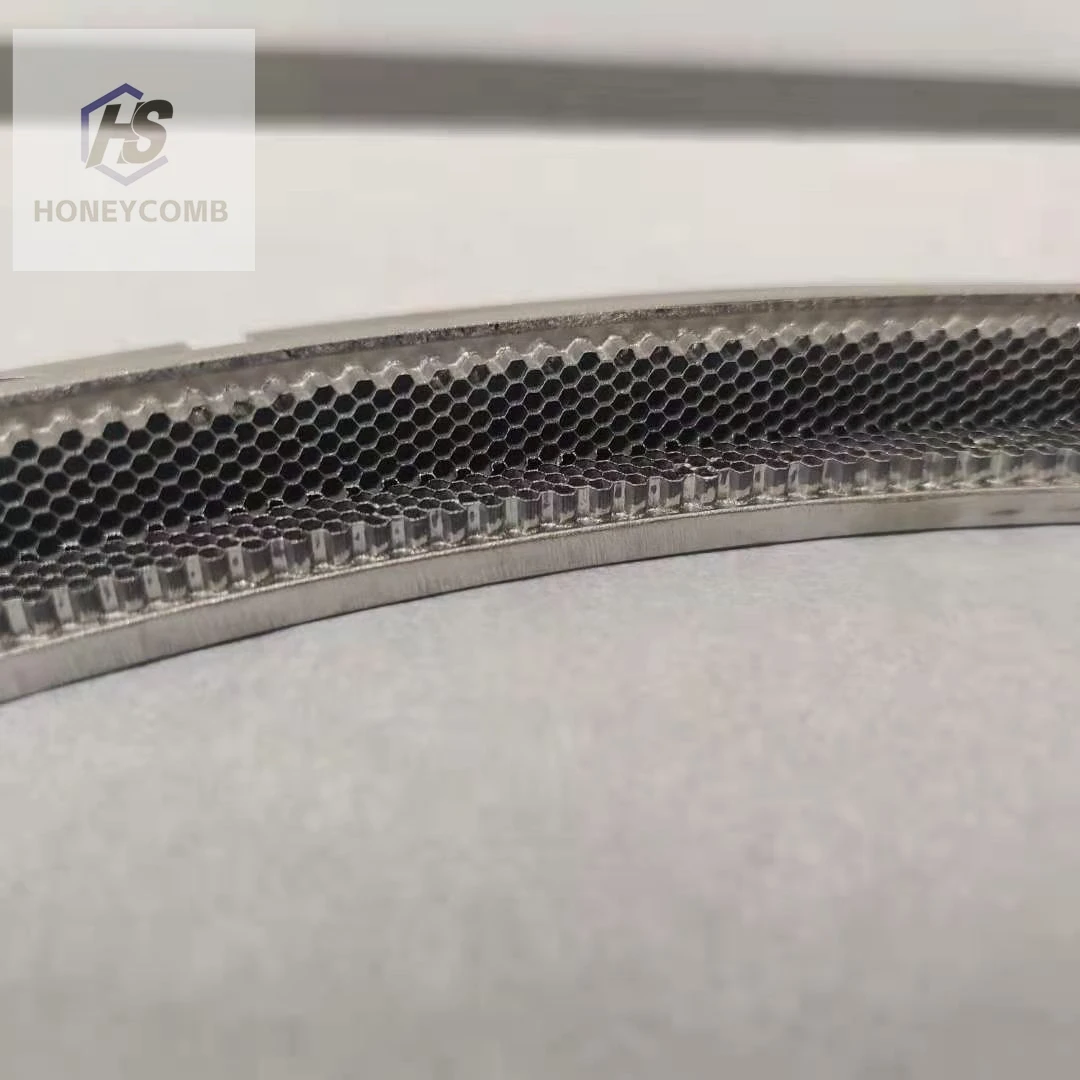
- Honeycomb Core Fabrication: Thin metallic foils (typically 0.05mm to 0.15mm thick) of the chosen alloy are precision-cut and corrugated. These corrugated sheets are then bonded together, often through diffusion bonding or specialized brazing techniques, to form the cellular honeycomb core. This process is critical for achieving the desired porosity and structural integrity.
- CNC Machining: The forged/cast ring and the fabricated honeycomb core undergo multi-axis CNC machining. This highly precise step ensures the exact dimensions, surface finishes, and intricate features required for the seal's performance. Tolerances are typically held to within ±0.01mm to ensure optimal fit and sealing efficiency.
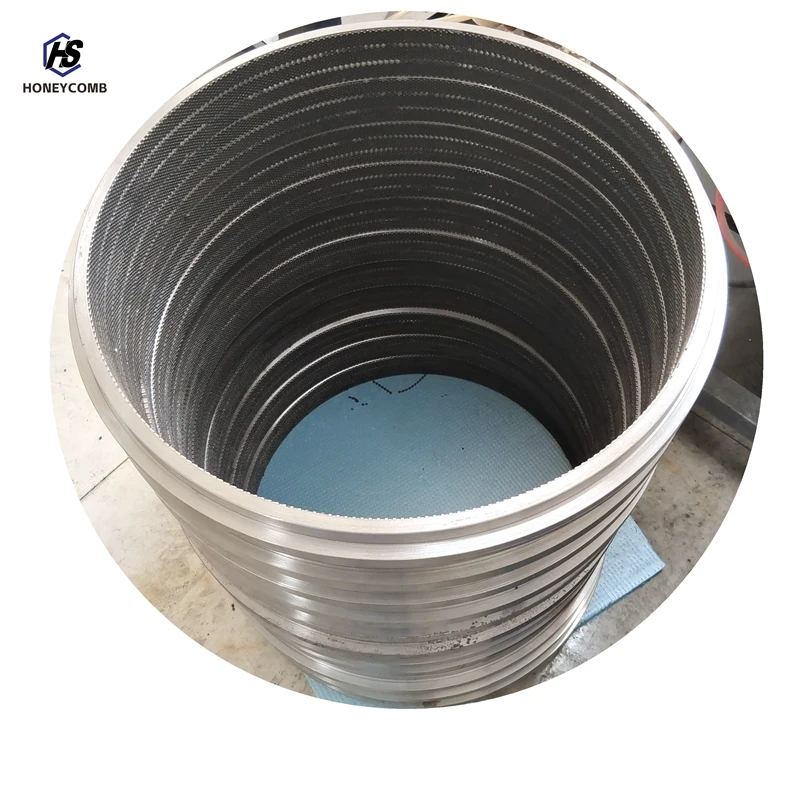
- Assembly and Welding: The honeycomb core is meticulously integrated into the machined ring. Advanced welding techniques, such as laser welding or electron beam welding, are employed to create a robust, hermetic bond between the core and the outer ring, preventing any bypass leakage.
- Surface Treatment (Optional): Depending on the application, seals may undergo surface treatments like electropolishing for enhanced corrosion resistance, or specialized coatings (e.g., ceramic, abradable) to improve wear resistance or reduce friction in dynamic sealing scenarios.
- Quality Control and Testing: Every Honeycomb Ring Seal undergoes rigorous testing. This includes dimensional verification using CMM (Coordinate Measuring Machine), material integrity checks (e.g., ultrasonic testing, dye penetrant inspection), and functional performance tests such as leakage rate measurement (e.g., helium leak detection), pressure cycle testing, and high-temperature performance assessment. Products must comply with international standards like ISO 9001 for quality management and often application-specific standards like ANSI for pressure ratings.
- Packaging and Delivery: Seals are carefully packaged to prevent damage during transit, often using anti-corrosion packaging, and shipped with comprehensive documentation.
The service life of a Honeycomb Ring Seal can exceed 10-15 years in typical operational conditions, significantly outperforming many traditional seals, primarily due to its robust construction and superior material properties. Target industries include petrochemical (valves, pumps), metallurgy (furnaces, rolling mills), power generation (turbines, heat exchangers), and water supply & drainage (high-pressure pipelines, critical valves).
Technical Specifications and Performance Parameters
The effectiveness of a Honeycomb Ring Seal lies in its meticulously engineered technical specifications, which dictate its performance across a spectrum of demanding applications. These seals are not merely off-the-shelf components but precision instruments designed to operate under extreme conditions, offering a unique combination of resilience and adaptability. Understanding these parameters is crucial for engineers and procurement specialists in selecting the optimal sealing solution.
Typical Material Properties for High-Performance Honeycomb Ring Seals:
| Material Type | Max Operating Temperature (°C) | Corrosion Resistance | Key Applications |
|---|---|---|---|
| Inconel 718 | ~700°C (1292°F) | Excellent, especially at high temps | Aerospace, Gas Turbines, Nuclear |
| Hastelloy C-276 | ~600°C (1112°F) | Outstanding, wide range of aggressive chemicals | Chemical Processing, Pollution Control |
| Stainless Steel 316L | ~450°C (842°F) | Good, improved resistance to chlorides | Petrochemical, Food & Beverage, General Industrial |
Performance Parameters:
- Operating Temperature Range: Typically from -200°C to +750°C (-328°F to +1382°F), depending on the specific alloy and application.
- Pressure Capability: Capable of sealing against pressures up to 50 MPa (7250 psi) for static applications, and 10 MPa (1450 psi) for dynamic sealing, offering superior performance compared to traditional seals.
- Leakage Rate: Ultra-low leakage rates, often specified in the range of 10-6 to 10-8 standard cm3/sec of helium, meeting the strictest environmental and safety regulations.
- Mechanical Durability: Withstands significant vibration and thermal cycling, maintaining sealing integrity over extended periods without material degradation or creep.
- Flexibility and Conformability: The honeycomb structure allows the seal to conform to minor imperfections or dynamic movements in mating surfaces, providing a more robust seal than rigid alternatives.
Key Application Scenarios and Operational Advantages
The robust design and superior material properties of the Honeycomb Ring Seal make it ideal for a multitude of critical applications where reliability and performance are paramount. Its unique ability to withstand extreme conditions ensures operational integrity and extends equipment lifespan, translating into significant cost savings and enhanced safety.
Typical Application Scenarios:
- Gas Turbines & Jet Engines: Used in hot sections, interstage seals, and bearing compartment seals where high temperatures (up to 750°C), high rotational speeds, and aggressive hot gas environments demand exceptional sealing integrity to prevent gas bypass and improve efficiency.
- Petrochemical Industry: Deployed in high-temperature reactors, pressure vessels, and critical valve stems handling corrosive fluids and gases. Their resistance to chemical attack ensures long-term sealing performance, reducing the risk of hazardous leaks.
- Aerospace & Space Exploration: Essential for rocket engine components, hydraulic systems, and environmental control systems, where vacuum, cryogenic temperatures, or extreme thermal cycling necessitate a seal that maintains performance under fluctuating conditions.
- Nuclear Power Plants: Utilized in primary and secondary circuit components, including pump seals and reactor vessel closures, where radiation resistance, high-pressure, and high-temperature water/steam environments demand seals with exceptional longevity and reliability.
- Industrial Compressors & Pumps: In high-speed, high-pressure rotary equipment, these seals prevent leakage of process fluids or gases, contributing to energy saving by reducing parasitic losses and ensuring optimal system efficiency.
Technical Advantages:
- Exceptional Temperature Range: Operates reliably from cryogenic to extremely high temperatures, far exceeding the limits of elastomeric seals.
- Corrosion Resistance: Fabricated from superalloys, they exhibit outstanding resistance to harsh chemical environments, including acids, bases, and aggressive hydrocarbons.
- Low Leakage Rates: The design ensures minimal to zero leakage, critical for hazardous fluids, vacuum applications, and maintaining process purity, resulting in energy saving and environmental protection.
- High-Pressure Capability: Maintains sealing integrity under significant pressure differentials, making them suitable for high-pressure systems.
- Durability & Extended Service Life: Designed for longevity, reducing maintenance frequency and associated downtime, enhancing overall operational efficiency.
- Vibration & Thermal Shock Resistance: The metallic construction and design flexibility allow them to withstand dynamic movements and rapid temperature changes without degradation.
Vendor Comparison: Evaluating High-Performance Sealing Solutions
When selecting advanced sealing solutions for critical industrial applications, the choice of vendor extends beyond just product specifications. It encompasses manufacturing expertise, adherence to quality standards, research and development capabilities, and responsive customer support. While several manufacturers offer high-performance seals, the specialized nature of the Honeycomb Ring Seal places a premium on vendors with deep engineering knowledge and a proven track record in extreme environments.
Comparative Analysis: Honeycomb Ring Seal vs. Traditional Metallic Seals
| Feature/Parameter | Honeycomb Ring Seal | Traditional Metallic O-Ring / C-Ring | Spiral Wound Gasket |
|---|---|---|---|
| Temperature Range | -200°C to +750°C | -270°C to +800°C (material dependent, but less dynamic) | -196°C to +1000°C (filler dependent, prone to relaxation) |
| Conformability to Surface Irregularities | Excellent (honeycomb structure allows deformation) | Good (requires precise groove machining) | Moderate (filler material helps, but can creep) |
| Dynamic Sealing Capability | High (effective in rotary and reciprocating applications) | Low (primarily static) | Very Low (static only) |
| Leakage Performance (He leak rate) | Extremely Low (10-6 to 10-8 scc/s) | Very Low (10-7 to 10-9 scc/s, in ideal conditions) | Low to Moderate (10-3 to 10-6 scc/s) |
| Vibration & Thermal Cycling Resistance | High (resilient structure) | Moderate (can lose springback) | Low (filler can degrade, relaxation) |
Our organization differentiates itself through decades of specialized expertise in high-performance metallurgy and precision engineering. We hold certifications such as ISO 9001 and AS9100, reflecting our commitment to the highest quality standards, particularly crucial for aerospace and defense applications. Our partnerships with leading companies in power generation and chemical processing underscore our reputation for reliability and innovation. We also invest heavily in R&D, continuously refining our manufacturing processes and exploring new materials to push the boundaries of sealing technology.
Customized Solutions and Application Case Studies
Recognizing that standard solutions often fall short in highly specialized industrial contexts, we offer comprehensive customization services for the Honeycomb Ring Seal. Our engineering team collaborates closely with clients to design seals that precisely meet unique operational demands, from specific dimensional constraints to exotic material requirements and performance parameters. This tailored approach ensures optimal integration and maximum efficacy in the most challenging environments.
Customization Options Include:
- Material Selection: Tailored choice from a wide array of superalloys (e.g., Inconel, Hastelloy, Waspaloy) based on temperature, pressure, and chemical compatibility requirements.
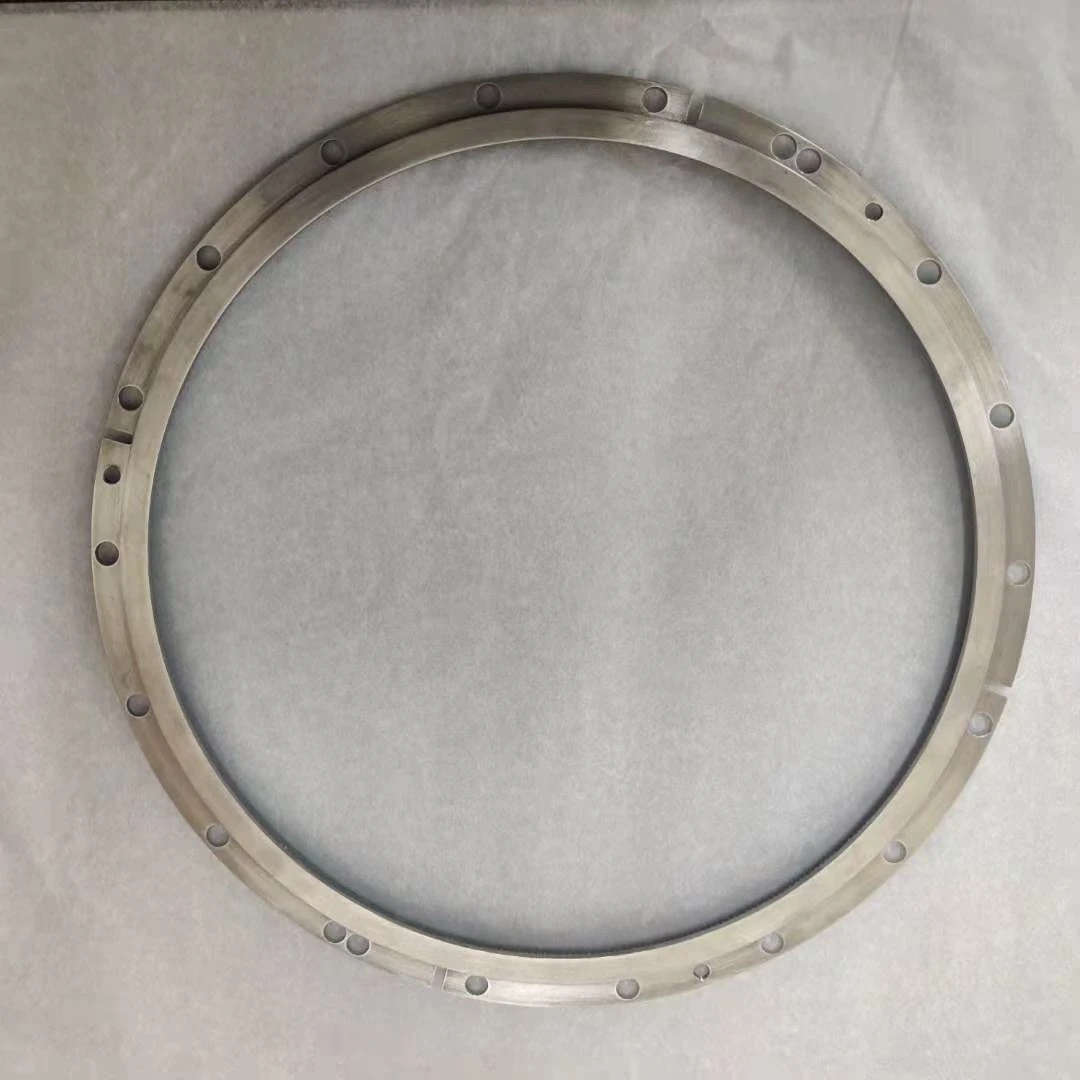
- Geometry & Dimensions: Precision engineering to match exact interface geometries, including complex profiles, diameters, and cross-sections.
- Core Density & Cell Size: Adjustment of honeycomb cell geometry to optimize flexibility, springback, and sealing force for specific application dynamics.
- Surface Coatings: Application of specialized coatings (e.g., abradable, wear-resistant, low-friction) to enhance performance in dynamic applications or reduce adhesive forces.
- Mounting Features: Integration of specific attachment or retention mechanisms for seamless installation into existing or new equipment designs.
Application Case Studies:
Case Study 1: High-Temperature Gas Turbine Sealing
A leading aerospace manufacturer required an advanced seal for the interstage sections of their next-generation gas turbines. The seal needed to operate continuously at 700°C, withstand significant pressure differentials, and minimize hot gas bypass to improve fuel efficiency. Traditional brush seals experienced unacceptable wear rates, and conventional metallic seals lacked the necessary conformability. Our engineers designed a custom Honeycomb Ring Seal using Inconel 718 with a specific cell density, integrated into a unique mounting flange. Post-installation data showed a 1.8% improvement in turbine efficiency and an estimated 5-fold increase in seal service life compared to previous solutions. Customer feedback highlighted the exceptional durability and consistent performance over prolonged operational cycles.
Case Study 2: Corrosive Environment in Chemical Processing
A major chemical producer faced recurring leakage issues in a critical reactor vessel operating with highly corrosive acidic compounds at elevated temperatures and pressures. Elastomeric seals failed rapidly, and metallic gaskets required frequent replacement, leading to costly downtime and safety concerns. We developed a custom Honeycomb Ring Seal from Hastelloy C-276, known for its superior corrosion resistance, with a specialized surface finish. The seal was designed to fit an existing groove configuration. After installation, the client reported zero leakage for over three years, exceeding their previous seal life by a factor of ten. This resulted in substantial savings from reduced maintenance, lower material costs, and increased operational uptime.
Frequently Asked Questions (FAQ)
Q1: What makes the Honeycomb Ring Seal superior to other metallic seals?
A1: The unique honeycomb structure provides superior flexibility and conformability to mating surfaces, allowing it to seal effectively even with minor surface imperfections or dynamic deflections. This design also offers excellent springback characteristics, maintaining sealing force over a wider temperature and pressure range than traditional solid or hollow metallic seals. Furthermore, its lightweight yet robust construction contributes to superior vibration and thermal shock resistance.
Q2: What is the typical lead time for a custom Honeycomb Ring Seal?
A2: Lead times for custom Honeycomb Ring Seal solutions vary based on material availability, design complexity, and order volume. For standard configurations with common materials, lead times can range from 4-6 weeks. Highly specialized designs or exotic material requirements may extend this to 8-12 weeks. We work closely with our clients to provide accurate lead time estimates and offer expedited services for urgent requirements where feasible.
Q3: What kind of warranty do you offer on your products?
A3: We stand by the quality and performance of our Honeycomb Ring Seal products. All seals are warranted against manufacturing defects and material failures under normal operating conditions for a period of one year from the date of shipment. Extended warranties and performance guarantees can be discussed for specific high-volume or long-term projects, reflecting our commitment to customer satisfaction and product reliability.
Q4: What kind of after-sales support is available?
A4: Our commitment to our clients extends beyond delivery. We provide comprehensive after-sales support, including technical consultation for installation and troubleshooting, performance analysis, and detailed documentation. Our engineering team is available to address any questions or concerns that may arise during the operational lifespan of our seals, ensuring continued optimal performance and customer confidence.
Conclusion
The increasing demands of modern industrial applications necessitate sealing solutions that transcend conventional limitations. The Honeycomb Ring Seal represents a pinnacle of advanced engineering, offering unparalleled performance in environments characterized by extreme temperatures, high pressures, and corrosive media. Its robust design, precise manufacturing, and adaptability to complex operational scenarios make it an indispensable component for industries striving for peak efficiency, enhanced safety, and reduced environmental impact. By choosing this advanced sealing technology, decision-makers ensure long-term reliability and significant operational advantages, positioning their systems for future success.
Citations
- ISO 9001:2015 Quality management systems – Requirements. International Organization for Standardization.
- AS9100D Quality Management Systems - Requirements for Aviation, Space and Defense Organizations. SAE International.
- Shackelford, J. F., & Han, Y. (2016). Introduction to Materials Science for Engineers (8th ed.). Pearson.
- Norton, R. L. (2019). Machine Design: An Integrated Approach (6th ed.). Pearson.
- Bhushan, B. (2013). Springer Handbook of Tribology. Springer.

-
Industrial Airflow Guide for maf воздушная правильная машинаNewsApr.16,2026
-
Best maf струйно правильная машина for Industrial EfficiencyNewsApr.09,2026
-
Сотовая правильная машина A Comprehensive Guide to Honey Packing AutomationNewsApr.07,2026
-
Build Your Own DIY газоправильная Машина A Comprehensive Guide to Gas CorrectionNewsApr.04,2026
-
Understanding Кондиционер отопления Systems for Efficient and Comfortable HeatingNewsMar.31,2026
-
Comprehensive Guide to Cellular Blinds Installation Установка сотовых жалюзиNewsMar.28,2026
-
Mobile Aerodynamic Tunnel Design A Comprehensive Guide to Applications and ImplementationNewsMar.26,2026






 English
  Afrikaans
  Albanian
  Amharic
  Arabic
  Armenian
  Azerbaijani
  Basque
  Belarusian
  Bengali
  Bosnian
  Bulgarian
  Catalan
  Cebuano
  China
China  China (Taiwan)
  Corsican
  Croatian
  Czech
Czech  Danish
  Dutch
Dutch  Esperanto
  Estonian
  Finnish
  French
  Frisian
  Galician
  Georgian
  German
  Greek
Greek  Gujarati
  Haitian Creole
  Hausa
Hausa  Hawaiian
  Hebrew
  Hindi
Hindi  Miao
Miao  Indonesian
  Italian
  Japanese
  Javanese
  Malay
Malay  Persian
  Portuguese
  Punjabi
  Russian
  Spanish
  Swahili
  Telugu
  Vietnamese