


Precision Honeycomb Flow Straightener: Enhance Flow Uniformity
The Critical Role of honeycomb flow straightener in Industrial Precision
In a myriad of industrial processes, the precise control and conditioning of fluid dynamics are paramount to operational efficiency, measurement accuracy, and overall system performance. A key component facilitating this control is the honeycomb flow straightener, a sophisticated engineering solution designed to eliminate turbulence, vortices, and swirling effects within fluid streams. By converting chaotic flow into a uniform, laminar profile, these devices significantly enhance the reliability of downstream equipment and processes. This article delves into the technical intricacies, application breadth, and critical advantages of high-performance honeycomb flow straighteners, particularly those manufactured from robust stainless steel alloys like 304 and 316L, catering to the exacting demands of B2B sectors.
The efficacy of a flow straightener directly impacts the accuracy of flow meters, the uniformity of heat and mass transfer, and the performance of reaction vessels. As industries increasingly strive for higher precision and energy efficiency, the demand for advanced flow conditioning solutions continues to grow, positioning the honeycomb flow straightener as an indispensable element in modern industrial infrastructure.
Current Industry Trends and Technological Advancements
The landscape of industrial fluid dynamics is continuously evolving, driven by demands for greater efficiency, reduced environmental impact, and enhanced process control. Key trends influencing the development and adoption of honeycomb flow straightener technology include:
- Material Science Evolution: A shift towards highly corrosion-resistant and temperature-tolerant materials like Stainless Steel 316L for aggressive environments, expanding application possibilities in petrochemical and marine industries.
- Enhanced Computational Fluid Dynamics (CFD): Advanced CFD simulations are increasingly used in the design phase, allowing for optimized cell geometries and straightener configurations to achieve superior flow uniformity with minimal pressure drop.
- Modular and Customizable Solutions: Growing demand for tailor-made solutions that can be integrated seamlessly into existing pipeline geometries and process requirements, offering flexibility in dimensions, cell size, and material selection.
- Integration with Smart Systems: Future trends point towards flow straighteners being part of larger smart fluid management systems, potentially incorporating sensors for real-time flow profiling and predictive maintenance.
- Miniaturization and High-Density Applications: Development of smaller, high-density honeycomb structures for compact systems where space is at a premium, without compromising straightening efficacy.
These trends underscore the importance of precision engineering and material excellence in the manufacturing of honeycomb flow straightener components, ensuring they meet the stringent demands of modern industrial applications.
Manufacturing Process of Honeycomb Flow Straighteners
The production of high-quality stainless steel honeycomb cores for flow straighteners is a meticulous process demanding precision engineering and stringent quality control. Our products, made from Stainless Steel 304/316L, undergo a refined manufacturing journey to ensure optimal performance and longevity.
Materials & Preparation:
The choice of material, primarily Stainless Steel 304 or 316L, is critical. SS304 offers excellent corrosion resistance in many environments, while SS316L, with its added molybdenum content, provides superior resistance to chlorides and other aggressive media, making it ideal for marine, pharmaceutical, and chemical processing applications. Raw stainless steel sheets are selected based on strict metallurgical specifications to ensure purity and consistent mechanical properties.
Detailed Manufacturing Process Flow:
1. Material Selection & Slitting
High-grade SS 304/316L coils are precisely slit into narrow strips conforming to desired foil thickness (e.g., 0.05mm - 0.2mm).
2. Corrugation (Forming)
Slit strips are fed into specialized machinery for precision corrugation, creating the distinct wave-like pattern that forms the honeycomb cell walls.
3. Bonding/Welding
Corrugated sheets are alternately bonded (typically with high-temperature resistant adhesive) or resistance-welded to flat sheets, building up the honeycomb block. Welding is preferred for extreme temperature or corrosive applications.
4. Block Formation & Slicing
The bonded/welded stack forms a large honeycomb block, which is then sliced to the required panel thickness (e.g., 10mm - 300mm) using high-precision CNC cutting equipment.
5. Framing & Finishing
The sliced honeycomb panels are then framed or trimmed to the final dimensions. This can involve welding to an outer frame for structural integrity or simple edge finishing.
6. Quality Control & Testing
Each honeycomb flow straightener undergoes rigorous inspection for cell integrity, dimensional accuracy, flatness, and material quality, adhering to standards like ISO 9001. Flow testing may be conducted for critical applications.
Testing Standards & Service Life:
Our manufacturing processes adhere to international quality standards, including ISO 9001 for quality management systems. Dimensional tolerances are often checked against standards like ANSI/ASME for precision components. The service life of a stainless steel honeycomb flow straightener can extend for decades, typically exceeding 20 years, depending on the operational environment, fluid corrosivity, temperature, and absence of mechanical abuse. Proper material selection (304 vs. 316L) is crucial for maximizing this lifespan in specific applications.
The intrinsic corrosion resistance of stainless steel ensures that these components maintain their structural integrity and flow straightening capability over extended periods, minimizing maintenance requirements and total cost of ownership.
Technical Specifications and Performance Parameters
Understanding the precise technical specifications of a honeycomb flow straightener is essential for proper system integration and performance optimization. These parameters dictate the device's efficacy in achieving laminar flow and its suitability for various operational environments.
| Parameter | Description | Value Range / Detail |
|---|---|---|
| Material | High-grade stainless steel alloys | Stainless Steel 304, Stainless Steel 316L |
| Cell Shape | Geometric design for optimal flow | Hexagonal, Square, Rectangular (most common: hexagonal for highest strength-to-weight) |
| Cell Size (S) | Distance across flat sides of a cell | Typically from 1.5 mm to 25 mm (customizable) |
| Foil Thickness (T) | Thickness of the stainless steel sheet forming the cells | 0.05 mm to 0.2 mm (2 mil to 8 mil) |
| Panel Thickness (L) | Overall thickness of the honeycomb core | 10 mm to 300 mm (0.4 in to 12 in) |
| Operating Temperature Range | Limits for continuous operation | -50°C to 800°C (-58°F to 1472°F) |
| Turbulence Reduction | Percentage reduction in flow turbulence intensity | Up to 90% (achieving low turbulence intensity values of |
| Pressure Drop Coefficient | Measure of resistance to flow | Minimized (typically k |
| Standard Compliance | Relevant quality and performance standards | ISO 9001 (Quality Management), ASTM (Material Standards), client-specific requirements |
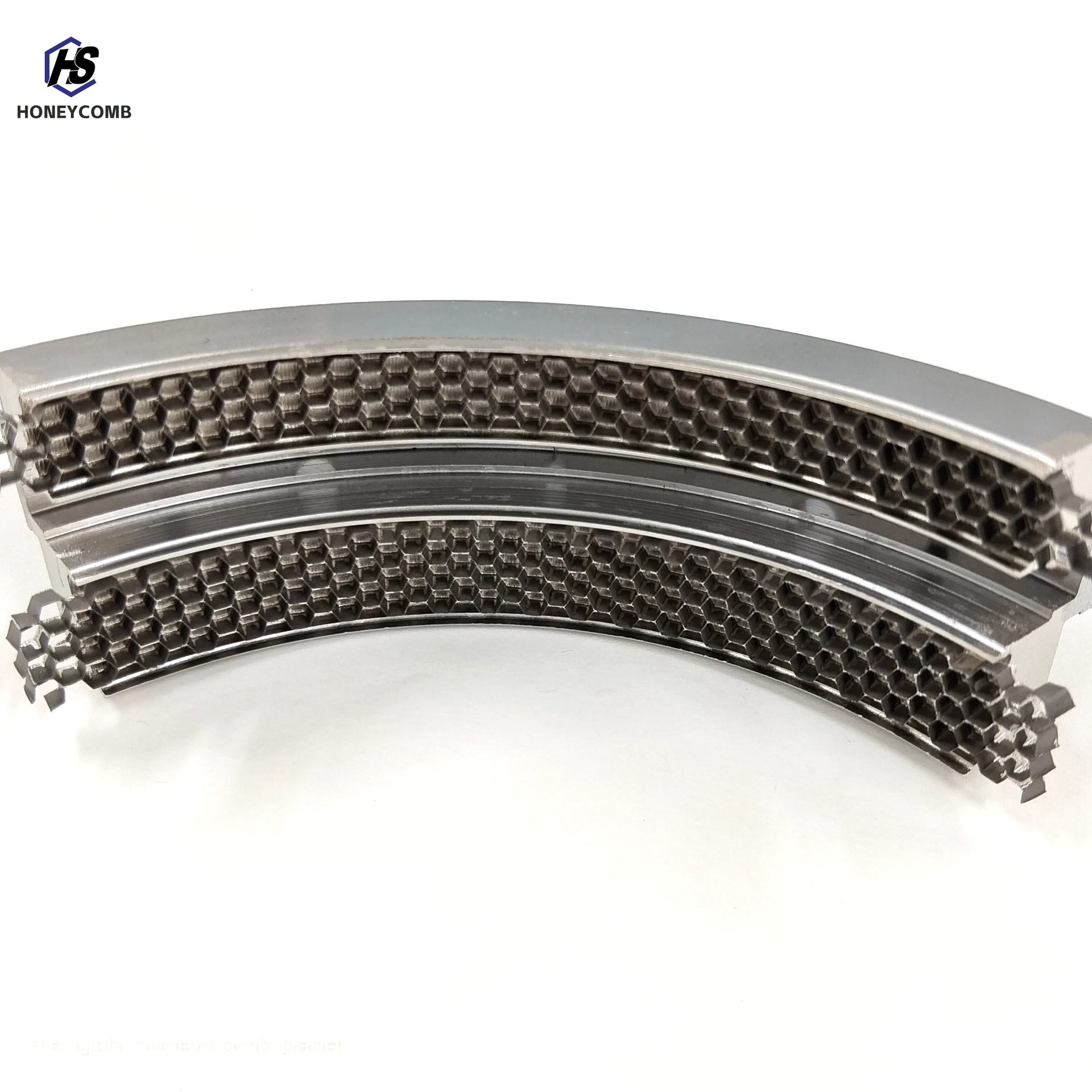
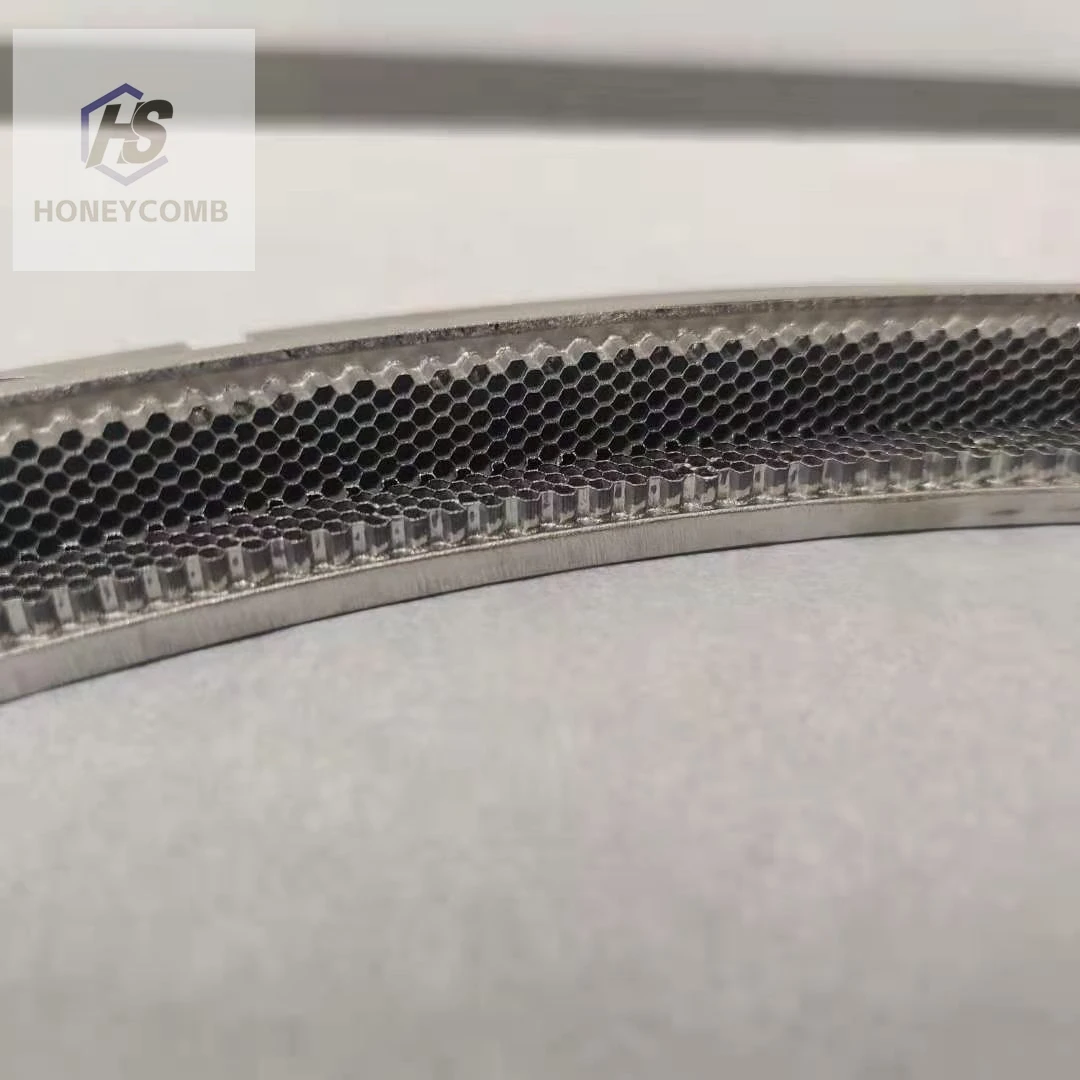
The hexagonal cell structure is particularly favored due to its superior strength-to-weight ratio and its effectiveness in compartmentalizing and straightening flow streams. The 'cell size' (S) and 'panel thickness' (L) are crucial for determining the straightening capability and pressure drop. Generally, a smaller cell size and a greater L/S ratio lead to more effective flow straightening but also a slightly higher pressure drop. Engineers meticulously balance these parameters to optimize performance for specific applications.
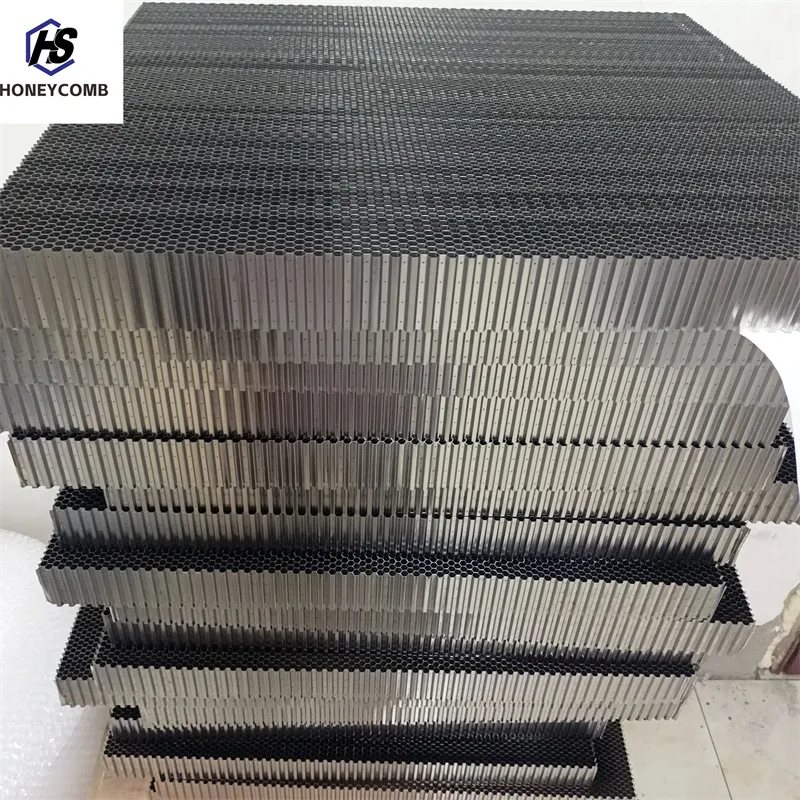
Figure 1: High-precision stainless steel honeycomb core for flow straightening applications.
Application Scenarios and Target Industries
The versatility and high performance of stainless steel honeycomb flow straightener technology make it indispensable across a broad spectrum of industrial applications where precise flow control is paramount. Target industries range from heavy manufacturing to sensitive research and development.
- Petrochemical Industry: In reactors, heat exchangers, and pipelines, flow straighteners ensure uniform distribution of reactants, enhancing reaction efficiency and preventing localized overheating or corrosion. Their corrosion resistance (especially SS316L) is crucial in harsh chemical environments.
- Metallurgy: Used in quenching tanks and cooling systems to achieve uniform cooling rates, which is vital for the consistent material properties of metals. Also in gas supply lines for controlled furnace atmospheres.
- Water Supply & Drainage: Essential for optimizing flow in large diameter pipes, preventing cavitation, reducing pressure losses, and improving the accuracy of water flow metering stations for billing and resource management.
- Aerospace & Automotive (Wind Tunnels): Critical for creating highly laminar airflow in wind tunnels used for aerodynamic testing. This ensures accurate and repeatable data collection for vehicle design and optimization.
- HVAC Systems: In large air ducts, they ensure uniform airflow distribution across filters, coils, and diffusers, leading to improved indoor air quality, energy efficiency, and comfort.
- Power Generation: Used in combustion air intake systems to ensure uniform air distribution for optimal combustion efficiency, reducing emissions and increasing power output.
Demonstrated Advantages in Typical Scenarios:
- Energy Saving: By eliminating turbulence and creating uniform flow profiles, pressure drops are minimized, reducing the energy required to pump or move fluids. This can lead to significant operational cost reductions, often in the range of 5-15% depending on the system.
- Corrosion Resistance & Durability: Stainless steel 304/316L construction ensures exceptional resistance to corrosive media, high temperatures, and erosion, leading to longer service life and reduced maintenance in aggressive environments.
- Enhanced Measurement Accuracy: Flow straighteners improve the performance of downstream flow meters (e.g., ultrasonic, vortex, differential pressure) by providing a fully developed, swirl-free flow profile, leading to measurement inaccuracies reduced by typically 50-80%.
- Improved Process Control: Consistent and predictable flow patterns are critical for processes requiring precise mixing, heat exchange, or chemical reactions, contributing to higher product quality and reduced waste.
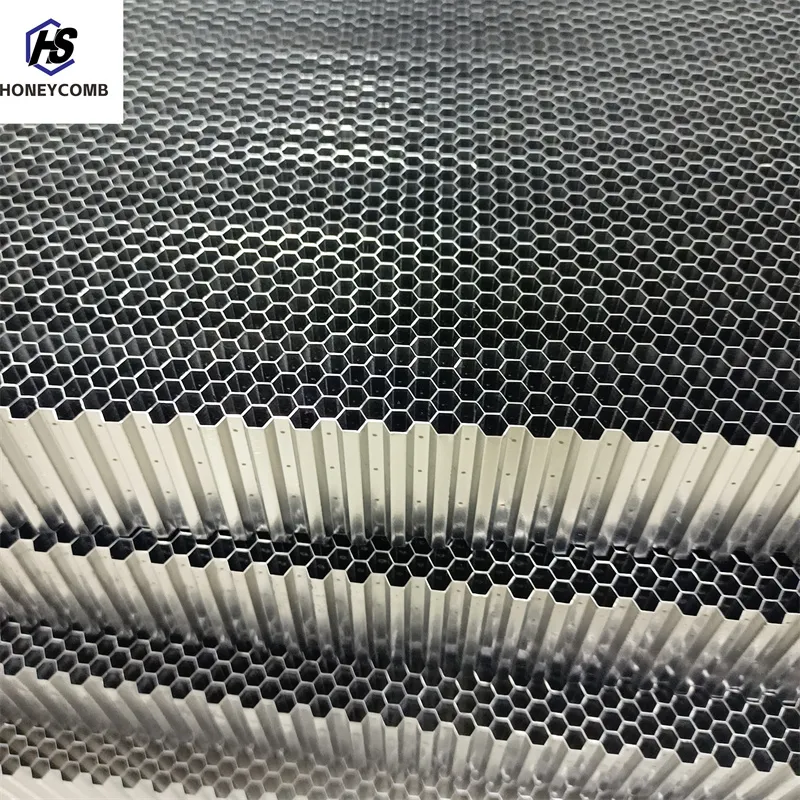
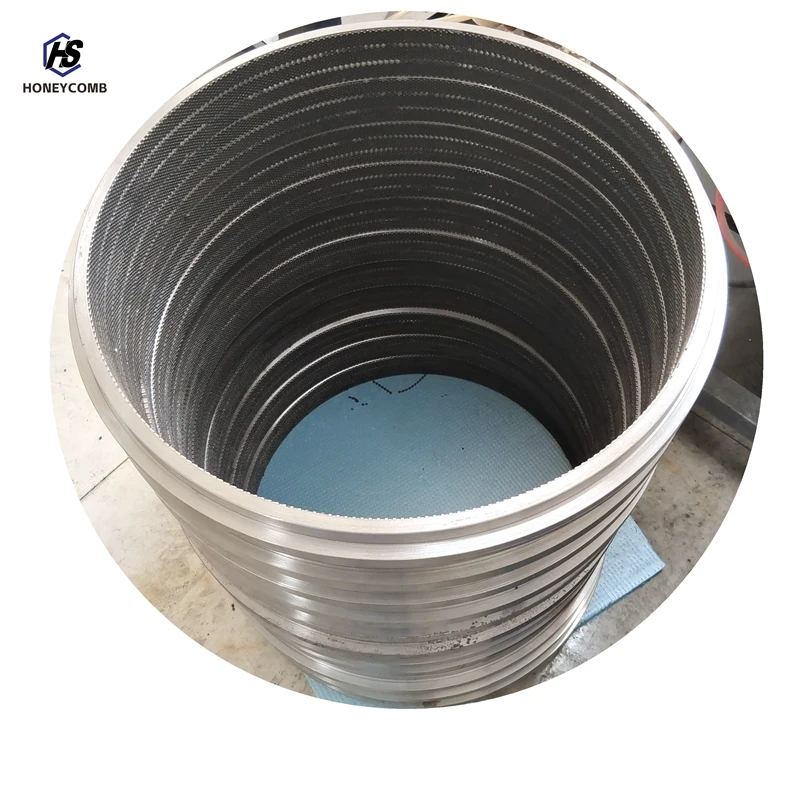
Figure 2: Custom-fabricated honeycomb panel integrated into a large-diameter pipeline for optimal flow conditioning.
Technical Advantages Over Traditional Methods
While various methods exist for flow conditioning, the honeycomb flow straightener offers distinct technical advantages that set it apart, particularly in demanding industrial environments.
Superior Flow Uniformity:
Unlike perforated plates or tube bundles, a honeycomb structure provides a significantly higher number of small, individual passages. This granular approach to flow division is exceptionally effective at breaking down large-scale eddies and swirls, producing a flow profile with extremely low turbulence intensity (often below 0.5%) and high angular uniformity. This translates directly to enhanced accuracy for flow measurement and improved efficiency in heat/mass transfer operations.
Minimal Pressure Drop:
Despite its high effectiveness, a well-designed honeycomb flow straightener introduces minimal pressure drop into the system. The smooth, uninterrupted channels of the honeycomb cells allow fluid to pass through with less resistance compared to the abrupt changes in flow path induced by simpler grid-based designs. This translates into lower energy consumption for pumps and fans, contributing to operational cost savings and reduced wear on associated equipment.
Robustness and Durability:
Manufactured from stainless steel 304 or 316L, these flow straighteners offer exceptional mechanical strength and resistance to vibration, thermal cycling, and erosion. Their monolithic structure, whether bonded or welded, provides high structural integrity, making them suitable for high-velocity flows and abrasive media where other materials might quickly degrade or fail.
Versatility and Customization:
The ability to customize cell size, foil thickness, panel depth, and overall dimensions allows for precise tailoring to specific application requirements. This flexibility ensures optimal performance across a wide range of fluid types, flow rates, and pipe diameters, from small laboratory setups to large-scale industrial conduits. Furthermore, the material choice between SS304 and SS316L enables optimization for general purpose or highly corrosive environments respectively.
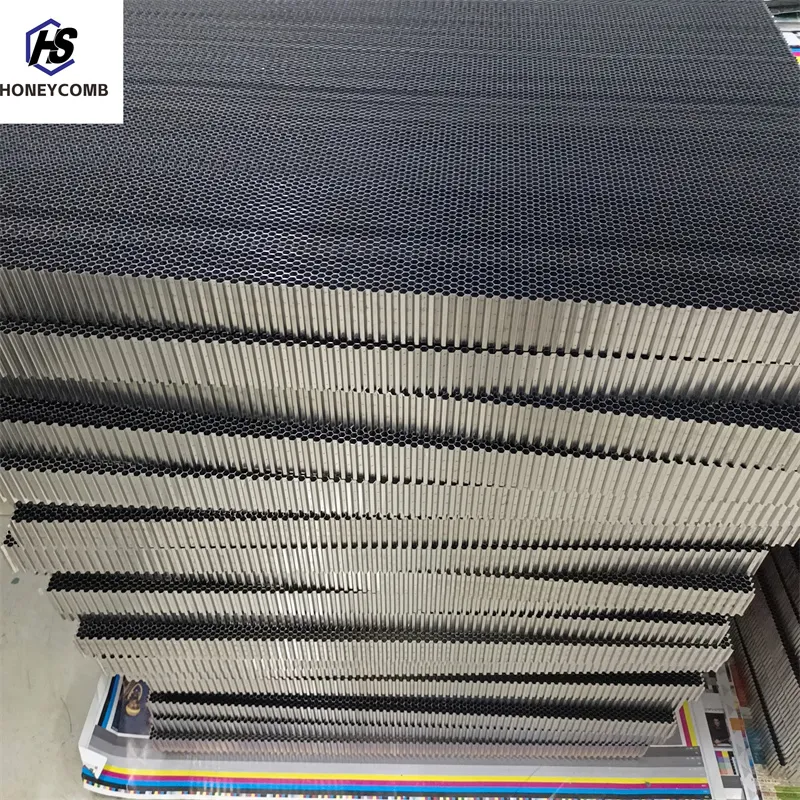
Figure 3: Detailed view of a stainless steel honeycomb core, highlighting its precision structure.
Vendor Comparison: Key Differentiators
Choosing the right supplier for a honeycomb flow straightener is a critical decision that impacts performance, longevity, and total cost of ownership. While many vendors offer honeycomb products, significant differentiators exist in manufacturing quality, technical expertise, and customer support.
| Feature/Criterion | Premium Vendor (e.g., HSHI Honeycomb) | Standard Vendor (Generic) |
|---|---|---|
| Material Quality & Traceability | Certified SS304/316L, fully traceable mill certificates, strict purity control. | General SS grades, limited traceability, potential for material inconsistencies. |
| Manufacturing Precision (Cell Geometry) | CNC-controlled corrugation and slicing, extremely tight tolerances for cell size and wall thickness, ensuring consistent flow. | Manual or less precise machinery, wider tolerances, potential for cell deformation affecting flow. |
| Bonding/Welding Integrity | Advanced resistance welding or aerospace-grade high-temperature bonding for superior strength and thermal stability. | Basic adhesive bonding, potentially susceptible to high temperatures or aggressive chemicals. |
| Customization Options | Extensive options for cell size, foil thickness, panel dimensions, framing, and material grades (e.g., specific SS, Hastelloy, Inconel). | Limited standard sizes and materials, minimal scope for bespoke solutions. |
| Technical Support & Engineering Expertise | Dedicated engineering team for CFD analysis, design consultation, and application-specific recommendations. | Basic product information, limited or no engineering support for complex integration. |
| Certifications & Quality Assurance | ISO 9001 certified, rigorous internal QC protocols, potential for third-party certifications (e.g., aerospace). | Basic or no formal quality certifications, less stringent QC. |
| Performance Guarantee | Guaranteed performance parameters (e.g., turbulence reduction, pressure drop) based on design and testing. | General product descriptions, no specific performance guarantees. |
For critical applications where precision, reliability, and longevity are non-negotiable, partnering with a vendor that prioritizes material quality, advanced manufacturing techniques, and robust technical support is paramount. Such partnerships ensure that the installed honeycomb flow straightener delivers consistent, optimal performance throughout its extensive service life.
Customized Solutions for Unique Challenges
Industrial fluid dynamics often present unique challenges that off-the-shelf solutions cannot adequately address. Recognizing this, leading manufacturers of honeycomb flow straightener components offer extensive customization capabilities, ensuring perfect integration and optimal performance for specific applications.
Tailored Dimensions and Geometries:
Customization goes beyond standard circular or rectangular panels. We can engineer honeycomb cores to precise client specifications for diameter, length (panel thickness), and overall shape. This includes complex geometries required for non-standard ducts, diffusers, or specialized test rigs. Our capabilities extend to designing for optimal fit within existing pipeline flanges or custom housings.
Optimized Cell Parameters:
The performance of a honeycomb flow straightener is heavily influenced by its cell size (S) and foil thickness (T). For high-precision requirements, smaller cell sizes and thinner foils are often specified. Conversely, larger cell sizes with thicker foils might be preferred for applications with higher flow rates, entrained particulates, or where pressure drop is the primary concern. Our engineers work closely with clients to determine the ideal S and T values, and the L/S ratio, balancing straightening efficiency with minimal pressure loss.
Material Selection for Extreme Conditions:
While Stainless Steel 304 and 316L are standard, certain applications demand specialized alloys for extreme temperatures, highly corrosive chemicals, or superior strength. Options can include high-nickel alloys (e.g., Inconel, Hastelloy) for environments with elevated temperatures and aggressive chemical attacks, or aluminum for lightweight, non-corrosive airflows. Each material choice is backed by metallurgical expertise to ensure compatibility and longevity.
Integrated Framing and Mounting Solutions:
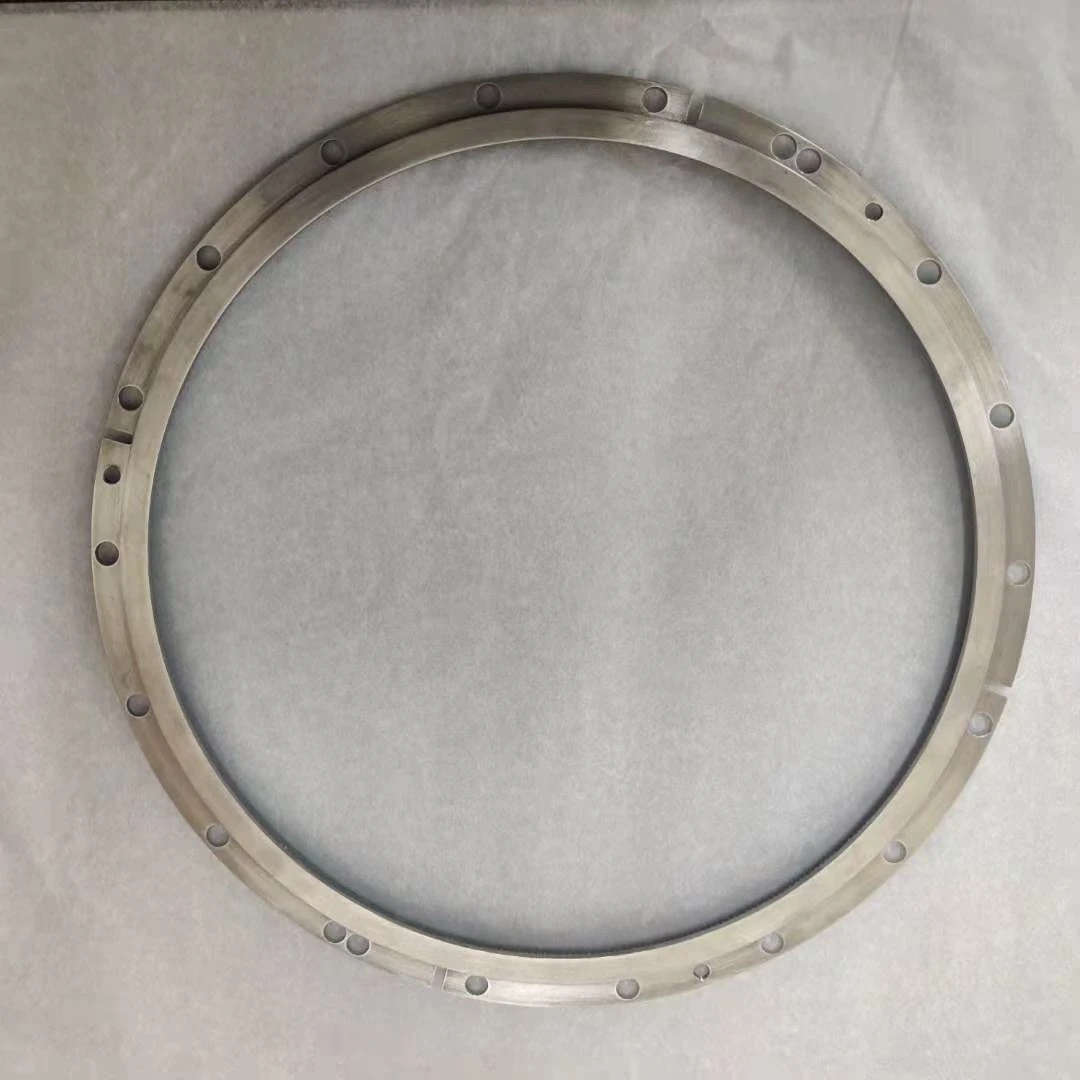
To facilitate easy installation and robust structural support, customized framing and mounting solutions are offered. This includes welding the honeycomb core into a sturdy outer frame (e.g., a ring or square flange), designing for bolt-in or slide-in configurations, and ensuring precise alignment within the fluid pathway. These integrated solutions minimize installation time and enhance the overall system integrity.
Our approach to customized solutions involves a collaborative engineering process, leveraging advanced CFD analysis and extensive material science knowledge to deliver a flow straightener that precisely meets the operational demands and performance targets of each unique industrial application.
Application Case Studies & Real-World Impact
Real-world application case studies demonstrate the tangible benefits and problem-solving capabilities of high-performance honeycomb flow straightener technology in diverse industrial settings.
Case Study 1: Enhanced Reaction Efficiency in a Petrochemical Facility
Challenge: A major petrochemical plant experienced inconsistent product quality and reduced yields in a catalytic reactor due to highly turbulent and non-uniform flow of precursor gases entering the reaction chamber. Traditional flow conditioners provided insufficient straightening, leading to hot spots and inefficient catalyst utilization.
Solution: Our engineering team collaborated with the plant's specialists to design and implement a custom Stainless Steel 316L honeycomb flow straightener. The design featured a precise cell size (5mm) and a panel thickness (100mm) optimized via CFD for the specific gas velocity and duct geometry. The use of SS316L ensured robust corrosion resistance against the aggressive chemical environment and high operating temperatures (450°C).
Results: Post-installation, the plant reported a significant improvement. Gas flow uniformity into the reactor increased by over 85%, leading to a documented 12% increase in reaction efficiency and a 7% reduction in catalyst consumption over a six-month period. The client praised the solution for its immediate impact on operational stability and product consistency, reporting a payback period of less than 18 months due to increased yields and reduced raw material costs. "The precision achieved with the honeycomb straightener was beyond our expectations, truly revolutionizing our reactor performance," stated the Lead Process Engineer.
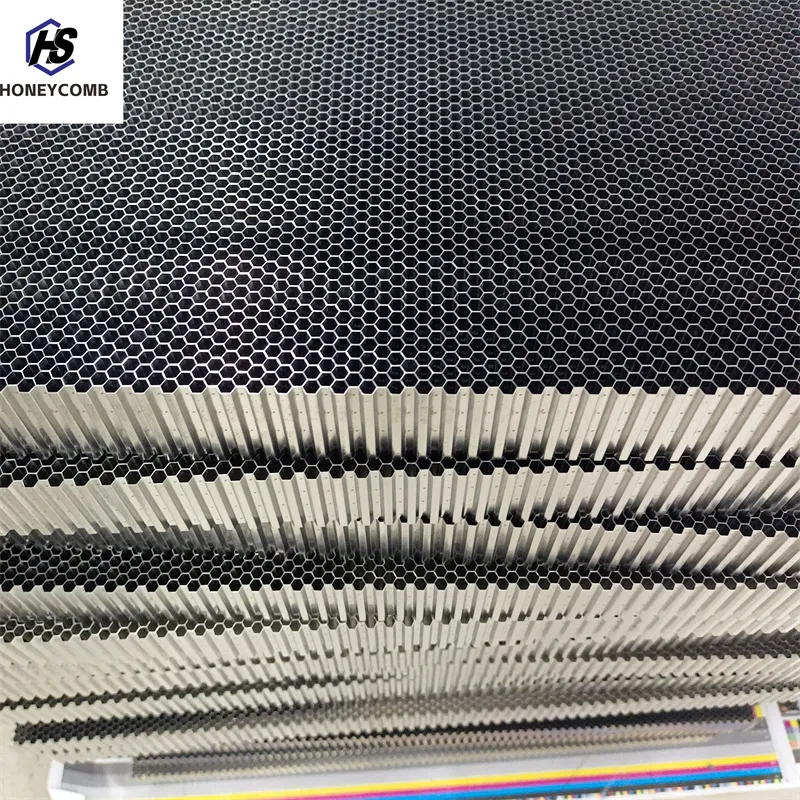
Figure 4: A custom stainless steel honeycomb core ready for integration into a complex industrial system.
Case Study 2: Improving Measurement Accuracy in a Water Treatment Facility
Challenge: A large municipal water treatment plant struggled with inaccurate readings from its ultrasonic flow meters in high-volume pipelines. The short straight run available before the meters resulted in swirling and turbulent flow, leading to measurement errors often exceeding 5-7%, impacting billing accuracy and chemical dosing calculations.
Solution: We provided a robust Stainless Steel 304 honeycomb flow straightener, specifically designed for insertion upstream of the ultrasonic flow meters. The honeycomb structure, with its 8mm cell size and 150mm panel thickness, was selected for its ability to quickly normalize flow profiles within a limited installation space, crucial for this brownfield project.
Results: Following installation, the turbulence intensity was drastically reduced. The measurement accuracy of the ultrasonic flow meters improved dramatically, with deviations now consistently below 1%. This enhanced accuracy directly led to more precise chemical dosing, optimizing costs, and significantly improved billing reliability for the municipality. The project manager noted, "The installation was straightforward, and the impact on our flow measurement precision was immediate and substantial. This is a testament to the effectiveness of a well-engineered flow straightener."
Ensuring Trustworthiness: FAQ, Lead Time, Warranty & Support
Building trust with our B2B partners is paramount. We achieve this through transparency, robust commitments, and comprehensive support services for our honeycomb flow straightener products.
Frequently Asked Questions (FAQ):
A: SS304 is a general-purpose stainless steel with good corrosion resistance. SS316L contains molybdenum, providing superior resistance to pitting and crevice corrosion, especially in chloride-rich or acidic environments. We recommend SS316L for marine, chemical processing, or pharmaceutical applications.
A: Optimal design depends on factors like pipe diameter, flow velocity, fluid type, and required turbulence reduction. We strongly recommend consulting our engineering team for a CFD-supported analysis to specify the ideal parameters for your unique requirements.
A: Yes, our honeycomb flow straightener units are often designed for retrofit into existing systems. We offer various framing and mounting options (e.g., flanged, weld-in) to ensure seamless integration with minimal disruption.
A: While any obstruction causes some pressure drop, our honeycomb designs are engineered to minimize this. The increase in pressure drop is typically negligible for most applications and is often offset by the gains in efficiency and accuracy of downstream equipment.
Lead Time and Fulfillment:
Standard lead times for our stainless steel honeycomb cores typically range from 3-6 weeks, depending on order volume and customization complexity. Expedited manufacturing options are available for urgent projects. We maintain a robust supply chain and efficient production schedule to ensure timely delivery, and our dedicated logistics team manages shipping to global destinations, providing tracking and support throughout the fulfillment process.
Warranty Commitments:
We stand behind the quality and performance of our products. All honeycomb flow straightener components are covered by a comprehensive 2-year manufacturer's warranty against defects in materials and workmanship from the date of purchase. This commitment reflects our confidence in our stringent quality control processes and the durability of our stainless steel construction. Extended warranty options may be available upon request for specific project requirements.
Dedicated Customer Support:
Our commitment extends beyond delivery. We offer ongoing technical support, including installation guidance, troubleshooting, and performance optimization assistance. Our team of experienced engineers and customer service representatives is available to address any inquiries and ensure the continued optimal operation of our flow straightener solutions. We believe in fostering long-term partnerships through reliable products and responsive support.
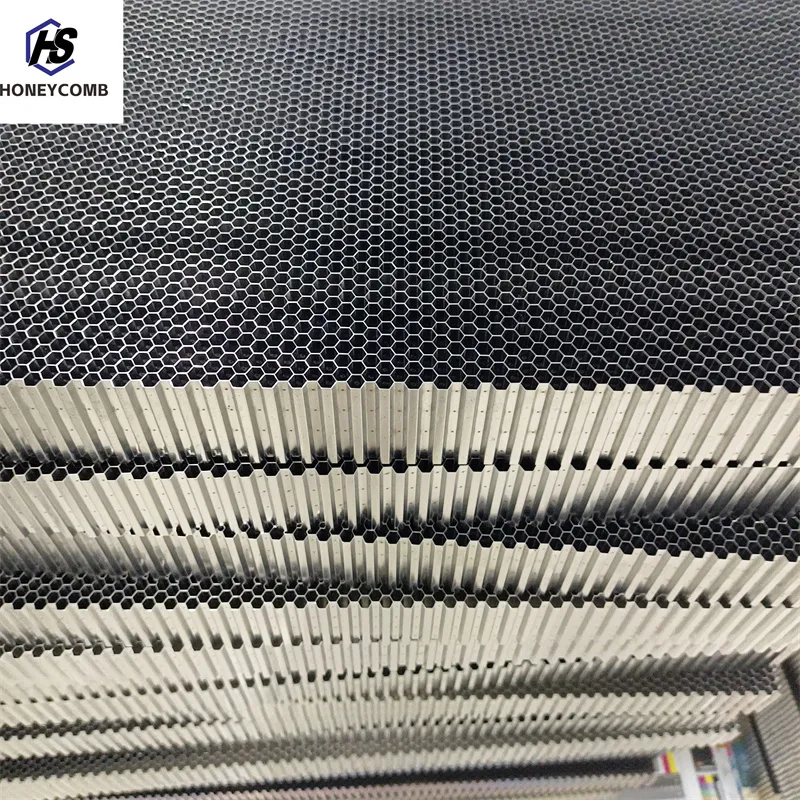
Figure 5: A detailed image showcasing the quality and structural integrity of our stainless steel honeycomb.
Conclusion: Precision Engineering for Industrial Excellence
The honeycomb flow straightener stands as a testament to precision engineering, offering indispensable solutions for achieving laminar and uniform flow in demanding industrial applications. From enhancing the accuracy of critical measurements to optimizing the efficiency of complex chemical reactions and reducing energy consumption, its impact across petrochemical, metallurgy, water management, aerospace, and HVAC sectors is profound.
By leveraging advanced materials like Stainless Steel 304 and 316L, combined with meticulous manufacturing processes and the flexibility of customized solutions, these components provide unparalleled durability, corrosion resistance, and performance consistency. The tangible benefits, as demonstrated through real-world case studies, underscore the significant return on investment achieved through improved process control, reduced operational costs, and extended equipment lifespan.
As industries continue their pursuit of greater efficiency and environmental responsibility, the role of the honeycomb flow straightener will only expand, reinforcing its status as a critical enabler of industrial excellence and a cornerstone of reliable fluid dynamics management.
References
- ISO 9001:2015 - Quality management systems — Requirements. International Organization for Standardization.
- American Society for Testing and Materials (ASTM) Standards for Stainless Steel materials.
- ASME MFC-2009. Measurement of Fluid Flow in Pipes Using Flow Nozzles, Orifice Plates, and Venturi Tubes. The American Society of Mechanical Engineers.
- Roach, P.E. (1987). Design of Low-Speed Wind Tunnels. New York: McGraw-Hill.
- White, F.M. (2003). Fluid Mechanics. 5th ed. New York: McGraw-Hill.

-
Industrial Airflow Guide for maf воздушная правильная машинаNewsApr.16,2026
-
Best maf струйно правильная машина for Industrial EfficiencyNewsApr.09,2026
-
Сотовая правильная машина A Comprehensive Guide to Honey Packing AutomationNewsApr.07,2026
-
Build Your Own DIY газоправильная Машина A Comprehensive Guide to Gas CorrectionNewsApr.04,2026
-
Understanding Кондиционер отопления Systems for Efficient and Comfortable HeatingNewsMar.31,2026
-
Comprehensive Guide to Cellular Blinds Installation Установка сотовых жалюзиNewsMar.28,2026
-
Mobile Aerodynamic Tunnel Design A Comprehensive Guide to Applications and ImplementationNewsMar.26,2026






 English
  Afrikaans
  Albanian
  Amharic
  Arabic
  Armenian
  Azerbaijani
  Basque
  Belarusian
  Bengali
  Bosnian
  Bulgarian
  Catalan
  Cebuano
  China
China  China (Taiwan)
  Corsican
  Croatian
  Czech
Czech  Danish
  Dutch
Dutch  Esperanto
  Estonian
  Finnish
  French
  Frisian
  Galician
  Georgian
  German
  Greek
Greek  Gujarati
  Haitian Creole
  Hausa
Hausa  Hawaiian
  Hebrew
  Hindi
Hindi  Miao
Miao  Indonesian
  Italian
  Japanese
  Javanese
  Malay
Malay  Persian
  Portuguese
  Punjabi
  Russian
  Spanish
  Swahili
  Telugu
  Vietnamese