

- Afrikaans
- Albanian
- Amharic
- Arabic
- Armenian
- Azerbaijani
- Basque
- Belarusian
- Bengali
- Bosnian
- Bulgarian
- Catalan
- Cebuano
- China
- China (Taiwan)
- Corsican
- Croatian
- Czech
- Danish
- Dutch
- English
- Esperanto
- Estonian
- Finnish
- French
- Frisian
- Galician
- Georgian
- German
- Greek
- Gujarati
- Haitian Creole
- hausa
- hawaiian
- Hebrew
- Hindi
- Miao
- Indonesian
- Italian
- Japanese
- Javanese
- Malay
- Persian
- Portuguese
- Punjabi
- Russian
- Spanish
- Swahili
- Telugu
- Vietnamese


Honeycomb Model: Precision Air Flow Straightener for Wind Tunnels
The Strategic Imperative of the Honeycomb Model in Advanced Aerodynamics and Fluid Dynamics
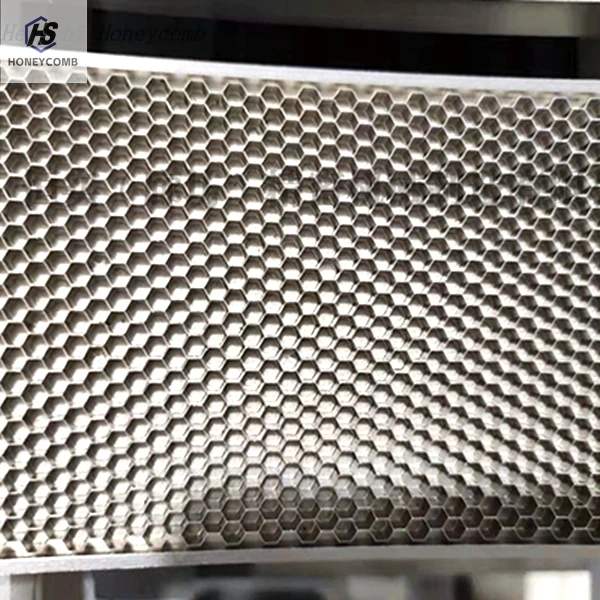
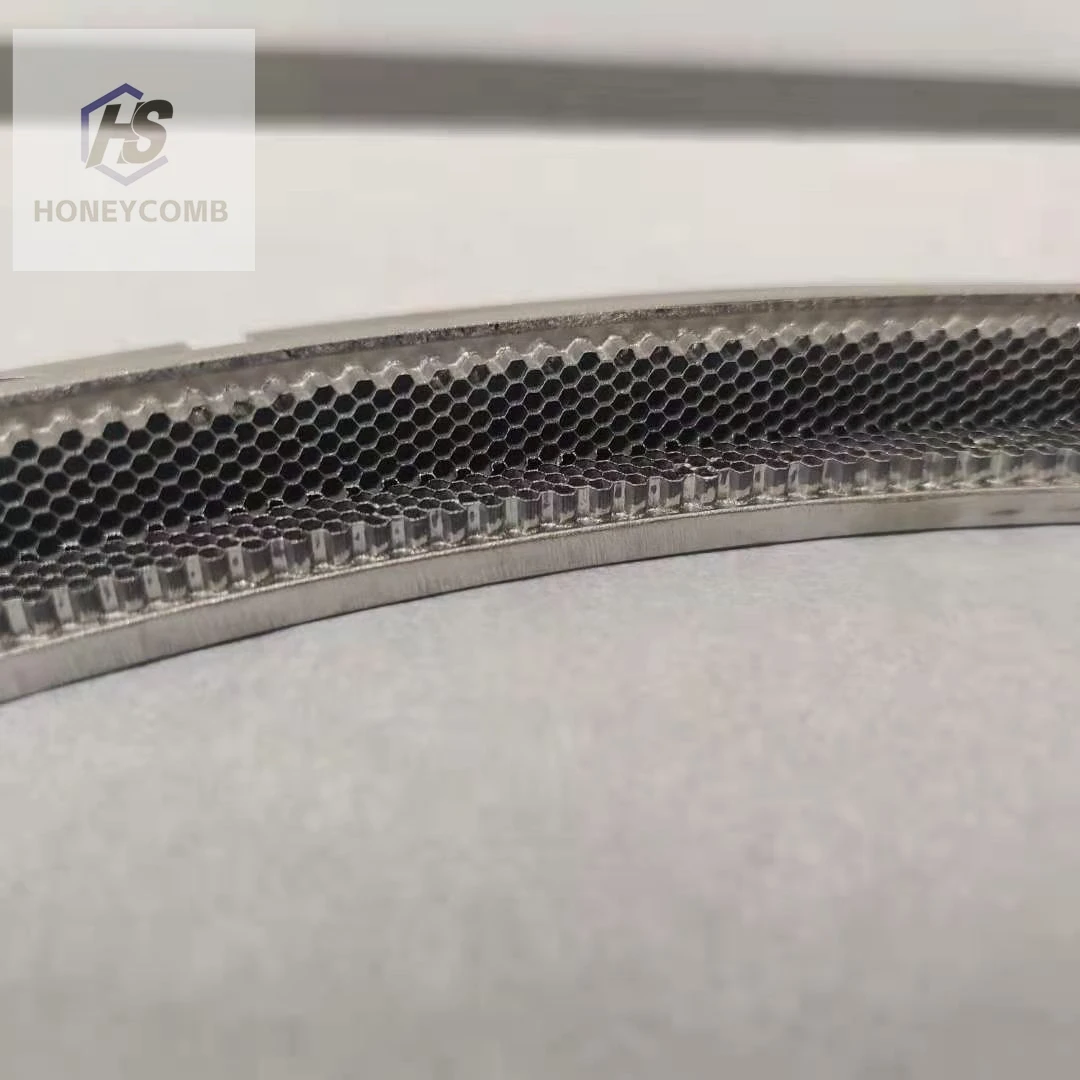
In the realm of B2B industrial applications, particularly in sectors demanding precision fluid and airflow control, the honeycomb model represents a critical component for optimizing performance and achieving stringent operational targets. Its unique cellular structure is meticulously engineered to linearize fluid flow, significantly reducing turbulence and ensuring a uniform velocity profile across a given cross-section. This fundamental capability is indispensable in applications ranging from sophisticated wind tunnel testing to critical industrial ventilation systems, where precise flow conditions are paramount for accurate measurement, process efficiency, and structural integrity.
The demand for highly efficient and controllable fluid dynamic systems continues to accelerate across various high-tech industries. Emerging trends emphasize not only performance optimization but also energy efficiency, reduced noise pollution, and enhanced system longevity. The strategic deployment of a honeycomb model, often functioning as an air flow straightener, directly addresses these evolving requirements by enabling engineers to create predictable and stable flow environments. This directly translates into more reliable experimental data in research, improved aerodynamic efficiency in vehicle design, and optimized heat transfer in cooling systems. Its versatility and effectiveness underscore its position as a cornerstone technology in modern fluid dynamics engineering.
Manufacturing Precision: The Journey of a High-Performance Honeycomb Model
The production of a high-quality honeycomb model is a meticulous process, demanding advanced engineering and strict quality control. The ultimate performance of the component, particularly its ability to function as an effective air flow straightener in demanding environments like a honeycomb in wind tunnel applications, hinges on these manufacturing steps.
1. Material Selection: Foundation of Performance
The choice of material is critical. Common materials include:
- Aluminum Alloys (e.g., 3003, 5052): Lightweight, excellent corrosion resistance, high thermal conductivity. Ideal for aerospace, automotive, and general industrial applications where weight and thermal management are concerns.
- Stainless Steel (e.g., 304, 316L): Superior strength, high-temperature resistance, and exceptional corrosion resistance. Preferred in harsh environments such as petrochemical, high-temperature processing, and marine applications.
- Fiberglass Reinforced Plastic (FRP): Non-conductive, excellent chemical resistance, and relatively lightweight. Often used in water treatment, chemical processing, and applications requiring electrical insulation.
- Specialty Alloys: For extreme conditions, materials like Inconel or titanium may be used, offering unparalleled strength-to-weight ratios and resistance to specific corrosive agents or ultra-high temperatures.
Material selection is guided by the intended application's operating temperature, pressure, corrosive agents, and required mechanical strength. For instance, a honeycomb structure for a wind tunnel typically prioritizes lightweight aluminum or composite for minimal structural interference and smooth surfaces.
2. Core Production Methods: Achieving Cellular Precision
The core cellular structure is formed through highly specialized processes:
- Expansion Method: This involves bonding thin sheets together at specific intervals, then expanding the block to form hexagonal cells. This is a common method for metallic honeycombs.
- Corrugation Method: Sheets are corrugated and then bonded together to form the cellular structure. This is often used for certain types of composites or where specific cell shapes are required.
- Extrusion (for some materials): For ceramic or certain plastic honeycombs, the material is extruded through a die to form the desired cellular pattern.
Precision is paramount in these stages to ensure uniform cell size, wall thickness, and straightness, which directly impact the flow straightening capabilities of the honeycomb.
3. Cutting and Shaping: Custom Dimensions
Once the honeycomb block is formed, it undergoes precise cutting and shaping. Techniques include:
- CNC Machining: Computer Numerical Control (CNC) ensures high accuracy for intricate shapes, precise angles, and consistent dimensions, critical for fitting into complex aerodynamic test rigs or industrial ducts.
- Wire EDM (Electrical Discharge Machining): For extremely hard materials or very fine cuts, Wire EDM offers unparalleled precision without mechanical stress.
- Abrasive Waterjet Cutting: Ideal for a wide range of materials, offering clean cuts without heat-affected zones.
4. Edge Bonding and Framing: Structural Integrity
The finished honeycomb core is often bonded into a frame or housing. This process involves:
- Adhesive Bonding: Using high-strength epoxy or specialized industrial adhesives for a robust connection.
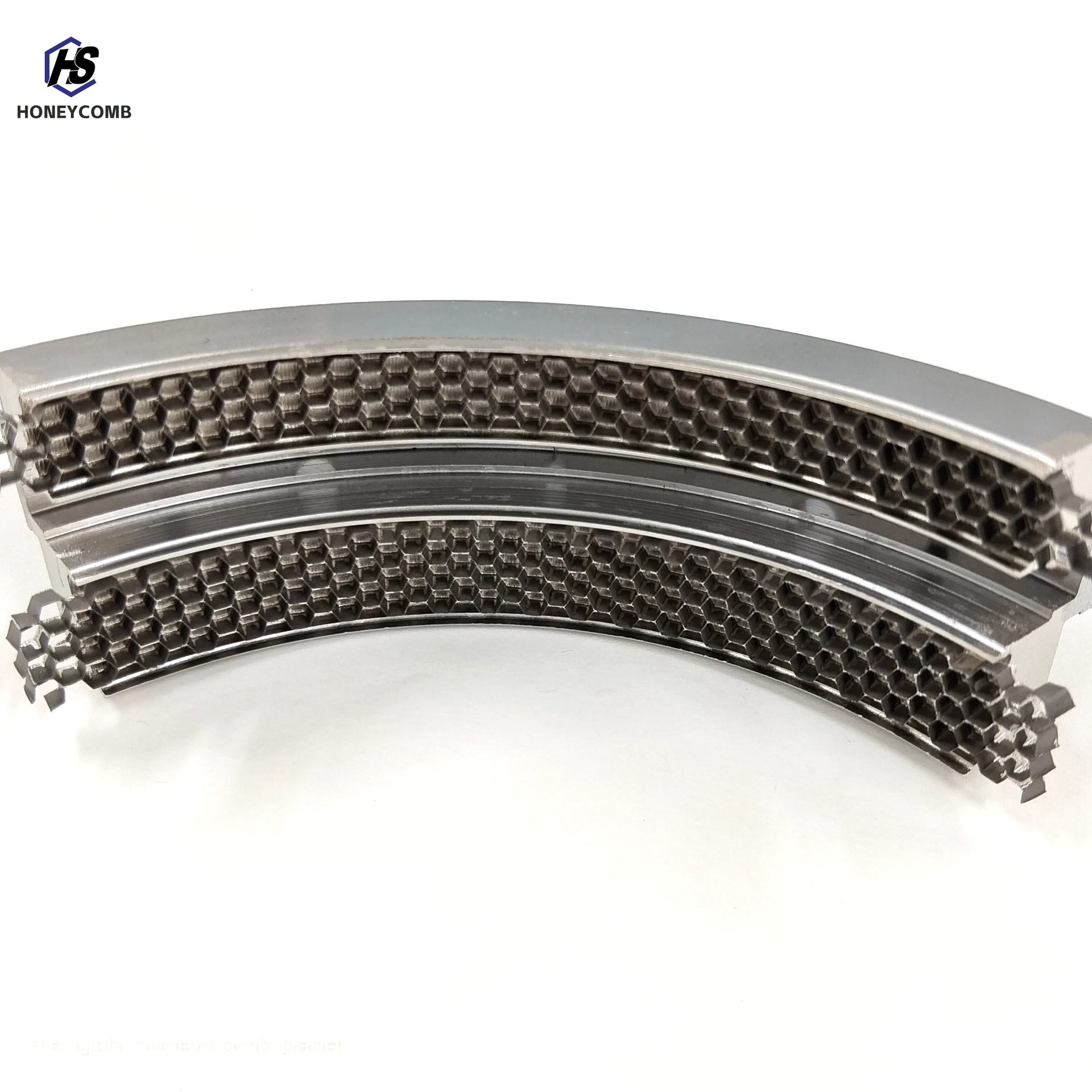
- Welding/Brazing: For metallic honeycombs, joining the core directly to a metal frame ensures maximum structural integrity and thermal performance.
- Mechanical Fastening: In certain designs, mechanical fasteners complement or replace bonding agents.
5. Finishing and Surface Treatment: Optimizing Flow and Durability
Depending on the application, surfaces may undergo:
- Anodizing (for Aluminum): Enhances corrosion resistance and hardness, and can provide an aesthetic finish.
- Passivation (for Stainless Steel): Removes free iron from the surface, enhancing corrosion resistance.
- Protective Coatings: Applied for specific chemical resistance, abrasion resistance, or anti-fouling properties.
- Polishing/Smoothing: Critical for achieving minimal pressure drop and maintaining laminar flow, especially for an air flow straightener.
6. Quality Control and Testing Standards: Ensuring Reliability
Every honeycomb unit undergoes rigorous testing to meet industry standards and client specifications.
- Dimensional Accuracy: Measured against ISO 2768 (General Tolerances) or tighter internal standards.
- Visual Inspection: Checking for defects, burrs, or irregularities in cell structure.
- Flow Straightening Performance: Often tested in dedicated flow rigs to quantify turbulence reduction and velocity profile uniformity (e.g., using hot-wire anemometry or Particle Image Velocimetry - PIV). Standards like those from the American Society of Heating, Refrigerating and Air-Conditioning Engineers (ASHRAE) or internal aerodynamic performance specifications are applied.
- Pressure Drop Measurement: Quantifying the energy loss across the honeycomb as per ISO 5167 or equivalent.
- Material Certification: Ensuring materials meet specifications (e.g., ASTM, EN standards).
These stringent processes ensure that each honeycomb structure delivers predictable and high-performance operation, offering an estimated service life of 10-25 years depending on the material, application environment, and maintenance regimen.
Here is a schematic representation of the manufacturing process:
Honeycomb Model Manufacturing Process Flow
- Material Procurement & Inspection: Sourcing high-grade Aluminum, Stainless Steel, or FRP sheets/blocks.
- Core Production: Expansion, Corrugation, or Extrusion to form cellular structure.
- Rough Cutting & Shaping: Initial dimensioning of the honeycomb block.
- Precision Machining: CNC, EDM, or Waterjet for final dimensions and intricate features.
- Edge Bonding/Framing: Integrating the honeycomb core into its structural frame.
- Surface Treatment: Anodizing, Passivation, or Protective Coatings as required.
- Quality Control & Testing: Dimensional, Visual, Flow Performance, and Pressure Drop testing.
- Packaging & Dispatch: Secure preparation for shipment.
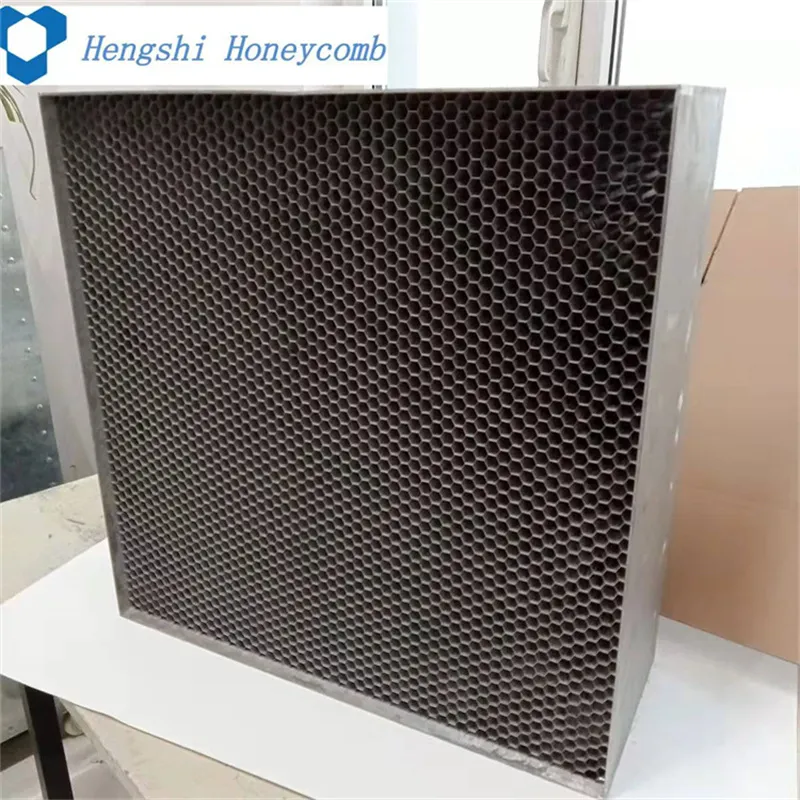
Technical Specifications and Performance Metrics of Honeycomb Flow Straighteners
The effectiveness of a honeycomb model in its role as an air flow straightener is quantifiable through several key technical parameters. These specifications are crucial for engineers designing systems where laminar flow, reduced turbulence, and predictable velocity profiles are non-negotiable.
Key Parameters for Honeycomb Structures:
- Cell Size (D): The diameter or dimension of an individual cell. Smaller cells generally provide better flow straightening but higher pressure drop. Typical range: 1 mm to 25 mm.
- Cell Wall Thickness (t): The thickness of the material forming the cell walls. Thinner walls reduce blockage but can compromise structural integrity. Typical range: 0.05 mm to 0.5 mm.
- Length (L) / Aspect Ratio (L/D): The length of the honeycomb in the flow direction divided by the cell size. A higher L/D ratio (typically 8:1 to 15:1) significantly improves turbulence reduction but increases overall pressure drop. An L/D of 10-12 is common for wind tunnels.
- Open Area Ratio: The percentage of the total cross-sectional area that is open for fluid flow. High open area ratios (typically 95-98%) minimize pressure drop.
- Material: As discussed, impacts strength, temperature resistance, and corrosion resistance.
- Turbulence Intensity Reduction: Quantifies the percentage reduction in flow turbulence downstream of the honeycomb. High-performance models can reduce turbulence intensity from 5-10% to less than 0.1%.
- Pressure Drop: The static pressure difference across the honeycomb, indicating energy loss. Minimizing pressure drop is crucial for energy efficiency.
- Operating Temperature Range: The temperature extremes the material can withstand without degradation.
Typical Product Specification Table (Aluminum Honeycomb for Wind Tunnels)
| Parameter | Specification Range | Typical Value | Unit |
|---|---|---|---|
| Material | Aluminum Alloy (3003, 5052) | 3003-H18 | N/A |
| Cell Size (D) | 3.2 - 12.7 | 6.4 | mm |
| Cell Wall Thickness (t) | 0.05 - 0.15 | 0.07 | mm |
| Length (L) | 50 - 600 | 300 | mm |
| Aspect Ratio (L/D) | 8:1 - 15:1 | 10:1 | N/A |
| Open Area Ratio | 95 - 98 | 97 | % |
| Turbulence Reduction | Up to 99% | ~98 | % (approx.) |
| Max Operating Temperature | 200 - 300 | 250 | °C |
Note: Values are typical and can vary based on specific material grades, manufacturing tolerances, and custom requirements.
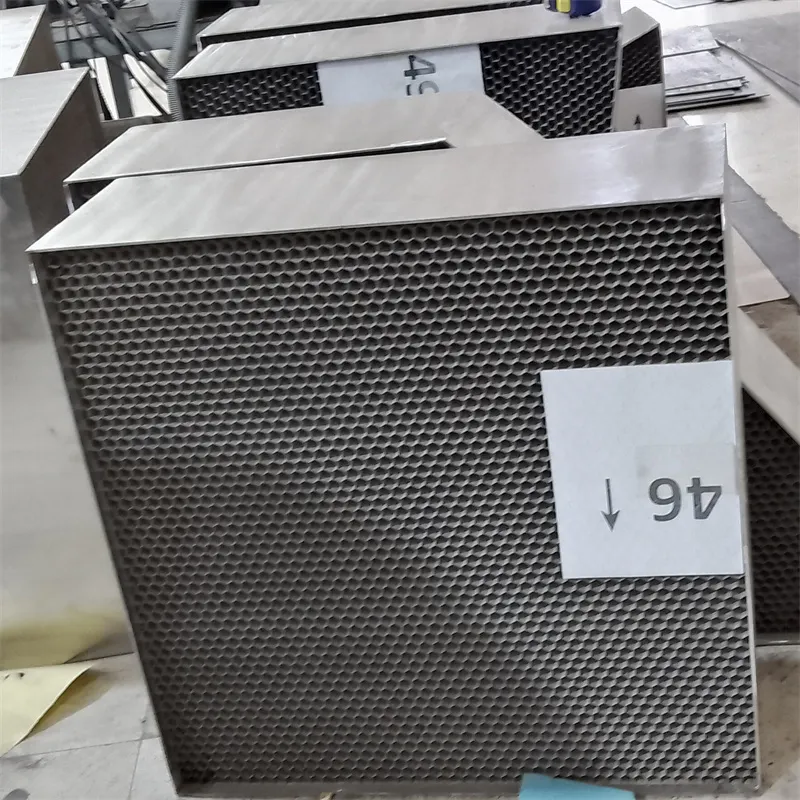
Application Scenarios and Technical Advantages of the Honeycomb Model
The strategic deployment of a honeycomb model offers distinct technical advantages across a spectrum of industrial applications, primarily driven by its unparalleled ability to manage and condition fluid flow. These advantages translate directly into operational efficiencies, enhanced performance, and significant cost savings over the lifecycle of the system.
Primary Application Scenarios:
- Wind Tunnel Testing: Essential for generating laminar, low-turbulence airflow for accurate aerodynamic testing of aircraft, automotive, and architectural models. A high-quality honeycomb in wind tunnel ensures precise data for design validation.
- Aerospace and Defense: Used in engine intake systems, environmental control systems, and as structural components where high strength-to-weight ratio and precise airflow are critical.
- Automotive Industry: Employed in engine air intakes, radiator grilles, and aerodynamic body kits to optimize airflow, reduce drag, and improve cooling efficiency.
- HVAC Systems: As air flow straightener elements in large ventilation ducts, air handling units, and cleanroom applications to ensure uniform airflow distribution, improving air quality and system efficiency.
- Petrochemical and Chemical Processing: Used in reactors, heat exchangers, and distillation columns to optimize fluid distribution, improve reaction efficiency, and prevent channeling. Materials like stainless steel are crucial here for corrosion resistance.
- Water Supply & Drainage: In large diameter pipelines or water treatment facilities, they can prevent swirling flow, reducing cavitation and improving measurement accuracy for flow meters.
- Optics and Laser Technology: Used in optical tables and cleanrooms as vibration dampeners and to create stable, particle-free airflow.
- Heat Exchangers and Recuperators: As fins to maximize surface area for heat transfer while minimizing pressure drop.
Technical Advantages:
- Superior Flow Straightening: Reduces turbulence intensity by up to 99%, transforming chaotic flow into a highly uniform and laminar profile. This is crucial for accurate sensor readings and efficient energy transfer.
- Reduced Pressure Drop: While providing significant flow control, well-designed honeycomb solutions minimize energy losses associated with pressure drop, contributing to overall system energy saving. For example, optimized designs can offer a 15-20% reduction in fan power consumption compared to less efficient straightening methods.
- Enhanced Measurement Accuracy: By creating stable and uniform flow, honeycombs ensure that downstream sensors (e.g., pitot tubes, anemometers, mass flow controllers) provide highly accurate and repeatable data, essential for R&D and quality control.
- Improved Aerodynamic Efficiency: In applications like vehicle testing, a uniform airflow translates directly into more precise drag and lift measurements, enabling better design optimization.
- Corrosion Resistance and Durability: Depending on material selection (e.g., 316L Stainless Steel or coated aluminum), honeycombs offer exceptional resistance to corrosive chemicals, high humidity, and extreme temperatures, ensuring a long service life even in harsh industrial environments.
- Structural Rigidity and Lightweight: The hexagonal cell structure provides excellent rigidity and high strength-to-weight ratios, making them ideal for structural applications or where minimal added mass is desired.
- Broad Operating Temperature Range: Materials like aluminum and stainless steel allow operation from cryogenic temperatures up to several hundred degrees Celsius, accommodating diverse industrial process requirements.
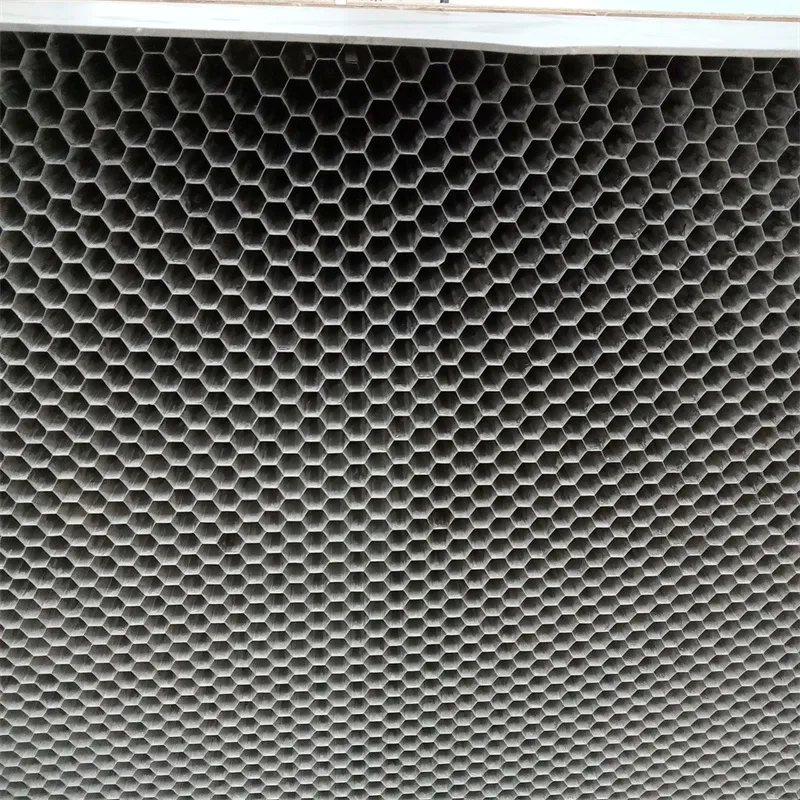
Vendor Comparison: Selecting the Optimal Honeycomb Model Supplier
Choosing the right supplier for a honeycomb model is paramount for ensuring product quality, performance, and long-term reliability. While many manufacturers offer honeycomb structures, discerning the best fit for specific B2B needs involves evaluating several critical factors beyond just price.
Key Differentiation Points Among Suppliers:
- Material Expertise: A leading vendor will offer a broad range of materials (Aluminum, Stainless Steel, FRP, specialty alloys) and possess deep knowledge of their application-specific advantages and limitations.
- Manufacturing Precision & Capabilities: Look for vendors with advanced CNC machining, precision bonding, and high-tolerance fabrication processes. This directly impacts cell uniformity and overall product quality.
- Customization & Engineering Support: The ability to provide tailored cell sizes, L/D ratios, shapes, and framing solutions is crucial. Excellent vendors offer design consultation and simulation services.
- Quality Assurance & Certifications: Adherence to international standards (e.g., ISO 9001:2015, AS9100 for aerospace-grade products) and comprehensive in-house testing facilities for flow performance, pressure drop, and material integrity.
- Industry Experience & Track Record: Longevity in the market (e.g., 20+ years of operation) and a portfolio of successful projects across diverse industries (e.g., wind energy, automotive, petrochemical).
- Lead Times & Logistics: Efficiency in production and robust supply chain management to meet project deadlines.
- After-Sales Support: Warranty, technical assistance, and field service capabilities.
Comparative Analysis of Honeycomb Flow Straightener Suppliers (Illustrative)
| Feature/Vendor | Vendor A (Specialist) | Vendor B (Generalist) | Vendor C (Budget) |
|---|---|---|---|
| Core Material Range | Al, SS, FRP, Ti, Inconel | Al, SS, FRP | Al (limited grades) |
| Customization Capabilities | High (full design & engineering) | Medium (standard sizes, some mods) | Low (off-the-shelf) |
| Certifications | ISO 9001, AS9100, NDT | ISO 9001 | Basic QC |
| Avg. Lead Time (Custom) | 4-8 weeks | 6-12 weeks | 8-16 weeks (if available) |
| Technical Support | Excellent (dedicated engineers) | Good (standard support) | Limited (sales support) |
| Warranty | 2-5 Years (Application-Specific) | 1 Year Standard | 6 Months |
| Typical Pricing | Premium | Mid-Range | Budget |
Disclaimer: This table is illustrative and does not represent actual vendor data. It serves to highlight key comparison criteria.
Customized Solutions and Application Case Studies: Real-World Impact
The true value of a high-performance honeycomb model often lies in its adaptability to unique project requirements. Generic solutions rarely provide optimal performance for highly specialized B2B applications, making customized engineering a significant differentiator. Our commitment to bespoke solutions ensures maximum efficiency and integration.
Tailored Honeycomb Solutions:
- Material Optimization: Custom selection of alloys (e.g., specific aluminum grades for lightweight aerospace, high-nickel alloys for extreme temperatures) or composites to match exact environmental and mechanical demands.
- Geometric Specificity: Tailoring cell size (D), length (L), and L/D ratios to achieve precise turbulence reduction and pressure drop targets for a given flow rate and duct geometry.
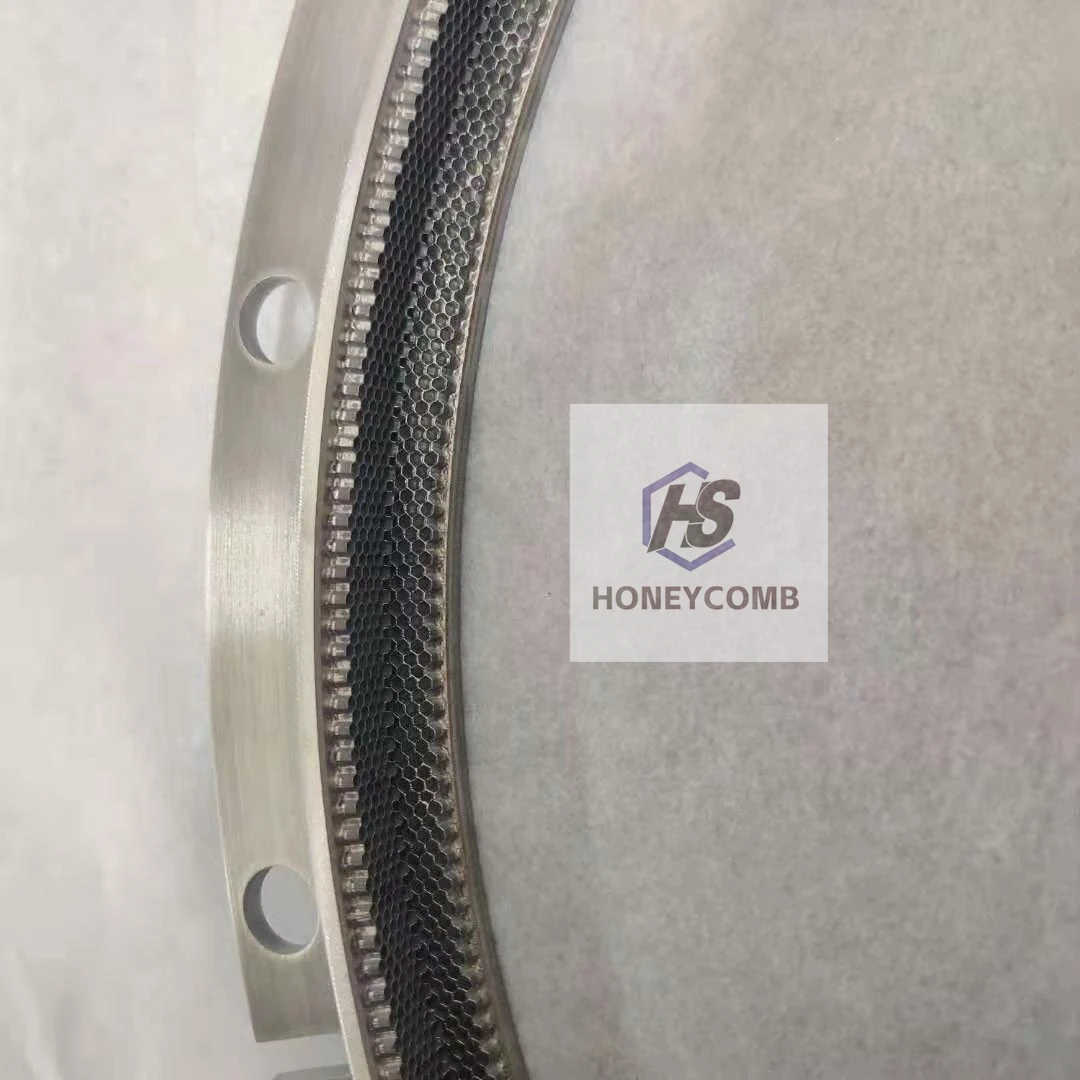
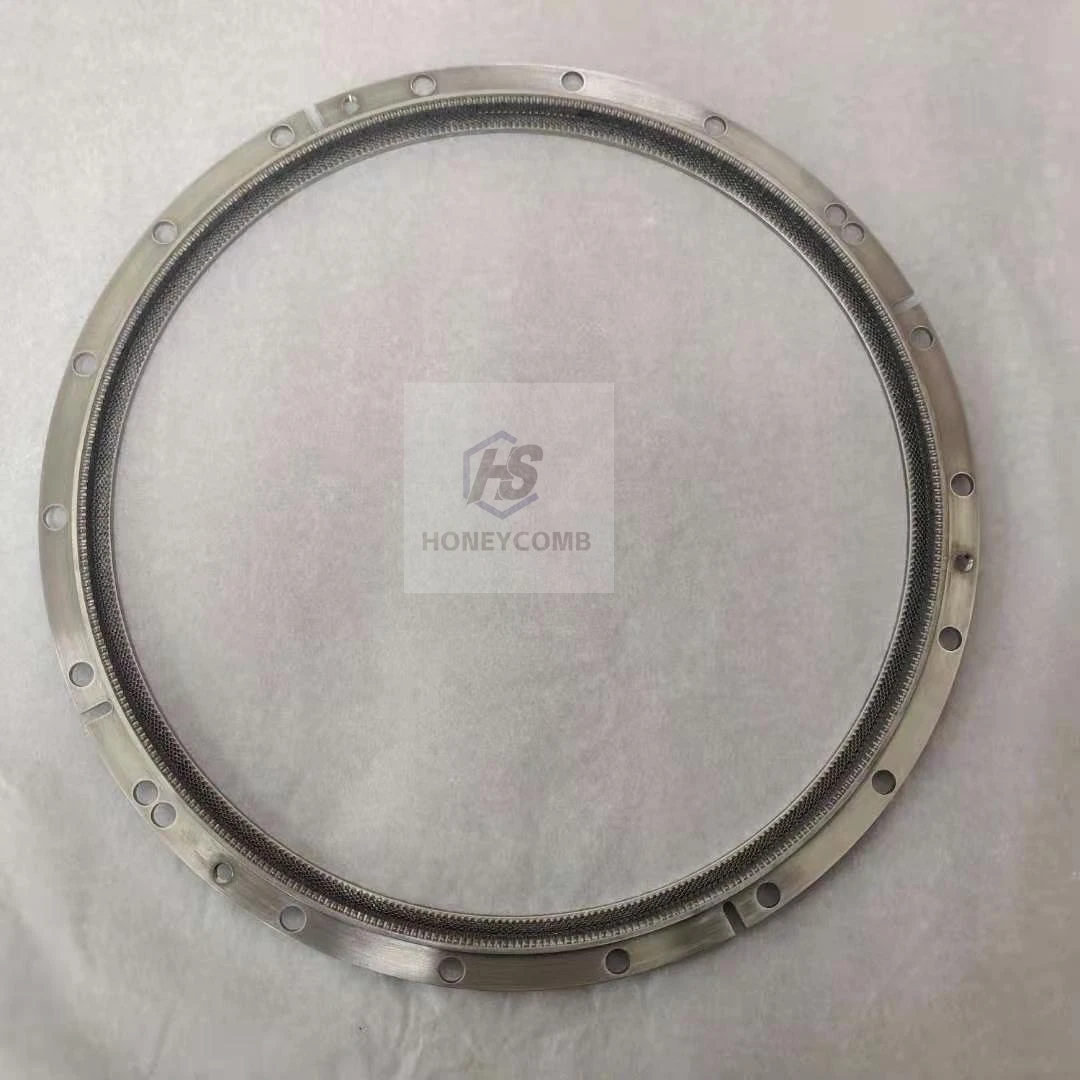
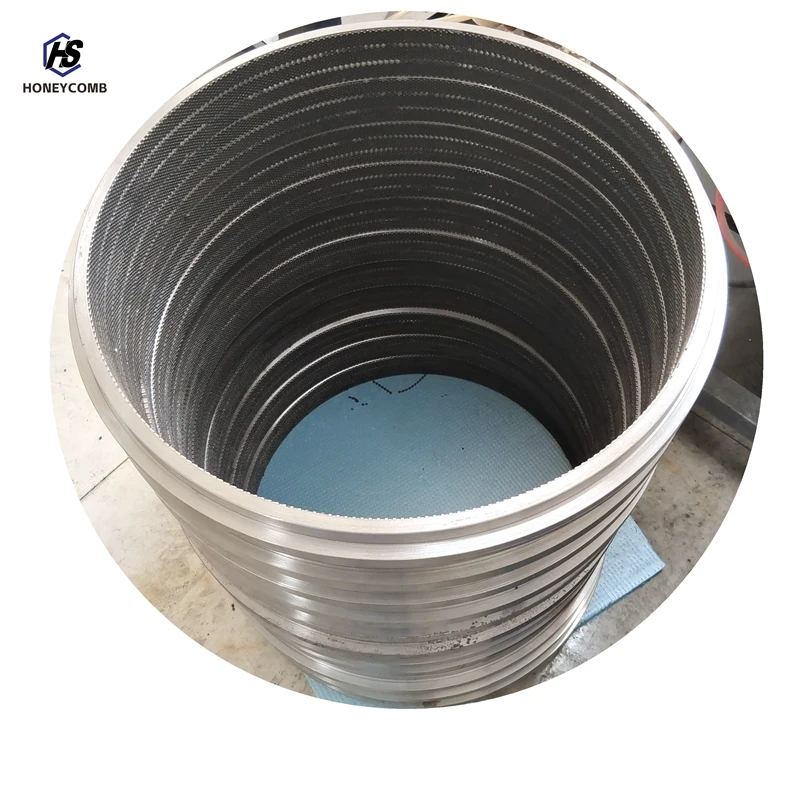
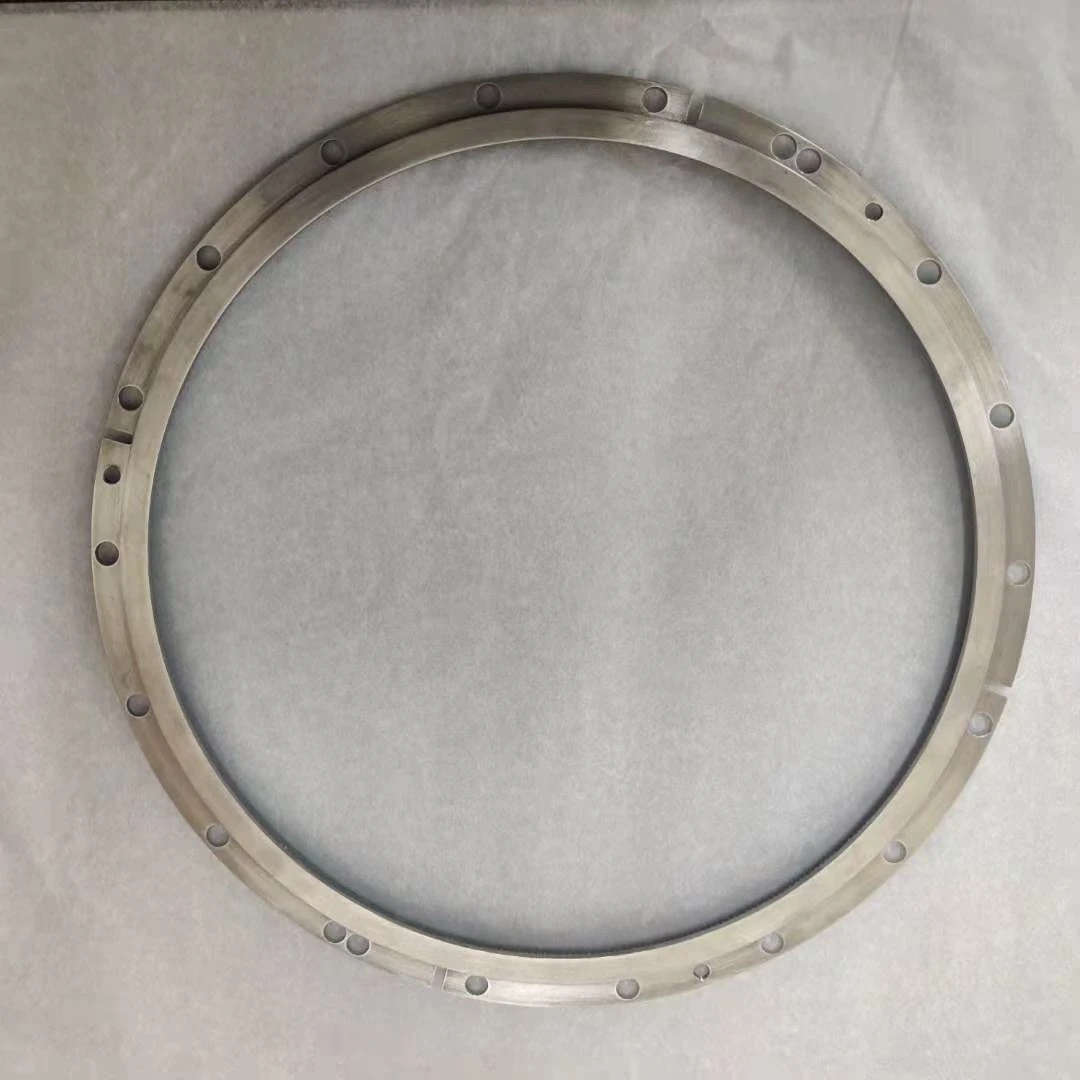
- Shape and Framing: Fabrication of honeycombs in non-standard shapes (e.g., elliptical, annular, segmented) with custom framing and mounting solutions for seamless integration into existing infrastructure.
- Surface Treatments and Coatings: Applying specialized coatings for enhanced corrosion resistance, anti-fouling in marine environments, or specific thermal radiation properties.
- Integrated Assemblies: Designing and manufacturing complete air flow straightener modules that include upstream diffusers, downstream screens, and mounting flanges for 'plug-and-play' installation.
Application Case Studies:
Case Study 1: Automotive Aerodynamic Test Facility Upgrade
Client: Major European Automotive R&D Center
Challenge: The client's existing wind tunnel was experiencing inconsistent flow uniformity and higher-than-desired turbulence intensity (approx. 1.5% at the test section), leading to variability in drag coefficient measurements for new vehicle prototypes. This hindered accurate comparative analysis and design optimization.
Solution: We engineered a large-format honeycomb in wind tunnel flow straightener, fabricated from lightweight 5052 Aluminum, with a specific cell size (9.5 mm) and an L/D ratio of 12:1. The unit was custom-framed to fit precisely into the 5m x 4m contraction section, ensuring minimal gaps and optimal flow seal.
Results: Post-installation validation tests showed a dramatic reduction in turbulence intensity to below 0.15% across the entire test section, representing a >90% improvement. Flow uniformity improved by 25%. This enabled the client to achieve highly repeatable and accurate aerodynamic data, accelerating their vehicle development cycles and optimizing fuel efficiency designs by an estimated 2-3% for new models, translating to millions in potential fuel savings for consumers.
Case Study 2: Industrial HVAC System Energy Optimization
Client: Large Pharmaceutical Manufacturing Plant (Cleanroom Facility)
Challenge: The plant's critical cleanroom HVAC system suffered from non-uniform airflow distribution within its large air handling units (AHUs), leading to hot/cold spots and inefficient particulate filtration. The turbulent flow also increased fan energy consumption and noise levels.
Solution: We designed and supplied modular FRP (Fiberglass Reinforced Plastic) honeycomb air flow straightener panels. The FRP material was chosen for its excellent chemical resistance to airborne reagents and humidity, as well as its non-corrosive properties. The panels featured a specific cell geometry to reduce turbulence and create a more uniform velocity profile across the AHU outlet.
Results: Implementation led to a significant improvement in airflow uniformity within the cleanroom, reducing temperature gradients by 70%. Fan power consumption decreased by 18% due to reduced system resistance from flow straightening, resulting in annual energy cost savings of approximately $75,000. Additionally, system noise levels were noticeably reduced, enhancing the working environment. The corrosion-resistant FRP ensures a projected service life exceeding 20 years in the challenging cleanroom environment.
Case Study 3: Offshore Oil & Gas Platform Exhaust System
Client: Leading Offshore Energy Provider
Challenge: An existing gas turbine exhaust system on an offshore platform experienced severe flow separation and localized hot spots at bends, leading to premature material degradation and reduced turbine efficiency. The extreme marine environment also necessitated highly corrosion-resistant materials.
Solution: We provided a custom-fabricated 316L Stainless Steel honeycomb flow conditioner, designed for a large diameter (2.5m) exhaust stack. The specific cell geometry and high L/D ratio were optimized through CFD analysis to homogenize the high-temperature exhaust flow immediately downstream of a critical bend.
Results: The installation eliminated flow separation, reducing localized temperature variations by over 50°C and extending the expected lifespan of downstream components by an estimated 5 years. This mitigation of thermal stress translated into substantial maintenance cost savings and improved turbine operational stability, critical for remote offshore operations. The superior corrosion resistance of 316L SS ensures durability against salt spray and exhaust byproducts.
Commitment to Trust: FAQ, Lead Times, Warranty, and Support
Establishing trust and transparency is fundamental to B2B partnerships. Our comprehensive approach to customer support, clear operational commitments, and robust quality assurances underpin our dedication to client success with every honeycomb solution we deliver.
Frequently Asked Questions (FAQ):
-
Q: What is the primary function of a honeycomb as an air flow straightener?
A: Its primary function is to transform turbulent or swirling airflow into a laminar, uniform flow profile, significantly reducing turbulence intensity and ensuring a consistent velocity across the duct or test section. This is critical for accurate measurements and efficient system operation.
-
Q: How do I select the correct cell size and L/D ratio for my application?
A: Selection depends on factors like desired turbulence reduction, acceptable pressure drop, and available space. Generally, smaller cell sizes and higher L/D ratios provide better flow straightening but increase pressure drop. Our engineering team provides detailed consultation and CFD analysis to optimize these parameters for your specific needs.
-
Q: What materials are available for your honeycomb products?
A: We offer a wide range of materials including Aluminum alloys (3003, 5052), Stainless Steel (304, 316L), Fiberglass Reinforced Plastic (FRP), and specialized alloys like Titanium or Inconel for extreme conditions. Material choice is application-driven, considering temperature, corrosion, and mechanical strength.
-
Q: Are your honeycomb products compatible with high-temperature environments?
A: Yes. For high-temperature applications, we utilize stainless steel or specialty alloys designed to withstand extreme thermal conditions, with operating ranges up to 600°C (1112°F) or higher, depending on the specific alloy and design.
Lead Time and Fulfillment:
Our production facility is optimized for efficiency and precision. Standard honeycomb orders typically have a lead time of 4-6 weeks from order confirmation to dispatch. Custom-engineered solutions, involving complex designs or specialized materials, may require 8-12 weeks, depending on the complexity and material procurement. We maintain robust supply chain relationships to minimize delays and offer expedited services for urgent projects, subject to material availability and production capacity.
Warranty Commitments:
We stand by the quality and durability of our products. All our honeycomb model units come with a standard 2-year limited warranty against manufacturing defects and material failure under normal operating conditions. For specific high-performance or critical applications, extended warranty options of up to 5 years are available, tailored to project requirements and material specifications. Our products are designed for a service life typically ranging from 10 to 25 years, depending on the application and environment, exceeding general industry expectations.
Dedicated Customer Support:
Our commitment extends beyond product delivery. We provide comprehensive technical support throughout the entire project lifecycle, from initial consultation and design to installation and post-sales service. Our team of experienced engineers is available to assist with:
- Feasibility studies and performance simulations (CFD).
- Detailed design and drawing review.
- Installation guidance and best practices.
- Troubleshooting and performance optimization.
- Ongoing maintenance recommendations.
You can reach our support team via email at support@hshihoneycomb.com or by phone at +1 (555) 123-4567 during business hours. We are dedicated to ensuring your complete satisfaction and the long-term success of your projects.
Conclusion: The Future of Precision Flow Control with Honeycomb Technology
The honeycomb model stands as an indispensable technology for achieving unparalleled precision in fluid and airflow management across diverse industrial landscapes. From enhancing the accuracy of wind tunnel research to optimizing energy efficiency in complex HVAC systems and ensuring process stability in petrochemical operations, its ability to reliably transform turbulent flow into a laminar, uniform stream is critically important. As industries continue to push the boundaries of performance, efficiency, and environmental responsibility, the demand for advanced air flow straightener solutions will only intensify. Partnering with an experienced and technically proficient manufacturer ensures access to customized, high-quality honeycomb products that meet the most rigorous engineering specifications and contribute significantly to operational excellence and sustained competitive advantage.
References
- ASHRAE Handbook—Fundamentals. (2021). American Society of Heating, Refrigerating and Air-Conditioning Engineers.
- Fluid Dynamics: Principles and Applications. (2018). John J. Bertin, Russell M. Cummings. Pearson Education.
- ISO 9001:2015 Quality Management Systems – Requirements. International Organization for Standardization.
- Principles of Flight (7th ed.). (2018). N.H. Barnard. Pearson Education.
- Turbulence Modeling for CFD. (2009). David C. Wilcox. DCW Industries.

-
Industrial Airflow Guide for maf воздушная правильная машинаNewsApr.16,2026
-
Best maf струйно правильная машина for Industrial EfficiencyNewsApr.09,2026
-
Сотовая правильная машина A Comprehensive Guide to Honey Packing AutomationNewsApr.07,2026
-
Build Your Own DIY газоправильная Машина A Comprehensive Guide to Gas CorrectionNewsApr.04,2026
-
Understanding Кондиционер отопления Systems for Efficient and Comfortable HeatingNewsMar.31,2026
-
Comprehensive Guide to Cellular Blinds Installation Установка сотовых жалюзиNewsMar.28,2026
-
Mobile Aerodynamic Tunnel Design A Comprehensive Guide to Applications and ImplementationNewsMar.26,2026






 English
  Afrikaans
  Albanian
  Amharic
  Arabic
  Armenian
  Azerbaijani
  Basque
  Belarusian
  Bengali
  Bosnian
  Bulgarian
  Catalan
  Cebuano
  China
China  China (Taiwan)
  Corsican
  Croatian
  Czech
Czech  Danish
  Dutch
Dutch  Esperanto
  Estonian
  Finnish
  French
  Frisian
  Galician
  Georgian
  German
  Greek
Greek  Gujarati
  Haitian Creole
  Hausa
Hausa  Hawaiian
  Hebrew
  Hindi
Hindi  Miao
Miao  Indonesian
  Italian
  Japanese
  Javanese
  Malay
Malay  Persian
  Portuguese
  Punjabi
  Russian
  Spanish
  Swahili
  Telugu
  Vietnamese