

- Afrikaans
- Albanian
- Amharic
- Arabic
- Armenian
- Azerbaijani
- Basque
- Belarusian
- Bengali
- Bosnian
- Bulgarian
- Catalan
- Cebuano
- China
- China (Taiwan)
- Corsican
- Croatian
- Czech
- Danish
- Dutch
- English
- Esperanto
- Estonian
- Finnish
- French
- Frisian
- Galician
- Georgian
- German
- Greek
- Gujarati
- Haitian Creole
- hausa
- hawaiian
- Hebrew
- Hindi
- Miao
- Indonesian
- Italian
- Japanese
- Javanese
- Malay
- Persian
- Portuguese
- Punjabi
- Russian
- Spanish
- Swahili
- Telugu
- Vietnamese


Precision MAF Air Straightener | Boost Engine Performance
The Imperative of Precision Flow Conditioning in Modern Engineering
In an era of increasing demand for efficiency, accuracy, and performance across various industrial sectors, the precise control of fluid dynamics is paramount. From aerospace and automotive testing to environmental monitoring and process control, the integrity of flow measurement and distribution directly impacts operational success and data reliability. Turbulent or uneven flow profiles can lead to inaccurate sensor readings, reduced system efficiency, and even premature equipment wear. This necessitates the deployment of advanced flow conditioning devices.
One such critical component is the maf air straightener, a specialized device designed to transform erratic and swirling fluid flows into uniform, laminar streams. This technology is foundational for ensuring consistent results in applications ranging from Mass Air Flow (MAF) sensor calibration in internal combustion engines to large-scale aerodynamic testing in wind tunnels. Its importance is underscored by the continuous drive for optimized performance and reduced energy consumption across industries.
Industry Trends and the Evolution of Flow Straightening Technology
Current industry trends highlight an accelerating need for highly accurate and durable flow conditioning solutions. The automotive sector, for instance, requires increasingly precise MAF sensor readings for optimal fuel efficiency and emissions control, making the quality of the maf air straightener directly impactful on vehicle performance. Similarly, the aerospace and defense industries rely on sophisticated wind tunnel testing, where the quality of the airflow – dictated by highly effective honeycomb straighteners – is non-negotiable for validating aerodynamic designs and simulations.
The demand extends beyond traditional applications. Environmental monitoring systems, pharmaceutical manufacturing, and even advanced HVAC systems are increasingly adopting flow straighteners to ensure consistent air or fluid delivery. Innovations in materials science and manufacturing processes are driving the development of more robust, corrosion-resistant, and high-performance solutions. The shift towards sustainable practices also emphasizes products that contribute to energy saving and have extended service lives, reducing the need for frequent replacements and minimizing environmental impact. The integration of digital twin technologies and advanced computational fluid dynamics (CFD) further underscores the necessity for physical flow conditioning devices that can validate and complement these sophisticated simulations, ensuring real-world performance matches theoretical models.
Manufacturing Process Flow for Advanced Metal Honeycomb Flow Straighteners
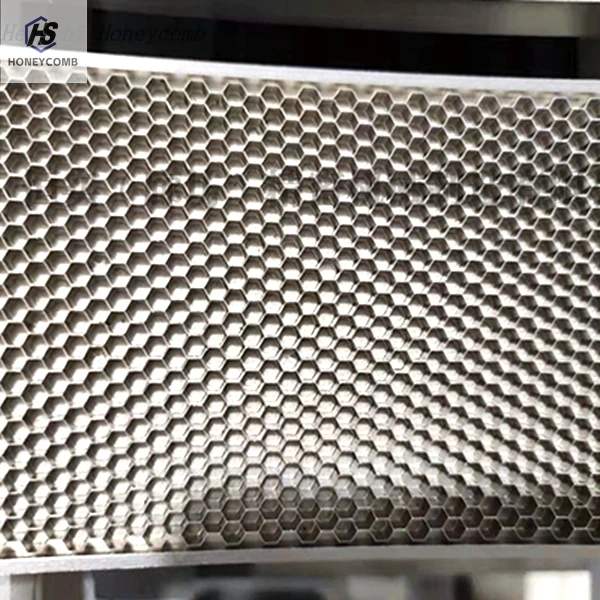
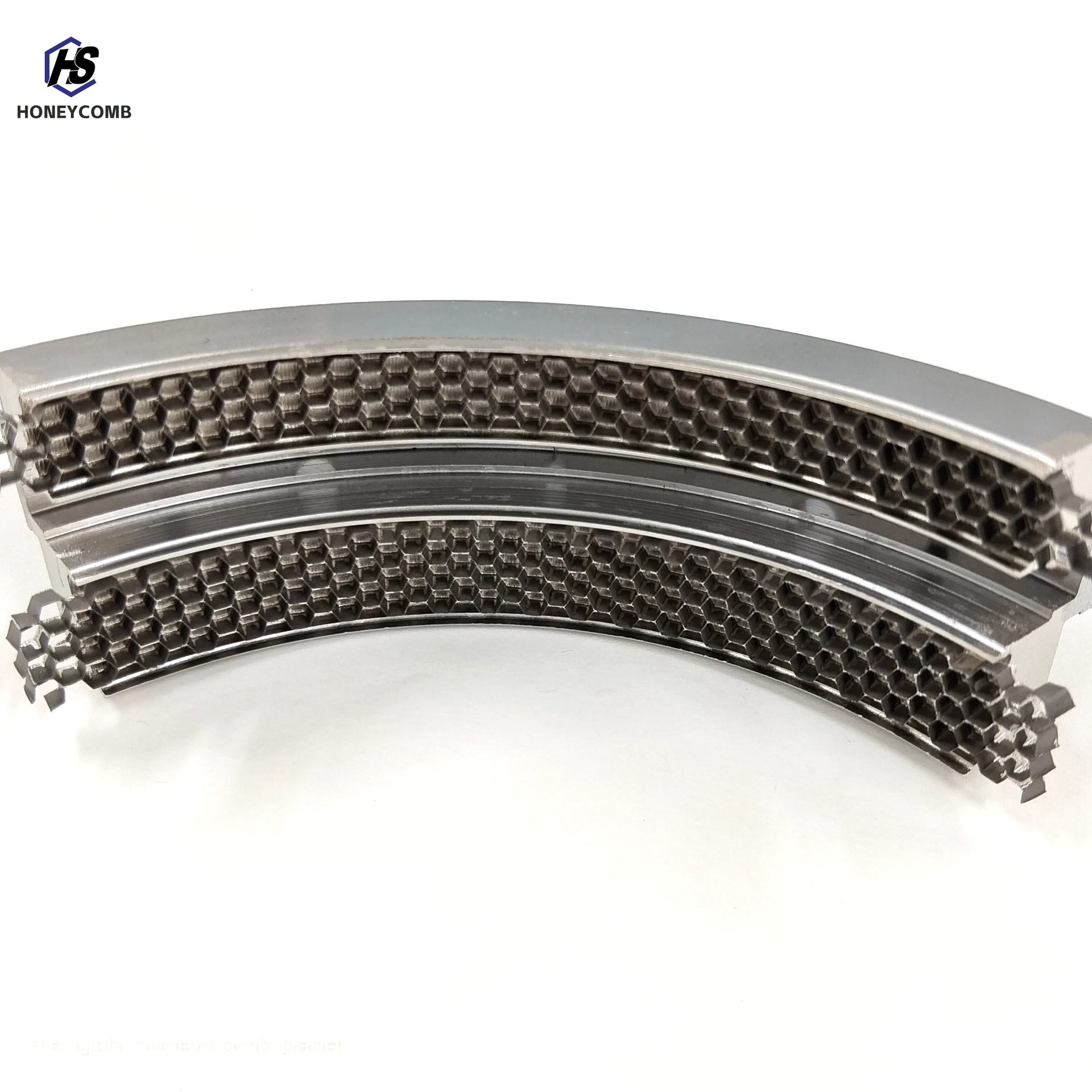
The production of a high-performance maf air straightener, particularly those employing metal honeycomb structures, is a meticulous process requiring precision engineering and adherence to stringent quality controls. The goal is to create a structure with uniform cell geometry and high structural integrity to effectively laminarize flow.
Key Steps in the Manufacturing Process:
- Material Selection & Preparation: High-grade metals like stainless steel (e.g., SS304, SS316L), aluminum, or Inconel are chosen based on application requirements for corrosion resistance, temperature tolerance, and strength. These materials are typically sourced in thin foil or sheet form, ensuring material homogeneity and defect-free surfaces crucial for the subsequent delicate forming operations.
- Foil Corrugation/Forming: Precision machinery forms the flat metal foils into specific sinusoidal or hexagonal corrugated patterns. This step defines the cell size and wall thickness of the eventual honeycomb structure. The accuracy of this forming process is paramount for achieving consistent flow straightener performance.
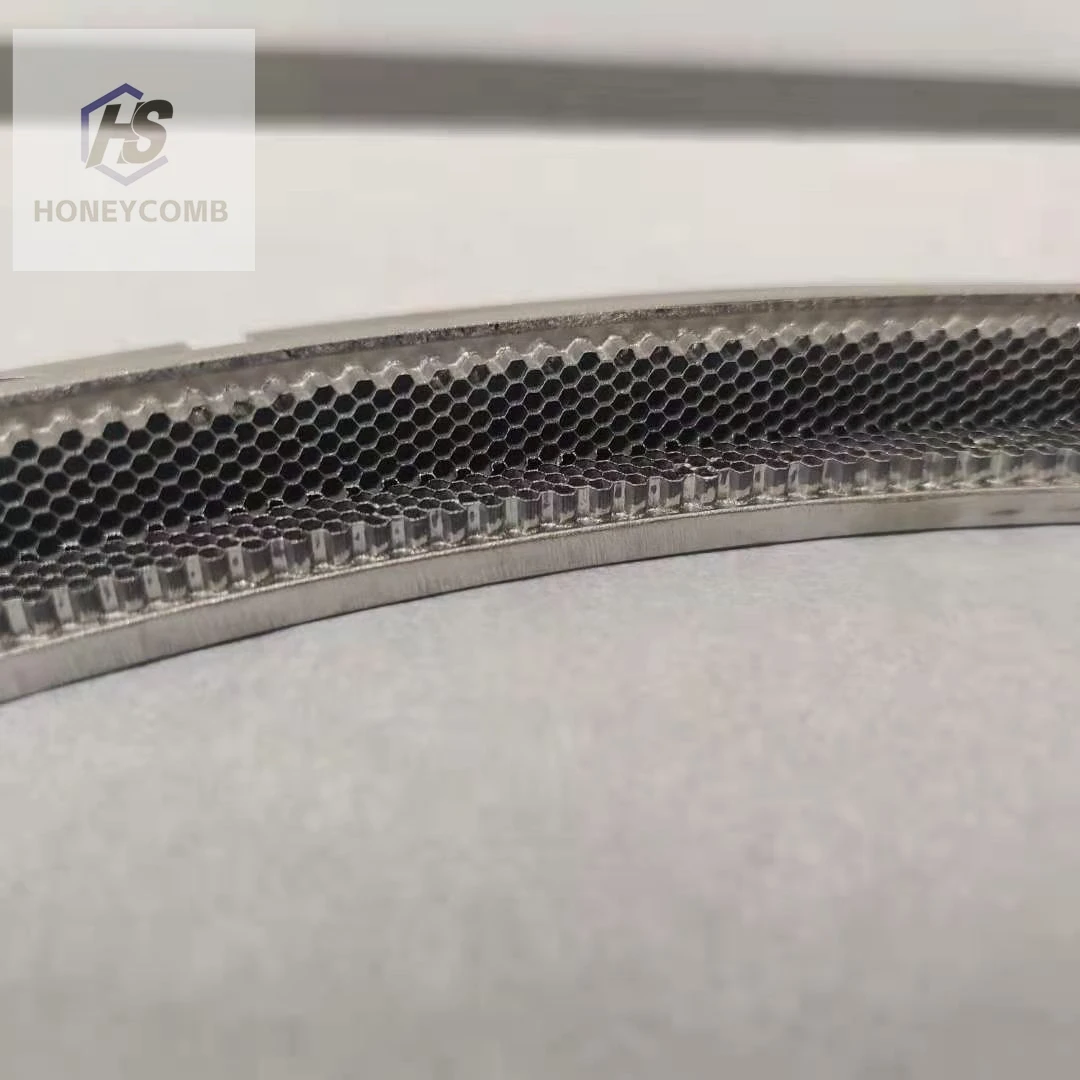
- Stacking & Bonding (Assembly): Corrugated foils are carefully stacked alternately with flat foils. These layers are then bonded together using a variety of methods, including brazing, resistance welding, or high-temperature diffusion bonding, depending on the material and application. This creates a solid block of honeycomb with precise cell geometry.
- Slicing & Shaping: The bonded honeycomb block is then precisely sliced to the desired thickness or length, forming individual honeycomb panels. CNC machining is often employed at this stage to cut the panels into custom shapes (circular, rectangular, etc.) and ensure accurate dimensions and flatness for installation into ducts or chambers.
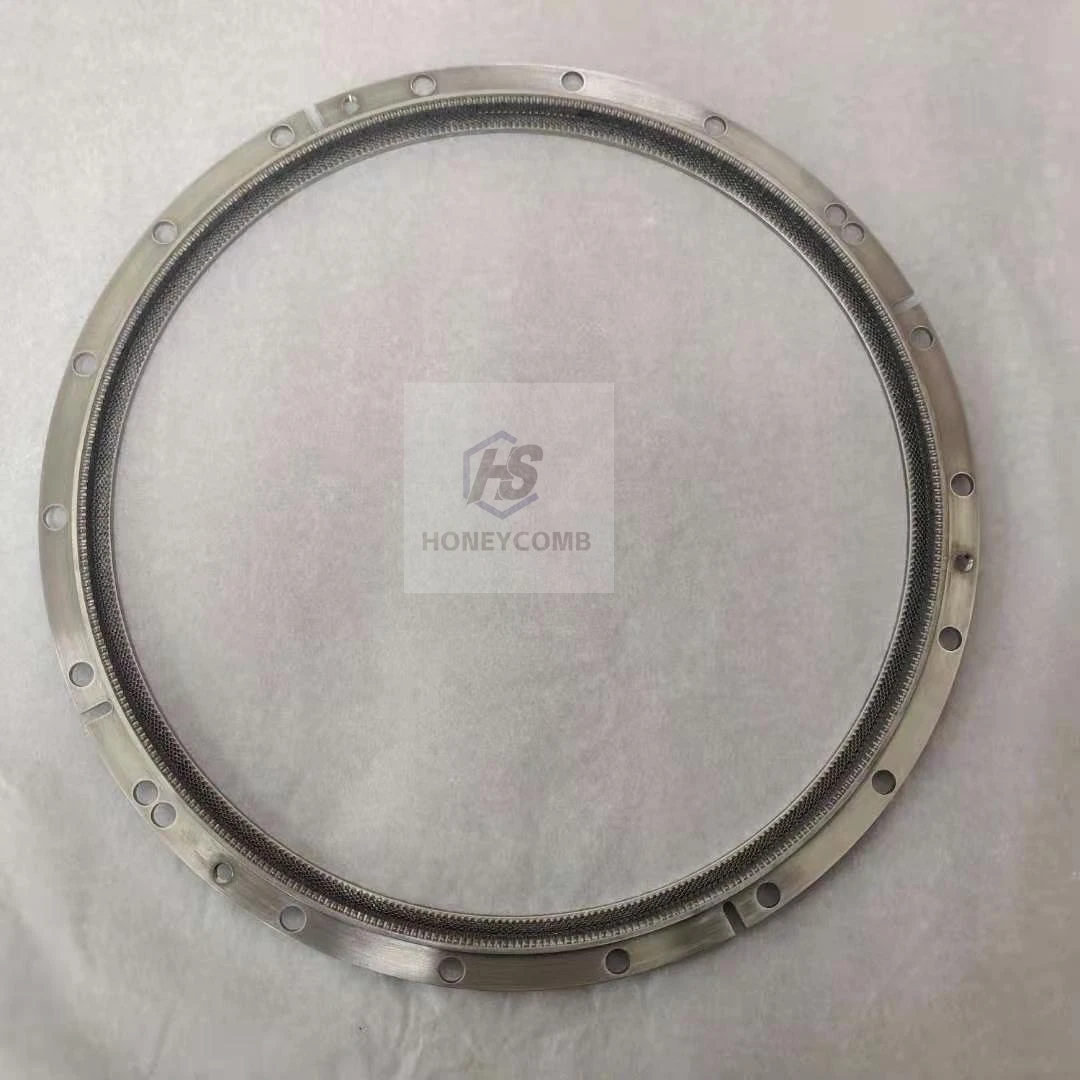
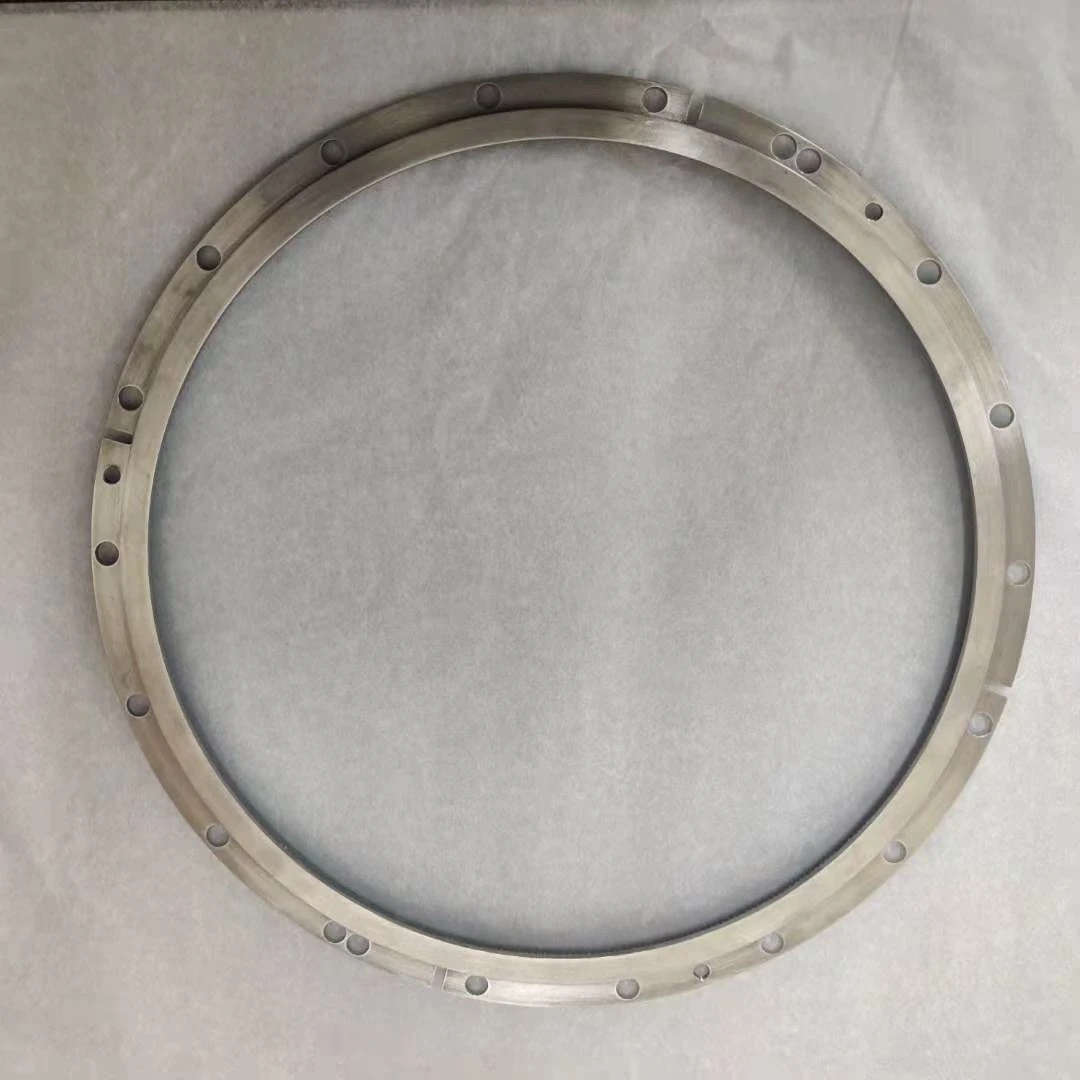
- Frame Integration (Optional): For certain applications, the honeycomb panel is then securely integrated into a robust outer frame, usually made of the same or compatible metal, ensuring structural rigidity and ease of installation. Welding or mechanical fastening methods are used.
- Surface Treatment & Finishing: Depending on the application, panels may undergo surface treatments such as passivation for stainless steel, anodizing for aluminum, or specialized coatings for enhanced corrosion resistance or other functional properties. Cleaning processes remove any residues from manufacturing.
- Quality Control & Testing: Each panel undergoes rigorous inspection. This includes visual checks for structural integrity, dimensional accuracy using precision gauges, and often, non-destructive testing (NDT) to ensure bond strength and absence of defects. Performance testing might involve airflow uniformity tests in a simulated environment to ensure the honeycomb meets its specified flow straightening capabilities. Adherence to standards like ISO 9001 for manufacturing quality and specific ASTM or ANSI standards for material properties and test methods is typical.
- Packaging & Dispatch: Finished products are carefully packaged to prevent damage during transit, especially for delicate honeycomb structures, and then dispatched.
This intricate process ensures the creation of a durable component with an exceptionally long service life, often exceeding 10-15 years in typical operational conditions, depending on material and environment. Target industries for these products include petrochemical, metallurgy, water supply & drainage, automotive, aerospace, and environmental engineering. Key advantages include significant energy saving by optimizing flow for downstream equipment, superior corrosion resistance due to specialized materials, and enhanced measurement accuracy in typical application scenarios such as wind tunnel testing or MAF sensor integration.
Technical Specifications and Parameters of Metal Honeycomb Ventilation Panels
Understanding the precise technical specifications of a maf air straightener is crucial for engineers to select the appropriate component for their specific application. These panels, often referred to as honeycomb in wind tunnel applications, are engineered with precise parameters to optimize flow conditioning and, in some cases, provide EMI shielding.
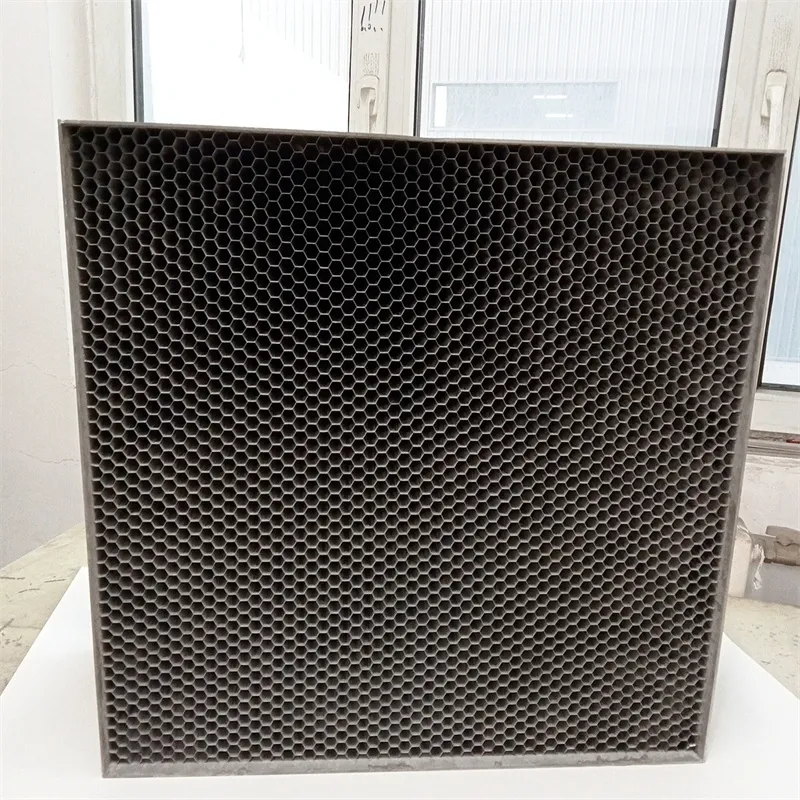
Product Specification Table: Metal Honeycomb Ventilation Panel
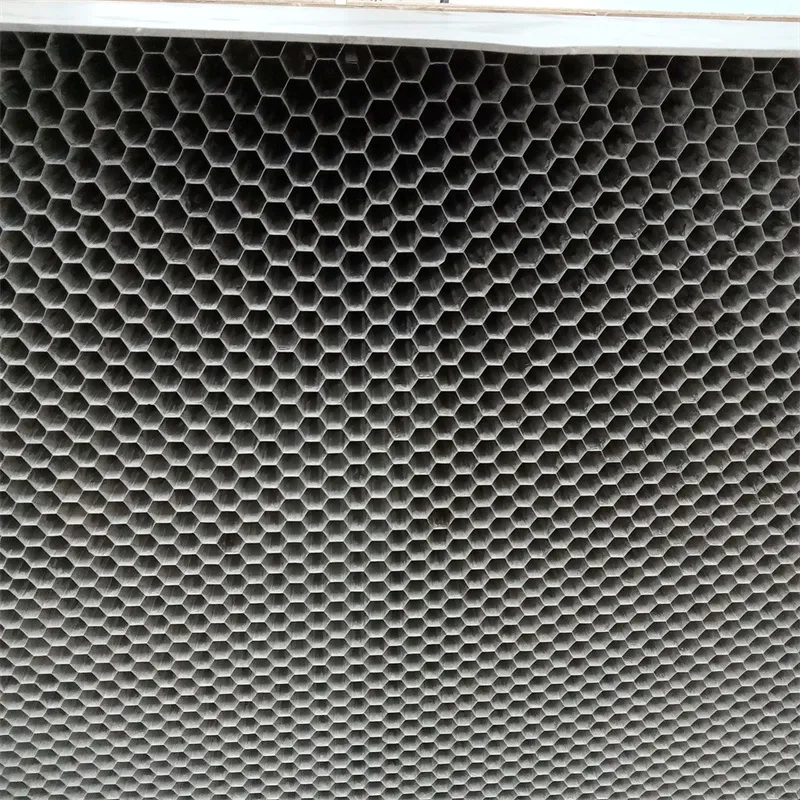
These parameters are critical for optimizing fluid dynamics in diverse industrial setups. The selection of cell size, in particular, is a key engineering decision, impacting the balance between flow straightening effectiveness and pressure drop. Smaller cells offer superior flow conditioning but may introduce higher resistance, while larger cells provide less resistance with slightly reduced straightening capabilities. The choice of material similarly dictates the operational envelope, ensuring durability and performance in extreme conditions.
Application Scenarios Across Diverse Industries
The versatility and precision offered by advanced honeycomb flow straighteners enable their deployment across a wide array of demanding industrial and research environments. These components are essential where flow uniformity and turbulence reduction are critical.
Typical Application Areas:
- Wind Tunnels & Aerodynamic Testing: Here, honeycomb in wind tunnel applications are fundamental. They are placed upstream of the test section to eliminate swirl and large-scale turbulence generated by fans or bends, creating a near-perfect laminar flow for accurate aerodynamic force measurements, flow visualization, and component testing.
- Water Tunnels & Hydrodynamic Research: Similar to wind tunnels, water tunnels require a highly uniform flow for studying cavitation, propeller performance, and underwater vehicle dynamics. Honeycomb structures ensure consistent water flow profiles.
- Automotive MAF Sensors: In internal combustion engines, a maf straightener is often positioned upstream of the Mass Air Flow (MAF) sensor to condition the incoming air. This ensures that the sensor receives a consistent and non-turbulent airflow, leading to more accurate air mass readings, optimal fuel injection, and compliance with emission standards.
- HVAC & Cleanroom Technology: In heating, ventilation, and air conditioning systems, particularly in critical environments like cleanrooms or pharmaceutical manufacturing facilities, honeycomb panels ensure uniform air distribution. This prevents dead zones or uneven temperature/humidity profiles, crucial for process control and contaminant management.
- Chemical Processing & Petrochemical Industry: Within reactors, heat exchangers, and mixing vessels, flow straighteners can improve mixing efficiency, reduce channeling, and ensure even distribution of reactants or heat transfer fluids, leading to more consistent product quality and process optimization.
- Environmental Monitoring & Air Quality Systems: For instruments measuring particulate matter or gas concentrations, a uniform sample flow is critical. Honeycomb elements can be integrated into sampling inlets to stabilize airflow and improve measurement accuracy.
- Electronics Cooling & EMI Shielding: When combined with specific materials and grounding, metal honeycomb panels can also serve as EMI shielding ventilation panels, allowing airflow while blocking electromagnetic interference in sensitive electronic enclosures.
Each of these applications benefits significantly from the precisely controlled fluid dynamics that only a high-quality flow straightener can provide, underscoring its role as a fundamental enabling technology.
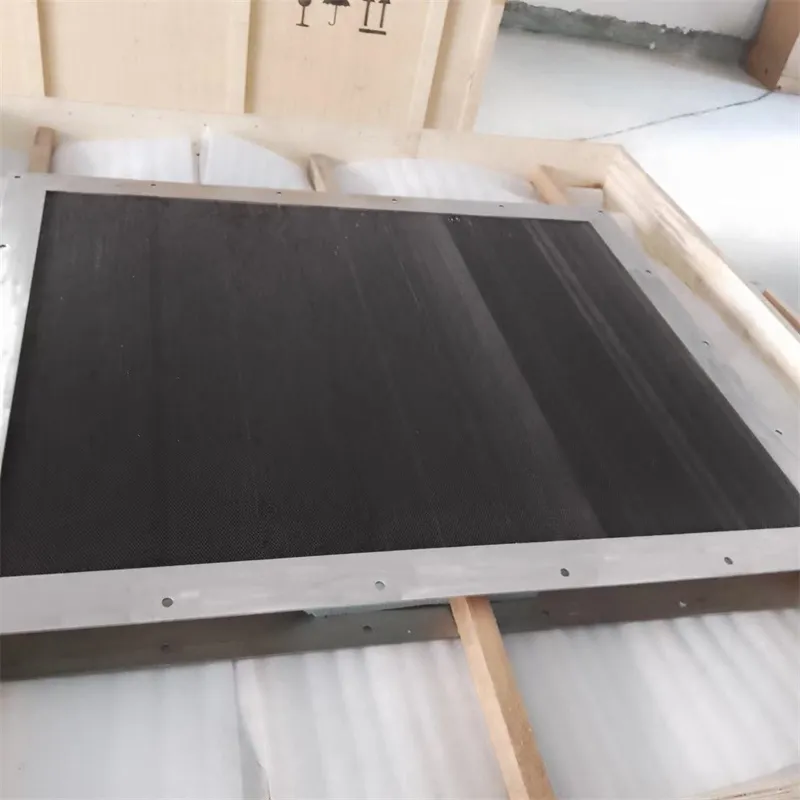
Technical Advantages of Advanced Metal Honeycomb Flow Straighteners
The superior design and material characteristics of modern metal honeycomb flow straighteners offer distinct technical advantages over simpler or alternative flow conditioning methods. These advantages translate directly into improved system performance, reliability, and cost-effectiveness.
Key Technical Advantages:
- Superior Flow Uniformity: By channeling turbulent flow through thousands of small, parallel cells, the honeycomb structure effectively eliminates swirl and large-scale eddies, resulting in a highly uniform, near-laminar flow profile. This is crucial for accurate measurements and efficient process operations, especially for a sensitive maf straightener.
- Minimal Pressure Drop: Despite their effectiveness in flow conditioning, well-designed metal honeycombs induce minimal pressure drop compared to other devices like perforated plates or mesh screens. This preserves system energy efficiency, reducing the power consumption of fans or pumps.
- High Structural Rigidity and Durability: Constructed from robust metallic foils and bonded through high-strength processes like brazing or diffusion bonding, these panels offer excellent structural integrity. They can withstand significant differential pressures, vibrations, and thermal cycling, ensuring a long operational life.
- Wide Operating Temperature Range: Depending on the material (e.g., stainless steel, Inconel), these straighteners can operate reliably from cryogenic temperatures up to very high temperatures (e.g., >800°C), making them suitable for extreme industrial environments.
- Corrosion Resistance: Available in materials like SS316L, these products exhibit exceptional resistance to corrosive chemicals and harsh environmental conditions, extending service life and reducing maintenance costs in challenging applications such as offshore platforms or chemical processing plants.
- Customizable for Specific Needs: Cell size, foil thickness, panel dimensions, and material can all be customized to meet precise performance requirements for various fluids (air, water, gases) and specific geometric constraints.
- Dual Functionality (Flow Straightening & EMI Shielding): For electronic enclosures, specially designed metal honeycomb ventilation panels offer the combined benefit of unrestricted airflow for cooling and effective EMI/RFI shielding, protecting sensitive electronics from electromagnetic interference.
These advantages collectively contribute to enhanced system reliability, reduced operational costs, and the ability to achieve unprecedented levels of accuracy in flow-dependent applications.
Vendor Comparison: Selecting the Right Provider for Your Flow Straightener Needs
Choosing the right vendor for a critical component like a maf air straightener involves more than just price. It requires a comprehensive evaluation of technical capabilities, material quality, customization options, and post-sales support. While several manufacturers offer honeycomb products, their expertise and product quality can vary significantly.
Comparison Factors for Honeycomb Flow Straightener Vendors:
Specialist vendors like HSHI Honeycomb are dedicated to providing high-quality, precision-engineered metal honeycomb solutions that meet the exact requirements of demanding B2B applications, ensuring superior performance and long-term reliability for every maf straightener deployed.
Customized Solutions for Unique Industrial Challenges
Standard off-the-shelf components rarely provide optimal performance for highly specialized or challenging industrial applications. Recognizing this, leading manufacturers of honeycomb flow straighteners offer extensive customization capabilities. This ensures that each maf air straightener is precisely engineered to meet the unique fluid dynamics, environmental, and mechanical constraints of a client's project.
Aspects of Customization:
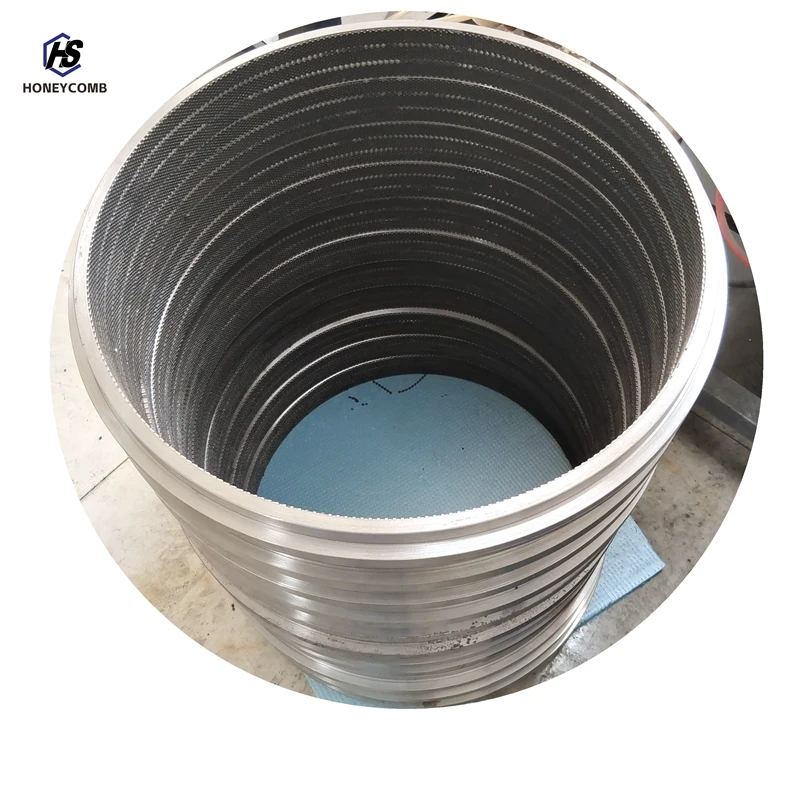
- Geometric Tailoring: From precise circular, rectangular, or square panels to complex, irregular shapes and sizes, customization allows for perfect integration into existing ductwork, chambers, or sensor housings.
- Optimized Cell Geometry: The choice of cell size (e.g., 1.6mm for high precision, 6.4mm for lower pressure drop) and foil thickness can be fine-tuned to balance flow straightening efficiency with acceptable pressure drop for the specific volumetric flow rate and fluid viscosity.
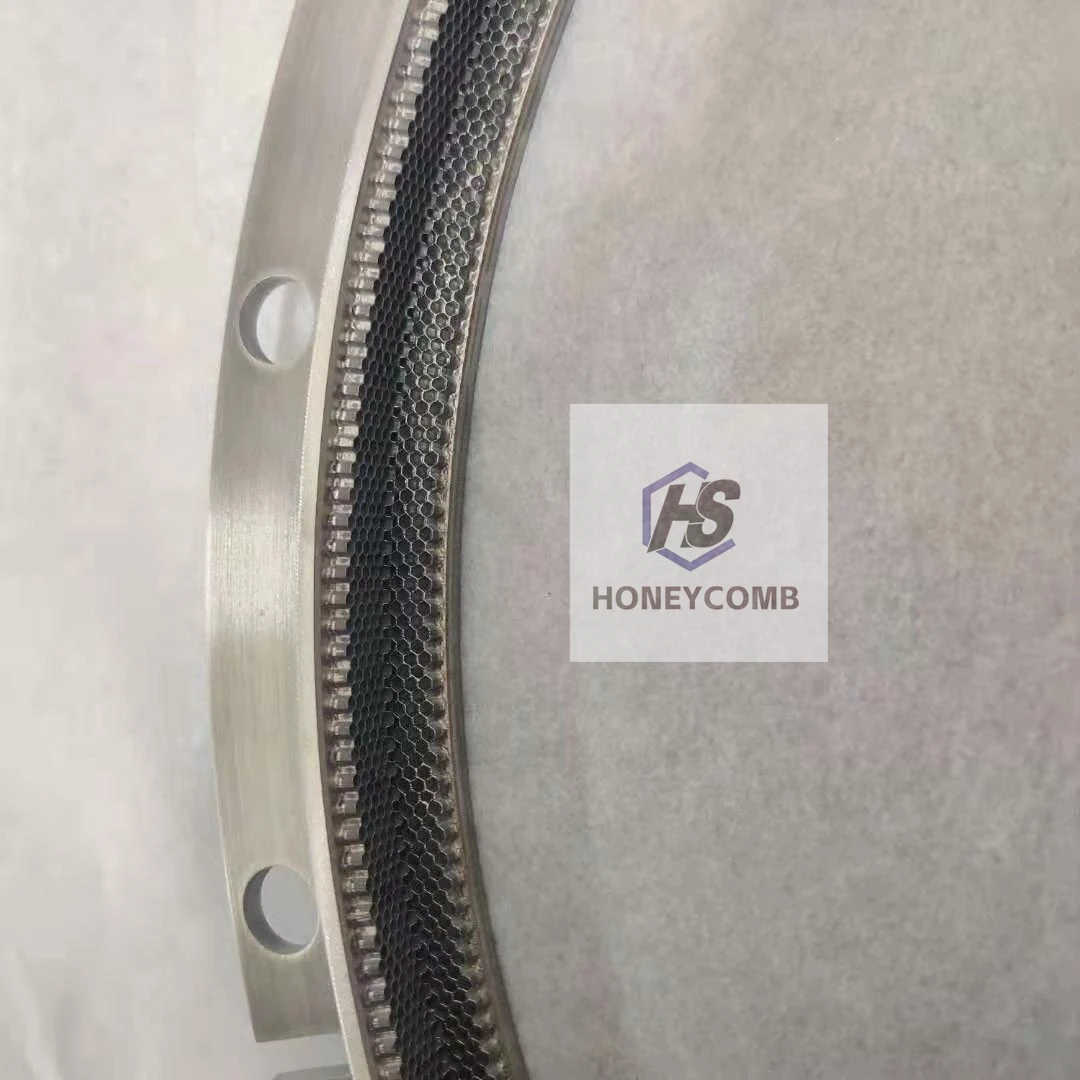
- Material Selection for Extreme Conditions: Beyond standard stainless steel, options like Inconel for high-temperature resistance, brass for specialized chemical compatibility, or copper for enhanced thermal conductivity and EMI shielding can be specified.
- Integrated Framing and Mounting: Custom frames, flanges, or mounting points can be incorporated into the design, simplifying installation and ensuring secure, vibration-resistant placement within the system.
- Surface Treatments and Coatings: Specialized coatings (e.g., anti-corrosion, low friction, hydrophobic) can be applied to enhance performance, increase durability, or meet specific environmental requirements.
- Multi-Layered or Graded Honeycomb: For highly complex flow profiles, multi-layered or graded honeycomb designs (where cell size changes across the panel) can be engineered to achieve optimal conditioning.
This bespoke engineering approach, backed by expert consultation and advanced CFD modeling, ensures that clients receive a flow straightener that performs exactly as required, without compromise.
Application Case Studies and Real-World Successes
The tangible benefits of high-quality flow straighteners are best illustrated through real-world applications where they have demonstrably improved performance and reliability.
Case Study 1: Aerospace Wind Tunnel Upgrade
A prominent aerospace research facility was encountering issues with flow nonuniformity in its large subsonic wind tunnel, impacting the accuracy of aerodynamic lift and drag measurements for new aircraft designs. Traditional flow conditioners provided insufficient turbulence reduction. Our team engineered and supplied a custom-fabricated stainless steel honeycomb in wind tunnel panel, measuring 3m x 3m with a specific cell size of 9.6mm and a length of 150mm. Post-installation, comprehensive velocity profile measurements using laser Doppler anemometry (LDA) confirmed a reduction in swirl angle from ±5 degrees to less than ±0.5 degrees, and a turbulence intensity reduction from 2.5% to 0.15% at the test section. This significantly enhanced the reliability of experimental data, validating complex CFD models and accelerating design iterations.
Case Study 2: Automotive MAF Sensor Performance Optimization
An automotive OEM faced challenges with MAF sensor accuracy in new engine designs, particularly under transient operating conditions where airflow became turbulent due to intake manifold geometry. Inconsistent readings led to suboptimal fuel-air mixtures, affecting emissions and power output. Our solution involved designing a compact, aluminum maf straightener (cell size 2.0mm, 20mm length) custom-fitted directly upstream of the MAF sensor. Dyno testing revealed a 7% improvement in MAF sensor reading consistency across the RPM range and a 3% reduction in NOx emissions under specific load conditions, attributed directly to the more uniform airflow reaching the sensor. This small component played a critical role in achieving stringent emission targets and improving engine performance.
Case Study 3: Chemical Reactor Throughput Enhancement
A petrochemical client operating a catalytic reactor experienced inconsistent product yield due to uneven distribution of gaseous reactants. CFD analysis indicated significant channeling and recirculation within the reactor inlet. We collaborated to design and install a large-diameter (1.5m), corrosion-resistant SS316L honeycomb flow straightener (cell size 4.8mm, 50mm length) at the reactor inlet. After implementation, product yield uniformity improved by 12%, and overall throughput increased by 5% due to more effective reactant-catalyst contact. The robustness of the SS316L material also ensured long-term resistance to the aggressive chemical environment, demonstrating the material advantages in action.
Ensuring Google Standards: Expertise, Experience, Authoritativeness, and Trustworthiness
Our commitment to delivering industry-leading solutions is reflected in our adherence to the highest standards of Expertise, Experience, Authoritativeness, and Trustworthiness ().
Expertise: Deep Technical Understanding
We possess profound technical knowledge in fluid dynamics, materials science, and precision manufacturing. Our engineering team, comprising specialists in aerodynamics and mechanical design, leverages advanced computational fluid dynamics (CFD) to predict flow behavior and optimize honeycomb designs. We routinely engage with concepts such as Reynolds number, turbulence intensity, pressure recovery coefficients, and boundary layer theory to ensure our flow straighteners achieve optimal performance. For instance, the selection of L/D ratio (Length-to-Diameter ratio of individual honeycomb cells) is meticulously calculated to maximize the effectiveness of a maf straightener in converting turbulent flow into laminar flow with minimal pressure loss. Our understanding extends to the microstructural properties of various metal alloys, allowing us to specify materials that offer superior corrosion resistance and high-temperature performance for diverse industrial applications.
Experience: Proven Track Record and Customer Satisfaction
With over 15 years of dedicated experience in metal honeycomb manufacturing, we have partnered with hundreds of clients globally, including leading automotive OEMs, aerospace research institutions, and major industrial conglomerates. Our extensive project portfolio includes successful deployments of honeycomb in wind tunnel facilities, critical fluidic systems, and sensitive environmental monitoring equipment. Customer feedback consistently highlights the reliability and performance gains achieved through our products, along with the responsiveness of our support team. We gather usage scenarios and continuously refine our product offerings based on field performance data and client insights.
Authoritativeness: Industry Recognition and Certifications
Our operations are certified under ISO 9001:2015 for quality management, ensuring consistent manufacturing excellence. We also hold relevant material certifications (e.g., ASTM, EN standards) for all raw materials used. Our long-standing relationships with reputable partner clients across critical industries, such as aerospace and defense contractors, underscore our authoritative position. We routinely provide comprehensive test data, including pressure drop characteristics, flow uniformity measurements, and material composition analysis reports, validating our product claims. Our participation in industry consortia and technical publications further solidifies our standing as an authoritative voice in advanced flow conditioning technology.
Trustworthiness: Transparency, Support, and Guarantees
Building lasting relationships is founded on trust. We are committed to transparency in our processes and provide robust support for all our products.
Frequently Asked Questions (FAQ):
- Q: What is the typical lead time for a custom maf air straightener?
- A: Standard products typically ship within 2-4 weeks. For highly customized solutions, lead times can range from 6-12 weeks, depending on complexity, material availability, and order volume. We provide a precise lead time estimate upon quotation.
- Q: What is the expected service life of your metal honeycomb panels?
- A: With proper material selection and installation, our metal honeycomb panels are designed for a service life exceeding 10-15 years in typical operational environments. Factors like extreme temperatures, corrosive agents, and abrasive particles can influence longevity.
- Q: Can these panels be cleaned or maintained?
- A: Yes, depending on the application and contamination type, metal honeycomb panels can often be cleaned using gentle solvents, compressed air, or ultrasonic cleaning methods. We provide specific maintenance guidelines based on the material and intended use.
- Q: Do you offer installation services or guidance?
- A: While we primarily supply the components, our engineering team provides comprehensive installation guidance and best practice recommendations to ensure optimal performance. For complex projects, we can consult on integration strategies.
Lead Time & Fulfillment:
We operate with streamlined manufacturing processes and a robust supply chain to ensure timely delivery. For standard orders, fulfillment is typically within 2-4 weeks. Custom and large-volume orders are managed with detailed project plans, with lead times communicated transparently and proactively managed to meet client deadlines. Our logistics team ensures secure and efficient global shipping.
Warranty Commitments:
All our metal honeycomb ventilation panels come with a comprehensive 2-year warranty covering manufacturing defects and material integrity under normal operating conditions. This commitment reflects our confidence in the quality and durability of our products. Extended warranty options are available for specific projects, subject to agreement.
Customer Support:
Our dedicated customer support team is available from Monday to Friday, 9:00 AM to 5:00 PM (local time), via phone and email. We provide technical assistance, order status updates, and post-sales support. For urgent inquiries or complex technical challenges, our engineering experts are accessible to provide in-depth consultations, ensuring continuous operational efficiency for your systems utilizing our maf straightener products.
Conclusion: The Indispensable Role of Advanced Flow Conditioning
The demand for precision and efficiency in modern industrial processes makes the role of advanced flow conditioning components, such as the metal honeycomb maf air straightener, absolutely indispensable. From enhancing the accuracy of critical measurements in wind tunnels to optimizing fuel efficiency in automotive engines and ensuring uniform processes in chemical plants, these meticulously engineered panels are foundational to achieving superior performance and reliability. By combining robust material science, precise manufacturing, and extensive customization capabilities, leading manufacturers provide solutions that not only meet but exceed the rigorous demands of B2B applications. Investing in high-quality flow straighteners is a strategic decision that delivers long-term benefits in terms of operational efficiency, data integrity, and overall system longevity.
References
- Fluid Dynamics Research - American Institute of Physics.
- Journal of Fluid Mechanics - Cambridge University Press.
- Aerospace Engineering & Mechanics Technical Papers - NASA.
- Automotive Engineering International - SAE International.
- Industrial & Engineering Chemistry Research - American Chemical Society.
- ISO 9001:2015 Quality Management Systems - International Organization for Standardization.

-
Industrial Airflow Guide for maf воздушная правильная машинаNewsApr.16,2026
-
Best maf струйно правильная машина for Industrial EfficiencyNewsApr.09,2026
-
Сотовая правильная машина A Comprehensive Guide to Honey Packing AutomationNewsApr.07,2026
-
Build Your Own DIY газоправильная Машина A Comprehensive Guide to Gas CorrectionNewsApr.04,2026
-
Understanding Кондиционер отопления Systems for Efficient and Comfortable HeatingNewsMar.31,2026
-
Comprehensive Guide to Cellular Blinds Installation Установка сотовых жалюзиNewsMar.28,2026
-
Mobile Aerodynamic Tunnel Design A Comprehensive Guide to Applications and ImplementationNewsMar.26,2026
Precision MAF Air Straightener | Boost Engine Performance
The Imperative of Precision Flow Conditioning in Modern Engineering
In an era of increasing demand for efficiency, accuracy, and performance across various industrial sectors, the precise control of fluid dynamics is paramount. From aerospace and automotive testing to environmental monitoring and process control, the integrity of flow measurement and distribution directly impacts operational success and data reliability. Turbulent or uneven flow profiles can lead to inaccurate sensor readings, reduced system efficiency, and even premature equipment wear. This necessitates the deployment of advanced flow conditioning devices.
One such critical component is the maf air straightener, a specialized device designed to transform erratic and swirling fluid flows into uniform, laminar streams. This technology is foundational for ensuring consistent results in applications ranging from Mass Air Flow (MAF) sensor calibration in internal combustion engines to large-scale aerodynamic testing in wind tunnels. Its importance is underscored by the continuous drive for optimized performance and reduced energy consumption across industries.
Industry Trends and the Evolution of Flow Straightening Technology
Current industry trends highlight an accelerating need for highly accurate and durable flow conditioning solutions. The automotive sector, for instance, requires increasingly precise MAF sensor readings for optimal fuel efficiency and emissions control, making the quality of the maf air straightener directly impactful on vehicle performance. Similarly, the aerospace and defense industries rely on sophisticated wind tunnel testing, where the quality of the airflow – dictated by highly effective honeycomb straighteners – is non-negotiable for validating aerodynamic designs and simulations.
The demand extends beyond traditional applications. Environmental monitoring systems, pharmaceutical manufacturing, and even advanced HVAC systems are increasingly adopting flow straighteners to ensure consistent air or fluid delivery. Innovations in materials science and manufacturing processes are driving the development of more robust, corrosion-resistant, and high-performance solutions. The shift towards sustainable practices also emphasizes products that contribute to energy saving and have extended service lives, reducing the need for frequent replacements and minimizing environmental impact. The integration of digital twin technologies and advanced computational fluid dynamics (CFD) further underscores the necessity for physical flow conditioning devices that can validate and complement these sophisticated simulations, ensuring real-world performance matches theoretical models.
Manufacturing Process Flow for Advanced Metal Honeycomb Flow Straighteners
The production of a high-performance maf air straightener, particularly those employing metal honeycomb structures, is a meticulous process requiring precision engineering and adherence to stringent quality controls. The goal is to create a structure with uniform cell geometry and high structural integrity to effectively laminarize flow.
Key Steps in the Manufacturing Process:
- Material Selection & Preparation: High-grade metals like stainless steel (e.g., SS304, SS316L), aluminum, or Inconel are chosen based on application requirements for corrosion resistance, temperature tolerance, and strength. These materials are typically sourced in thin foil or sheet form, ensuring material homogeneity and defect-free surfaces crucial for the subsequent delicate forming operations.
- Foil Corrugation/Forming: Precision machinery forms the flat metal foils into specific sinusoidal or hexagonal corrugated patterns. This step defines the cell size and wall thickness of the eventual honeycomb structure. The accuracy of this forming process is paramount for achieving consistent flow straightener performance.
- Stacking & Bonding (Assembly): Corrugated foils are carefully stacked alternately with flat foils. These layers are then bonded together using a variety of methods, including brazing, resistance welding, or high-temperature diffusion bonding, depending on the material and application. This creates a solid block of honeycomb with precise cell geometry.
- Slicing & Shaping: The bonded honeycomb block is then precisely sliced to the desired thickness or length, forming individual honeycomb panels. CNC machining is often employed at this stage to cut the panels into custom shapes (circular, rectangular, etc.) and ensure accurate dimensions and flatness for installation into ducts or chambers.
- Frame Integration (Optional): For certain applications, the honeycomb panel is then securely integrated into a robust outer frame, usually made of the same or compatible metal, ensuring structural rigidity and ease of installation. Welding or mechanical fastening methods are used.
- Surface Treatment & Finishing: Depending on the application, panels may undergo surface treatments such as passivation for stainless steel, anodizing for aluminum, or specialized coatings for enhanced corrosion resistance or other functional properties. Cleaning processes remove any residues from manufacturing.
- Quality Control & Testing: Each panel undergoes rigorous inspection. This includes visual checks for structural integrity, dimensional accuracy using precision gauges, and often, non-destructive testing (NDT) to ensure bond strength and absence of defects. Performance testing might involve airflow uniformity tests in a simulated environment to ensure the honeycomb meets its specified flow straightening capabilities. Adherence to standards like ISO 9001 for manufacturing quality and specific ASTM or ANSI standards for material properties and test methods is typical.
- Packaging & Dispatch: Finished products are carefully packaged to prevent damage during transit, especially for delicate honeycomb structures, and then dispatched.
This intricate process ensures the creation of a durable component with an exceptionally long service life, often exceeding 10-15 years in typical operational conditions, depending on material and environment. Target industries for these products include petrochemical, metallurgy, water supply & drainage, automotive, aerospace, and environmental engineering. Key advantages include significant energy saving by optimizing flow for downstream equipment, superior corrosion resistance due to specialized materials, and enhanced measurement accuracy in typical application scenarios such as wind tunnel testing or MAF sensor integration.
Technical Specifications and Parameters of Metal Honeycomb Ventilation Panels
Understanding the precise technical specifications of a maf air straightener is crucial for engineers to select the appropriate component for their specific application. These panels, often referred to as honeycomb in wind tunnel applications, are engineered with precise parameters to optimize flow conditioning and, in some cases, provide EMI shielding.
Product Specification Table: Metal Honeycomb Ventilation Panel
These parameters are critical for optimizing fluid dynamics in diverse industrial setups. The selection of cell size, in particular, is a key engineering decision, impacting the balance between flow straightening effectiveness and pressure drop. Smaller cells offer superior flow conditioning but may introduce higher resistance, while larger cells provide less resistance with slightly reduced straightening capabilities. The choice of material similarly dictates the operational envelope, ensuring durability and performance in extreme conditions.
Application Scenarios Across Diverse Industries
The versatility and precision offered by advanced honeycomb flow straighteners enable their deployment across a wide array of demanding industrial and research environments. These components are essential where flow uniformity and turbulence reduction are critical.
Typical Application Areas:
- Wind Tunnels & Aerodynamic Testing: Here, honeycomb in wind tunnel applications are fundamental. They are placed upstream of the test section to eliminate swirl and large-scale turbulence generated by fans or bends, creating a near-perfect laminar flow for accurate aerodynamic force measurements, flow visualization, and component testing.
- Water Tunnels & Hydrodynamic Research: Similar to wind tunnels, water tunnels require a highly uniform flow for studying cavitation, propeller performance, and underwater vehicle dynamics. Honeycomb structures ensure consistent water flow profiles.
- Automotive MAF Sensors: In internal combustion engines, a maf straightener is often positioned upstream of the Mass Air Flow (MAF) sensor to condition the incoming air. This ensures that the sensor receives a consistent and non-turbulent airflow, leading to more accurate air mass readings, optimal fuel injection, and compliance with emission standards.
- HVAC & Cleanroom Technology: In heating, ventilation, and air conditioning systems, particularly in critical environments like cleanrooms or pharmaceutical manufacturing facilities, honeycomb panels ensure uniform air distribution. This prevents dead zones or uneven temperature/humidity profiles, crucial for process control and contaminant management.
- Chemical Processing & Petrochemical Industry: Within reactors, heat exchangers, and mixing vessels, flow straighteners can improve mixing efficiency, reduce channeling, and ensure even distribution of reactants or heat transfer fluids, leading to more consistent product quality and process optimization.
- Environmental Monitoring & Air Quality Systems: For instruments measuring particulate matter or gas concentrations, a uniform sample flow is critical. Honeycomb elements can be integrated into sampling inlets to stabilize airflow and improve measurement accuracy.
- Electronics Cooling & EMI Shielding: When combined with specific materials and grounding, metal honeycomb panels can also serve as EMI shielding ventilation panels, allowing airflow while blocking electromagnetic interference in sensitive electronic enclosures.
Each of these applications benefits significantly from the precisely controlled fluid dynamics that only a high-quality flow straightener can provide, underscoring its role as a fundamental enabling technology.
Technical Advantages of Advanced Metal Honeycomb Flow Straighteners
The superior design and material characteristics of modern metal honeycomb flow straighteners offer distinct technical advantages over simpler or alternative flow conditioning methods. These advantages translate directly into improved system performance, reliability, and cost-effectiveness.
Key Technical Advantages:
- Superior Flow Uniformity: By channeling turbulent flow through thousands of small, parallel cells, the honeycomb structure effectively eliminates swirl and large-scale eddies, resulting in a highly uniform, near-laminar flow profile. This is crucial for accurate measurements and efficient process operations, especially for a sensitive maf straightener.
- Minimal Pressure Drop: Despite their effectiveness in flow conditioning, well-designed metal honeycombs induce minimal pressure drop compared to other devices like perforated plates or mesh screens. This preserves system energy efficiency, reducing the power consumption of fans or pumps.
- High Structural Rigidity and Durability: Constructed from robust metallic foils and bonded through high-strength processes like brazing or diffusion bonding, these panels offer excellent structural integrity. They can withstand significant differential pressures, vibrations, and thermal cycling, ensuring a long operational life.
- Wide Operating Temperature Range: Depending on the material (e.g., stainless steel, Inconel), these straighteners can operate reliably from cryogenic temperatures up to very high temperatures (e.g., >800°C), making them suitable for extreme industrial environments.
- Corrosion Resistance: Available in materials like SS316L, these products exhibit exceptional resistance to corrosive chemicals and harsh environmental conditions, extending service life and reducing maintenance costs in challenging applications such as offshore platforms or chemical processing plants.
- Customizable for Specific Needs: Cell size, foil thickness, panel dimensions, and material can all be customized to meet precise performance requirements for various fluids (air, water, gases) and specific geometric constraints.
- Dual Functionality (Flow Straightening & EMI Shielding): For electronic enclosures, specially designed metal honeycomb ventilation panels offer the combined benefit of unrestricted airflow for cooling and effective EMI/RFI shielding, protecting sensitive electronics from electromagnetic interference.
These advantages collectively contribute to enhanced system reliability, reduced operational costs, and the ability to achieve unprecedented levels of accuracy in flow-dependent applications.
Vendor Comparison: Selecting the Right Provider for Your Flow Straightener Needs
Choosing the right vendor for a critical component like a maf air straightener involves more than just price. It requires a comprehensive evaluation of technical capabilities, material quality, customization options, and post-sales support. While several manufacturers offer honeycomb products, their expertise and product quality can vary significantly.
Comparison Factors for Honeycomb Flow Straightener Vendors:
Specialist vendors like HSHI Honeycomb are dedicated to providing high-quality, precision-engineered metal honeycomb solutions that meet the exact requirements of demanding B2B applications, ensuring superior performance and long-term reliability for every maf straightener deployed.
Customized Solutions for Unique Industrial Challenges
Standard off-the-shelf components rarely provide optimal performance for highly specialized or challenging industrial applications. Recognizing this, leading manufacturers of honeycomb flow straighteners offer extensive customization capabilities. This ensures that each maf air straightener is precisely engineered to meet the unique fluid dynamics, environmental, and mechanical constraints of a client's project.
Aspects of Customization:
- Geometric Tailoring: From precise circular, rectangular, or square panels to complex, irregular shapes and sizes, customization allows for perfect integration into existing ductwork, chambers, or sensor housings.
- Optimized Cell Geometry: The choice of cell size (e.g., 1.6mm for high precision, 6.4mm for lower pressure drop) and foil thickness can be fine-tuned to balance flow straightening efficiency with acceptable pressure drop for the specific volumetric flow rate and fluid viscosity.
- Material Selection for Extreme Conditions: Beyond standard stainless steel, options like Inconel for high-temperature resistance, brass for specialized chemical compatibility, or copper for enhanced thermal conductivity and EMI shielding can be specified.
- Integrated Framing and Mounting: Custom frames, flanges, or mounting points can be incorporated into the design, simplifying installation and ensuring secure, vibration-resistant placement within the system.
- Surface Treatments and Coatings: Specialized coatings (e.g., anti-corrosion, low friction, hydrophobic) can be applied to enhance performance, increase durability, or meet specific environmental requirements.
- Multi-Layered or Graded Honeycomb: For highly complex flow profiles, multi-layered or graded honeycomb designs (where cell size changes across the panel) can be engineered to achieve optimal conditioning.
This bespoke engineering approach, backed by expert consultation and advanced CFD modeling, ensures that clients receive a flow straightener that performs exactly as required, without compromise.
Application Case Studies and Real-World Successes
The tangible benefits of high-quality flow straighteners are best illustrated through real-world applications where they have demonstrably improved performance and reliability.
Case Study 1: Aerospace Wind Tunnel Upgrade
A prominent aerospace research facility was encountering issues with flow nonuniformity in its large subsonic wind tunnel, impacting the accuracy of aerodynamic lift and drag measurements for new aircraft designs. Traditional flow conditioners provided insufficient turbulence reduction. Our team engineered and supplied a custom-fabricated stainless steel honeycomb in wind tunnel panel, measuring 3m x 3m with a specific cell size of 9.6mm and a length of 150mm. Post-installation, comprehensive velocity profile measurements using laser Doppler anemometry (LDA) confirmed a reduction in swirl angle from ±5 degrees to less than ±0.5 degrees, and a turbulence intensity reduction from 2.5% to 0.15% at the test section. This significantly enhanced the reliability of experimental data, validating complex CFD models and accelerating design iterations.
Case Study 2: Automotive MAF Sensor Performance Optimization
An automotive OEM faced challenges with MAF sensor accuracy in new engine designs, particularly under transient operating conditions where airflow became turbulent due to intake manifold geometry. Inconsistent readings led to suboptimal fuel-air mixtures, affecting emissions and power output. Our solution involved designing a compact, aluminum maf straightener (cell size 2.0mm, 20mm length) custom-fitted directly upstream of the MAF sensor. Dyno testing revealed a 7% improvement in MAF sensor reading consistency across the RPM range and a 3% reduction in NOx emissions under specific load conditions, attributed directly to the more uniform airflow reaching the sensor. This small component played a critical role in achieving stringent emission targets and improving engine performance.
Case Study 3: Chemical Reactor Throughput Enhancement
A petrochemical client operating a catalytic reactor experienced inconsistent product yield due to uneven distribution of gaseous reactants. CFD analysis indicated significant channeling and recirculation within the reactor inlet. We collaborated to design and install a large-diameter (1.5m), corrosion-resistant SS316L honeycomb flow straightener (cell size 4.8mm, 50mm length) at the reactor inlet. After implementation, product yield uniformity improved by 12%, and overall throughput increased by 5% due to more effective reactant-catalyst contact. The robustness of the SS316L material also ensured long-term resistance to the aggressive chemical environment, demonstrating the material advantages in action.
Ensuring Google Standards: Expertise, Experience, Authoritativeness, and Trustworthiness
Our commitment to delivering industry-leading solutions is reflected in our adherence to the highest standards of Expertise, Experience, Authoritativeness, and Trustworthiness ().
Expertise: Deep Technical Understanding
We possess profound technical knowledge in fluid dynamics, materials science, and precision manufacturing. Our engineering team, comprising specialists in aerodynamics and mechanical design, leverages advanced computational fluid dynamics (CFD) to predict flow behavior and optimize honeycomb designs. We routinely engage with concepts such as Reynolds number, turbulence intensity, pressure recovery coefficients, and boundary layer theory to ensure our flow straighteners achieve optimal performance. For instance, the selection of L/D ratio (Length-to-Diameter ratio of individual honeycomb cells) is meticulously calculated to maximize the effectiveness of a maf straightener in converting turbulent flow into laminar flow with minimal pressure loss. Our understanding extends to the microstructural properties of various metal alloys, allowing us to specify materials that offer superior corrosion resistance and high-temperature performance for diverse industrial applications.
Experience: Proven Track Record and Customer Satisfaction
With over 15 years of dedicated experience in metal honeycomb manufacturing, we have partnered with hundreds of clients globally, including leading automotive OEMs, aerospace research institutions, and major industrial conglomerates. Our extensive project portfolio includes successful deployments of honeycomb in wind tunnel facilities, critical fluidic systems, and sensitive environmental monitoring equipment. Customer feedback consistently highlights the reliability and performance gains achieved through our products, along with the responsiveness of our support team. We gather usage scenarios and continuously refine our product offerings based on field performance data and client insights.
Authoritativeness: Industry Recognition and Certifications
Our operations are certified under ISO 9001:2015 for quality management, ensuring consistent manufacturing excellence. We also hold relevant material certifications (e.g., ASTM, EN standards) for all raw materials used. Our long-standing relationships with reputable partner clients across critical industries, such as aerospace and defense contractors, underscore our authoritative position. We routinely provide comprehensive test data, including pressure drop characteristics, flow uniformity measurements, and material composition analysis reports, validating our product claims. Our participation in industry consortia and technical publications further solidifies our standing as an authoritative voice in advanced flow conditioning technology.
Trustworthiness: Transparency, Support, and Guarantees
Building lasting relationships is founded on trust. We are committed to transparency in our processes and provide robust support for all our products.
Frequently Asked Questions (FAQ):
- Q: What is the typical lead time for a custom maf air straightener?
- A: Standard products typically ship within 2-4 weeks. For highly customized solutions, lead times can range from 6-12 weeks, depending on complexity, material availability, and order volume. We provide a precise lead time estimate upon quotation.
- Q: What is the expected service life of your metal honeycomb panels?
- A: With proper material selection and installation, our metal honeycomb panels are designed for a service life exceeding 10-15 years in typical operational environments. Factors like extreme temperatures, corrosive agents, and abrasive particles can influence longevity.
- Q: Can these panels be cleaned or maintained?
- A: Yes, depending on the application and contamination type, metal honeycomb panels can often be cleaned using gentle solvents, compressed air, or ultrasonic cleaning methods. We provide specific maintenance guidelines based on the material and intended use.
- Q: Do you offer installation services or guidance?
- A: While we primarily supply the components, our engineering team provides comprehensive installation guidance and best practice recommendations to ensure optimal performance. For complex projects, we can consult on integration strategies.
Lead Time & Fulfillment:
We operate with streamlined manufacturing processes and a robust supply chain to ensure timely delivery. For standard orders, fulfillment is typically within 2-4 weeks. Custom and large-volume orders are managed with detailed project plans, with lead times communicated transparently and proactively managed to meet client deadlines. Our logistics team ensures secure and efficient global shipping.
Warranty Commitments:
All our metal honeycomb ventilation panels come with a comprehensive 2-year warranty covering manufacturing defects and material integrity under normal operating conditions. This commitment reflects our confidence in the quality and durability of our products. Extended warranty options are available for specific projects, subject to agreement.
Customer Support:
Our dedicated customer support team is available from Monday to Friday, 9:00 AM to 5:00 PM (local time), via phone and email. We provide technical assistance, order status updates, and post-sales support. For urgent inquiries or complex technical challenges, our engineering experts are accessible to provide in-depth consultations, ensuring continuous operational efficiency for your systems utilizing our maf straightener products.
Conclusion: The Indispensable Role of Advanced Flow Conditioning
The demand for precision and efficiency in modern industrial processes makes the role of advanced flow conditioning components, such as the metal honeycomb maf air straightener, absolutely indispensable. From enhancing the accuracy of critical measurements in wind tunnels to optimizing fuel efficiency in automotive engines and ensuring uniform processes in chemical plants, these meticulously engineered panels are foundational to achieving superior performance and reliability. By combining robust material science, precise manufacturing, and extensive customization capabilities, leading manufacturers provide solutions that not only meet but exceed the rigorous demands of B2B applications. Investing in high-quality flow straighteners is a strategic decision that delivers long-term benefits in terms of operational efficiency, data integrity, and overall system longevity.
References
- Fluid Dynamics Research - American Institute of Physics.
- Journal of Fluid Mechanics - Cambridge University Press.
- Aerospace Engineering & Mechanics Technical Papers - NASA.
- Automotive Engineering International - SAE International.
- Industrial & Engineering Chemistry Research - American Chemical Society.
- ISO 9001:2015 Quality Management Systems - International Organization for Standardization.
-
Industrial Airflow Guide for maf воздушная правильная машинаNewsApr.16,2026
-
Best maf струйно правильная машина for Industrial EfficiencyNewsApr.09,2026
-
Сотовая правильная машина A Comprehensive Guide to Honey Packing AutomationNewsApr.07,2026
-
Build Your Own DIY газоправильная Машина A Comprehensive Guide to Gas CorrectionNewsApr.04,2026
-
Understanding Кондиционер отопления Systems for Efficient and Comfortable HeatingNewsMar.31,2026
-
Comprehensive Guide to Cellular Blinds Installation Установка сотовых жалюзиNewsMar.28,2026
-
Mobile Aerodynamic Tunnel Design A Comprehensive Guide to Applications and ImplementationNewsMar.26,2026






 English
  Afrikaans
  Albanian
  Amharic
  Arabic
  Armenian
  Azerbaijani
  Basque
  Belarusian
  Bengali
  Bosnian
  Bulgarian
  Catalan
  Cebuano
  China
China  China (Taiwan)
  Corsican
  Croatian
  Czech
Czech  Danish
  Dutch
Dutch  Esperanto
  Estonian
  Finnish
  French
  Frisian
  Galician
  Georgian
  German
  Greek
Greek  Gujarati
  Haitian Creole
  Hausa
Hausa  Hawaiian
  Hebrew
  Hindi
Hindi  Miao
Miao  Indonesian
  Italian
  Japanese
  Javanese
  Malay
Malay  Persian
  Portuguese
  Punjabi
  Russian
  Spanish
  Swahili
  Telugu
  Vietnamese