


Stainless Steel Air Straightener Intake for Enhanced Flow
Introduction to Advanced Air Straightener Intake Systems
In critical industrial applications, the precise control of fluid dynamics is paramount for optimizing performance, efficiency, and safety. A fundamental component in achieving this control is the air straightener intake. These devices are meticulously engineered to condition turbulent airflow into a laminar, uniform stream, which is vital for the accurate operation of sensors, reliable combustion processes, efficient heat exchangers, and effective electromagnetic interference (EMI) shielding in sensitive environments. Without proper flow conditioning, inconsistencies can lead to measurement errors, increased energy consumption, system inefficiencies, and even structural damage over time. This detailed overview explores the technical intricacies, manufacturing excellence, diverse applications, and inherent advantages of modern air straightener intake systems, emphasizing their role in high-performance industrial settings.
Industry Trends and Market Demand for Flow Conditioning
The demand for highly efficient and reliable flow conditioning solutions is escalating across various sectors. Industries are increasingly focused on energy optimization, stringent environmental regulations, and the need for enhanced operational precision. This drives innovation in components like the air straightener, which plays a crucial role in improving aerodynamic efficiency, reducing pressure drop, and ensuring consistent process conditions.
- Energy Efficiency: Modern industrial designs prioritize minimizing energy losses due to turbulent flow, leading to increased adoption of advanced straightening technologies.
- Precision Engineering: The rise of Industry 4.0 and advanced manufacturing necessitates extremely uniform flow for precise processes, from semiconductor fabrication to pharmaceutical production.
- EMI/EMC Compliance: With the proliferation of electronic devices and sensitive data centers, the integration of EMI/EMC shielding capabilities within air straighteners is becoming a critical requirement to prevent electromagnetic interference.
- Corrosion Resistance: Harsh operating environments, particularly in petrochemical and marine industries, demand materials like stainless steel that offer superior resistance to corrosion and chemical degradation.
These trends collectively underscore the evolving landscape where standard flow straighteners are being replaced by high-performance, specialized units designed for specific, challenging applications.
Technical Specifications and Design Principles
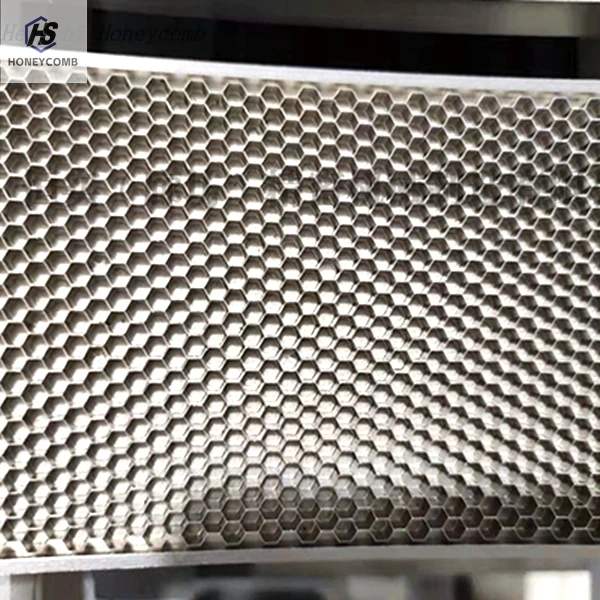
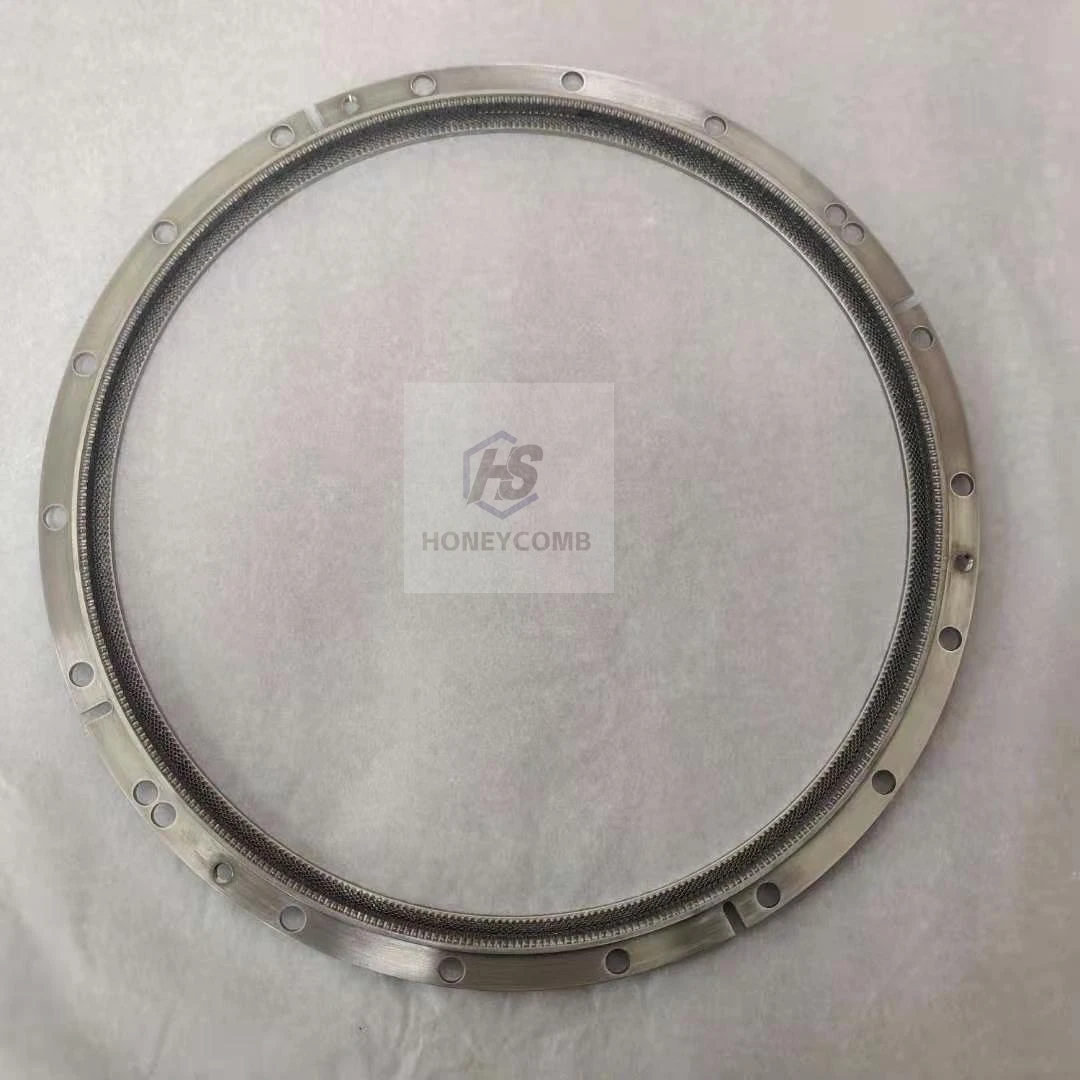
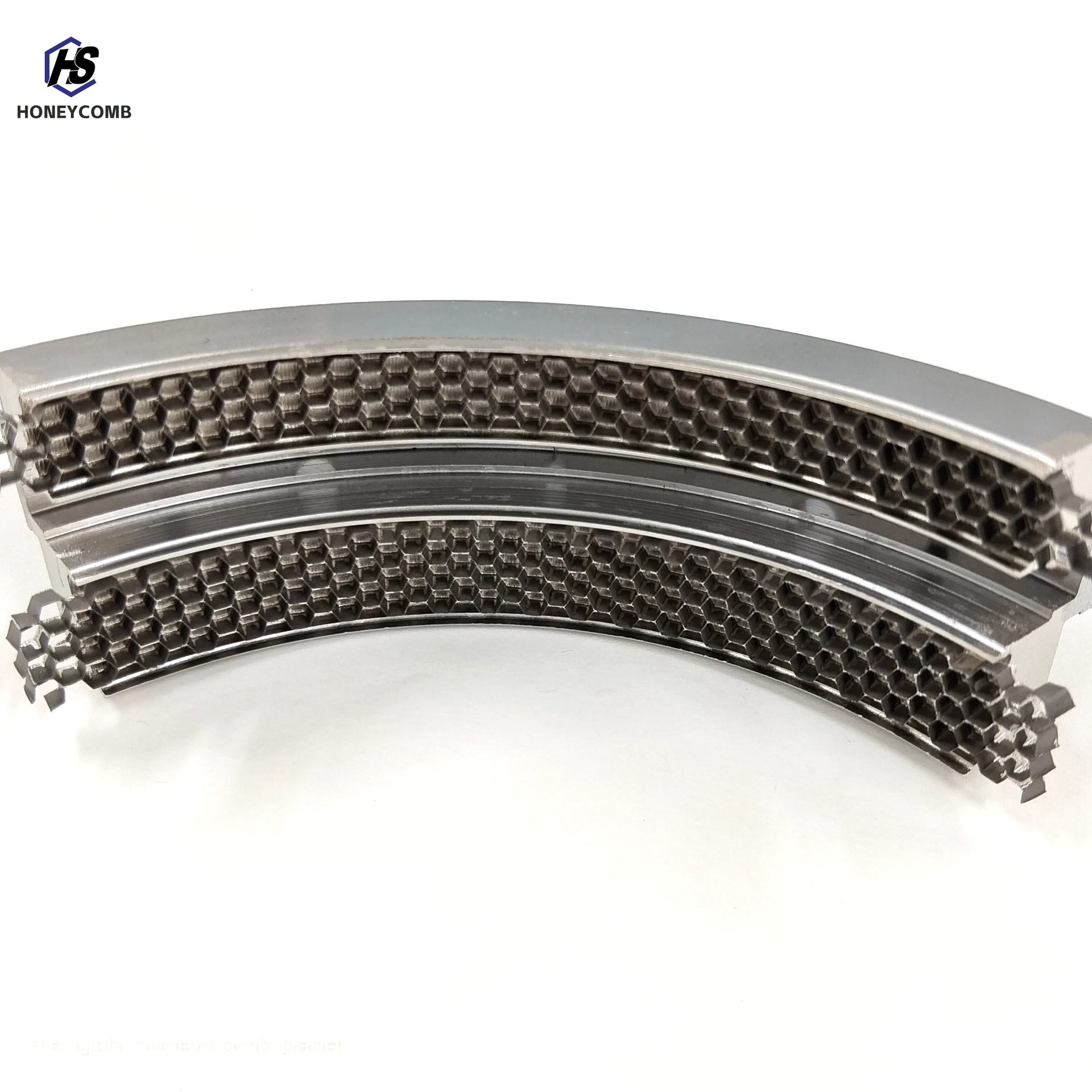
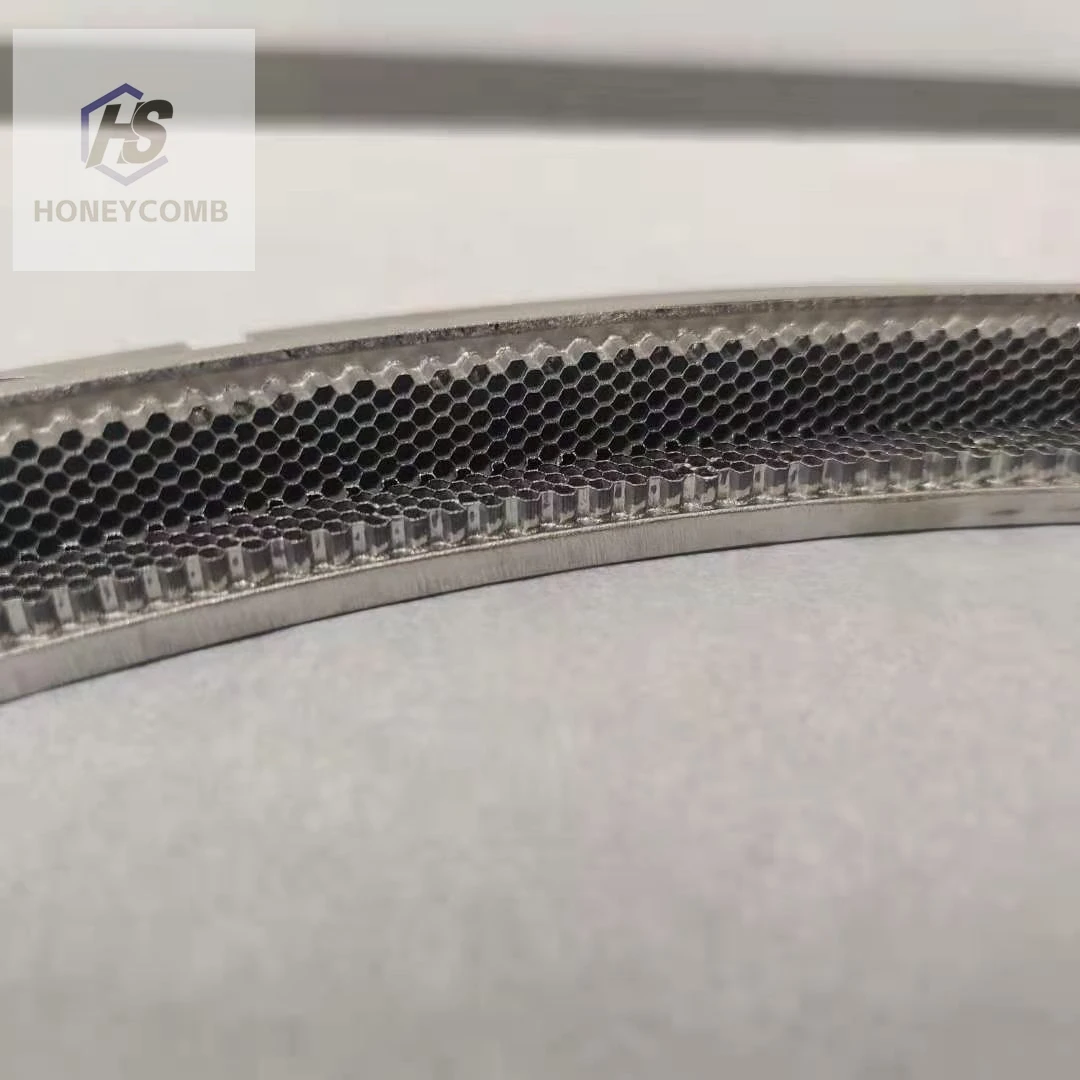
The effectiveness of an air straightener is largely determined by its intricate design, material composition, and precise manufacturing. High-performance units, often featuring a stainless steel honeycomb panel, are engineered to provide maximum flow uniformity with minimal pressure drop. The cellular structure of the honeycomb is crucial; smaller cell sizes and longer lengths generally lead to better flow straightening but can increase pressure resistance.
Key Structural and Performance Parameters:
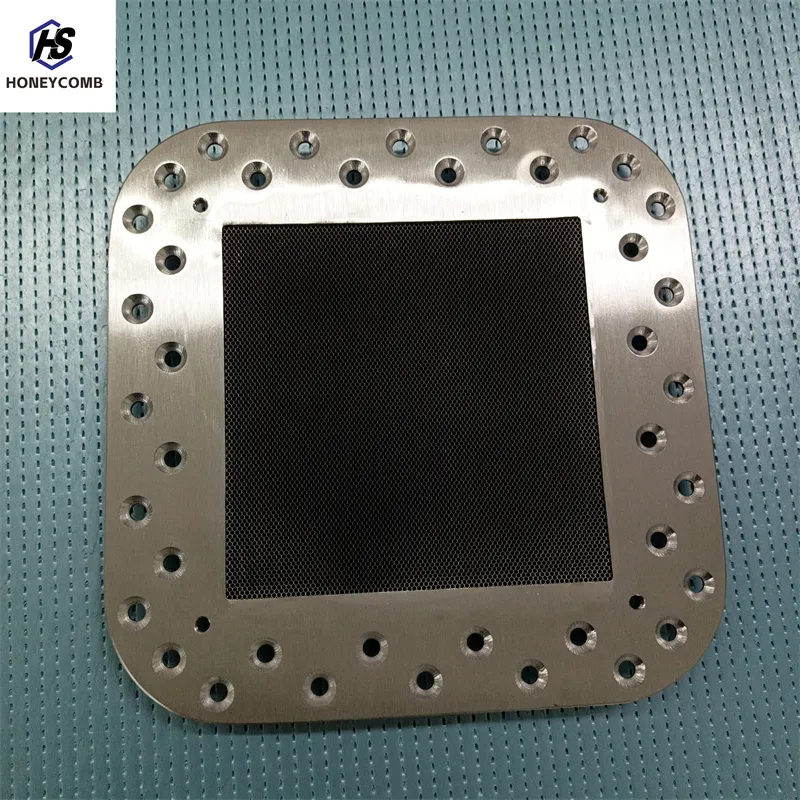
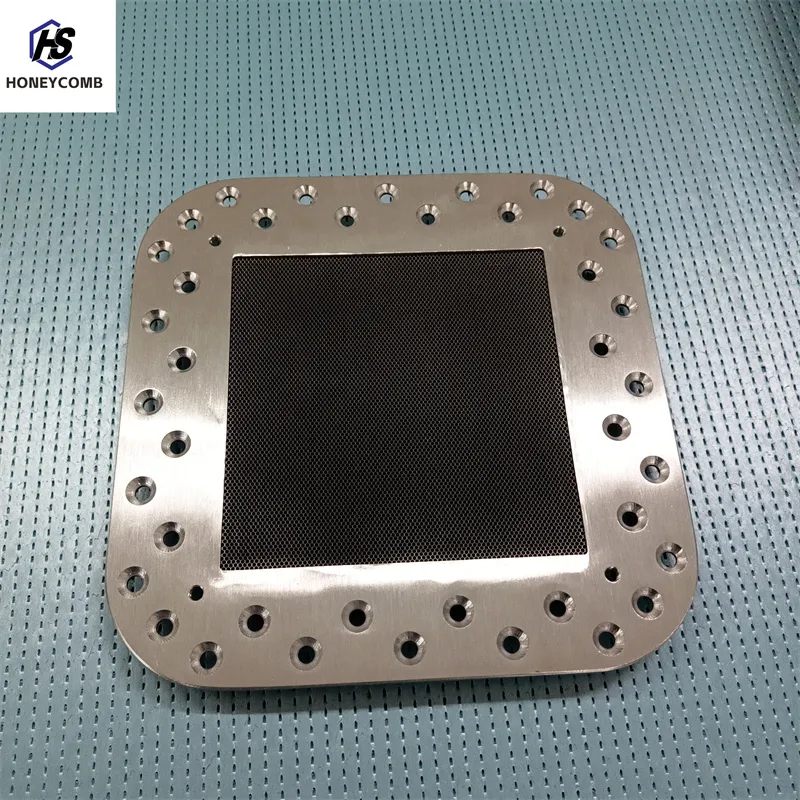
- Cell Size (mm): Typically ranging from 1.5mm to 6.35mm, determining the fineness of flow conditioning and EMI shielding efficacy. A 2.0mm cell size, as featured in our EMI/EMC shielded vents, offers an optimal balance.
- Panel Thickness (mm): Influences structural rigidity and shielding performance. Thicker panels generally offer higher EMI attenuation.
- Material: Stainless steel (e.g., 304, 316) is preferred for its corrosion resistance, mechanical strength, and excellent electrical conductivity for shielding applications.
- Flow Uniformity Index: A measure of how effectively the straightener converts turbulent flow into a laminar profile, often expressed as a percentage or a standard deviation of velocity.
- Pressure Drop: The energy loss across the straightener, a critical factor for overall system efficiency. Optimized designs minimize this while maximizing straightening.
- Shielding Effectiveness (dB): For EMI/EMC applications, this specifies the reduction in electromagnetic field intensity, typically measured across a broad frequency spectrum (e.g., 10 kHz to 18 GHz).
Typical Air Straightener Intake Specifications:
| Parameter | Standard Range | High-Performance Example (e.g., HSHI product) |
|---|---|---|
| Material | Aluminum, Galvanized Steel, Stainless Steel | 304/316L Stainless Steel |
| Cell Size (Hexagonal) | 3.2mm - 6.35mm | 2.0mm |
| Panel Thickness (Cell Height) | 6.35mm - 50mm | Up to 25mm (for EMI shielding) |
| Flow Uniformity (at 5D downstream) | ±5% to ±10% | ±1% to ±3% |
| Pressure Drop (at typical flow) | Moderate to High | Minimal, Optimized |
| Shielding Effectiveness (1GHz) | N/A (for standard straighteners) | >80dB (for EMI variants) |
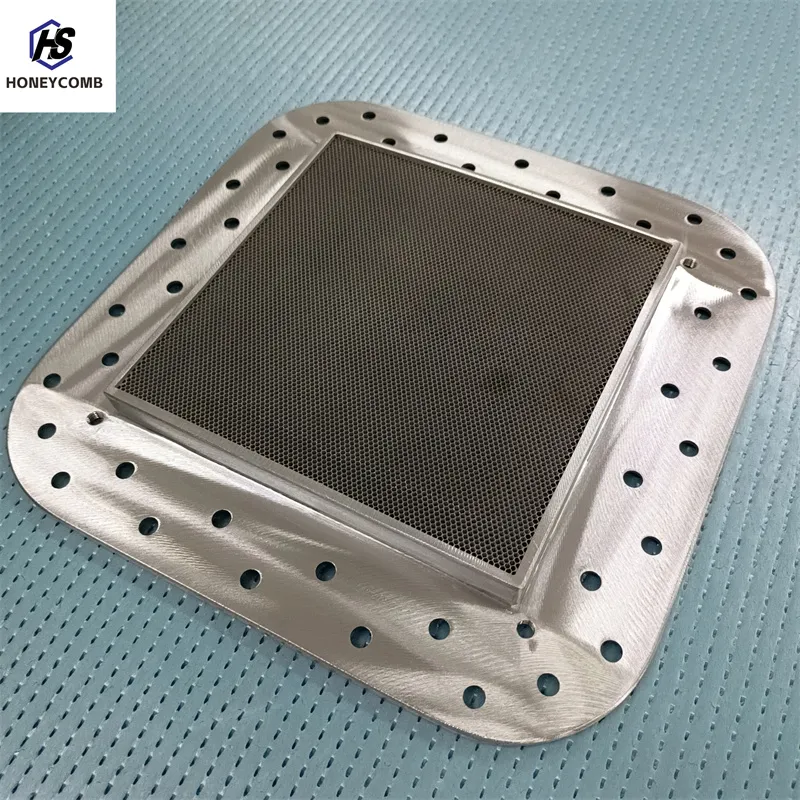
Manufacturing Process Flow of the Air Straightener Intake
The production of a high-quality air straightener intake is a sophisticated process that demands precision engineering and rigorous quality control. Our manufacturing process ensures that each unit meets stringent performance and durability standards.
Process Steps:
- Material Selection: We begin with high-grade stainless steel coils (e.g., 304, 316L), chosen for their superior corrosion resistance, mechanical strength, and excellent electrical conductivity required for EMI/EMC shielding. All materials conform to ASTM A240 standards.
- Precision Slitting and Corrugation: The stainless steel coils are precisely slit into narrow strips. These strips then undergo a corrugation process, forming the distinctive hexagonal cell structure under controlled pressure and temperature to ensure uniformity.
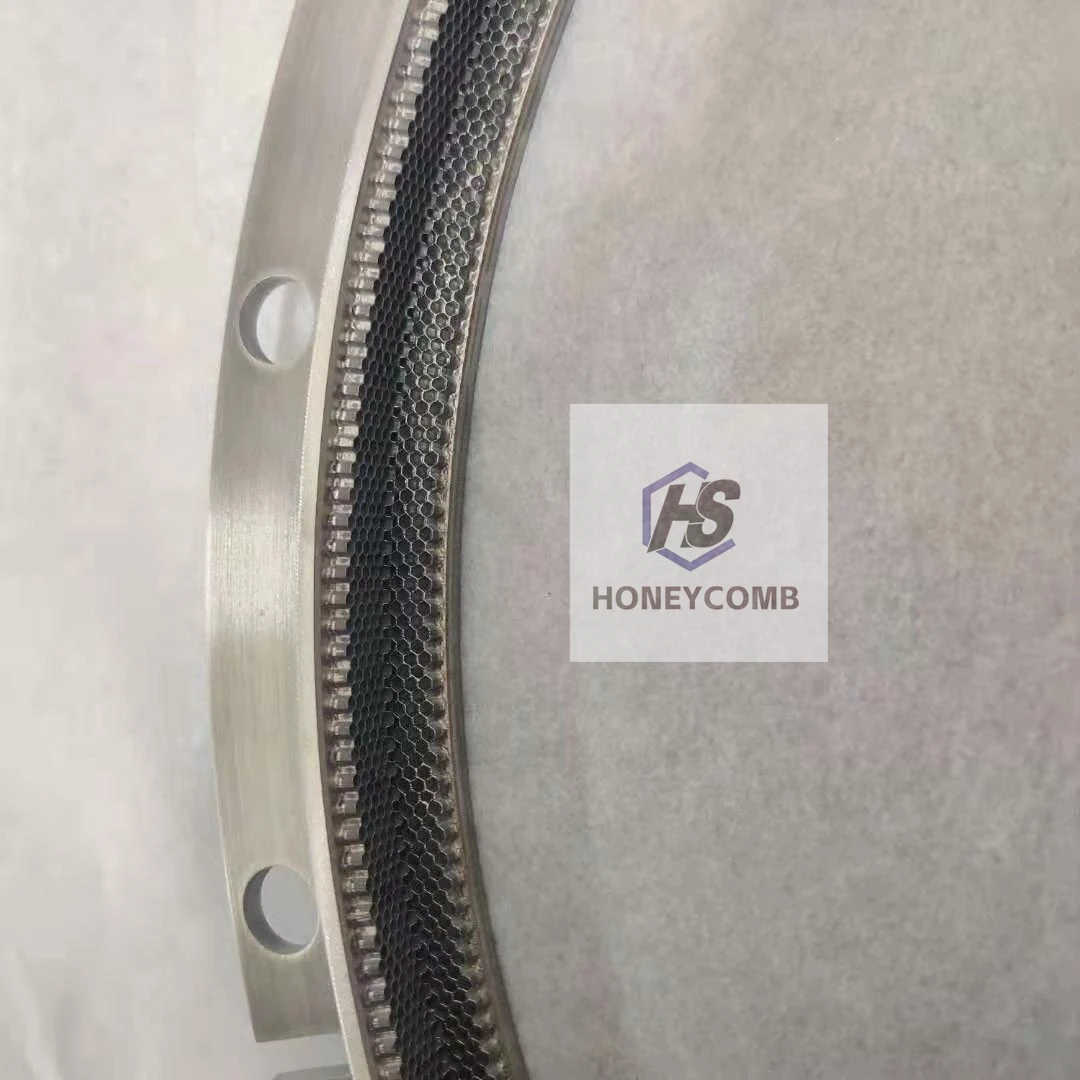
- Honeycomb Panel Assembly: The corrugated strips are stacked and bonded together using specialized high-temperature brazing or resistance welding techniques. This process creates a robust stainless steel honeycomb panel with consistent cell geometry, critical for both flow straightening and EMI shielding.
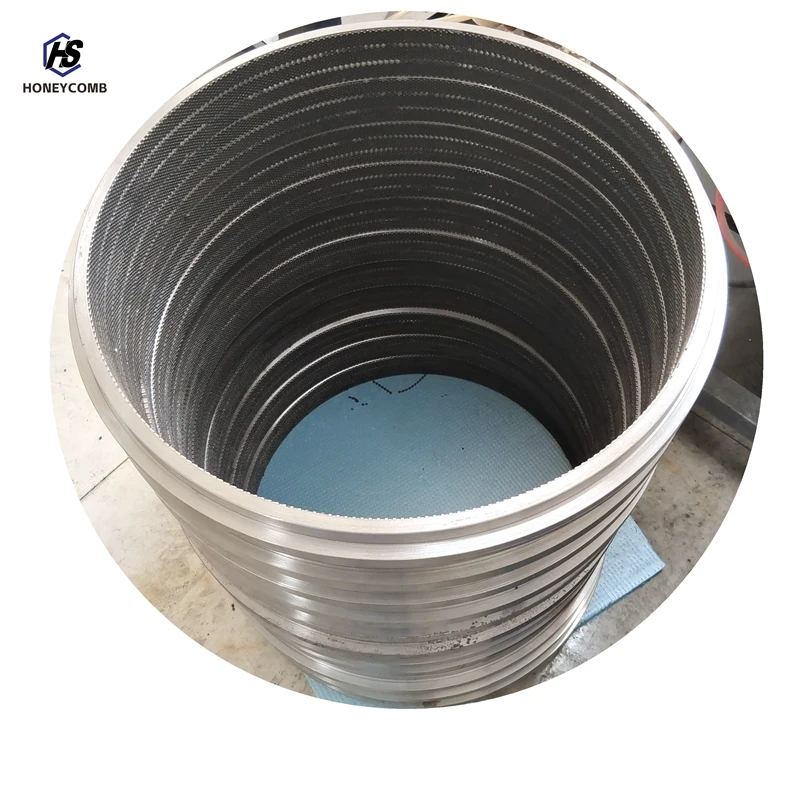
- Cutting and Framing: The honeycomb panels are then cut to the specified dimensions using precision laser cutting or waterjet technology, ensuring clean edges and accurate sizing. A sturdy frame, often also stainless steel, is custom-fabricated via CNC machining and then securely welded around the honeycomb core.
- Surface Treatment and Finishing: Depending on the application, the assembled unit may undergo passivation to enhance corrosion resistance, or specialized coatings may be applied. This stage ensures a clean, durable finish suitable for demanding industrial environments.
- Quality Control and Testing: Each air straightener undergoes rigorous inspection and testing. This includes dimensional checks, visual inspection for defects, and functional performance tests. For EMI/EMC variants, shielding effectiveness tests are conducted in accordance with MIL-STD-285 or IEEE 299 standards using an anechoic chamber to verify attenuation across specified frequencies. Flow uniformity and pressure drop characteristics are also verified using specialized aerodynamic test benches, adhering to ISO 5167 or ANSI/AMCA 210 standards.
This meticulous process ensures a high-quality product with an extended service life, often exceeding 15-20 years in typical operational conditions, significantly reducing maintenance and replacement costs.
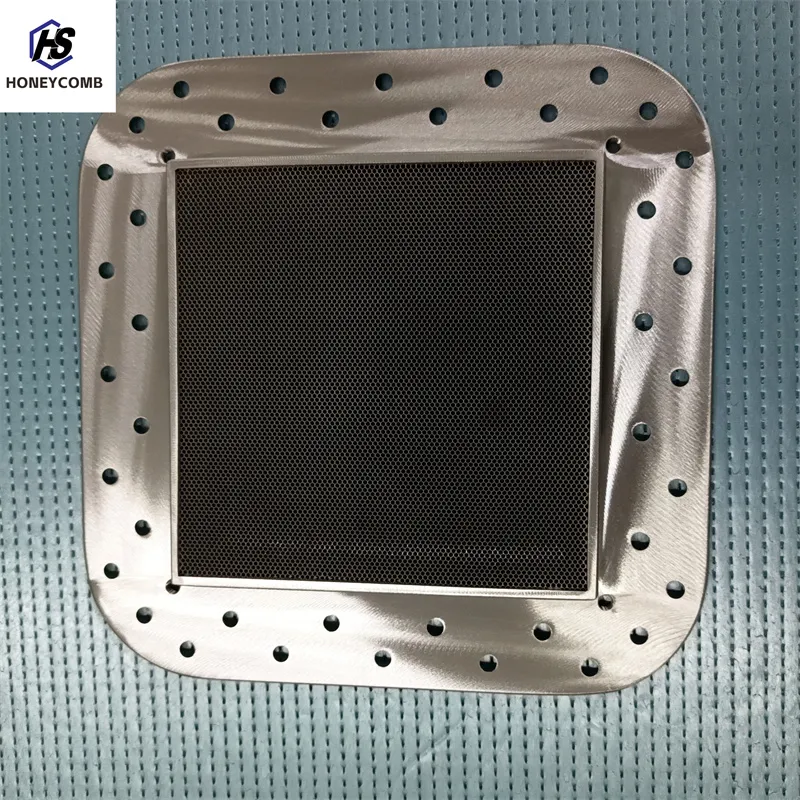
Application Scenarios and Target Industries
The versatility of the air straightener intake makes it an indispensable component across a broad spectrum of industries where precise airflow management is critical.
- Petrochemical and Chemical Processing: Essential for accurate flow measurement in pipelines, optimizing combustion efficiency in furnaces, and ensuring uniform reactant distribution in catalytic reactors. The corrosion resistance of stainless steel is particularly beneficial here.
- Metallurgy and Steel Mills: Used in industrial fans, burners, and cooling systems to ensure consistent airflow, which is critical for temperature control and process stability in high-temperature environments.
- Water Supply & Drainage Systems: While primarily air-focused, specialized honeycomb structures can be adapted for liquid flow straightening in treatment plants, optimizing pump efficiency and reducing cavitation.
- HVAC and Cleanroom Technology: Critical for achieving laminar flow in cleanrooms, laboratories, and data centers, preventing cross-contamination and ensuring precise thermal management.
- Aerospace and Automotive Testing: Employed in wind tunnels and engine test beds to generate highly uniform airflow, crucial for accurate aerodynamic and performance testing.
- EMI/EMC Shielding Applications: Integrated into shielded enclosures for data centers, medical imaging rooms, and military facilities, providing critical ventilation while maintaining electromagnetic integrity. The High Shielding Performance 2.0mm Cell Steel Honeycomb Vent is specifically designed for this purpose, offering EMI/EMC/RF shielding while allowing airflow.
Demonstrated Advantages in Typical Scenarios:
- Energy Saving: By reducing turbulence, air straighteners minimize pressure losses and improve the efficiency of downstream equipment like fans and compressors, leading to significant energy savings.
- Corrosion Resistance: Utilizing stainless steel ensures longevity and reliability in corrosive or high-humidity environments, reducing maintenance costs and downtime.
- Enhanced Process Accuracy: Providing laminar flow dramatically improves the accuracy of flow meters, temperature sensors, and other critical instrumentation.
- Improved Safety: In environments with flammable gases, predictable airflow is crucial for preventing dangerous hotspots or inefficient ventilation.
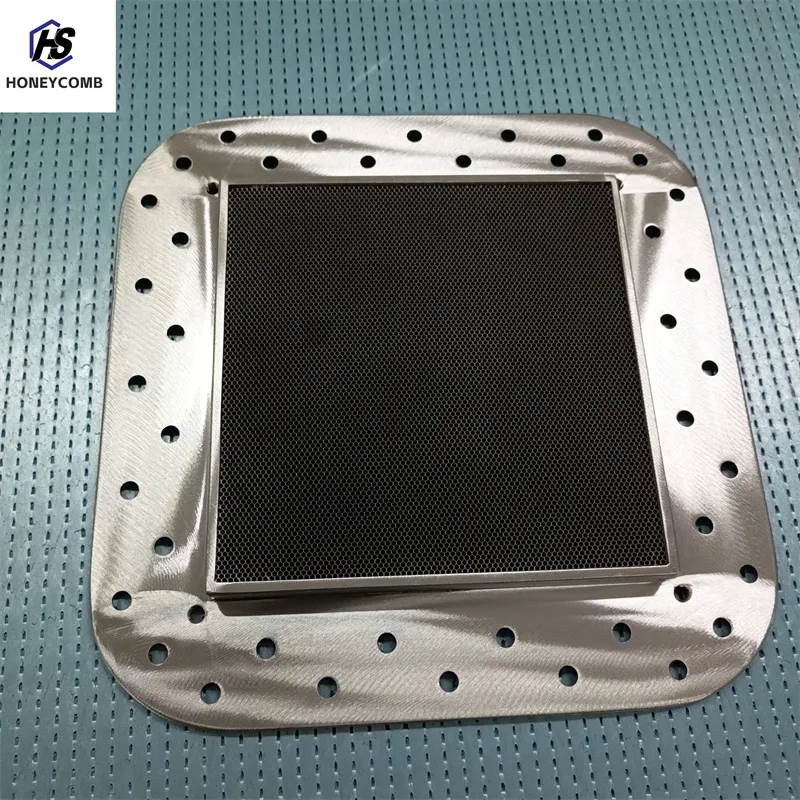
Technical Advantages and Performance Comparison
Modern air straightener designs, especially those incorporating stainless steel honeycomb panel technology, offer significant technical advantages over traditional methods like perforated plates or mesh screens.
Core Advantages:
- Superior Flow Uniformity: Honeycomb structures excel at converting highly turbulent flow into a near-perfect laminar profile much more efficiently than simpler designs.
- Minimal Pressure Drop: Optimized cell geometry allows for high flow rates with minimal resistance, preserving system energy.
- Enhanced EMI/EMC Shielding: When constructed from conductive materials like stainless steel, the honeycomb acts as a waveguide beyond cutoff, attenuating electromagnetic radiation while permitting air circulation. Our 2.0mm cell steel honeycomb vents offer exceptional shielding performance.
- Robustness and Durability: Stainless steel construction provides excellent resistance to physical impact, vibration, and extreme temperatures.
Performance Comparison: Honeycomb vs. Traditional Straighteners
| Feature | Perforated Plate / Mesh Screen | Stainless Steel Honeycomb Panel (Advanced) |
|---|---|---|
| Flow Straightening Capability | Moderate, often requires multiple stages. | Excellent, high uniformity with single stage. |
| Pressure Drop | Can be high, especially for fine meshes. | Lower, optimized for efficient airflow. |
| EMI/EMC Shielding | Limited or none, especially at higher frequencies. | High effectiveness, proven waveguide technology. |
| Structural Rigidity | Moderate, prone to deformation under stress. | High, inherent strength of honeycomb structure. |
| Maintenance & Cleaning | Can clog easily, difficult to clean thoroughly. | Easier to clean, less prone to clogging with proper design. |
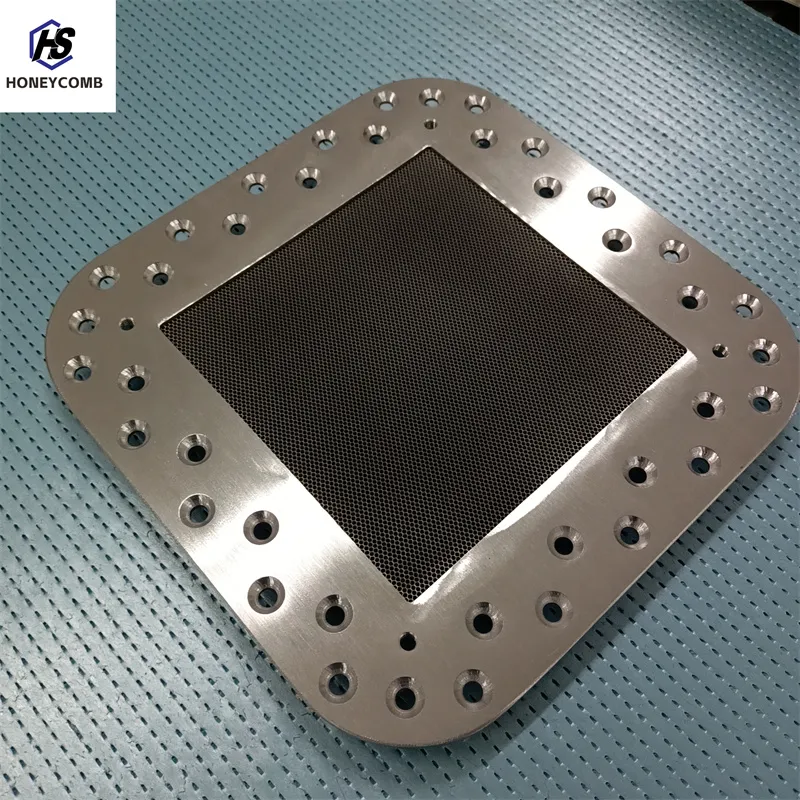
Vendor Comparison and Selection Criteria
Choosing the right supplier for a specialized component like an air straightener intake is crucial for ensuring product quality, performance, and long-term reliability. B2B decision-makers should evaluate vendors based on several critical criteria beyond just price.
- Manufacturing Expertise and Capabilities: Look for vendors with deep experience in precision metal fabrication, particularly with honeycomb structures and stainless steel. Assess their capabilities for CNC machining, specialized welding, and surface treatments.
- Quality Assurance and Certifications: Verify adherence to international quality management standards such as ISO 9001. Product-specific certifications (e.g., for EMI/EMC performance, material specifications) are also vital.
- Customization and Engineering Support: The ability to provide tailored solutions for unique application requirements, including custom dimensions, materials, and mounting options. Strong engineering support during the design and integration phases is a key differentiator.
- Testing and Validation: Vendors should have in-house or third-party testing capabilities for parameters like flow uniformity, pressure drop, and EMI shielding effectiveness, providing verifiable test data.
- Track Record and Client Portfolio: A history of successful projects and partnerships with reputable clients in relevant industries demonstrates proven reliability and authoritativeness.
- Post-Sales Support and Warranty: Comprehensive warranty policies, technical support, and availability of replacement parts are essential for long-term operational peace of mind.
Our company, with years of experience in high-performance shielding and flow control solutions, consistently meets these stringent requirements, providing robust, certified products backed by extensive technical expertise and dedicated customer support.
Customized Solutions and Design Flexibility
Industrial applications rarely fit a 'one-size-fits-all' mold. Therefore, the availability of customized solutions for stainless steel honeycomb panel designs, specifically for air straightener intakes, is paramount. Our engineering team specializes in collaborating with clients to develop bespoke solutions that precisely meet their operational and environmental challenges.
Customization Options Include:
- Dimensions and Shape: Tailored to fit existing ductwork, enclosures, or equipment, including rectangular, circular, or irregular shapes.
- Material Grade: Selection of specific stainless steel grades (e.g., 304, 316, 316L) to optimize for corrosion resistance, temperature tolerance, or specific mechanical properties.
- Cell Size and Panel Thickness: Customizing the honeycomb cell geometry to fine-tune flow straightening characteristics, pressure drop, and EMI shielding effectiveness for particular frequency ranges.
- Frame Design and Mounting: Integration with various mounting flanges, gaskets, and sealing mechanisms to ensure secure installation and environmental integrity.
- Surface Treatments: Application of specialized coatings or finishes for enhanced chemical resistance, improved aesthetics, or specific electrical properties.
- Integrated Components: Ability to integrate additional features such as filters, sensors, or grounding points directly into the air straightener assembly.
Our approach involves a comprehensive consultation, detailed CAD design, CFD (Computational Fluid Dynamics) analysis where necessary, and iterative prototyping to ensure the customized solution performs exactly as required, providing both technical superiority and cost-effectiveness.
Application Case Studies and Customer Experience
Our expertise in providing high-performance flow conditioning and EMI shielding solutions is validated through numerous successful projects and positive client feedback. These case studies demonstrate the tangible benefits of integrating our advanced air straighteners.
Case Study 1: Data Center EMI Shielding Enhancement
A leading global data center operator faced challenges with maintaining electromagnetic compatibility in new server racks while ensuring adequate cooling airflow. Traditional louvered vents provided insufficient EMI attenuation, leading to potential interference with sensitive equipment. We deployed custom-designed air straightener intake units featuring our High Shielding Performance 2.0mm Cell Steel Honeycomb Vent. The solution provided over 90dB of shielding effectiveness at 1 GHz, well exceeding the client's requirements, without impeding airflow. The client reported a significant reduction in system errors attributed to EMI and appreciated the seamless integration into their existing infrastructure.
Case Study 2: Precision Airflow in Automotive Engine Testing
An automotive R&D facility required extremely uniform airflow for their engine intake test rigs to accurately simulate real-world driving conditions and measure fuel efficiency. Prior setups struggled with flow turbulence, yielding inconsistent data. We engineered a large-format stainless steel honeycomb stand, precisely calibrated to produce a laminar flow profile with less than 2% velocity variation across the test section. This resulted in highly reproducible test data, enabling faster and more accurate engine calibration, directly contributing to improved vehicle performance and reduced emissions.
Case Study 3: Corrosion-Resistant Ventilation for Marine Applications
A shipyard needed durable, corrosion-resistant ventilation solutions for naval vessel engine rooms, where salt spray and high humidity are constant challenges. Standard aluminum or galvanized steel vents quickly deteriorated. Our custom air straightener intake, constructed entirely from marine-grade 316L stainless steel, offered exceptional longevity and maintained optimal airflow performance even in the harshest marine environments. The robust design and material choice dramatically reduced maintenance intervals and prolonged the lifespan of the ventilation system.
Trustworthiness and Support: Your Partner in Precision Airflow
At HSHI Honeycomb, our commitment extends beyond delivering superior products. We strive to be a trusted partner, offering comprehensive support and transparency throughout the project lifecycle.
Frequently Asked Questions (FAQ)
-
Q: How do I select the correct cell size for an air straightener intake?
A: The ideal cell size depends on the desired flow uniformity, acceptable pressure drop, and, for EMI/EMC applications, the frequency range of electromagnetic waves to be attenuated. Smaller cells offer finer flow straightening and higher shielding but increase pressure drop. Our engineers can assist in selecting the optimal configuration for your specific needs.
-
Q: What materials are available for your honeycomb air straighteners?
A: Our standard materials include 304 and 316L stainless steel for excellent corrosion resistance and shielding. Other materials can be considered for specialized applications upon request.
-
Q: Can your air straighteners be custom-sized?
A: Absolutely. We specialize in custom solutions, offering a wide range of dimensions, shapes, and frame designs to integrate seamlessly into your existing systems.
-
Q: What is the lead time for custom orders?
A: Lead times vary based on complexity and order volume. For standard custom orders, typical lead times range from 3-6 weeks after design approval. Expedited options are available upon request.
Lead Time & Fulfillment
We maintain efficient production schedules to ensure timely delivery. Standard products typically ship within 2-3 weeks, while custom orders are delivered within 3-6 weeks, depending on design complexity and material availability. Our logistics team works diligently to ensure smooth and secure global delivery.
Warranty Commitments
All our products, including the High Shielding Performance 2.0mm Cell Steel Honeycomb Vent, come with a comprehensive 2-year warranty against manufacturing defects and material failures under normal operating conditions. Our commitment to quality ensures long-term performance and reliability.
Customer Support Information
Our dedicated technical support team is available to assist with product selection, customization queries, installation guidance, and troubleshooting. You can reach us via phone, email, or through our website's contact form. We are committed to providing prompt and knowledgeable assistance to ensure your complete satisfaction.
Conclusion
The role of a meticulously designed air straightener intake is indispensable in modern industrial infrastructure, offering precise flow conditioning and, critically for sensitive electronics, robust EMI/EMC shielding. From optimizing energy efficiency in petrochemical plants to ensuring data integrity in shielded server environments, the technical advantages of stainless steel honeycomb solutions are clear. By partnering with a manufacturer that prioritizes material quality, manufacturing precision, rigorous testing, and customized solutions, businesses can achieve unparalleled operational efficiency, system reliability, and compliance with stringent industry standards. Our commitment to advanced engineering and customer satisfaction makes us the ideal choice for your critical airflow and shielding requirements.
References
- ISO 9001:2015 - Quality management systems — Requirements. International Organization for Standardization.
- IEEE Std 299-2006 - Standard for Measuring the Effectiveness of Electromagnetic Shielding Enclosures. Institute of Electrical and Electronics Engineers.
- ASTM A240/A240M - Standard Specification for Chromium and Chromium-Nickel Stainless Steel Plate, Sheet, and Strip for Pressure Vessels and for General Applications. ASTM International.
- MIL-STD-285 - Attenuation Measurements for Enclosures, Electromagnetic Shielding, for Electronic Test Purposes. U.S. Department of Defense.
- ISO 5167-1:2003 - Measurement of fluid flow by means of pressure differential devices inserted in circular cross-section conduits running full — Part 1: General principles and requirements. International Organization for Standardization.
- ANSI/AMCA 210-99 - Laboratory Methods of Testing Fans for Aerodynamic Performance Rating. Air Movement and Control Association International.

-
Industrial Airflow Guide for maf воздушная правильная машинаNewsApr.16,2026
-
Best maf струйно правильная машина for Industrial EfficiencyNewsApr.09,2026
-
Сотовая правильная машина A Comprehensive Guide to Honey Packing AutomationNewsApr.07,2026
-
Build Your Own DIY газоправильная Машина A Comprehensive Guide to Gas CorrectionNewsApr.04,2026
-
Understanding Кондиционер отопления Systems for Efficient and Comfortable HeatingNewsMar.31,2026
-
Comprehensive Guide to Cellular Blinds Installation Установка сотовых жалюзиNewsMar.28,2026
-
Mobile Aerodynamic Tunnel Design A Comprehensive Guide to Applications and ImplementationNewsMar.26,2026






 English
  Afrikaans
  Albanian
  Amharic
  Arabic
  Armenian
  Azerbaijani
  Basque
  Belarusian
  Bengali
  Bosnian
  Bulgarian
  Catalan
  Cebuano
  China
China  China (Taiwan)
  Corsican
  Croatian
  Czech
Czech  Danish
  Dutch
Dutch  Esperanto
  Estonian
  Finnish
  French
  Frisian
  Galician
  Georgian
  German
  Greek
Greek  Gujarati
  Haitian Creole
  Hausa
Hausa  Hawaiian
  Hebrew
  Hindi
Hindi  Miao
Miao  Indonesian
  Italian
  Japanese
  Javanese
  Malay
Malay  Persian
  Portuguese
  Punjabi
  Russian
  Spanish
  Swahili
  Telugu
  Vietnamese