


Steel Honeycomb: A Perfect Fusion of Structure and Performance
In the field of materials engineering, Steel Honeycomb has become an ideal choice for many industrial scenarios due to its unique honeycomb structure and excellent comprehensive performance. This lightweight and high-strength material processed from steel is emerging in various fields due to its irreplaceable advantages.
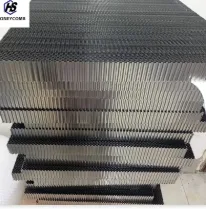
The structural characteristics of Steel Honeycomb are the core support for its performance
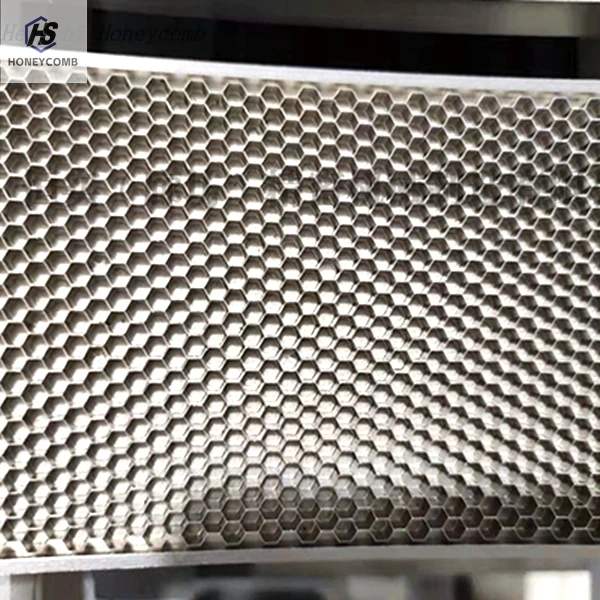
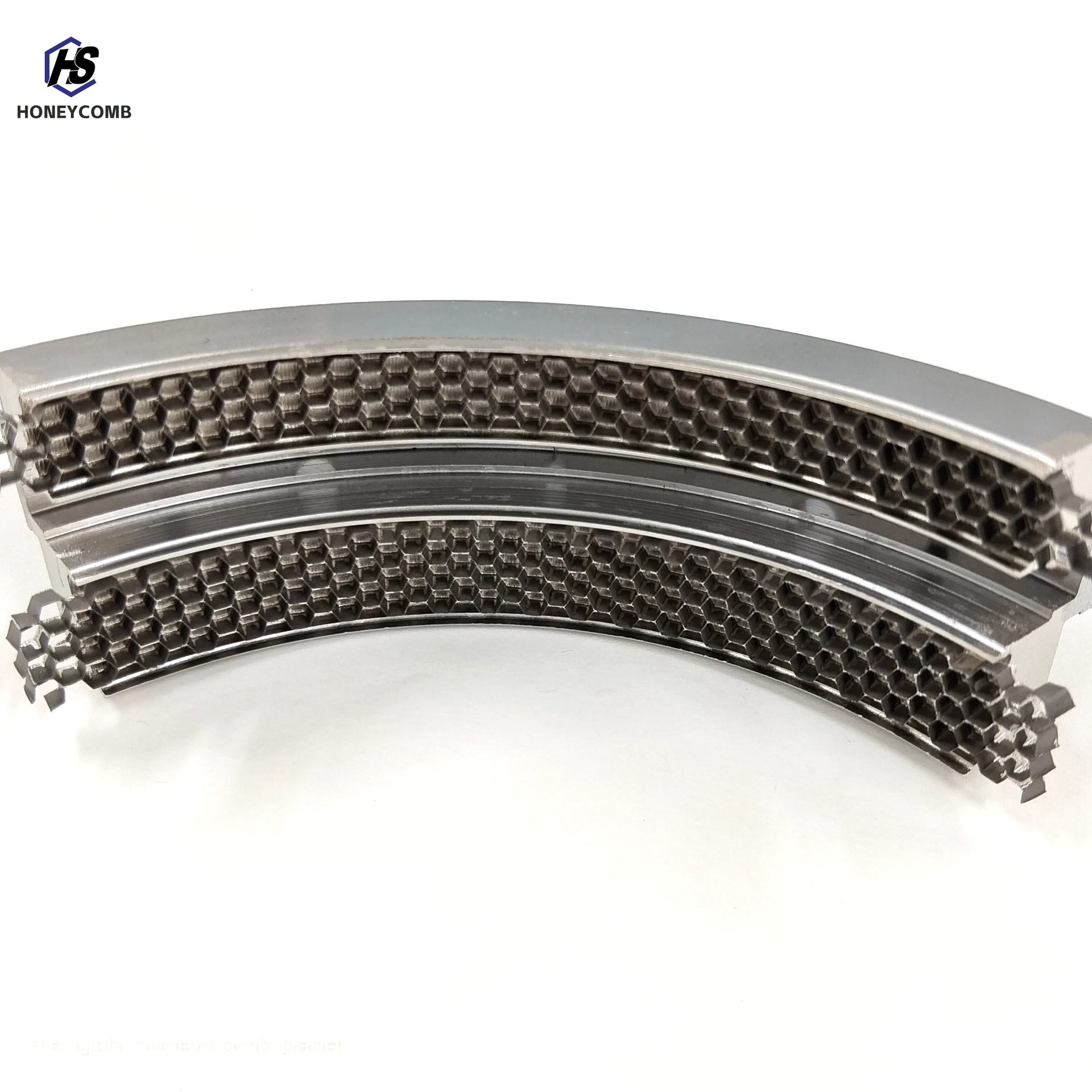
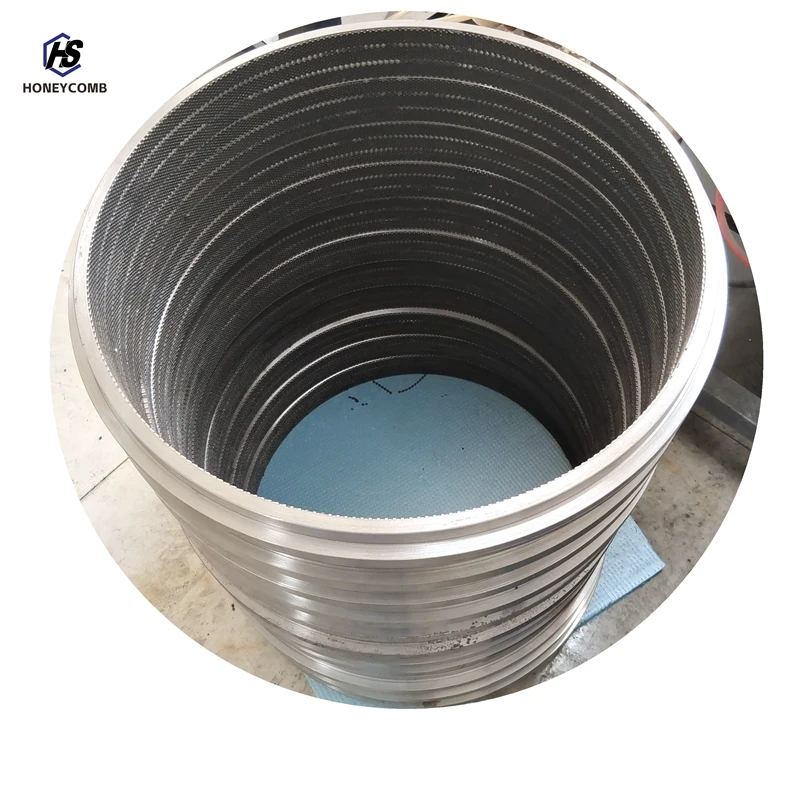
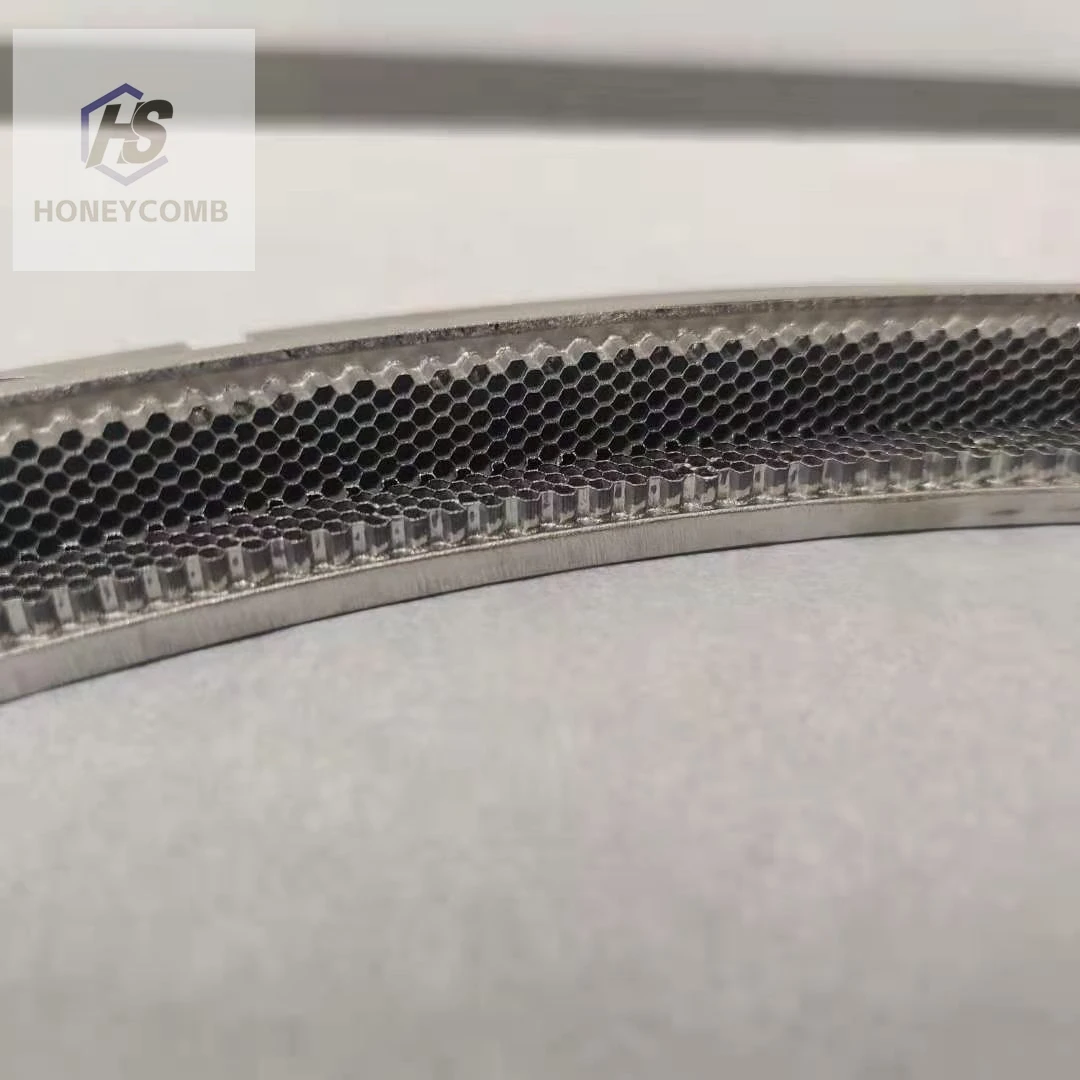
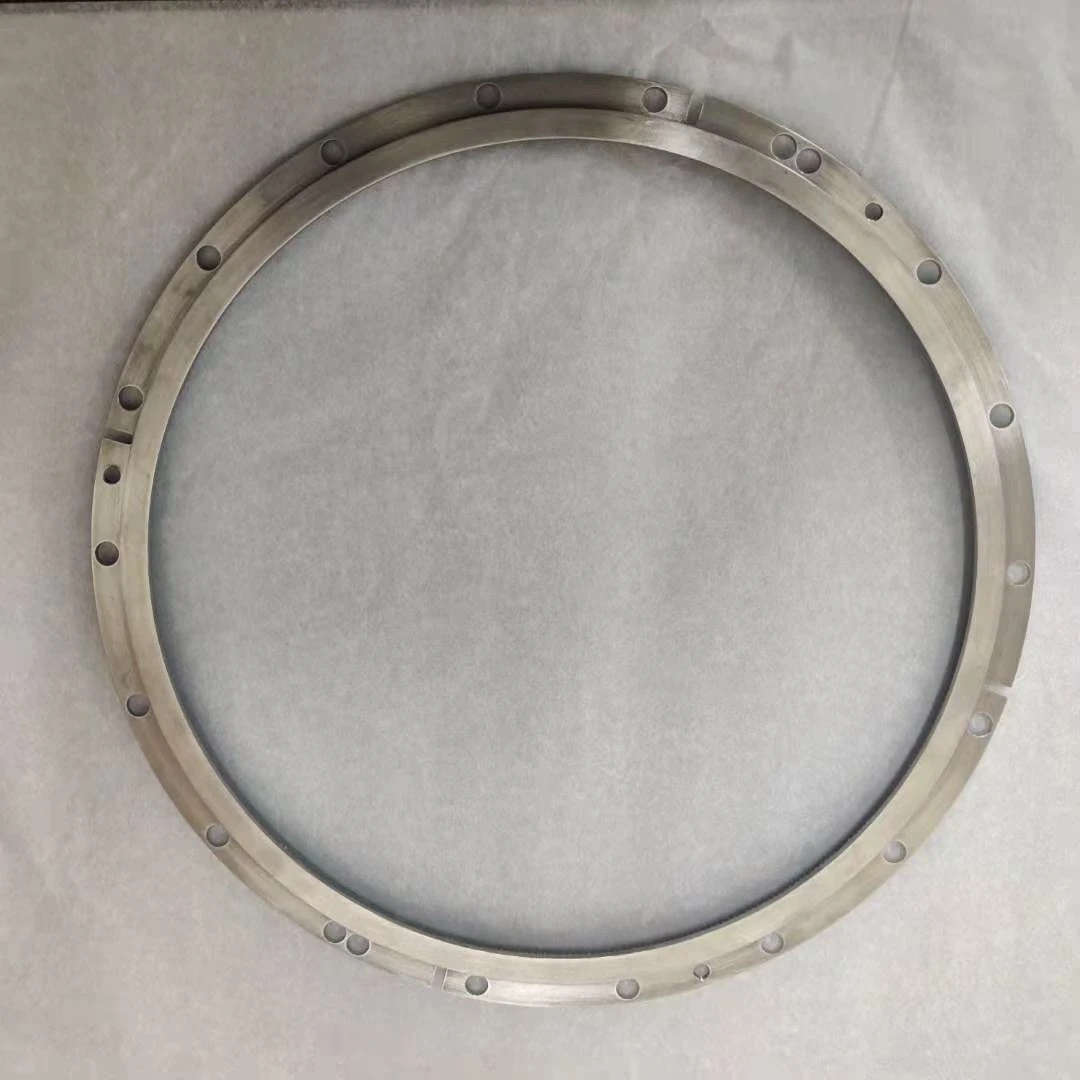
Honeycomb panels are composed of a large number of regularly arranged hexagonal cells, which are connected by precision welding or stamping processes to form a cohesive structure. This structural design not only fully utilizes the strength of steel, but also disperses external forces through honeycomb distribution, allowing the material to evenly transmit forces to the entire structure when subjected to pressure. At the same time, the hollow structure inside the honeycomb greatly reduces the overall weight of the material, achieving a perfect balance between high strength and lightweight.
Steel Honeycomb exhibits many highlights in performance
Industrial honeycomb has particularly outstanding compressive and impact resistance. When subjected to external forces, the honeycomb structure can absorb energy through deformation, effectively resist impacts, and protect internal objects. Moreover, its stability is extremely strong, and its performance is almost unaffected in complex environments such as high and low temperatures, humidity, etc. It is not prone to deformation, corrosion, and other problems like other materials. In addition, Steel Honeycomb also has good sound insulation and thermal insulation performance. The air layer inside the honeycomb can effectively block the transfer of sound and heat, expanding its application range.
The application scenarios of Steel Honeycomb are very extensive
In the field of architecture, steel honeycomb laser bed is often used to make lightweight partition walls, floor slabs, and curtain wall materials, which not only reduces the overall weight of the building, but also ensures the safety and stability of the structure. In the transportation industry, Steel Honeycomb can be used for body and chassis components of cars and trains, reducing vehicle weight while improving collision resistance. In the field of packaging, Steel Honeycomb can provide reliable protection for transportation packaging of precision instruments, valuable equipment, etc., preventing damage to items due to collisions during transportation.
With the continuous advancement of manufacturing technology, the performance of Steel Honeycomb is still being optimized
The application of new welding technology has improved the connection strength between cells, making the overall structure more stable; The upgrading of surface treatment technology has enhanced the corrosion resistance of steel and extended the service life of materials; At the same time, by adjusting the size and wall thickness of the honeycomb cells, steel honeycomb sheet products with different performance can be customized according to different needs, further expanding their application boundaries.
Overall, Steel Honeycomb has become a highly competitive product in the materials field due to its unique structural design, outstanding performance, wide range of application scenarios, and continuous technological upgrades. It not only meets the demand for high-strength and lightweight materials in various industries, but also provides strong support for the development of related fields. I believe that with the continuous development of technology, Steel Honeycomb will play an important role in more fields and demonstrate greater value.
Steel Honeycomb FAQs
What is Steel Honeycomb?
Steel Honeycomb is a lightweight material made by welding or bonding multiple layers of thin steel plates through special processes, with a regular hexagonal honeycomb arrangement inside. This design imitates the high strength and low weight characteristics of honeycomb in nature, and is widely used in aerospace, architectural decoration, and transportation fields, with excellent compressive strength and energy absorption effect.
What are the core advantages of Steel Honeycomb?
The main advantage of Steel Honeycomb lies in its extremely high strength to weight ratio, with a weight much lower than solid steel for the same volume, but able to withstand greater impact forces. Meanwhile, the honeycomb cavity structure can effectively absorb vibration and noise, and has good fire resistance and corrosion resistance, making it suitable for use in extreme environments.
Is the production process of Steel Honeycomb complicated?
The production of Steel Honeycomb requires multiple processes such as precision stamping, welding or bonding, and hot pressing. The core difficulty lies in maintaining the uniformity of cellular units and the stability of the overall structure, which requires high-precision molds and automation equipment. Therefore, the technical threshold is high, but large-scale production can reduce costs.
Can Steel Honeycomb be used for home design?
Absolutely possible. Steel Honeycomb is often used for partition walls, custom furniture, or decorative panels in homes due to its modern appearance and functionality. It not only reduces the heaviness of traditional metal materials, but also achieves personalized design through surface treatments such as baking paint and etching, balancing aesthetics and practicality.
Why is Steel Honeycomb suitable for new energy vehicles?
New energy vehicles have an urgent need for lightweighting, and Steel Honeycomb can significantly reduce body weight to improve range, while its high rigidity can enhance collision safety. Part of the battery pack shell adopts a honeycomb design, which can balance heat dissipation and protection requirements, making it an ideal choice for balancing performance and cost.

-
Industrial Airflow Guide for maf воздушная правильная машинаNewsApr.16,2026
-
Best maf струйно правильная машина for Industrial EfficiencyNewsApr.09,2026
-
Сотовая правильная машина A Comprehensive Guide to Honey Packing AutomationNewsApr.07,2026
-
Build Your Own DIY газоправильная Машина A Comprehensive Guide to Gas CorrectionNewsApr.04,2026
-
Understanding Кондиционер отопления Systems for Efficient and Comfortable HeatingNewsMar.31,2026
-
Comprehensive Guide to Cellular Blinds Installation Установка сотовых жалюзиNewsMar.28,2026
-
Mobile Aerodynamic Tunnel Design A Comprehensive Guide to Applications and ImplementationNewsMar.26,2026






 English
  Afrikaans
  Albanian
  Amharic
  Arabic
  Armenian
  Azerbaijani
  Basque
  Belarusian
  Bengali
  Bosnian
  Bulgarian
  Catalan
  Cebuano
  China
China  China (Taiwan)
  Corsican
  Croatian
  Czech
Czech  Danish
  Dutch
Dutch  Esperanto
  Estonian
  Finnish
  French
  Frisian
  Galician
  Georgian
  German
  Greek
Greek  Gujarati
  Haitian Creole
  Hausa
Hausa  Hawaiian
  Hebrew
  Hindi
Hindi  Miao
Miao  Indonesian
  Italian
  Japanese
  Javanese
  Malay
Malay  Persian
  Portuguese
  Punjabi
  Russian
  Spanish
  Swahili
  Telugu
  Vietnamese