


Steel Honeycomb Core: The Core Component of Lightweight Structure
In the field of material structure, Steel Honeycomb Core, as a unique functional component, has become a core component of many lightweight products with its honeycomb porous structure and excellent performance, providing solid support for various structural components.
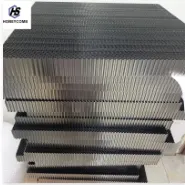
The structural characteristics of Steel Honeycomb Core are the foundation for its functionality
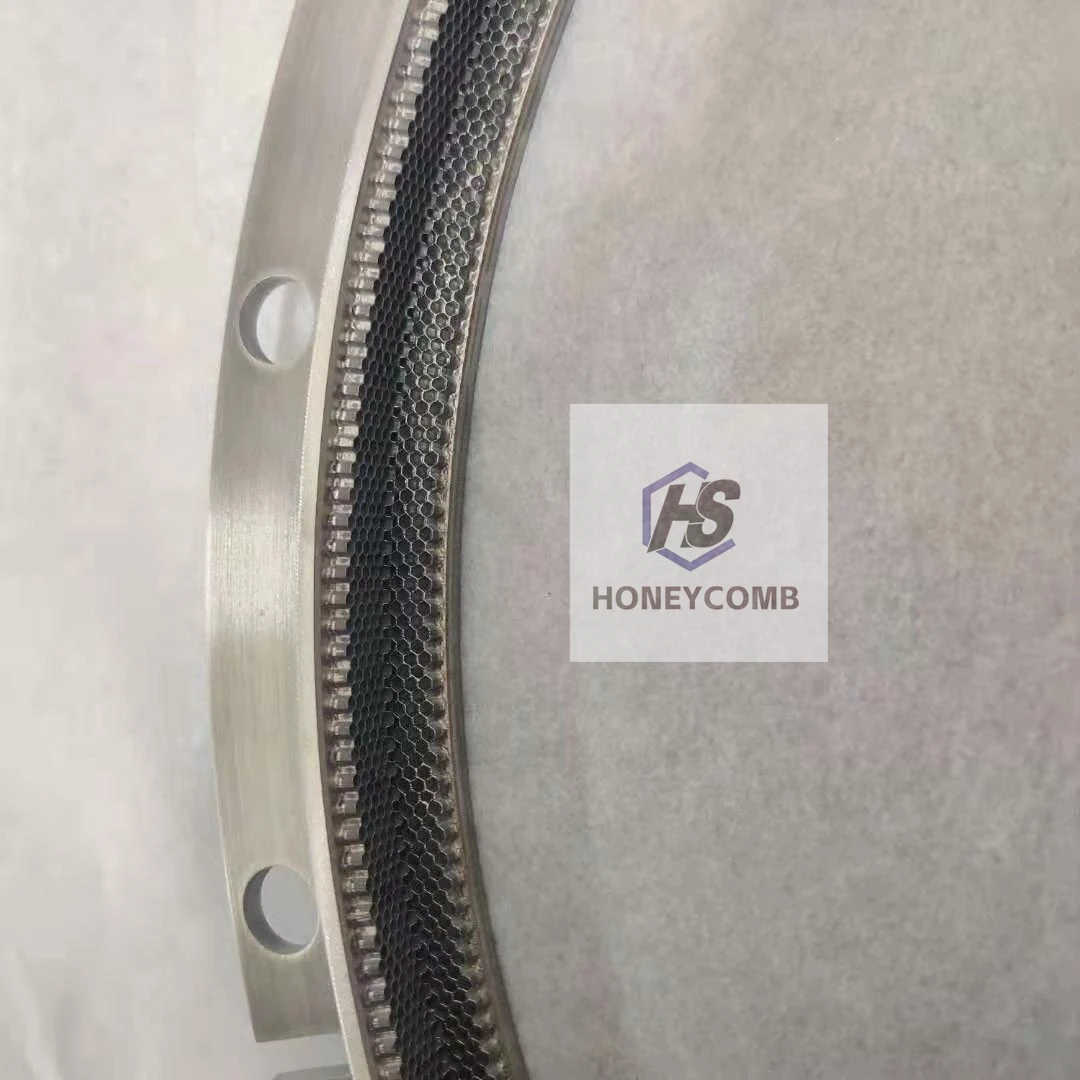
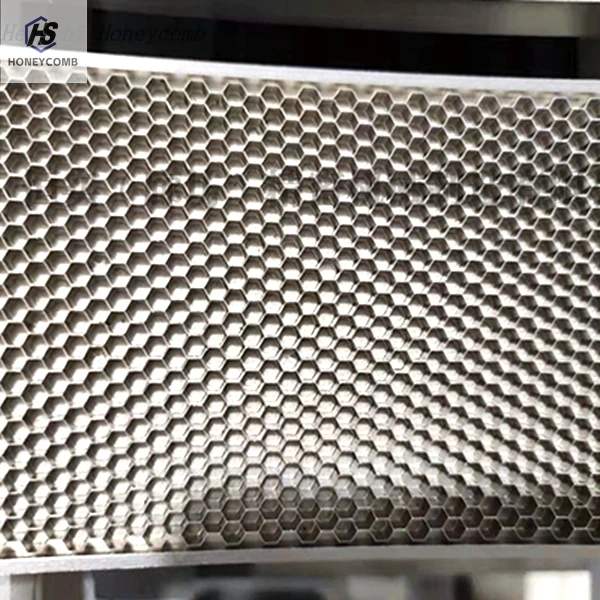
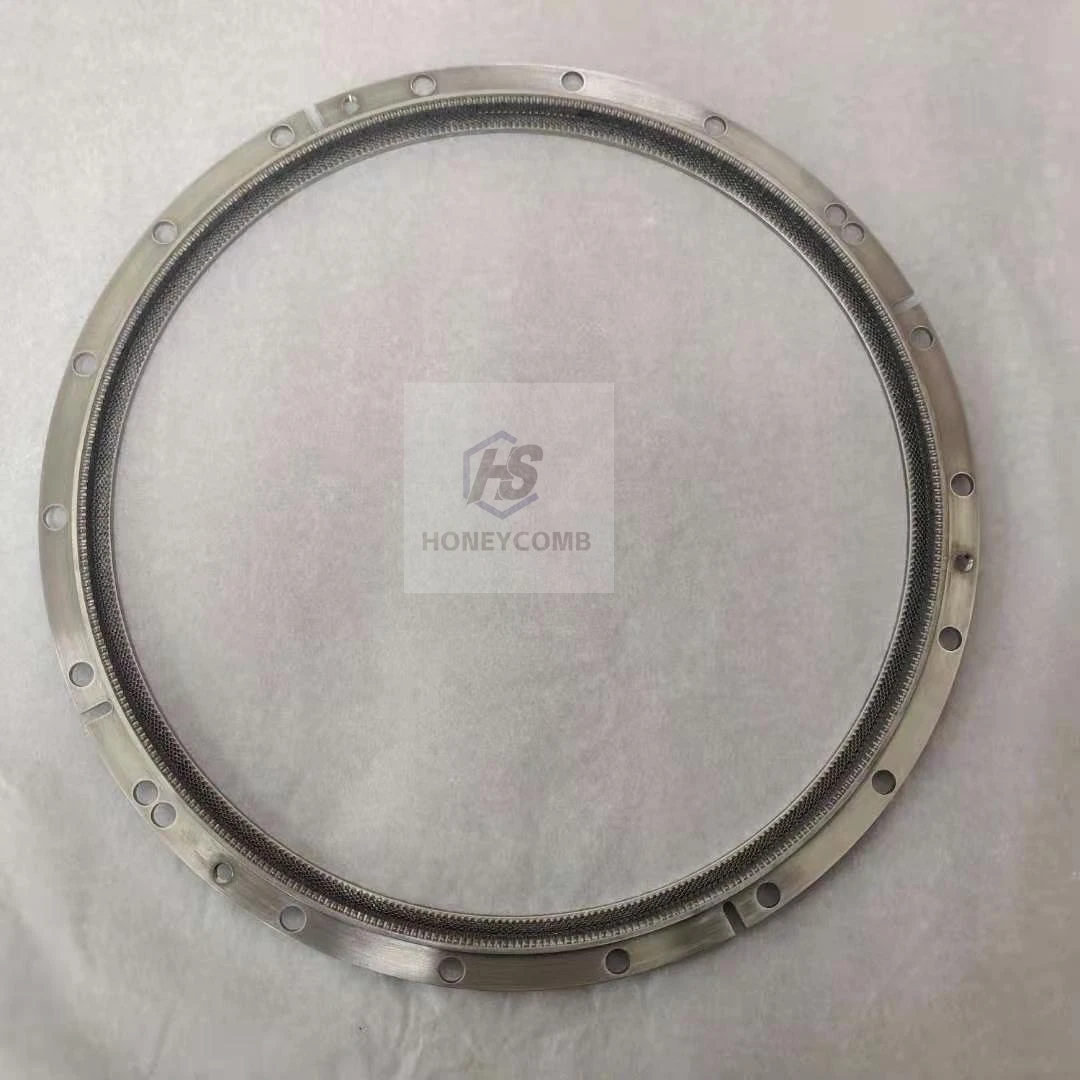
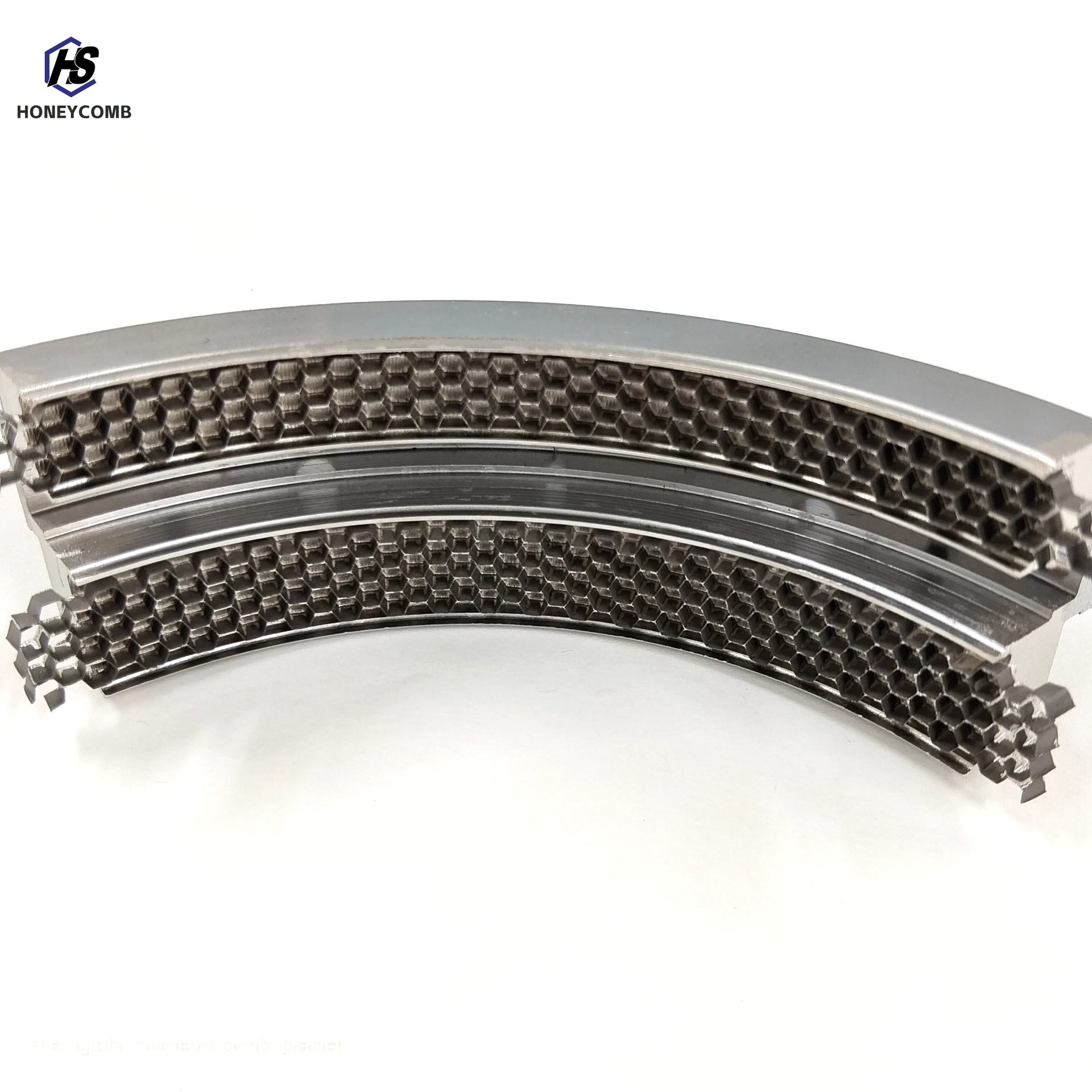
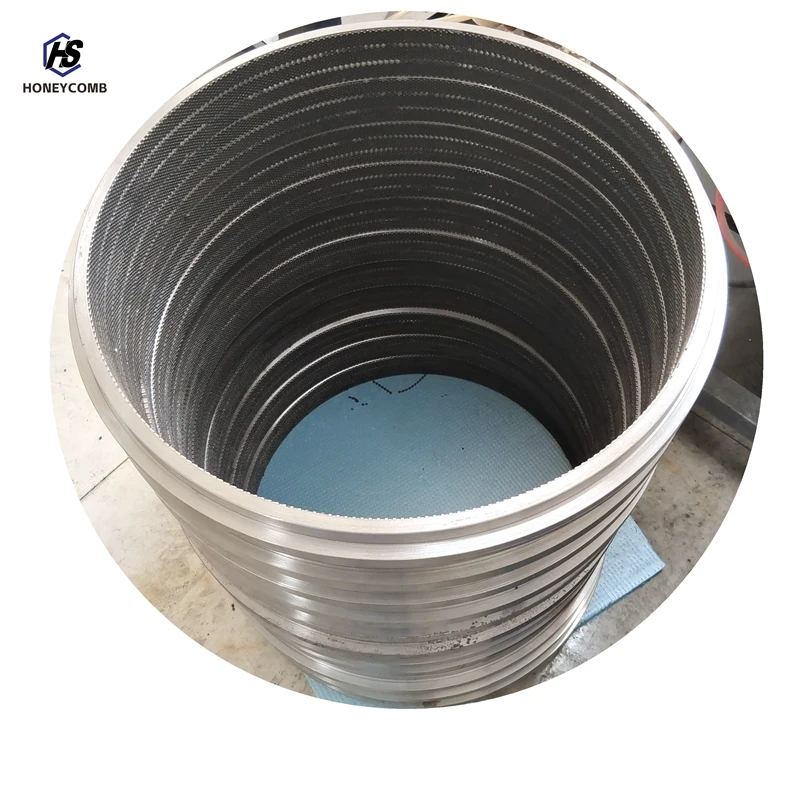
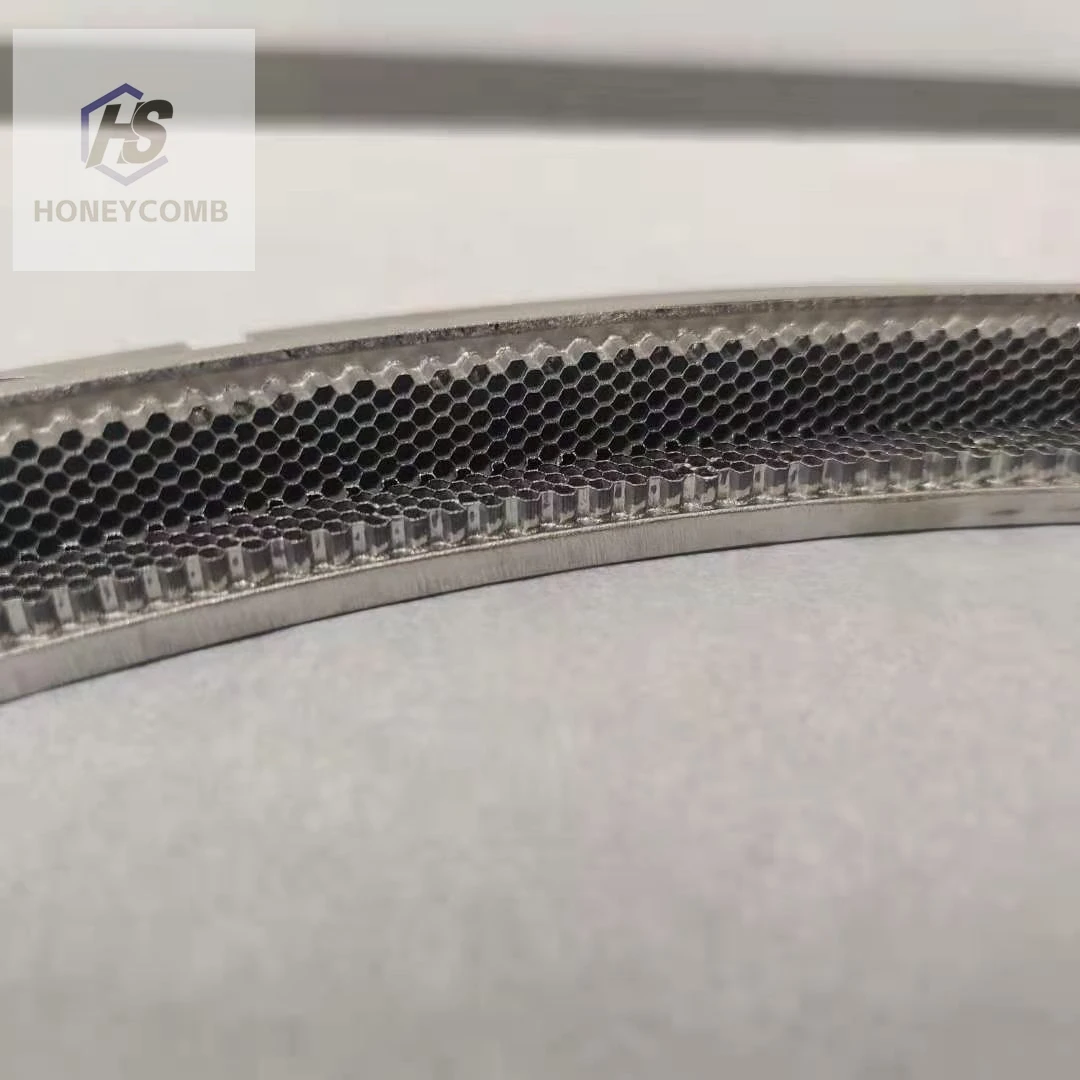
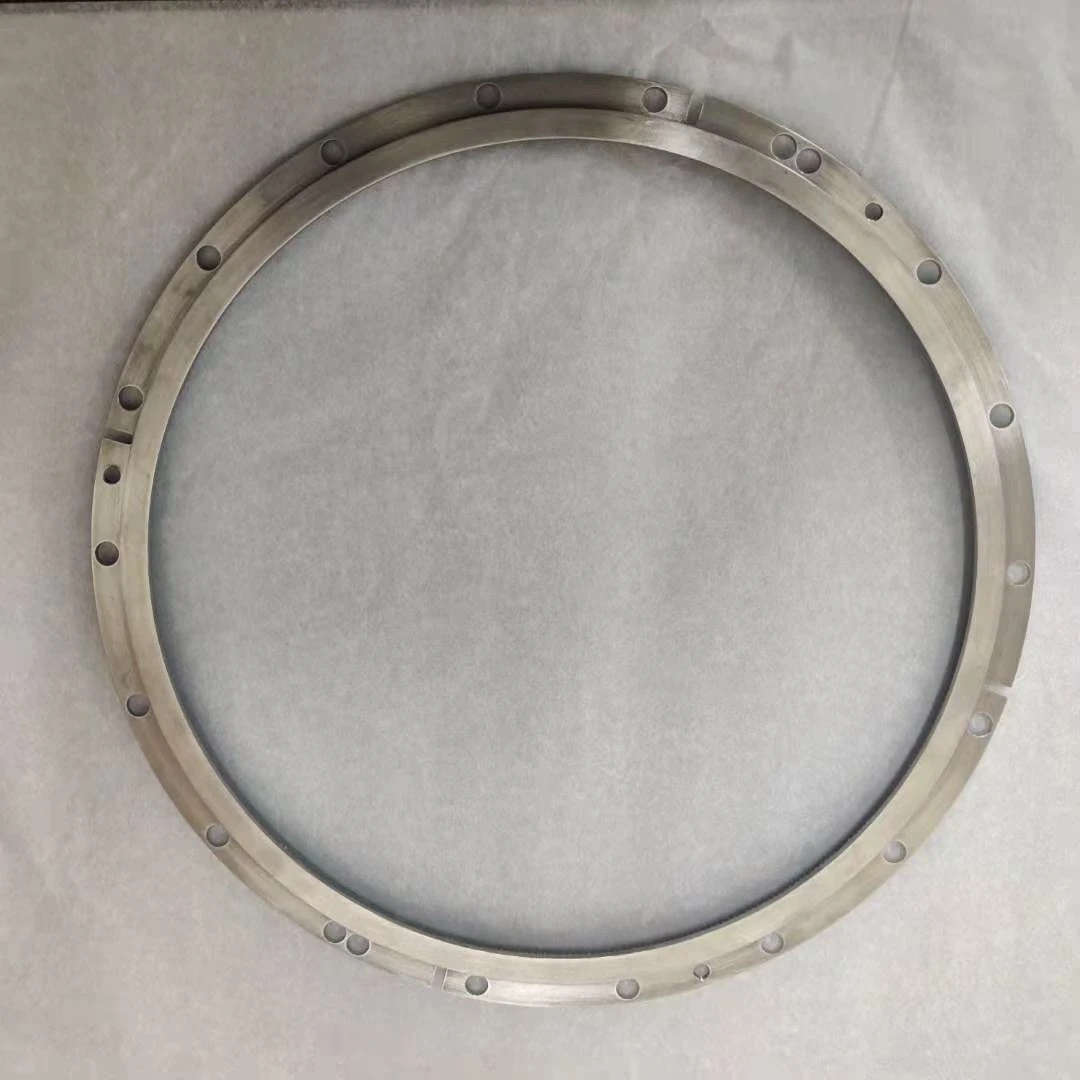
Honeycomb sheet metal is made of high-strength thin steel plates through precision machining, arranged in a hexagonal honeycomb pattern as a whole, with each honeycomb unit connected to form a three-dimensional grid structure. This structural design draws inspiration from the mechanical principles of natural honeycombs, where external forces are evenly transmitted to the entire structure through dispersed force points, significantly reducing its own weight while ensuring strength. The thickness of the steel plate can be adjusted according to demand, ranging from 0.05 millimeters to 0.5 millimeters, and the edge length of the honeycomb unit can also be flexibly customized to meet the load-bearing requirements of different scenarios.
The performance advantages of Steel Honeycomb Core make it occupy an important position in the materials field
The specific strength (strength to weight ratio) of metal honeycomb panels far exceeds that of solid steel, and can withstand greater loads under the same weight, effectively achieving structural lightweighting. At the same time, the air layer inside the honeycomb structure forms a natural buffering space, endowing it with good impact resistance, and can absorb energy through structural deformation when subjected to external forces. In addition, the corrosion resistance and high temperature resistance inherent in steel materials enable Steel Honeycomb Core to maintain stable performance in complex environments such as humidity and high temperatures.
The application scenarios of Steel Honeycomb Core cover multiple fields
In the field of transportation, steel honeycomb sheets are often used as sandwich structures for car bodies and high-speed rail carriages, which can reduce the weight of the car body to reduce energy consumption and improve overall collision resistance; In the field of architectural decoration, it can be used as the core material for partitions and ceilings, simplifying the installation process with its lightweight characteristics, and enhancing the sound insulation effect by utilizing its structural characteristics; In the packaging industry, transportation packaging suitable for precision instruments and valuable equipment protects items from damage through excellent cushioning performance.
With the advancement of manufacturing technology, the production process of Steel Honeycomb Core is constantly upgrading
The application of laser cutting technology has achieved high-precision processing of steel plates, ensuring consistency in the size of honeycomb units; Automated welding processes have improved the connection strength and stability of honeycomb structures; The innovation of surface treatment technology, such as galvanizing, spraying anti-corrosion coatings, etc., further enhances its corrosion resistance and service life, and expands its application scope.
Overall, steel honeycomb panels have become an important component in the field of lightweight structures due to their unique honeycomb structure, outstanding performance advantages, wide application scenarios, and continuously developing manufacturing technology. It achieves structural lightweighting while also considering key indicators such as strength and durability, providing strong support for product innovation in various industries. In the future, with the increasing demand for lightweight and high-performance materials, the application prospects of Steel Honeycomb Core will be even broader.
Steel Honeycomb Core FAQs
What is Steel Honeycomb Core?
Steel Honeycomb Core is a lightweight and high-strength structural material made by welding or bonding multiple layers of thin steel plates through special processes. It presents a regular hexagonal honeycomb structure inside, imitating the mechanical principles of natural honeycombs, and has excellent compressive, bending, and energy absorbing properties. This design significantly reduces weight while ensuring strength, and is widely used in fields such as aerospace and rail transit.
What are the core advantages of Steel Honeycomb Core?
The core advantage of Steel Honeycomb Core lies in its ultra-high strength to weight ratio and excellent energy absorption capacity. The honeycomb structure evenly distributes the load to each unit, and even if there is local damage, it will not affect the overall performance. In addition, it is resistant to high temperatures and corrosion, and its mechanical properties can be customized by adjusting the honeycomb aperture and steel plate thickness to meet different scene requirements.
Is the production process of Steel Honeycomb Core complex?
The manufacturing of Steel Honeycomb Core involves key technologies such as precision rolling, laser welding, or diffusion welding. Firstly, the thin steel plate is pressed into a semi hexagonal groove shape, then the overall honeycomb structure is formed by stacking and welding, and finally the performance is improved by heat treatment and surface treatment. The process difficulty is high, and strict control of welding temperature and material deformation is required to ensure the geometric accuracy and mechanical consistency of the honeycomb unit.
How does Steel Honeycomb Core address the limitations of traditional materials?
Compared to solid steel plates or aluminum alloy sheets, Steel Honeycomb Core increases stiffness by more than three times under the same weight, while reducing material consumption by up to 60%. Its cavity structure can also integrate insulation, sound insulation, or pipeline channel functions, achieving the integration of multiple physical properties. This design breaks through the contradiction of traditional materials being "stronger with weight gain and weaker with weight loss", and is particularly suitable for fields that require strict requirements for lightweight and reliability.
What is the future development trend of Steel Honeycomb Core?
In the future, Steel Honeycomb Core will develop towards multifunctional and intelligent direction. For example, filling phase change materials into honeycomb cavities for thermal management, or embedding sensors to monitor the health status of structures. The application of 3D printing technology may further optimize the honeycomb topology structure, while the introduction of new high-strength steels or titanium alloys will drive breakthroughs in their ultimate performance and meet the demands of cutting-edge fields such as space exploration.

-
Industrial Airflow Guide for maf воздушная правильная машинаNewsApr.16,2026
-
Best maf струйно правильная машина for Industrial EfficiencyNewsApr.09,2026
-
Сотовая правильная машина A Comprehensive Guide to Honey Packing AutomationNewsApr.07,2026
-
Build Your Own DIY газоправильная Машина A Comprehensive Guide to Gas CorrectionNewsApr.04,2026
-
Understanding Кондиционер отопления Systems for Efficient and Comfortable HeatingNewsMar.31,2026
-
Comprehensive Guide to Cellular Blinds Installation Установка сотовых жалюзиNewsMar.28,2026
-
Mobile Aerodynamic Tunnel Design A Comprehensive Guide to Applications and ImplementationNewsMar.26,2026






 English
  Afrikaans
  Albanian
  Amharic
  Arabic
  Armenian
  Azerbaijani
  Basque
  Belarusian
  Bengali
  Bosnian
  Bulgarian
  Catalan
  Cebuano
  China
China  China (Taiwan)
  Corsican
  Croatian
  Czech
Czech  Danish
  Dutch
Dutch  Esperanto
  Estonian
  Finnish
  French
  Frisian
  Galician
  Georgian
  German
  Greek
Greek  Gujarati
  Haitian Creole
  Hausa
Hausa  Hawaiian
  Hebrew
  Hindi
Hindi  Miao
Miao  Indonesian
  Italian
  Japanese
  Javanese
  Malay
Malay  Persian
  Portuguese
  Punjabi
  Russian
  Spanish
  Swahili
  Telugu
  Vietnamese