


Stainless Steel Honeycomb: An Innovative Structural Material That Combines Strength and Lightness
In the field of materials science, Stainless Steel Honeycomb has become an ideal choice for many industrial scenarios due to its unique honeycomb structure and excellent performance. This material combines the sturdy properties of stainless steel with the lightweight advantages of honeycomb structure, opening up new dimensions of material applications.
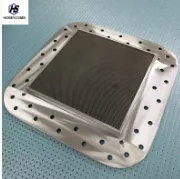
The structural design of Stainless Steel Honeycomb is a perfect fusion of nature and engineering
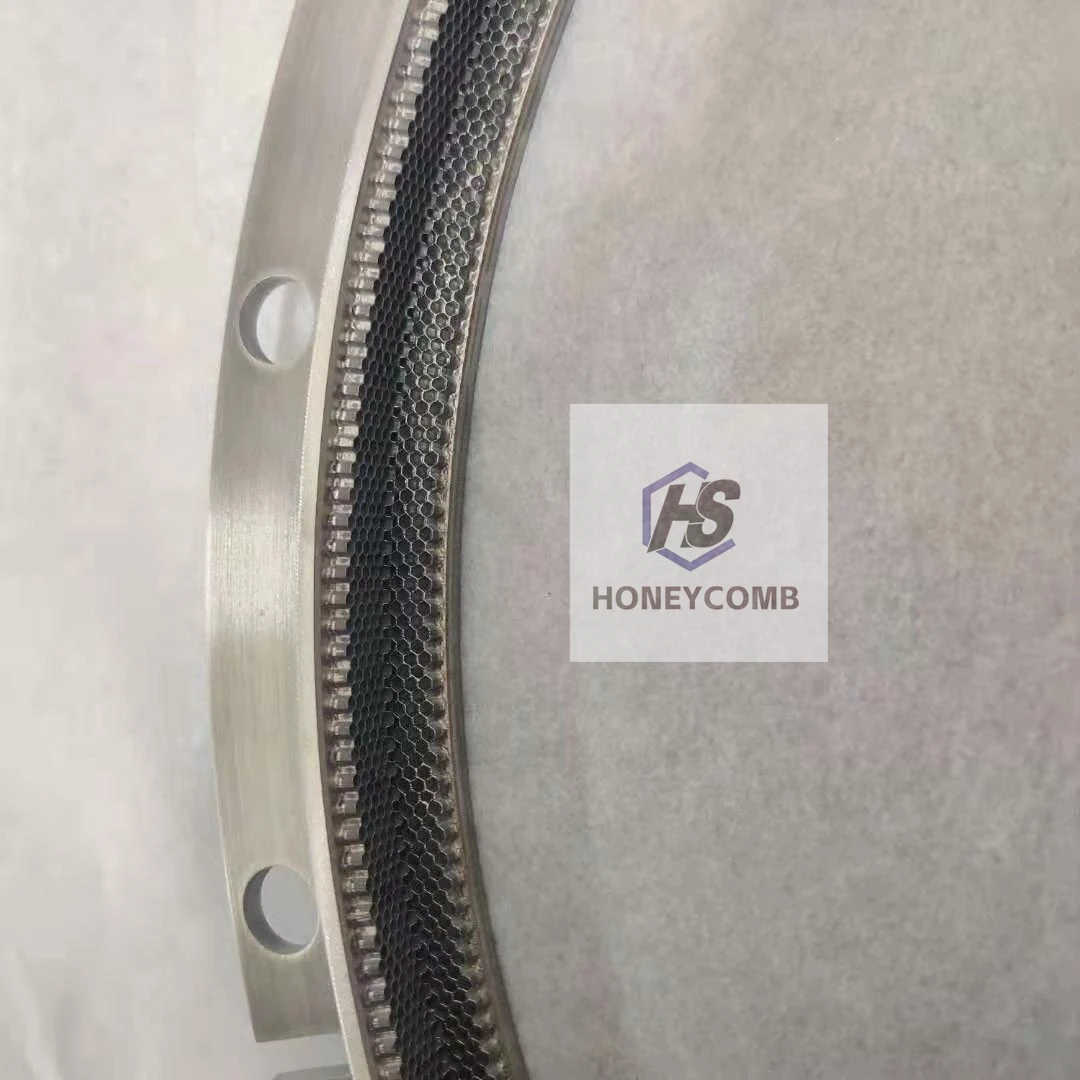
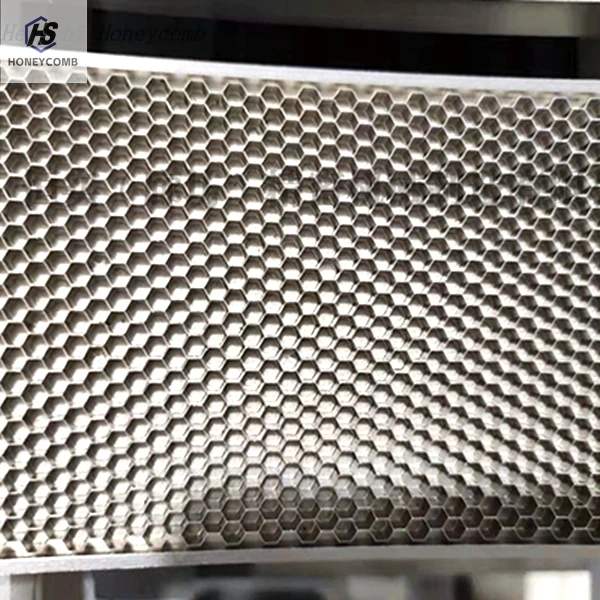
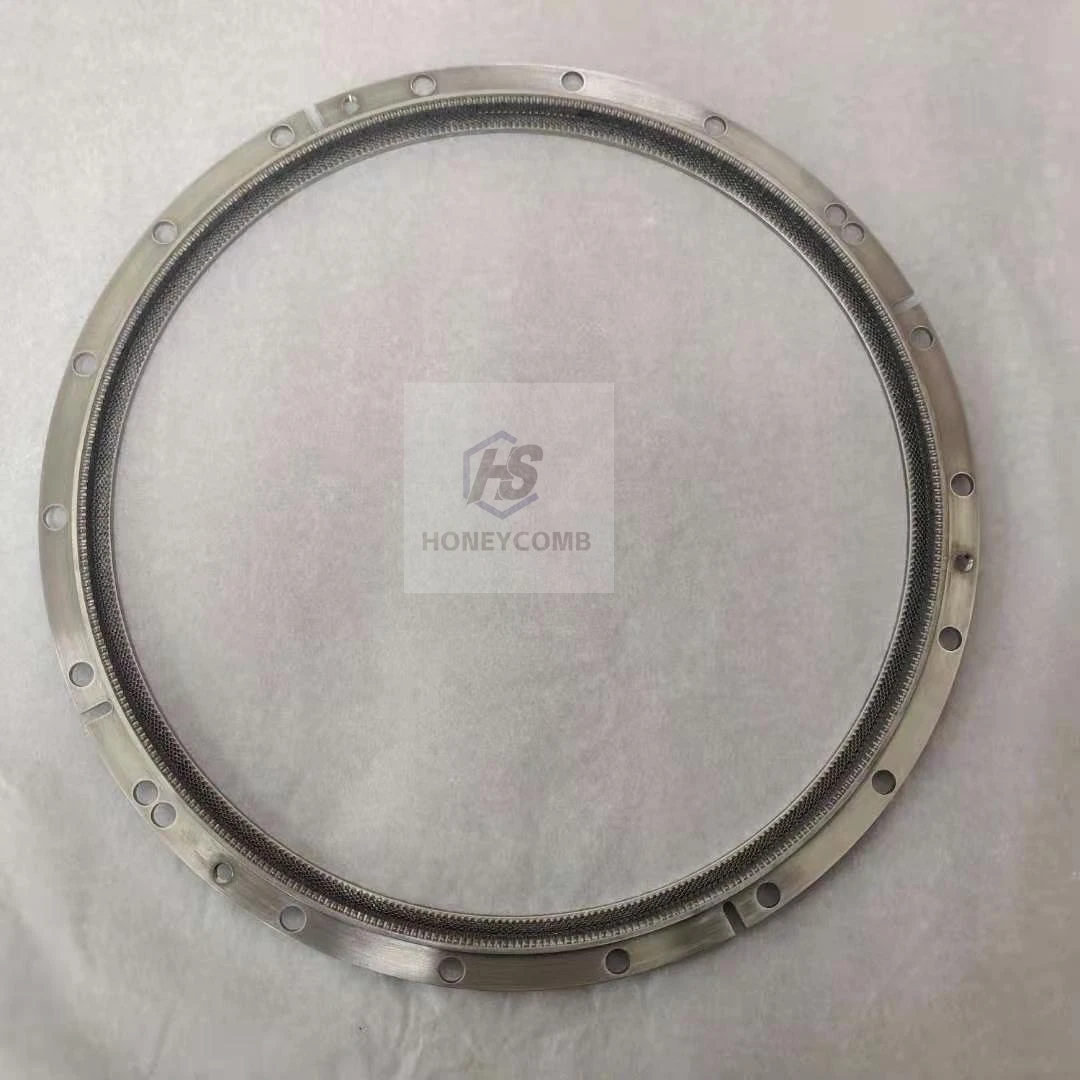
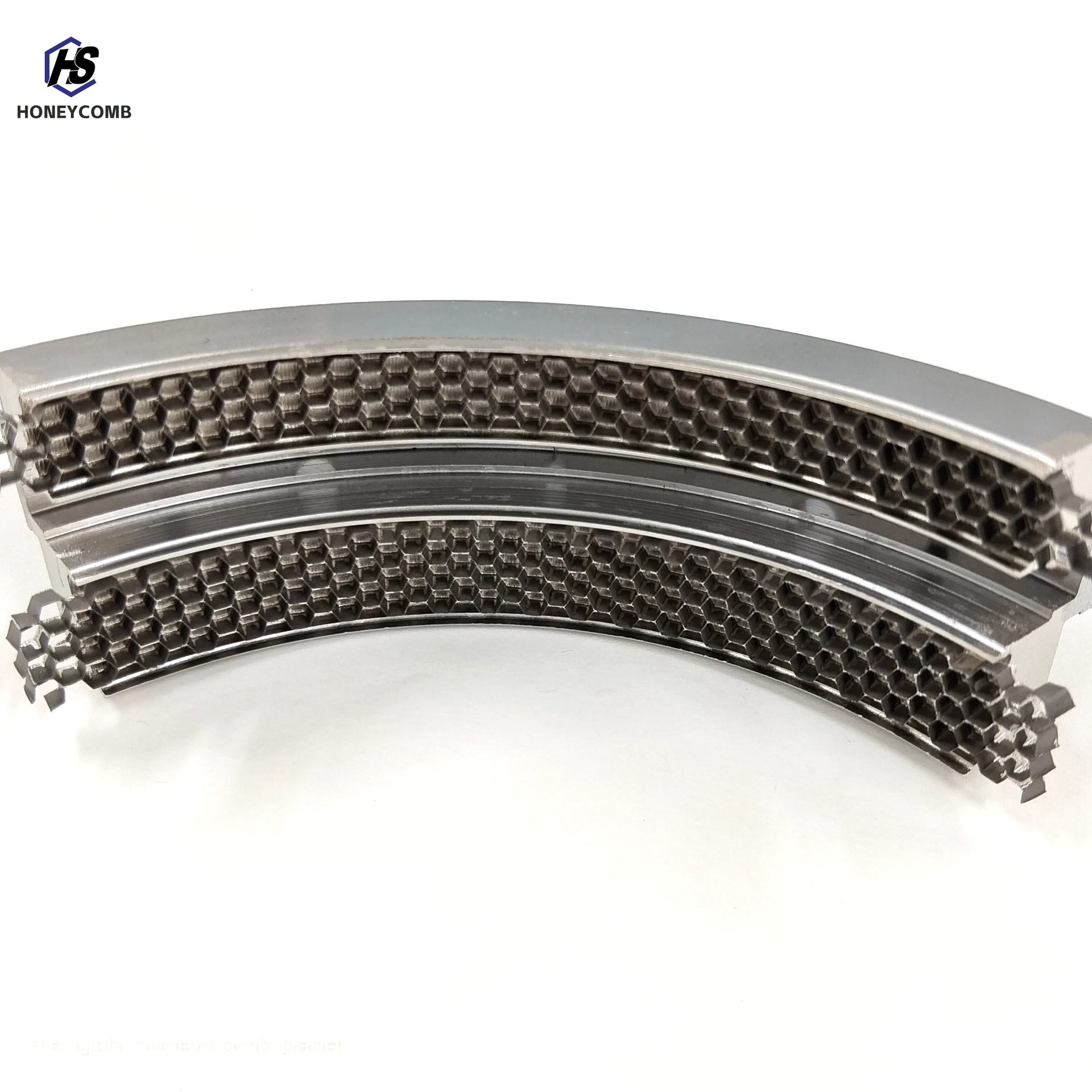
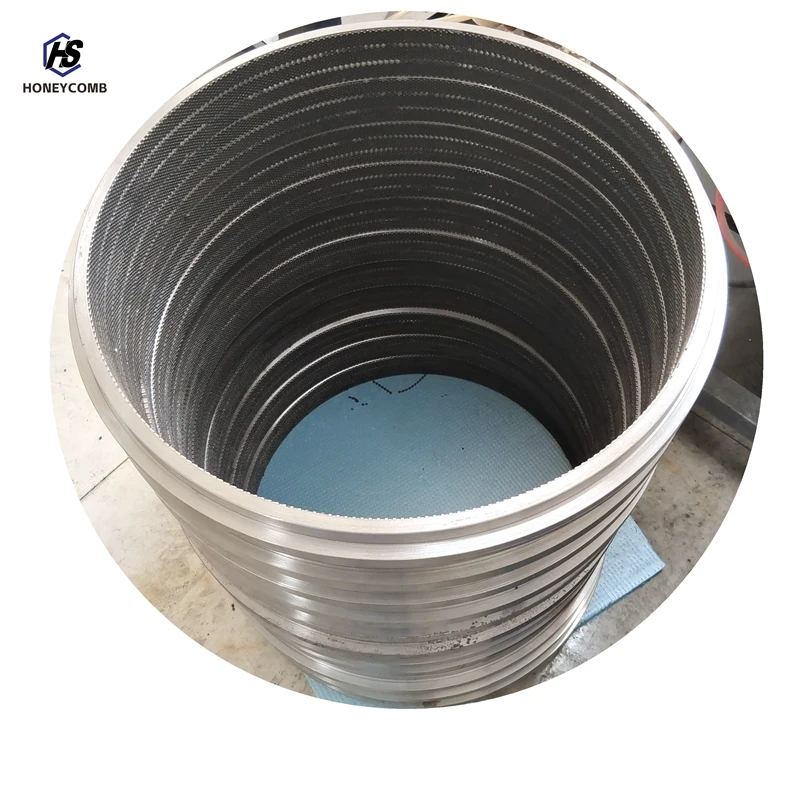
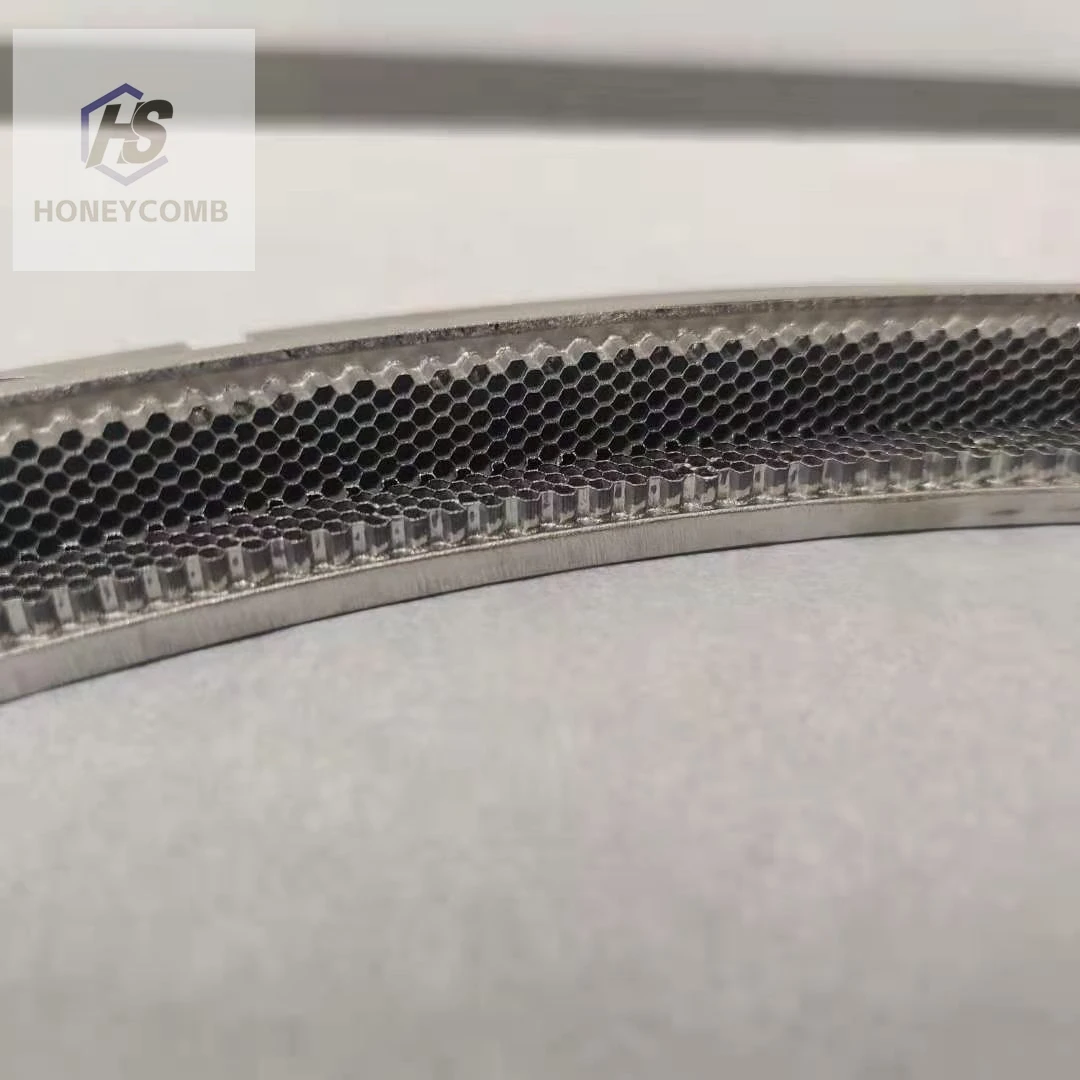
The Stainless Steel Honeycomb consists of two layers of stainless steel sheets and a honeycomb core in the middle. The honeycomb core is in a hexagonal grid shape, which is derived from the biomimetic design of the honeycomb. Hexagonal grids are interconnected to form countless independent closed units, which not only disperse external impacts but also reduce overall weight. The upper and lower stainless steel sheets are connected to the honeycomb core using high-precision welding technology, ensuring the stability and integrity of the entire structure while maintaining the lightweight characteristics of the material.
The performance advantages of Stainless Steel Honeycomb are very significant
Honeycomb waveguide has an extremely high strength to weight ratio, and at the same weight, its strength far exceeds that of traditional solid stainless steel materials. It can withstand significant pressure and impact forces, making it suitable for scenarios that require high structural strength. In addition, it has good thermal and sound insulation properties, and the air layer in the honeycomb core can effectively block heat transfer and sound propagation, performing well in fields such as construction and transportation. Moreover, stainless steel material endows it with excellent corrosion resistance and high temperature resistance, which can maintain stable performance for a long time even in humid, high temperature or corrosive environments.
The application scenarios of Stainless Steel Honeycomb are extensive and diverse
In the field of architecture, EMI shielded air vents are commonly used to make curtain wall panels, partitions, and ceilings, which not only meet the load-bearing and safety requirements of buildings, but also reduce their own weight and energy consumption; In the field of rail transit, it can be used as a material for train body and interior, reducing energy consumption with its lightweight characteristics, and improving passenger comfort through sound insulation performance; In the aerospace industry, due to its high strength and resistance to extreme environments, it has become an ideal material for satellite components, aircraft interiors, and more.
With the development of technology, the production process of Stainless Steel Honeycomb is continuously optimized
The application of laser welding technology has improved the connection accuracy and stability of honeycomb structures; The development of new stainless steel alloy materials has further enhanced their corrosion resistance and strength; The customized production capacity is also increasing, and the size, thickness, and board specifications of honeycomb cores can be adjusted according to the needs of different fields to meet diverse application requirements.
In summary, honeycomb plates have become an innovative model in the field of materials due to their unique honeycomb structure, excellent comprehensive performance, and wide range of application scenarios. It provides efficient and reliable material solutions for the development of various industries while meeting the requirements of strength, lightweight, and environmental resistance. With the continuous advancement of technology, the application prospects of Stainless Steel Honeycomb will be even broader, playing an important role in more fields.
Stainless Steel Honeycomb FAQs
What are the unique physical properties of Stainless Steel Honeycomb structure?
The Stainless Steel Honeycomb structure has excellent properties such as high strength, lightweight, corrosion resistance, and high temperature resistance. Its internal honeycomb design significantly improves the specific strength of the material, allowing it to withstand large mechanical loads while maintaining structural stability. This structure also has excellent impact resistance and energy absorption capacity, and is commonly used in fields that require shock absorption and buffering.
Why choose stainless steel as the substrate for Stainless Steel Honeycomb structure?
Stainless steel is an ideal material for honeycomb structures due to its excellent corrosion resistance and environmental adaptability. Compared to aluminum alloys or other metals, stainless steel can maintain stable performance in humid, acidic, alkaline, or high-temperature environments for a long time without the need for additional coating protection. In addition, the weldability and processability of stainless steel enable high-precision forming of honeycomb units through brazing or diffusion welding processes.
What are the applications of Stainless Steel Honeycomb in the field of environmental protection?
Stainless Steel Honeycomb can be used as a catalyst carrier for automotive exhaust purification or industrial waste gas treatment, and its porous structure can effectively increase the reaction contact area. In sewage treatment, honeycomb structures can serve as biofilm supports to promote microbial degradation of pollutants. Its characteristics of repeatable cleaning and high-temperature regeneration also meet the needs of circular economy.
How to process and manufacture Stainless Steel Honeycomb core materials?
The manufacturing process mainly includes two steps: foil forming and welding. First, press the ultra-thin stainless steel foil into semi hexagonal ripples, and then use laminated brazing to form firm honeycomb nodes between the foils. Modern technology can use laser cutting or photochemical etching to achieve micron level precision honeycomb cells, followed by heat treatment to eliminate processing stress and improve strength.
How does the Stainless Steel Honeycomb structure reflect its design value in architectural decoration?
Architects use their transparency and modular features to create dynamic facade effects, and honeycomb units can be processed into curved or irregular structures. Sunlight passing through holes of different depths produces gradient light and shadow, while the metallic texture of the material itself endows the space with modern industrial aesthetics. Some designs will also embed LED light strips inside the honeycomb cavity to achieve a lighting effect where the light is visible but not visible.

-
Industrial Airflow Guide for maf воздушная правильная машинаNewsApr.16,2026
-
Best maf струйно правильная машина for Industrial EfficiencyNewsApr.09,2026
-
Сотовая правильная машина A Comprehensive Guide to Honey Packing AutomationNewsApr.07,2026
-
Build Your Own DIY газоправильная Машина A Comprehensive Guide to Gas CorrectionNewsApr.04,2026
-
Understanding Кондиционер отопления Systems for Efficient and Comfortable HeatingNewsMar.31,2026
-
Comprehensive Guide to Cellular Blinds Installation Установка сотовых жалюзиNewsMar.28,2026
-
Mobile Aerodynamic Tunnel Design A Comprehensive Guide to Applications and ImplementationNewsMar.26,2026






 English
  Afrikaans
  Albanian
  Amharic
  Arabic
  Armenian
  Azerbaijani
  Basque
  Belarusian
  Bengali
  Bosnian
  Bulgarian
  Catalan
  Cebuano
  China
China  China (Taiwan)
  Corsican
  Croatian
  Czech
Czech  Danish
  Dutch
Dutch  Esperanto
  Estonian
  Finnish
  French
  Frisian
  Galician
  Georgian
  German
  Greek
Greek  Gujarati
  Haitian Creole
  Hausa
Hausa  Hawaiian
  Hebrew
  Hindi
Hindi  Miao
Miao  Indonesian
  Italian
  Japanese
  Javanese
  Malay
Malay  Persian
  Portuguese
  Punjabi
  Russian
  Spanish
  Swahili
  Telugu
  Vietnamese