

- Afrikaans
- Albanian
- Amharic
- Arabic
- Armenian
- Azerbaijani
- Basque
- Belarusian
- Bengali
- Bosnian
- Bulgarian
- Catalan
- Cebuano
- China
- China (Taiwan)
- Corsican
- Croatian
- Czech
- Danish
- Dutch
- English
- Esperanto
- Estonian
- Finnish
- French
- Frisian
- Galician
- Georgian
- German
- Greek
- Gujarati
- Haitian Creole
- hausa
- hawaiian
- Hebrew
- Hindi
- Miao
- Indonesian
- Italian
- Japanese
- Javanese
- Malay
- Persian
- Portuguese
- Punjabi
- Russian
- Spanish
- Swahili
- Telugu
- Vietnamese


Honeycomb Wind Tunnel: An Innovative Device for Precise Airflow Simulation
In the research of aerodynamics in aerospace, automotive engineering and other fields, Honeycomb Wind Tunnel has become a key equipment for simulating complex airflow environments with its unique structural design and precise airflow control capabilities, providing a reliable experimental platform for aerodynamic performance testing of various products.

The core structure of Honeycomb Wind Tunnel embodies exquisite engineering design
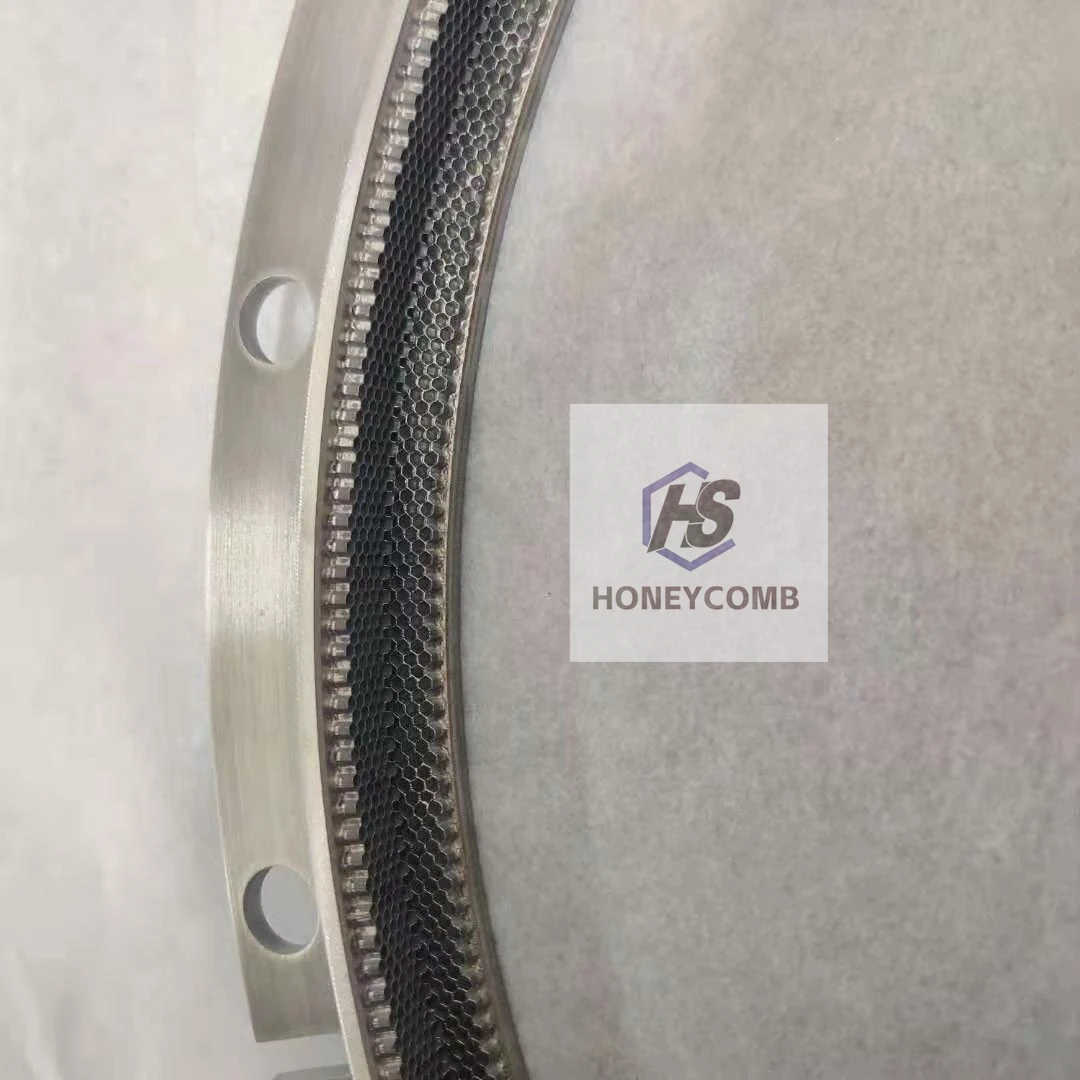
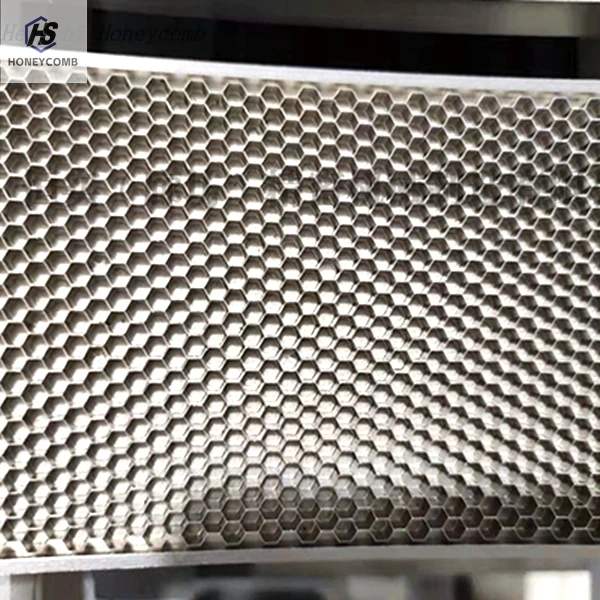
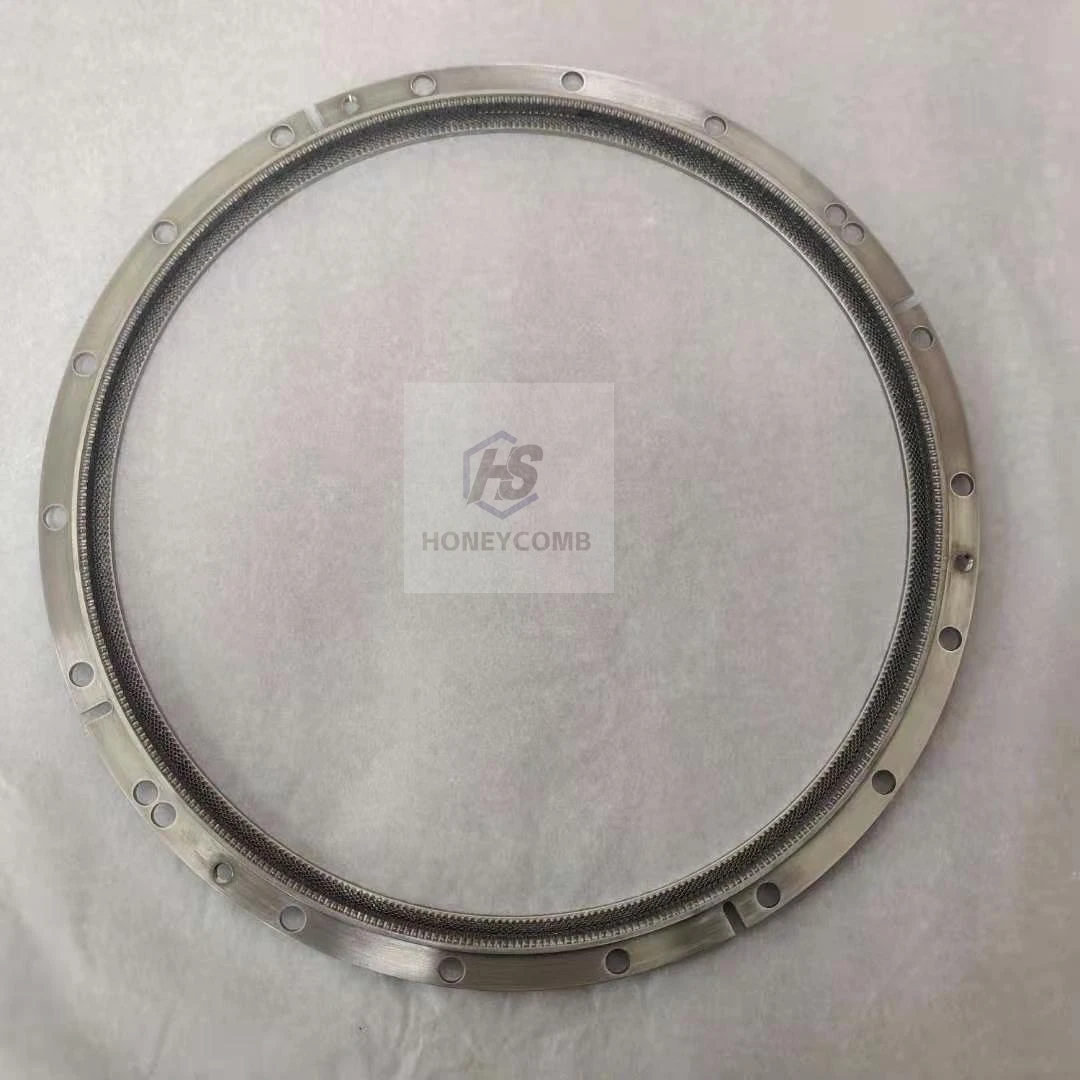
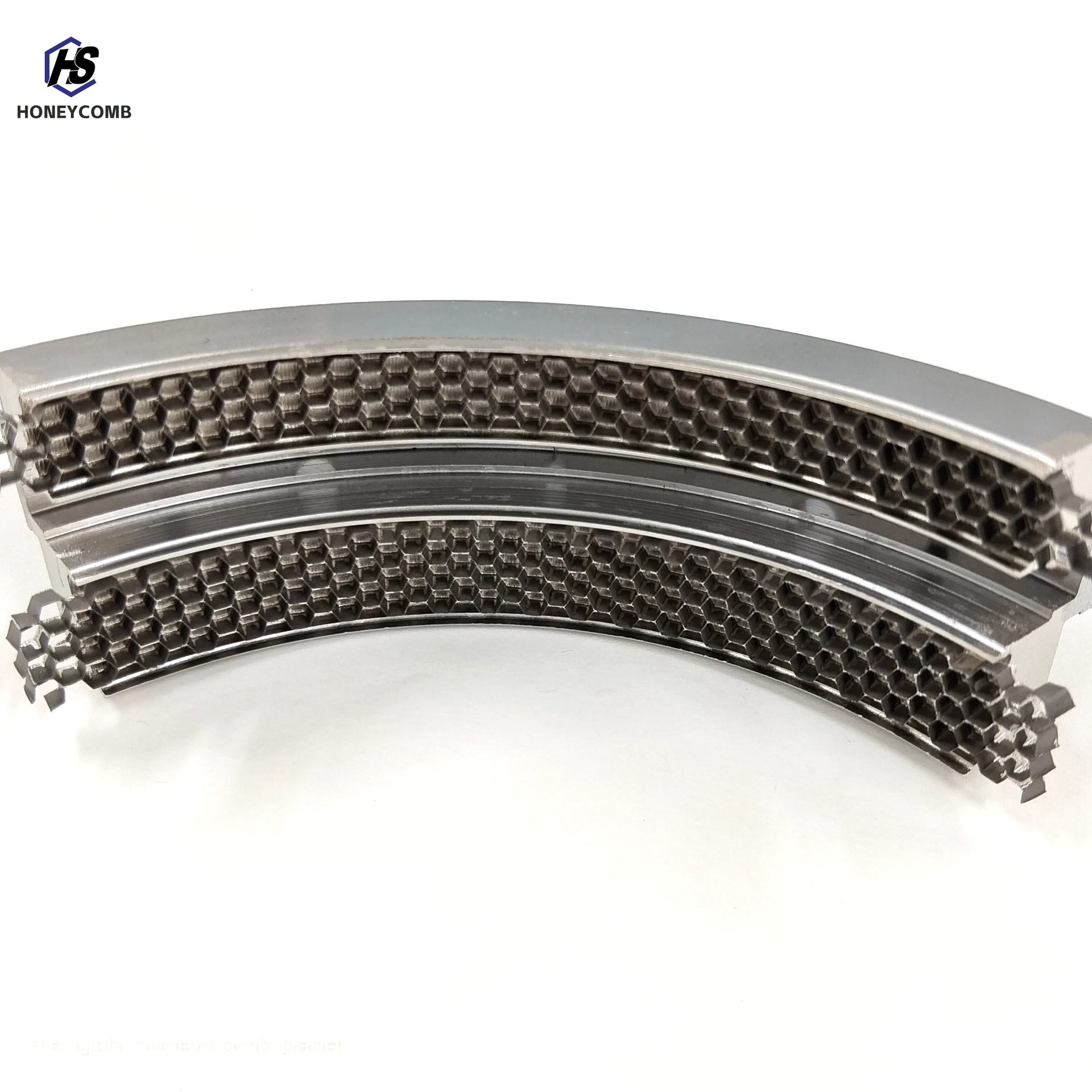
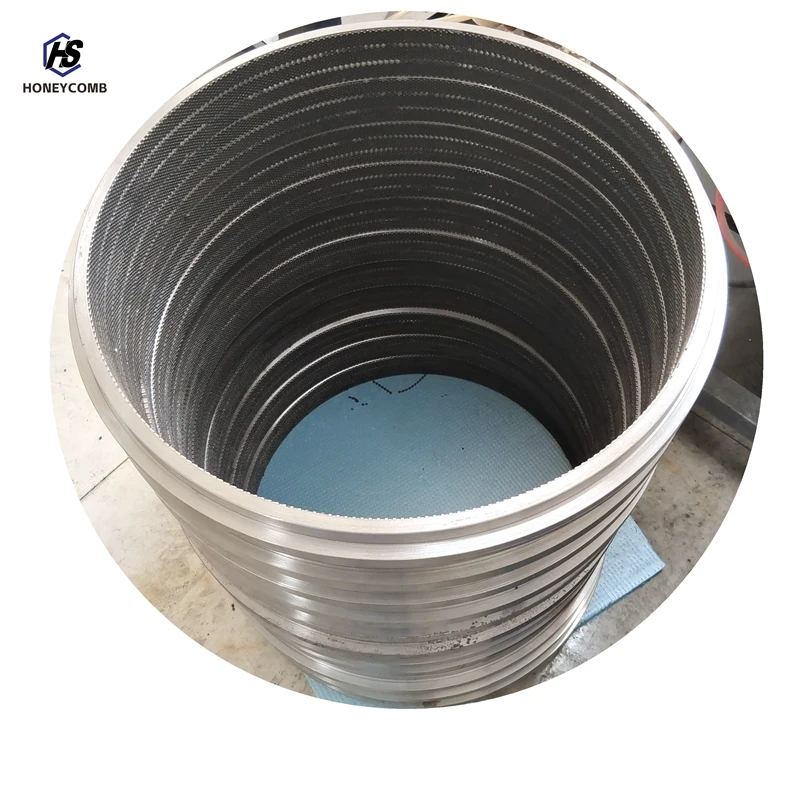
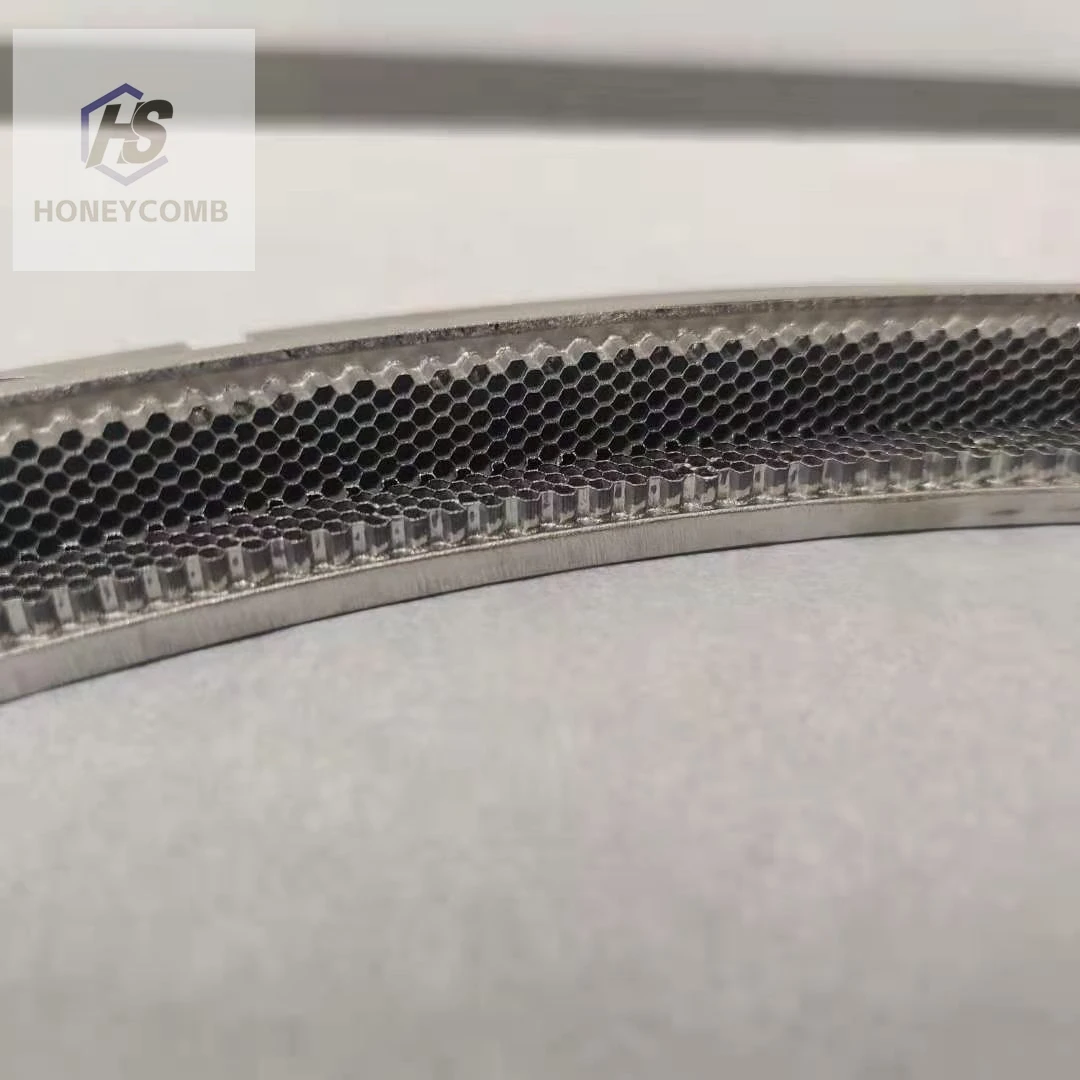
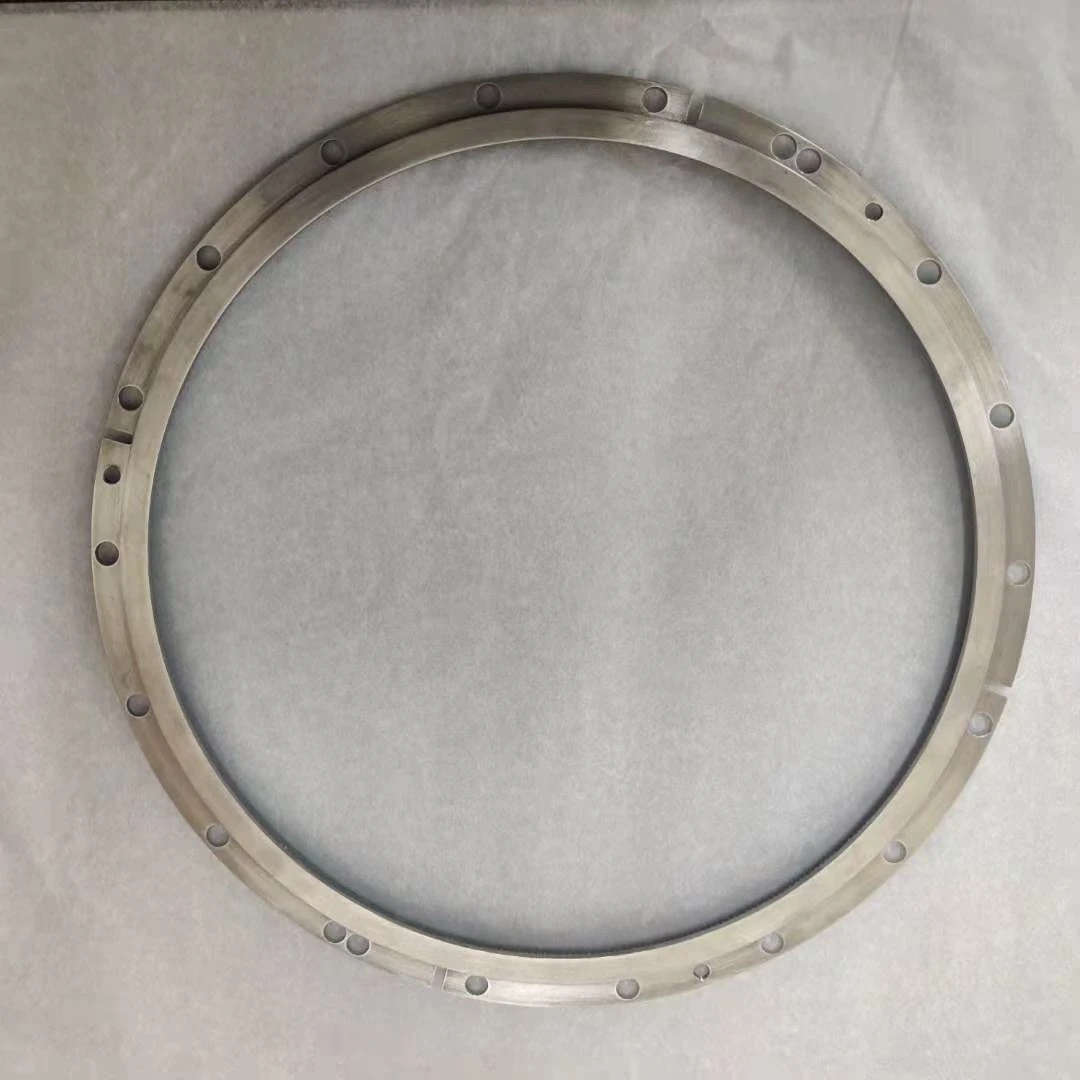
The honeycomb in wind tunnel body consists of an intake section, a honeycomb rectifier section, a contraction section, an experimental section, a diffusion section, and a power section. The honeycomb rectifier section is the most distinctive part, which is equipped with a large number of hexagonal honeycomb units inside. These units are made of lightweight alloy materials and arranged in a neat manner. The size and density of the honeycomb unit are customized according to experimental requirements, which can effectively streamline turbulent airflow and transform irregular airflow into smooth and uniform laminar flow. The intake section is responsible for introducing external air, the contraction section accelerates the airflow through a special curved surface design, the experimental section provides a stable airflow environment for testing, the diffusion section reduces the airflow velocity, and the power section is provided with continuous airflow power by a high-power fan.
The performance advantage of Honeycomb Wind Tunnel makes it perform excellently in airflow simulation
The wind tunnel honeycomb design can create a highly stable airflow field, with an airflow uniformity error controlled within 1%, meeting the stringent requirements of high-precision experiments on airflow environments. At the same time, its airflow speed adjustment range is wide, which can simulate different airflow states from low speed to high speed, covering various airflow conditions in practical application scenarios. In addition, the equipment operates with low noise and low energy consumption, ensuring experimental accuracy while also considering energy-saving and environmental protection characteristics.
Honeycomb Wind Tunnel plays an important role in multiple research and engineering fields
In the aerospace field, HVAC air flow straightener can be used for aerodynamic performance testing of aircraft models, studying the forces of airflow on wings and fuselage, and providing data support for the optimization design of aircraft; In automotive engineering, it is possible to simulate the airflow environment during vehicle operation, test the drag coefficient of the vehicle body, and assist in the development of more energy-efficient and stable car models; In terms of construction engineering, it can simulate the impact of strong winds on bridges and high-rise buildings, providing experimental basis for structural wind resistance design.
With the development of technology, the Honeycomb Wind Tunnel technology is also constantly innovating
The application of intelligent control systems enables the Air Straightener Honeycomb to monitor airflow parameters in real-time and automatically adjust fan power, cellular unit status, etc., achieving precise control of the airflow environment. The use of new materials, such as high-strength composite materials to make honeycomb units, further enhances the stability and service life of the equipment. The combination of numerical simulation technology and physical wind tunnels has also improved experimental efficiency and data accuracy.
In summary, Honeycomb Wind Tunnel has become an indispensable and important equipment in airflow dynamics research due to its unique structural design, excellent performance characteristics, wide application scenarios, and continuous technological innovation. It provides a precise and reliable experimental environment for aerodynamic performance testing of various products, promoting technological development in related fields. In the future, with the continuous improvement of accuracy and efficiency requirements for airflow simulation, Honeycomb Wind Tunnel will play an important role in more fields and provide strong support for technological progress.
Honeycomb Wind Tunnel FAQs
What is Honeycomb Wind Tunnel?
Honeycomb Wind Tunnel is a specially designed aerodynamic testing equipment, with a core structure using a honeycomb shaped rectifier grille. This design can effectively homogenize the airflow, reduce turbulence and eddies, and provide a stable and accurate airflow environment for aircraft, cars, or building models. The high-strength characteristics of the honeycomb structure also ensure the durability of the wind tunnel under high-speed airflow.
What are the advantages of Honeycomb Wind Tunnel compared to traditional wind tunnels?
Traditional wind tunnels rely on complex deflectors and contraction sections to stabilize airflow, while Honeycomb Wind Tunnel directly decomposes large-scale eddies through honeycomb rectifiers, improving airflow uniformity by over 40%. Its modular design is also easy to maintain, and the lightweight characteristics of the honeycomb structure reduce operating energy consumption, making it suitable for long-term high-precision experiments.
How does the honeycomb structure of Honeycomb Wind Tunnel affect the testing accuracy of the wind tunnel?
The hexagonal units of the honeycomb structure can regulate the direction of airflow like optical lenses, transforming randomly pulsating airflow into laminar flow. Experiments have shown that this design can control the deviation angle error of airflow within ± 0.2 °, ensuring the accuracy of Reynolds number simulation, and is particularly suitable for microscale aerodynamic research.
What types of models is Honeycomb Wind Tunnel suitable for testing?
From aerodynamic noise analysis of drone rotors to crosswind stability testing of high-speed rail models, the Honeycomb Wind Tunnel covers a wide speed range (0.3-100m/s) from low to subsonic speeds. Its low turbulence characteristics are particularly suitable for studying the wind environment of wind turbine blades or building clusters that are sensitive to airflow.
What are the special requirements for the manufacturing materials of Honeycomb Wind Tunnel?
Usually, aviation grade aluminum alloy or carbon fiber composite materials are used, which not only need to meet the processing accuracy of 0.1mm for honeycomb units, but also need to withstand temperature changes of over 200 ℃. Some supersonic models will use titanium alloy honeycomb cores, combined with shock-absorbing coatings to suppress high-frequency airflow resonance.

-
Industrial Airflow Guide for maf воздушная правильная машинаNewsApr.16,2026
-
Best maf струйно правильная машина for Industrial EfficiencyNewsApr.09,2026
-
Сотовая правильная машина A Comprehensive Guide to Honey Packing AutomationNewsApr.07,2026
-
Build Your Own DIY газоправильная Машина A Comprehensive Guide to Gas CorrectionNewsApr.04,2026
-
Understanding Кондиционер отопления Systems for Efficient and Comfortable HeatingNewsMar.31,2026
-
Comprehensive Guide to Cellular Blinds Installation Установка сотовых жалюзиNewsMar.28,2026
-
Mobile Aerodynamic Tunnel Design A Comprehensive Guide to Applications and ImplementationNewsMar.26,2026






 English
  Afrikaans
  Albanian
  Amharic
  Arabic
  Armenian
  Azerbaijani
  Basque
  Belarusian
  Bengali
  Bosnian
  Bulgarian
  Catalan
  Cebuano
  China
China  China (Taiwan)
  Corsican
  Croatian
  Czech
Czech  Danish
  Dutch
Dutch  Esperanto
  Estonian
  Finnish
  French
  Frisian
  Galician
  Georgian
  German
  Greek
Greek  Gujarati
  Haitian Creole
  Hausa
Hausa  Hawaiian
  Hebrew
  Hindi
Hindi  Miao
Miao  Indonesian
  Italian
  Japanese
  Javanese
  Malay
Malay  Persian
  Portuguese
  Punjabi
  Russian
  Spanish
  Swahili
  Telugu
  Vietnamese