

- Afrikaans
- Albanian
- Amharic
- Arabic
- Armenian
- Azerbaijani
- Basque
- Belarusian
- Bengali
- Bosnian
- Bulgarian
- Catalan
- Cebuano
- China
- China (Taiwan)
- Corsican
- Croatian
- Czech
- Danish
- Dutch
- English
- Esperanto
- Estonian
- Finnish
- French
- Frisian
- Galician
- Georgian
- German
- Greek
- Gujarati
- Haitian Creole
- hausa
- hawaiian
- Hebrew
- Hindi
- Miao
- Indonesian
- Italian
- Japanese
- Javanese
- Malay
- Persian
- Portuguese
- Punjabi
- Russian
- Spanish
- Swahili
- Telugu
- Vietnamese


Honeycomb Strips: Functional materials with multiple outstanding properties
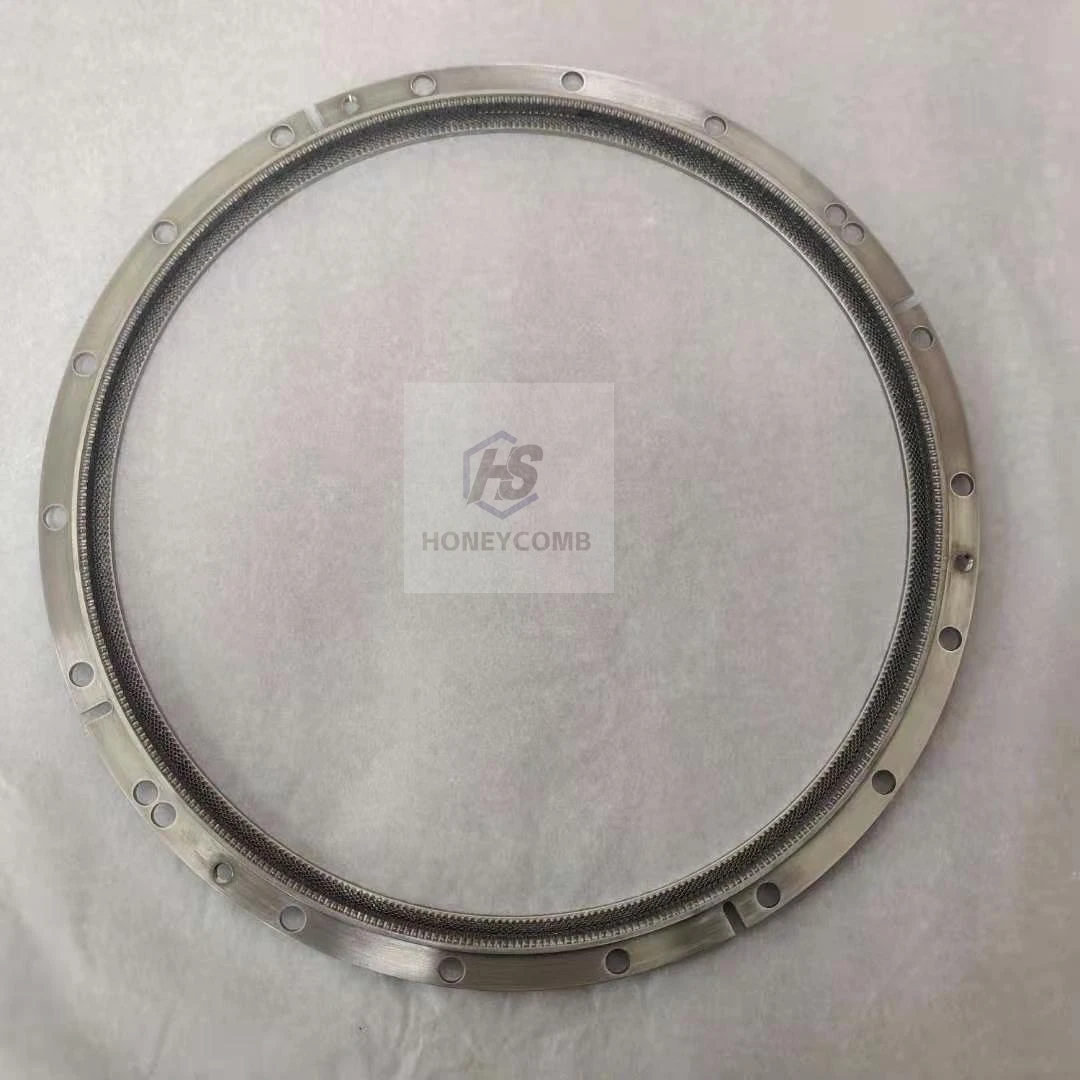
Honeycomb Strips, as a functional material with a unique honeycomb structure, exhibit excellent aerodynamic sealing, heat resistance, and durability in multiple fields, becoming an indispensable key component in many scenarios.
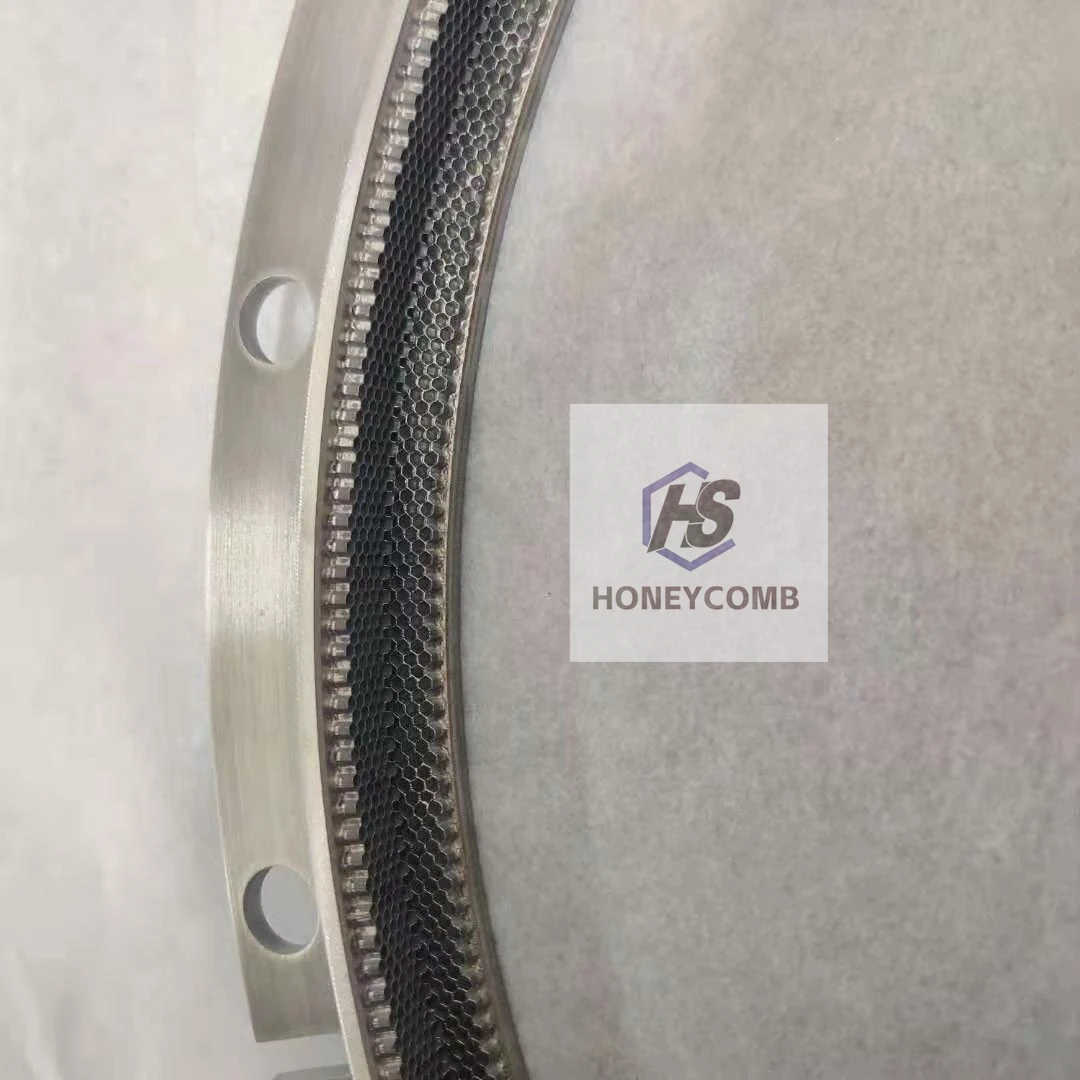
The unique structure of Honeycomb Strips is the basis for its excellent performance
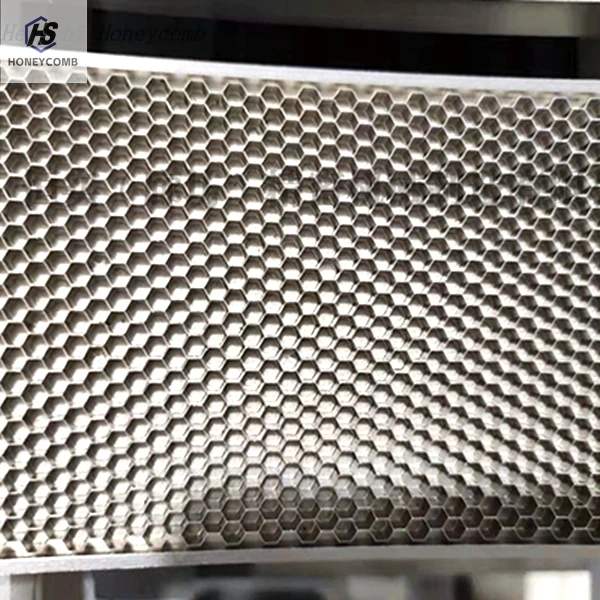
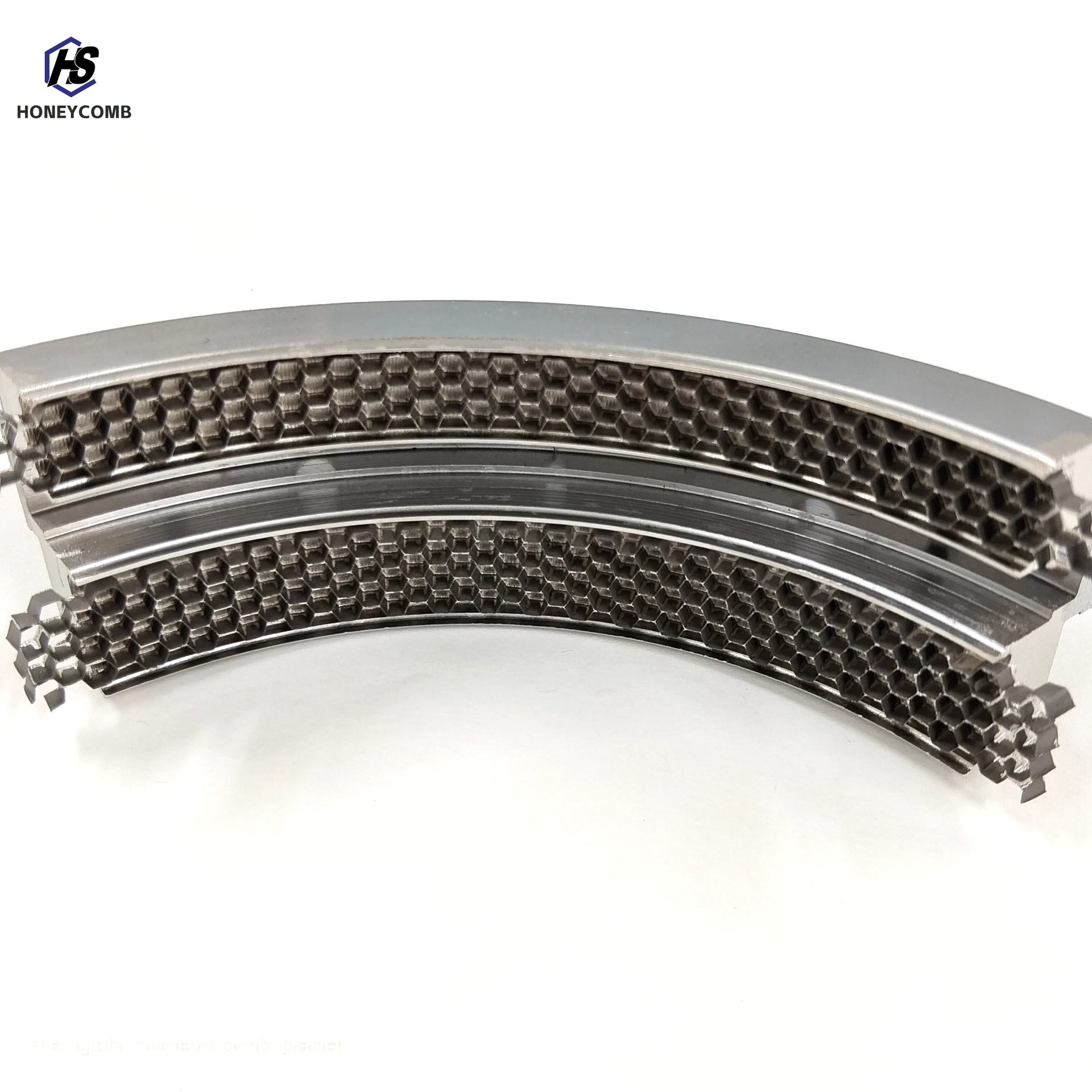
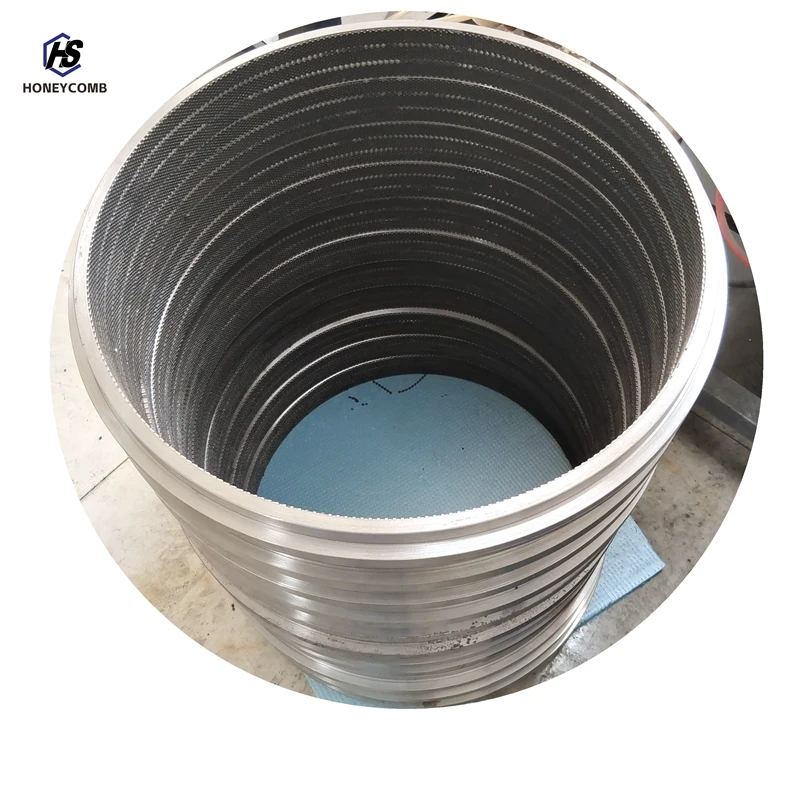
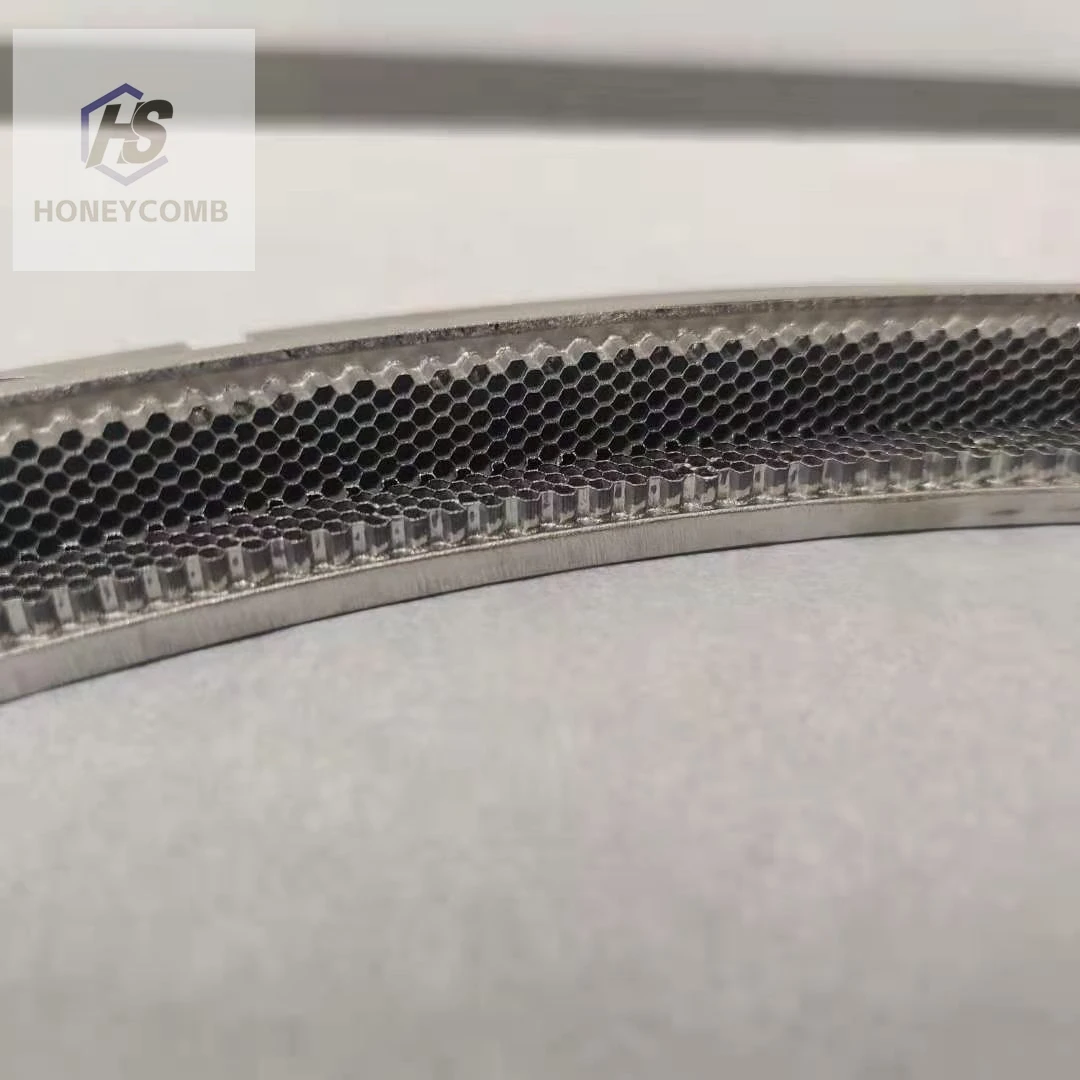
Its interior presents a regular hexagonal honeycomb arrangement, which is inspired by the biomimetic design of natural honeycombs. The hexagonal structure can evenly distribute external forces in all directions, enabling the material to maintain lightweight while possessing excellent structural strength. The outer layer is usually wrapped with a dense protective film, which can protect the internal honeycomb structure from direct erosion by the external environment and enhance the overall sealing performance, laying a solid foundation for its various performance.
Honeycomb Strips perform well in aerodynamic sealing
The honeycomb structure inside honeycomb seals can form countless tiny air channels, which can effectively guide the direction of airflow, reduce airflow turbulence, and lower air resistance when airflow flows through them. At the same time, Honeycomb Strips have good elasticity and plasticity, which can tightly adhere to contact surfaces of different shapes, fill gaps, and prevent airflow leakage. Whether it is at the cabin connection of aerospace equipment or at the door and window sealing of cars, Honeycomb Strips can improve the operational efficiency of equipment and reduce energy loss with excellent aerodynamic sealing performance.
The heat resistance of Honeycomb Strips is also remarkable
The special composite material used in Honeycomb Seal can withstand a high temperature range. In high temperature environments, the honeycomb structure inside is not easily deformed or damaged, and the outer protective film can effectively block the transfer of heat. Even in environments with large temperature differences for a long time, the performance of Honeycomb Strips can remain stable without cracking or aging due to temperature changes, which makes it widely used in high-temperature scenarios such as industrial furnaces and high-temperature pipelines.
Durability is another major advantage of Honeycomb Strips
Due to its unique structure and high-quality materials used, Honeycomb Seal Gas Turbine has strong resistance to wear and corrosion. In daily use, Honeycomb Strips can maintain their structural integrity and stable performance in the face of friction, collision, and corrosion from various corrosive substances, with a significantly longer service life than traditional sealing materials. Whether exposed to wind and rain outdoors or exposed to various pollutants in industrial environments, Honeycomb Strips can work for a long time, reducing the frequency of replacement and maintenance.
In summary, Honeycomb Seal Turbine demonstrates outstanding performance in aerodynamic sealing, heat resistance, and durability due to its unique honeycomb structure. It can not only meet the needs of sealing, high temperature resistance, and long-term use in different scenarios, but also balance the advantages of lightweight while ensuring performance, providing reliable support for equipment and structures in various fields. It is a highly practical functional material.
Honeycomb Strips FAQs
What are the core functions of Honeycomb strips?
The core function of honeycomb strips is to provide excellent aerodynamic sealing performance, and their unique honeycomb structure can effectively reduce airflow disturbances and lower wind resistance. At the same time, it has excellent heat resistance, can withstand extreme temperature environments, and is not easily deformed or aged after long-term use. The durability of the material itself enables it to maintain a stable sealing effect even under repeated mechanical movements or high-pressure conditions, with a service life far exceeding that of ordinary sealing strips.
Why is the honeycomb design of honeycomb strips more favorable for aerodynamics?
The geometric arrangement of honeycomb structures can form uniform micro eddies when airflow passes through, dispersing pressure and reducing turbulence generation. This design significantly reduces surface friction resistance and can improve airflow efficiency by at least 30% compared to traditional flat sealing strips. Hexagonal elements can also evenly distribute stress under compression, avoiding seal failure caused by local deformation.
How to achieve the heat resistance of honeycomb strips?
Using special silicone rubber or fluororubber substrates, combined with high-temperature resistant ceramic fiber reinforcement layers, the product can maintain elasticity within the range of -60 ℃ to 300 ℃. The air chamber in the honeycomb structure also serves as insulation, delaying heat conduction. Some models are coated with heat-resistant ceramic coatings on the surface to further block the direct impact of radiation heat sources on the substrate.
What high wear scenarios is this product suitable for?
Honeycomb strips are particularly suitable for aircraft doors, high-speed train connections, and other parts that require frequent mechanical movement. The wear-resistant layer is made of polyurethane composite material and can withstand over 500000 cycles of opening and closing tests. Honeycomb units store energy elastically under pressure and release energy when restored to their original state, thereby reducing sliding friction losses with the contact surface.
How to evaluate the durability indicators of Honeycomb strips?
The key indicators include compression permanent deformation rate (usually<5%), tensile strength (>15MPa), and weather resistance test results. After 2000 hours of salt spray test without corrosion and 5000 hours of ultraviolet aging test, the elongation rate remains above 90%. In practical applications, most cases show that its service life can reach 10-15 years, far exceeding the average cycle of 3-5 years for traditional sealing materials.

-
Industrial Airflow Guide for maf воздушная правильная машинаNewsApr.16,2026
-
Best maf струйно правильная машина for Industrial EfficiencyNewsApr.09,2026
-
Сотовая правильная машина A Comprehensive Guide to Honey Packing AutomationNewsApr.07,2026
-
Build Your Own DIY газоправильная Машина A Comprehensive Guide to Gas CorrectionNewsApr.04,2026
-
Understanding Кондиционер отопления Systems for Efficient and Comfortable HeatingNewsMar.31,2026
-
Comprehensive Guide to Cellular Blinds Installation Установка сотовых жалюзиNewsMar.28,2026
-
Mobile Aerodynamic Tunnel Design A Comprehensive Guide to Applications and ImplementationNewsMar.26,2026






 English
  Afrikaans
  Albanian
  Amharic
  Arabic
  Armenian
  Azerbaijani
  Basque
  Belarusian
  Bengali
  Bosnian
  Bulgarian
  Catalan
  Cebuano
  China
China  China (Taiwan)
  Corsican
  Croatian
  Czech
Czech  Danish
  Dutch
Dutch  Esperanto
  Estonian
  Finnish
  French
  Frisian
  Galician
  Georgian
  German
  Greek
Greek  Gujarati
  Haitian Creole
  Hausa
Hausa  Hawaiian
  Hebrew
  Hindi
Hindi  Miao
Miao  Indonesian
  Italian
  Japanese
  Javanese
  Malay
Malay  Persian
  Portuguese
  Punjabi
  Russian
  Spanish
  Swahili
  Telugu
  Vietnamese