

- Afrikaans
- Albanian
- Amharic
- Arabic
- Armenian
- Azerbaijani
- Basque
- Belarusian
- Bengali
- Bosnian
- Bulgarian
- Catalan
- Cebuano
- China
- China (Taiwan)
- Corsican
- Croatian
- Czech
- Danish
- Dutch
- English
- Esperanto
- Estonian
- Finnish
- French
- Frisian
- Galician
- Georgian
- German
- Greek
- Gujarati
- Haitian Creole
- hausa
- hawaiian
- Hebrew
- Hindi
- Miao
- Indonesian
- Italian
- Japanese
- Javanese
- Malay
- Persian
- Portuguese
- Punjabi
- Russian
- Spanish
- Swahili
- Telugu
- Vietnamese


Eml Shielded Window: A Protective Barrier That Isolates Electromagnetic Interference
In the modern society with dense electronic devices, electromagnetic interference is like an invisible "interference wave" that constantly threatens the normal operation of precision instruments. EMl shielded window, as a specialized protective product against electromagnetic interference, has become an important barrier to ensure the stable operation of equipment due to its unique design and special performance.
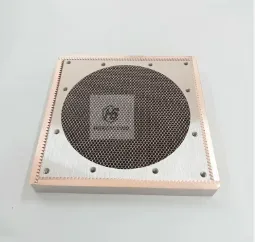
The structural design of EMl shielded window revolves around the core requirements of electromagnetic shielding
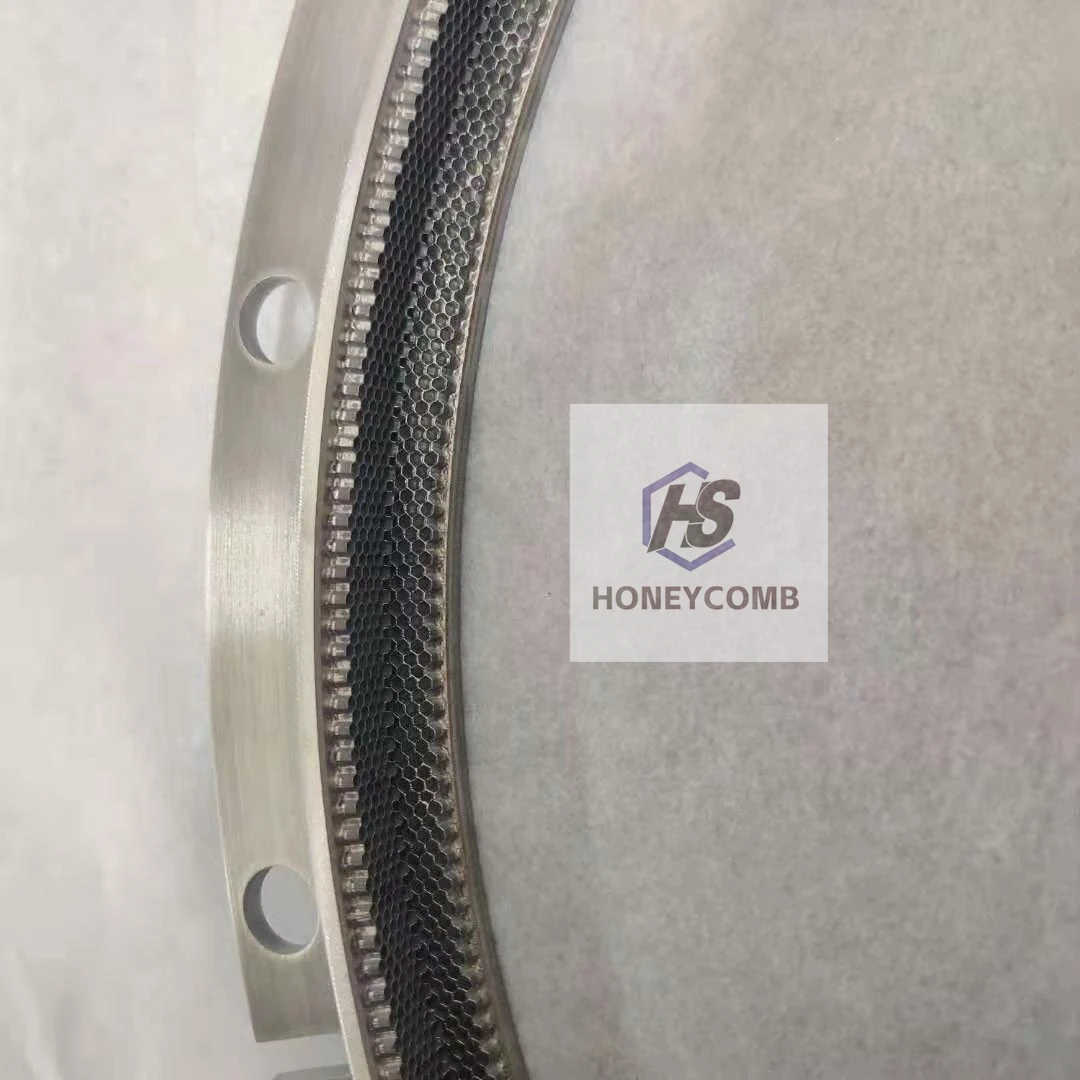
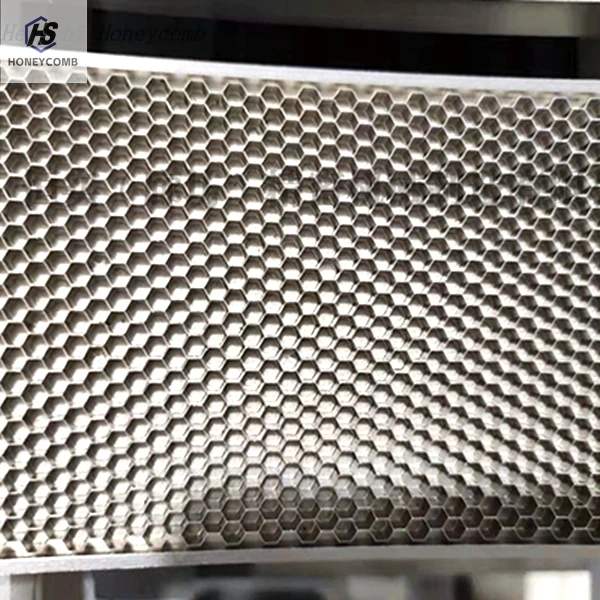
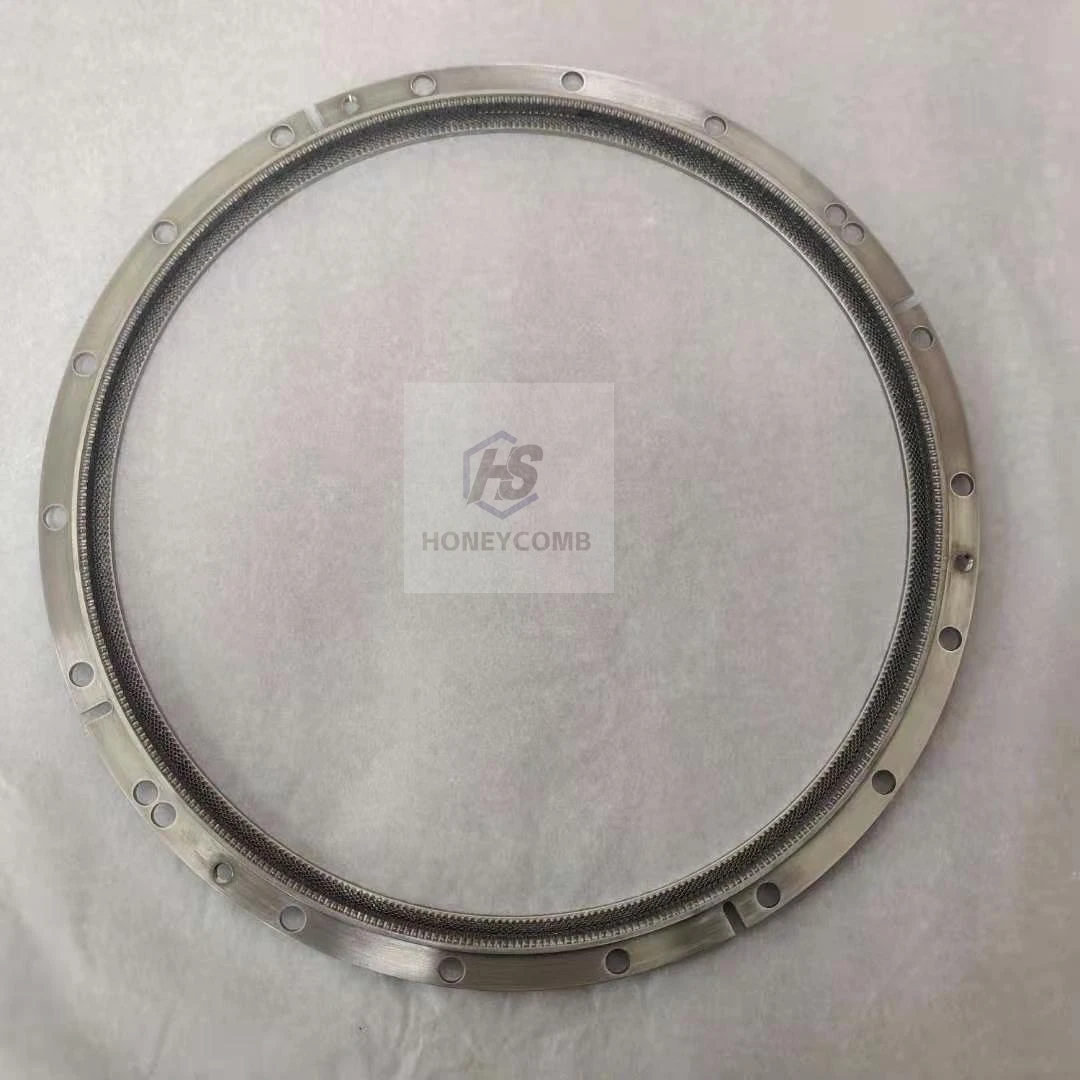
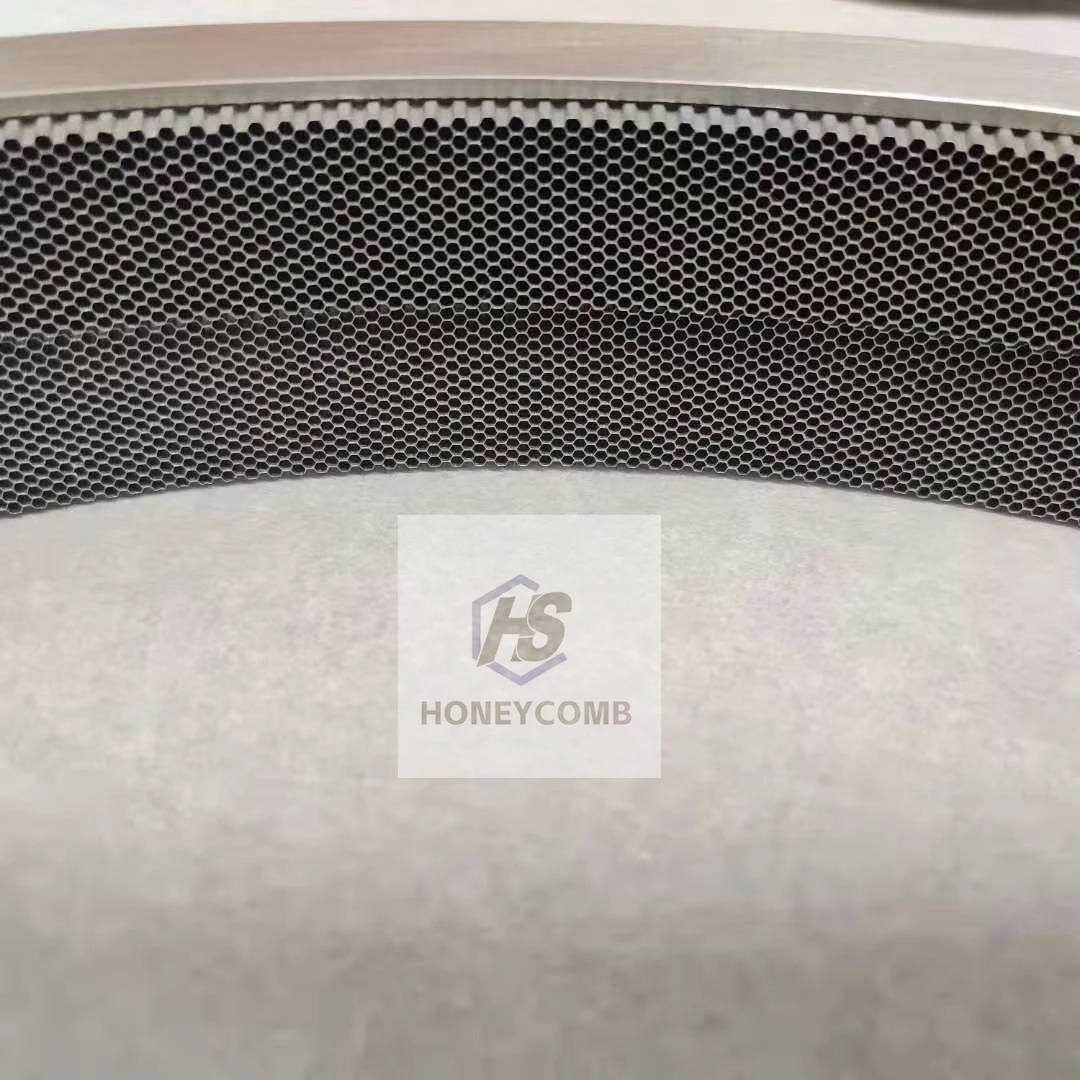
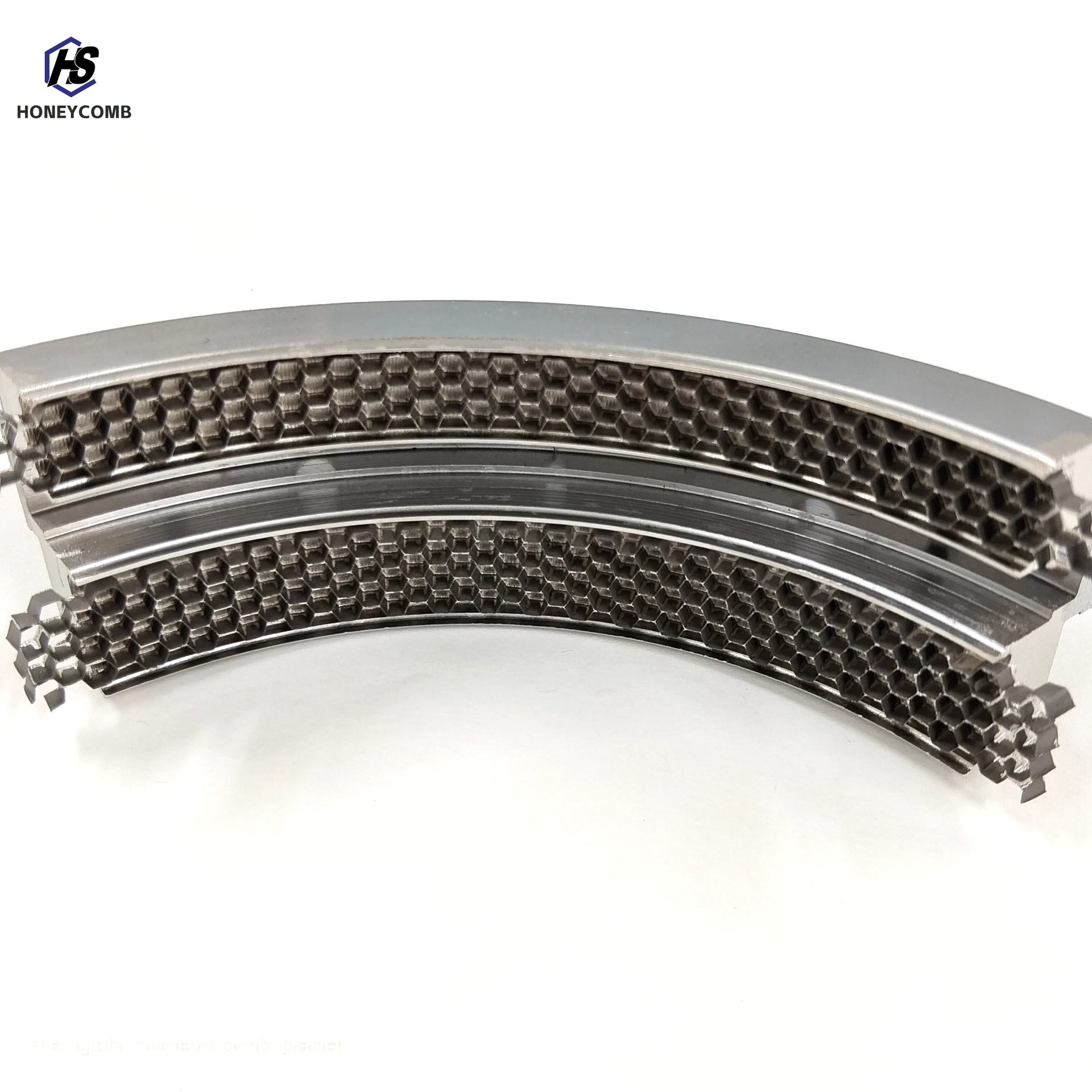
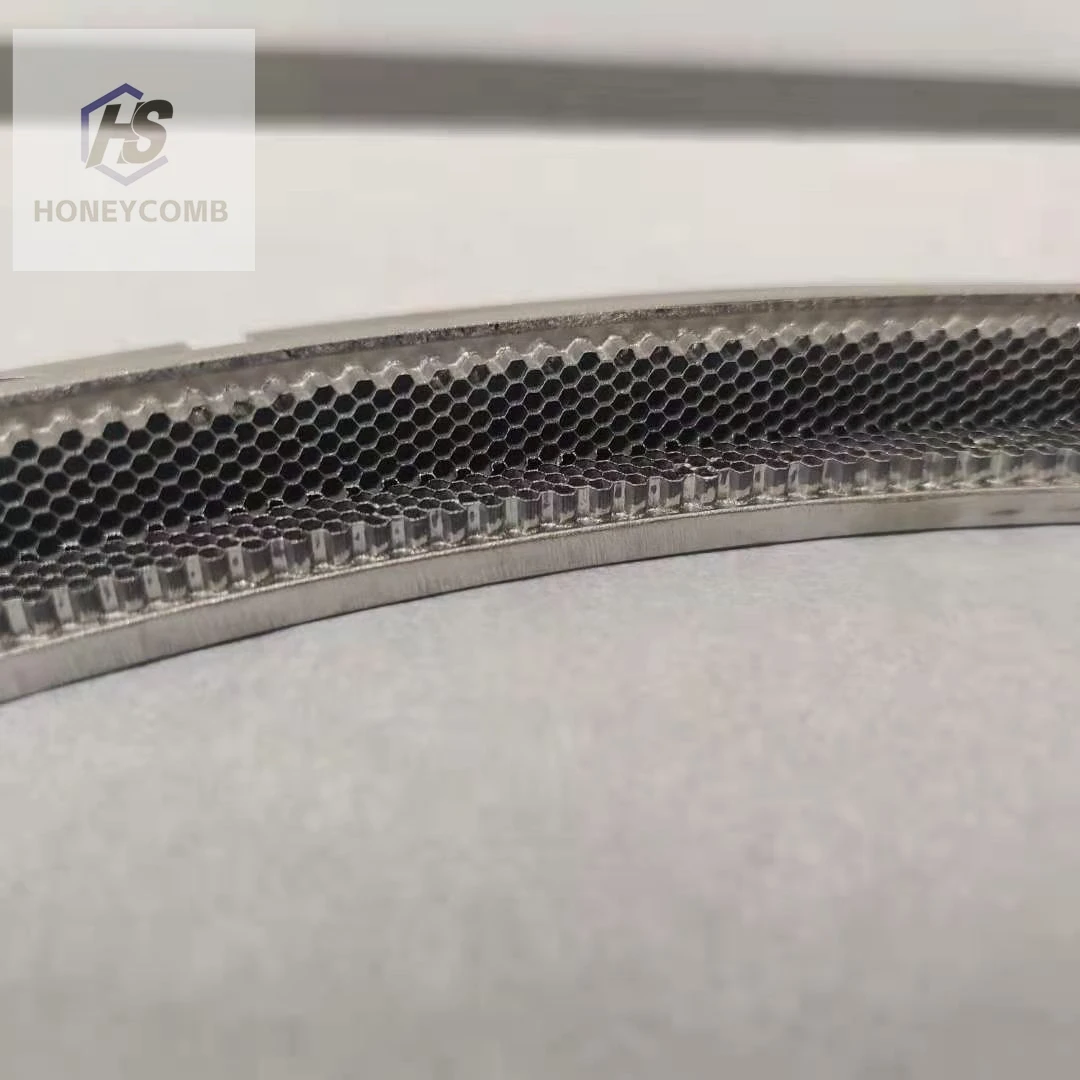
ITO glass is usually composed of multiple layers of composite structures, with the outermost layer being a high-strength transparent substrate, such as specially made glass or polycarbonate, which ensures good transparency and provides solid physical protection; The intermediate layer is a key shielding layer, often using ultrafine metal mesh or vacuum sputtered metal film. Metal materials with excellent conductivity such as copper and nickel are selected, and the mesh density of the metal mesh and the thickness of the metal film are accurately calculated to effectively block electromagnetic signal penetration; The inner layer is an anti-oxidation coating, which can prevent the shielding layer from oxidation failure due to environmental factors and extend the product's service life.
The shielding principle of EMl shielded window is based on the basic laws of electromagnetics
When an electromagnetic signal attempts to pass through a shielded glass for enclourse, the metal component in the shielding layer forms a continuous conductor. According to the principle of electromagnetic induction, the electromagnetic signal generates induced currents on the metal surface, which are guided into the ground through grounding treatment to prevent the electromagnetic signal from penetrating the window. At the same time, the tight structure of the shielding layer can cut off the propagation path of electromagnetic signals, effectively blocking both high-frequency and low-frequency electromagnetic interference, ensuring that the electromagnetic environment on both sides of the shielding window does not interfere with each other.
The application scenarios of EMl shielded window are very extensive
In the military field, Display shield glasses are installed on observation windows in radar control rooms and command centers to prevent external electromagnetic signals from interfering with precision radar equipment and communication systems; In the medical industry, the windows of MRI rooms and precision operating rooms are often equipped with this product to prevent medical instruments from being affected by external electromagnetic interference and affecting diagnostic and treatment accuracy; In research laboratories, especially in experimental chambers in fields such as electronics and physics, EMl shielded windows can create an interference free electromagnetic environment for experimental equipment, ensuring the accuracy of experimental data.
The performance advantages of EMl shielded window are reflected in multiple aspects
Metal mesh shielding glass has outstanding shielding effectiveness and can achieve a high level of shielding, effectively blocking the vast majority of electromagnetic interference signals; Good light transmission performance, achieving strong shielding without affecting indoor and outdoor visual observation, meeting the needs of equipment operation and environmental monitoring; In addition, it also has certain mechanical strength and environmental resistance, and can adapt to temperature and humidity changes in different scenarios. Long term use is not prone to cracking, delamination and other problems.
In summary, the EMl shielded window has become an effective protective product against electromagnetic interference due to its scientific structural design, reliable shielding principle, wide application scenarios, and excellent performance. It plays an irreplaceable role in ensuring the normal operation of precision equipment and maintaining electromagnetic safety in specific environments. With the continuous development of electronic technology, its importance in various fields will become increasingly prominent.
EMl shielded window FAQs
What is an EMl shielded window? What is its main function?
EMl shielded window is a special transparent or semi transparent window used to block electromagnetic interference (EMI). It is usually made of conductive materials or metal coatings, which can effectively suppress the interference of external electromagnetic waves on internal equipment, while ensuring the needs of visual observation or optical transmission. Mainly used in electronic devices, medical instruments, aerospace and other fields to ensure the stable operation of sensitive equipment in complex electromagnetic environments.
What are the common materials for EMl shielded windows? What are their characteristics?
Common EMl shielded window materials include conductive glass, metal mesh shielding windows, and transparent conductive films. Conductive glass achieves shielding by coating the glass surface with indium tin oxide (ITO) or silver layer, which has good transparency but high cost. Metal wire mesh shielding windows use fine metal grids embedded in glass or polymers, which have strong shielding effectiveness but may affect the clarity of light transmission. Transparent conductive films are lightweight and have good flexibility, making them suitable for flexible display devices.
How to test the performance of EMl shielded window? What are the key indicators?
The performance of EMl shielded windows is usually tested using shielding effectiveness (SE), measured in decibels (dB). The higher the value, the stronger the shielding ability. Key indicators include frequency range (such as 30MHz-18GHz), transmittance (visible light transmittance ratio), and environmental tolerance (such as high temperature resistance and corrosion resistance). The testing methods include flange coaxial testing and shielding chamber simulation testing, which must comply with international standards such as MIL-STD-285 or IEEE 299.
What are the applications of EMl shielded windows in medical devices? Why is it important?
In medical equipment, EMl shielded windows are commonly used in precision instruments such as MRI magnetic resonance equipment, X-ray machines, and surgical robots. These devices are extremely sensitive to electromagnetic interference, and small disturbances may cause imaging distortion or abnormal control signals. Shielded windows not only protect devices from external interference, but also allow medical staff to observe patient status or operation interfaces in real time, ensuring the safety and efficiency of diagnosis and treatment.
What issues should be noted when installing EMl shielded window?
During installation, it is necessary to ensure the continuity of conductivity between the window and the shielding body to avoid electromagnetic leakage caused by gaps. Usually fixed with conductive pads or welding methods, and attention should be paid to grounding treatment. In addition, anti-aging or explosion-proof models shall be selected according to the environment, for example, anti-corrosion coating shall be used in high humidity environment. After installation, shielding effectiveness should be retested to confirm compliance with design requirements.
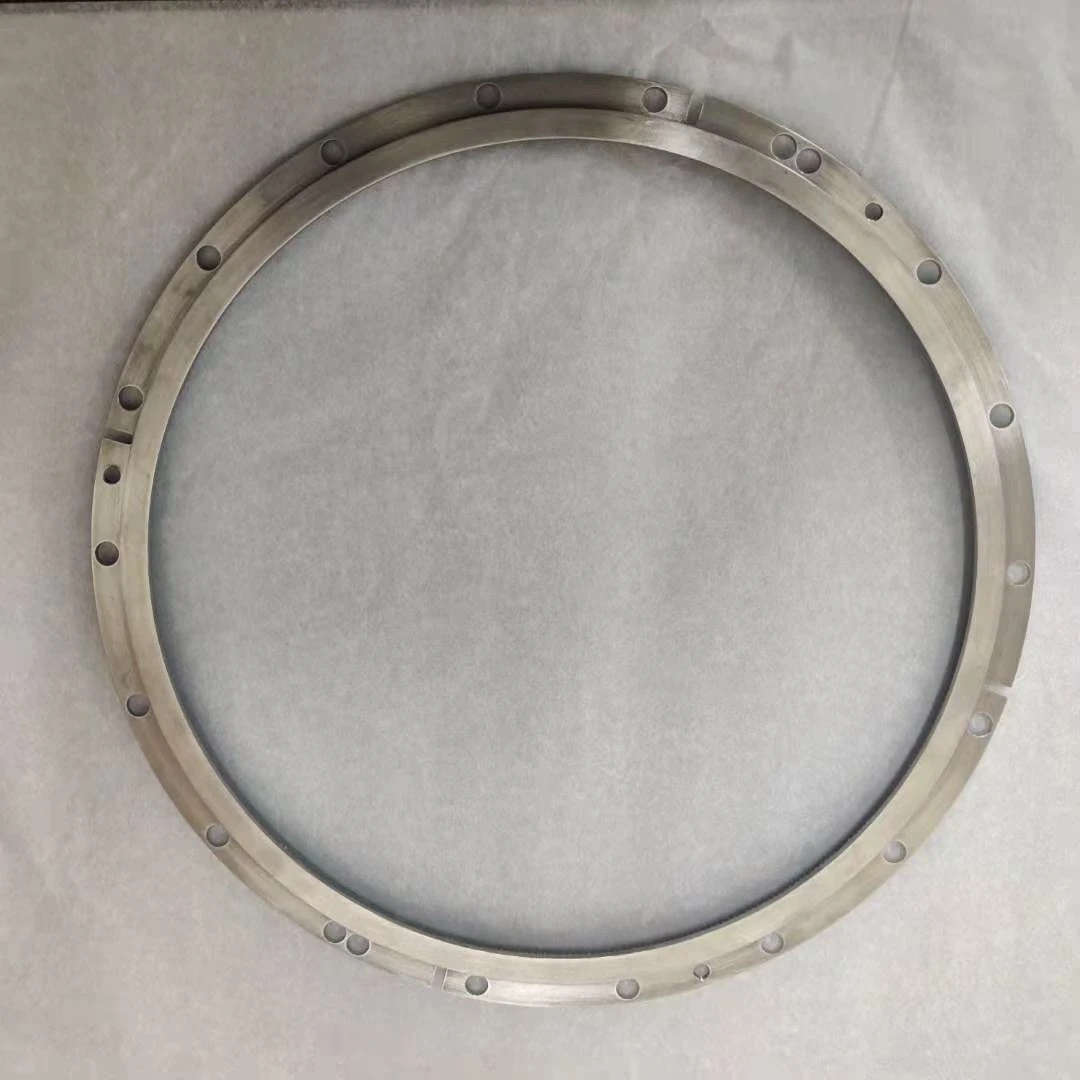
-
Industrial Airflow Guide for maf воздушная правильная машинаNewsApr.16,2026
-
Best maf струйно правильная машина for Industrial EfficiencyNewsApr.09,2026
-
Сотовая правильная машина A Comprehensive Guide to Honey Packing AutomationNewsApr.07,2026
-
Build Your Own DIY газоправильная Машина A Comprehensive Guide to Gas CorrectionNewsApr.04,2026
-
Understanding Кондиционер отопления Systems for Efficient and Comfortable HeatingNewsMar.31,2026
-
Comprehensive Guide to Cellular Blinds Installation Установка сотовых жалюзиNewsMar.28,2026
-
Mobile Aerodynamic Tunnel Design A Comprehensive Guide to Applications and ImplementationNewsMar.26,2026






 English
  Afrikaans
  Albanian
  Amharic
  Arabic
  Armenian
  Azerbaijani
  Basque
  Belarusian
  Bengali
  Bosnian
  Bulgarian
  Catalan
  Cebuano
  China
China  China (Taiwan)
  Corsican
  Croatian
  Czech
Czech  Danish
  Dutch
Dutch  Esperanto
  Estonian
  Finnish
  French
  Frisian
  Galician
  Georgian
  German
  Greek
Greek  Gujarati
  Haitian Creole
  Hausa
Hausa  Hawaiian
  Hebrew
  Hindi
Hindi  Miao
Miao  Indonesian
  Italian
  Japanese
  Javanese
  Malay
Malay  Persian
  Portuguese
  Punjabi
  Russian
  Spanish
  Swahili
  Telugu
  Vietnamese