


EMI Shielded Glass: Electromagnetic Protection Barrier for Precision Equipment
In the modern society where electronic devices are highly prevalent, electromagnetic interference (EMI) and radio frequency interference (RF) pose a serious threat to the normal operation of precision instruments. EMI Shielded Glass, with its unique electromagnetic shielding performance and light transmission characteristics, has become a key material for protecting devices from interference.
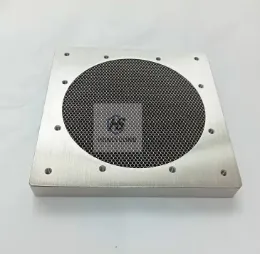
The unique structure of EMI Shielded Glass is the core of its dual functionality
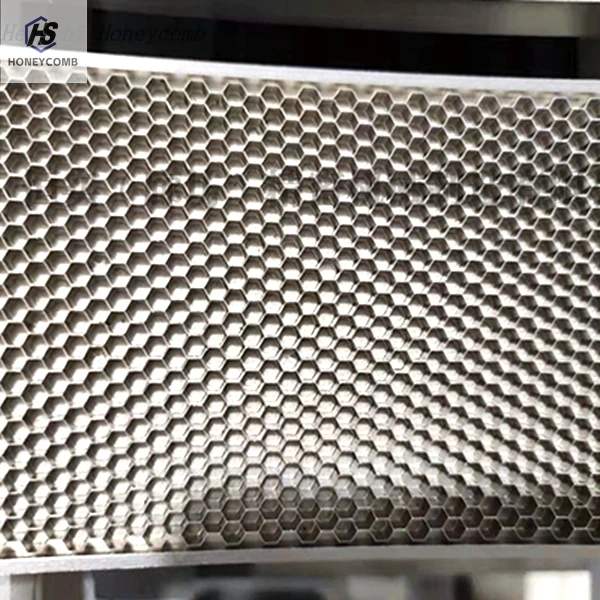
RF shielded glass typically adopts a multi-layer composite design, consisting of a conductive layer, a glass substrate, and a protective film. The conductive layer is mostly made of materials such as indium tin oxide (ITO), metal grids, or nano silver wires, which have excellent conductivity and can effectively absorb and reflect electromagnetic waves; The glass substrate is made of high-strength float glass or quartz glass to ensure good transparency and mechanical strength; The protective film plays a role in preventing scratches and corrosion, extending the service life of the glass. The multi-layer structure is compounded through special processes, retaining the transparency of glass while endowing it with strong electromagnetic shielding capabilities.
The performance advantages of EMI Shielded Glass are particularly significant in practical applications
The electromagnetic shielding effectiveness of shielded glass can reach 30-100 decibels, effectively blocking electromagnetic waves of different frequencies, achieving good isolation from low-frequency industrial interference to high-frequency RF signals. At the same time, it has a high transmittance, generally above 70%, which can meet the clarity requirements of the equipment observation window and facilitate real-time monitoring of the internal conditions of the equipment by operators. In addition, the glass also has good weather resistance and stability, and can maintain stable performance in complex environments such as high and low temperatures, humidity, etc. It is not easy to age or fail.
EMI Shielded Glass plays an important role in EMI/RF isolation cabinets, racks, and shielding covers
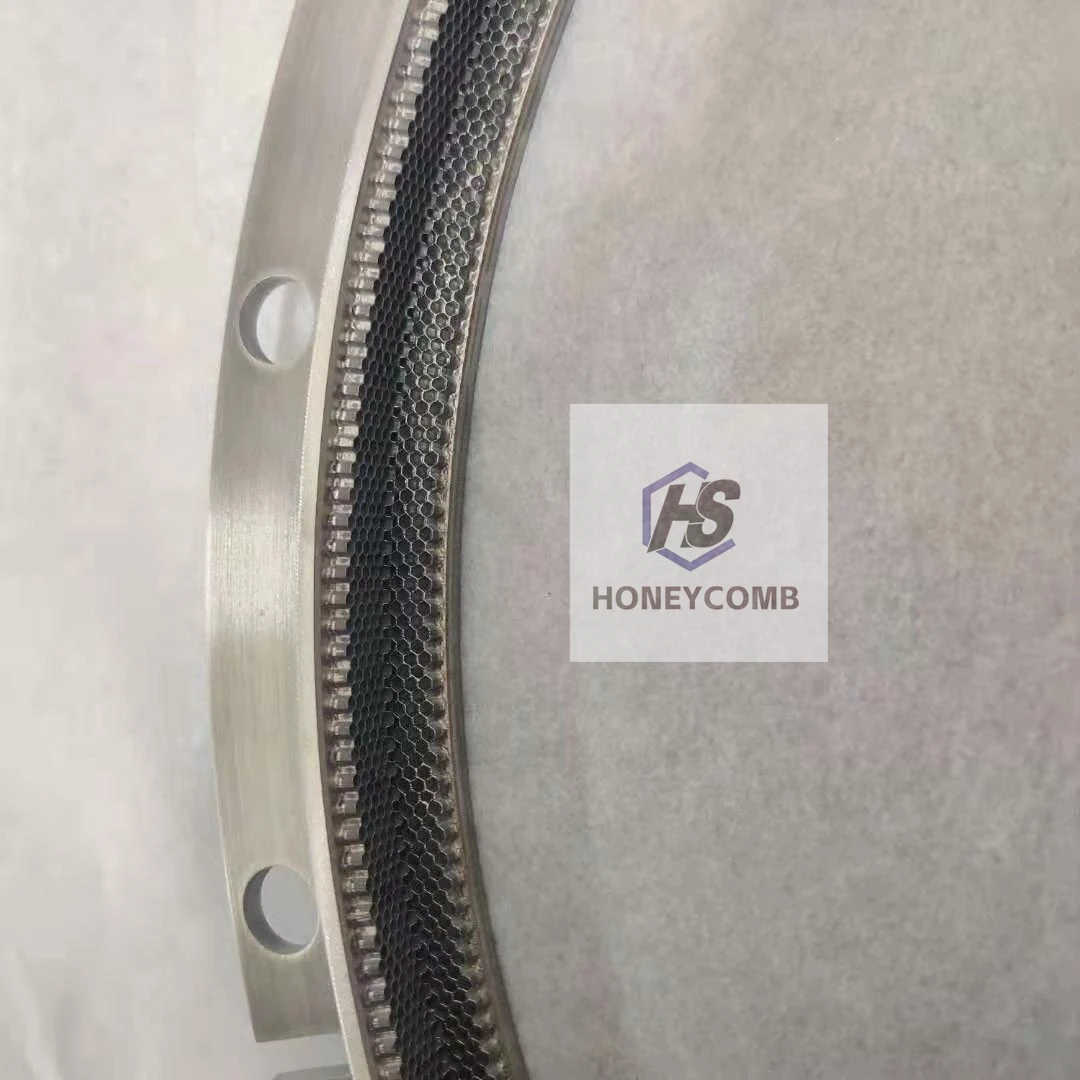
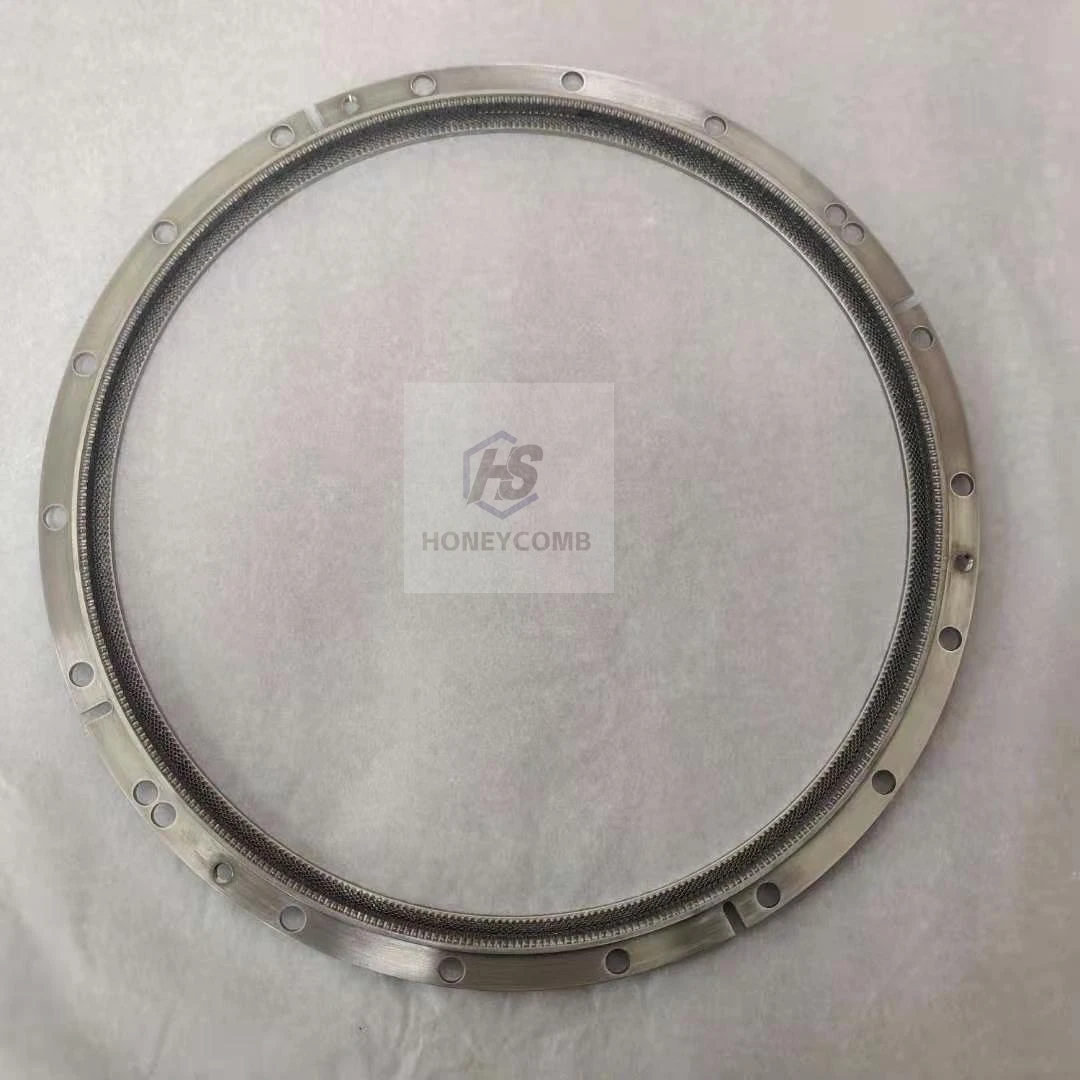
For EMI/RF isolation cabinets, EMI Shielded Glass installed on cabinet doors or observation windows can block electromagnetic signal exchange inside and outside the cabinet, ensuring that precision equipment inside the cabinet is protected from external interference, and allowing operators to clearly observe the operating status of the equipment. In rack design, embedding EMI Shielded Glass can effectively isolate electromagnetic interference between different modules, ensuring the coordinated and stable operation of various devices inside the rack. In the application of shielding covers, EMI Shielded Glass can provide local electromagnetic protection for equipment without affecting the observation and operation of critical parts of the equipment.
With the development of electronic devices towards high frequency and miniaturization, EMI Shielded Glass is also constantly being upgraded
The development of new conductive materials has further improved their transparency and flexibility while maintaining high shielding effectiveness; The ultra-thin design allows it to adapt to more compact device structures; In addition, the addition of additional functions such as antibacterial and anti glare has also expanded its applications in special fields such as healthcare and aerospace.
In summary, EMI Shielded Glass has become an important material for electromagnetic protection of electronic devices due to its unique multi-layer structure, excellent electromagnetic shielding performance, good transparency, and wide range of application scenarios. Its application in EMI/RF isolation cabinets, racks, and shielding covers effectively ensures the stable operation of precision equipment. With the advancement of technology, its performance will continue to be optimized, playing a more important role in the field of electromagnetic protection.
EMI Shielded Glass FAQs
What is the main function of EMI Shielded Glass?
EMI Shielded Glass is a specially designed glass material that effectively blocks electromagnetic interference (EMI) and radio frequency interference (RFI). It is widely used in applications that require electromagnetic shielding, such as data centers, medical equipment, communication base stations, and military facilities. Its core function is to reflect or absorb electromagnetic waves while maintaining transparency through metal plating or embedded conductive grids, ensuring that internal devices are not affected by external interference and preventing internal signal leakage.
What is the difference between EMI Shielded Glass and regular glass?
EMI Shielded Glass is structurally distinct from ordinary glass. Ordinary glass only has the functions of light transmission and sound insulation, while shielding glass achieves conductivity by coating metal oxides (such as ITO) or sandwich metal mesh. This design enables it to attenuate electromagnetic waves in specific frequency bands while maintaining high transparency. In addition, shielding glass usually needs to be used in conjunction with shielding cabinets or frames to ensure an overall shielding effectiveness of over 30dB.
How to test the performance of EMI Shielded Glass?
The performance of EMI Shielded Glass is usually tested using the Shielding Effectiveness (SE) index, which is measured through a vector network analyzer or shielding chamber. Common methods include flange coaxial method (ASTM D4935) or far-field radiation testing to evaluate its signal attenuation capability within a specific frequency range (such as 30MHz-18GHz). In addition, it is necessary to test the transmittance, haze, and mechanical strength to ensure that it meets both optical and electromagnetic protection requirements in practical applications.
What issues should be noted when installing EMI Shielded Glass?
When installing EMI Shielded Glass, it is necessary to ensure electrical continuity with the cabinet or frame. Conductive pads or metal tape should be used to seal the seams to avoid electromagnetic leakage. The metal coating on the edge of the glass must be in close contact with the shielding structure and fixed by welding or screws if necessary. In addition, it is necessary to avoid scratches or corrosion on the glass surface and regularly check the integrity of the shielding layer to maintain long-term stable shielding effect.
Can EMI Shielded Glass be used in high-frequency 5G environments?
EMI Shielded Glass can adapt to high-frequency 5G bands (such as millimeter waves) by optimizing the metal mesh density or adjusting the coating material (such as silver alloy). The key challenge lies in balancing shielding effectiveness and transmittance, and new nano coatings or frequency selective surface (FSS) technologies can selectively filter out interference in specific frequency bands. In practical applications, solutions need to be customized according to the frequency band requirements of 5G devices to ensure compatibility.
-
Industrial Airflow Guide for maf воздушная правильная машинаNewsApr.16,2026
-
Best maf струйно правильная машина for Industrial EfficiencyNewsApr.09,2026
-
Сотовая правильная машина A Comprehensive Guide to Honey Packing AutomationNewsApr.07,2026
-
Build Your Own DIY газоправильная Машина A Comprehensive Guide to Gas CorrectionNewsApr.04,2026
-
Understanding Кондиционер отопления Systems for Efficient and Comfortable HeatingNewsMar.31,2026
-
Comprehensive Guide to Cellular Blinds Installation Установка сотовых жалюзиNewsMar.28,2026
-
Mobile Aerodynamic Tunnel Design A Comprehensive Guide to Applications and ImplementationNewsMar.26,2026






 English
  Afrikaans
  Albanian
  Amharic
  Arabic
  Armenian
  Azerbaijani
  Basque
  Belarusian
  Bengali
  Bosnian
  Bulgarian
  Catalan
  Cebuano
  China
China  China (Taiwan)
  Corsican
  Croatian
  Czech
Czech  Danish
  Dutch
Dutch  Esperanto
  Estonian
  Finnish
  French
  Frisian
  Galician
  Georgian
  German
  Greek
Greek  Gujarati
  Haitian Creole
  Hausa
Hausa  Hawaiian
  Hebrew
  Hindi
Hindi  Miao
Miao  Indonesian
  Italian
  Japanese
  Javanese
  Malay
Malay  Persian
  Portuguese
  Punjabi
  Russian
  Spanish
  Swahili
  Telugu
  Vietnamese