


Premium Steel Honeycomb Core: Lightweight & High Strength
The Engineering Marvel: Unpacking the Versatility of steel honeycomb core in Industrial Applications
In the realm of advanced materials engineering, the steel honeycomb core stands out as a groundbreaking solution, pivotal for industries demanding superior strength-to-weight ratios, enhanced rigidity, and exceptional durability. This innovative material, characterized by its cellular structure resembling a natural honeycomb, is engineered to provide unparalleled performance across a spectrum of challenging environments. As industrial demands evolve, from lightweighting in transportation to corrosion resistance in harsh chemical processing, the adoption of steel honeycomb core continues to surge, driven by its intrinsic properties that surpass traditional solid materials. Its rise is a testament to the ongoing quest for materials that offer both structural integrity and operational efficiency, making it an indispensable component in modern engineering designs. Understanding the intricate details of its composition, manufacturing, and application is crucial for decision-makers seeking to optimize their systems and products. This comprehensive exploration delves into the technical intricacies, practical applications, and strategic advantages that position steel honeycomb core as a material of choice for discerning B2B clients globally. We will examine how this core material contributes to significant advancements in fields ranging from aerospace to sustainable infrastructure, highlighting its role in fostering innovation and addressing complex engineering challenges. The ability of steel honeycomb core to deliver exceptional performance under extreme conditions, including high temperatures, corrosive media, and dynamic loads, underscores its value proposition for a diverse array of industrial sectors.
Understanding Steel Honeycomb Core: Material & Manufacturing Excellence
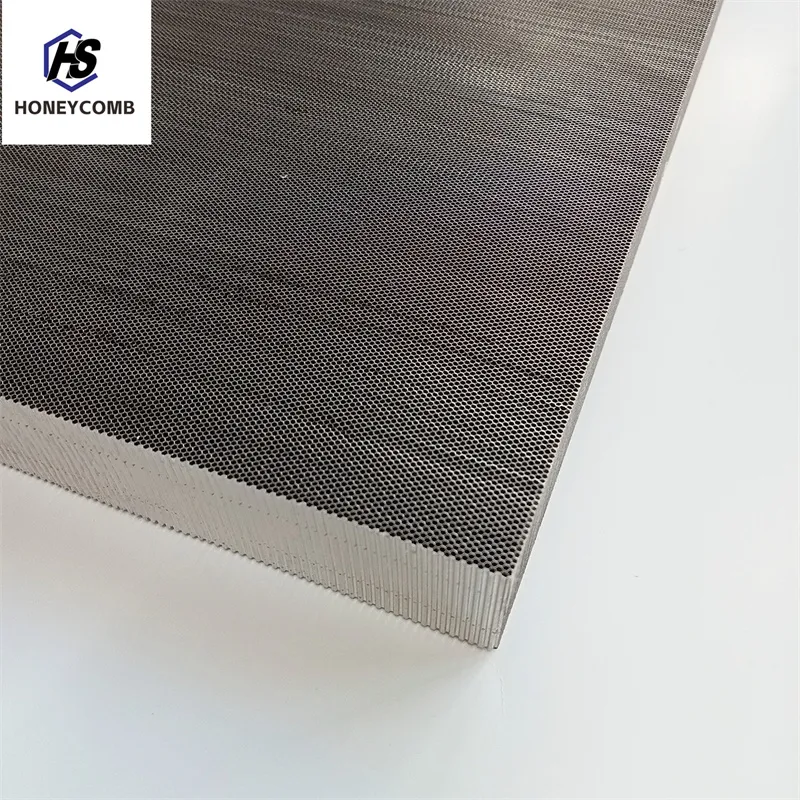
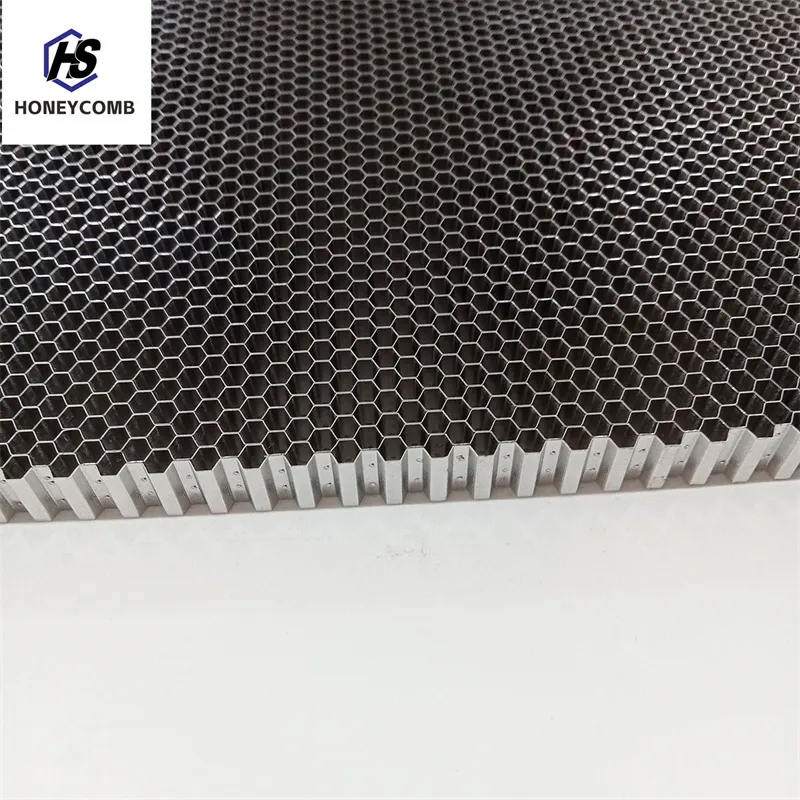
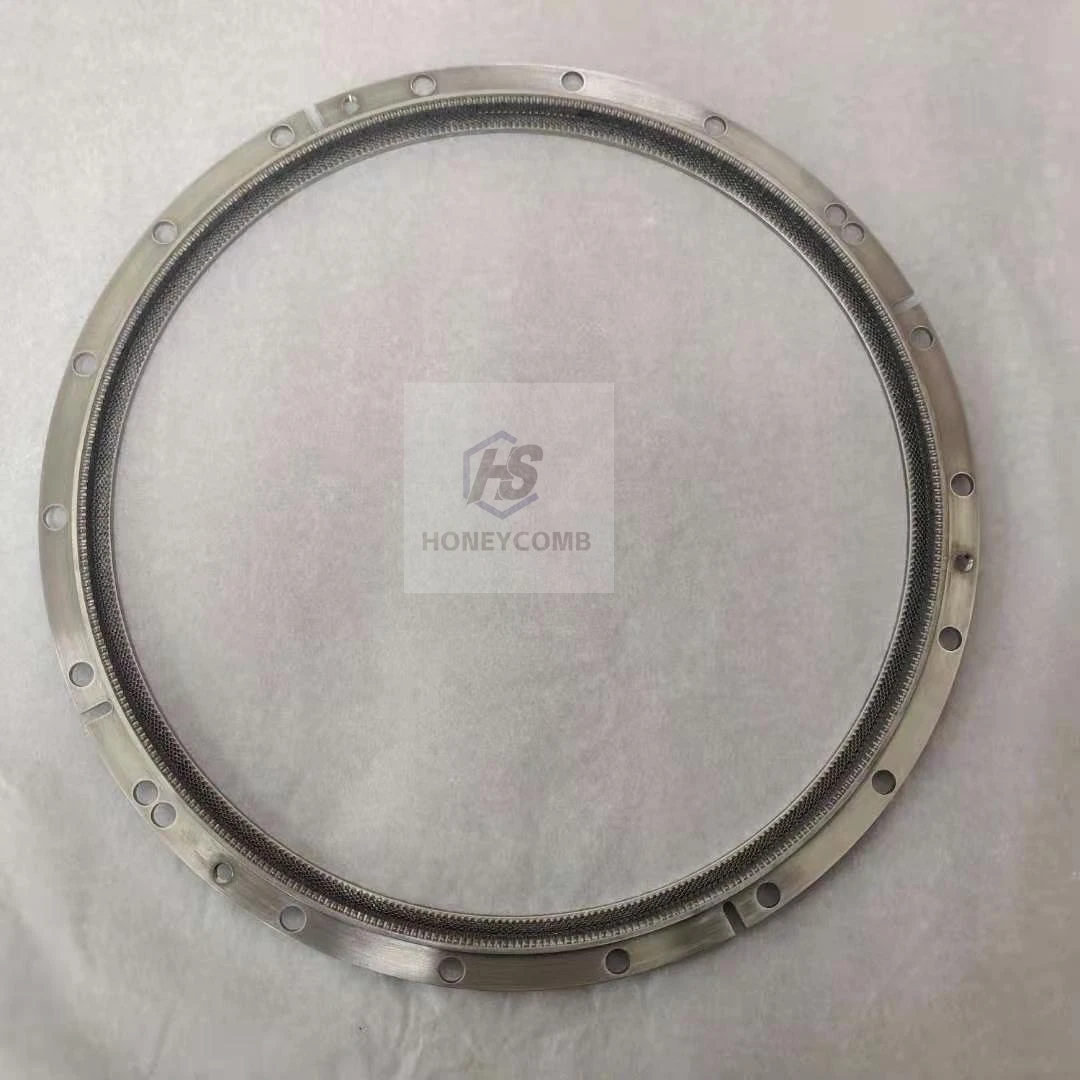
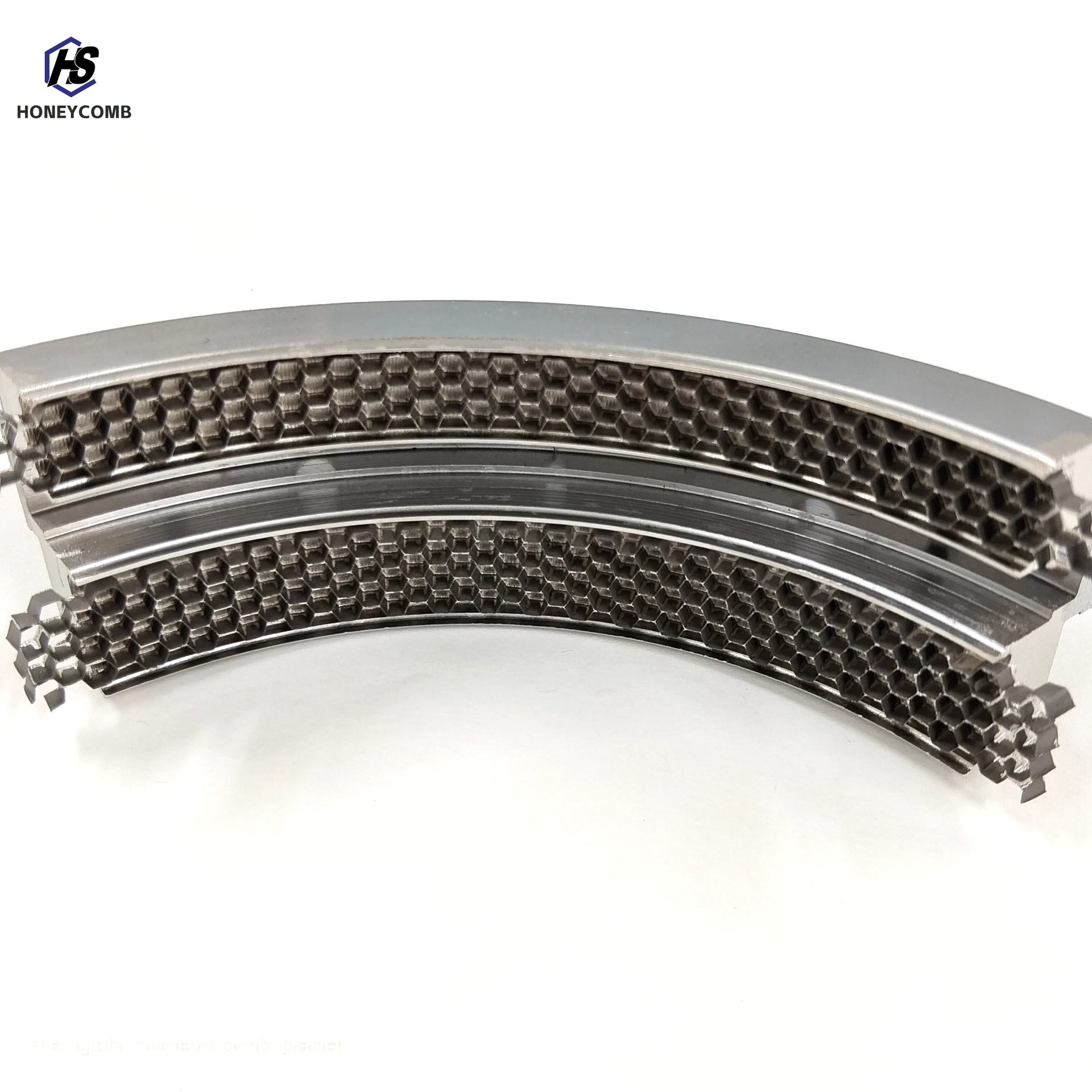
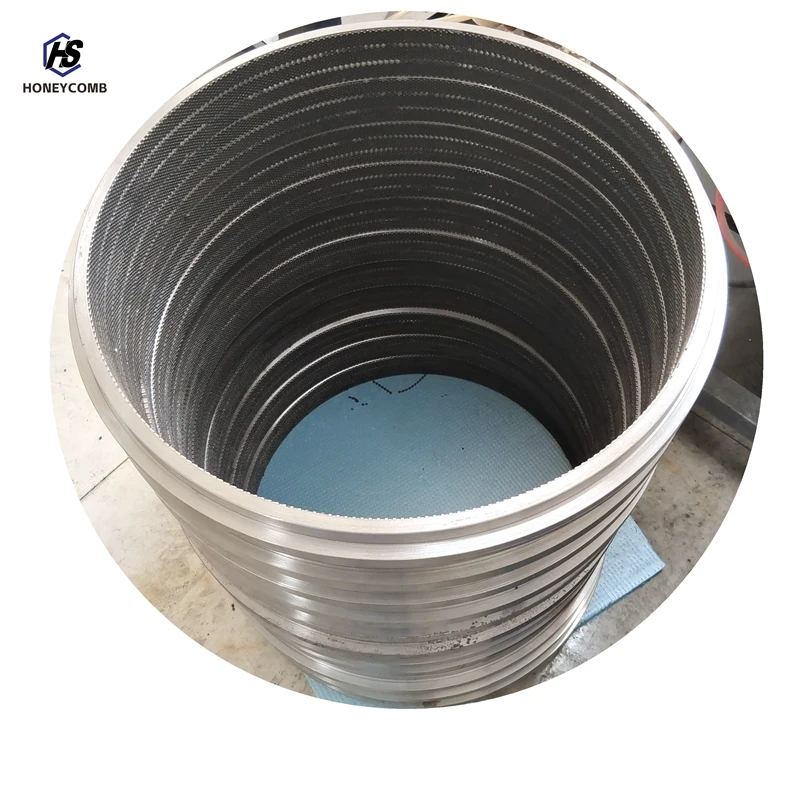
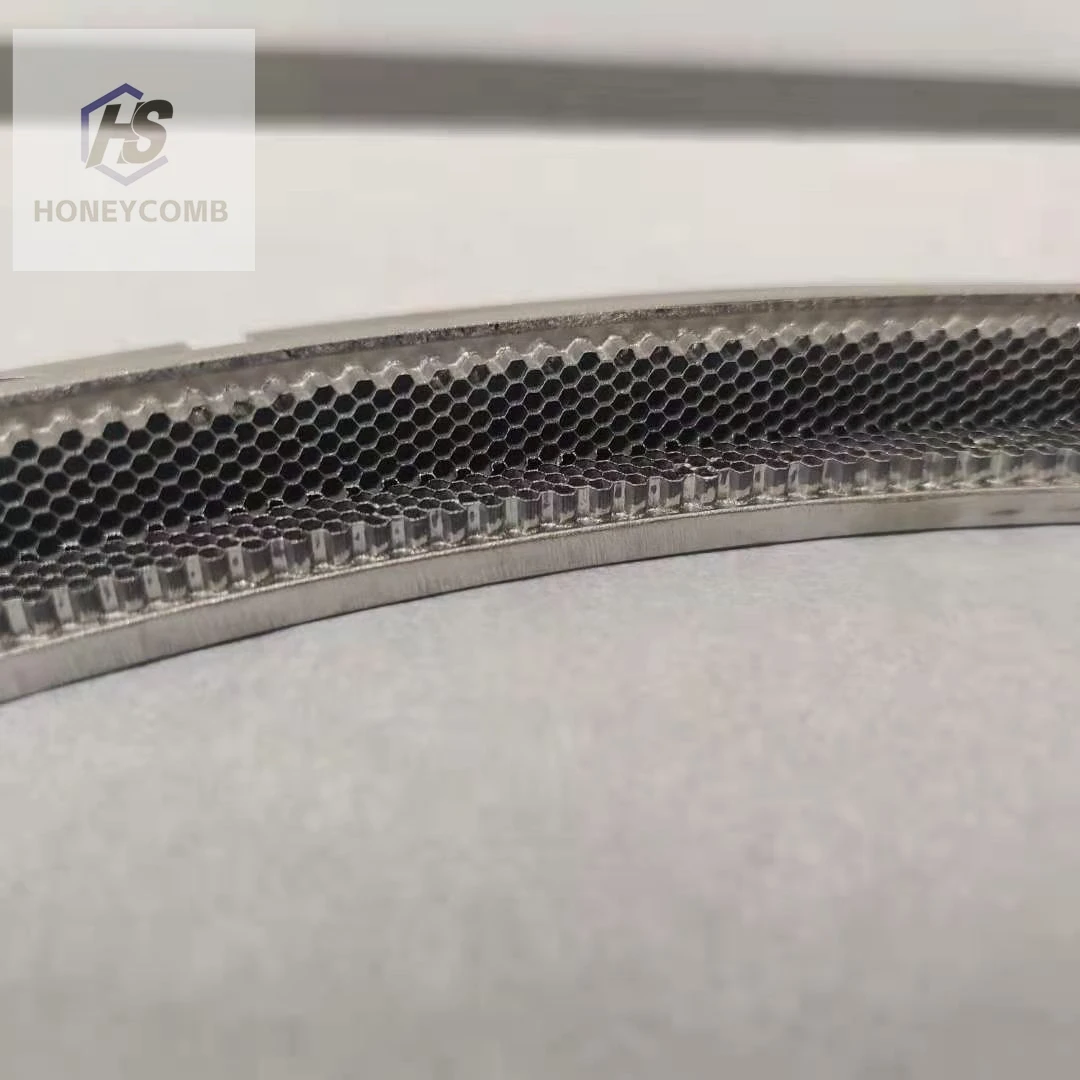
The performance of steel honeycomb core is intrinsically linked to its material composition and the precision of its manufacturing process. Primarily, high-grade stainless steels, such as 304 and 316, are utilized due to their superior corrosion resistance, high tensile strength, and excellent thermal properties. For demanding applications like sewage treatment, the Customized Hexagonal 316 Stainless Steel Honeycomb Core For Sewage Treatment is particularly favored, offering enhanced resistance to acids, alkalis, and chlorides prevalent in wastewater. The manufacturing of steel honeycomb core typically involves a multi-stage process: initially, thin steel sheets are corrugated into a wave pattern. These corrugated sheets are then stacked and precisely bonded together using advanced techniques such as resistance welding or brazing, forming a block. The bonding points are critical to the structural integrity, creating the characteristic hexagonal cells upon expansion. Once bonded, the block is expanded to create the open cell structure, which is then sliced into desired thicknesses. This intricate process ensures uniformity in cell size, wall thickness, and overall structural integrity, paramount for predictable performance.
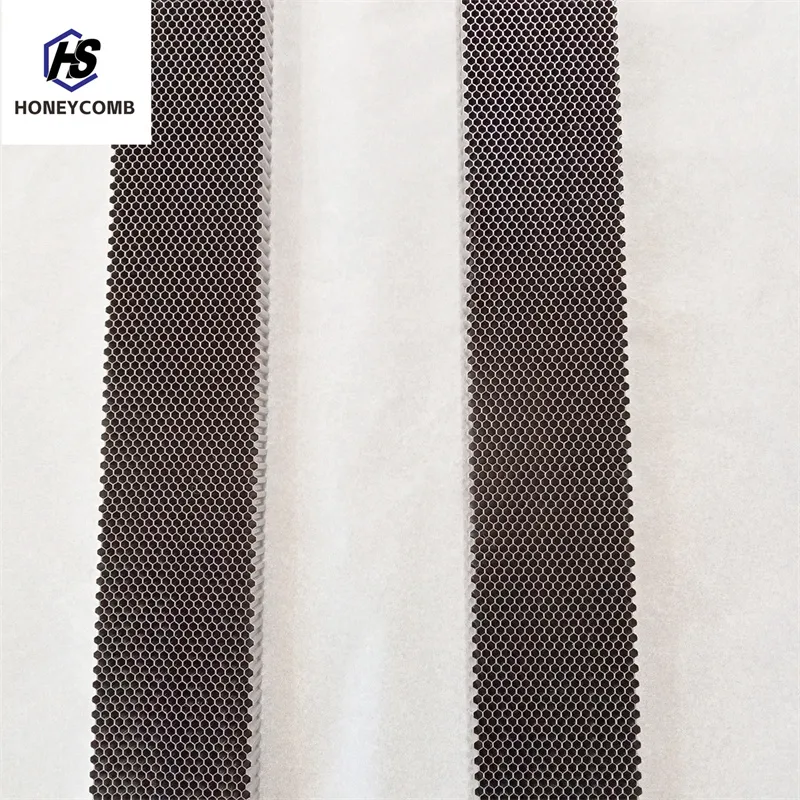
Quality control is paramount throughout the production of steel honeycomb core. Adherence to international standards such as ISO 9001 for quality management systems and ASTM standards for material properties and testing (e.g., ASTM E1091 for flatwise tensile strength, ASTM C273 for shear properties) is non-negotiable. These rigorous checks ensure that each batch meets stringent mechanical and chemical specifications. Key parameters assessed include cell size (typically ranging from 3.2mm to 25.4mm), foil thickness (from 0.05mm to 0.15mm), and density, which directly influence the core's stiffness, strength, and weight. The choice of 316 stainless steel, in particular, offers extended service life even in highly corrosive environments, significantly reducing maintenance and replacement costs. This robust design and material selection make steel honeycomb core an exceptionally reliable and long-lasting component across various industries, including petrochemical, metallurgy, and particularly in water and wastewater treatment, where resistance to aggressive chemical agents is critical for sustained operation and efficiency. Its inherent resistance to biological fouling and ease of cleaning further amplify its advantages in such demanding applications, guaranteeing superior operational longevity and reduced lifecycle costs.
Typical Steel Honeycomb Core Parameters
Technical Advantages and Performance Metrics of Steel Honeycomb Core
The distinctive cellular structure of steel honeycomb core confers a multitude of technical advantages that make it an attractive alternative to solid materials in critical applications. Foremost among these is an exceptionally high strength-to-weight ratio. This property is crucial in industries such as aerospace and rail, where weight reduction directly translates into fuel efficiency and increased payload capacity. The hexagonal cell configuration distributes loads evenly, providing superior rigidity and resistance to shear and compression forces, even under significant stress. This structural integrity minimizes deflection and warping, ensuring dimensional stability over extended operational periods. Furthermore, steel honeycomb core, particularly variants made from 316 stainless steel, exhibits outstanding corrosion resistance, making it ideal for harsh chemical environments, including those found in petrochemical processing, marine applications, and specifically, the aggressive conditions of sewage treatment facilities. Its inherent material properties also contribute to excellent thermal stability, allowing it to maintain structural integrity and performance across a wide range of temperatures, from cryogenic to high-heat industrial processes.
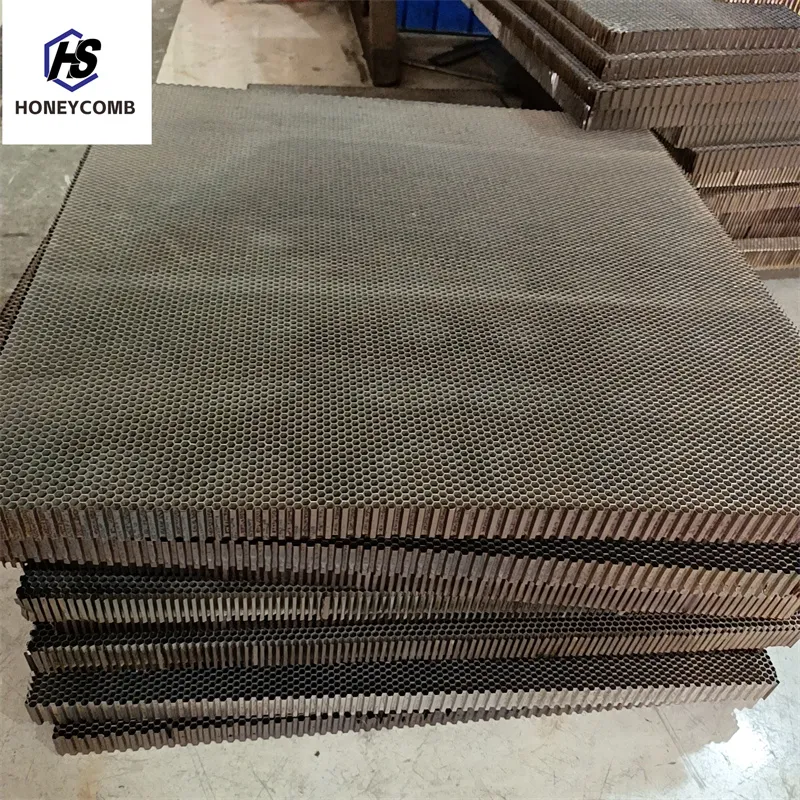
Beyond structural benefits, steel honeycomb core offers superior energy absorption capabilities, acting as an effective crash attenuator in various safety-critical designs. Its open-cell nature also facilitates excellent heat transfer properties when used in heat exchangers or cooling systems, and conversely, can provide effective thermal insulation when cells are filled or sealed. The acoustic dampening properties are another key advantage, significantly reducing noise transmission, which is beneficial in architectural panels or soundproofing applications. When comparing manufacturers, key differentiators often include the precision of cell geometry, the consistency of bonding, and the range of available alloys and finishes. Leading providers will demonstrate robust quality control, adherence to ASTM and ISO standards for material testing and performance verification, and offer comprehensive technical support. For instance, a reputable manufacturer will provide detailed performance data, including flatwise compressive strength, shear strength, and modulus, derived from extensive testing. This data-driven approach allows B2B clients to make informed decisions, ensuring the selected steel honeycomb core perfectly matches their application's specific requirements, offering both technical superiority and long-term cost-effectiveness. This rigorous validation process differentiates top-tier suppliers from general providers, ensuring that investments in advanced materials yield maximum return and operational reliability.
Comparative Analysis: Steel Honeycomb Core vs. Traditional Materials
Diverse Application Scenarios and Industry Impact
The versatility of steel honeycomb core extends across a multitude of industries, addressing complex engineering challenges with its unique combination of properties. In the aerospace sector, it is indispensable for crafting lightweight yet robust components such as aircraft floor panels, leading edges, and engine nacelles, where every kilogram saved contributes to significant fuel efficiencies and performance gains. The marine industry leverages its corrosion resistance and structural integrity for constructing ship bulkheads, decks, and high-speed vessel structures, ensuring longevity in saline environments. For architecture and construction, particularly in the creation of honeycomb core steel door panels and cladding, it offers exceptional flatness, rigidity, and fire resistance, contributing to both aesthetic appeal and structural safety in modern buildings. Its application in transport extends to high-speed trains, where it reduces vehicle weight and enhances crashworthiness, ensuring passenger safety.
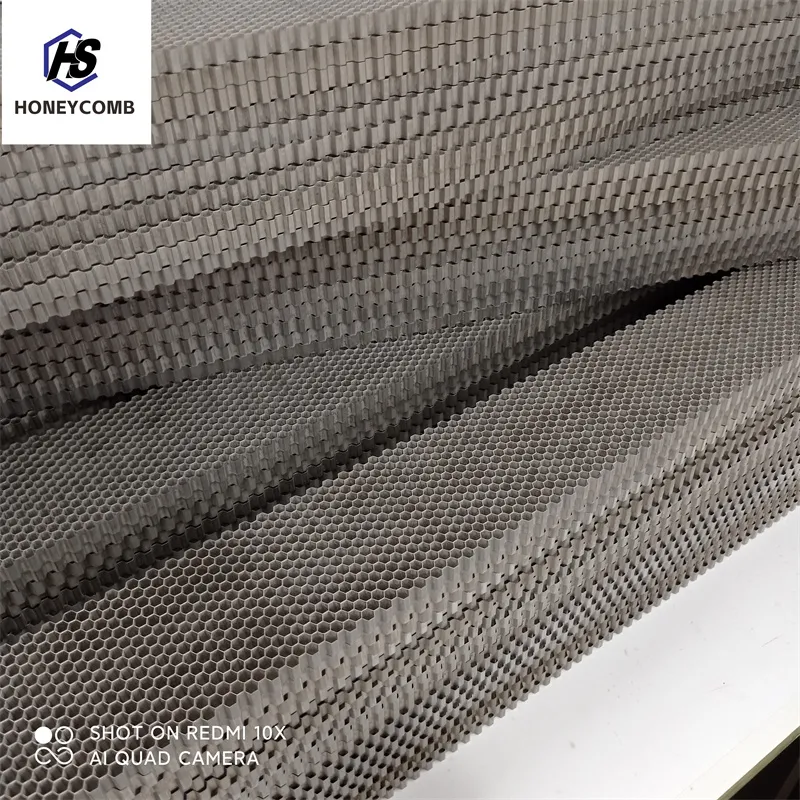
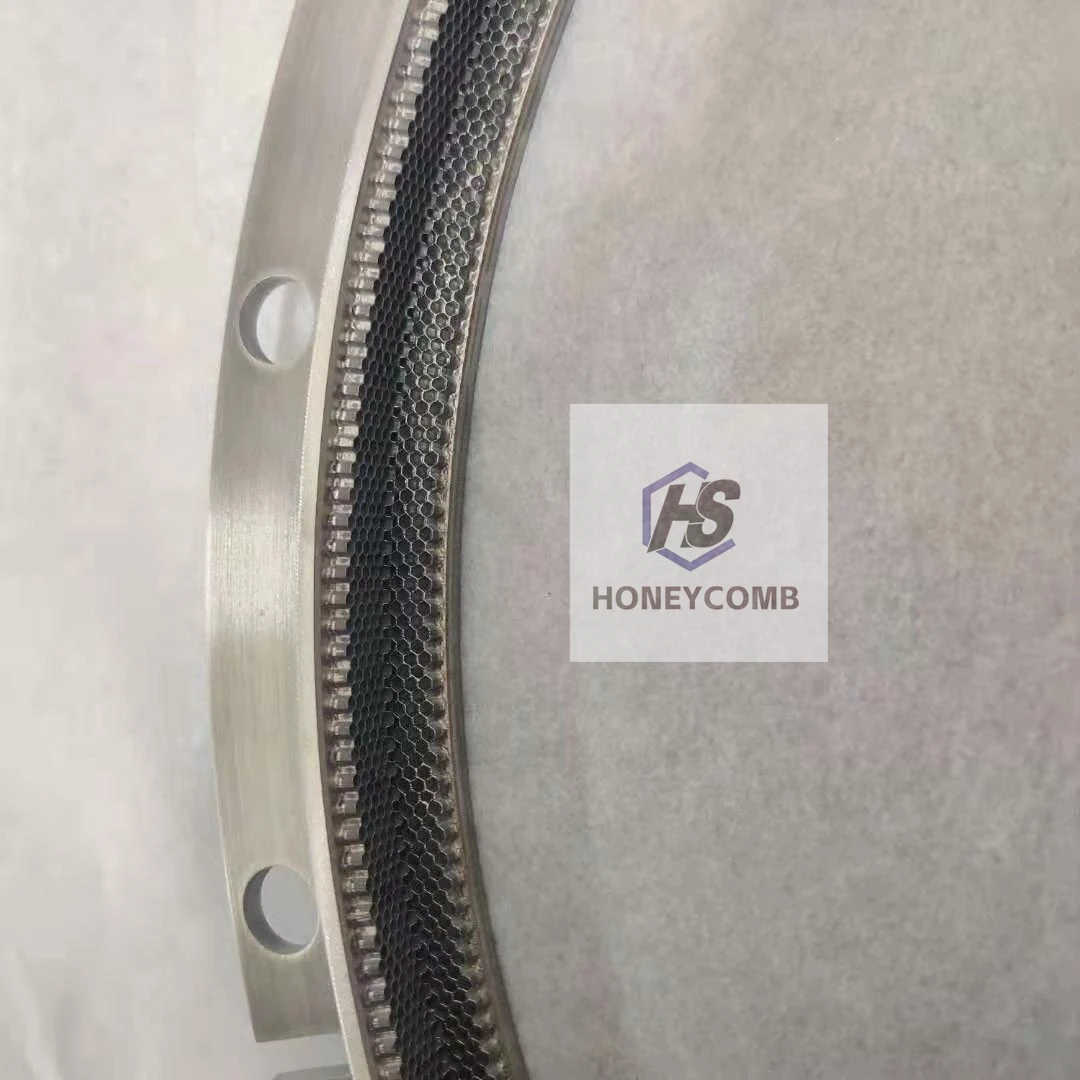
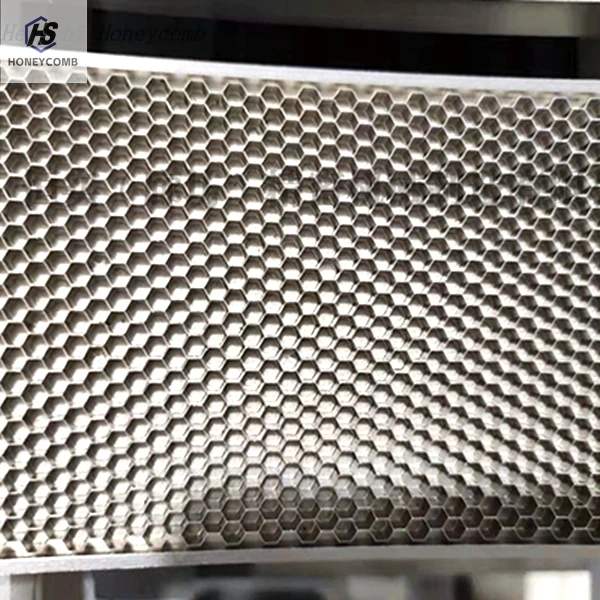
A particularly impactful application lies in industrial filtration and environmental protection. For instance, the Customized Hexagonal 316 Stainless Steel Honeycomb Core For Sewage Treatment excels as a media for biological filtration, supporting microbial growth that effectively purifies wastewater. Its large specific surface area and corrosion resistance to aggressive chemical agents and biological compounds make it superior to plastic or ceramic alternatives. In this context, the longevity of 316 stainless steel ensures minimal degradation, reducing the need for frequent replacements and thereby lowering operational costs. The open cell structure allows for efficient flow-through, preventing clogging and maintaining optimal filtration performance, directly contributing to energy savings through reduced pumping efforts. Furthermore, its robust nature allows it to withstand high-pressure cleaning, extending its operational life. Beyond filtration, steel honeycomb sheet products find use in heat exchangers, catalytic converters, and as flow straighteners in various industrial processes, where precise fluid dynamics and efficient heat transfer are critical. Each application underscores the adaptability and the economic advantages derived from deploying a material that not only meets but often exceeds the most rigorous performance specifications of contemporary industrial demands.
Application Case Study: Enhanced Sewage Treatment
A municipal wastewater treatment plant faced recurring issues with their biological filtration media, experiencing rapid degradation and bio-clogging, leading to inefficient treatment and high replacement costs. After a detailed consultation, our Customized Hexagonal 316 Stainless Steel Honeycomb Core For Sewage Treatment was recommended and implemented. The robust 316 SS construction provided unparalleled resistance to the plant's highly corrosive anaerobic and aerobic environments, significantly extending the media's lifespan from 2 years (for previous plastic media) to projected 10+ years. The optimized hexagonal cell structure enhanced the specific surface area by 30% compared to their prior solution, leading to a 15% improvement in biochemical oxygen demand (BOD) reduction rates and a 10% decrease in chemical oxygen demand (COD), resulting in cleaner effluent and compliance with stricter environmental regulations. Furthermore, the inherent rigidity of the steel honeycomb core allowed for easier maintenance and backwashing, reducing operational downtime by 20% annually. This case exemplifies how precision-engineered steel honeycomb core can deliver substantial long-term savings and environmental benefits in critical infrastructure.
Customization and Solution Design for Optimal Performance
Recognizing that no two industrial applications are identical, leading manufacturers of steel honeycomb core offer comprehensive customization services to meet specific project requirements. This bespoke approach ensures that the unique characteristics of the core, such as cell size, foil thickness, and core height, are precisely tailored to optimize performance for a given application. Whether it's enhancing stiffness for a structural panel, maximizing surface area for catalytic conversion, or adjusting density for acoustic damping, customization is key. Material selection is another critical aspect; while 316 stainless steel is ideal for highly corrosive environments like sewage treatment, other grades such as 304 or 321 stainless steel may be selected for high-temperature applications or where a balance of cost and performance is required. The bonding method, whether resistance welding for maximum strength or brazing for specific thermal properties, is also optimized during the design phase.
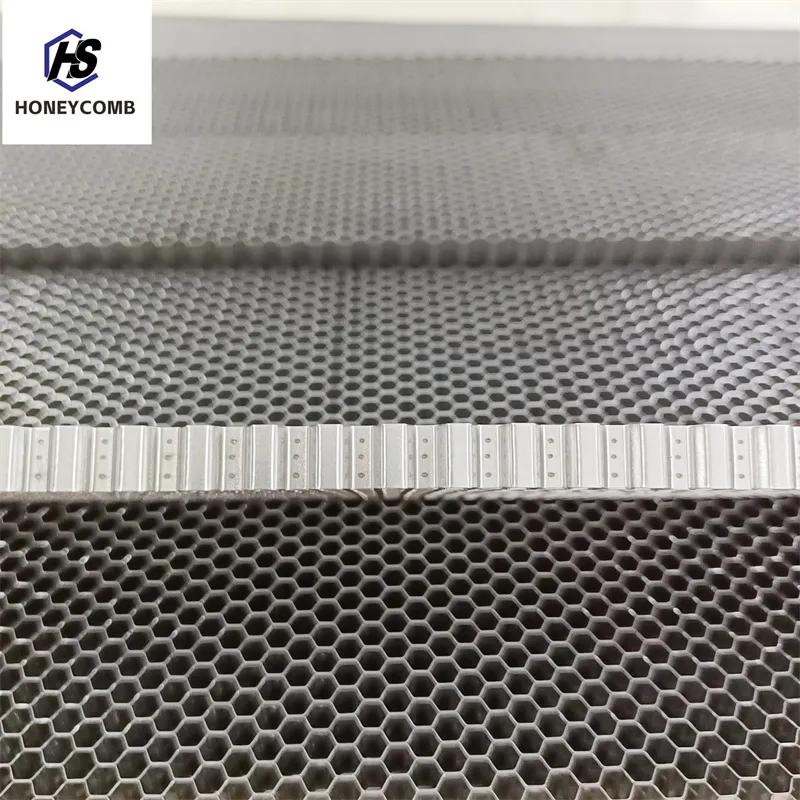
A robust customization process typically begins with a detailed consultation, where technical experts collaborate with clients to understand the operational environment, performance objectives, and integration challenges. This initial phase involves in-depth discussions on load requirements, temperature ranges, chemical exposure, and desired lifespan. Leveraging advanced CAD/CAM software and simulation tools, manufacturers can model and predict the behavior of the steel honeycomb core under various conditions, ensuring the proposed solution will meet or exceed expectations. This iterative design process, combined with rapid prototyping capabilities, allows for efficient validation of designs before full-scale production. Beyond product dimensions, custom bonding with face sheets (e.g., creating a steel honeycomb sheet panel) or integration into complex assemblies can be designed. This level of technical partnership ensures that clients receive not just a product, but a fully optimized solution that enhances system efficiency, reduces lifecycle costs, and provides a distinct competitive advantage. The ability to precisely tune the characteristics of the steel honeycomb core for each unique challenge is a hallmark of a truly expert and customer-centric supplier.
Ensuring Quality and Reliability: Certifications and Trust
In the demanding B2B landscape, the reliability and quality of industrial components like steel honeycomb core are paramount. Reputable manufacturers distinguish themselves through rigorous adherence to international quality standards and robust testing protocols. Certifications such as ISO 9001:2015 for quality management systems are fundamental, indicating a commitment to consistent production and continuous improvement. Beyond general quality certifications, product-specific compliance with industry standards, like ASTM International (e.g., ASTM C273 for Shear Test of Sandwich Core Materials, ASTM C393 for Flexural Properties of Sandwich Constructions, or ASTM E1091 for Flatwise Tensile Strength of Sandwich Core Materials), provides objective evidence of material performance. These standards ensure that the mechanical properties, dimensional tolerances, and overall integrity of the steel honeycomb core meet the specified criteria, giving clients confidence in its predictable behavior under operational stress. Long-standing service in the industry and a proven track record of successful projects further underscore a manufacturer's authority and trustworthiness.
Transparency in manufacturing processes, from raw material sourcing to final inspection, is a hallmark of a trustworthy supplier. This includes providing comprehensive material certifications (MTCs), test reports, and traceability documentation for each batch of steel honeycomb core. Strategic partnerships with leading material suppliers and engineering firms further enhance a manufacturer's credibility, demonstrating their integration within the broader industry ecosystem. Clients often seek out suppliers who not only provide high-quality products but also offer robust technical support, including design assistance, performance analysis, and post-sales service. This holistic approach builds long-term trust and ensures that clients can confidently integrate steel honeycomb core into their critical applications, knowing they are supported by a knowledgeable and reliable partner. Warranty commitments and clear delivery schedules are also vital components of a trusted relationship, providing assurance regarding product longevity and project timelines. For complex applications like the Customized Hexagonal 316 Stainless Steel Honeycomb Core For Sewage Treatment, a manufacturer's proven expertise in corrosive environments and adherence to strict environmental compatibility standards become key indicators of their authority and reliability.
Frequently Asked Questions (FAQs) about Steel Honeycomb Core
- Q1: What are the primary benefits of using steel honeycomb core over solid metal sheets?
-
The main benefits include significantly higher strength-to-weight ratio, superior rigidity, enhanced energy absorption capabilities, excellent corrosion resistance (especially with stainless steel grades like 316), and often better thermal and acoustic insulation properties. This allows for lighter structures that maintain or exceed the performance of heavier solid counterparts, leading to cost savings in transport and operation.
- Q2: How does the cell size affect the performance of steel honeycomb core?
-
Cell size (or cell dimension) is a critical parameter. Smaller cell sizes generally lead to higher shear strength and better resistance to denting, but also result in higher density and cost. Larger cell sizes offer lighter weight and lower cost, but with reduced shear properties. The optimal cell size is determined by balancing the specific mechanical requirements, weight constraints, and cost efficiencies for the intended application, such as the specific flow dynamics required for a particular filtration media or the rigidity needed for a honeycomb core steel door.
- Q3: What are the typical lead times for customized steel honeycomb core orders?
-
Lead times for customized steel honeycomb core products vary depending on the complexity of the design, required material grade, order volume, and current production schedule. Typically, after design finalization, standard lead times can range from 4 to 8 weeks. Rush orders or highly specialized configurations might require expedited arrangements. We recommend engaging in early consultation to establish precise timelines for your project, ensuring smooth integration into your production schedule.
- Q4: What kind of warranty and after-sales support do you offer for your steel honeycomb core products?
-
We stand behind the quality of our steel honeycomb core products with a comprehensive warranty against manufacturing defects and material failures under normal operating conditions. Our dedicated technical support team is available for post-sales assistance, offering guidance on installation, maintenance, and troubleshooting. We also provide documentation, including material test certificates and performance data, to ensure long-term operational success and client satisfaction. Our commitment extends to providing ongoing consultation to optimize product longevity and performance in your specific application.
Future Trends and Conclusion: The Enduring Value of Steel Honeycomb Core
The trajectory of steel honeycomb core innovation continues upwards, driven by advancements in material science, manufacturing automation, and increasingly stringent industry demands for sustainable, high-performance solutions. Emerging trends include the development of even lighter alloys, enhanced bonding technologies for superior strength, and the integration of smart materials for real-time performance monitoring. The focus on sustainability will likely see a greater emphasis on recyclable stainless steel grades and optimized production processes that minimize energy consumption and waste. As industries strive for greater efficiency, reduced environmental impact, and superior product longevity, the unique attributes of steel honeycomb core position it as a foundational material for future engineering marvels. Its adaptability, combined with its proven track record in extreme conditions, ensures its continued relevance across established sectors and its expansion into new frontiers, from renewable energy systems to advanced robotics.
In conclusion, the steel honeycomb core is more than just a component; it is a strategic asset for B2B enterprises seeking to achieve unparalleled structural integrity, weight reduction, and long-term cost efficiencies. From its meticulously controlled manufacturing process, utilizing high-grade stainless steels like 316, to its diverse applications spanning aerospace, marine, construction (including honeycomb core steel door applications), and critical environmental systems such as sewage treatment, its value proposition is undeniable. The ability to customize dimensions, cell sizes, and material grades further underscores its versatility, making it a tailored solution for complex industrial challenges. By adhering to stringent quality standards and offering comprehensive support, leading manufacturers ensure that clients can fully leverage the transformative potential of this advanced material, driving innovation and securing a competitive edge in today's demanding global market. Investing in high-quality steel honeycomb core is an investment in durable, efficient, and forward-looking solutions.
References
- ASTM International. "Standard Test Method for Shear Properties of Sandwich Core Materials." ASTM C273/C273M.
- Gibson, L. J., & Ashby, M. F. (1997). Cellular Solids: Structure and Properties. Cambridge University Press.
- ISO 9001:2015. Quality management systems – Requirements. International Organization for Standardization.
- Zeninert, T. J., & Schmidt, S. P. (2001). "Honeycomb Sandwich Structure Design and Application." Journal of Composite Materials, 35(11), 931-950.
- ResearchGate. "Mechanical Properties of Stainless Steel Honeycomb Cores." (General research topic, not specific paper)
- The Engineer. "Honeycombs provide aerospace and automotive solutions." (Industry publication, not specific article)

-
Industrial Airflow Guide for maf воздушная правильная машинаNewsApr.16,2026
-
Best maf струйно правильная машина for Industrial EfficiencyNewsApr.09,2026
-
Сотовая правильная машина A Comprehensive Guide to Honey Packing AutomationNewsApr.07,2026
-
Build Your Own DIY газоправильная Машина A Comprehensive Guide to Gas CorrectionNewsApr.04,2026
-
Understanding Кондиционер отопления Systems for Efficient and Comfortable HeatingNewsMar.31,2026
-
Comprehensive Guide to Cellular Blinds Installation Установка сотовых жалюзиNewsMar.28,2026
-
Mobile Aerodynamic Tunnel Design A Comprehensive Guide to Applications and ImplementationNewsMar.26,2026






 English
  Afrikaans
  Albanian
  Amharic
  Arabic
  Armenian
  Azerbaijani
  Basque
  Belarusian
  Bengali
  Bosnian
  Bulgarian
  Catalan
  Cebuano
  China
China  China (Taiwan)
  Corsican
  Croatian
  Czech
Czech  Danish
  Dutch
Dutch  Esperanto
  Estonian
  Finnish
  French
  Frisian
  Galician
  Georgian
  German
  Greek
Greek  Gujarati
  Haitian Creole
  Hausa
Hausa  Hawaiian
  Hebrew
  Hindi
Hindi  Miao
Miao  Indonesian
  Italian
  Japanese
  Javanese
  Malay
Malay  Persian
  Portuguese
  Punjabi
  Russian
  Spanish
  Swahili
  Telugu
  Vietnamese