


Steel Honeycomb Core—Stronger, Lighter, Fire-Safe?
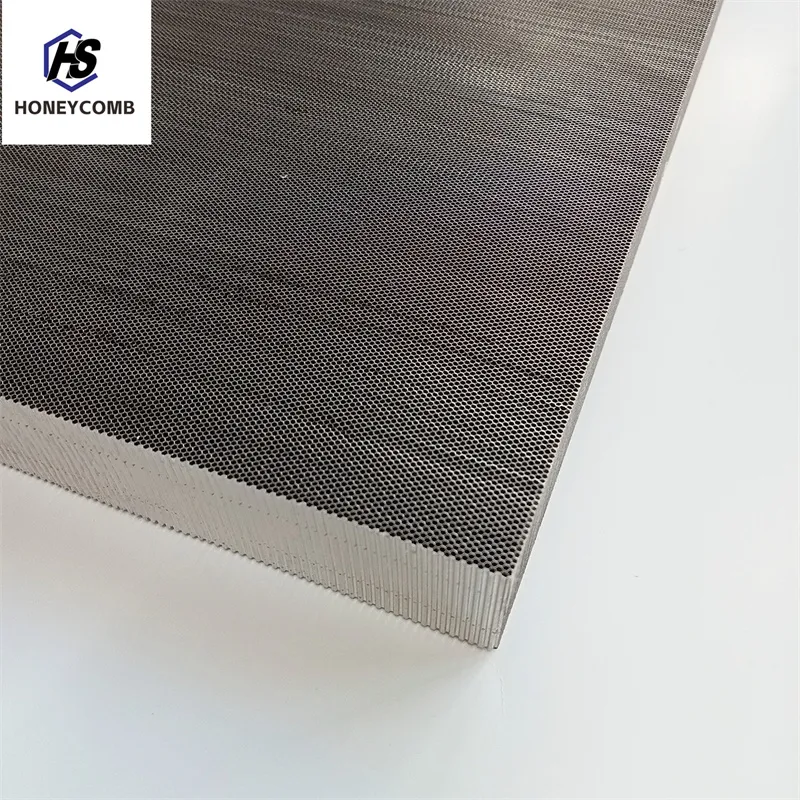
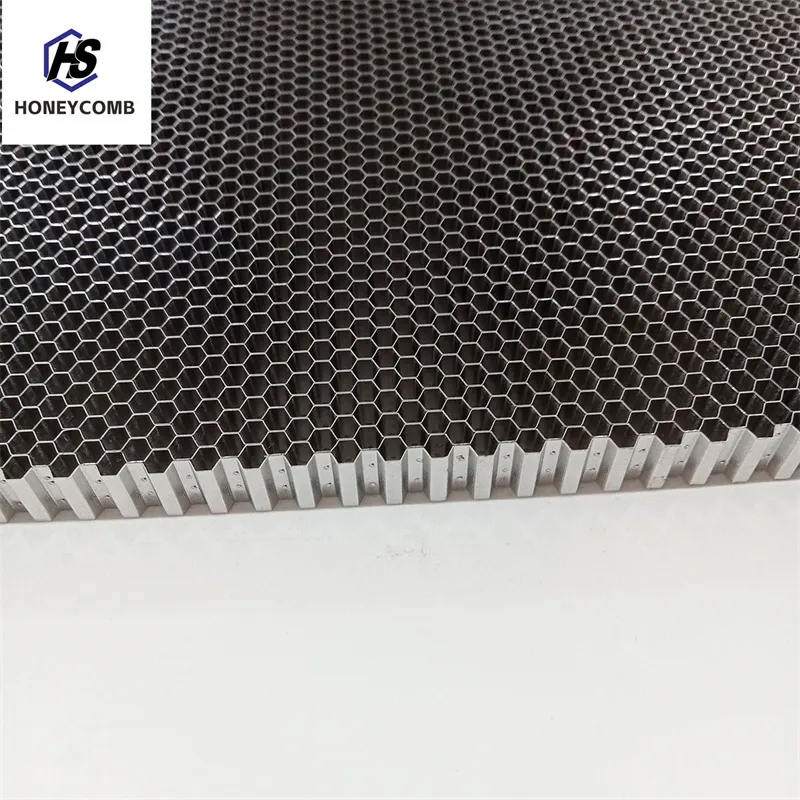
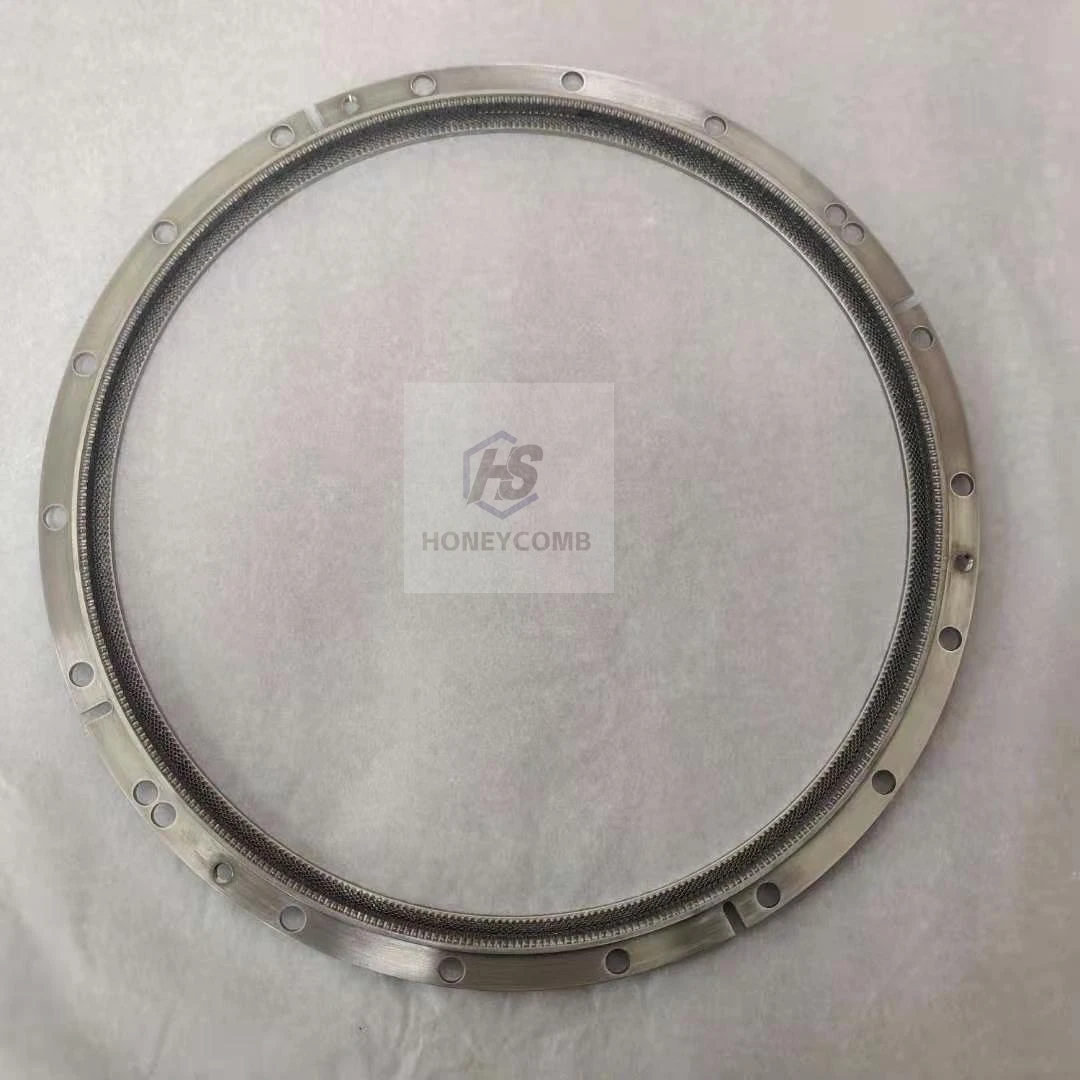
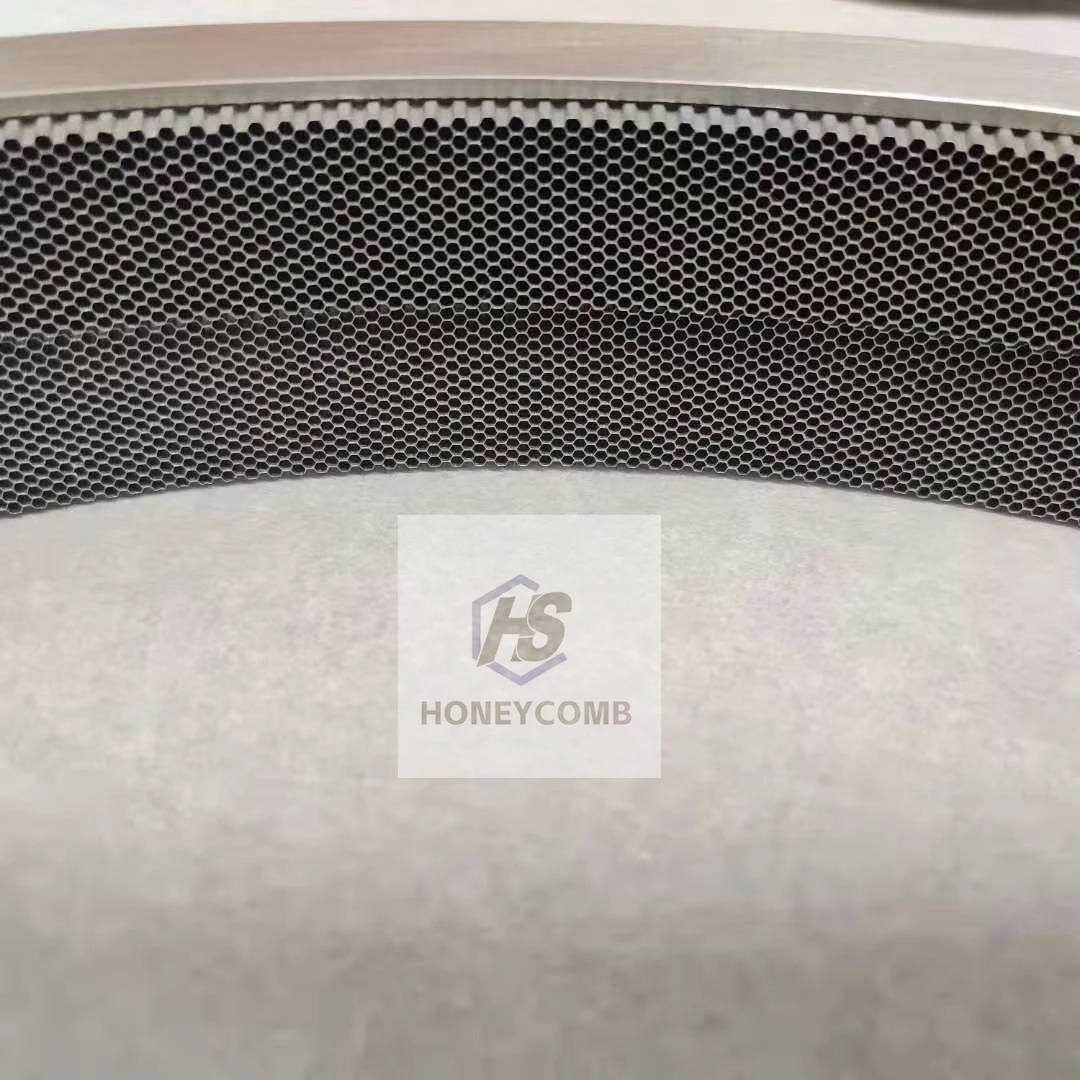
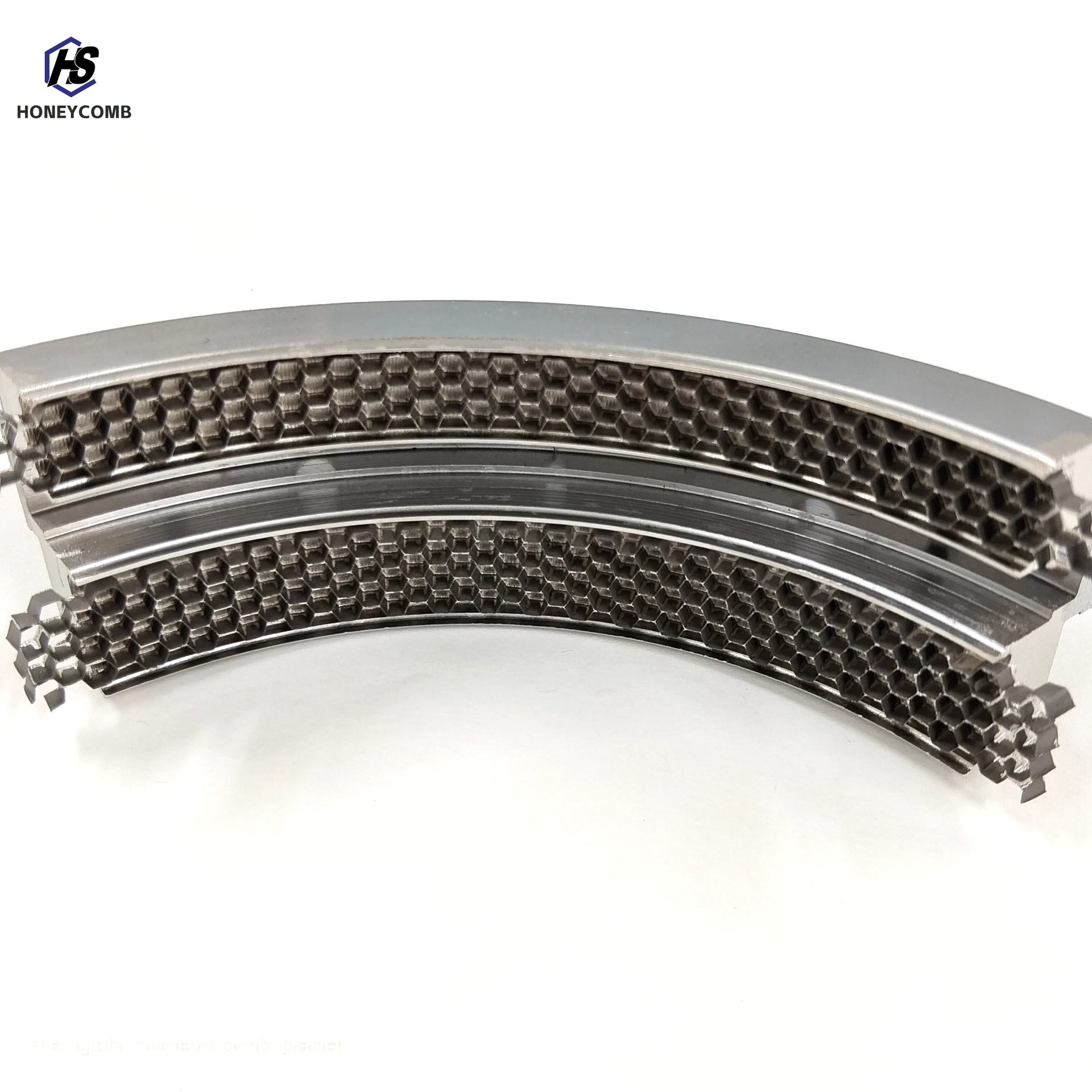
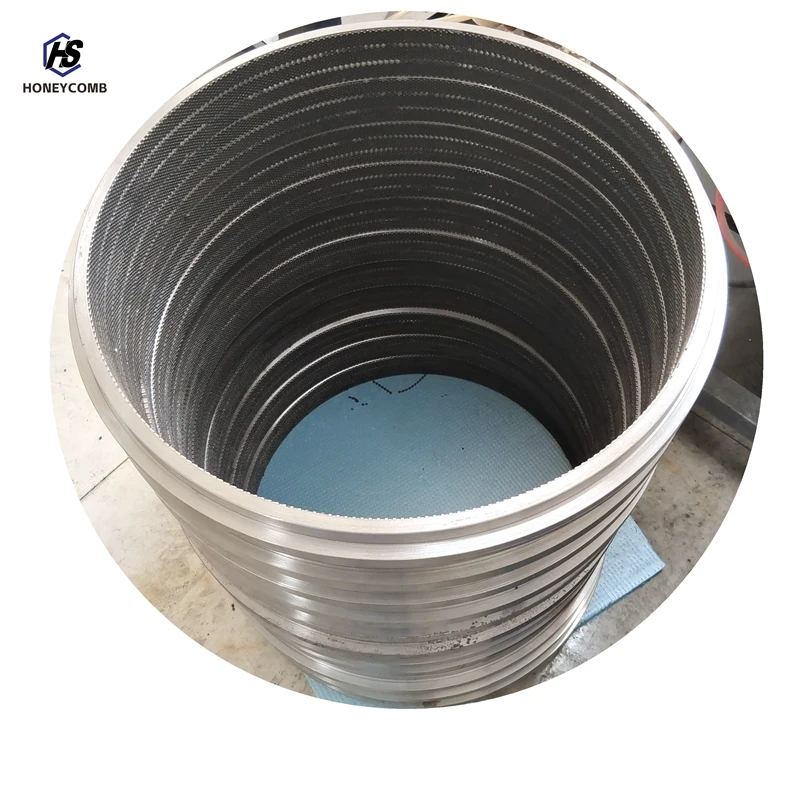
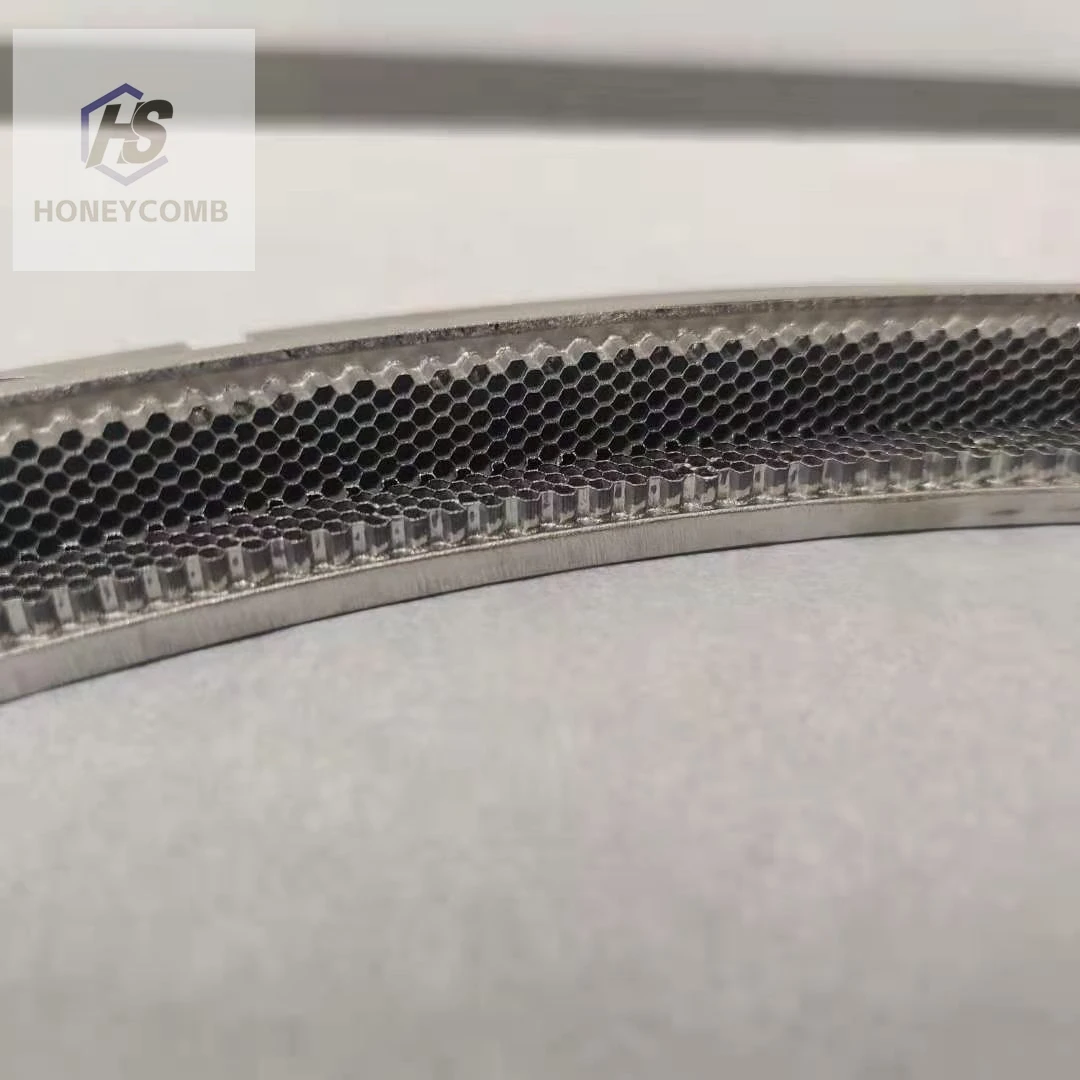
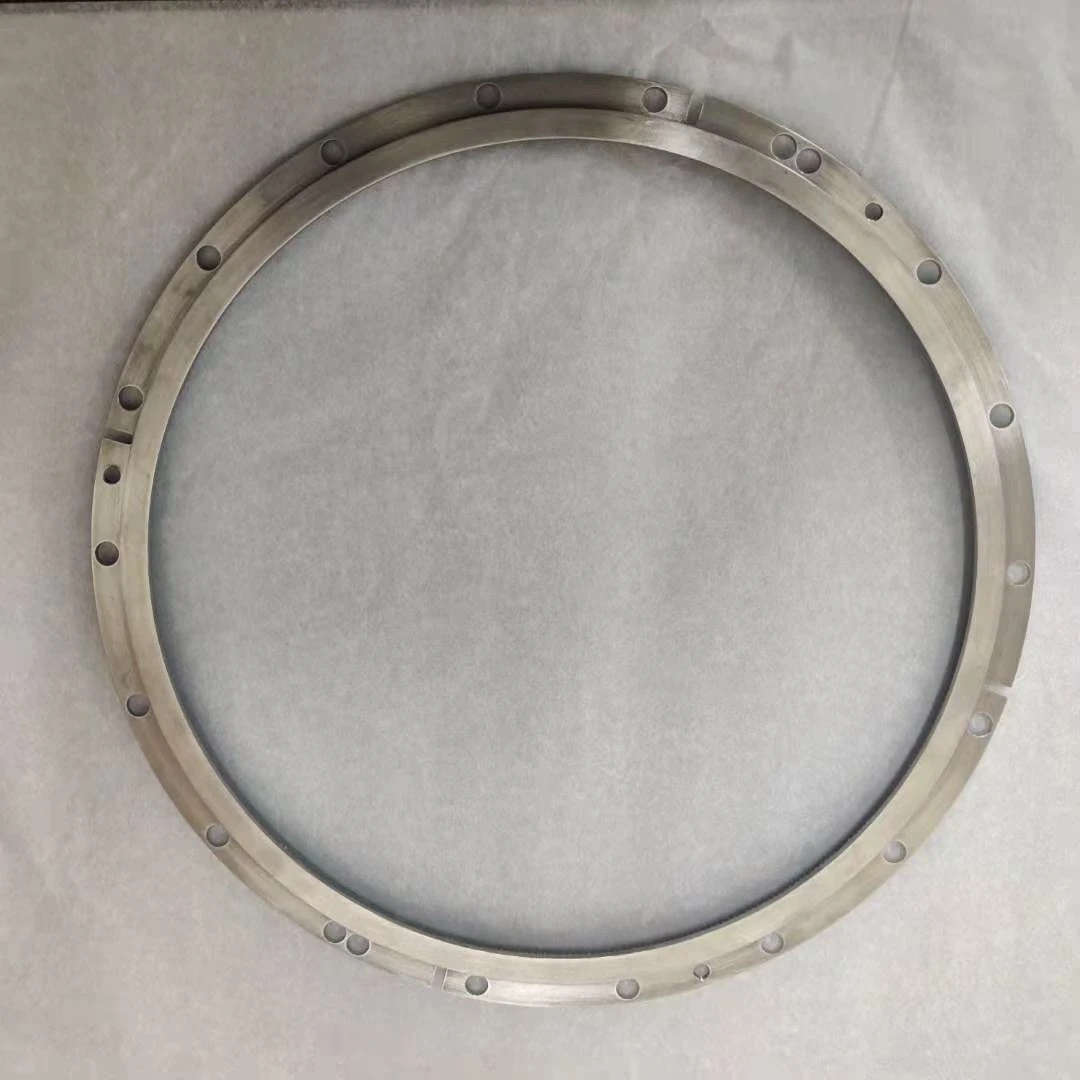
Customized Hexagonal 316 Stainless Steel Honeycomb Core For Sewage Treatment
When wastewater plants ask for durability without the weight penalty, I usually point them straight to the steel honeycomb core. In the last two years, demand has surged—sewage aeration upgrades, odor-control retrofits, even airflow straighteners in corrosive ducts. Honestly, the reason is simple: 316 stainless keeps working when chlorine and sulfides eat lesser metals. And yes, that matters in real-world, wet-and-gritty plants.
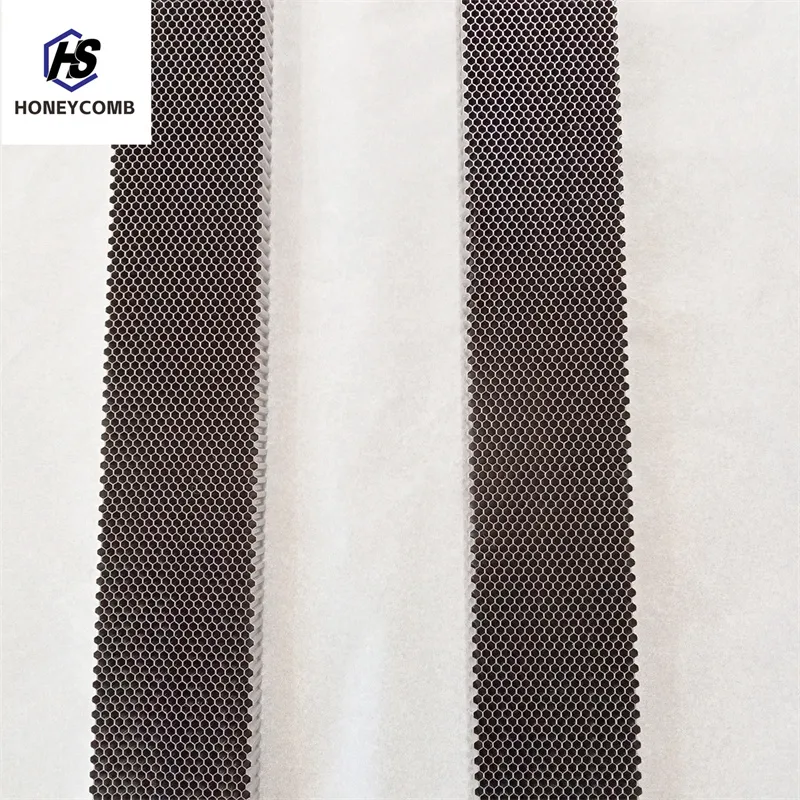
Why 316 matters (and where it shines)
The molybdenum in 316 boosts pitting resistance—exactly what you want around chlorides. Compared with aluminum honeycomb, a steel honeycomb core trades a bit of weight for lifespan and heat tolerance. In fact, many customers say they’ve stopped replacing clogged media as often, thanks to the core’s high open area and stiffness.
- Corrosion resistance: chlorides, H2S, moderate acids/alkali
- High temperature stability (≈600°C service ceiling)
- Excellent flow straightening and low ΔP, even after long exposure
- Easy to frame, weld, and mount; reusable in maintenance cycles
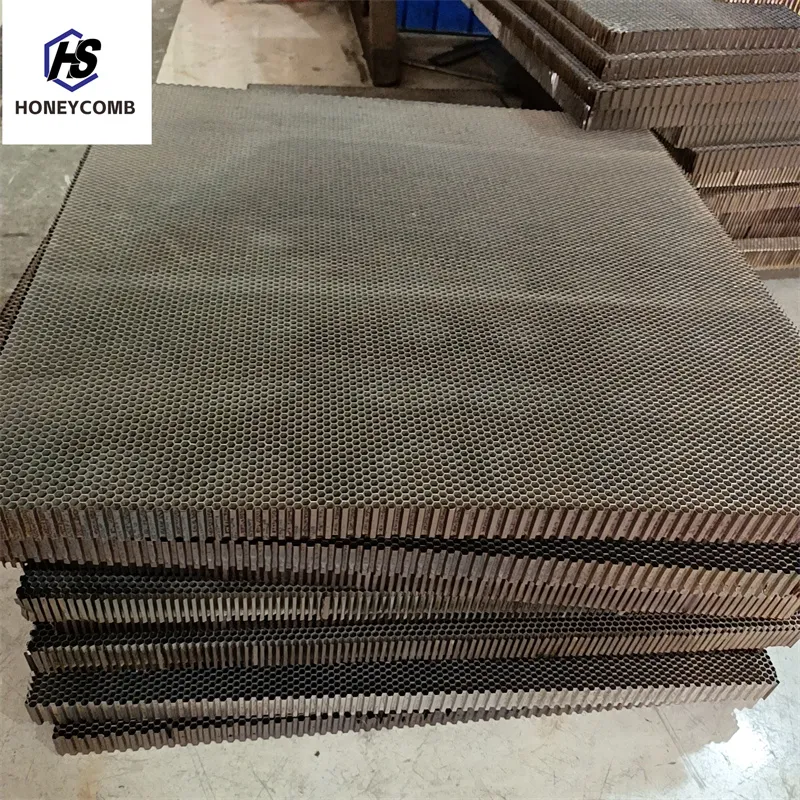
Typical Specifications (custom-built, but here’s a snapshot)
| Material | 316 / 316L stainless, ASTM A240 |
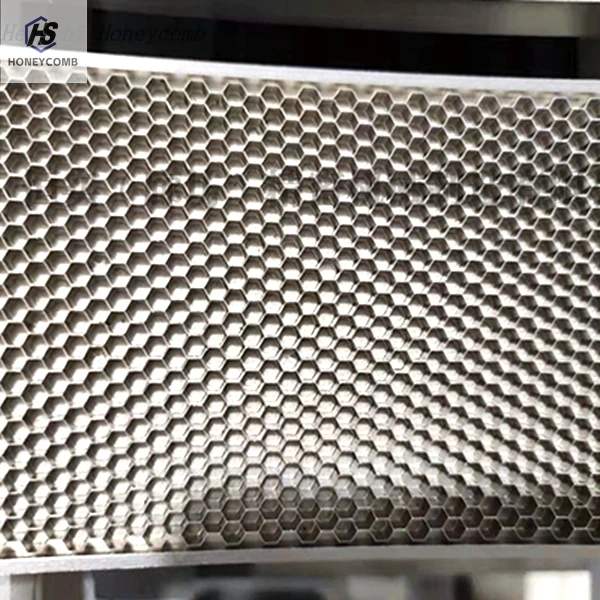
| Cell size (hex) | 3–12 mm (≈1/8–1/2 in), other sizes on request |
| Foil thickness | 0.04–0.10 mm (≈0.0016–0.004 in) |
| Core thickness | 6–100 mm standard; thicker by build-up |
| Density (nom.) | 40–130 kg/m³ (varies with cell/foil) |
| Compression strength (ASTM C365) | ≈1.5–6 MPa (real-world use may vary) |
| Open area | ≥95% |
| Max service temp | Up to ≈600°C (non-oxidizing) |
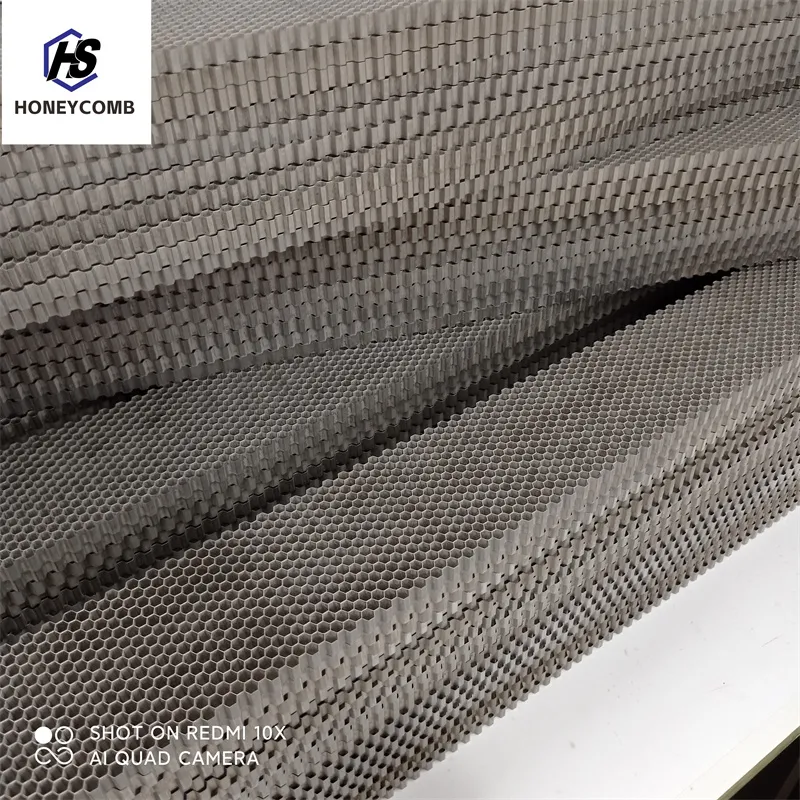
Process, testing, and service life
Built at Hengshi (Langfang) Precision Machinery Mfg., No.2, Tongda Street, High-tech area Gu'an County, Langfang, Hebei, China, the steel honeycomb core runs through: precision foil slitting → corrugation → spot-welding → expansion → trimming → passivation (ASTM A967) → optional framing. QC uses dimensional gauging, flatness checks, salt-spray benchmarking (ISO 9227), and core compression per ASTM C365; shear per ASTM C273/C393 where applicable. In sewage air systems we’ve seen 15–25 years of service, assuming periodic washdowns and pH within design.
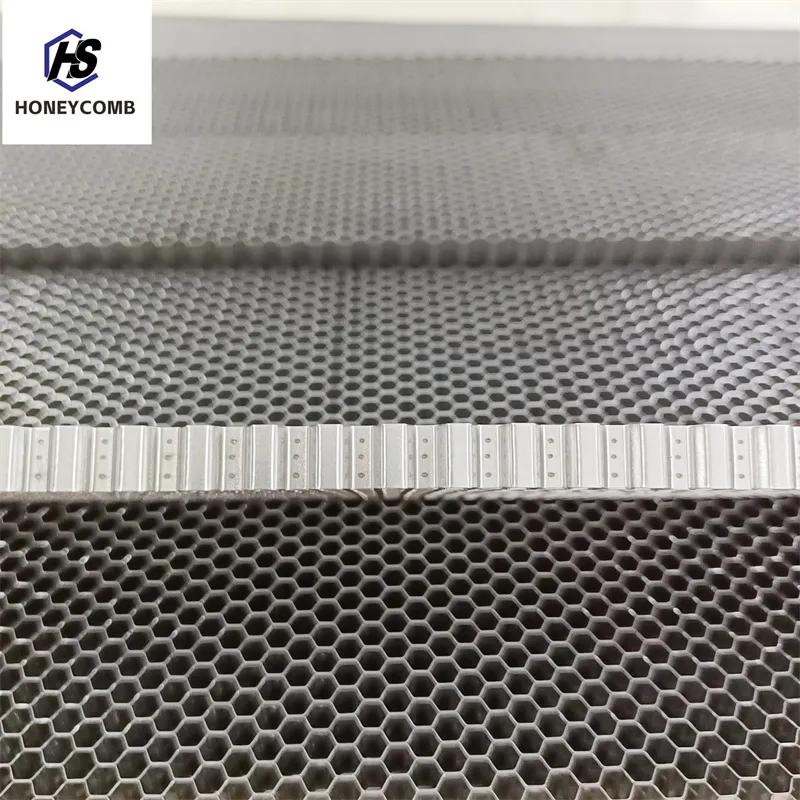
Where it’s used (and what operators report)
- Sewage aeration plenum straightening (lower blower energy, smoother flow)
- Odor control/biotrickling towers (uniform gas distribution)
- Ventilation panels/EMI vents in corrosive halls
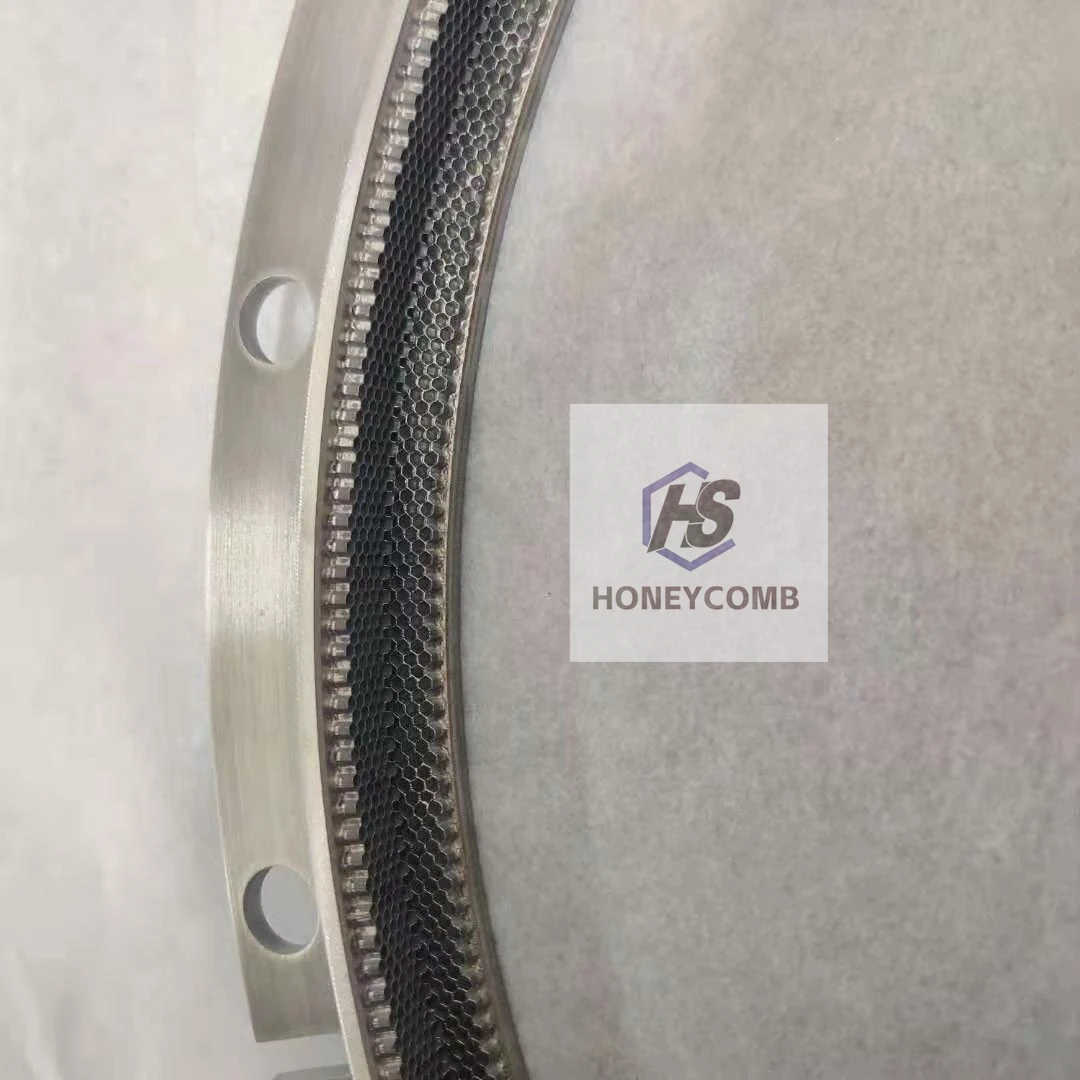
- Flame arrestor support and catalyst carriers (check code limits, of course)
Feedback? “Clogging slowed down,” one plant engineer told me—after six months, ΔP rose only ≈6% versus 12–15% on their older insert. Not a lab test, but still telling.
Case note: Municipal WWTP retrofit
A 120,000 m³/d facility swapped legacy screens for 316 honeycomb (6 mm cell, 0.06 mm foil). Independent test: ASTM C365 compressive strength averaged 3.2 MPa; airflow lab (ISO 5167-based rig) showed 8–11% lower turbulence intensity. Plant records suggested ≈7% blower energy reduction over a quarter. To be honest, savings vary with duct geometry—but still, not bad.
Vendor snapshot (real-world buying factors)
| Vendor | Customization | Certs | Lead time | Notes |
|---|---|---|---|---|
| Hengshi (Langfang) | Cell/foil/thickness/framing | ISO 9001, material traceability | ≈10–20 days | Competitive pricing; origin: Langfang, Hebei |
| Generic Import A | Limited sizes | Basic COA | ≈25–35 days | Lower price; longer logistics |
| EU Vendor B | High-mix, small batches | ISO 9001/14001 | ≈15–30 days | Premium pricing; quick aftersales |
Customization & compliance
Options include cut-to-size panels, edge close-outs, stainless frames, passivation, and cleaning for oxygen service (on request). Compliance touchpoints: ASTM A240 (material), ASTM C365/C393 (core testing), ISO 9227 (corrosion benchmarking), and project-specific fire behavior (ASTM E84) where required. Packaging is crate-secured; ship flat-expanded or in blocks depending on install plan.
Bottom line
If you’re balancing corrosion risk, airflow quality, and lifecycle cost, a steel honeycomb core in 316 is, frankly, a pragmatic choice. Not flashy—just resilient.
- ASTM A240/A240M – Standard Specification for Chromium and Chromium-Nickel Stainless Steel Plate, Sheet, and Strip.
- ASTM C365/C365M – Compressive Properties of Sandwich Cores; ASTM C393 – Flexural Properties of Sandwich Constructions.
- ISO 9227 – Corrosion tests in artificial atmospheres — Salt spray tests.
- ISO 9001:2015 – Quality management systems — Requirements.
- ASTM E84 – Standard Test Method for Surface Burning Characteristics of Building Materials.
-
Industrial Airflow Guide for maf воздушная правильная машинаNewsApr.16,2026
-
Best maf струйно правильная машина for Industrial EfficiencyNewsApr.09,2026
-
Сотовая правильная машина A Comprehensive Guide to Honey Packing AutomationNewsApr.07,2026
-
Build Your Own DIY газоправильная Машина A Comprehensive Guide to Gas CorrectionNewsApr.04,2026
-
Understanding Кондиционер отопления Systems for Efficient and Comfortable HeatingNewsMar.31,2026
-
Comprehensive Guide to Cellular Blinds Installation Установка сотовых жалюзиNewsMar.28,2026
-
Mobile Aerodynamic Tunnel Design A Comprehensive Guide to Applications and ImplementationNewsMar.26,2026






 English
  Afrikaans
  Albanian
  Amharic
  Arabic
  Armenian
  Azerbaijani
  Basque
  Belarusian
  Bengali
  Bosnian
  Bulgarian
  Catalan
  Cebuano
  China
China  China (Taiwan)
  Corsican
  Croatian
  Czech
Czech  Danish
  Dutch
Dutch  Esperanto
  Estonian
  Finnish
  French
  Frisian
  Galician
  Georgian
  German
  Greek
Greek  Gujarati
  Haitian Creole
  Hausa
Hausa  Hawaiian
  Hebrew
  Hindi
Hindi  Miao
Miao  Indonesian
  Italian
  Japanese
  Javanese
  Malay
Malay  Persian
  Portuguese
  Punjabi
  Russian
  Spanish
  Swahili
  Telugu
  Vietnamese