


Want a maf air fow straightener to boost accuracy and MPG?
Honeycomb Stainless Steel Air Flow Straighteners: what’s changing, what still matters
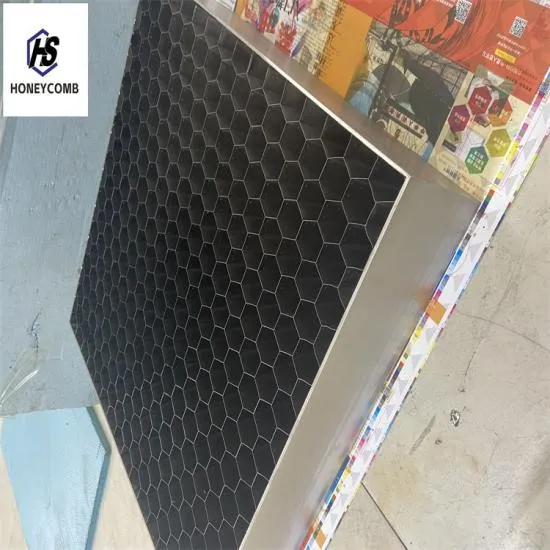
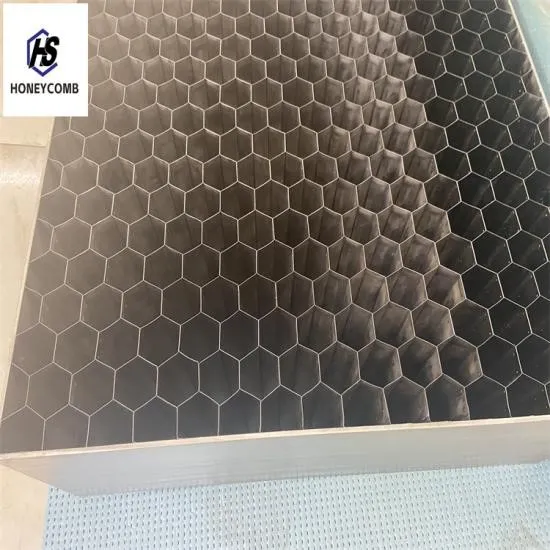
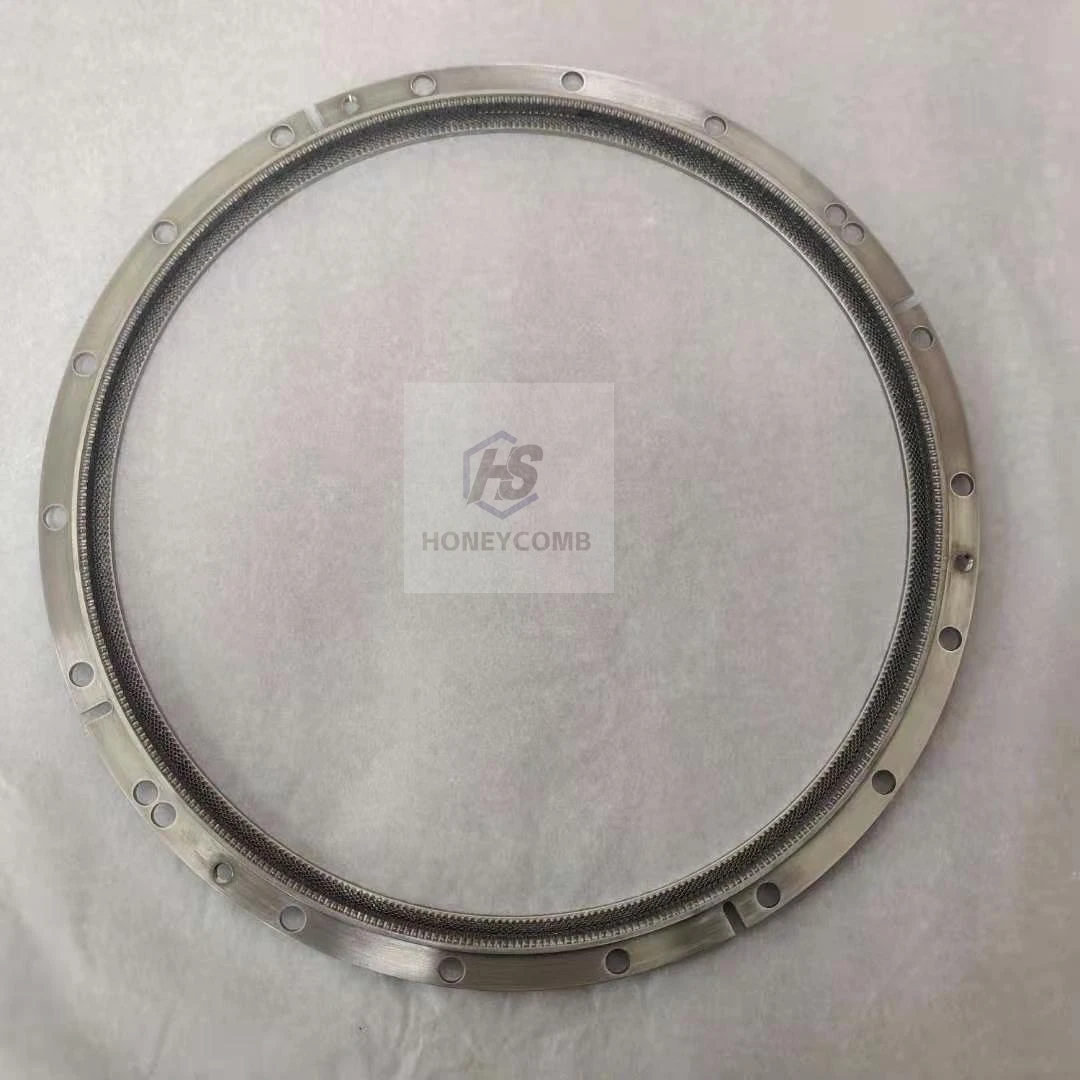
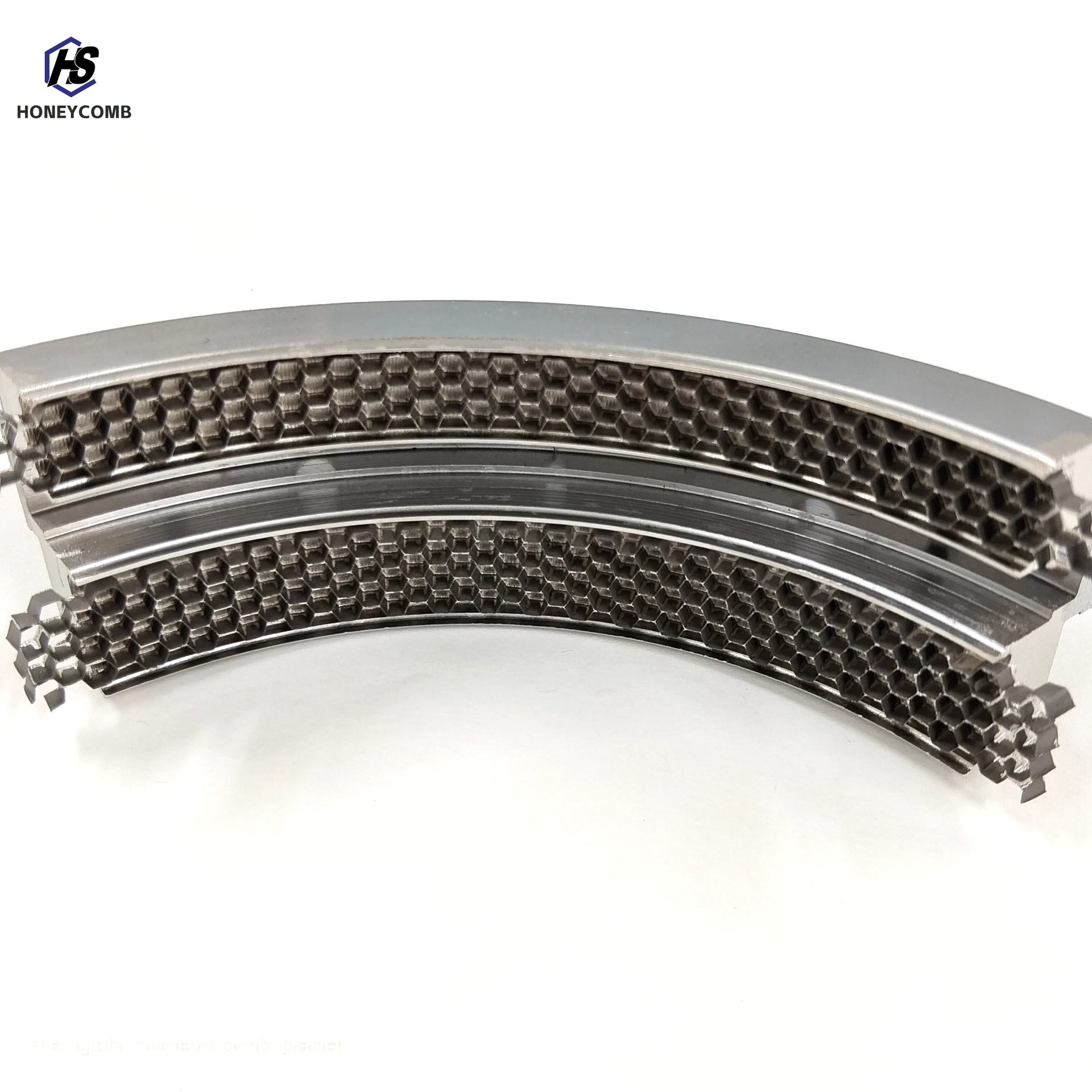
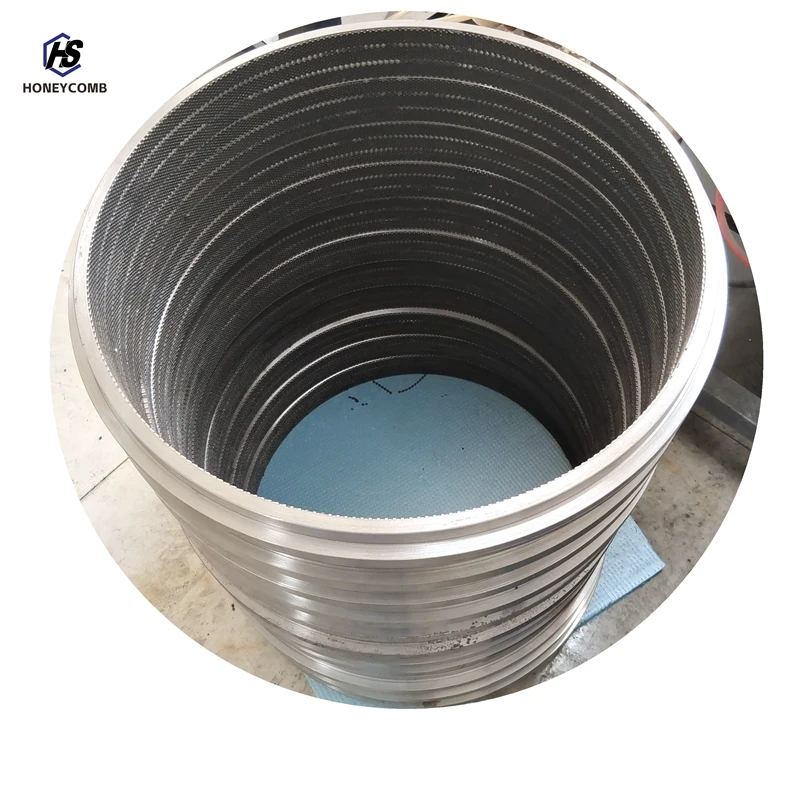
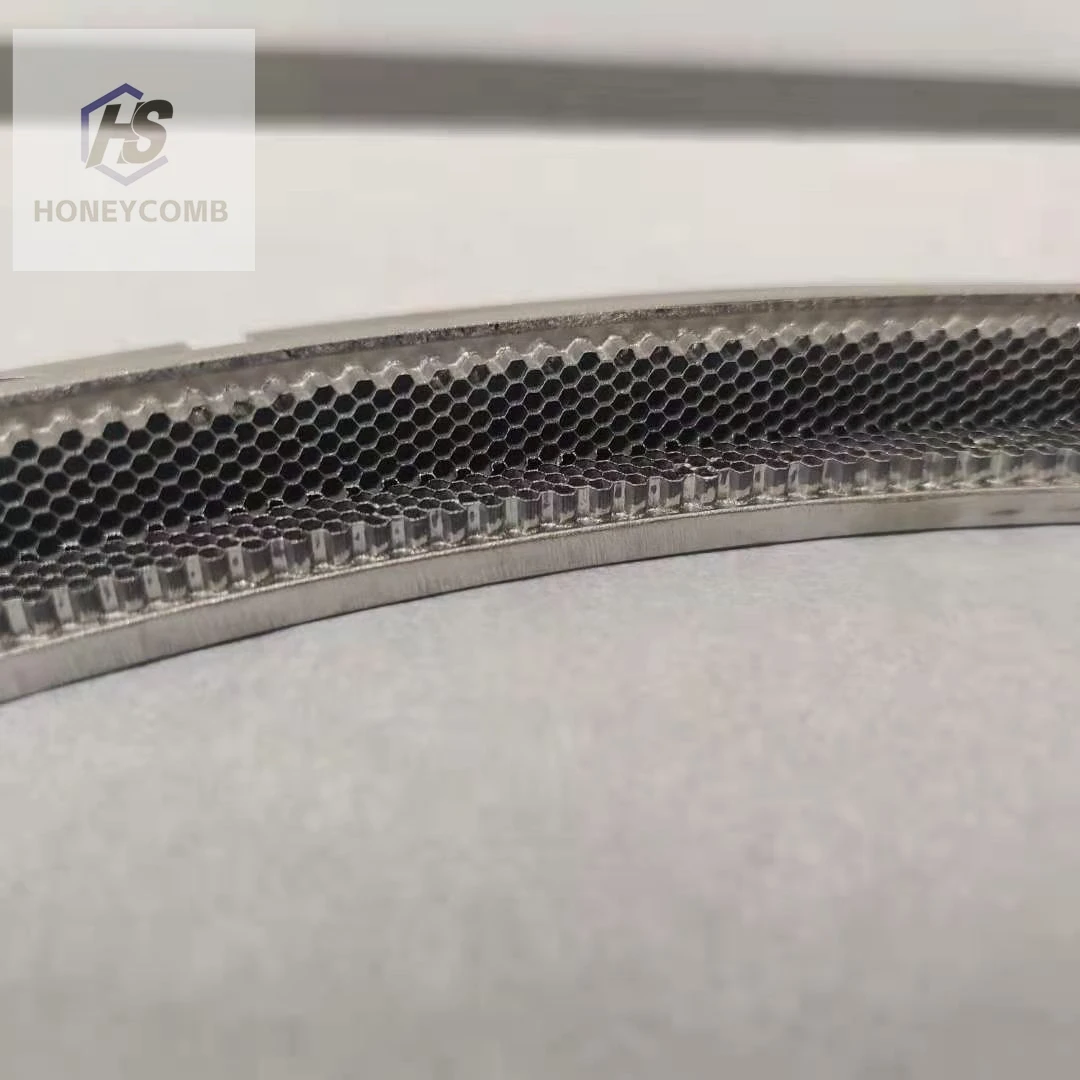
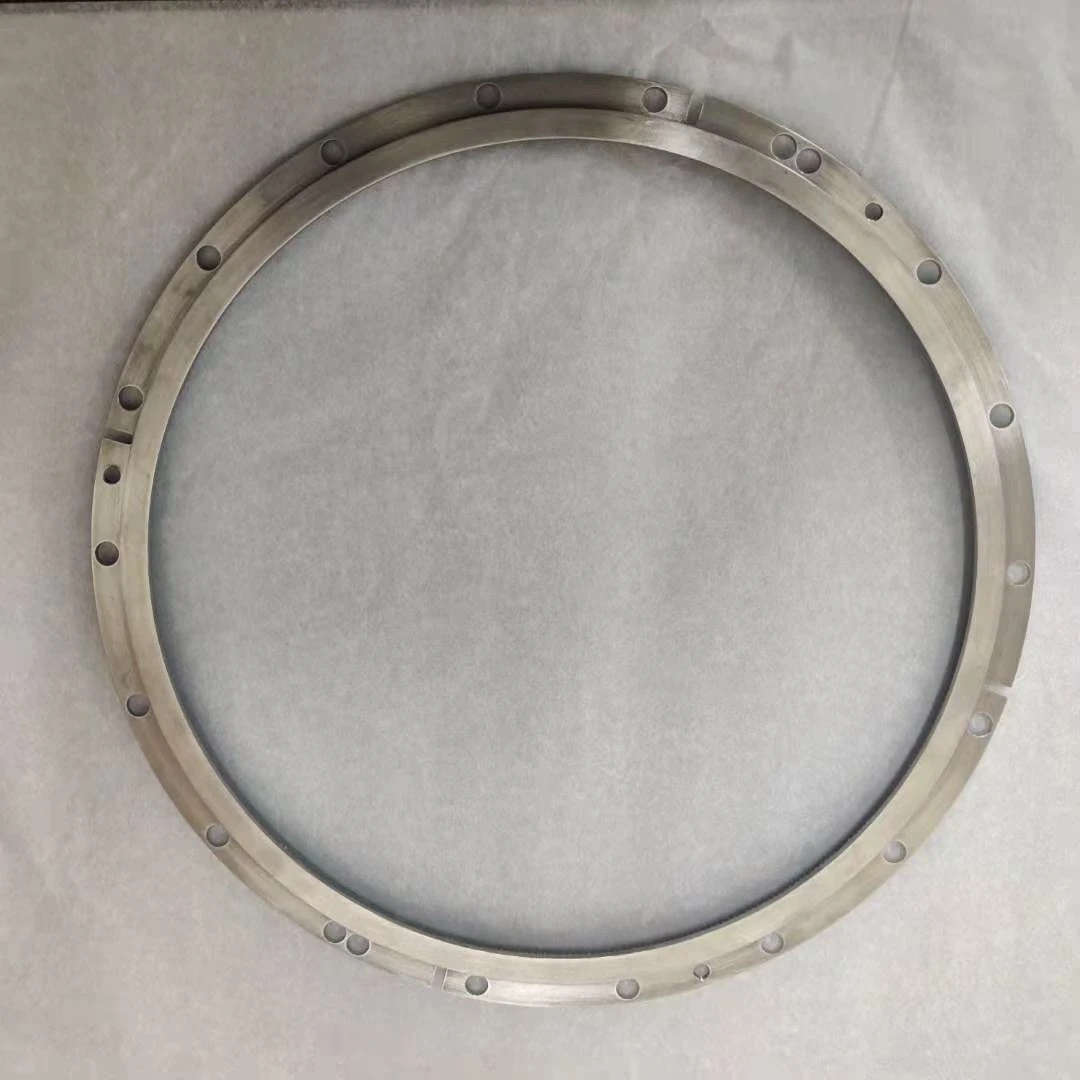
If you’re chasing repeatable data from a mass airflow sensor, a wind tunnel probe, or a fan test rig, a maf air fow straightener is the quiet hero in the setup. To be honest, these parts don’t get much glory—until turbulence wrecks your readings. I’ve watched labs spend days tuning duct geometry, only to fix it with a correct L/D honeycomb block.
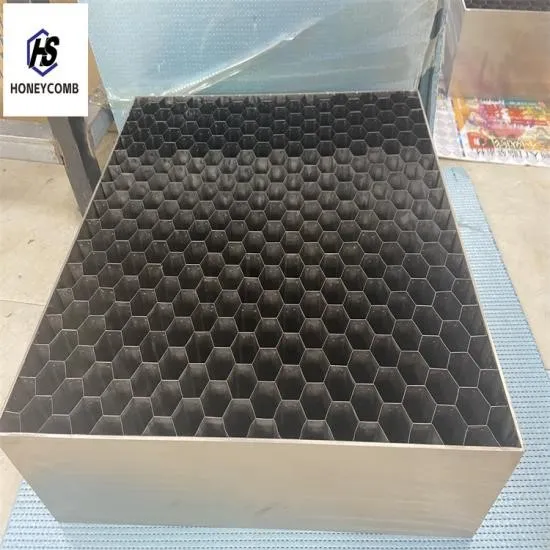
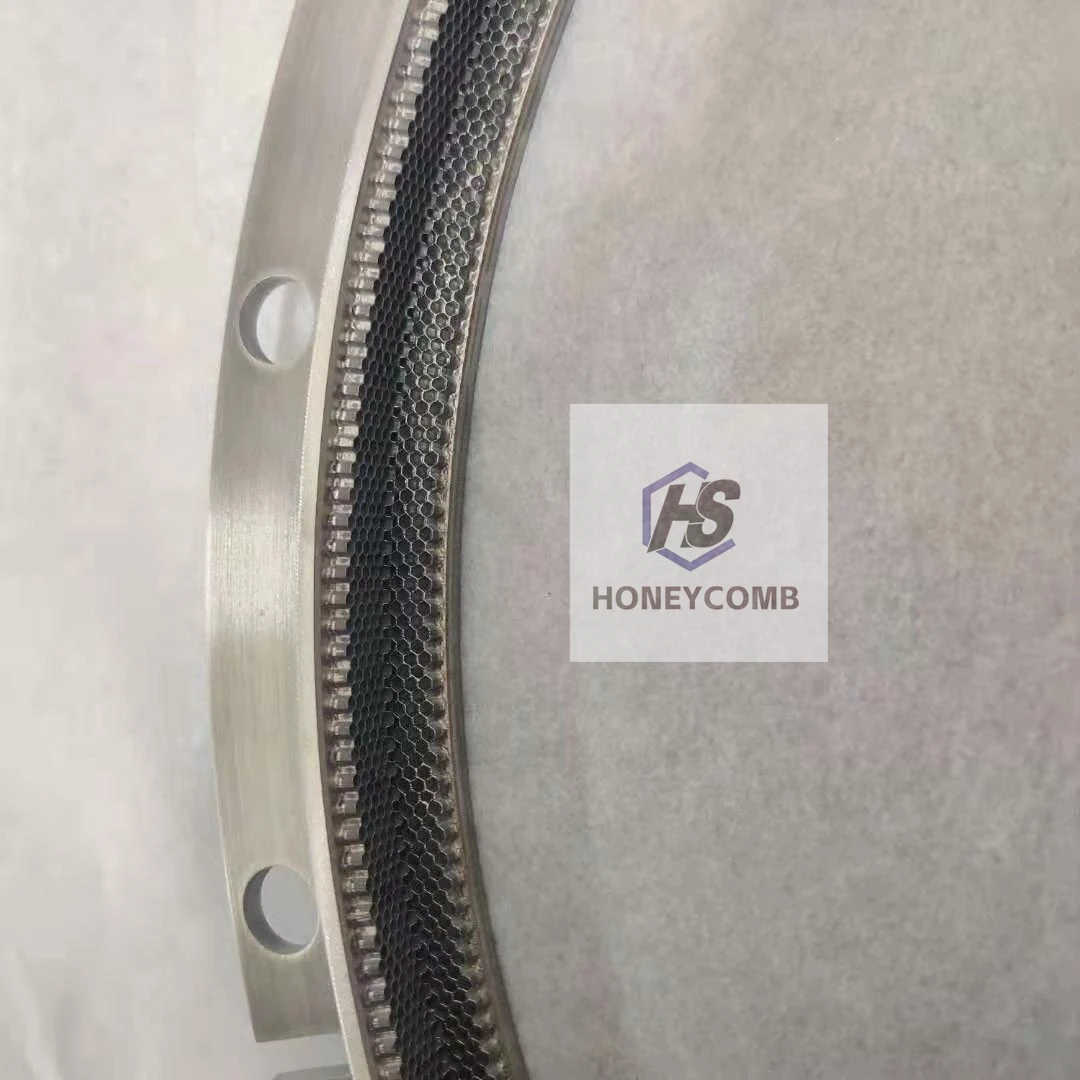
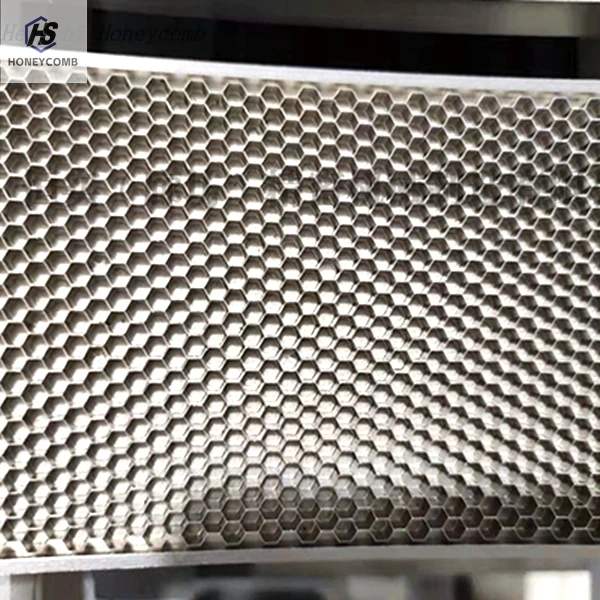
Here’s the interesting part: industry demand is moving toward stainless-steel honeycomb—especially for EV thermal loops, UAV test stands, and ISO-compliant fan labs—because it holds shape at temperature, shrugs off solvents, and stays accurate longer than thin polymer grids. Hengshi (Langfang) Precision Machinery, based at No.2, Tongda Street, High-tech area Gu'an County, Langfang, 065500, Hebei, China, has leaned into that shift with its Honeycomb Stainless Steel Air Flow Straightener / Steel Honeycomb Wind Tunnel line. Many customers say they’re picking stainless to reduce re-cal cycles and keep MAF sensor trims stable across seasons.
Typical specs (real-world use may vary)
| Material | 304/316L stainless (ASTM A240) |
| Cell size | 3–12 mm (≈1/8–1/2 in) |
| Foil thickness | 0.04–0.08 mm |
| L/D options | 4–12; sweet spot ≈8 for duct work |
| Open-area ratio | ≈92–97% |
| Temp rating | -40 to 450°C |
| Flatness tolerance | ≤0.3 mm per 300 mm |
| Finish | Cleaned + passivated (ASTM A967) |
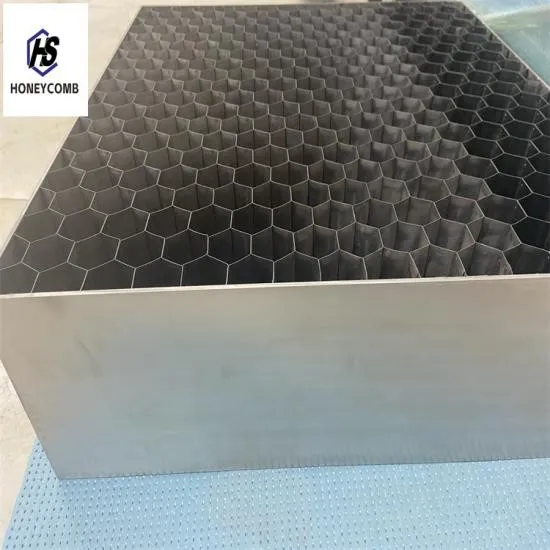
Process flow and QA
Materials are slit from coil (304/316L), degreased, spot-weld stacked, expanded to cell geometry, sliced, and framed. Edges are deburred; assemblies are stress-relieved, then passivated. Methods include resistance spot welding and precision expansion to hold L/D uniformity. Testing: inlet velocity profile check (ISO 3966), pressure-drop mapping at 10–30 m/s, turbulence intensity reduction, and dimensional QC. Service life? In clean labs, 10+ years; in engine bays, I’d budget 5–8 years with ultrasonic cleaning every few thousand hours.
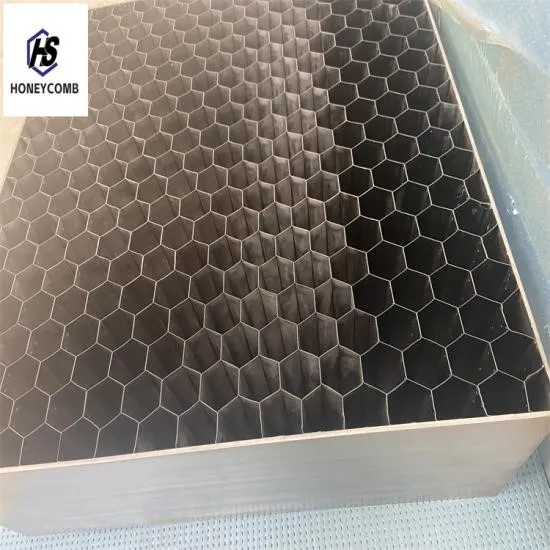
Applications
- Automotive MAF housings: place the maf air fow straightener 3–5D upstream of the sensor to calm swirl.
- Fan test stands (ANSI/AMCA 210 / ASHRAE 51) to stabilize inlet profiles.
- Wind tunnels and UAV prop rigs to reduce TI from ~8–12% to ≤1.5% at L/D≈8.
- HVAC balometers, particle counters, and cleanroom exhaust verification.
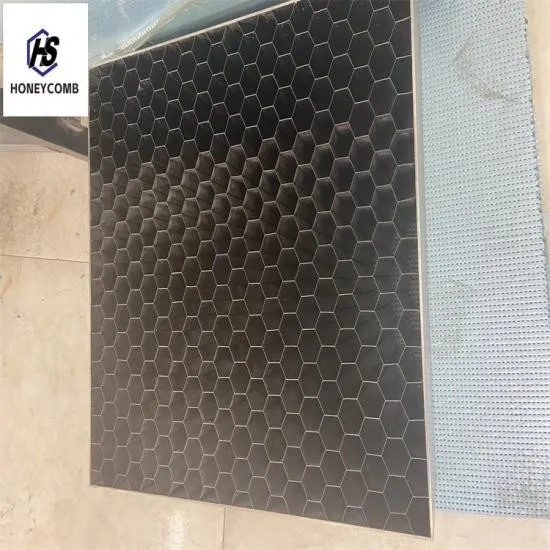
Vendor snapshot (quick compare)
| Vendor | Material | Customization | Lead time | Notes |
|---|---|---|---|---|
| Hengshi (Langfang) | 304/316L SS | Cell, L/D, frames, odd shapes | ≈2–4 weeks | Passivated; lab test data provided |
| Generic aluminum import | 3003 Al | Limited | ≈1–2 weeks | Lightweight but softer, lower temp |
| Polymer grid (3D print) | PA/PC blends | High (prototyping) | Days | Great for mockups; solvent sensitive |
Field results (a couple quick stories)
Dyno cell, 90 mm intake: swapping in an 8D stainless maf air fow straightener cut turbulence intensity from ~9% to 1.3% and reduced run-to-run MAF scatter by 0.6 g/s at 4,500 rpm. Pressure drop was ≈120 Pa at 20 m/s—totally acceptable for the gain in repeatability.
University wind tunnel: a 6 mm cell, 10D unit stabilized the velocity profile to ±1.5% across 85% of cross-section; instructor told me calibration time fell by almost half. Surprisingly, noise dropped too (less large-scale eddy formation).
Certs and compliance: ISO 9001 manufacturing, materials per ASTM A240, passivation per ASTM A967. Intake system teams often reference ISO 5011 for upstream filter interactions; fan labs reference AMCA 210 / ASHRAE 51. Test reports can be supplied on request—ask for velocity profile and ΔP curves.
Final thought: hardware like this rarely steals headlines, but when your data stops drifting, you’ll notice. And yes, customization matters—cell size, L/D, edge frames, even anti-vortex screens—get those right and the rest goes smoother, I guess.
Authoritative citations
- ISO 3966: Measurement of fluid flow in closed conduits — Velocity in circular ducts
- ANSI/AMCA 210 / ASHRAE 51: Laboratory Methods of Testing Fans
- ASTM A240/A240M: Stainless Steel Plate, Sheet, and Strip
- ASTM A967/A967M: Chemical Passivation Treatments for Stainless Steel Parts
- ISO 5011: Inlet air cleaning equipment for internal combustion engines

-
Industrial Airflow Guide for maf воздушная правильная машинаNewsApr.16,2026
-
Best maf струйно правильная машина for Industrial EfficiencyNewsApr.09,2026
-
Сотовая правильная машина A Comprehensive Guide to Honey Packing AutomationNewsApr.07,2026
-
Build Your Own DIY газоправильная Машина A Comprehensive Guide to Gas CorrectionNewsApr.04,2026
-
Understanding Кондиционер отопления Systems for Efficient and Comfortable HeatingNewsMar.31,2026
-
Comprehensive Guide to Cellular Blinds Installation Установка сотовых жалюзиNewsMar.28,2026
-
Mobile Aerodynamic Tunnel Design A Comprehensive Guide to Applications and ImplementationNewsMar.26,2026






 English
  Afrikaans
  Albanian
  Amharic
  Arabic
  Armenian
  Azerbaijani
  Basque
  Belarusian
  Bengali
  Bosnian
  Bulgarian
  Catalan
  Cebuano
  China
China  China (Taiwan)
  Corsican
  Croatian
  Czech
Czech  Danish
  Dutch
Dutch  Esperanto
  Estonian
  Finnish
  French
  Frisian
  Galician
  Georgian
  German
  Greek
Greek  Gujarati
  Haitian Creole
  Hausa
Hausa  Hawaiian
  Hebrew
  Hindi
Hindi  Miao
Miao  Indonesian
  Italian
  Japanese
  Javanese
  Malay
Malay  Persian
  Portuguese
  Punjabi
  Russian
  Spanish
  Swahili
  Telugu
  Vietnamese