


Wind Tunnel Honeycomb – Laminar Flow, Custom, Low Loss
Inside the Laminar Revolution: SUS 304 Honeycomb Flow Straighteners for Test Facilities
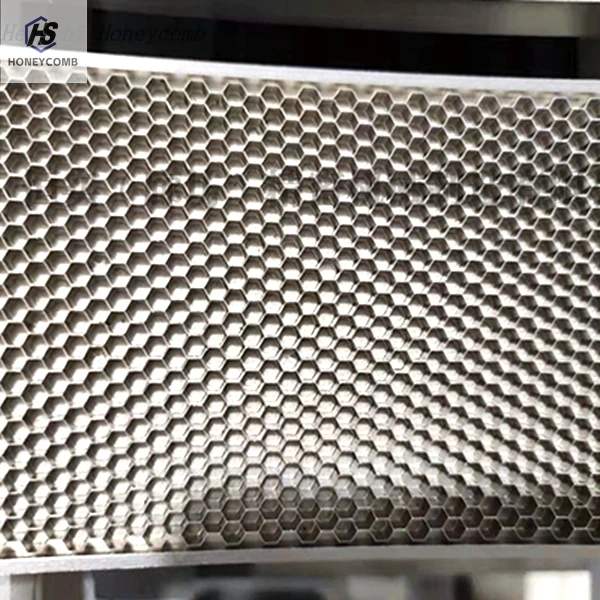
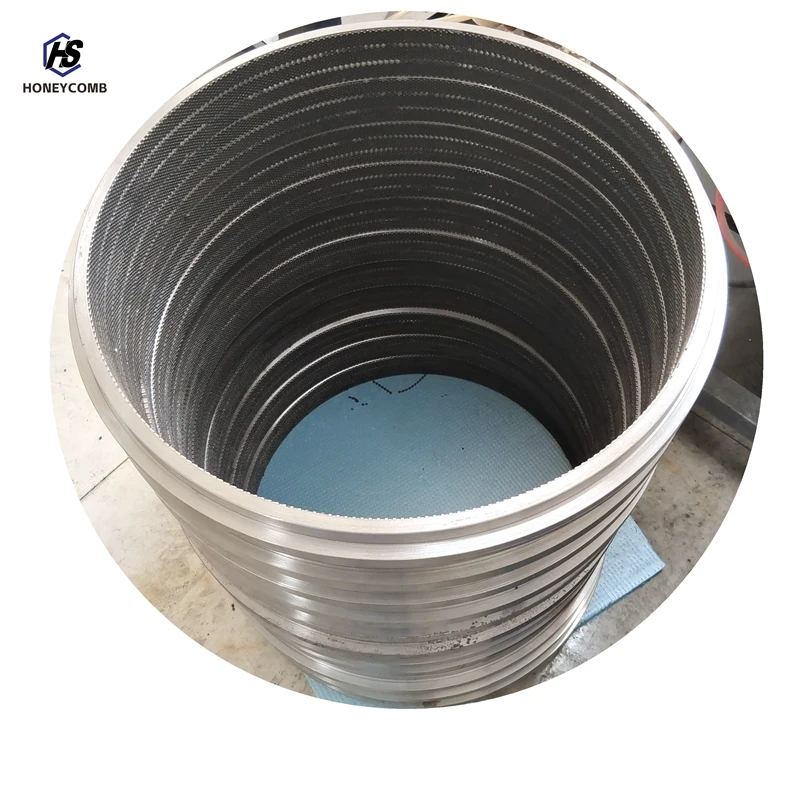
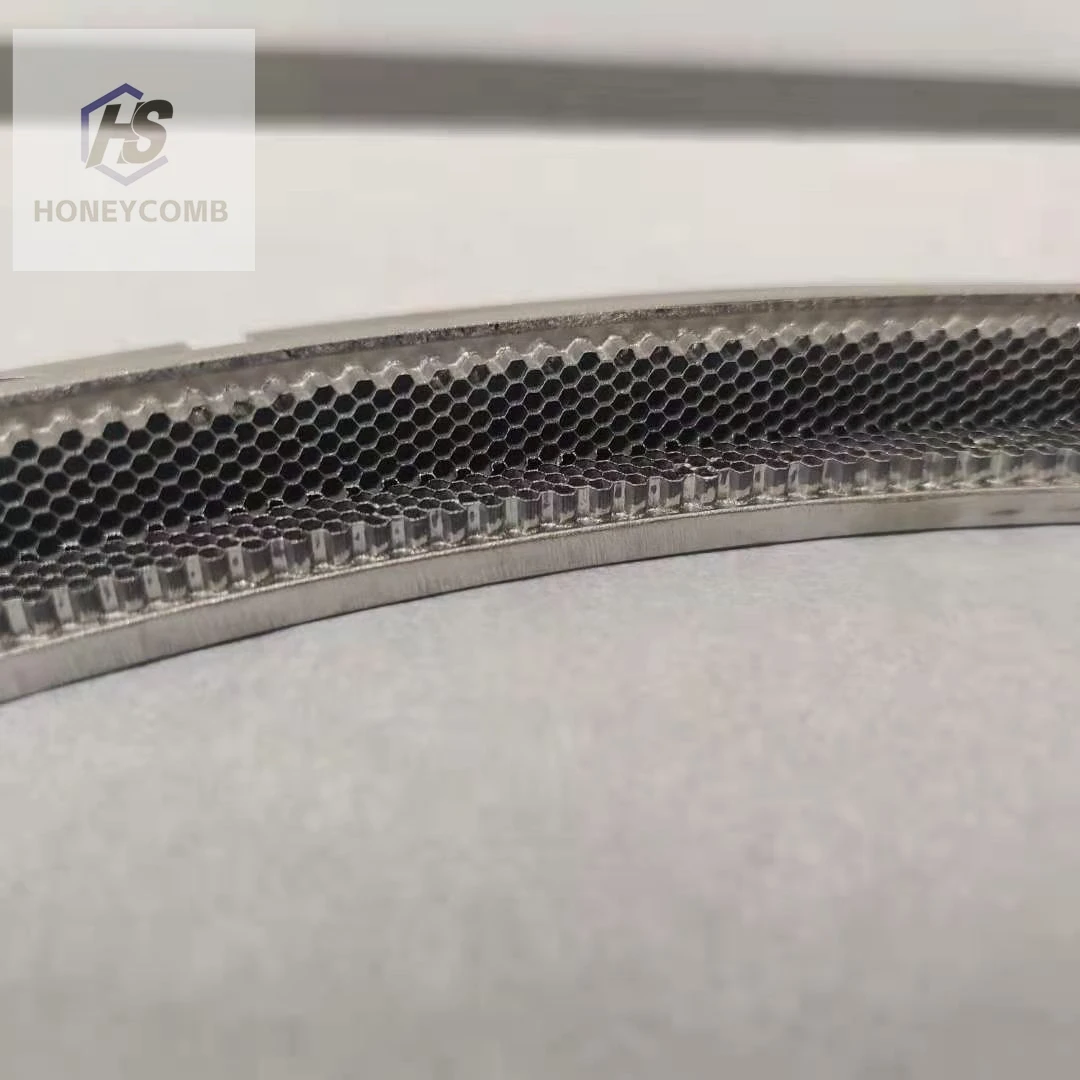
If you’ve spent time around wind tunnels, you know the drama happens before the test section. The screens, the contraction, and the Wind Tunnel Honeycomb—that last item often decides whether your data sings or sulks. Hengshi’s Customized Diverse SUS 304 Honeycomb Air Flow Straightener has been popping up in more R&D labs lately, and for good reason. I’ve seen teams plug it into legacy tunnels and cut swirl like a hot knife through butter.
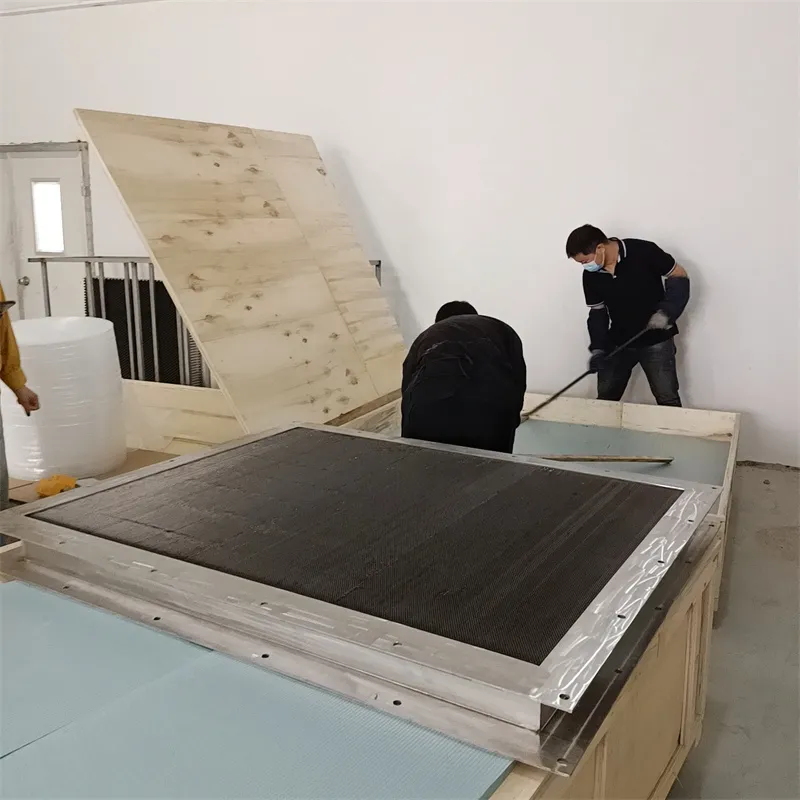
Why SUS 304 honeycomb now?
Two quick trends: electrification programs need ultra-stable aero data at low Reynolds numbers, and battery thermal labs are borrowing wind-tunnel discipline. Stainless (SUS 304) holds geometry in heat, resists corrosion in misting sections and water tunnels, and, frankly, survives student projects. Many customers say it’s the “install it and forget it” layer.
Core specifications (real-world values)
| Parameter | Hengshi SUS 304 Straightener |
|---|---|
| Material standard | SUS 304 stainless per ASTM A240 / EN 10088-1 |
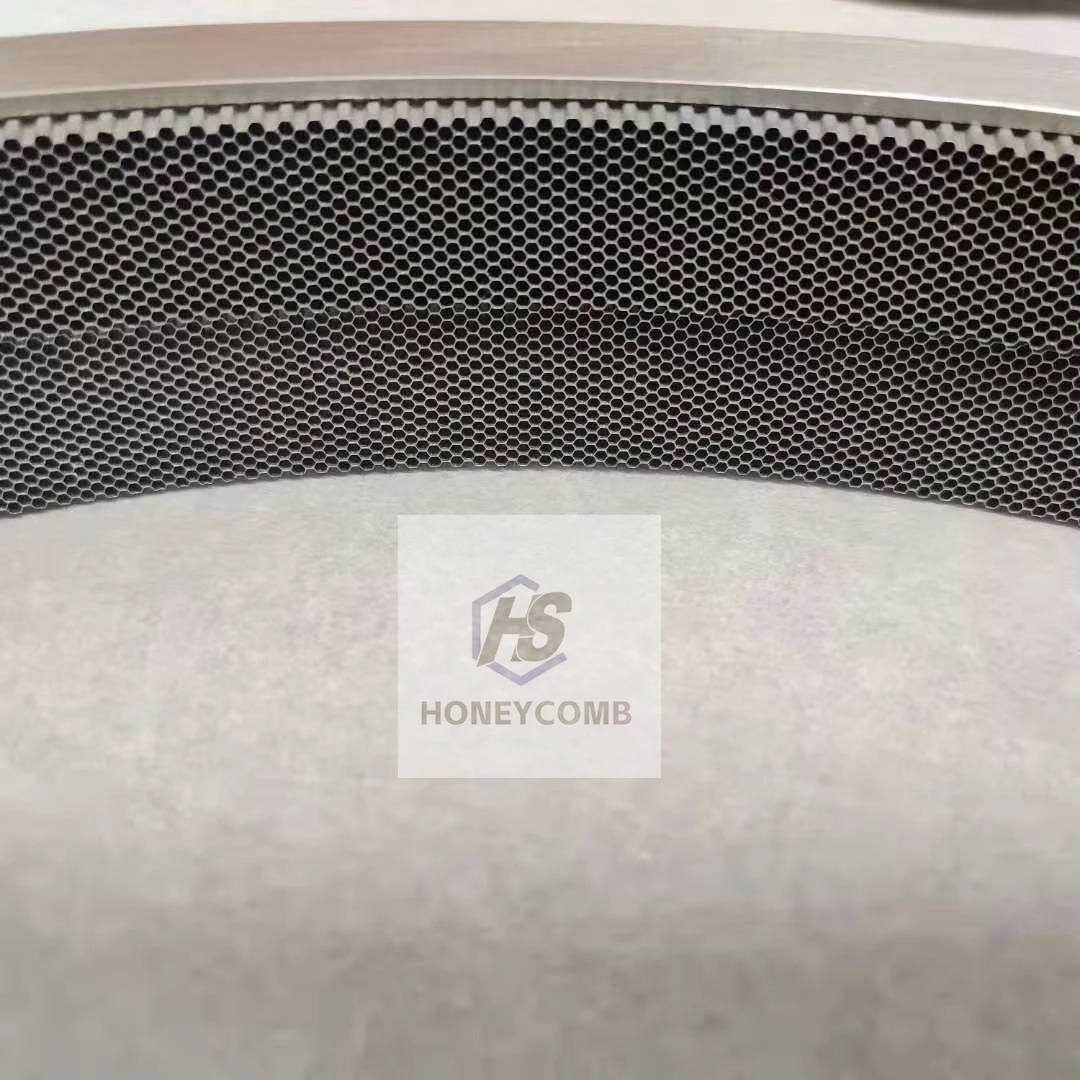
| Cell size (across flats) | 3–12 mm (custom to ≈1.5 mm for special rigs) |
| Foil thickness | 0.04–0.08 mm (typical) |
| L/D ratio | 6:1 to 12:1 (higher by request) |
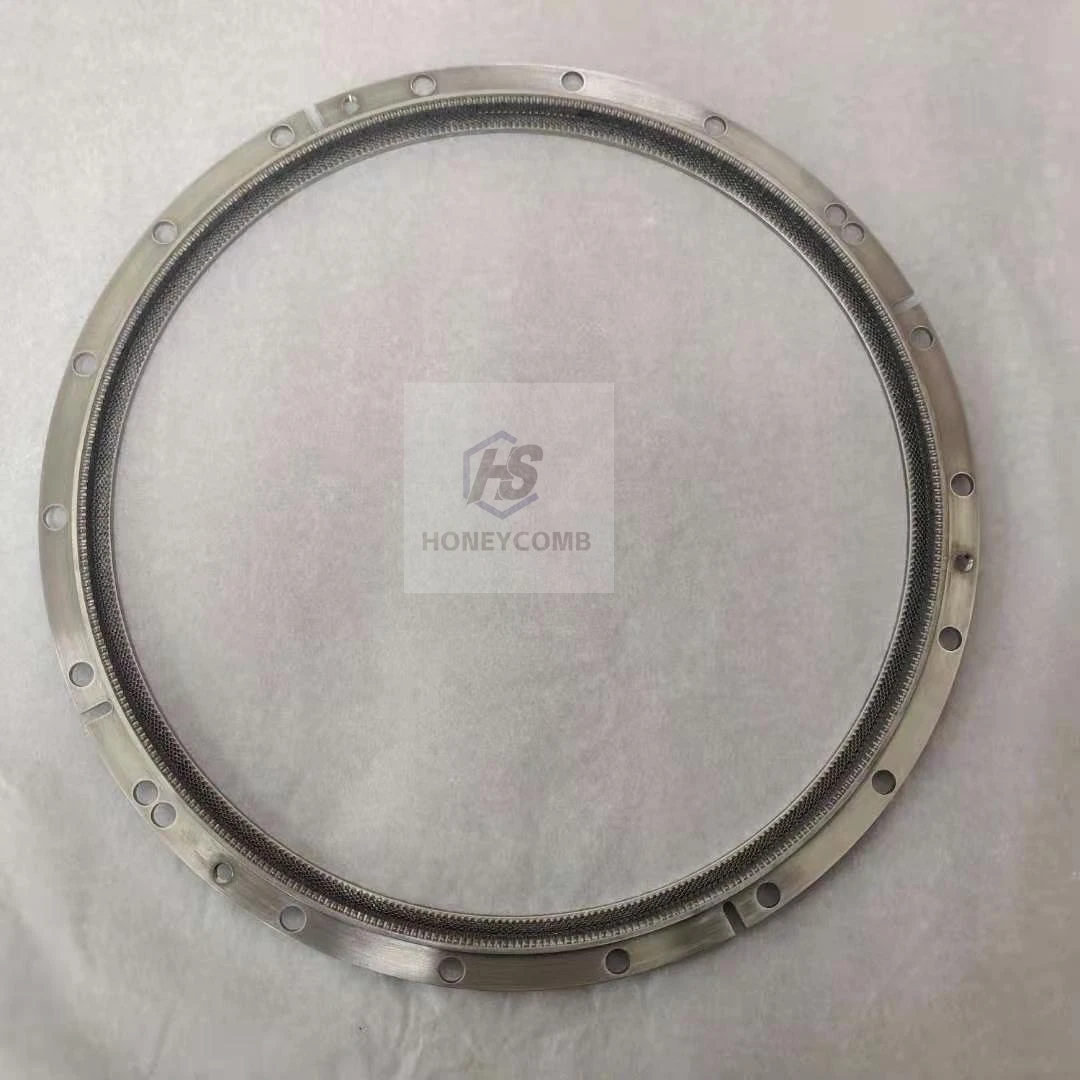
| Panel size | Up to around 2.0 × 2.5 m; modular tiling for larger |
| Flatness | ≤0.5 mm per 1000 mm (typical build) |
| Open area | ≈92–98% depending on cell/foil |
| Temperature range | -20 to 400°C (continuous) |
| Finish | Deburred, cleaned; optional passivation |
| Compliance | ISO 9001:2015 facility; material traceability certs |
How it’s made (short version)
- Materials: SUS 304 coil, certified to ASTM A240; batch ID tracked from No.2, Tongda Street, High-tech area Gu'an County, Langfang, Hebei, China.
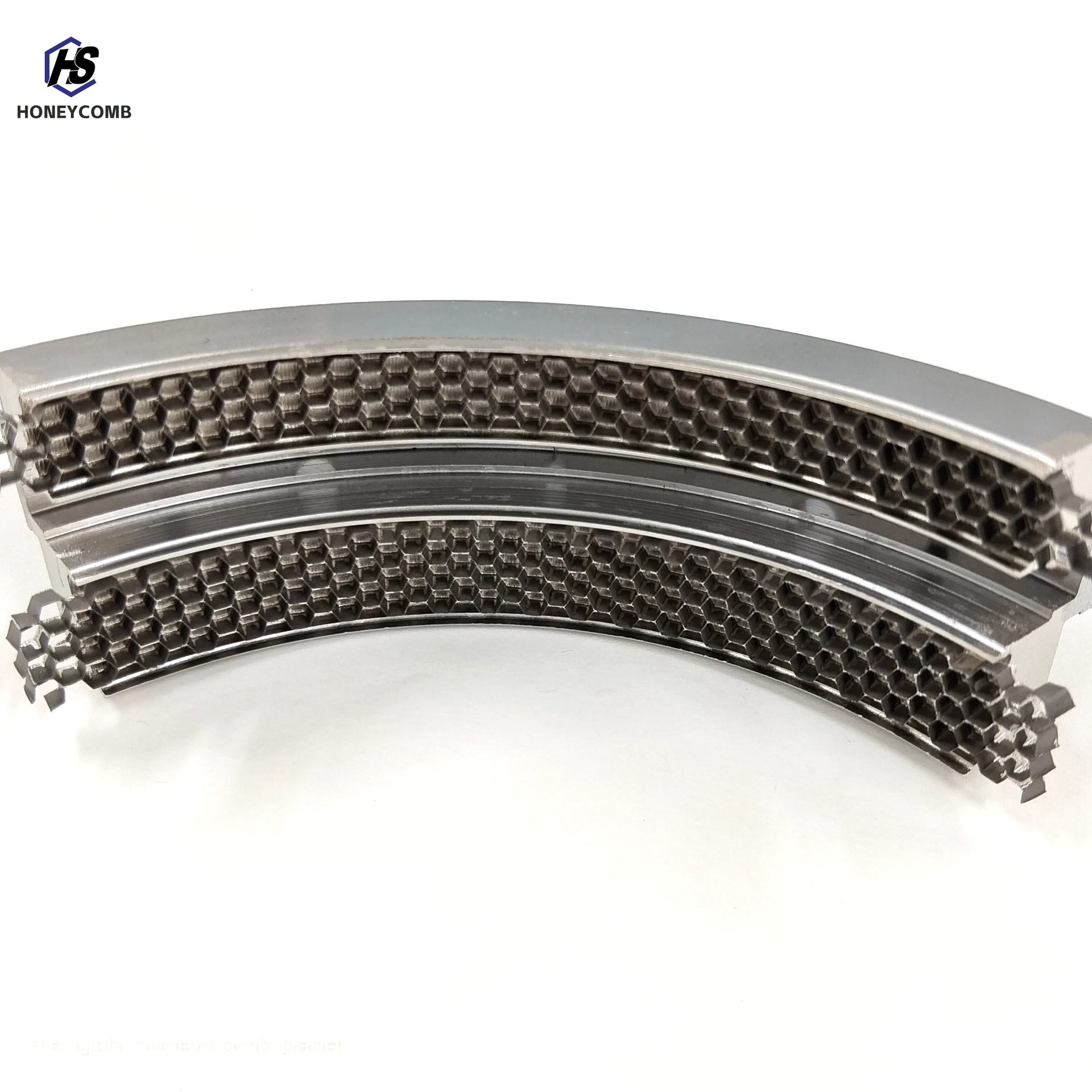
- Methods: Precision corrugation and expansion; stainless spot-weld or brazed nodes for rigidity.
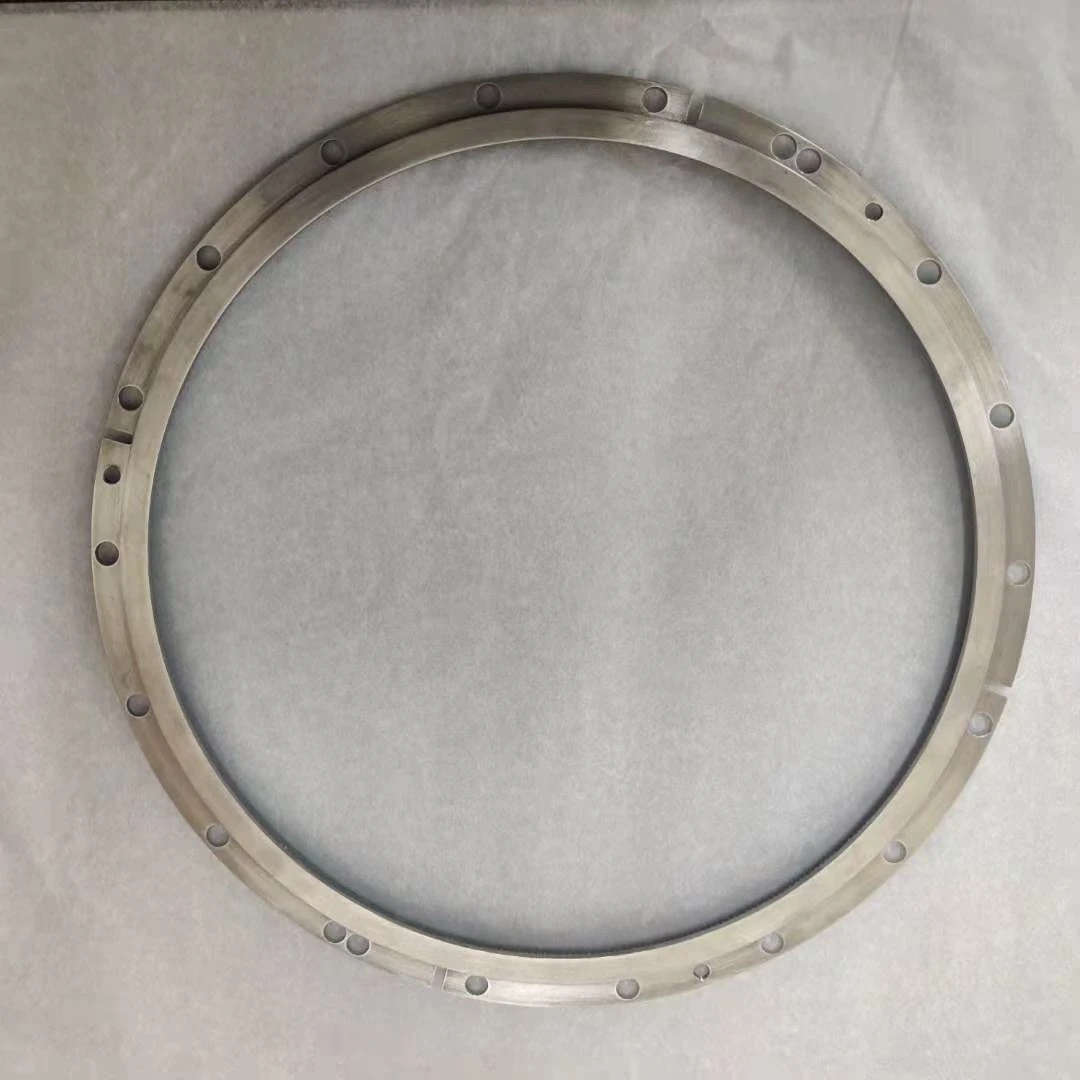
- Framing: CNC-cut frames; shimmed for fit; edge potting optional.
- Testing: Cell geometry check (vision), flatness gauge, airflow uniformity test panel; pressure-loss Δp vs. velocity curves.
- Standards touchpoints: AIAA S-119 data practice, ISO 17025 lab protocols (partner labs), ASME PTC 19.1 uncertainty methods.
- Service life: 5–10 years in clean, dry tunnels; shorter with spray/mist—SUS 304 holds up better than aluminum in those cases.
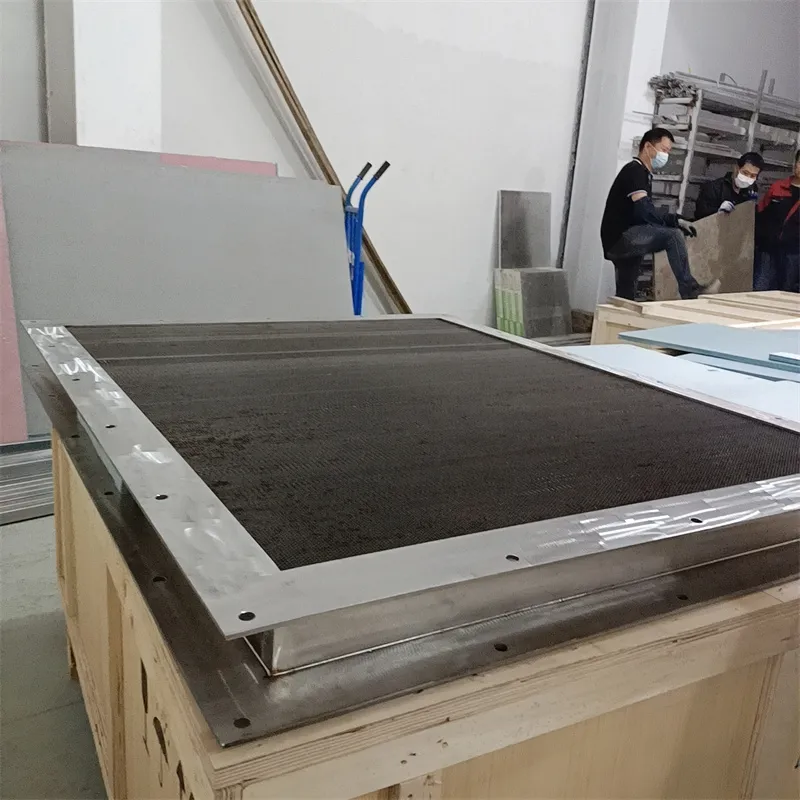
Applications and measured gains
You’ll see this Wind Tunnel Honeycomb upstream of the contraction in subsonic tunnels, inside water tunnels for wake research, and even in OEM aero labs where fan swirl is a constant headache.
- Aerospace: low-turbulence baseline for high-lift rigs.
- Automotive: EV aero, cooling airflow benches, grille blockage studies.
- Industrial: sensor calibration ducts, cleanroom airflow cabinets.
Case study A (automotive, 1.8 × 1.8 m): TI at test section dropped from ≈1.1% to 0.35% after install; mean swirl angle cut to
Case study B (university water tunnel): With 3 mm cells and L/D ≈10, dye-line tests showed markedly straighter streaklines; PIV backed it up with crossflow below 0.7% of bulk velocity. Maintenance calls? Almost none after six months.
Vendor snapshot: where Hengshi sits
| Vendor | Cell range | Material | Lead time | Certs | Notes |
|---|---|---|---|---|---|
| Hengshi (SUS 304) | 1.5–12 mm | SUS 304 | 3–6 weeks (custom ≈8) | ISO 9001; material CoC | Strong on custom L/D and large panels |
| Global Vendor A | 3–10 mm | Aluminum, 304 optional | 6–10 weeks | ISO 9001 | Broad catalog; higher price band |
| Local Fabricator B | 5–12 mm | Aluminum | 2–4 weeks | Varies | Fast, but limited geometry control |
Customization and integration tips
- Pick L/D ≥8:1 if your fan swirl is stubborn; go 10–12:1 for pristine low TI work.
- For water tunnels, smaller cells resist secondary flows; stainless resists chloride better than aluminum.
- Frame with alignment pins; seal edges to avoid bypass. It seems obvious, but leaks ruin Wind Tunnel Honeycomb magic.
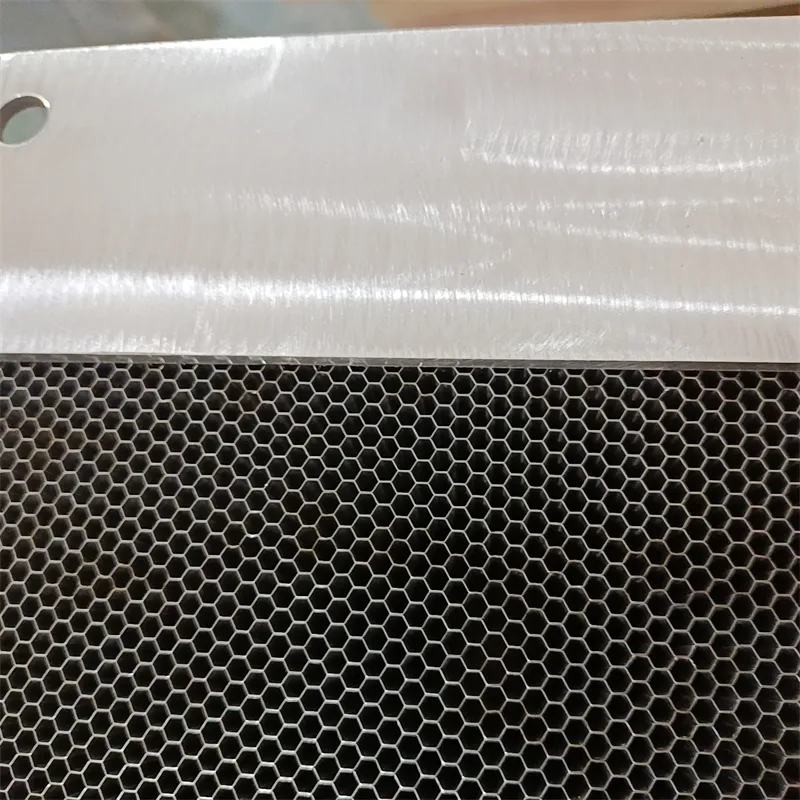
What users report
“Data scatter shrank right away,” one lab manager told me. Another pointed out the panels arrived square—less shimming, fewer Saturday fixes. To be honest, that’s half the battle.
Authoritative references:
- Mehta, R. D., and Bradshaw, P. “Design Rules for Small Low Speed Wind Tunnels,” Aeronautical Journal, 1979.
- AIAA S-119-2011 (R2019), “Wind Tunnel Data Integrity.”
- ASTM A240/A240M – Standard Specification for Chromium and Chromium-Nickel Stainless Steel Plate, Sheet, and Strip.
- EN 10088-1: Stainless steels — List of stainless steels.
-
Industrial Airflow Guide for maf воздушная правильная машинаNewsApr.16,2026
-
Best maf струйно правильная машина for Industrial EfficiencyNewsApr.09,2026
-
Сотовая правильная машина A Comprehensive Guide to Honey Packing AutomationNewsApr.07,2026
-
Build Your Own DIY газоправильная Машина A Comprehensive Guide to Gas CorrectionNewsApr.04,2026
-
Understanding Кондиционер отопления Systems for Efficient and Comfortable HeatingNewsMar.31,2026
-
Comprehensive Guide to Cellular Blinds Installation Установка сотовых жалюзиNewsMar.28,2026
-
Mobile Aerodynamic Tunnel Design A Comprehensive Guide to Applications and ImplementationNewsMar.26,2026






 English
  Afrikaans
  Albanian
  Amharic
  Arabic
  Armenian
  Azerbaijani
  Basque
  Belarusian
  Bengali
  Bosnian
  Bulgarian
  Catalan
  Cebuano
  China
China  China (Taiwan)
  Corsican
  Croatian
  Czech
Czech  Danish
  Dutch
Dutch  Esperanto
  Estonian
  Finnish
  French
  Frisian
  Galician
  Georgian
  German
  Greek
Greek  Gujarati
  Haitian Creole
  Hausa
Hausa  Hawaiian
  Hebrew
  Hindi
Hindi  Miao
Miao  Indonesian
  Italian
  Japanese
  Javanese
  Malay
Malay  Persian
  Portuguese
  Punjabi
  Russian
  Spanish
  Swahili
  Telugu
  Vietnamese