


Air Straightener Intake | Stainless Steel Honeycomb, Low dP
Steel Honeycomb Vents That Double as an Air Straightener Intake for EMI/EMC-Critical Gear
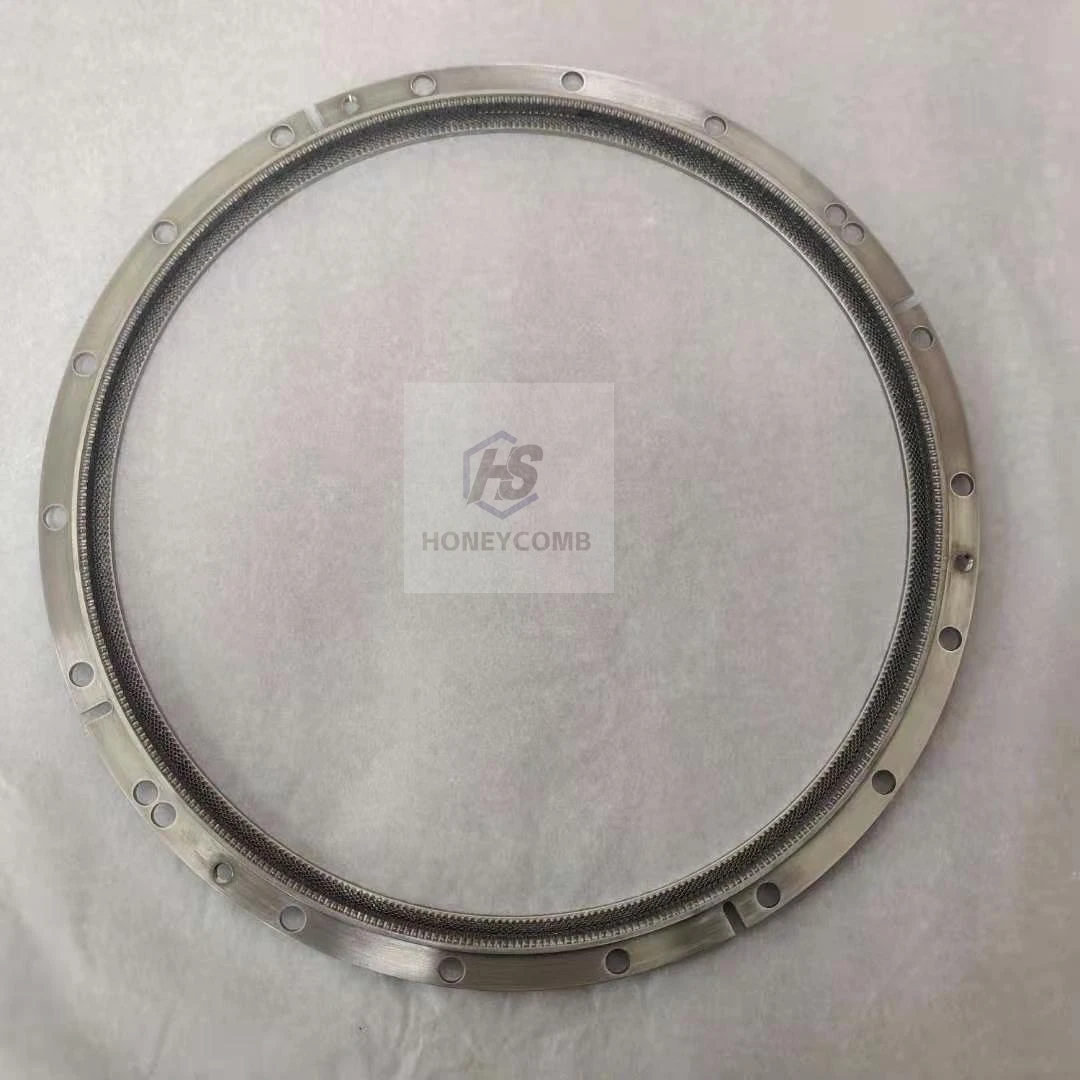
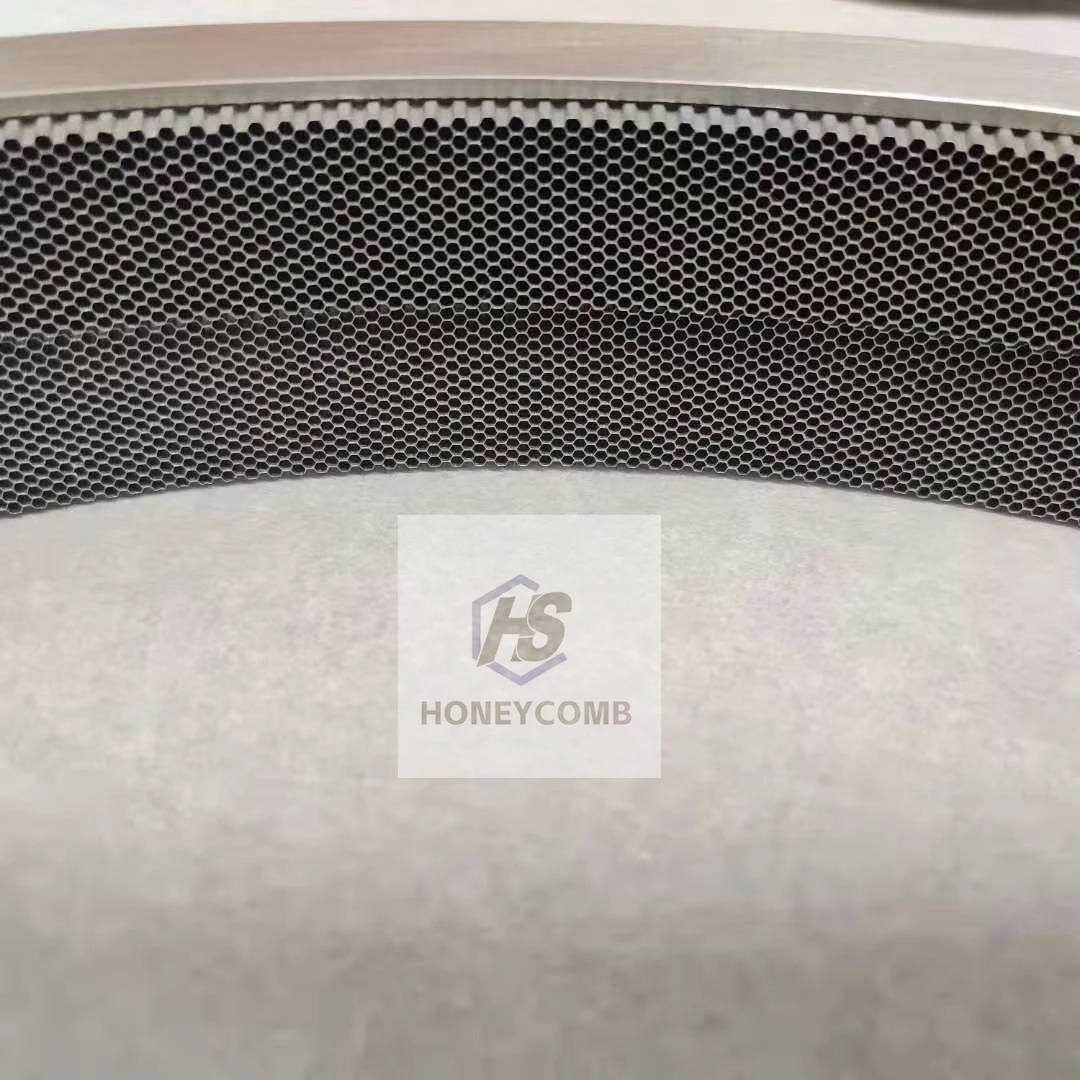
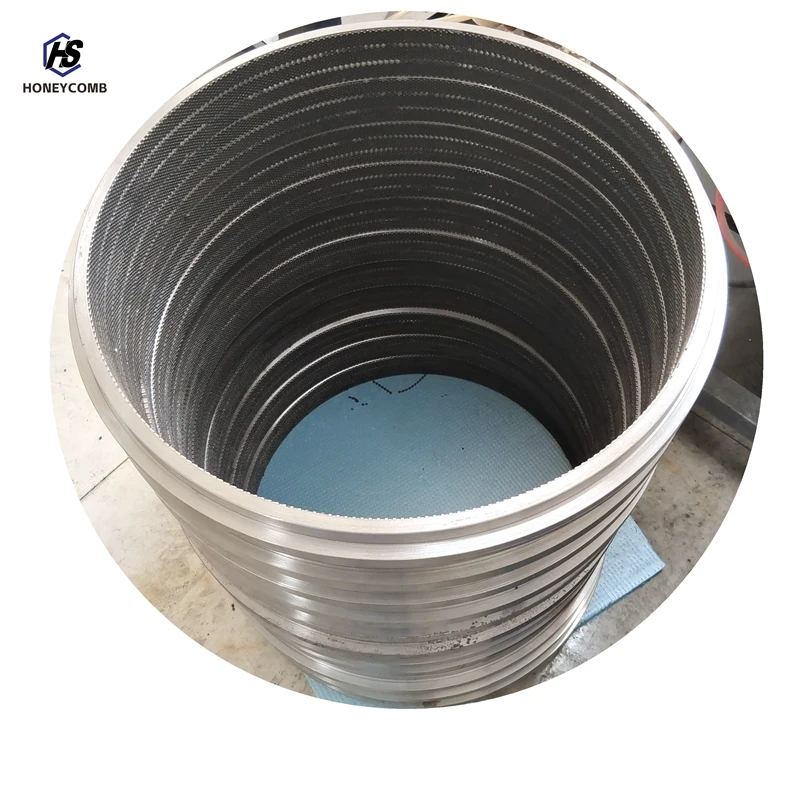
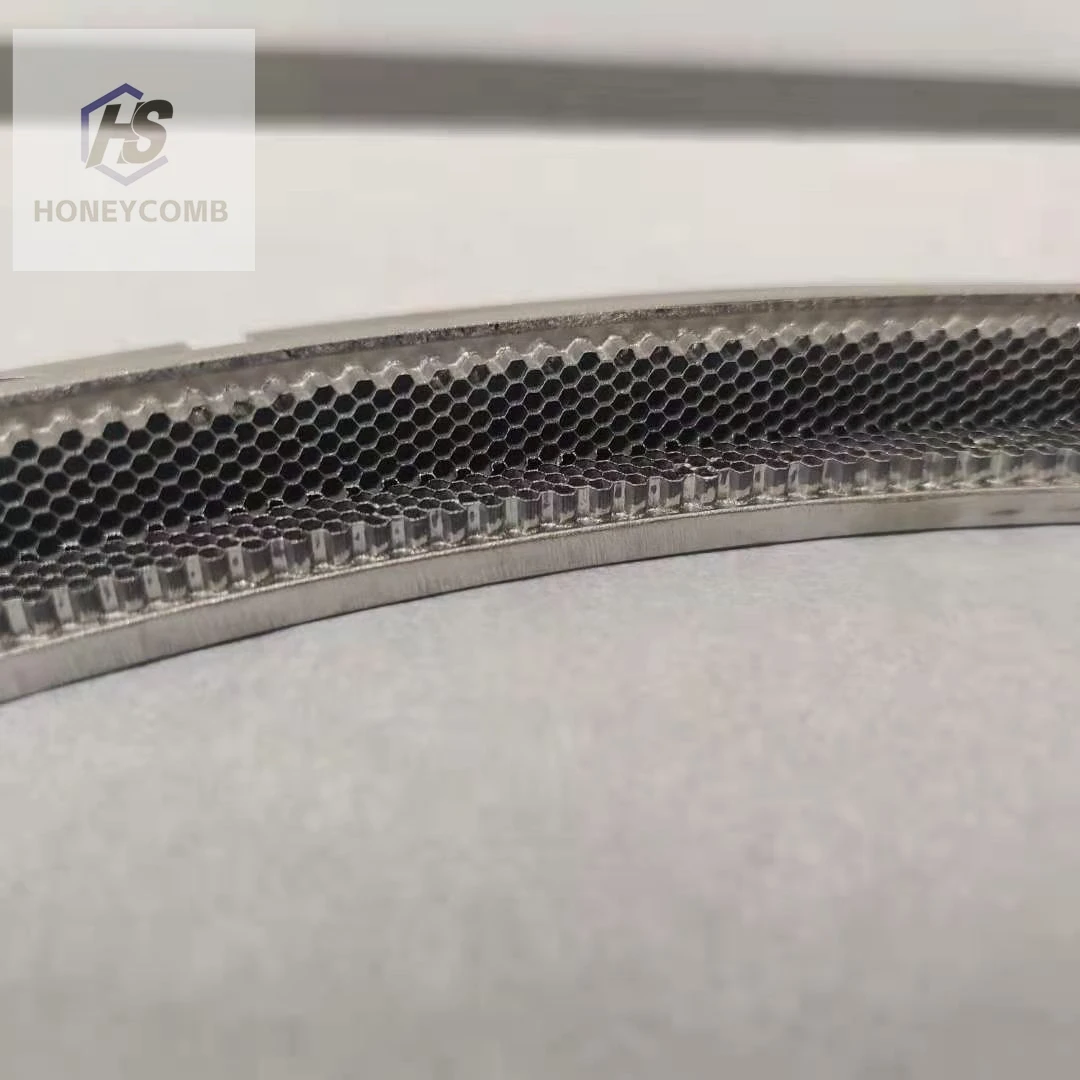
If you’ve ever tried to cool a noisy RF enclosure or an AI server rack without spraying RF everywhere, you’ll know the unsung hero: the Air Straightener Intake. In practical terms, that’s a precisely engineered steel honeycomb vent that lets air in, keeps electromagnetic fields out, and—surprisingly—reduces turbulence into fans so they work more efficiently. Hengshi Honeycomb’s “High Shielding Performance 2.0mm Cell Steel Honeycomb Vent For EMI/EMC/RF Shielded” is one of those products that looks simple, then earns its keep the first week you deploy it.
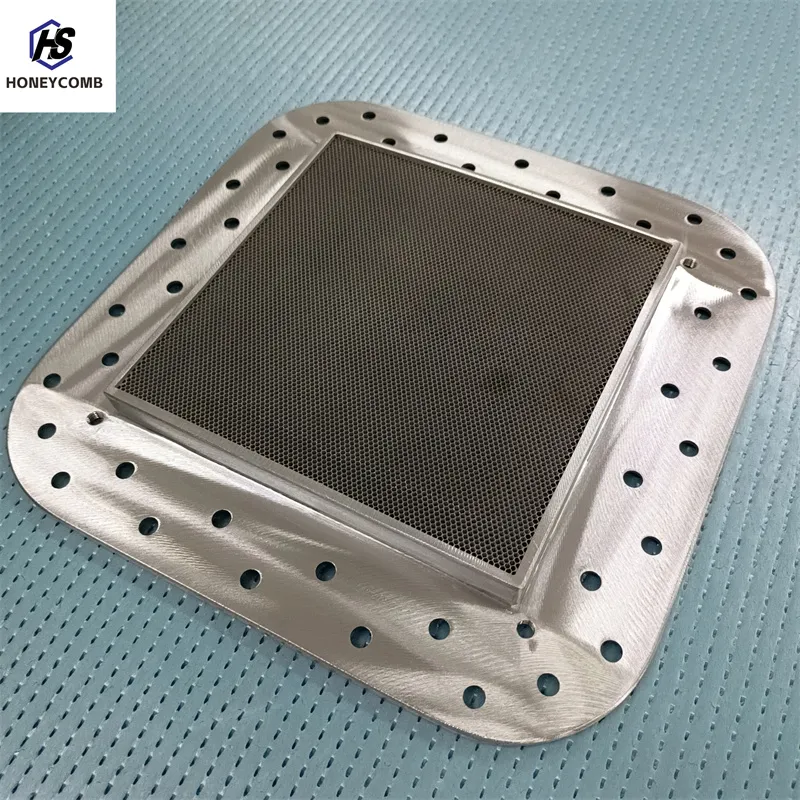
Why honeycomb for intakes?
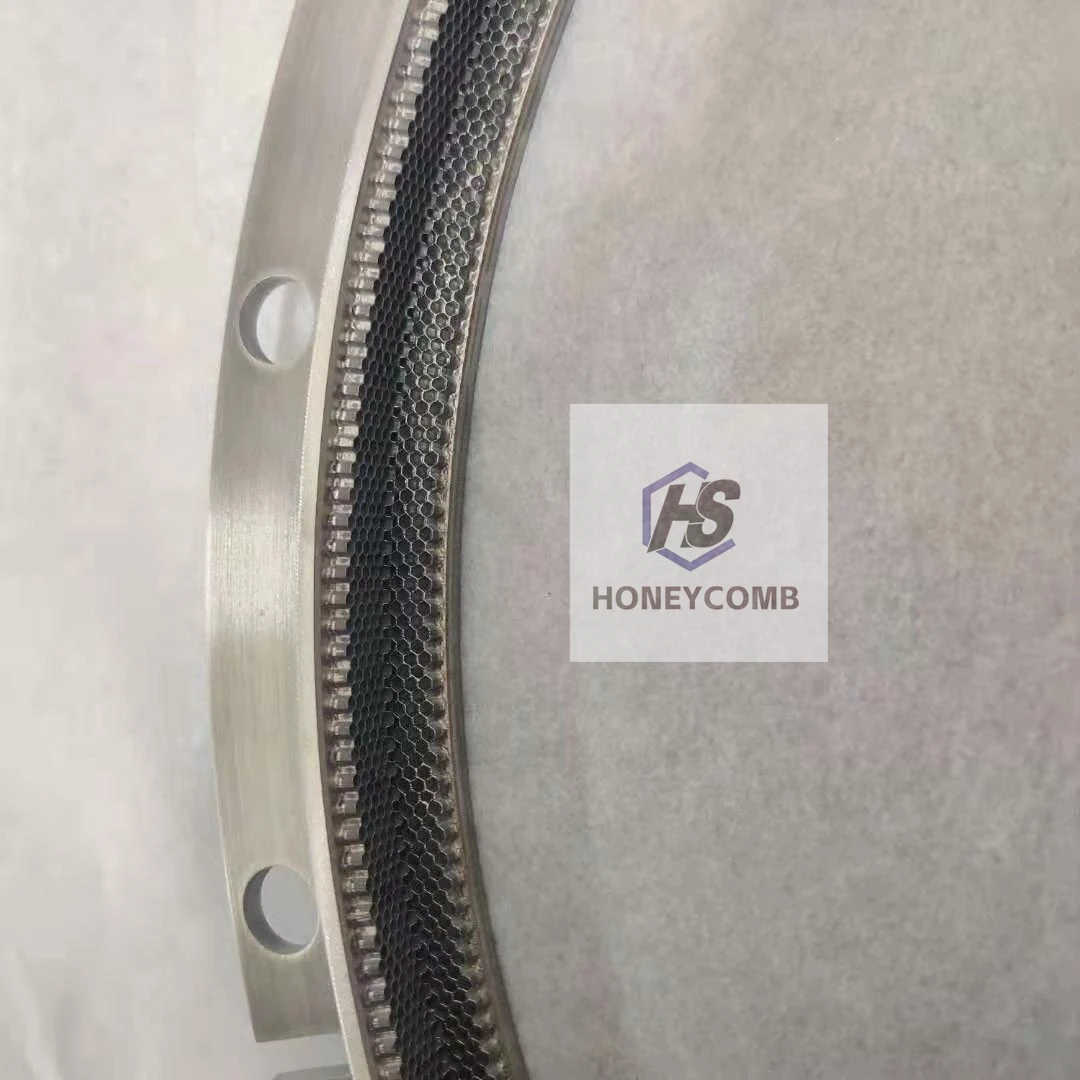
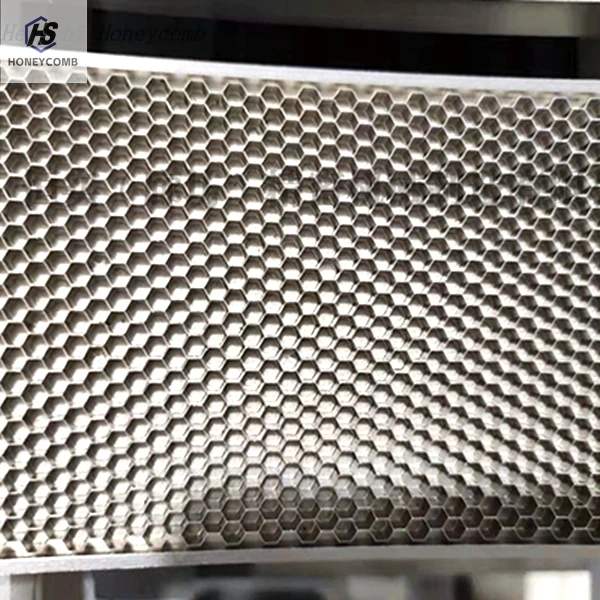
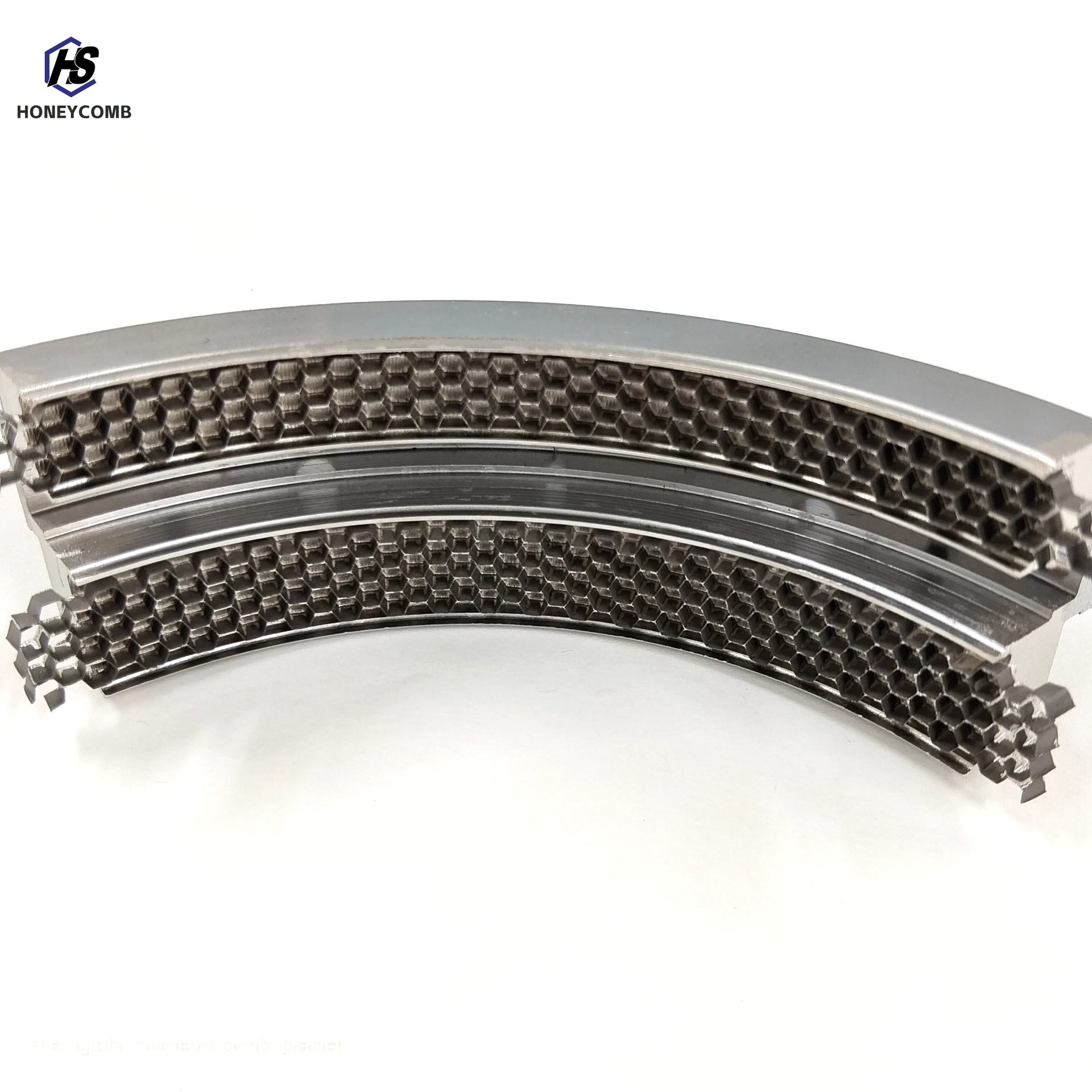
The thin-wall, 2.0 mm cell structure acts as both an RF waveguide-below-cutoff and, effectively, an airflow straightener. In fact, many customers say fan noise drops a notch because inflow is more uniform. From data centers to MRI suites, that combo—air + shielding—is the point.
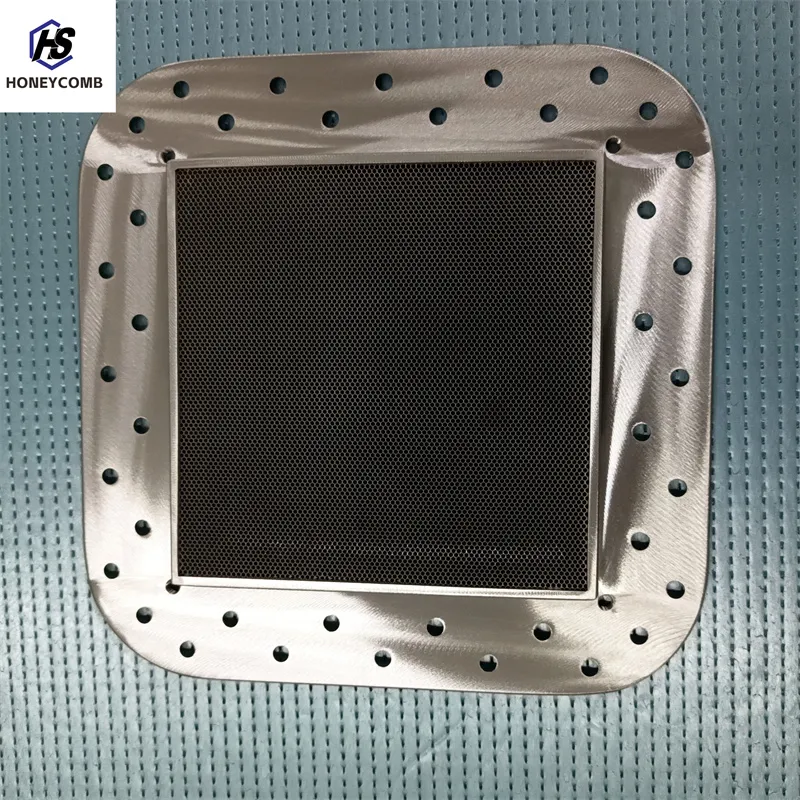
Product snapshot and core specs
Origin: No.2, Tongda Street, High-tech area Gu'an County, Langfang,065500, Hebei China. Hengshi accepts full customization—frames, thickness, hole patterns, gaskets. Real-world use may vary, but these figures are solid.
| Model | High Shielding Performance 2.0mm Cell Steel Honeycomb Vent |
| Cell size | ≈2.0 mm (hex), foil ≈0.05–0.1 mm |
| Materials | Tin-plated steel (standard); aluminum or Ni-plated on request |
| Thickness | 6–25 mm typical; custom to spec |
| Open area | ≈92% (geometry-dependent) |
| Shielding effectiveness | 60–110 dB from 10 MHz–10 GHz (per IEEE 299 test setups) |
| Finish | Tin, Ni, chem-film; RoHS/REACH options |
| Fire & corrosion | UL 94 awareness; ASTM B117 salt spray tested (typical 96–240 h) |
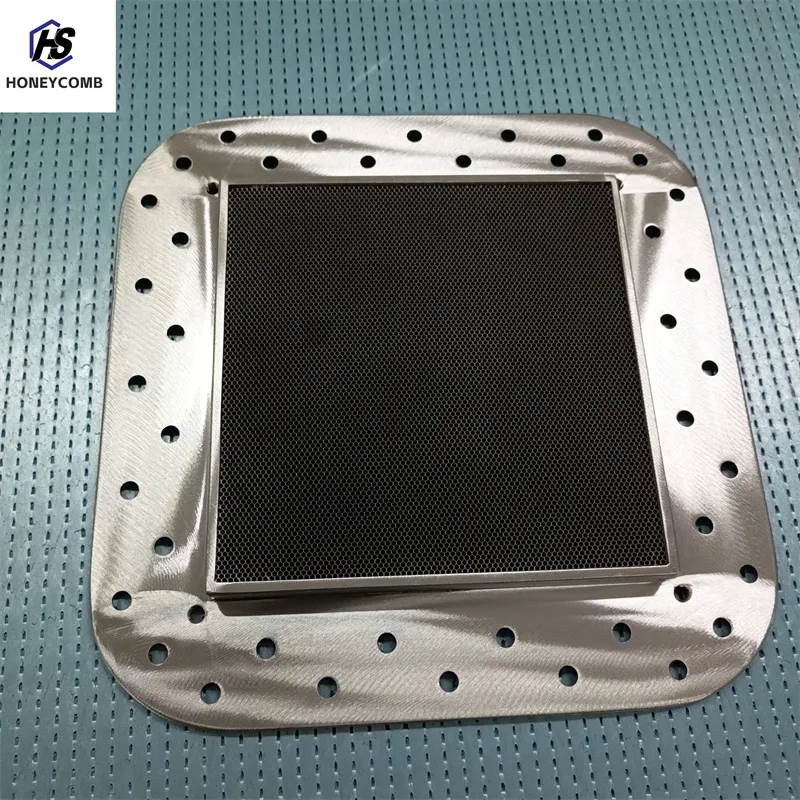
Process flow, testing, service life
- Materials: tin-plated steel foil, CNC-machined frames, conductive gaskets.
- Methods: corrugation → expansion → stacking → bonding/brazing → frame assembly → surface finish → QC.
- Testing: shielding per IEEE 299; compliance with MIL-STD-461G environments; radiated immunity checks per IEC 61000-4-3; salt fog per ASTM B117; optional particle/cleanliness per ISO 14644 for clean areas.
- Service life: around 10–15 years in indoor telecom/data center conditions; shorter in coastal air unless with enhanced plating.
- Industries: telecom racks, 5G/6G RAN, crypto labs, defense shelters, medical imaging RF rooms, EV fast chargers, EMC chambers.
Lab data snapshot (vendor test bench): 10 MHz ≈110 dB; 2.4 GHz ≈85–95 dB; 5 GHz ≈80–90 dB. Pressure drop at 2 m/s: ≈20–40 Pa, thickness-dependent. To be honest, numbers vary with frame design and gasketing quality.
Vendor comparison (what I’m seeing on the ground)
| Vendor | Shielding (≈) | Customization | Cert & QA | Lead time |
|---|---|---|---|---|
| Hengshi Honeycomb | 60–110 dB (IEEE 299 bench) | Full: frames, gaskets, plating | RoHS/REACH, process docs | Around 2–4 weeks (typ.) |
| Generic Importer A | 40–70 dB | Limited sizes | Basic CoC | 1–2 weeks stock only |
| Proto Shop B | Lab-only data | Custom, high cost | Ad hoc | 3–6 weeks |
Customization and field notes
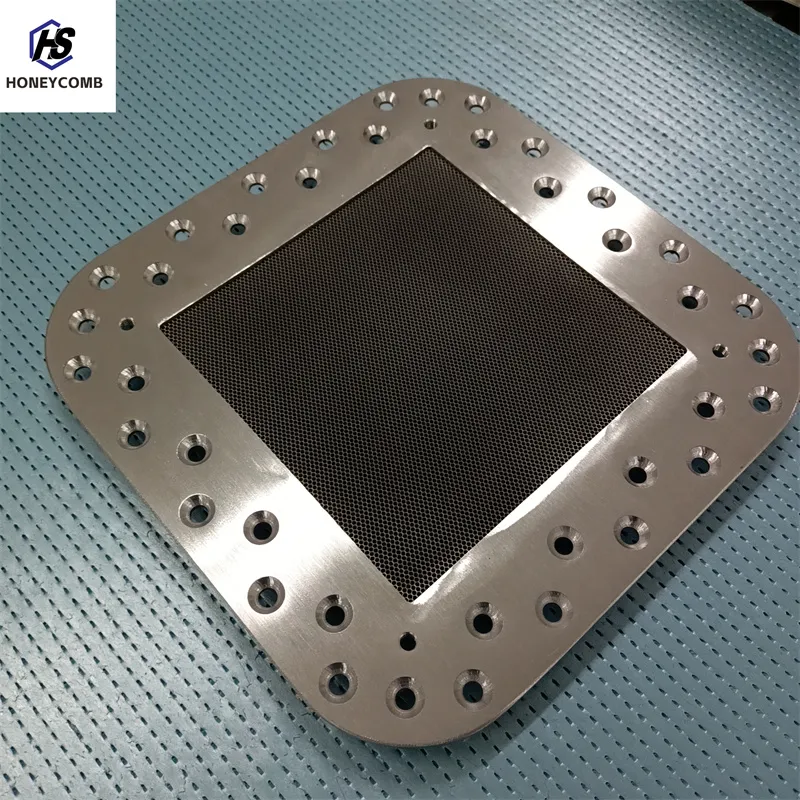
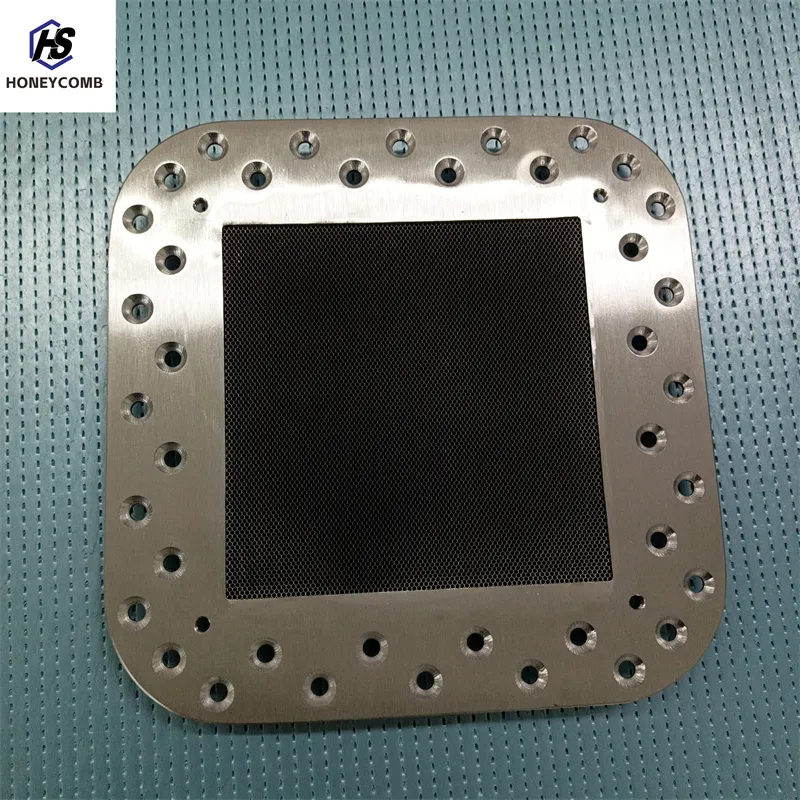
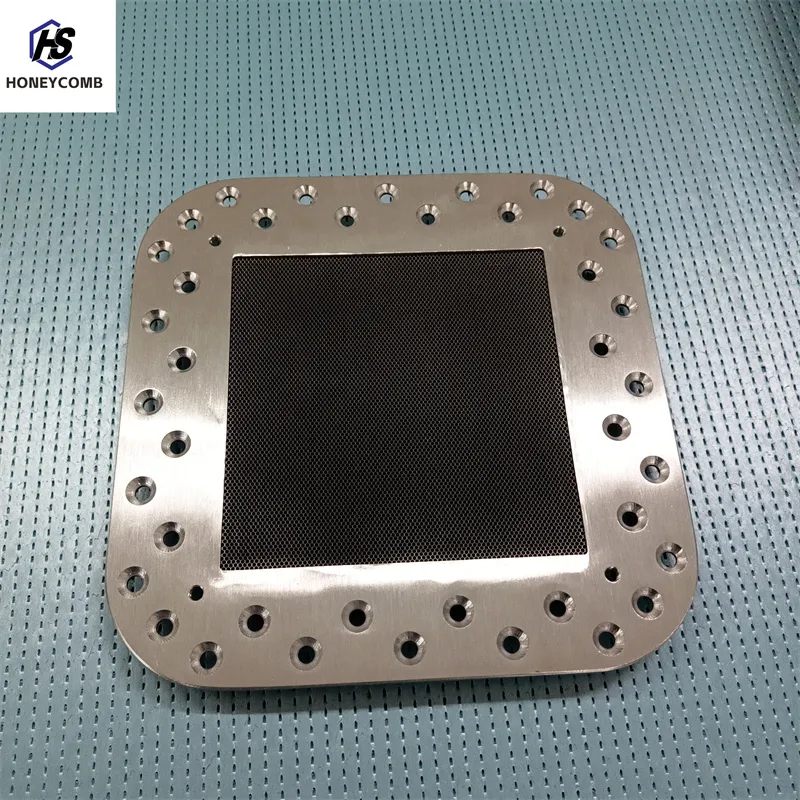
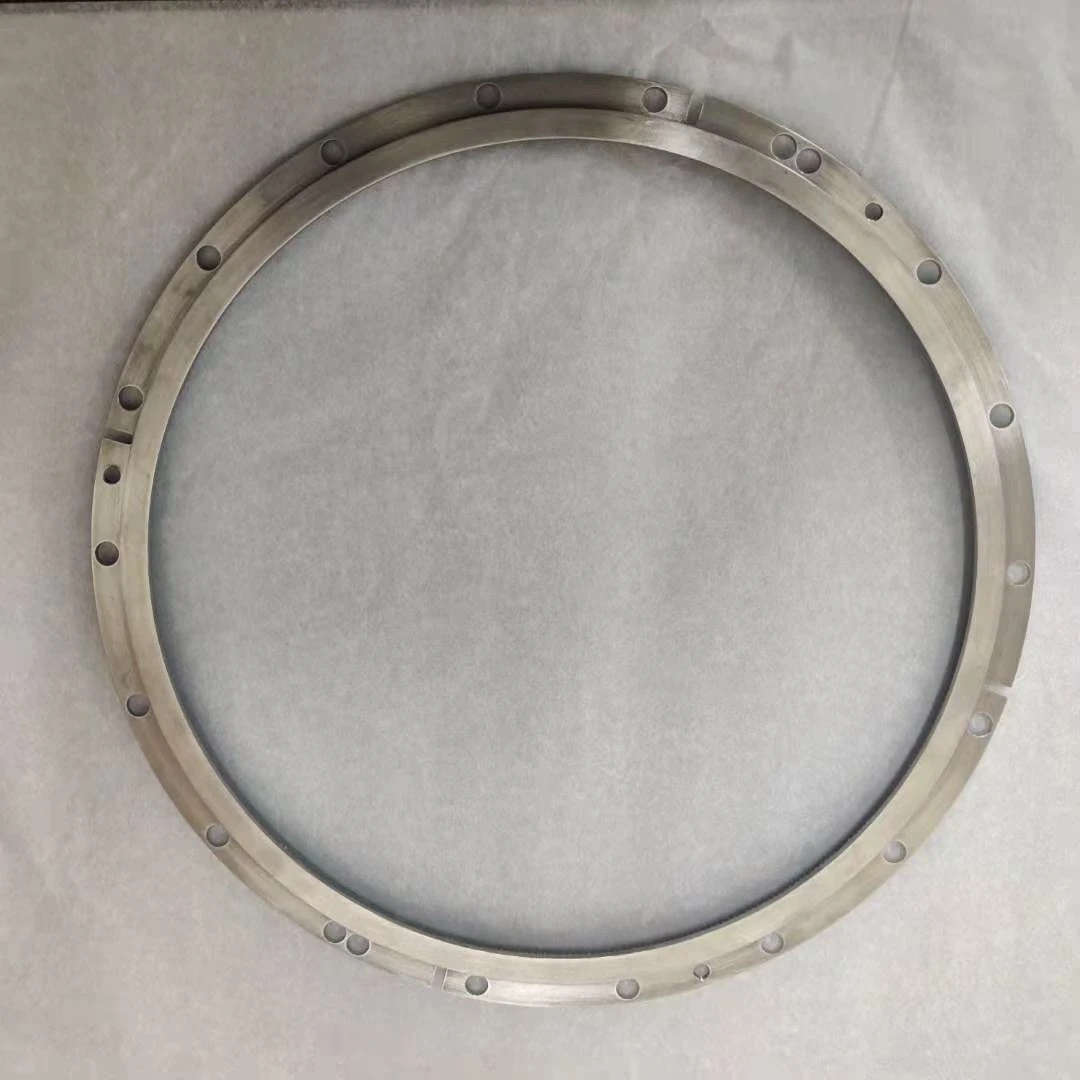
Options include tapped holes, countersunk frames, EMI gaskets, waveguide frame depths, and plating stacks for marine air. It seems that buyers appreciate the quick drawing turnarounds. One data-center customer told me airflow stabilized fans “instantly” after swapping in a Air Straightener Intake panel; another in a crypto lab reported lower RE radiations at 1–3 GHz after upgrading to thicker honeycomb.
Use cases and trends
- AI servers: higher heat, stricter EMC—perfect for a Air Straightener Intake on front doors.
- 5G/6G RAN gear: maintain airflow while meeting site RF masks.
- RF rooms/MRI: door/window vents acting as waveguides-below-cutoff.
Trend-wise, specs are tightening (MIL-STD-461G remains the yardstick) and sustainability matters—RoHS/REACH finishes are now baseline. Honestly, not every vent hits both airflow and 80+ dB at 5 GHz; this one usually does when framed right.
Mini case studies
EMC Lab, EU: swapped a 10 mm panel for 20 mm—SE improved ≈12 dB at 3–5 GHz, fan noise dipped slightly. Coastal RAN site: Ni-plated option extended cosmetic life past two wet seasons with only minor patina.
References
- IEEE 299-2006/2015: Standard method for measuring shielding effectiveness of enclosures.
- MIL-STD-461G: Requirements for the control of electromagnetic interference.
- IEC 61000-4-3: Radiated RF immunity test methods.
- ASTM B117: Standard practice for operating salt spray (fog) apparatus.
- ISO 14644: Cleanrooms and associated controlled environments.
- UL 94: Tests for flammability of plastic materials (reference for enclosure assemblies).
-
Industrial Airflow Guide for maf воздушная правильная машинаNewsApr.16,2026
-
Best maf струйно правильная машина for Industrial EfficiencyNewsApr.09,2026
-
Сотовая правильная машина A Comprehensive Guide to Honey Packing AutomationNewsApr.07,2026
-
Build Your Own DIY газоправильная Машина A Comprehensive Guide to Gas CorrectionNewsApr.04,2026
-
Understanding Кондиционер отопления Systems for Efficient and Comfortable HeatingNewsMar.31,2026
-
Comprehensive Guide to Cellular Blinds Installation Установка сотовых жалюзиNewsMar.28,2026
-
Mobile Aerodynamic Tunnel Design A Comprehensive Guide to Applications and ImplementationNewsMar.26,2026






 English
  Afrikaans
  Albanian
  Amharic
  Arabic
  Armenian
  Azerbaijani
  Basque
  Belarusian
  Bengali
  Bosnian
  Bulgarian
  Catalan
  Cebuano
  China
China  China (Taiwan)
  Corsican
  Croatian
  Czech
Czech  Danish
  Dutch
Dutch  Esperanto
  Estonian
  Finnish
  French
  Frisian
  Galician
  Georgian
  German
  Greek
Greek  Gujarati
  Haitian Creole
  Hausa
Hausa  Hawaiian
  Hebrew
  Hindi
Hindi  Miao
Miao  Indonesian
  Italian
  Japanese
  Javanese
  Malay
Malay  Persian
  Portuguese
  Punjabi
  Russian
  Spanish
  Swahili
  Telugu
  Vietnamese