


Wind Tunnel Honeycomb - Laminar Flow, Low Pressure Drop
Wind Tunnel Honeycomb Straighteners: field notes from the test section
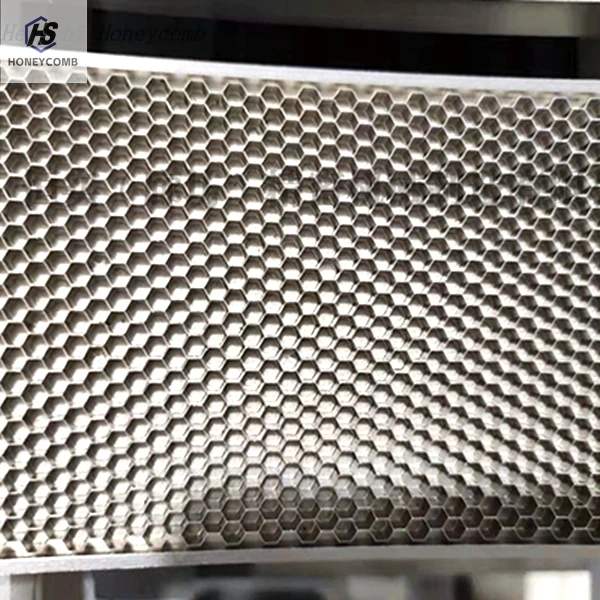
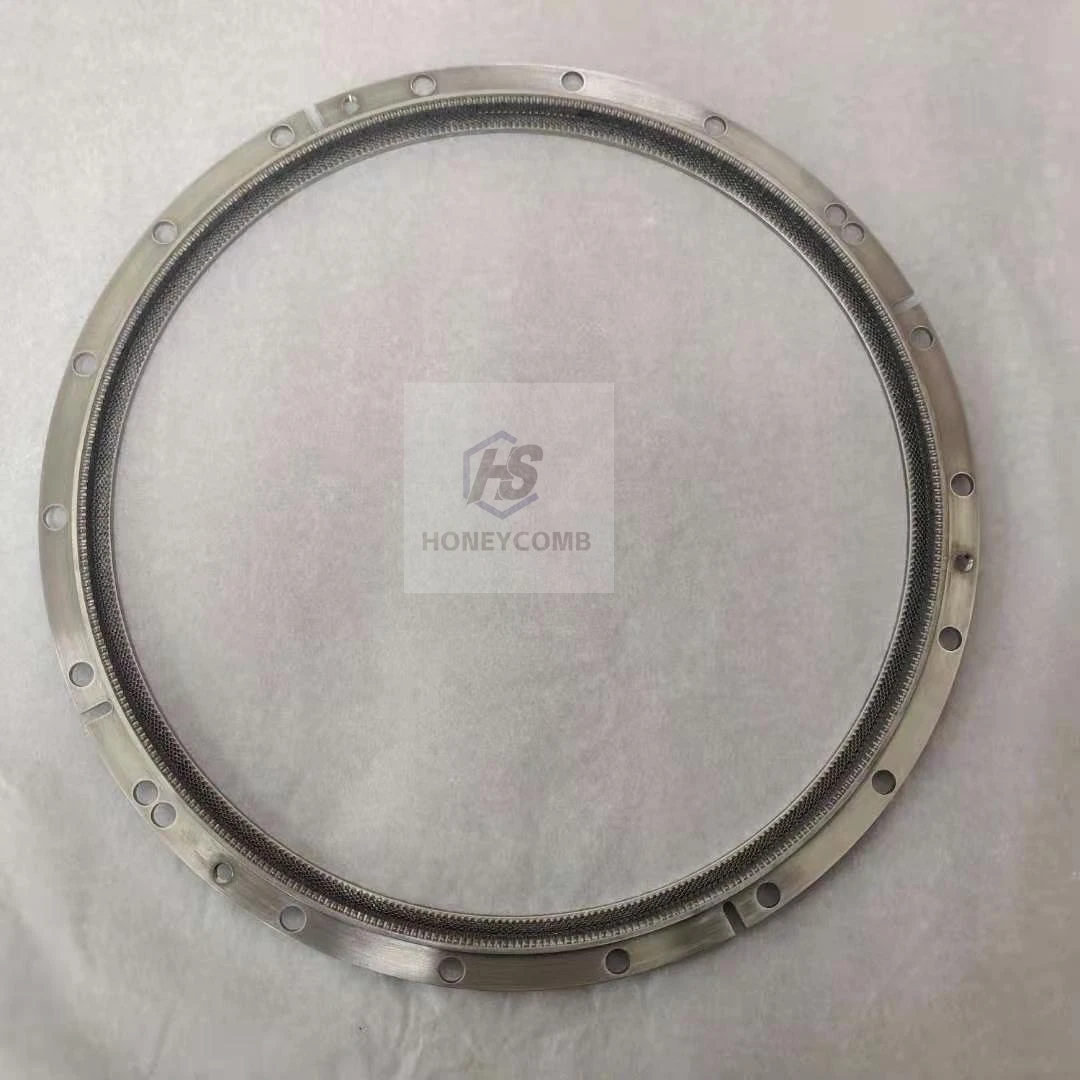
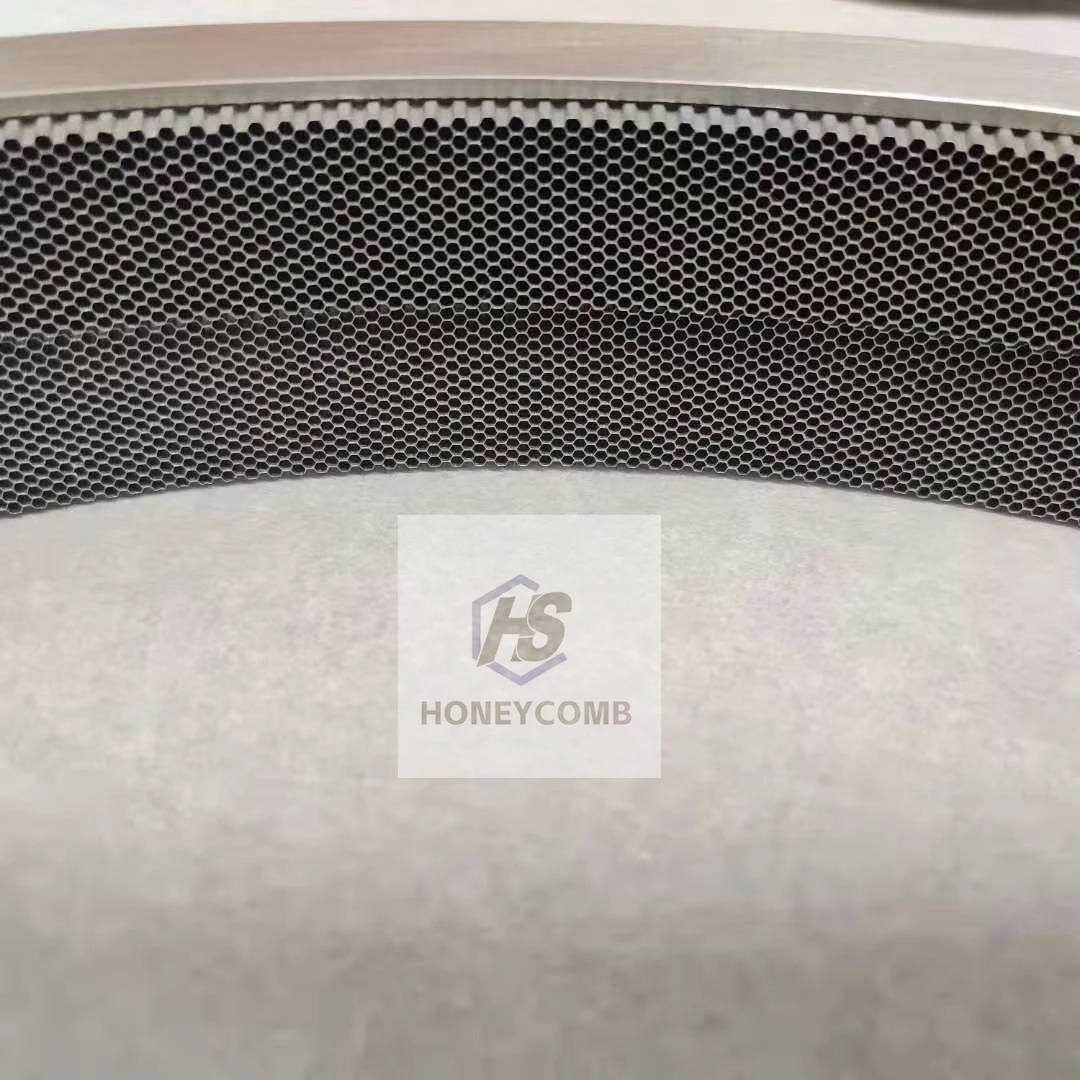
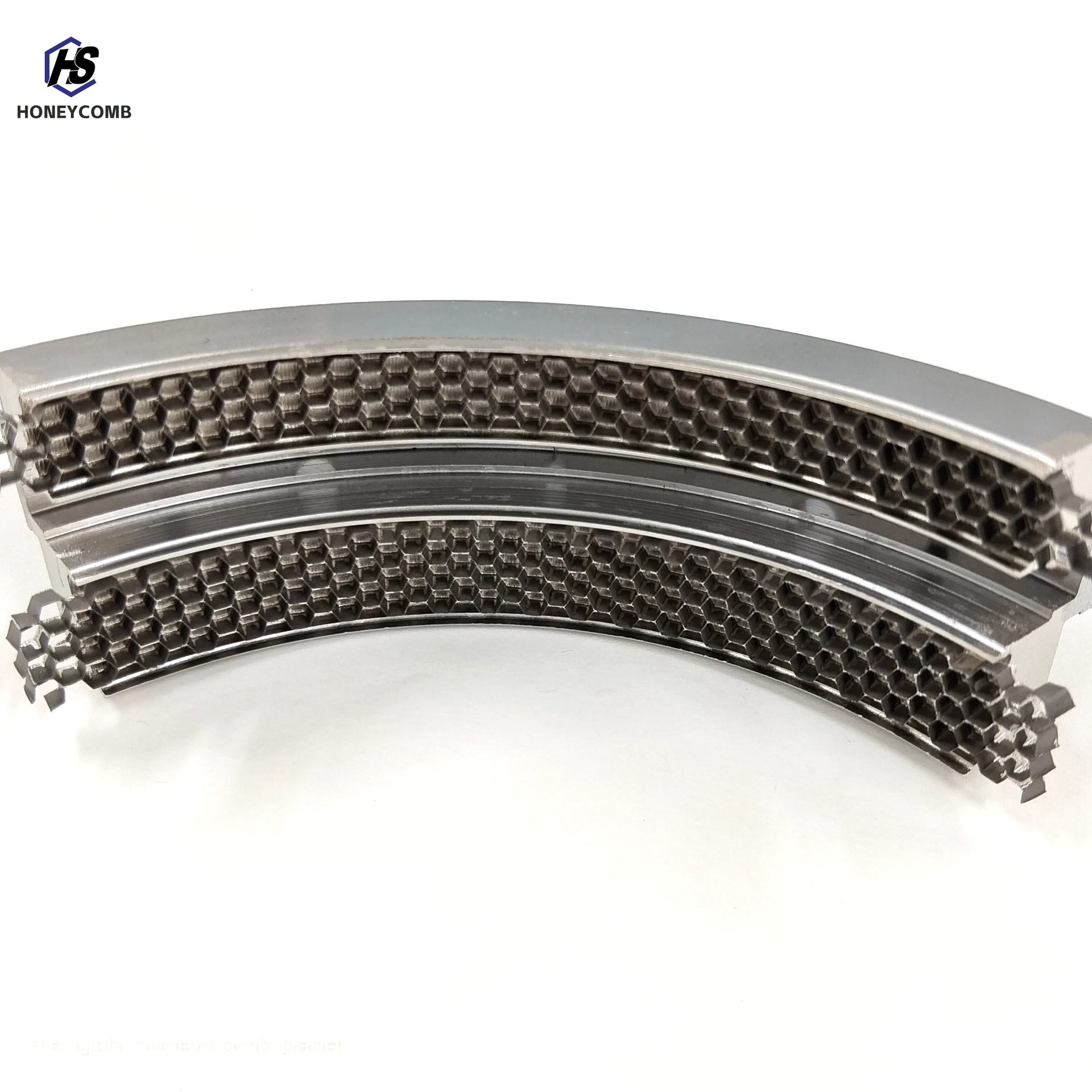
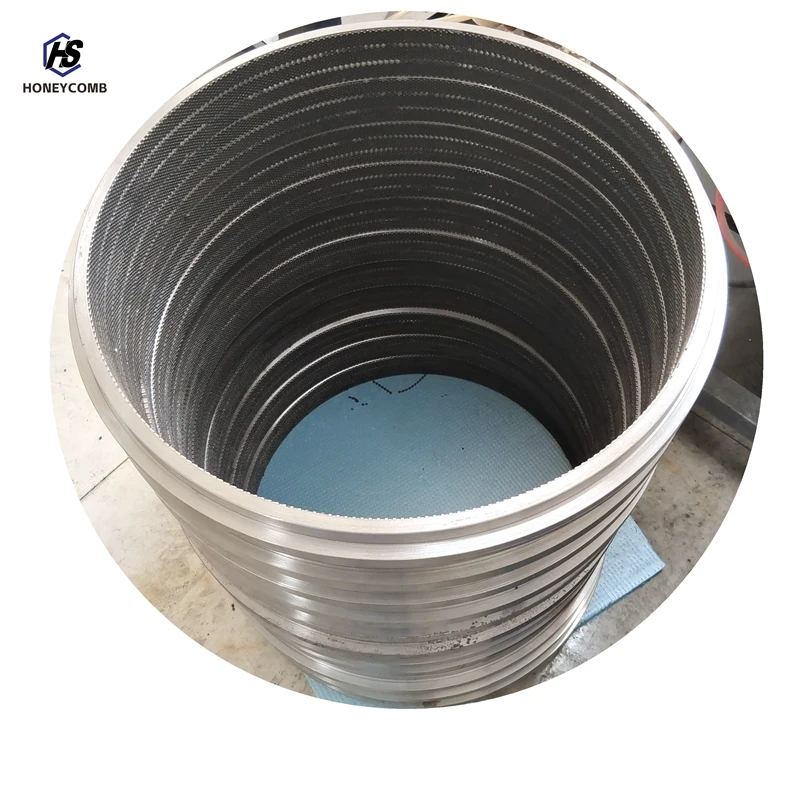
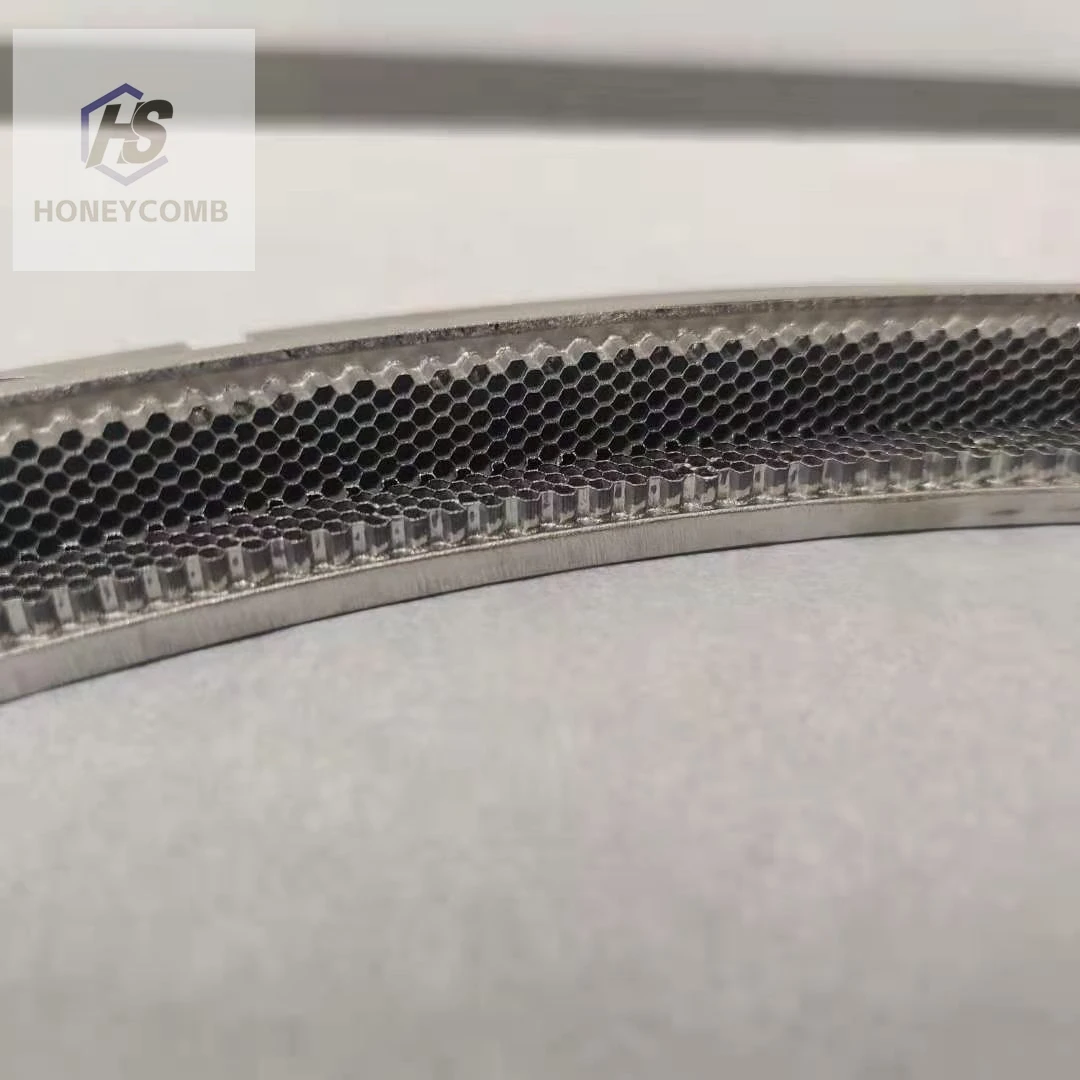
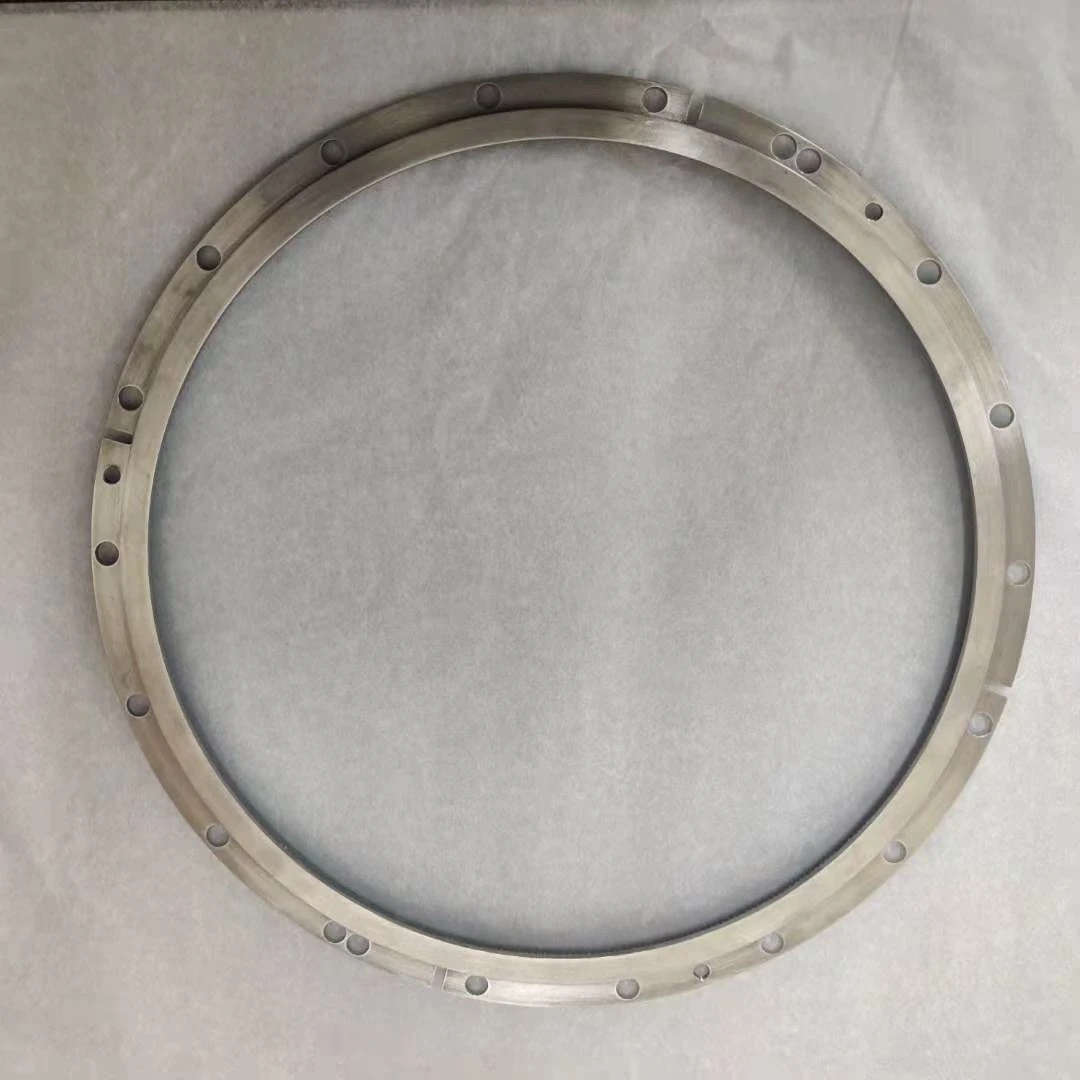
If you’re dialing down turbulence for credible data, a Wind Tunnel Honeycomb is still the most cost-effective tool in the box. Lately I’ve been looking closely at the Hengshi Honeycomb “Customized Honeycomb Air Flow Straightener” coming out of No.2, Tongda Street, High-tech area Gu'an County, Langfang, 065500, Hebei, China. To be honest, it’s a tidy build—more on that below—and it lands at a time when labs are under pressure to prove uncertainty budgets, not just pretty smoke-line photos.
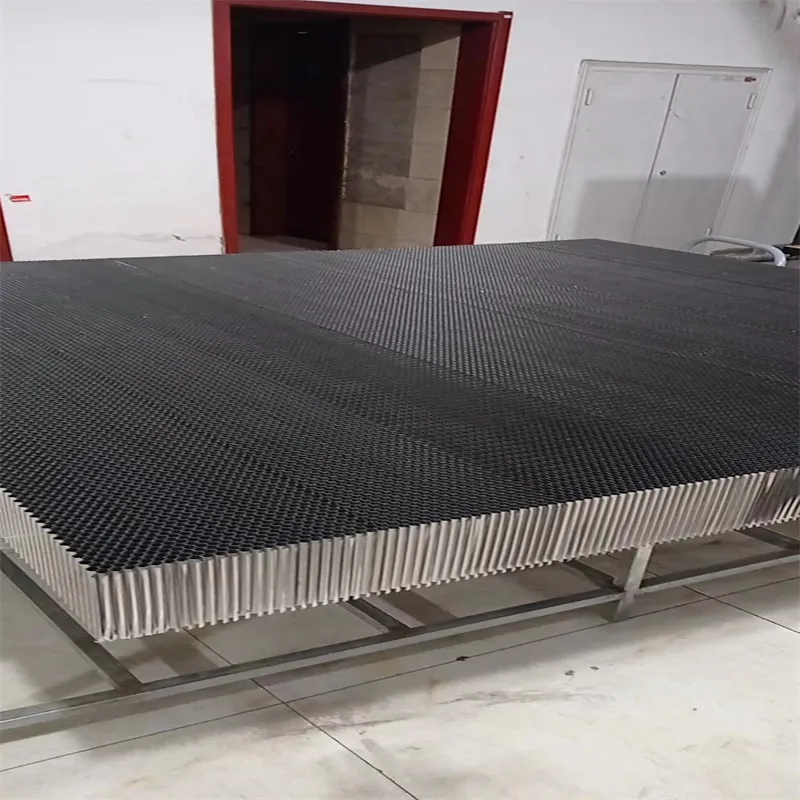
What’s trending in honeycombs
The push is toward lower turbulence intensity (TI < 0.5% in the test section for subsonic rigs), higher repeatability for PIV, and modular assemblies that can be serviced without re-leveling the tunnel. Composite frames and anodized aluminum cores are common, but I’m also seeing phenolic-paper cells in aeroacoustics where weight and damping matter. Surprisingly, more university tunnels are speccing L/D ≥ 7 as standard; five years ago, L/D ≈ 5 was “good enough.”
Technical build, process, and standards
Materials: 3003/5052 aluminum honeycomb (common), phenolic-coated paper, or polycarbonate for special acoustics. Methods: expansion forming, precision trimming, bonding into a rigid frame, optional black anodizing for glare control. QC: flatness checks, cell squareness, deburring, and a quick TI sweep after installation. Testing and references: AIAA S-119 (data quality assurance), ISO/IEC 17025 lab methods, plus honeycomb core mechanicals via ASTM C365 (compressive) and C273 (shear). Service life? In clean, conditioned air: 8–12 years; add HEPA prefilters and you’ll likely hit the high end.
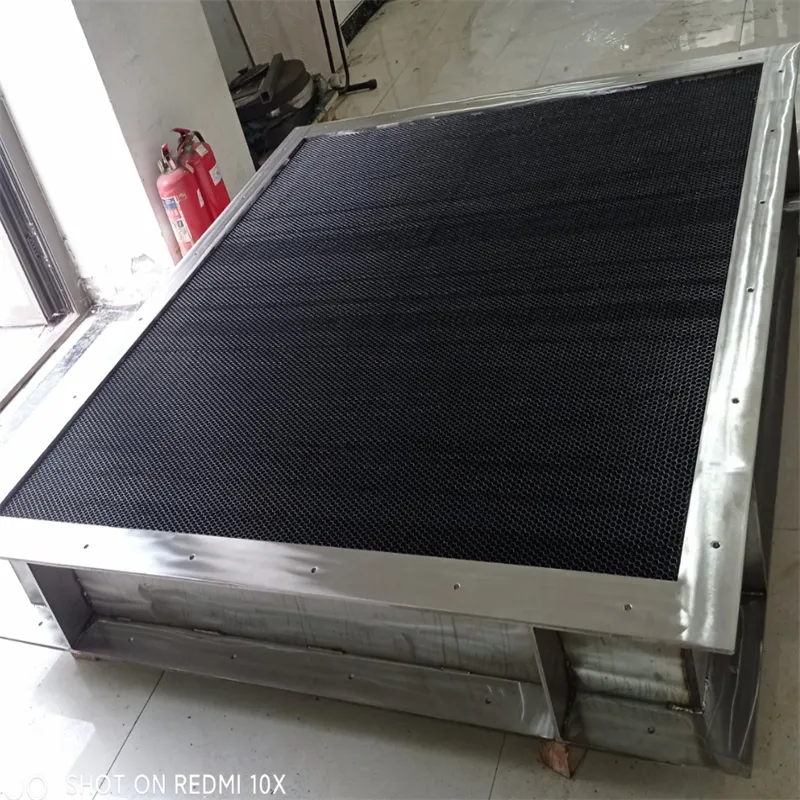
Product specs (Hengshi Honeycomb Customized Honeycomb Air Straightener)
| Material options | Al 3003/5052; phenolic-paper; polycarbonate (on request) |
| Cell size | 3–10 mm (custom up to 19 mm) |
| L/D ratio | 5–10 typical; higher by request |
| Panel area | Up to ≈ 2.0 × 2.5 m per section |
| Flatness | ≤ 0.5 mm per 1,000 mm (real-world use may vary) |
| TI reduction | Down to ≤ 0.8% alone; ≤ 0.3% with screens/settling chamber |
| ΔP @ 10 m/s | ≈ 30–70 Pa depending on L/D and cell size |
| Temp range | -20 to 120 °C (material-dependent) |
| Certs | ISO 9001; RoHS on request |
Measured per AIAA S-119 data-quality protocols and ISO/IEC 17025 lab methods.
Where it’s used and why
- Wind Tunnel Honeycomb for university subsonic rigs and Formula-style aero programs (cleaner PIV, less swirl).
- Aeroacoustic benches seeking stable flow for microphone arrays.
- Drone/propeller test stands and HVAC labs validating uniformity.
Advantages: predictable TI knockdown, easy sections for cleaning, and frames that actually fit real tunnels (I guess that sounds basic, but many customers say this is where projects slip).
Vendor snapshot: customization and service
| Vendor | Lead time | Standards | Cost (≈/m²) | Notes |
|---|---|---|---|---|
| Hengshi (Hebei) | 2–4 weeks | ISO 9001, AIAA S-119 methods | $$ | Strong customization; responsive QC data |
| Generic Importer A | 5–8 weeks | Basic factory QA | $ | Lower cost; limited traceability |
| EU Brand B | 3–6 weeks | ISO 9001/14001 | $$$ | Excellent finish; premium pricing |
Mini case studies
- Academic closed-circuit tunnel: swapping in Wind Tunnel Honeycomb with L/D 7 and 4.8 mm cells cut TI from 1.6% to 0.48%; section uniformity ±1.3% (10 m/s).
- Propulsion lab: phenolic-paper core reduced glare in PIV; ΔP increase ≈ 42 Pa at 9 m/s; TI 0.6% → 0.29% with one upstream screen.
- Motorsports rig: modular frames enabled weekend retrofit; team reported repeatability improvement of ~22% on small aero devices.
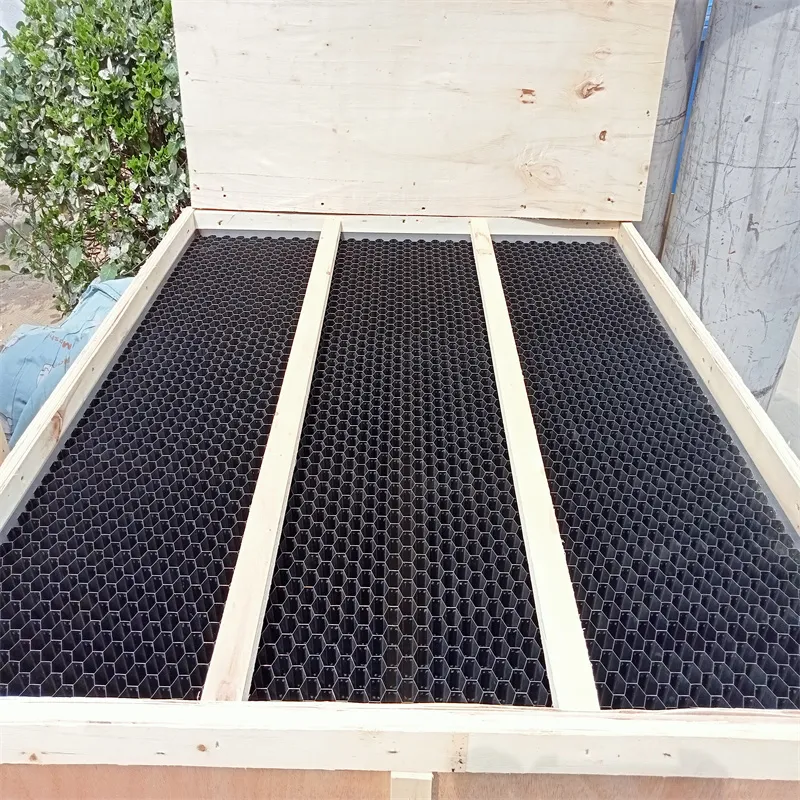
Practical tips
Pair your Wind Tunnel Honeycomb with two upstream wire screens (descending mesh) and a decent settling chamber. Keep 1–2 cell diameters clearance to frames, and—this is boring but key—log temperature and barometric drift per AIAA S-119 so your uncertainty analysis stays defensible.
Citations: [1] AIAA S-119A-2011, Wind Tunnel Data Quality Assurance. [2] Pope & Goin, High-Speed Wind Tunnel Testing, 3rd ed. [3] ASTM C365/C365M & C273/C273M. [4] ISO/IEC 17025:2017.
-
Industrial Airflow Guide for maf воздушная правильная машинаNewsApr.16,2026
-
Best maf струйно правильная машина for Industrial EfficiencyNewsApr.09,2026
-
Сотовая правильная машина A Comprehensive Guide to Honey Packing AutomationNewsApr.07,2026
-
Build Your Own DIY газоправильная Машина A Comprehensive Guide to Gas CorrectionNewsApr.04,2026
-
Understanding Кондиционер отопления Systems for Efficient and Comfortable HeatingNewsMar.31,2026
-
Comprehensive Guide to Cellular Blinds Installation Установка сотовых жалюзиNewsMar.28,2026
-
Mobile Aerodynamic Tunnel Design A Comprehensive Guide to Applications and ImplementationNewsMar.26,2026






 English
  Afrikaans
  Albanian
  Amharic
  Arabic
  Armenian
  Azerbaijani
  Basque
  Belarusian
  Bengali
  Bosnian
  Bulgarian
  Catalan
  Cebuano
  China
China  China (Taiwan)
  Corsican
  Croatian
  Czech
Czech  Danish
  Dutch
Dutch  Esperanto
  Estonian
  Finnish
  French
  Frisian
  Galician
  Georgian
  German
  Greek
Greek  Gujarati
  Haitian Creole
  Hausa
Hausa  Hawaiian
  Hebrew
  Hindi
Hindi  Miao
Miao  Indonesian
  Italian
  Japanese
  Javanese
  Malay
Malay  Persian
  Portuguese
  Punjabi
  Russian
  Spanish
  Swahili
  Telugu
  Vietnamese