


Honeycomb Flow Straightener: Laminar Flow, Low Pressure Drop
Hengshi’s Stainless Steel 304/316L honeycomb core, produced in Hebei, China (No.2, Tongda Street, High-tech area Gu'an County, Langfang, 065500), has been popping up a lot in conversations lately—partly because the market wants metal, not plastic, for higher temperatures and tighter dimensional stability.
What it is (and why it works)
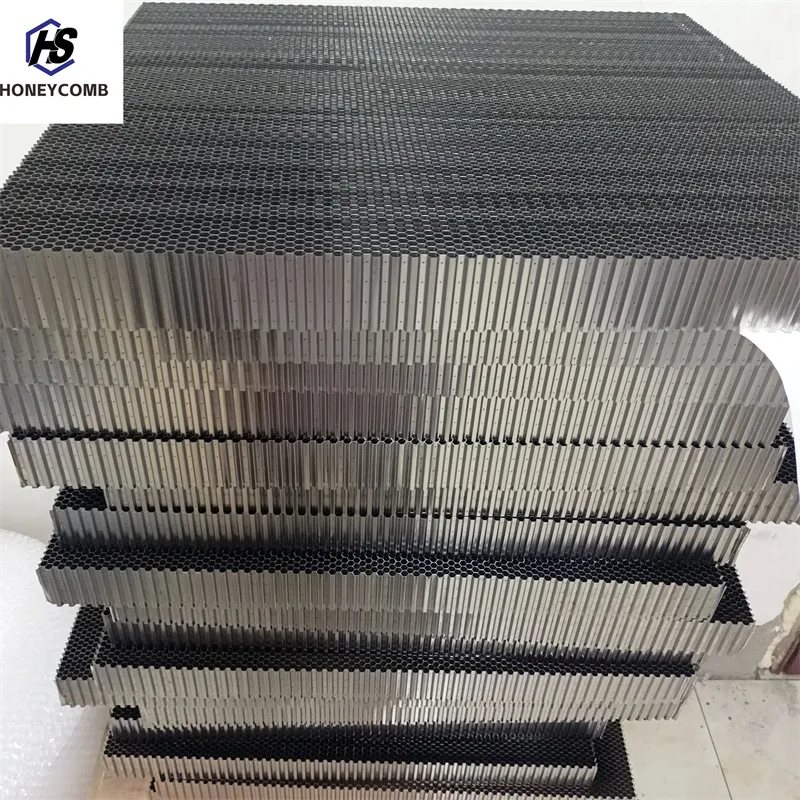
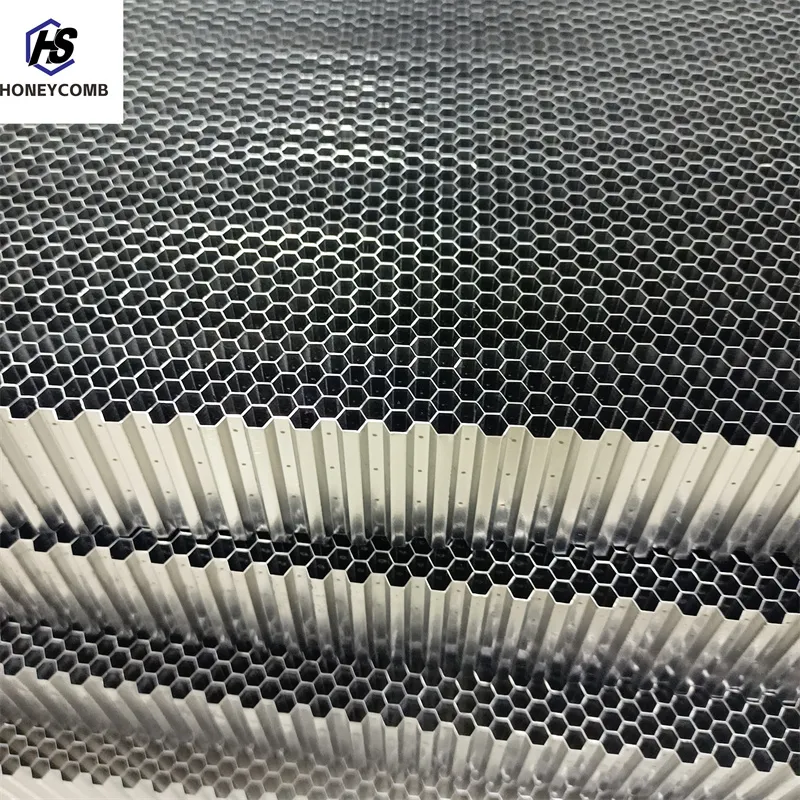
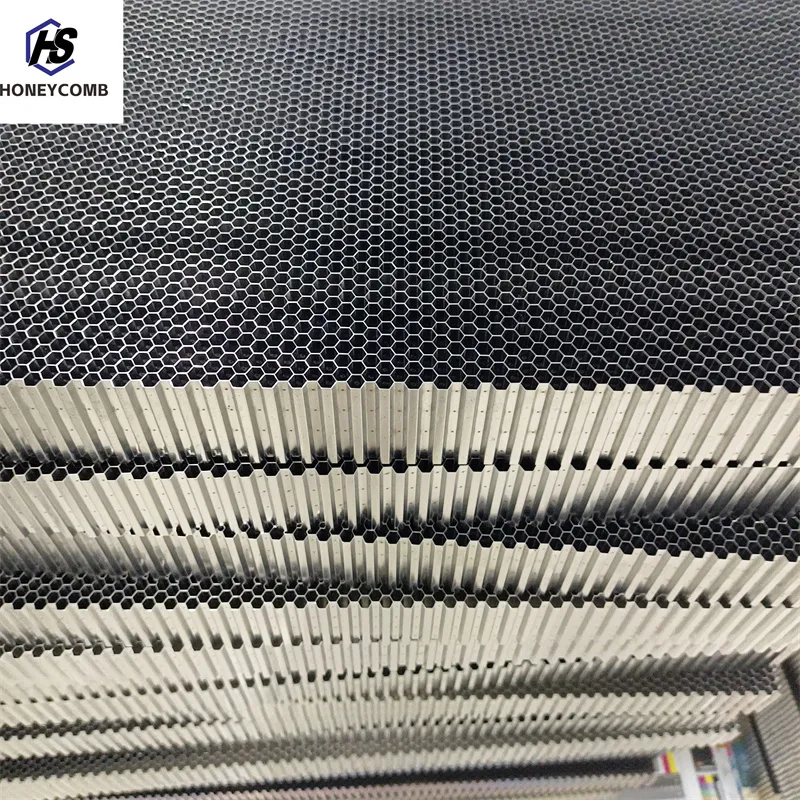
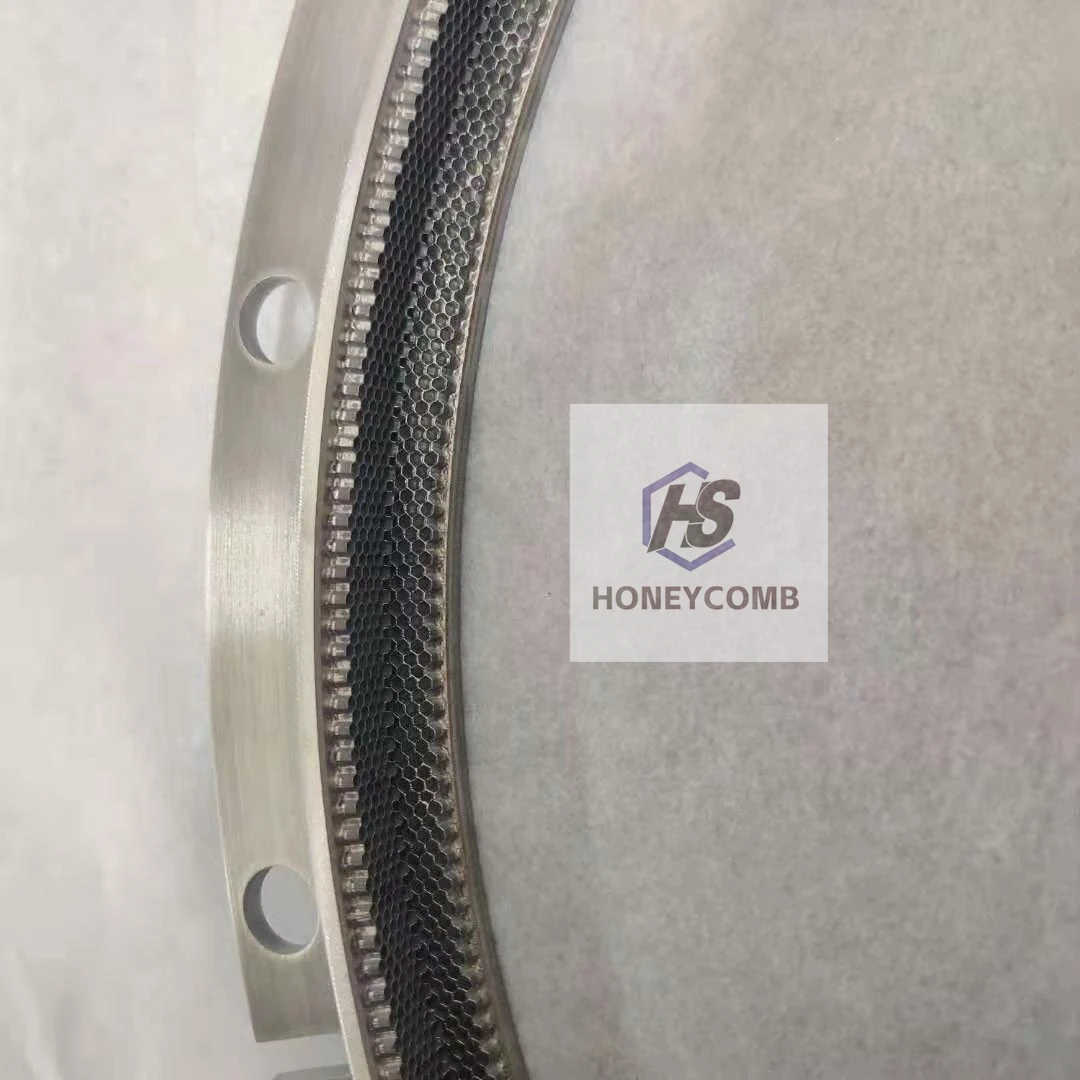
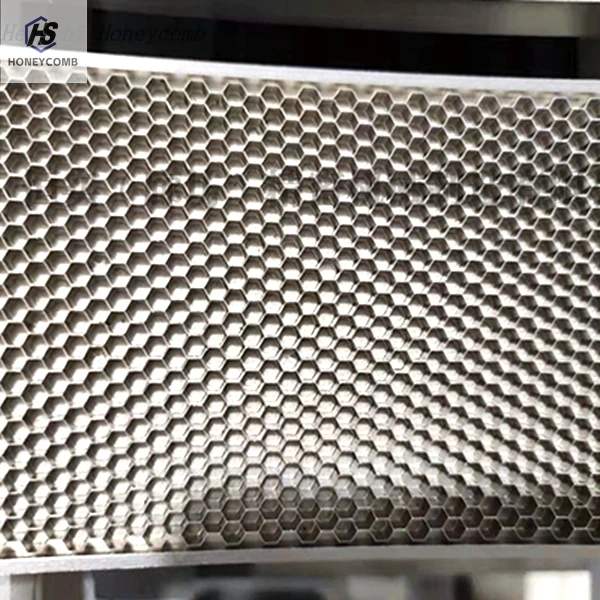
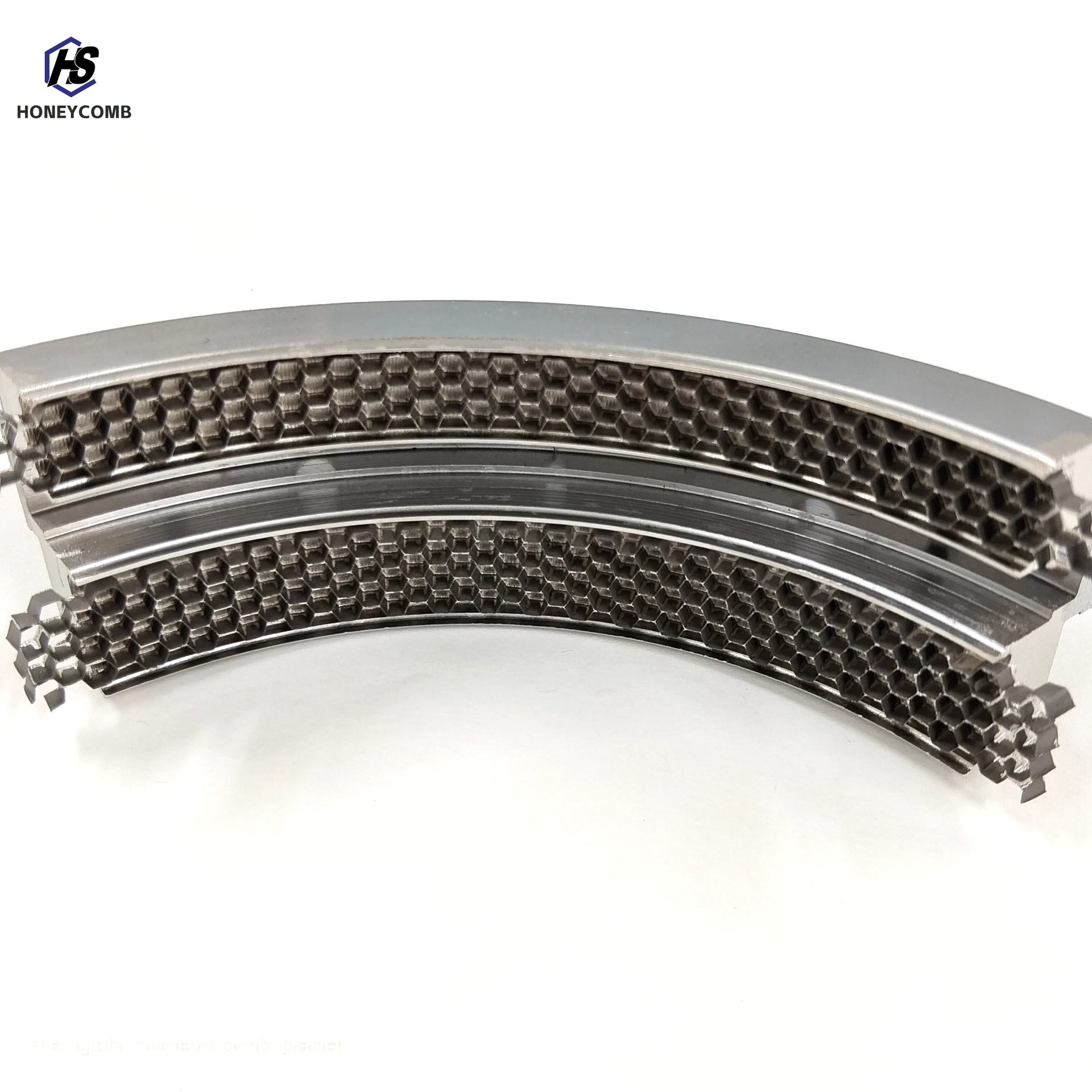
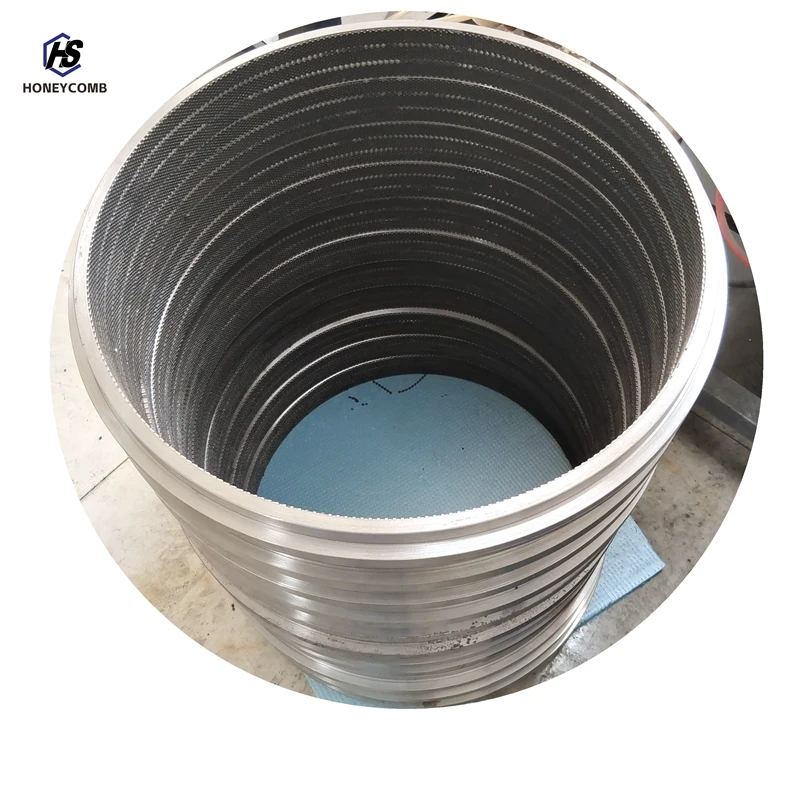
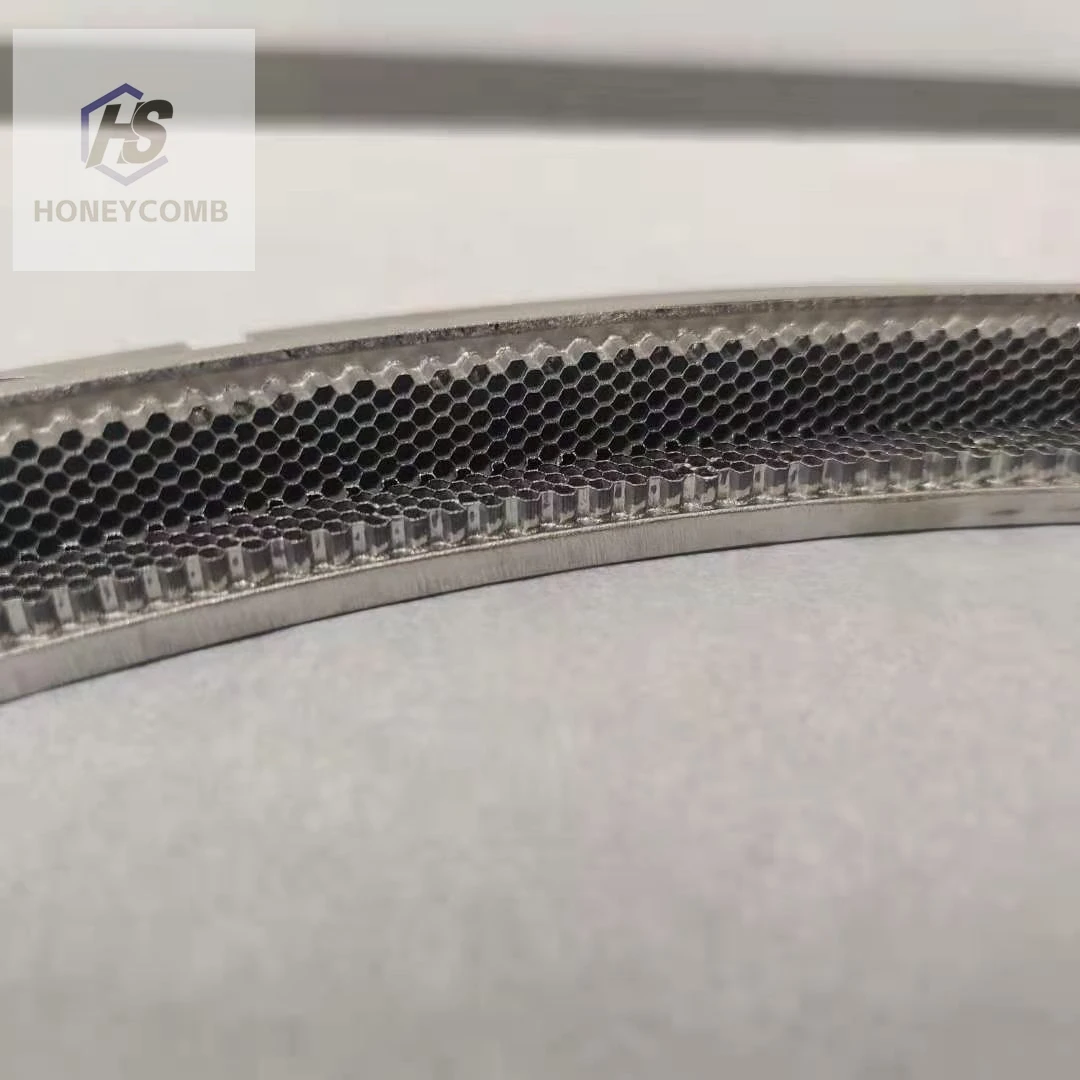
The Honeycomb Flow Straightener is essentially a metallic cell structure—thin stainless foils bonded into a hex grid—that knocks down swirl, secondary flows, and large eddies before measurement sections, fans, or compressor inlets. In fact, many customers say the biggest surprise is how much it stabilizes pressure arrays when you’re short on upstream straight runs.
Industry trends
- Shift to stainless cores for high-temp and solvent-heavy labs; less polymer warping over time.
- More labs referencing ISO 5167 and ASME MFC guidance for flow conditioning upstream of DP devices and grids.
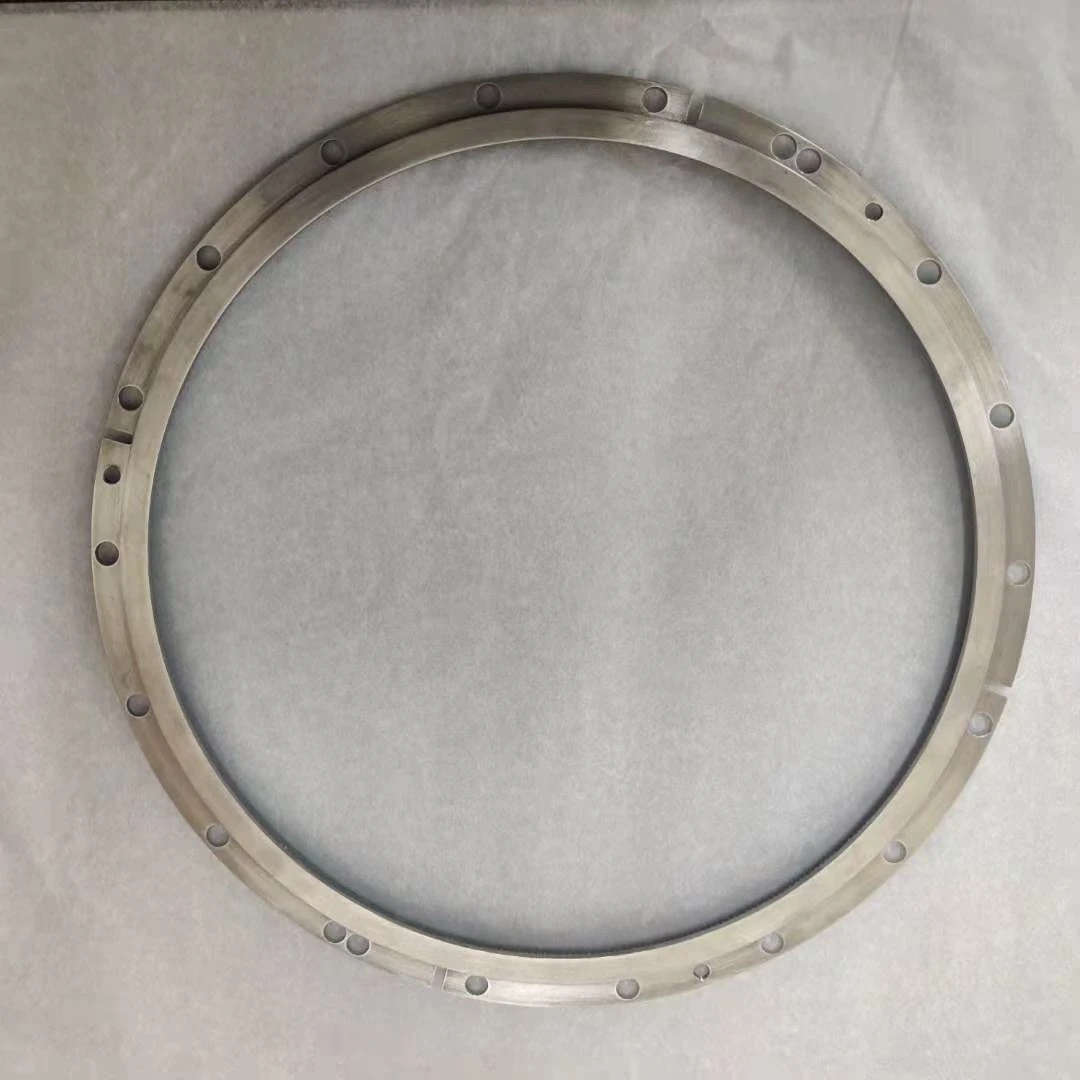
- Customization is king: cell size, L/D, and frame depth tailored to duct constraints (real-world use may vary).
Spec snapshot
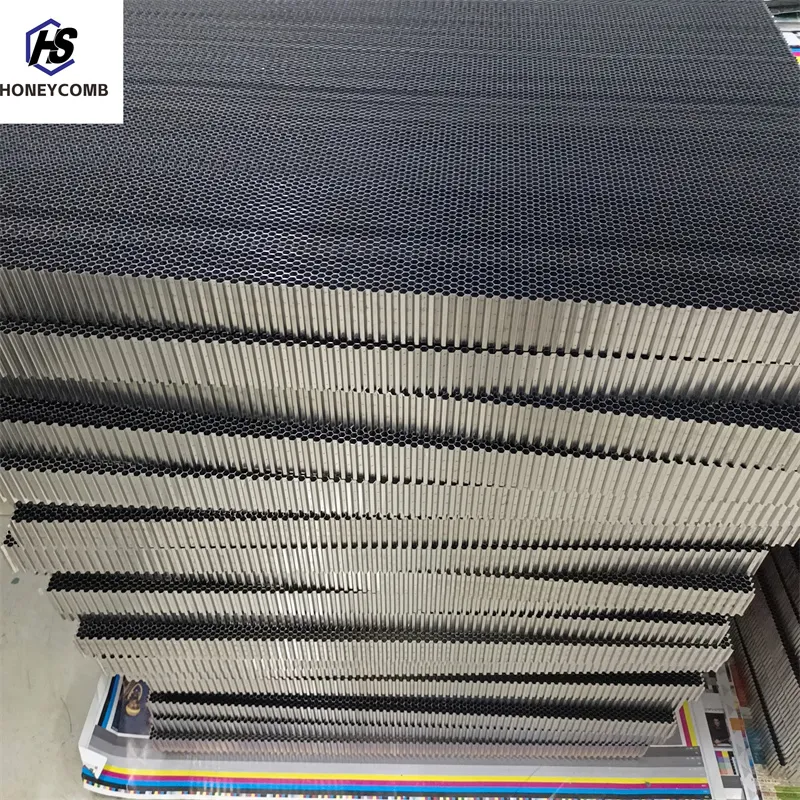
| Parameter | Typical Value |
|---|---|
| Material | SS304 or SS316L (ASTM A240) |
| Cell size | ≈8–30 mm |
| Cell depth (L) | ≈10–100 mm (custom) |
| Foil thickness | ≈0.04–0.10 mm |
| Open area ratio | >95% typical |
| Temp capability | Up to ~600°C (316L); application-dependent |
| Recommended L/D | ≥6 for robust conditioning [1][2] |
Process, testing, and life
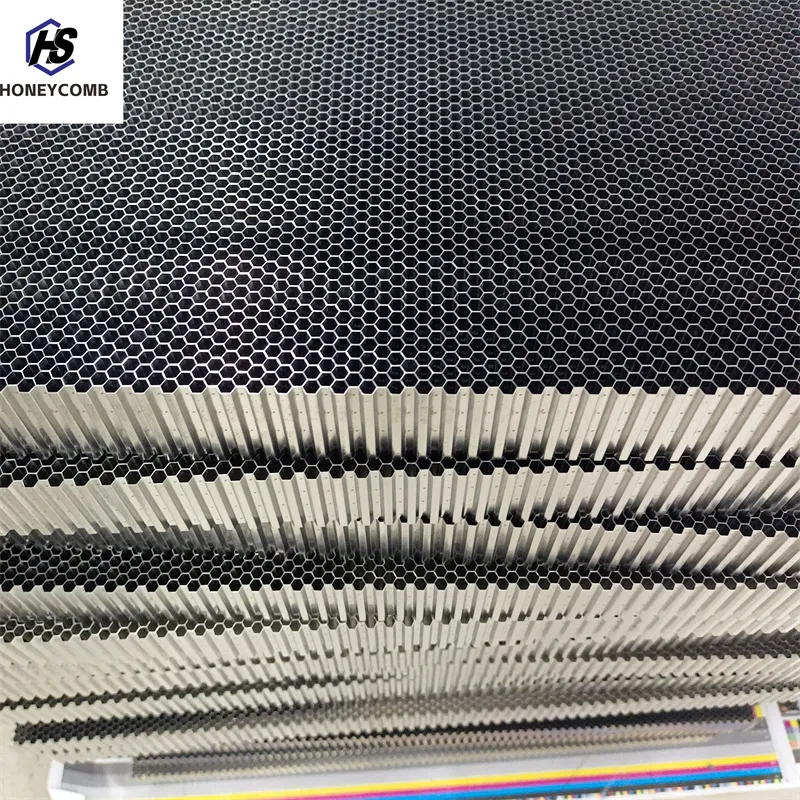
Process flow (abridged): material incoming inspection → foil slitting → corrugation/expansion → alignment in jigs → spot welding or brazing → framing (circular/rectangular) → deburr and passivation → dimensional and flatness checks → packaging. Typical QA includes visual, dimensional, and cell-width audits; labs often verify downstream with ISO 3966 grid traverses or AMCA 210 setups. Reported pressure-loss coefficient K ≈0.4–1.2 depending on Re, cell size, and L/D; swirl angle commonly reduced to
Applications
- Wind tunnels and fan test rigs (AMCA 210, ISO 5801 contexts).
- Orifice/venturi sections (ISO 5167, API MPMS Ch.14.3) upstream conditioning.
- HVAC duct surveys, PIT/grids, VAV boxes; noise reduction upstream of elbows.
- Gas turbine/engine intake benches; automotive intake CFD validation.
Customization and compliance
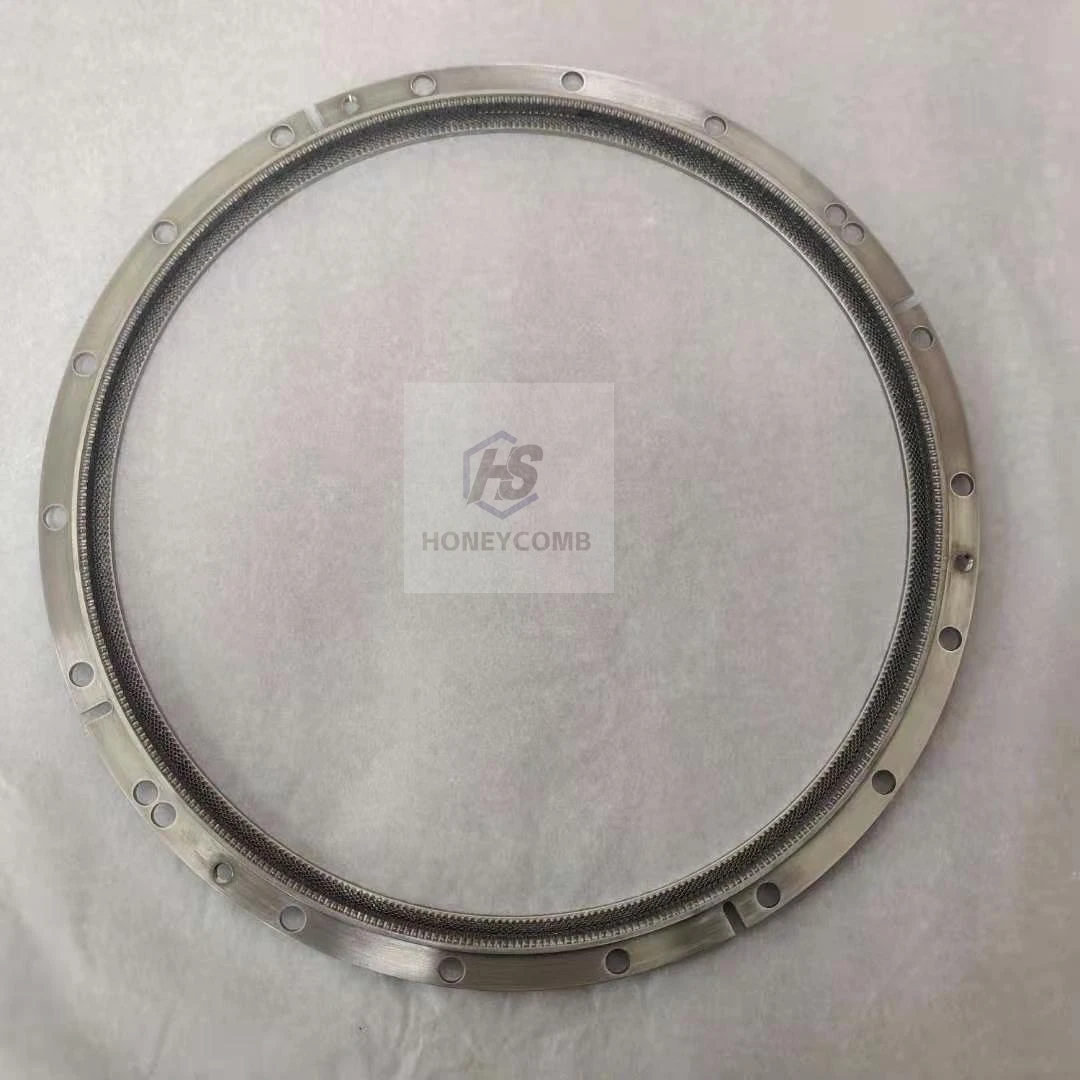
Options: diameter/width to fit your duct or plenum, 8–30 mm cells, tailored L/D, stainless frame rings, tabs for quick removal, electropolish or passivation. Certifications commonly requested: ISO 9001, material certs to ASTM A240, RoHS/REACH statements; test traceability via ISO 17025 labs where applicable.
Vendor snapshot
| Vendor | Material | Max Temp | Lead Time | Notes |
|---|---|---|---|---|
| Hengshi Honeycomb | SS304/316L | ≈600°C | Around 2–4 weeks | Custom cells 8–30 mm; tight flatness |
| Tube Bundle Supplier | Stainless tubes | High | 4–8 weeks | Good L/D, heavier, costlier |
| Polymer Honeycomb | PC/PP | ≈100–120°C | 1–3 weeks | Lightweight; thermal limits |
Field notes (real projects)
- Automotive intake dyno: Honeycomb Flow Straightener stabilized MAF readings; TI dipped from ~6% to ~2% at test speed.
- AHU commissioning: post-elbow DP grid aligned with ISO 3966 traverse within ±2–3% after install.
- Small wind tunnel: replacing plastic with 316L cut thermal drift during long hot-wire runs.
What users report: “less fuss, cleaner baselines.” To be honest, that’s what you want—a passive fix that doesn’t steal much pressure but gives your instruments a fair shot.
Final take
If you need durable, high-temp conditioning, a stainless Honeycomb Flow Straightener is hard to beat. The Hengshi core hits the practical sweet spot: configurable cells, consistent welds, and sensible lead time—without blowing the pressure budget.
References
- ISO 5167-1: Measurement of fluid flow by means of pressure differential devices.
- ASME MFC-3M: Measurement of Fluid Flow in Pipes Using Orifice, Nozzle, and Venturi.
- AMCA 210/ANSI: Laboratory Methods of Testing Fans for Aerodynamic Performance.
- ASTM A240/A240M: Standard Specification for Chromium and Chromium-Nickel Stainless Steel Plate, Sheet, and Strip.
- API MPMS Chapter 14.3 (AGA Report No.3): Orifice metering of natural gas.
- ISO/IEC 17025: General requirements for the competence of testing and calibration laboratories.

-
Industrial Airflow Guide for maf воздушная правильная машинаNewsApr.16,2026
-
Best maf струйно правильная машина for Industrial EfficiencyNewsApr.09,2026
-
Сотовая правильная машина A Comprehensive Guide to Honey Packing AutomationNewsApr.07,2026
-
Build Your Own DIY газоправильная Машина A Comprehensive Guide to Gas CorrectionNewsApr.04,2026
-
Understanding Кондиционер отопления Systems for Efficient and Comfortable HeatingNewsMar.31,2026
-
Comprehensive Guide to Cellular Blinds Installation Установка сотовых жалюзиNewsMar.28,2026
-
Mobile Aerodynamic Tunnel Design A Comprehensive Guide to Applications and ImplementationNewsMar.26,2026






 English
  Afrikaans
  Albanian
  Amharic
  Arabic
  Armenian
  Azerbaijani
  Basque
  Belarusian
  Bengali
  Bosnian
  Bulgarian
  Catalan
  Cebuano
  China
China  China (Taiwan)
  Corsican
  Croatian
  Czech
Czech  Danish
  Dutch
Dutch  Esperanto
  Estonian
  Finnish
  French
  Frisian
  Galician
  Georgian
  German
  Greek
Greek  Gujarati
  Haitian Creole
  Hausa
Hausa  Hawaiian
  Hebrew
  Hindi
Hindi  Miao
Miao  Indonesian
  Italian
  Japanese
  Javanese
  Malay
Malay  Persian
  Portuguese
  Punjabi
  Russian
  Spanish
  Swahili
  Telugu
  Vietnamese