


Understanding the Redresseur d'Air MAF for Optimal Engine Performance
Understanding the Redresseur d'Air MAF: A Comprehensive Guide
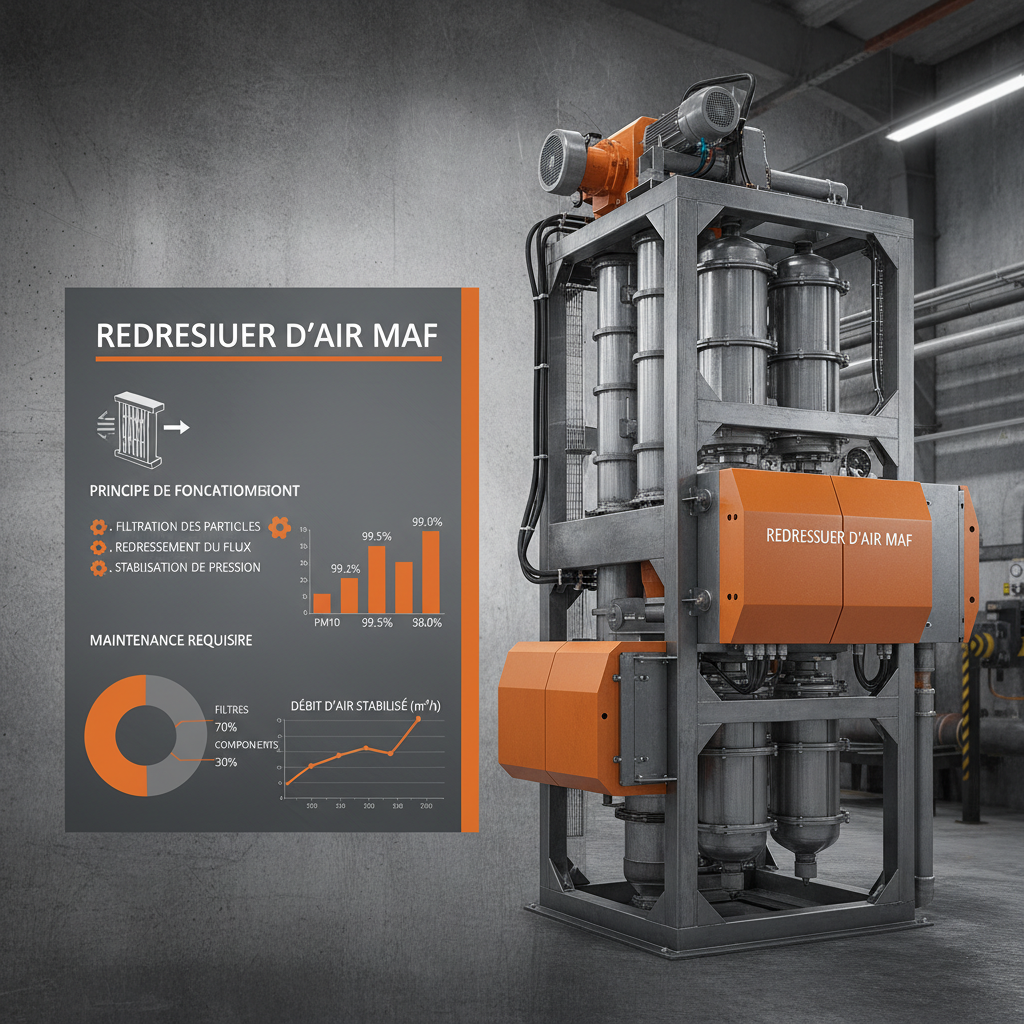
The redresseur d'air MAF (Mass Air Flow Corrector) is a crucial component in modern vehicle engine management systems. It ensures accurate airflow readings to the engine control unit (ECU), enabling optimal fuel delivery and combustion. A malfunctioning MAF corrector can lead to reduced engine performance, increased fuel consumption, and even engine damage. This article provides a detailed exploration of the redresseur d'air MAF, its function, common issues, and how to choose the right replacement. Maintaining a properly functioning MAF system is vital for the longevity and efficiency of your vehicle. We will also discuss the key advantages of using HSHI Honeycomb redresseur d'air MAF correctors.
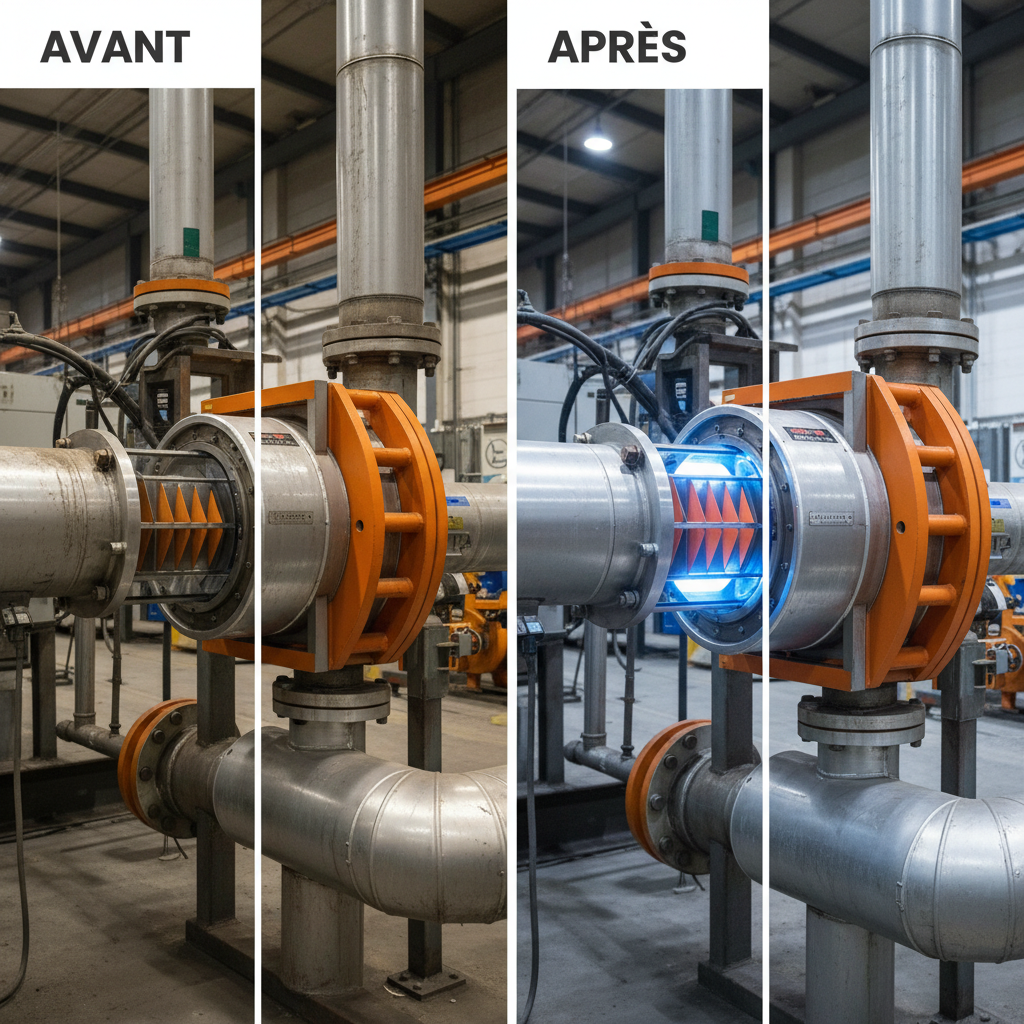
What is a Redresseur d'Air MAF and How Does It Work?
The redresseur d'air MAF, often referred to as a MAF sensor, measures the amount of air entering the engine. This information is then sent to the ECU, which calculates the precise amount of fuel required for optimal combustion. The sensor typically utilizes a hot-wire or hot-film technology. A heated element is placed in the airflow, and the ECU monitors the amount of current needed to maintain its temperature. As airflow increases, more current is required to keep the element at a constant temperature. This current reading is translated into an airflow measurement. The redresseur d’air component corrects the signal for accurate measurement. Without a properly functioning redresseur d’air, the ECU receives inaccurate data, leading to various performance issues. Using high-quality components, like those offered by HSHI Honeycomb, ensures consistent and accurate airflow readings.
Key Functions: Accurately measures the amount of air entering the engine. Transmits data to the ECU for precise fuel delivery. Contributes to optimal combustion and engine efficiency.
Common Symptoms of a Faulty Redresseur d'Air MAF
Identifying a failing redresseur d'air MAF early can prevent more significant engine problems. Common symptoms include: rough idling, poor acceleration, decreased fuel economy, engine stalling, and a check engine light illuminating. The check engine light is often accompanied by diagnostic trouble codes (DTCs) related to the MAF sensor. In some cases, the engine may enter a limp mode, limiting its power output to protect itself from damage. Ignoring these symptoms can lead to increased fuel consumption, damaged catalytic converters, and potentially costly engine repairs. A professional diagnosis and replacement using quality parts from HSHI Honeycomb are highly recommended.
Warning Signs:
• Rough idling and stalling
• Reduced engine acceleration
• Decreased fuel economy
• Check engine light illumination
Redresseur d'Air MAF: Types and Technologies
There are primarily two types of MAF sensors: hot-wire and hot-film. Hot-wire sensors utilize a thin, electrically heated wire suspended in the airflow. Hot-film sensors use a thin film deposited on a substrate. Both types function on the same principle of measuring airflow by monitoring the current required to maintain a constant temperature. More recent technologies also incorporate digital signal processing for improved accuracy and reliability. When replacing a MAF sensor, it is crucial to choose a compatible type for your vehicle’s make and model. HSHI Honeycomb offers a wide range of MAF correctors compatible with various vehicles and technologies.
Why Choose HSHI Honeycomb Redresseur d'Air MAF Correctors?
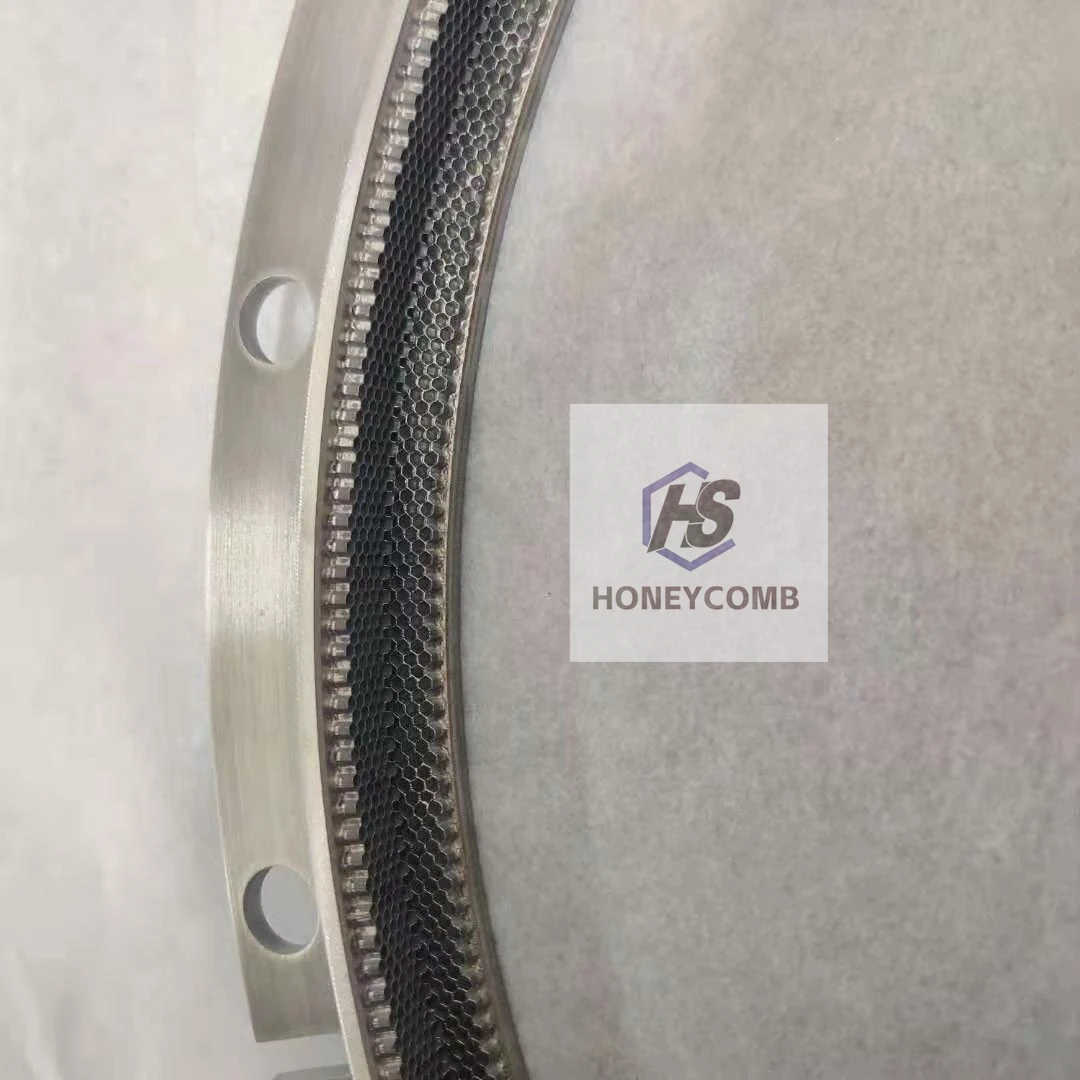
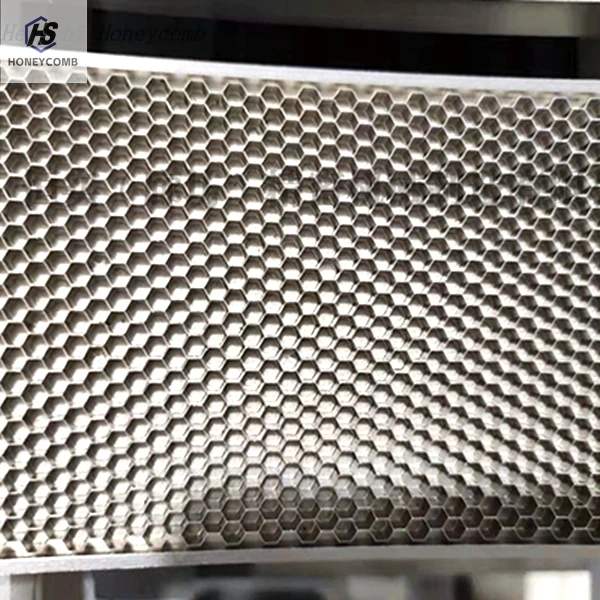
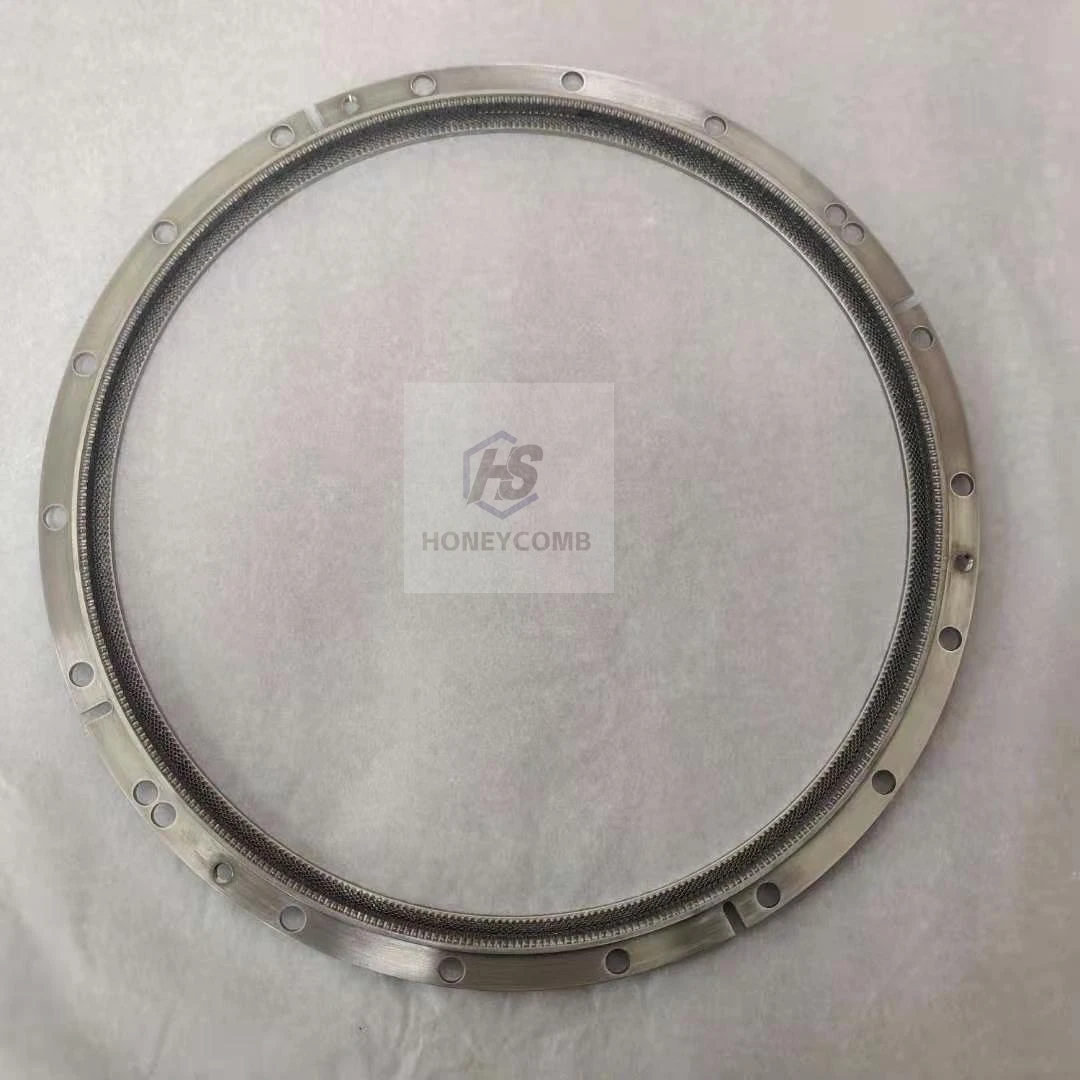
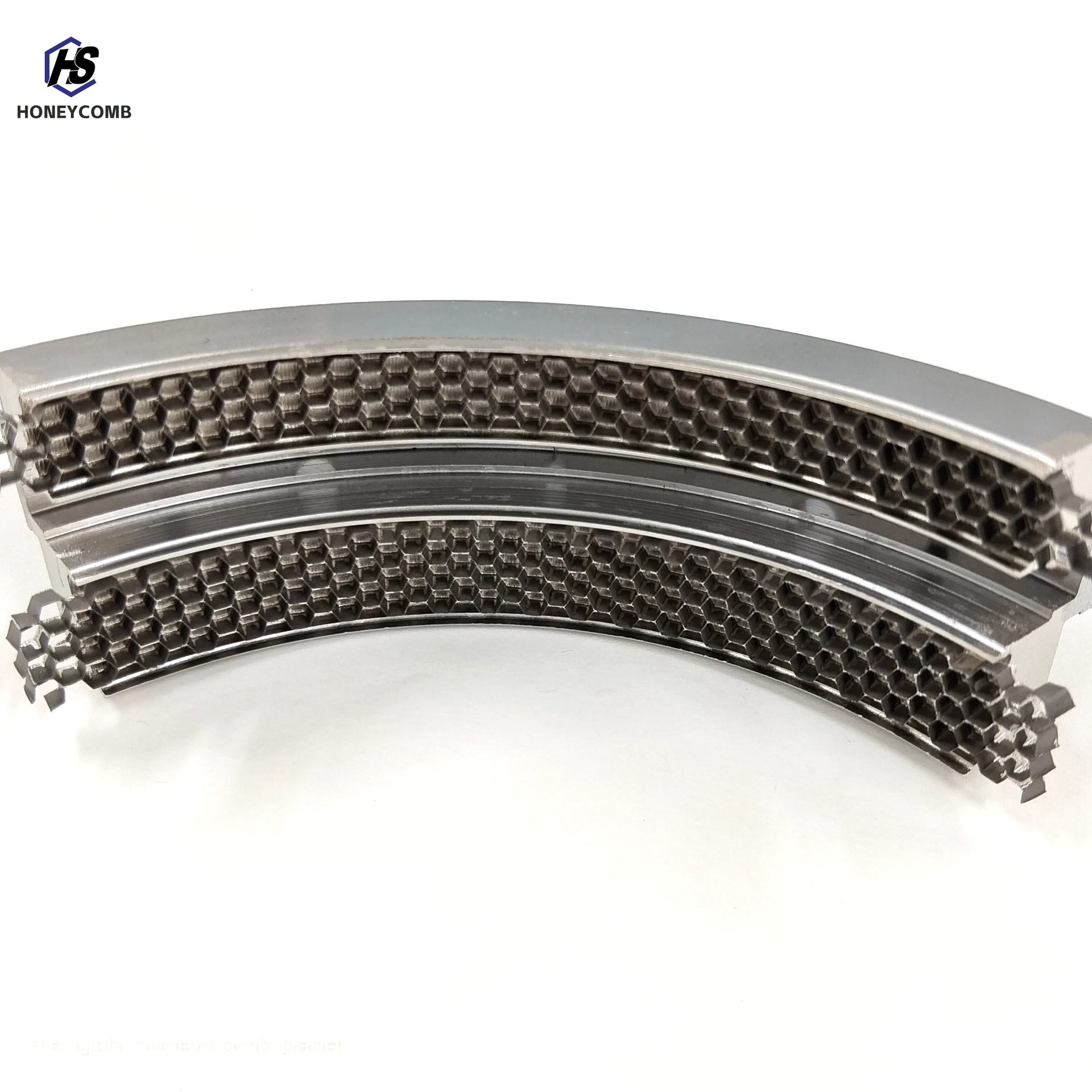
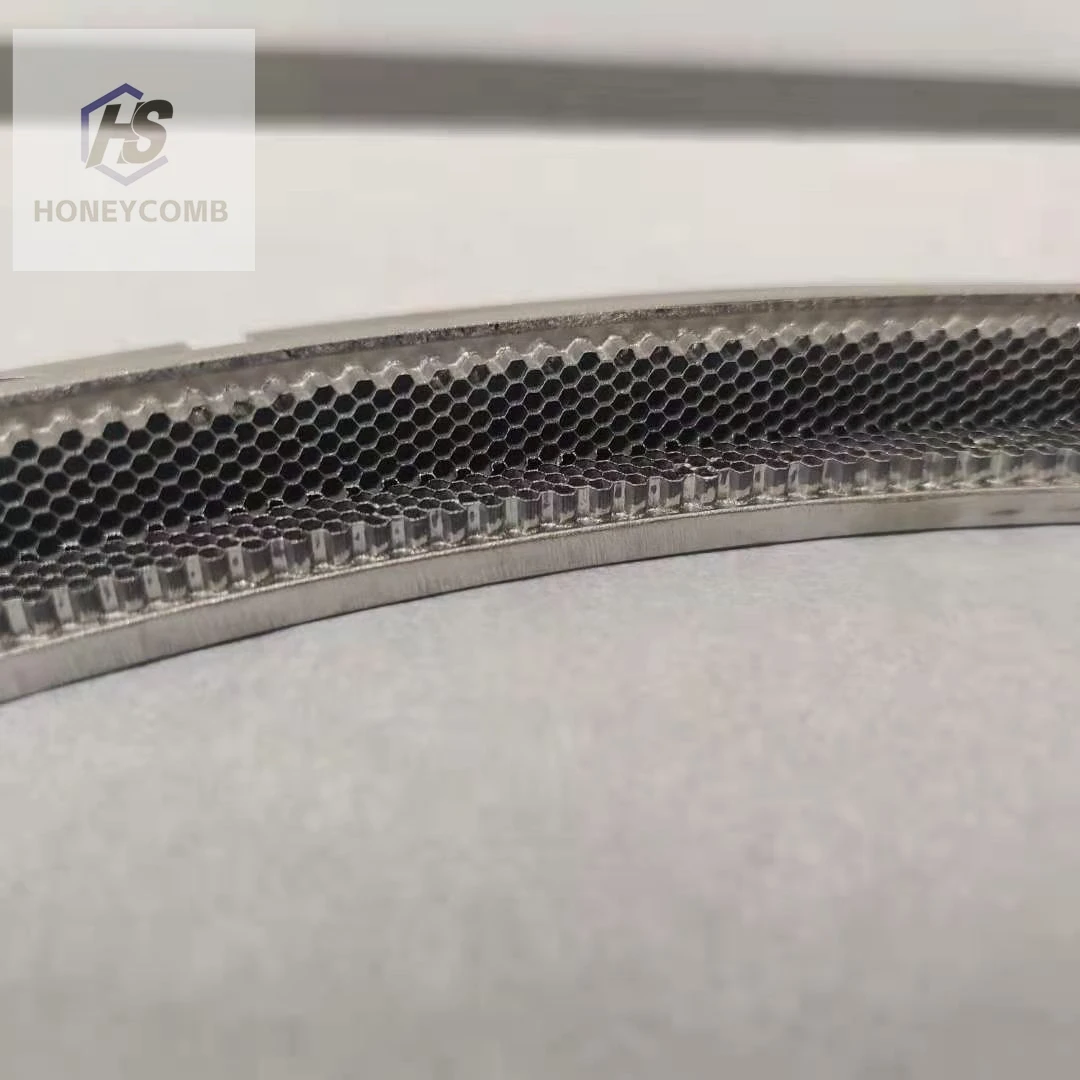
HSHI Honeycomb specializes in high-quality redresseur d'air MAF correctors designed for optimal performance and durability. Our products undergo rigorous testing to ensure accuracy and reliability. We offer a wide range of MAF sensors compatible with various vehicle makes and models. Our commitment to quality materials and precise manufacturing ensures that our MAF correctors deliver consistent airflow readings, improving engine efficiency and reducing emissions. Investing in a HSHI Honeycomb MAF corrector is a smart choice for long-term engine health and performance.
Conclusion: Ensuring Optimal Engine Performance with the Right MAF Corrector
The redresseur d'air MAF is an essential component for maintaining optimal engine performance and fuel efficiency. Choosing a high-quality MAF corrector from a trusted supplier like HSHI Honeycomb can ensure accurate airflow readings, prevent costly engine problems, and extend the life of your vehicle. Don't compromise on performance – invest in a reliable MAF corrector today.
Frequently Asked Questions (FAQs)
How often should a redresseur d'air MAF be replaced?
The recommended replacement interval for a redresseur d'air MAF varies depending on driving conditions and vehicle maintenance. Generally, it's advisable to replace the MAF sensor every 60,000 to 100,000 miles. However, if you experience any of the symptoms mentioned earlier, such as rough idling or decreased fuel economy, it's best to have it checked and potentially replaced sooner. Regular maintenance and using quality components from suppliers like HSHI Honeycomb can extend its lifespan.
Can a dirty MAF sensor cause problems?
Yes, a dirty MAF sensor can significantly impact engine performance. Dirt, dust, and oil can accumulate on the sensor's element, interfering with its ability to accurately measure airflow. This can lead to inaccurate readings, causing the ECU to deliver the wrong amount of fuel. In some cases, cleaning the MAF sensor with a specialized MAF sensor cleaner can resolve the issue. However, if the sensor is severely contaminated or damaged, replacement is necessary. HSHI Honeycomb provides high-quality MAF sensors designed to resist contamination.
Is it difficult to replace a redresseur d'air MAF?
Replacing a redresseur d'air MAF can range from relatively simple to moderately difficult, depending on the vehicle's make and model. Generally, it involves disconnecting the electrical connector, removing the air intake duct, and unscrewing the MAF sensor. However, it's crucial to follow the manufacturer's instructions carefully and avoid damaging any surrounding components. If you're not comfortable performing this task yourself, it's best to consult a qualified mechanic. Using genuine parts from HSHI Honeycomb ensures a proper fit and easy installation.
What are the benefits of using a high-quality MAF sensor like those from HSHI Honeycomb?
Using a high-quality MAF sensor from HSHI Honeycomb provides several benefits, including improved engine performance, increased fuel efficiency, reduced emissions, and enhanced durability. Our sensors are manufactured with precision and undergo rigorous testing to ensure accurate readings and long-lasting reliability. By investing in a quality MAF sensor, you can protect your engine and enjoy optimal driving performance.

-
Industrial Airflow Guide for maf воздушная правильная машинаNewsApr.16,2026
-
Best maf струйно правильная машина for Industrial EfficiencyNewsApr.09,2026
-
Сотовая правильная машина A Comprehensive Guide to Honey Packing AutomationNewsApr.07,2026
-
Build Your Own DIY газоправильная Машина A Comprehensive Guide to Gas CorrectionNewsApr.04,2026
-
Understanding Кондиционер отопления Systems for Efficient and Comfortable HeatingNewsMar.31,2026
-
Comprehensive Guide to Cellular Blinds Installation Установка сотовых жалюзиNewsMar.28,2026
-
Mobile Aerodynamic Tunnel Design A Comprehensive Guide to Applications and ImplementationNewsMar.26,2026






 English
  Afrikaans
  Albanian
  Amharic
  Arabic
  Armenian
  Azerbaijani
  Basque
  Belarusian
  Bengali
  Bosnian
  Bulgarian
  Catalan
  Cebuano
  China
China  China (Taiwan)
  Corsican
  Croatian
  Czech
Czech  Danish
  Dutch
Dutch  Esperanto
  Estonian
  Finnish
  French
  Frisian
  Galician
  Georgian
  German
  Greek
Greek  Gujarati
  Haitian Creole
  Hausa
Hausa  Hawaiian
  Hebrew
  Hindi
Hindi  Miao
Miao  Indonesian
  Italian
  Japanese
  Javanese
  Malay
Malay  Persian
  Portuguese
  Punjabi
  Russian
  Spanish
  Swahili
  Telugu
  Vietnamese