


Stainless Steel Honeycomb Sandwich Panels – Strength, Sustainability & Innovation in Building Materials
The Rising Significance of Stainless Steel Honeycomb Sandwich Panels Worldwide
When you first hear stainless steel honeycomb sandwich panels, it might sound like something out of sci-fi or advanced aerospace talks—but in reality, they’re quietly revolutionizing industries across the globe. Why should you care? Well, as nations push for durable, lightweight, and sustainable building materials, these panels answer a multifaceted call: robust strength, corrosion resistance, and clever structural design that’s as eco-friendly as it is efficient. Understanding what they are and how they help isn’t just an engineer’s game anymore—it informs everything from disaster relief architecture to futuristic urban infrastructure.
Introduction: The Global Context for Stainless Steel Honeycomb Sandwich Panels
Here’s something interesting—according to recent reports from the United Nations, infrastructure resilience is a top priority in the face of climate change and urbanization. Around 55% of the world’s population now lives in cities, expected to surge to 68% by 2050 (World Bank). That growth means tighter demands for materials that can withstand wear, weather, and even the unpredictable effects of natural disasters.
Stainless steel honeycomb sandwich panels hit that sweet spot by blending strength and lightness, reducing load on foundations while promising longer service life. The real challenge? Finding materials that offer these benefits without astronomical costs or complicated installation—which these panels largely solve.
What Exactly Are Stainless Steel Honeycomb Sandwich Panels?
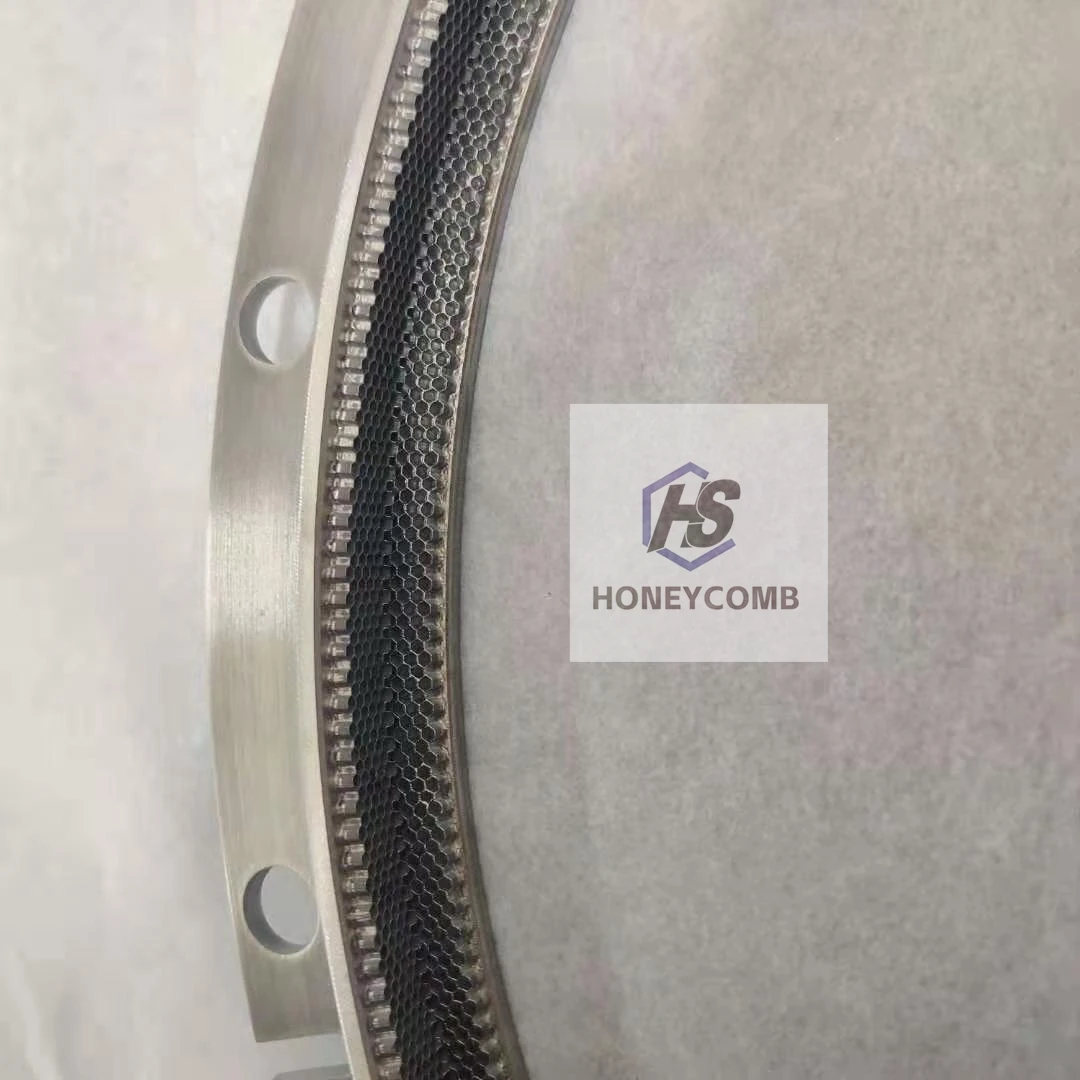
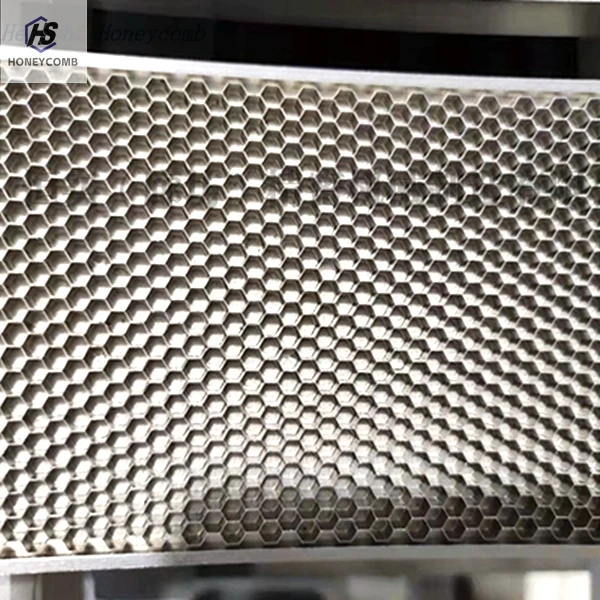
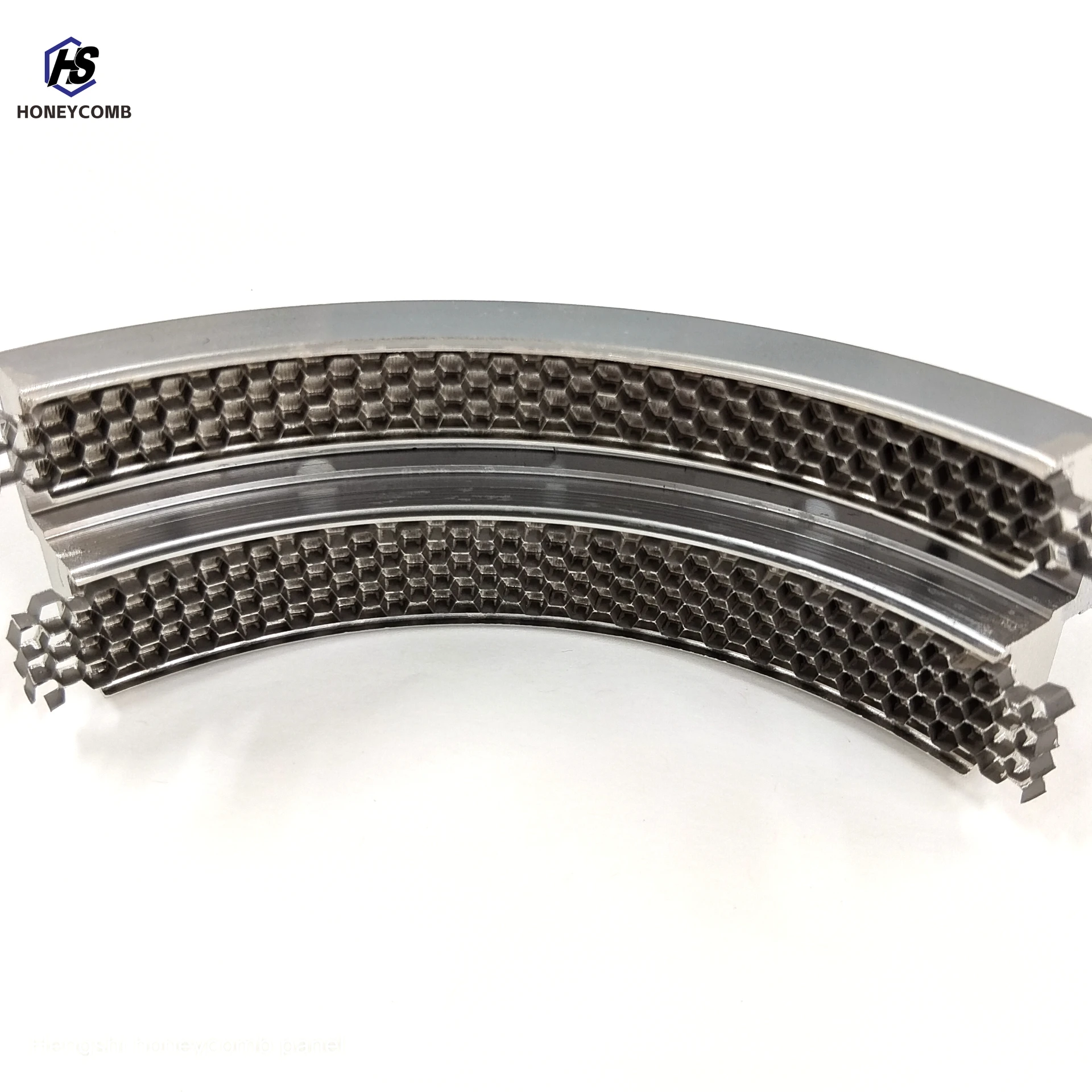
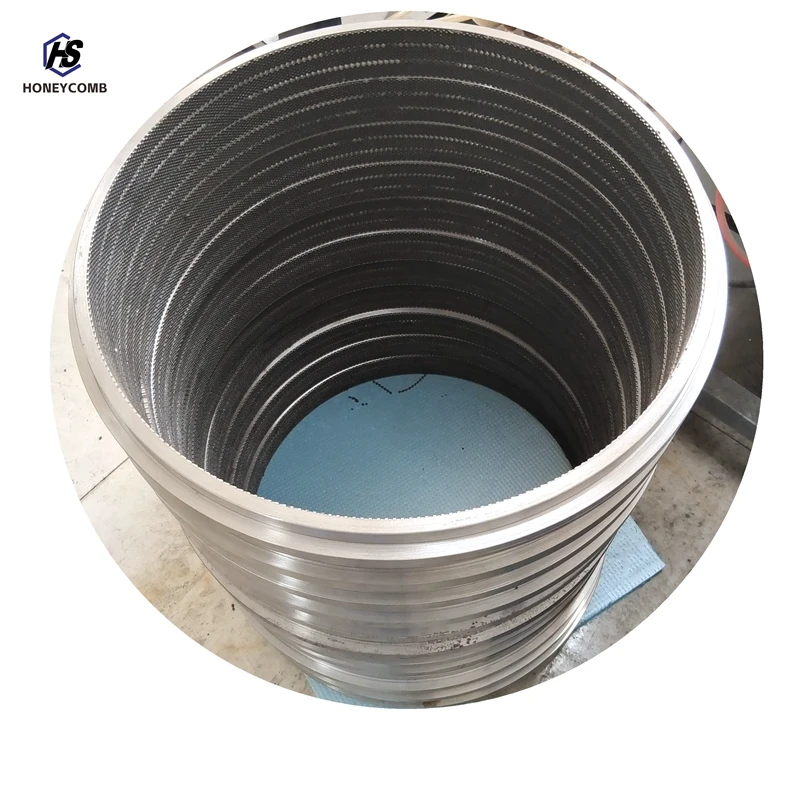
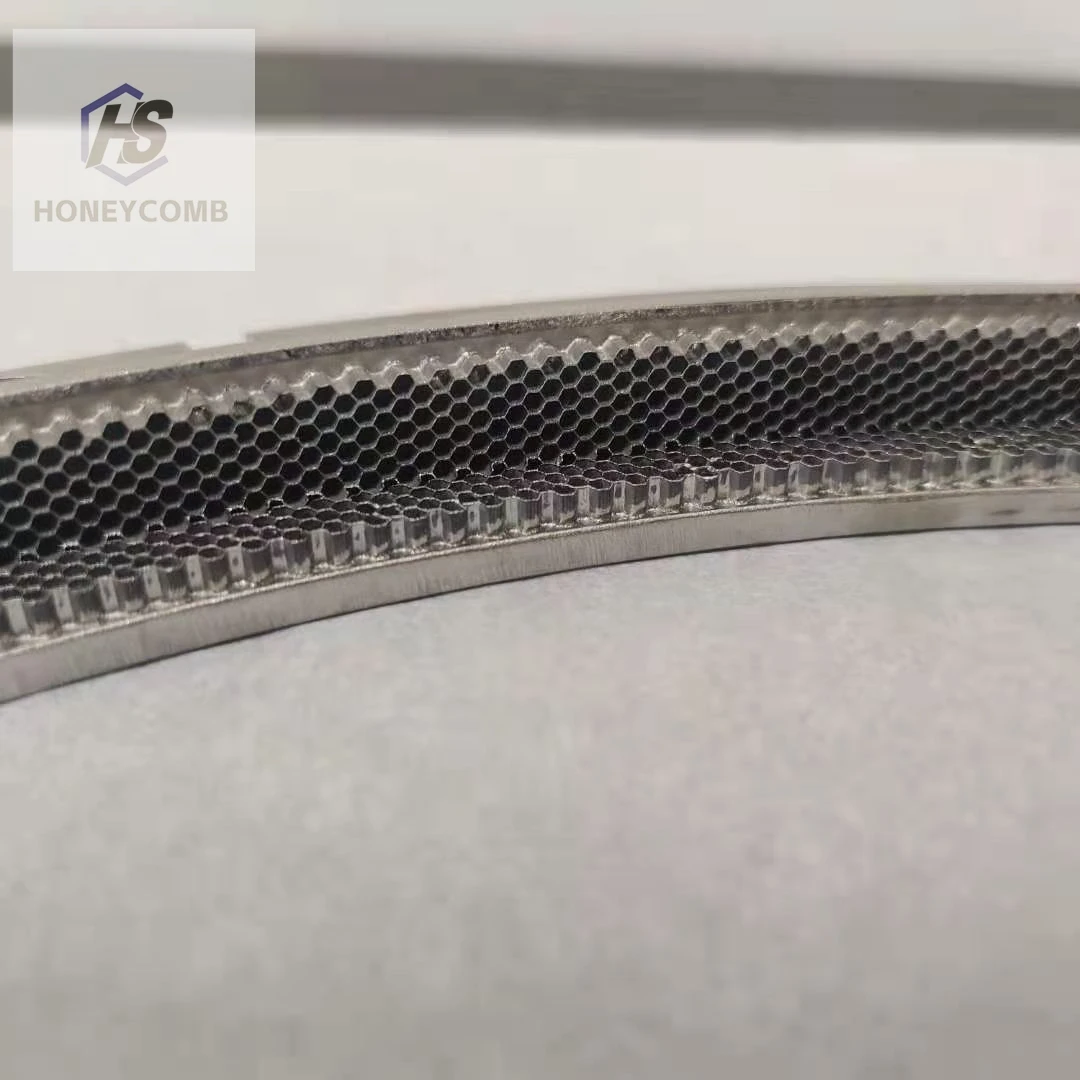
So what are we talking about? Imagine a sandwich where the “bread” is two thin stainless steel sheets, and the “filling” is a hexagonal honeycomb core—usually made from stainless steel too. This design is far from accidental; nature’s honeycombs inspire countless engineers for their cellular structure that combines lightness and toughness. Basically, these panels are engineered composites specifically crafted to resist bending, corrosion, and impact, all while staying surprisingly lightweight.
Industries from aerospace to construction, even humanitarian efforts, tap into this technology. The stainless steel layers give it durability and fire resistance, while the honeycomb core creates rigidity. It’s a brilliant mix—sort of like a modern armor for buildings and vehicles that also saves on material use.
Key Features That Make These Panels Stand Out
Durability and Corrosion Resistance
Stainless steel itself is famous for not rusting. Well, especially in harsh marine or chemical environments, these panels last much longer than traditional aluminum or wood alternatives. That makes them a prime candidate in places where moisture or harsh weather would quickly degrade other materials.
Lightweight Strength
Though steel is known for weight, the honeycomb core reduces overall mass substantially. This means easier transportation, lower installation costs, and less stress on structural supports—ideal for modular buildings, transport vehicles, or aerospace components.
Thermal and Acoustic Insulation
The honeycomb core traps air and adds layers of insulation. This feature enhances energy efficiency and soundproofing capabilities—vital in urban settings or industrial applications where climate control and noise reduction are prized.
Environmental Sustainability
Reusable, recyclable, and often made with recycled content, these panels align with ISO sustainability standards. Their long lifespan reduces replacement frequency, cutting overall carbon footprints in construction projects.
Customization and Scalability
Manufacturers offer various thicknesses, cell sizes, and finishes to adapt these panels to a range of specifications—from lightweight partition walls to rugged exterior façades.
Mini takeaway: The combo of stainless steel's inherent benefits and honeycomb engineering creates a material that’s extremely practical yet innovative, meeting a broad range of industrial needs.
Real-World Applications of Stainless Steel Honeycomb Sandwich Panels
Globally, these panels are cropping up in some fascinating areas:
- Post-Disaster Relief Shelters: Fast assembly and durable protection make them favorites in earthquake- or flood-hit zones.
- Transportation Industry: From trains to ferry hulls, the panels reduce weight and improve fuel efficiency.
- Architectural Façades: Cities aiming for modern aesthetics combined with resilience favor stainless steel honeycomb panels.
- Industrial Plants: Thermal and fire resistance suit oil refineries, factories, and remote industrial sites.
For example, several NGOs have used these panels in modular clinics in East Africa, citing their long life and minimal maintenance requirements. Similarly, Scandinavian architecture firms rely on these panels for building exteriors that combine sustainability with style.
Advantages and Lasting Value of Using Honeycomb Panels
Honestly, the benefits go far beyond simple mechanics. Sure, cost savings in transportation and installation are clear—but the emotional value, like providing safe, dignified shelters or soundproof workspaces, gives these panels a social edge. When buildings last longer and require far less upkeep, communities experience a real boost in security and trust.
From a sustainability view, reduced raw material use and recyclability help industries align with global carbon reduction targets (per ISO 14000 guidance). And from an innovation standpoint, the panels encourage designers to rethink how spaces are built—lighter yet tougher, traditional yet modern.
Looking Ahead: Future Trends Shaping Stainless Steel Honeycomb Sandwich Panels
Technological progress never stops. We’re seeing:
- Integration with Smart Technologies: Embedded sensors for structural health monitoring.
- Advanced Coatings: Self-cleaning or anti-bacterial stainless steel surfaces.
- Green Energy Synergies: Panels paired with solar skins or energy-efficient glazing.
- Automation & Robotics: Faster, precision manufacturing lowers costs and waste.
It feels like these panels are becoming a platform—not just a material. Add a microchip and suddenly your structural panel is a data hub. Quite a future, right?
Common Challenges and How Industry Experts Address Them
No material is perfect. Some downsides include higher initial costs compared to simpler composites, and the need for skilled labor during installation. But manufacturers are innovating:
- Bulk production and modular panel designs spread costs more evenly.
- Training programs for builders help reduce installation errors.
- Ongoing R&D into hybrid cores combining honeycomb and foam for enhanced insulation.
In a few years, these “challenges” might look like quaint history.
Product Specification Table
| Specification | Typical Value | Units |
|---|---|---|
| Panel Thickness | 10–50 | mm |
| Honeycomb Cell Size | 6–12 | mm (across) |
| Density | 3–5 | kg/m² |
| Tensile Strength | 350 | MPa |
| Thermal Conductivity | 0.05–0.08 | W/m·K |
| Fire Resistance | Class A1 | Euroclass Standard |
Vendor Comparison at a Glance
| Vendor | Customization | Lead Time | Price Range | Global Shipping |
|---|---|---|---|---|
| H.S. Honeycomb | High (thickness, coatings) | 3–4 weeks | $$$ | Yes (worldwide) |
| SteelCore Panels | Medium | 2–3 weeks | $$ | Selective Countries |
| HoneyTech Solutions | Low (standard sizes) | 1–2 weeks | $ | Domestic Only |
FAQ: Your Questions About Stainless Steel Honeycomb Sandwich Panels Answered
What makes stainless steel honeycomb sandwich panels better than other composite panels?
Unlike typical composites such as aluminum or plastic cores, stainless steel honeycomb panels offer enhanced corrosion resistance and fire safety paired with high structural strength. That makes them particularly suitable for harsh environments or where fire codes are strict.
How long do these panels typically last in outdoor conditions?
With proper maintenance, stainless steel honeycomb sandwich panels can last 30 years or more, often outlasting conventional materials exposed to weather or chemical exposure.
Are these panels environmentally friendly?
Yes. Stainless steel is 100% recyclable. The honeycomb design uses less raw material compared to solid panels, reducing overall environmental impact in production and transport phases.
Can these panels be customized for specific projects?
Absolutely. Vendors often provide options for thickness, core size, finish coatings, and even integrated insulation, allowing tailor-made solutions for diverse needs.
How do NGOs or international companies import these panels?
Many vendors, like H.S. Honeycomb, offer global shipping and support with customs documentation, making international procurement smoother. Partnering with experienced suppliers can avoid common logistical pitfalls.
Wrapping Up: Why Stainless Steel Honeycomb Sandwich Panels Are a Smart Choice
In a nutshell, stainless steel honeycomb sandwich panels are a fascinating evolution in material science, blending resilience and lightness with sustainability. Whether it’s speeding up disaster relief housing or adding sleek durability to city buildings, their versatility is hard to ignore. If your projects demand something that’s tough but efficient — and frankly, future-ready — exploring stainless steel honeycomb sandwich panels might just be your next best step.
Curious to learn more or request a quote? Visit our website and see how these panels can transform your designs.
References & Further Reading

-
Manufacturer Supply 10mm Stainless Steel 304 Honeycomb for Wind Tunnels Air Flow Testing: Selection ChecksNewsNov.23,2026
-
EMI honeycomb filter comparison for wind and water tunnel flow controlNewsNov.20,2026
-
How to Choose a Vented Aluminum Honeycomb for a 120 × 120 mm FanNewsNov.10,2026
-
High Performance EMI Honeycomb Vent for Sale: Buyer FAQsNewsNov.03,2026
-
Comparing Customized Hexagonal 316 Stainless Steel Honeycomb Core For Sewage Treatment Options: Specifications, Materials and Supplier DocumentationNewsOct.28,2026
-
High Precision Metal Honeycomb Seals buy turbine core datasheetNewsJul.01,2026
-
High Performance Military Grade Metal Honeycomb Core for SaleNewsJun.29,2026






 English
 Afrikaans
 Albanian
 Amharic
 Arabic
 Armenian
 Azerbaijani
 Basque
 Belarusian
 Bengali
 Bosnian
 Bulgarian
 Catalan
 Cebuano
 China
 China (Taiwan)
 Corsican
 Croatian
 Czech
 Danish
 Dutch
 Esperanto
 Estonian
 Finnish
 French
 Frisian
 Galician
 Georgian
 German
 Greek
 Gujarati
 Haitian Creole
 Hausa
 Hawaiian
 Hebrew
 Hindi
 Miao
 Indonesian
 Italian
 Japanese
 Javanese
 Malay
 Persian
 Portuguese
 Punjabi
 Russian
 Spanish
 Swahili
 Telugu
 Vietnamese