


Stainless Steel Honeycomb Panels for Industrial Use | Durable & Lightweight
Why Stainless Steel Honeycomb Panels Are a Game-Changer in Industrial Equipment
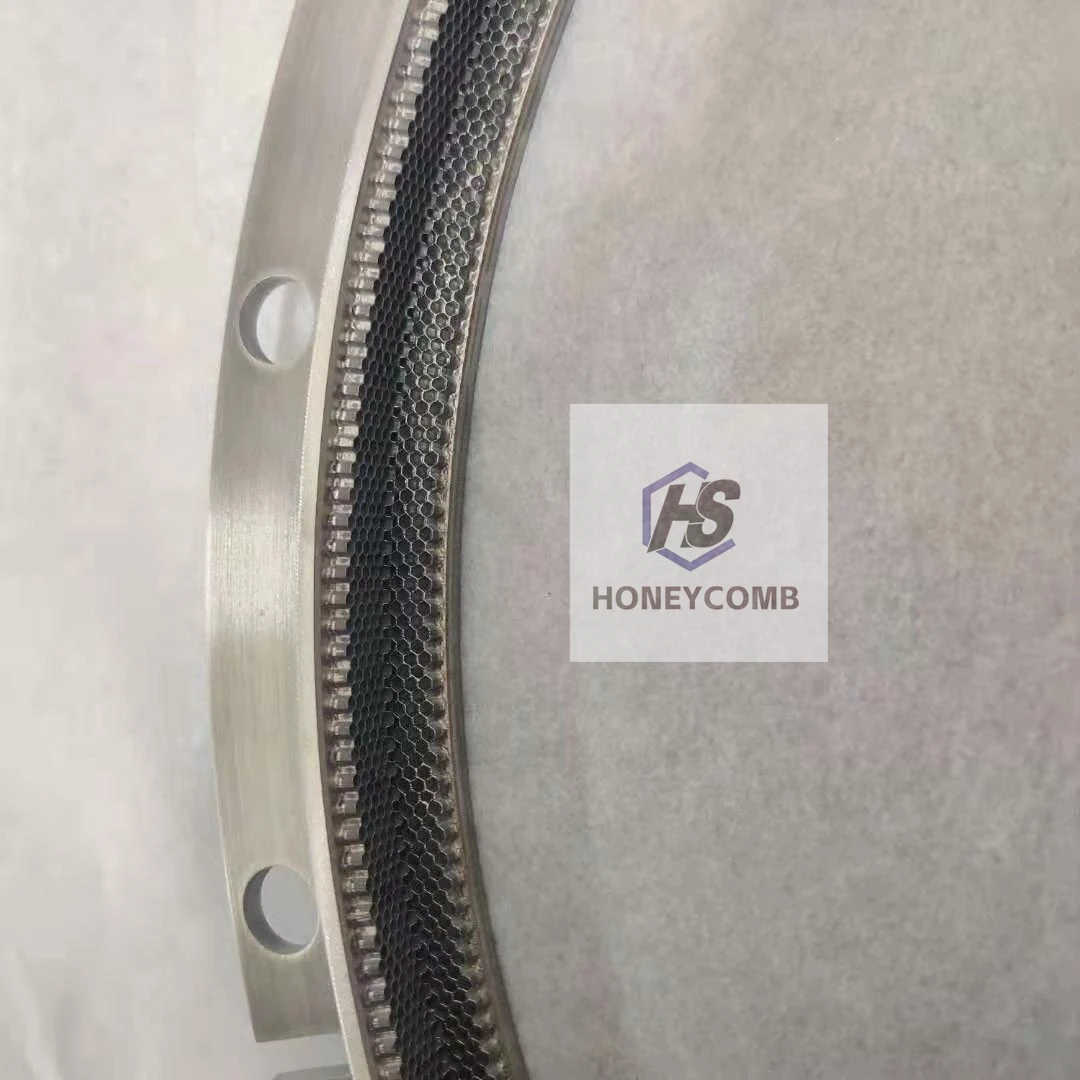
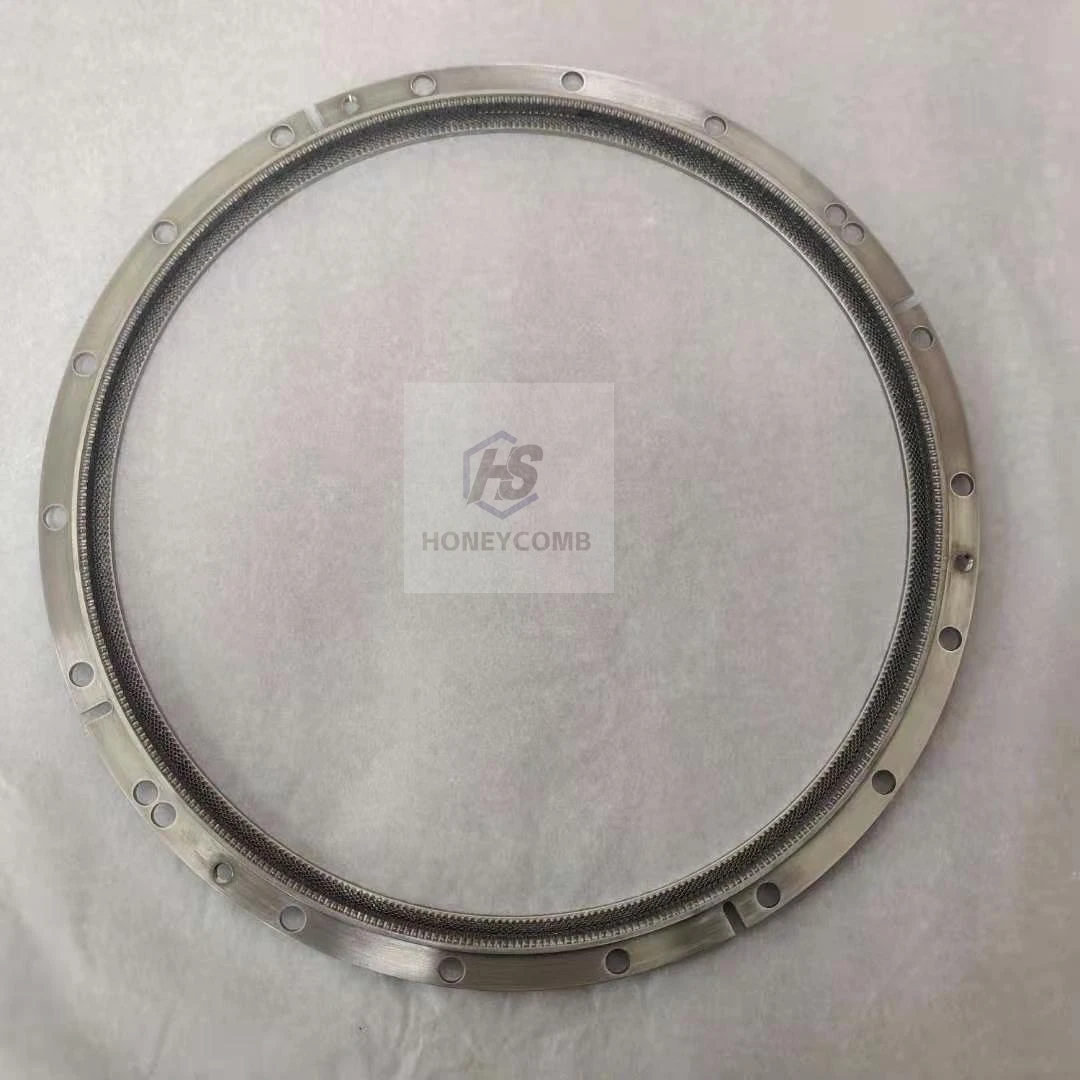
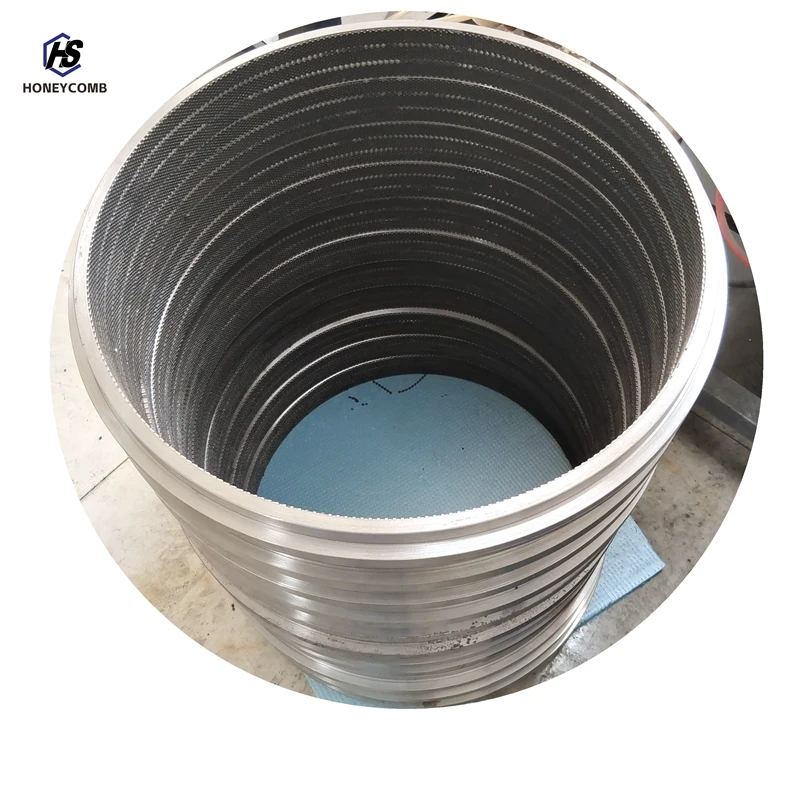
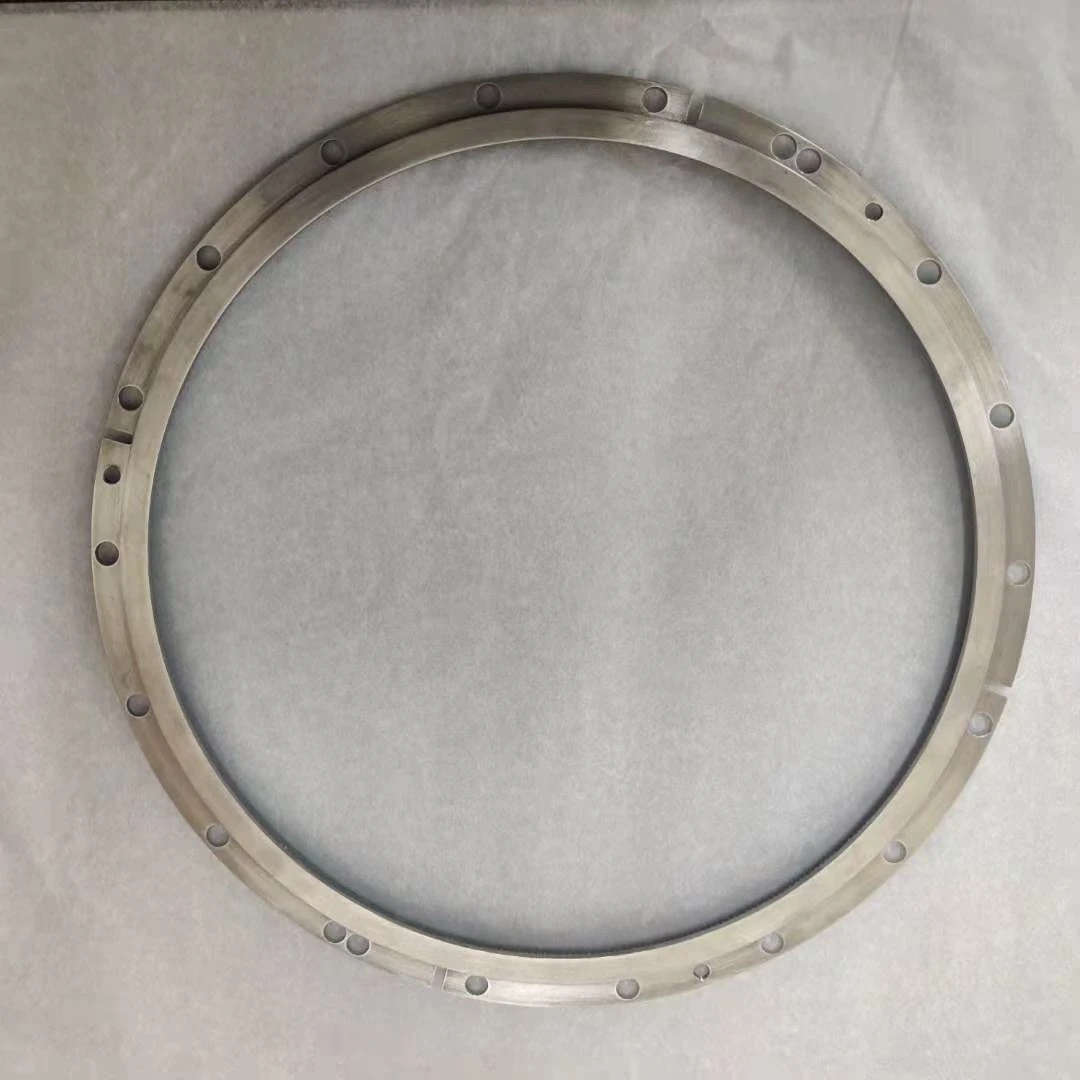
Having spent a good chunk of my career in industrial equipment manufacturing, I’ve come across all sorts of materials and design principles. But when it comes to panelas de favo de mel de aço inoxidável — or stainless steel honeycomb panels — it’s clear these aren’t just fancy buzzwords. They’re a meticulously engineered solution that’s quietly shaping how everything from aerospace parts to heavy machinery casings get assembled.
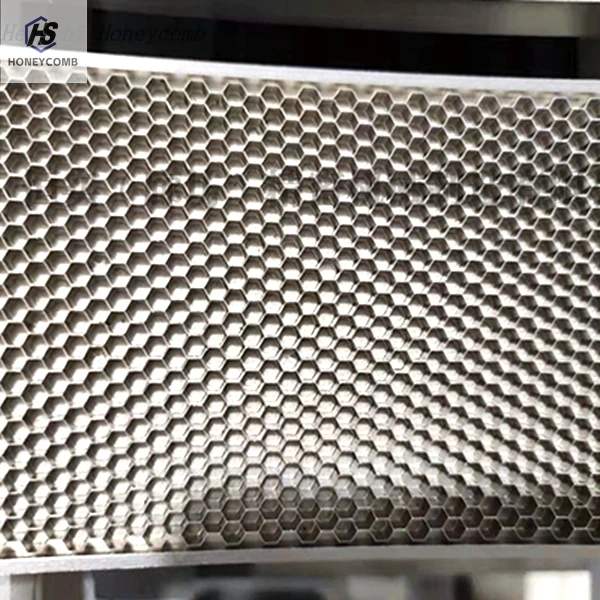
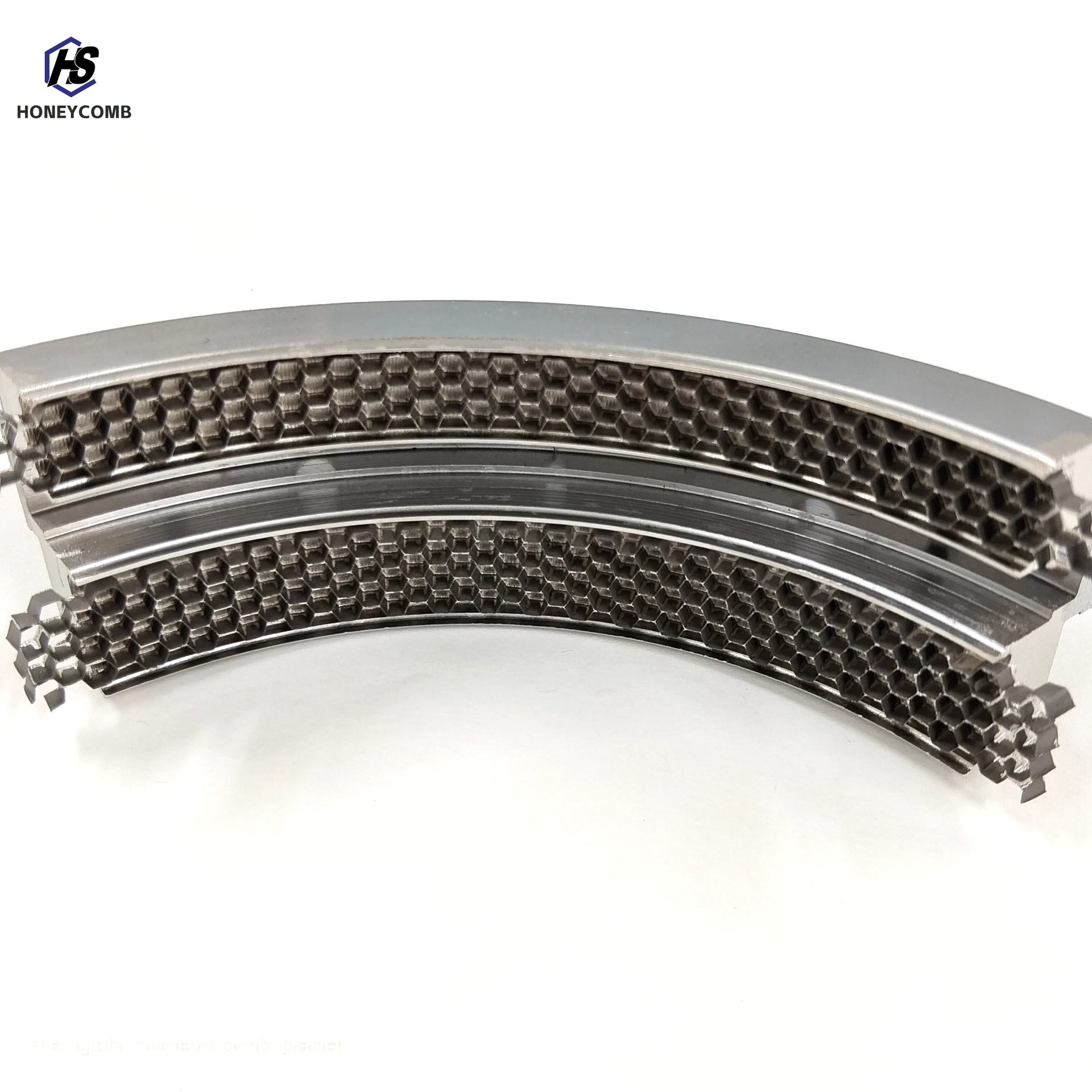
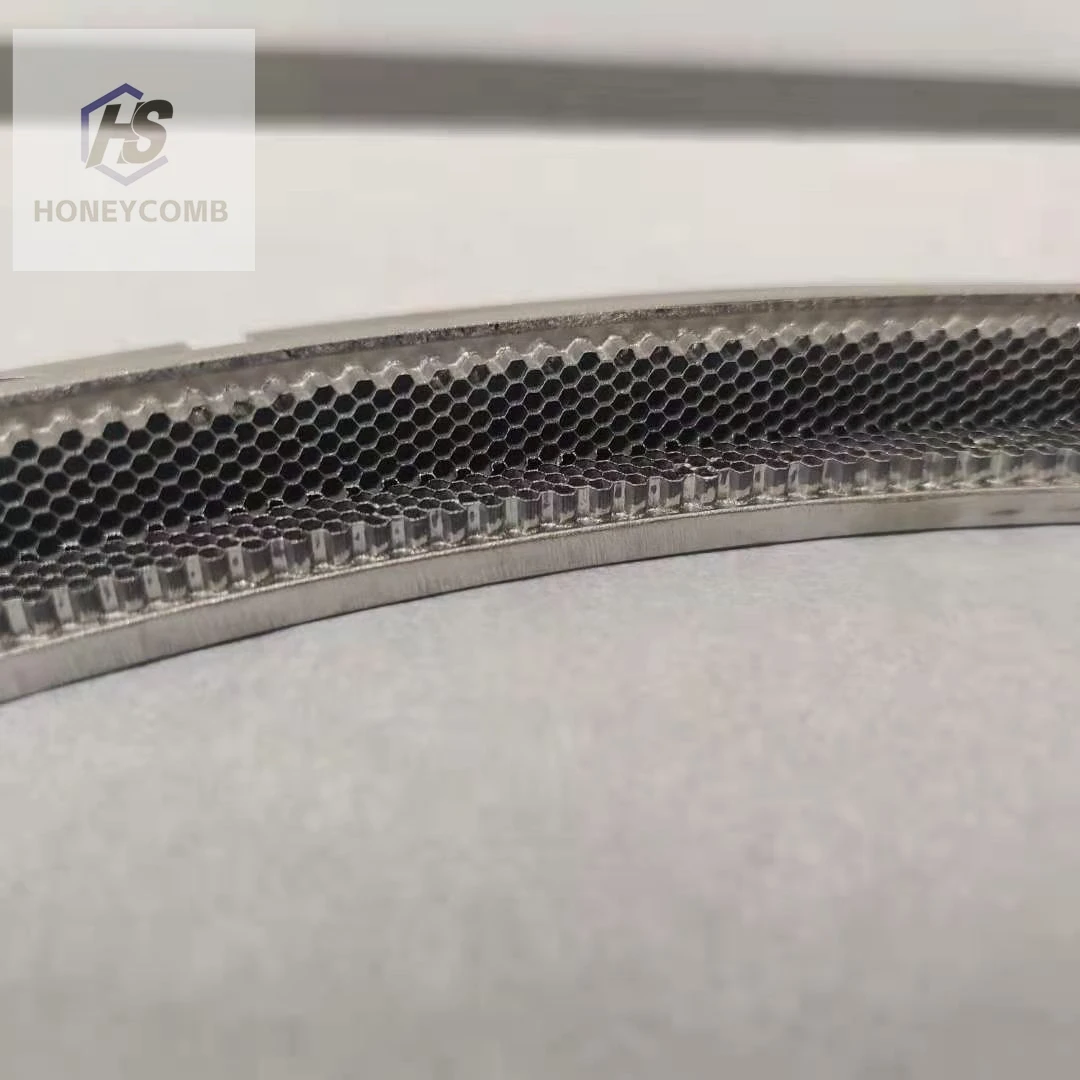
Now, you might wonder why honeycomb? The concept is deceptively simple: a lightweight structure maximizing strength and stability, much like beehives nature perfected. Stainless steel, meanwhile, offers corrosion resistance, durability, and a certain elegance that frankly beats many composite materials on longevity. Combine them, and you get this remarkable, almost magical hybrid.
In real terms, these panels serve as structural cores or skins, depending on your needs. The stainless steel honeycomb’s geometry disperses loads evenly, reducing weight without sacrificing rigidity. Many engineers I know rave about the ease it brings to design challenges when weight-to-strength ratios are critical. Plus, the material’s resistance to rust and heat means fewer maintenance headaches, especially in harsh environments.
Let me share something odd but telling: a client in the marine industry switched to stainless steel honeycomb panels for ship interiors. They initially hesitated about the upfront cost. But after 18 months, they reported not only a hefty reduction in weight but also that their maintenance teams hardly touched the panels compared to old fiberglass alternatives. In their words, it was like upgrading to “industrial-grade peace of mind.”
Key Specifications of Stainless Steel Honeycomb Panels
| Specification | Details |
|---|---|
| Core Material | 304/316 Grade Stainless Steel |
| Cell Size | 3mm to 12mm (customizable) |
| Panel Thickness | 5mm to 50mm |
| Weight | Approximately 1.5-2.2 kg/m² depending on thickness |
| Finish Options | Brushed, Polished, Electro-polished |
| Temperatures | -196°C to +870°C (varies by grade) |
Customization is enormous here, which honestly makes the whole thing more exciting for us who work in manufacturing. Adjusting cell size and panel thickness tailors panels for different load-bearing roles—from lightweight interior partitions to rugged external panels exposed to weather.
Comparing Leading Stainless Steel Honeycomb Panel Vendors
| Vendor | Material Grade | Customization Options | Lead Time | Typical Applications |
|---|---|---|---|---|
| Hshi Honeycomb | 304, 316 | Cell size, thickness, panel size, finish | 2-4 weeks | Aerospace, Marine, Industrial |
| Vendor B | 304 only | Thickness and panel size only | 4-6 weeks | Architectural, Industrial |
| Vendor C | 316, 321 | Standard sizes, limited finishes | 3-5 weeks | Industrial, HVAC |
What I find fascinating is how a well-engineered stainless steel honeycomb panel can adapt to so many needs — from automotive to aerospace, even art installations. Frankly, it feels like the Swiss Army knife of panel materials.
But there’s always a “but,” right? The biggest hurdle I often see is upfront investment and educating teams who equate honeycomb with fragile materials. You need to see these panels under load, with proper lab tests, to appreciate their robustness — it’s not just marketing fluff.
Speaking of lab tests, most reputable vendors perform extensive fatigue and corrosion tests. This really sets apart the good players — you want panels proven in cyclic loading, especially for transportation or outdoor uses. In my experience, vendors that don’t publish test data are often risky bets.
In short, panelas de favo de mel de aço inoxidável aren’t the flashiest piece of industrial gear you hear about every day, but when your machine or structure depends on lightweight strength and durability, it’s often the quiet hero behind the scenes.
Maybe I’m biased, having once spent a freezing day inspecting these panels outdoors and watching how they handled stress at near-zero temps — but trust me, they hold up better than you’d guess.
Keep an eye on developments — these panels are steadily evolving, and they might just be the solution you didn’t realize you needed.
References:
1. ASTM International standards on honeycomb core materials
2. Hshi Honeycomb technical datasheets and testing reports
3. Industry case studies: Marine & Aerospace panel solutions

-
Industrial Airflow Guide for maf воздушная правильная машинаNewsApr.16,2026
-
Best maf струйно правильная машина for Industrial EfficiencyNewsApr.09,2026
-
Сотовая правильная машина A Comprehensive Guide to Honey Packing AutomationNewsApr.07,2026
-
Build Your Own DIY газоправильная Машина A Comprehensive Guide to Gas CorrectionNewsApr.04,2026
-
Understanding Кондиционер отопления Systems for Efficient and Comfortable HeatingNewsMar.31,2026
-
Comprehensive Guide to Cellular Blinds Installation Установка сотовых жалюзиNewsMar.28,2026
-
Mobile Aerodynamic Tunnel Design A Comprehensive Guide to Applications and ImplementationNewsMar.26,2026






 English
  Afrikaans
  Albanian
  Amharic
  Arabic
  Armenian
  Azerbaijani
  Basque
  Belarusian
  Bengali
  Bosnian
  Bulgarian
  Catalan
  Cebuano
  China
China  China (Taiwan)
  Corsican
  Croatian
  Czech
Czech  Danish
  Dutch
Dutch  Esperanto
  Estonian
  Finnish
  French
  Frisian
  Galician
  Georgian
  German
  Greek
Greek  Gujarati
  Haitian Creole
  Hausa
Hausa  Hawaiian
  Hebrew
  Hindi
Hindi  Miao
Miao  Indonesian
  Italian
  Japanese
  Javanese
  Malay
Malay  Persian
  Portuguese
  Punjabi
  Russian
  Spanish
  Swahili
  Telugu
  Vietnamese