


Optimizing Airflow Performance with redresseur de flux d'air en nid d'abeille Honeycomb Diffusers
Understanding the Airflow Diffuser Honeycomb: A Comprehensive Guide
In industrial ventilation and HVAC systems, efficient airflow distribution is critical for optimal performance and energy savings. Airflow diffuser honeycomb, also known as a honeycomb core air straightener, plays a vital role in achieving this. These innovative components straighten and distribute airflow evenly, minimizing turbulence and pressure drop. This article explores the principles behind airflow diffuser honeycomb, its benefits, applications, and how to select the right solution for your specific needs. Optimizing airflow contributes to better system efficiency, improved product quality, and reduced operational costs.
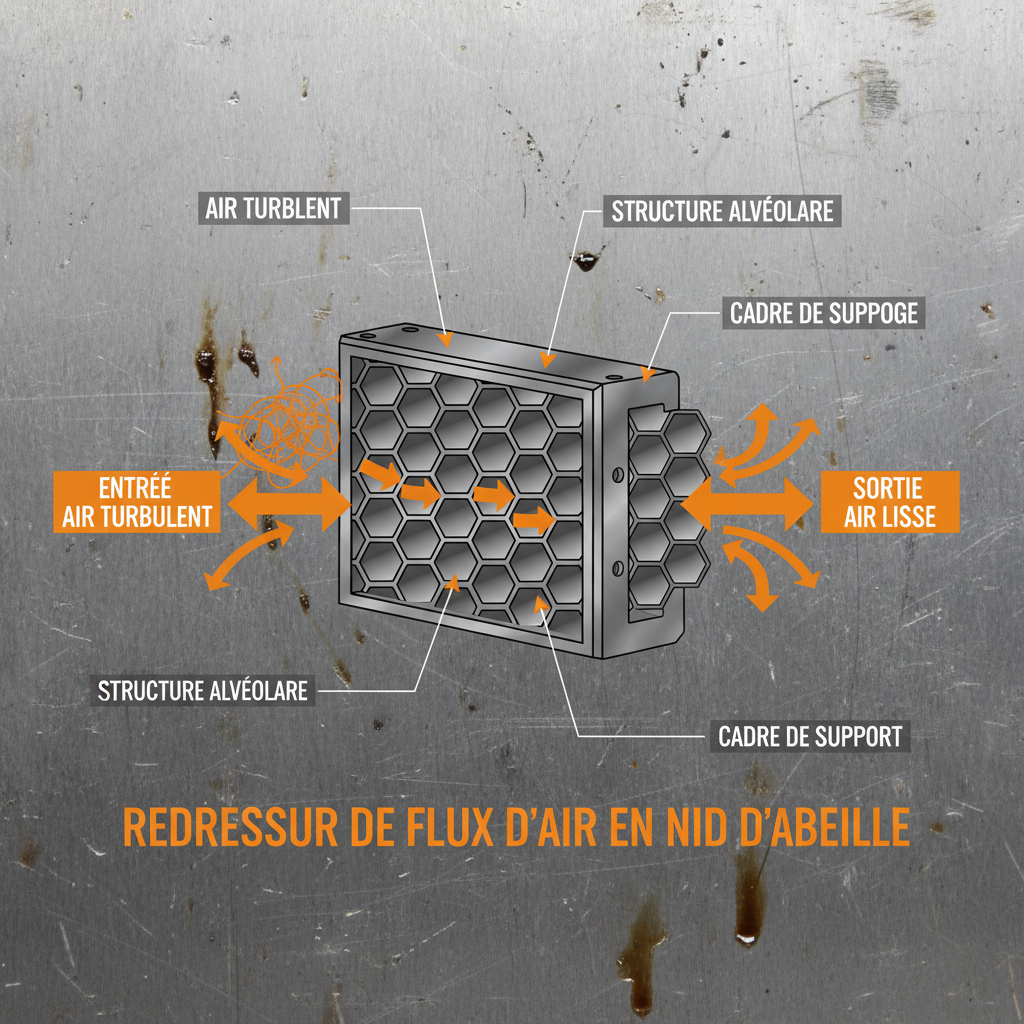
What is a Redresseur de Flux d'Air en Nid d'Abeille (Honeycomb Airflow Diffuser)?
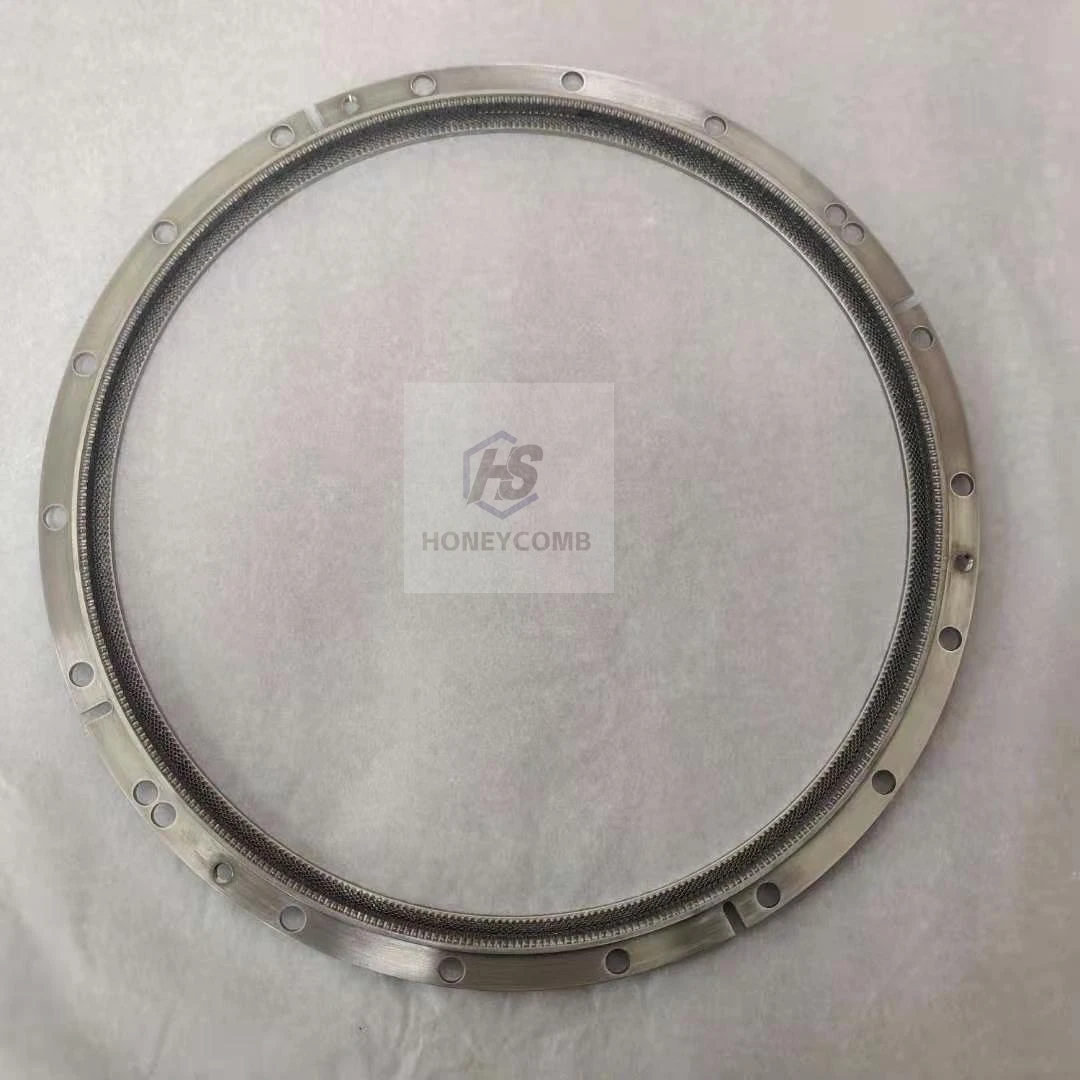
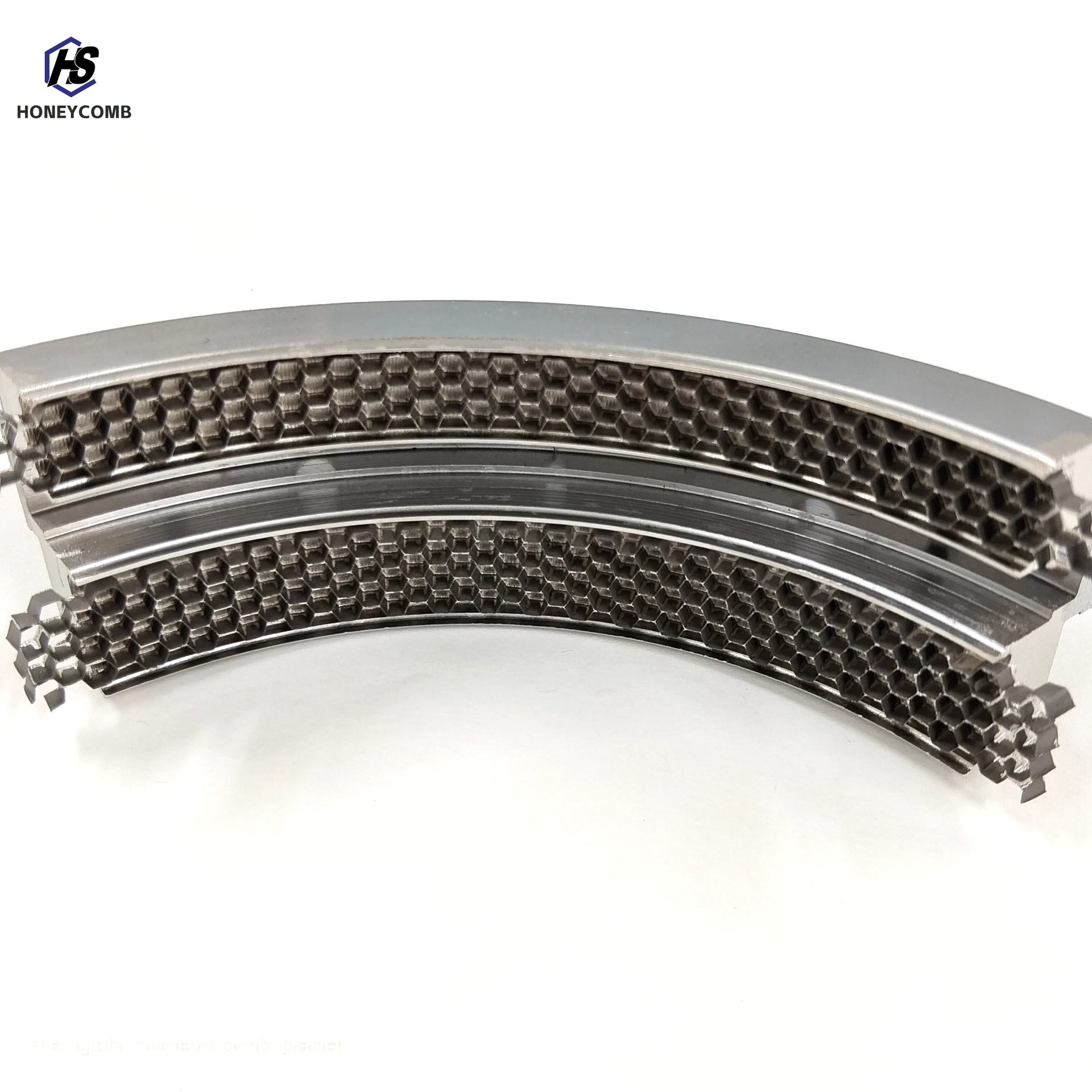
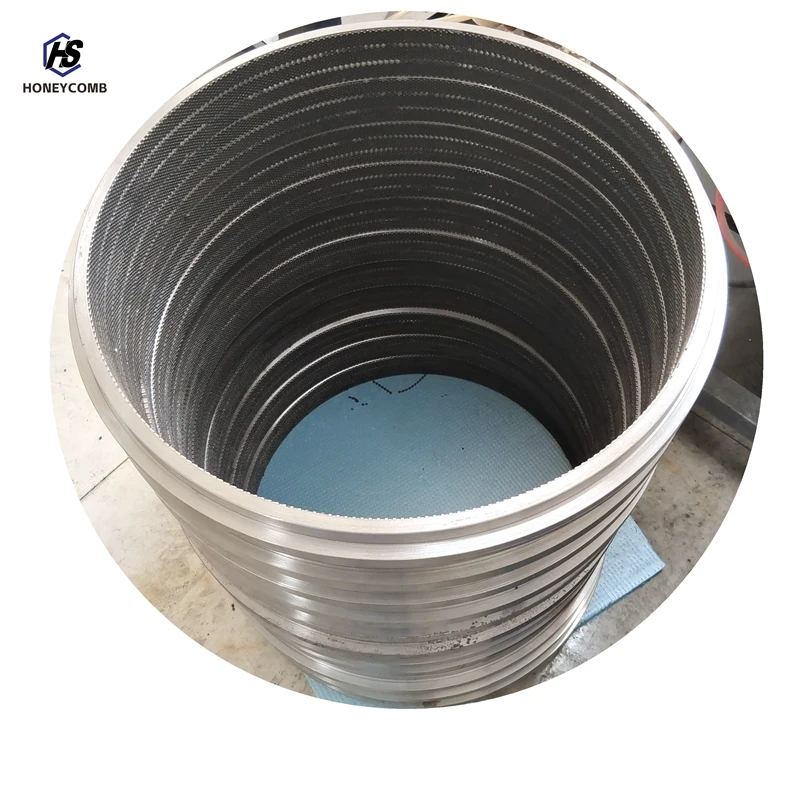
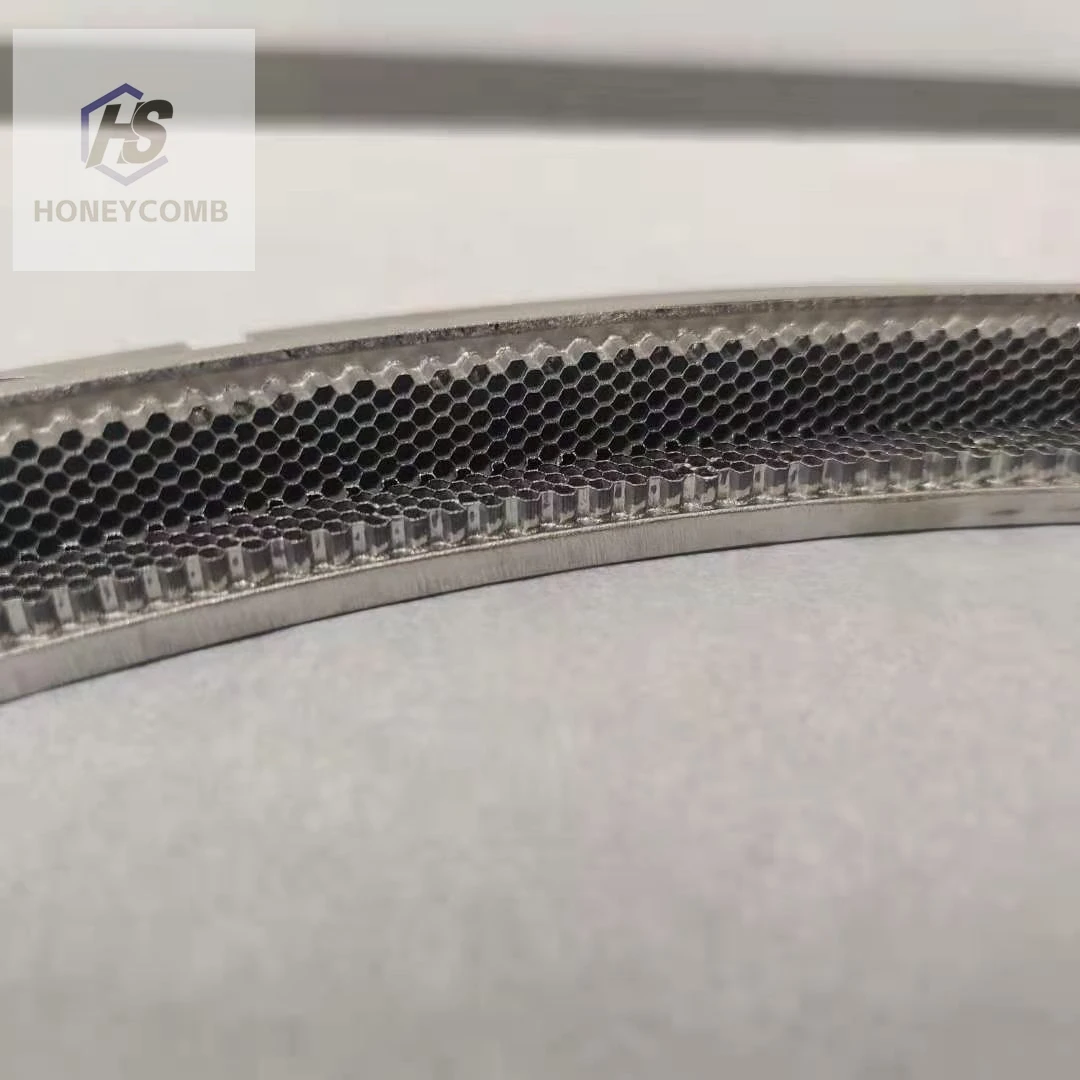
A redresseur de flux d'air en nid d'abeille, translating to ‘honeycomb airflow diffuser’ in English, is a device used to condition airflow in various applications. It consists of a honeycomb-shaped structure, typically made from aluminum, stainless steel, or plastic, that is inserted into an air duct or ventilation system. The honeycomb cells act as individual flow channels, forcing the air to travel in a more uniform and laminar fashion. This process effectively eliminates swirling, uneven velocity, and other disturbances in the airflow, leading to enhanced system efficiency and reduced noise.
The Benefits of Using Honeycomb Airflow Diffusers
Implementing honeycomb airflow diffusers offers a range of advantages: Improved Airflow Distribution: Ensures even airflow across the entire system, eliminating hot or cold spots. Reduced Turbulence: Minimizes chaotic airflow, leading to quieter operation and reduced energy consumption. Increased System Efficiency: By straightening the airflow, the system operates more efficiently, requiring less energy to achieve the desired results. Enhanced Product Quality: In applications like spray booths or coating processes, uniform airflow results in consistent product finish and reduced defects. Reduced Pressure Drop: Well-designed diffusers can actually minimize pressure drop compared to systems with significant turbulence. Noise Reduction: Laminar airflow is quieter than turbulent airflow.
Key Benefits Summary: Improved Airflow Distribution, Reduced Turbulence, Increased System Efficiency, Enhanced Product Quality.
Applications of the Redresseur de Flux d'Air en Nid d'Abeille
Honeycomb airflow diffusers find application across diverse industries. Some prominent examples include: HVAC Systems: Optimizing airflow in air handling units, ensuring consistent temperature distribution throughout buildings. Spray Booths: Creating uniform airflow for even coating application and minimizing overspray. Anemometers & Wind Tunnels: Providing a stable and laminar airflow for accurate measurements and testing. Cleanrooms: Maintaining precise airflow patterns to control contamination. Electronic Cooling: Efficiently dissipating heat from electronic components. Data Centers: Managing airflow to prevent overheating and ensure reliable operation. These diffusers significantly improve the efficiency and performance of these systems.
Honeycomb Material Comparison & Specifications
Choosing the right material for your honeycomb airflow diffuser is crucial, depending on the application and environmental conditions. Here’s a comparison:
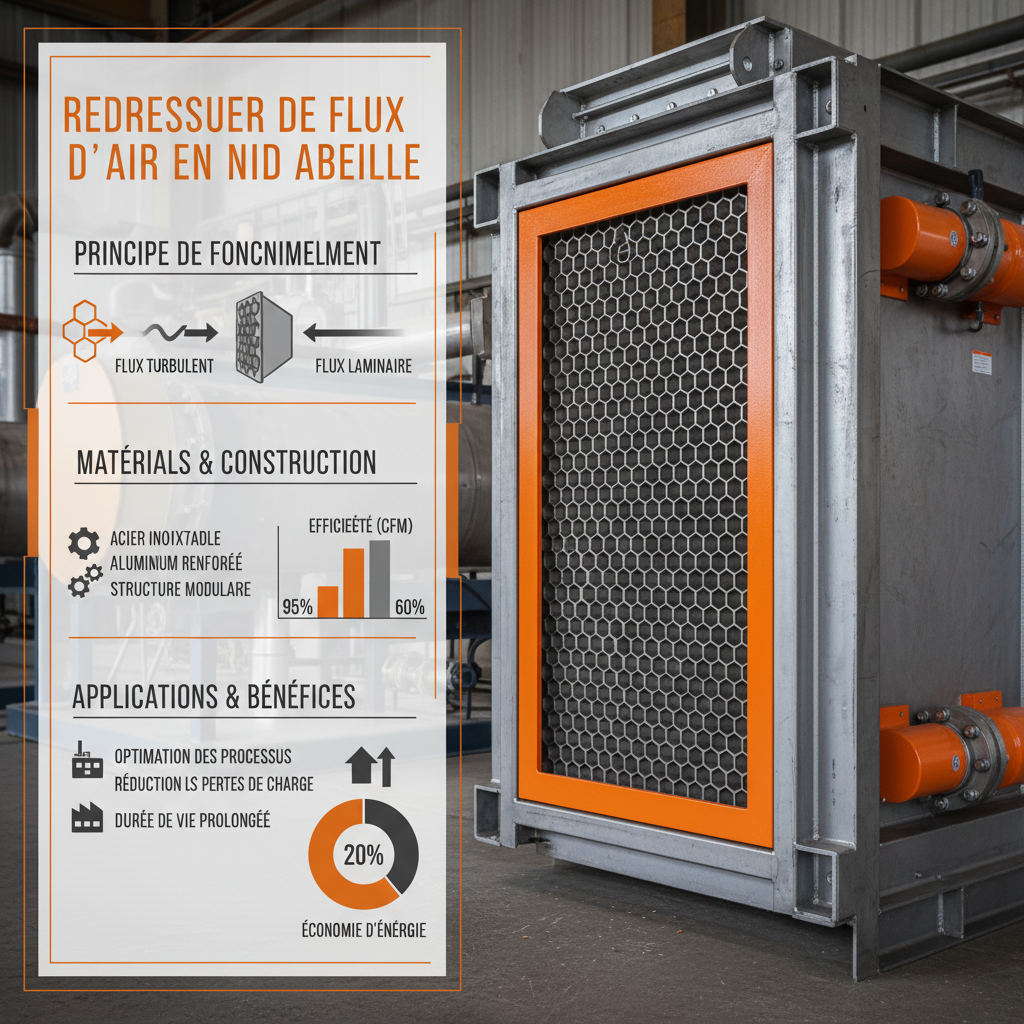
Selecting the Right Airflow Diffuser Honeycomb
Choosing the appropriate airflow diffuser honeycomb requires careful consideration of several factors. Key parameters include: Cell Size: Smaller cell sizes offer greater straightening but can increase pressure drop. Material: Select based on the environment and required corrosion resistance. Face Velocity: Determine the optimal face velocity for your application. Pressure Drop: Ensure the diffuser's pressure drop is within acceptable limits for your system. Dimensions: Precisely measure the available space in your ductwork to ensure a proper fit. Consulting with a knowledgeable supplier like HSHI Honeycomb can provide tailored recommendations for your specific needs.
Conclusion: Enhancing Airflow Performance with Honeycomb Diffusers
Investing in a high-quality redresseur de flux d'air en nid d'abeille from a reputable supplier like HSHI Honeycomb is a smart decision for improving system efficiency, reducing energy costs, and enhancing product quality. By understanding the principles and benefits of these innovative components, you can optimize your airflow systems and achieve significant operational improvements.
Frequently Asked Questions (FAQs)
What is the typical pressure drop across a honeycomb airflow diffuser?
The pressure drop varies depending on the cell size, face velocity, and material of the diffuser. Generally, it ranges from 0.05 to 0.2 inches of water gauge (in. w.g.). Manufacturers like HSHI Honeycomb provide pressure drop curves for their products, allowing you to select a diffuser that meets your system's requirements. It's important to consider the pressure drop when calculating overall system performance and fan sizing. Minimizing pressure drop ensures optimal airflow and energy efficiency.
How do I determine the correct cell size for my application?
Smaller cell sizes provide more effective airflow straightening but result in higher pressure drop. Larger cell sizes offer lower pressure drop but may not provide sufficient straightening for sensitive applications. Generally, for applications requiring precise airflow control, such as spray booths or cleanrooms, smaller cell sizes are preferred. For less demanding applications, such as general ventilation, larger cell sizes may be sufficient. Consult with a technical expert from HSHI Honeycomb to determine the optimal cell size based on your specific needs.
Can honeycomb airflow diffusers be cleaned?
Yes, most honeycomb airflow diffusers can be cleaned. The cleaning method depends on the material. Aluminum and stainless steel diffusers can typically be cleaned with mild detergent and water. Plastic diffusers may be sensitive to certain cleaning agents, so it's important to check the manufacturer's recommendations. Regular cleaning helps maintain optimal airflow performance and prevents the buildup of dust and debris. In some cases, diffusers may be removed for more thorough cleaning.

-
Industrial Airflow Guide for maf воздушная правильная машинаNewsApr.16,2026
-
Best maf струйно правильная машина for Industrial EfficiencyNewsApr.09,2026
-
Сотовая правильная машина A Comprehensive Guide to Honey Packing AutomationNewsApr.07,2026
-
Build Your Own DIY газоправильная Машина A Comprehensive Guide to Gas CorrectionNewsApr.04,2026
-
Understanding Кондиционер отопления Systems for Efficient and Comfortable HeatingNewsMar.31,2026
-
Comprehensive Guide to Cellular Blinds Installation Установка сотовых жалюзиNewsMar.28,2026
-
Mobile Aerodynamic Tunnel Design A Comprehensive Guide to Applications and ImplementationNewsMar.26,2026






 English
  Afrikaans
  Albanian
  Amharic
  Arabic
  Armenian
  Azerbaijani
  Basque
  Belarusian
  Bengali
  Bosnian
  Bulgarian
  Catalan
  Cebuano
  China
China  China (Taiwan)
  Corsican
  Croatian
  Czech
Czech  Danish
  Dutch
Dutch  Esperanto
  Estonian
  Finnish
  French
  Frisian
  Galician
  Georgian
  German
  Greek
Greek  Gujarati
  Haitian Creole
  Hausa
Hausa  Hawaiian
  Hebrew
  Hindi
Hindi  Miao
Miao  Indonesian
  Italian
  Japanese
  Javanese
  Malay
Malay  Persian
  Portuguese
  Punjabi
  Russian
  Spanish
  Swahili
  Telugu
  Vietnamese