


Flow Straighteners: Improving Accuracy and Efficiency in Industrial Processes
Understanding the Critical Role of Flow Straighteners
Flow straighteners… they’re not the sexiest component, admittedly. But talk to any process engineer working with flow measurement – especially in oil & gas, chemical processing, or even large-scale water treatment – and they’ll tell you they're indispensable. It’s about getting accurate readings, reliable data. Frankly, without them, a lot of instrumentation just doesn’t perform as expected. The core function is deceptively simple: to condition the flow profile entering a meter, reducing turbulence and swirl. This, in turn, improves accuracy and repeatability. It's more complex than it looks; getting the geometry right, the material selection… it all matters. I suppose it’s a bit like prepping a canvas before painting; a good foundation makes all the difference.
Table of Contents
- Flow Straightener Overview
- Benefits & Use Cases of Flow Straightener
- Cost, Maintenance & User Experience
- Sustainability & Market Trends
Flow Straightener Overview
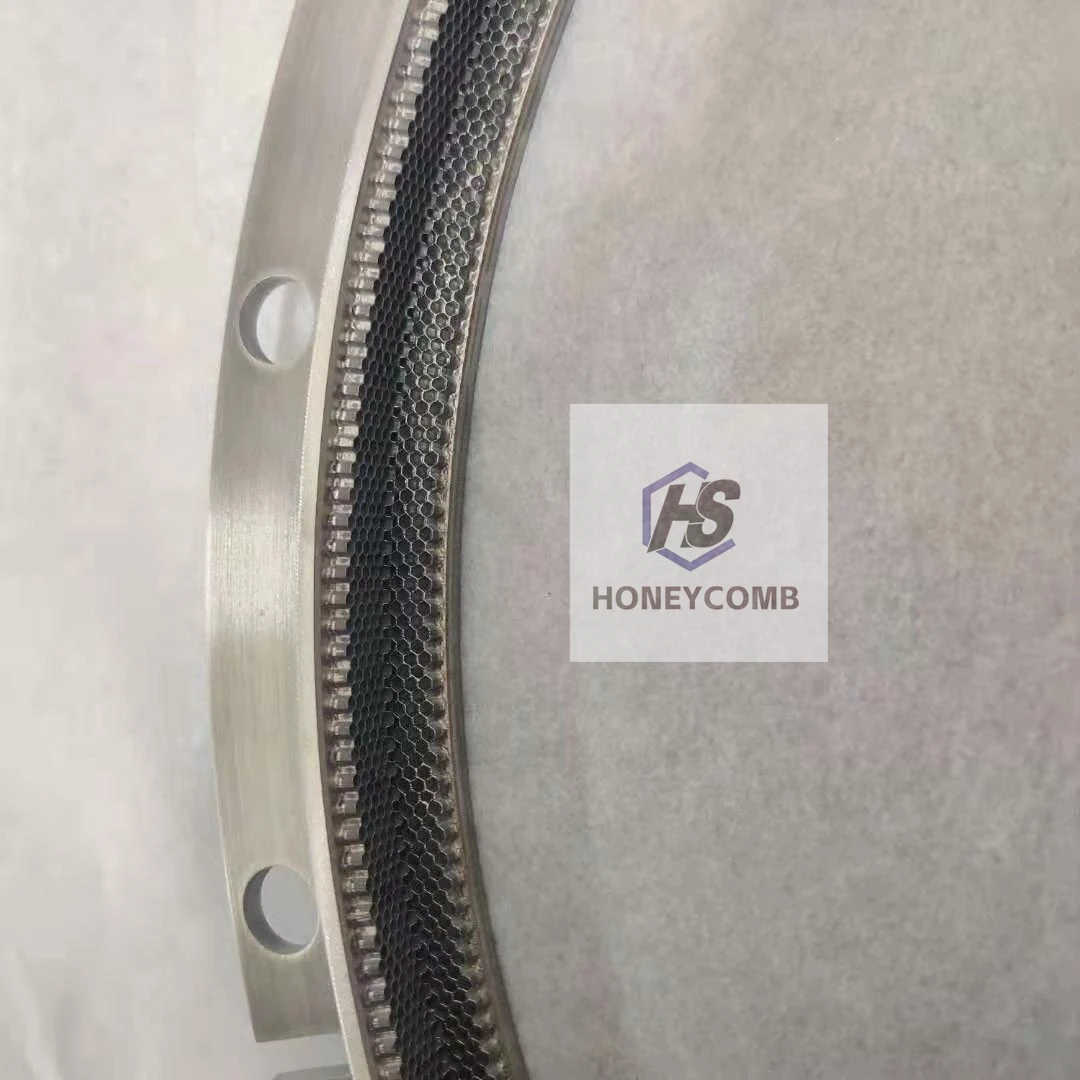
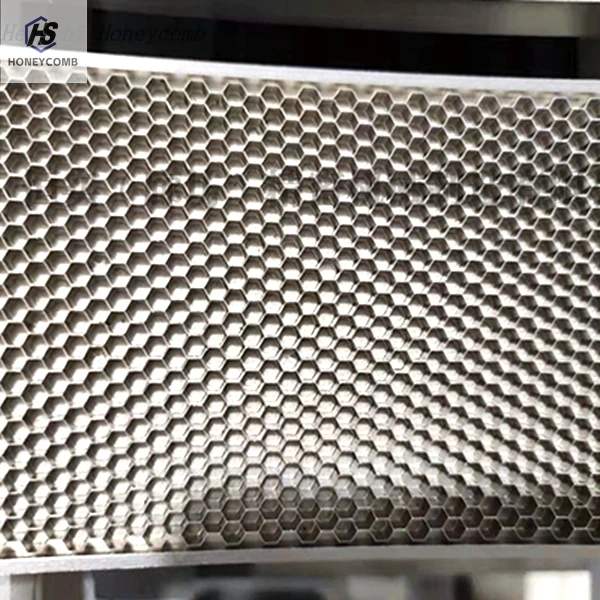
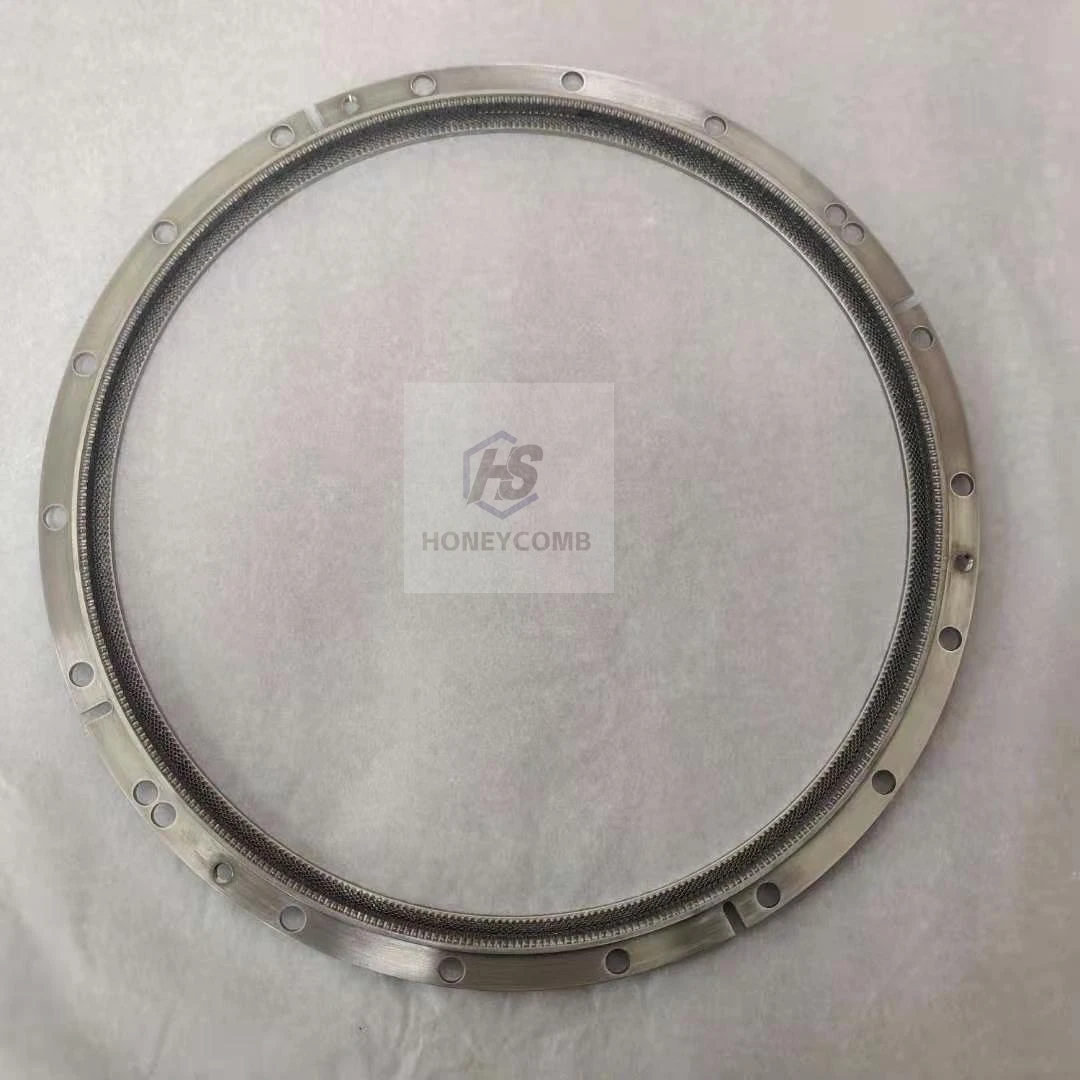
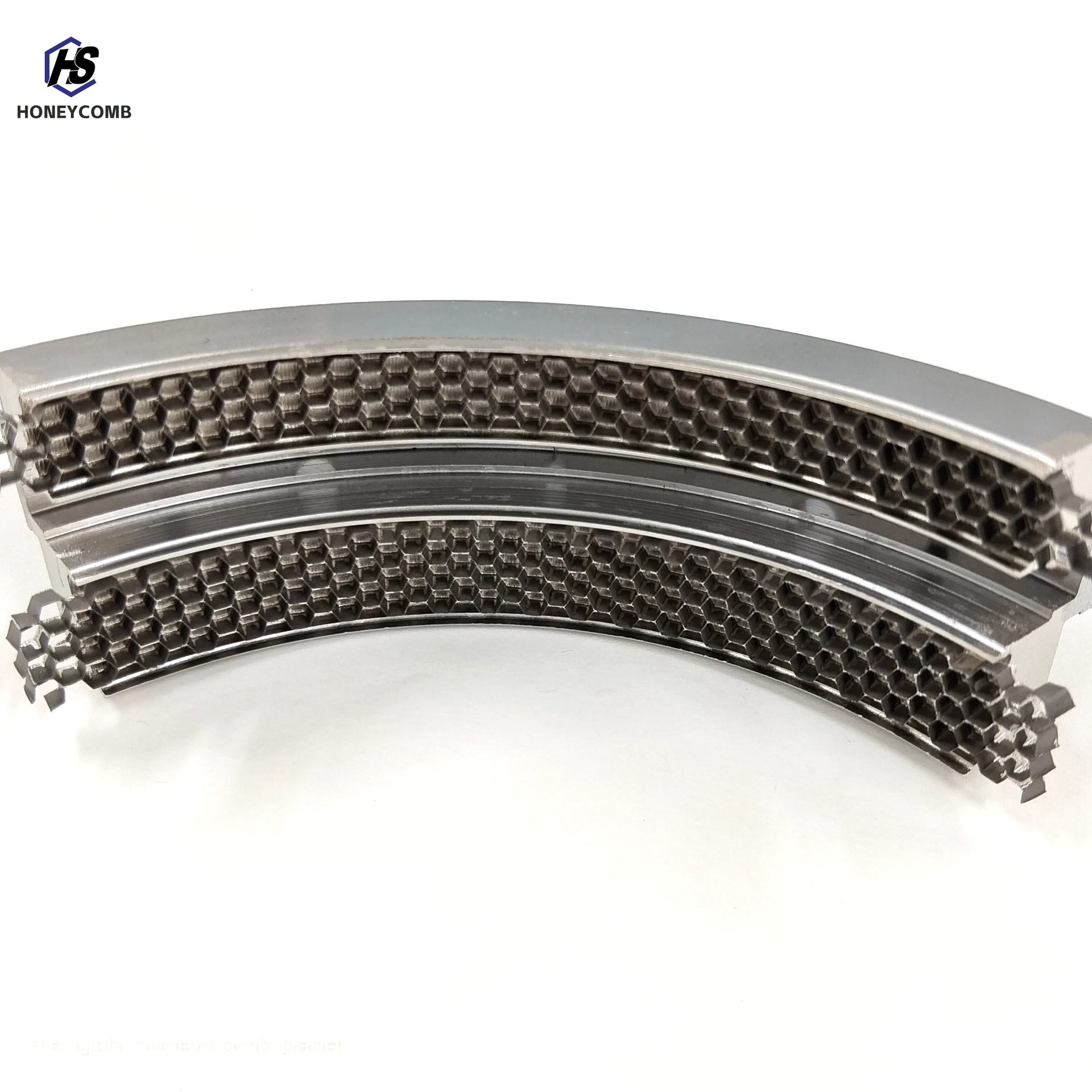
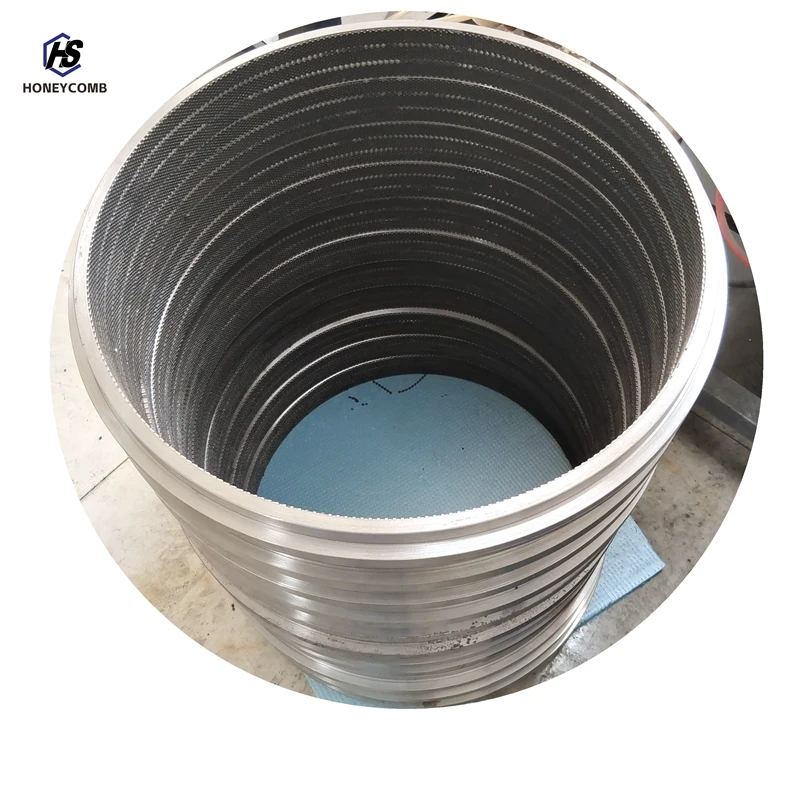
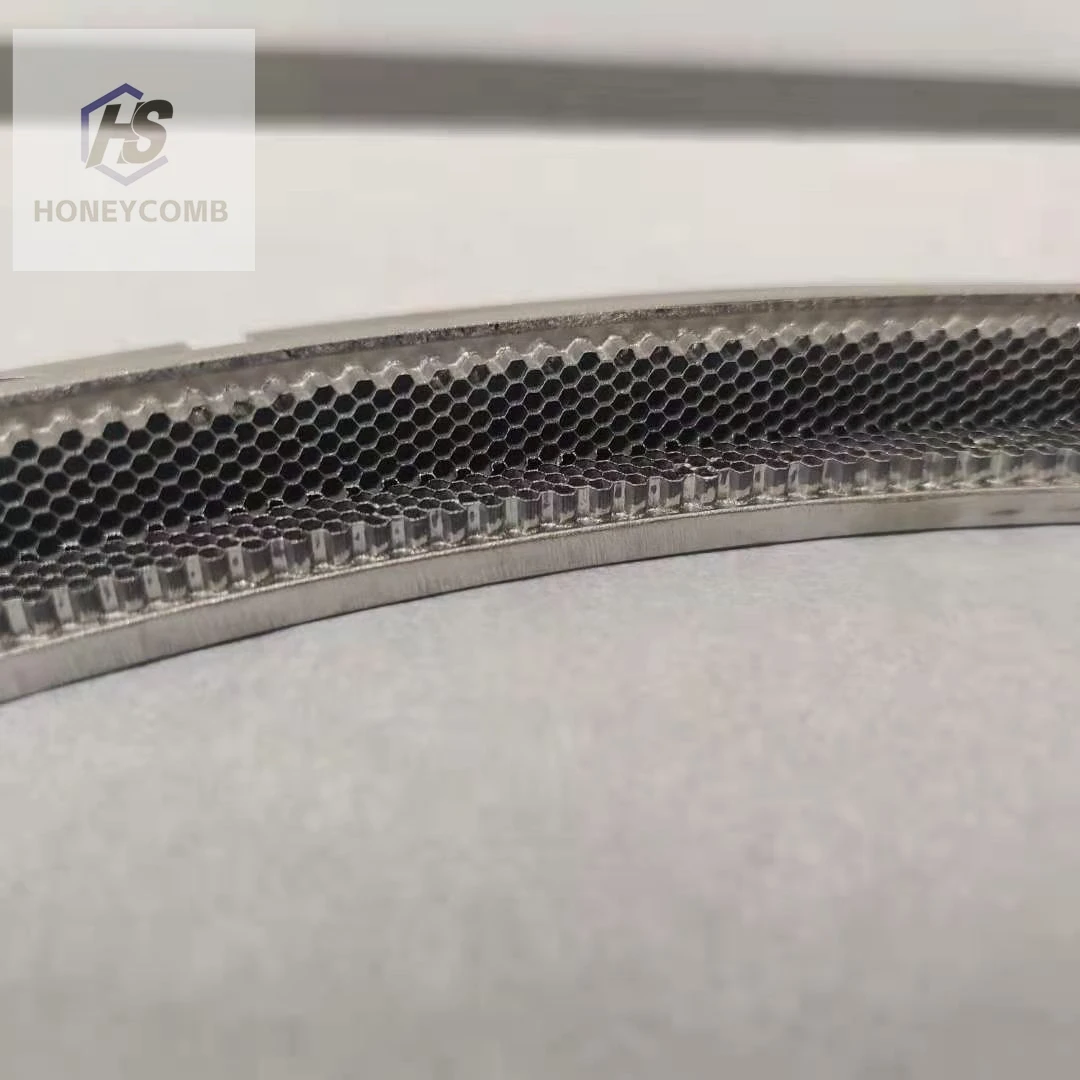
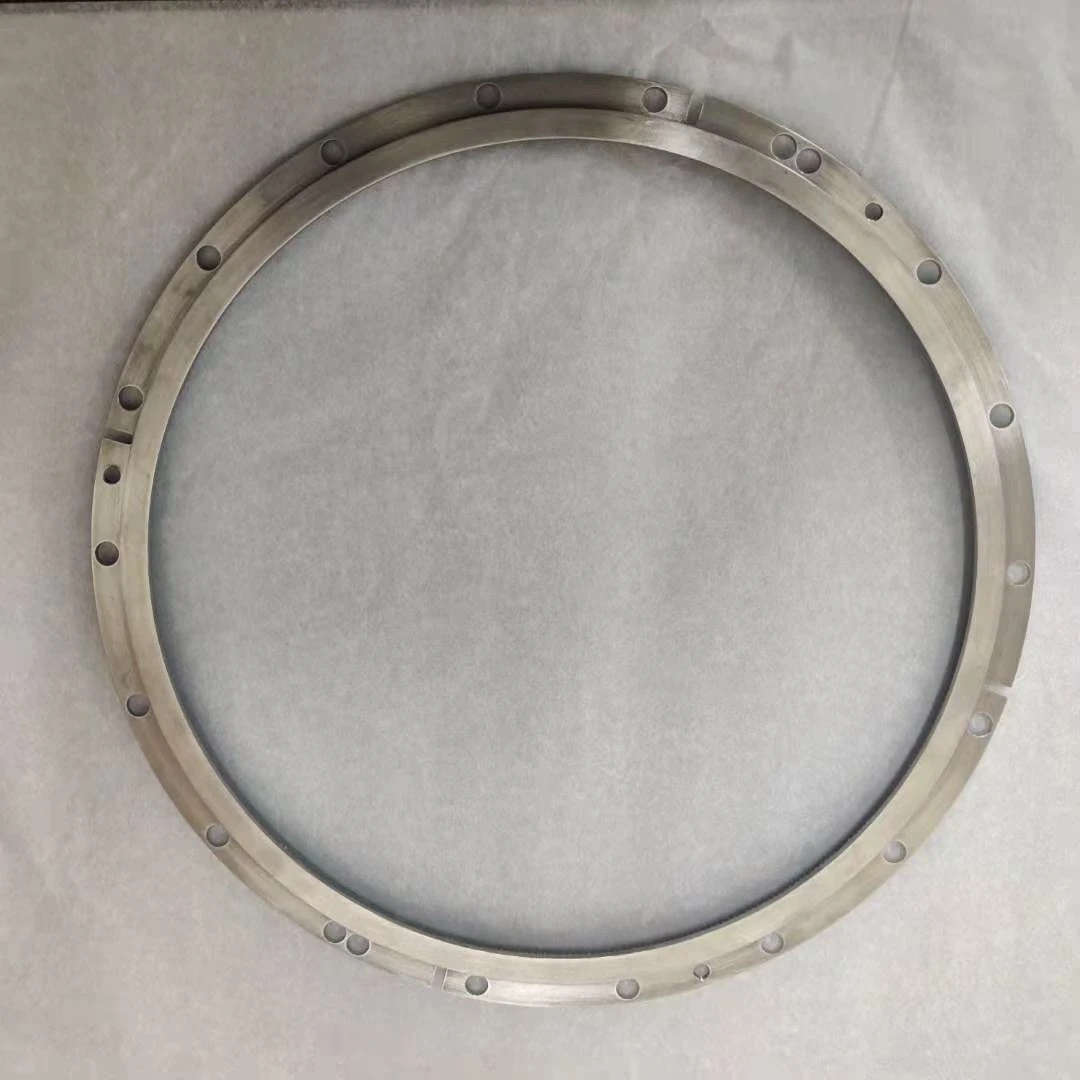
The basic premise of a flow straightener is to remove swirl and directional flow inconsistencies before the fluid reaches the measuring device. It achieves this using a series of strategically positioned vanes or tubes. You know, different designs exist – tubular, vane-type, even honeycomb structures (which is where HSHI Honeycomb really excels). The choice depends on the specific application, the fluid properties, and the desired level of performance. We’re seeing a trend toward more compact designs, especially in applications where space is at a premium. Here's a quick look at some typical specifications:
| Parameter | Specification | Material |
|---|---|---|
| Diameter Range | 1/2" to 48" (and beyond, custom) | 316L Stainless Steel |
| Pressure Rating | Up to 2500 PSI | Carbon Steel, Alloy Steel |
| Temperature Range | -196°C to 450°C | Hastelloy, Titanium |
Benefits & Use Cases of Flow Straightener
Where do you see them? Everywhere, really. Oil refineries, naturally, but also chemical plants, power generation facilities, and surprisingly, even in large-scale HVAC systems. The key benefit is improved measurement accuracy, which translates to better process control, reduced waste, and increased efficiency. Many engineers say that a properly installed flow straightener can pay for itself within months through optimized operations. I remember a project I was on a few years back—a large petrochemical plant—they were struggling with inconsistent readings on their gas flow meters. They installed HSHI Honeycomb’s straighteners, and the improvement was immediate. Suddenly, their control loops were stable, and they could really dial in their processes. They are also seeing increased demand for custom designs to fit complex piping configurations.
Cost, Maintenance & User Experience
The initial cost of a flow straightener is relatively modest compared to the cost of the meter itself, or the consequences of inaccurate measurements. Maintenance is generally minimal – a visual inspection for corrosion or debris buildup is usually sufficient. Oddly enough, the biggest cost comes from incorrect installation. It needs to be installed correctly, with the right upstream and downstream lengths. HSHI Honeycomb provides detailed installation guides and support to ensure proper implementation. Here’s a quick vendor comparison, keeping in mind that “you get what you pay for” often holds true:
| Vendor | Price Point | Material Quality | Customization |
|---|---|---|---|
| HSHI Honeycomb | Mid-Range | High (316L SS standard) | Excellent |
| XYZ Flow Solutions | Low | Variable | Limited |
| ABC Metering Tech | High | Very High (Exotic Alloys) | Good |
Sustainability & Market Trends
The drive for greater efficiency and reduced waste is a huge trend right now, and flow straighteners are a key enabler. As regulations become stricter around emissions monitoring and resource management, the demand for accurate flow measurement will only increase. It feels like we're moving towards more predictive maintenance as well—using data from flow meters (improved by straighteners) to anticipate equipment failures and optimize maintenance schedules. There's also increasing interest in corrosion-resistant materials and designs, particularly in harsh environments. The industry is slowly but surely recognizing the true value of these components—it’s not just about compliance, it’s about bottom-line performance.
Frequently Asked Questions about Flow Straightener
- What is Flow Straightener and how does it work?
- A flow straightener is a device placed upstream of a flow meter to condition the flow profile, reducing turbulence and swirl. It uses internal vanes or tubes to create a more uniform flow, improving measurement accuracy.
- What are the main benefits of using Flow Straightener in industrial applications?
- The benefits include improved measurement accuracy, increased process efficiency, reduced waste, and better process control. They can also extend the life of flow meters by reducing wear and tear.
- How does Flow Straightener compare to traditional alternatives?
- Compared to simply relying on long straight pipe runs, flow straighteners offer a more compact and cost-effective solution for achieving accurate flow measurement, especially in installations with limited space.
- What industries can benefit most from Flow Straightener implementation?
- Industries that benefit include oil and gas, chemical processing, water and wastewater treatment, power generation, pharmaceuticals, and food and beverage.
Conclusion on Flow Straightener from China
Ultimately, a flow straightener is a small investment that can yield significant returns. It’s about ensuring your measurement data is reliable, and your processes are operating at peak efficiency. And when you’re looking for quality and customization, HSHI Honeycomb is a strong contender. Visit our website: https://www.hshihoneycomb.com.
- Invest in accurate flow measurement – it pays dividends.

-
Industrial Airflow Guide for maf воздушная правильная машинаNewsApr.16,2026
-
Best maf струйно правильная машина for Industrial EfficiencyNewsApr.09,2026
-
Сотовая правильная машина A Comprehensive Guide to Honey Packing AutomationNewsApr.07,2026
-
Build Your Own DIY газоправильная Машина A Comprehensive Guide to Gas CorrectionNewsApr.04,2026
-
Understanding Кондиционер отопления Systems for Efficient and Comfortable HeatingNewsMar.31,2026
-
Comprehensive Guide to Cellular Blinds Installation Установка сотовых жалюзиNewsMar.28,2026
-
Mobile Aerodynamic Tunnel Design A Comprehensive Guide to Applications and ImplementationNewsMar.26,2026






 English
  Afrikaans
  Albanian
  Amharic
  Arabic
  Armenian
  Azerbaijani
  Basque
  Belarusian
  Bengali
  Bosnian
  Bulgarian
  Catalan
  Cebuano
  China
China  China (Taiwan)
  Corsican
  Croatian
  Czech
Czech  Danish
  Dutch
Dutch  Esperanto
  Estonian
  Finnish
  French
  Frisian
  Galician
  Georgian
  German
  Greek
Greek  Gujarati
  Haitian Creole
  Hausa
Hausa  Hawaiian
  Hebrew
  Hindi
Hindi  Miao
Miao  Indonesian
  Italian
  Japanese
  Javanese
  Malay
Malay  Persian
  Portuguese
  Punjabi
  Russian
  Spanish
  Swahili
  Telugu
  Vietnamese