


Honeycomb Core Blower Design conception de soufflerie en nid d'abeille A Comprehensive Overview
Conception de Soufflerie en Nid d'Abeille: A Comprehensive Guide
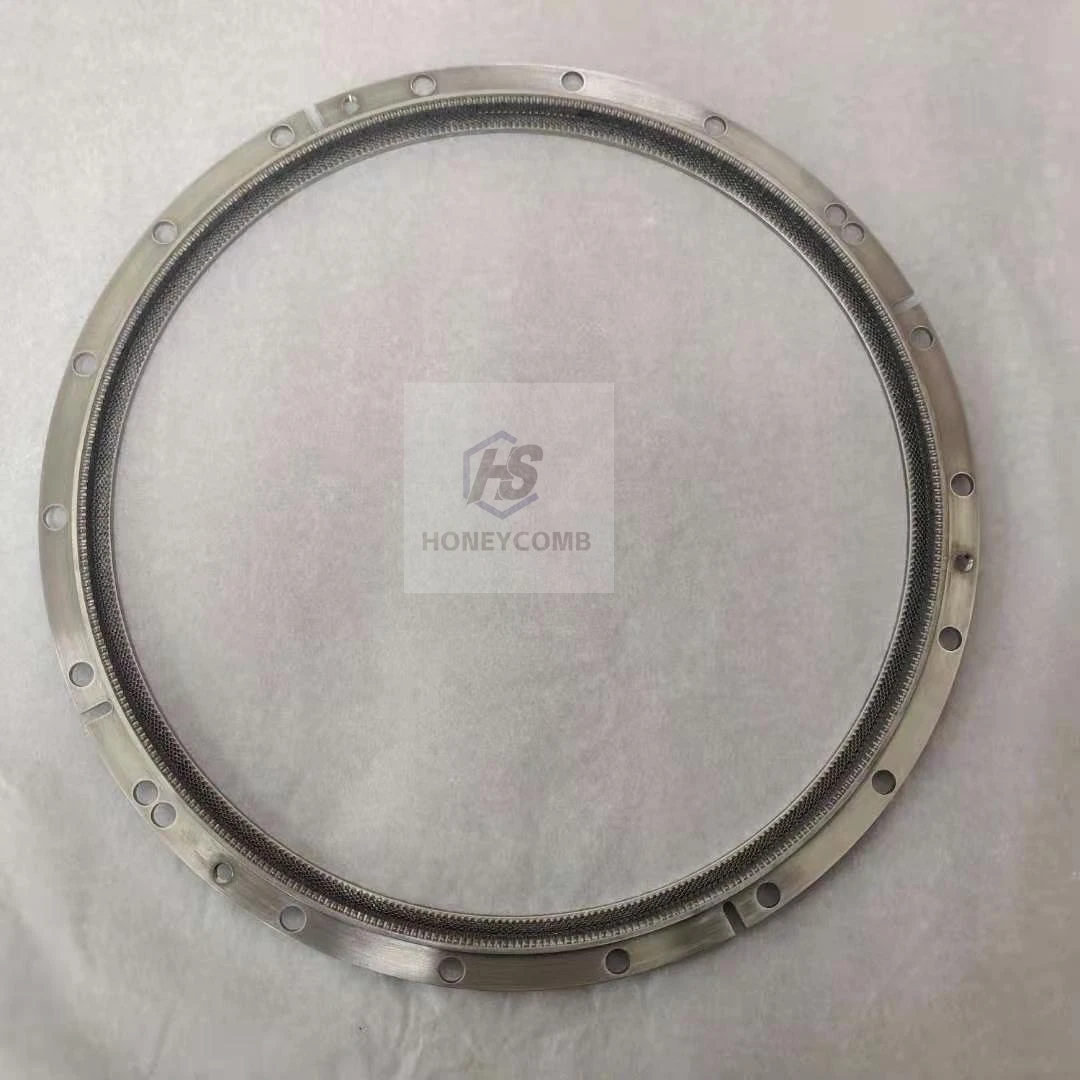
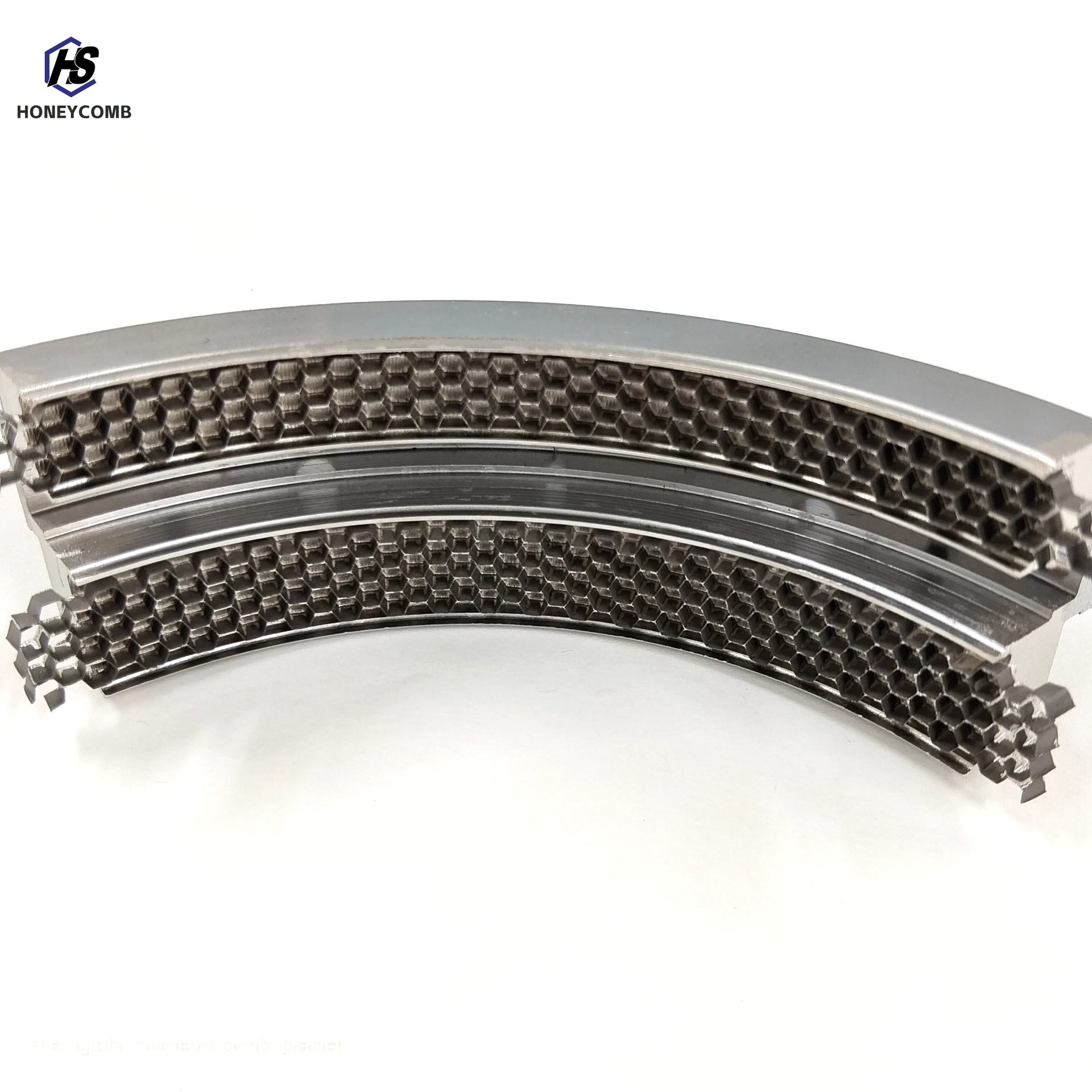
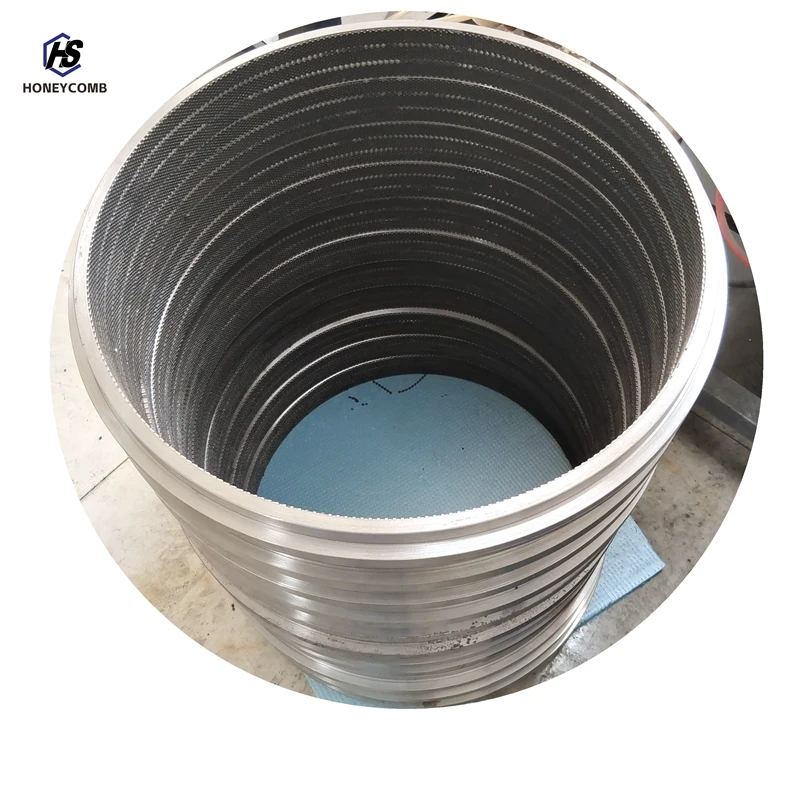
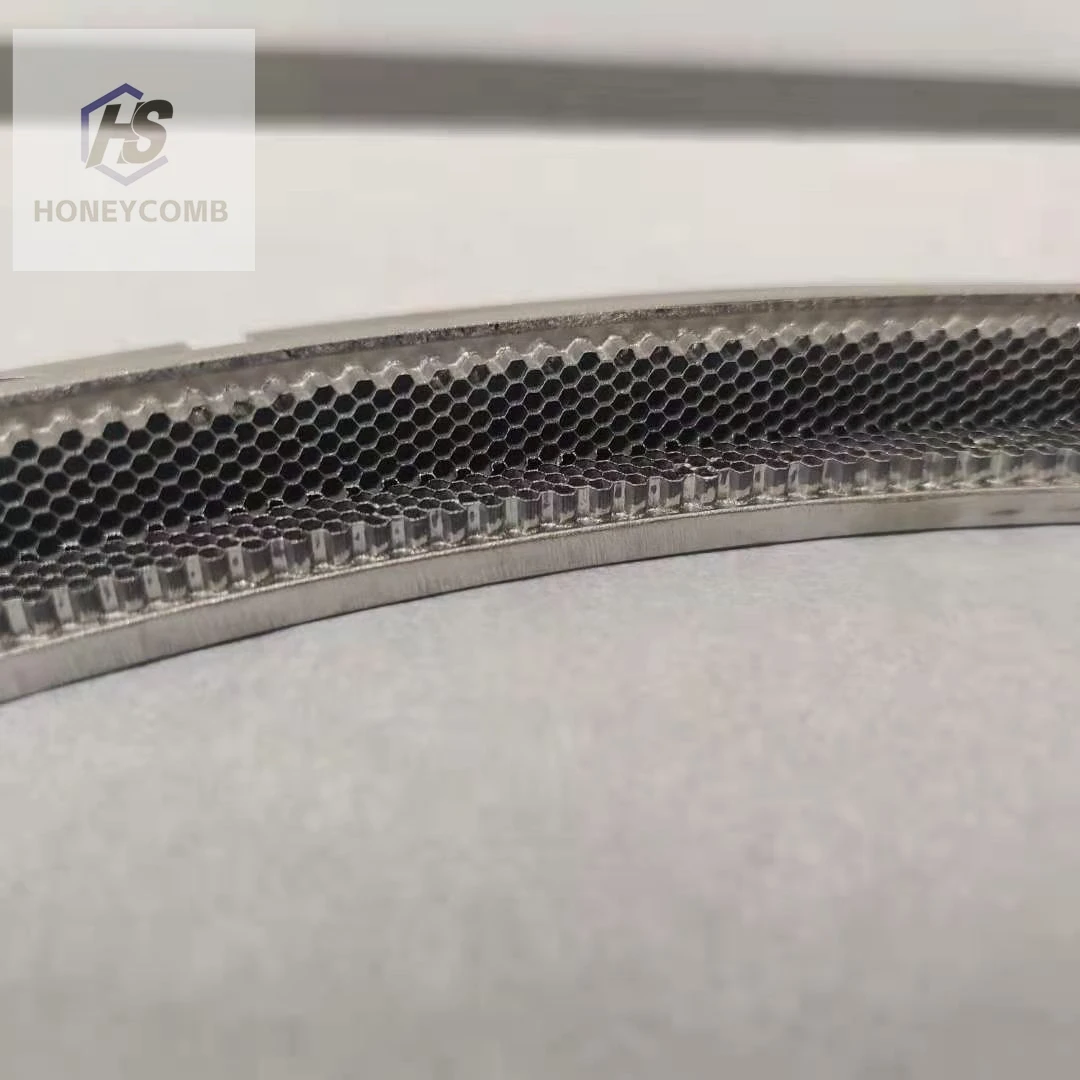
Honeycomb core blower designs, or conception de soufflerie en nid d'abeille as they are known, represent a significant advancement in airflow management and efficiency. These structures, utilizing the exceptional strength-to-weight ratio of honeycomb materials, are becoming increasingly prevalent in diverse applications ranging from aerospace and automotive to HVAC and industrial ventilation. This article delves into the benefits, design considerations, applications, and manufacturing processes involved in honeycomb core blower technology. Understanding these aspects is vital for engineers and designers seeking optimized airflow solutions. Learn more about our solutions at HSHI Honeycomb.
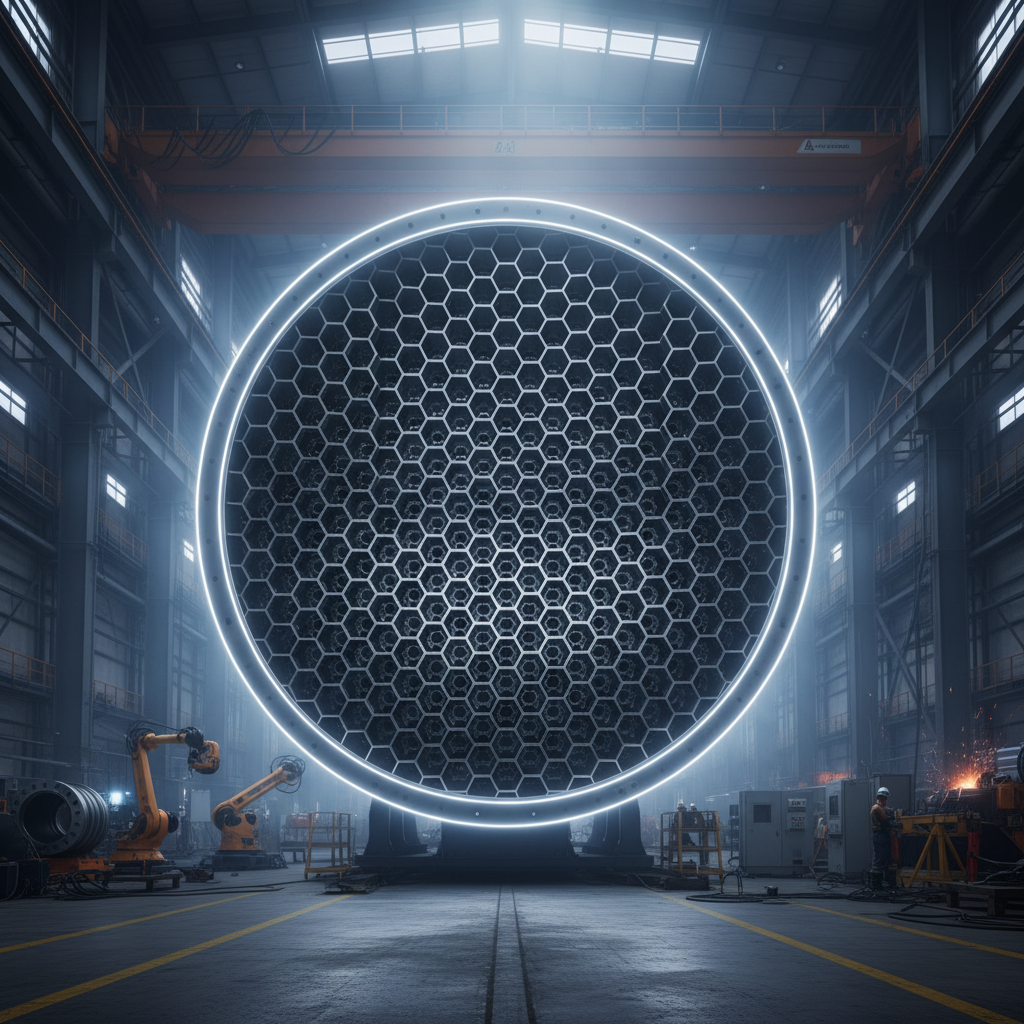
Understanding the Advantages of Honeycomb Core Blowers
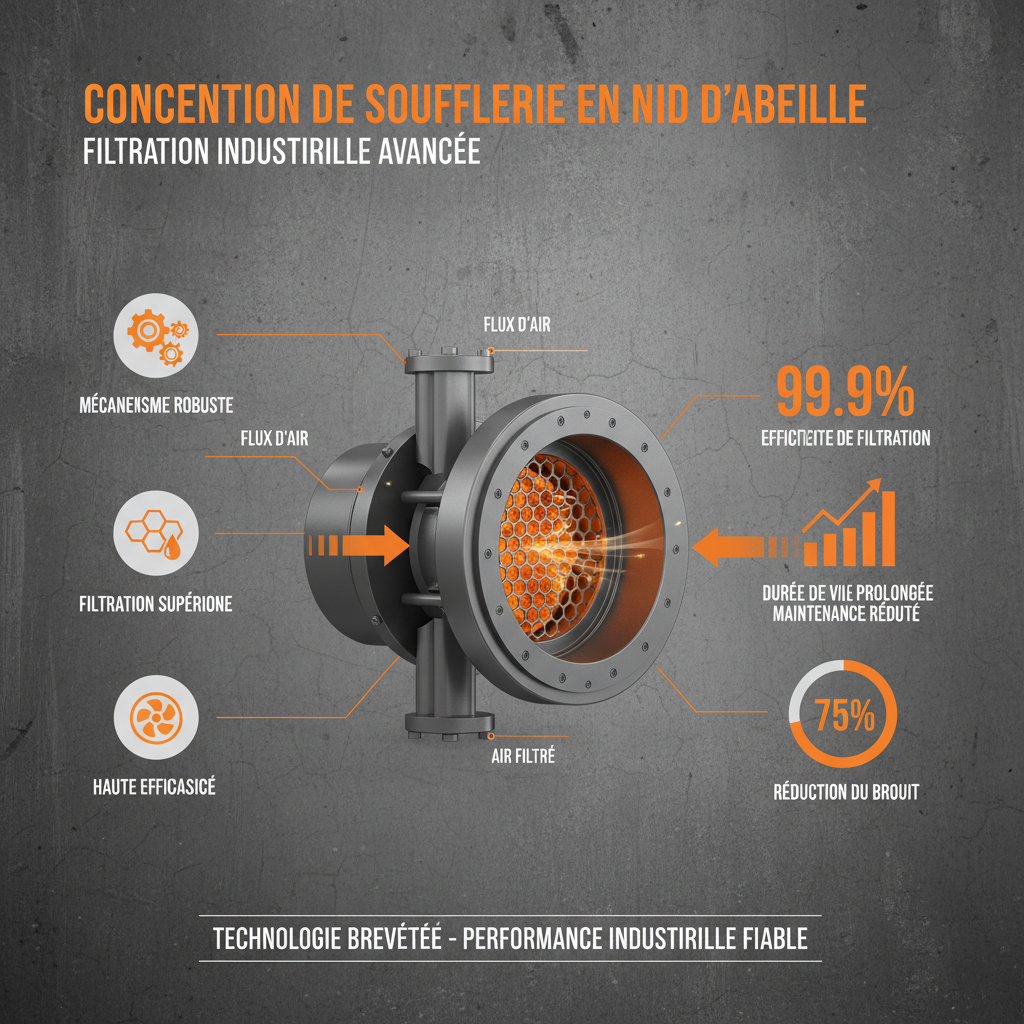
The core advantage of a conception de soufflerie en nid d'abeille lies in its structural efficiency. Honeycomb structures offer an incredibly high strength-to-weight ratio, meaning they can withstand significant pressure and forces with minimal material usage. This results in lighter blowers, reduced energy consumption, and improved overall system performance. Moreover, the unique geometry of the honeycomb facilitates uniform airflow distribution, minimizing turbulence and maximizing efficiency. The inherent damping properties of the honeycomb also contribute to reduced noise levels, a crucial factor in many applications. Compared to traditional blower designs, honeycomb cores consistently deliver superior performance in terms of both efficiency and durability.
Key Highlights: High strength-to-weight ratio, uniform airflow distribution, reduced noise levels, and improved efficiency compared to traditional designs.
Materials Used in Honeycomb Core Blowers
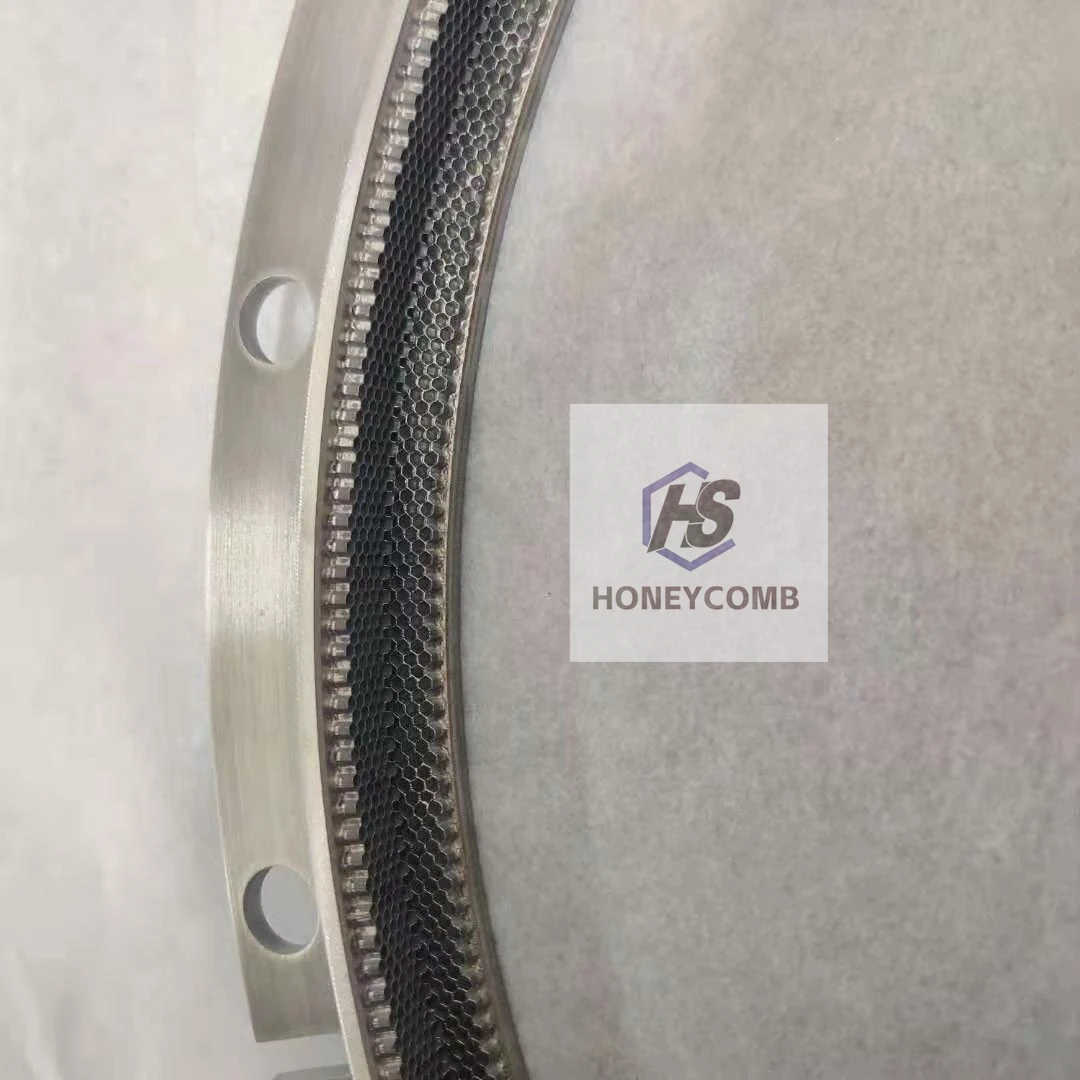
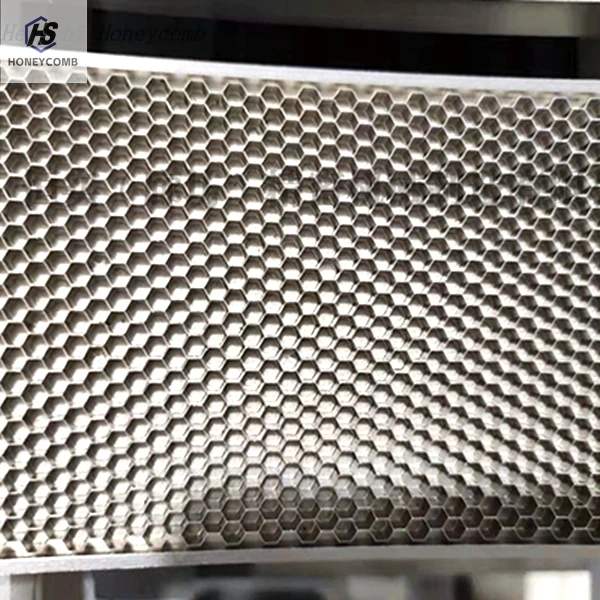
A variety of materials can be employed in the construction of honeycomb core blowers, each offering unique properties suited to specific applications. Aluminum honeycomb is a common choice due to its excellent strength, light weight, and corrosion resistance. Stainless steel honeycomb provides even greater strength and corrosion resistance, making it ideal for harsh environments. Composite honeycomb materials, such as Nomex or carbon fiber, offer exceptional strength-to-weight ratios and are often used in aerospace applications. The selection of the appropriate material depends on factors such as operating temperature, pressure, chemical exposure, and budget. At HSHI Honeycomb, we specialize in custom material selection to optimize performance.
Material Selection Guide:
• Aluminum: Excellent strength-to-weight ratio, corrosion resistance, cost-effective.
• Stainless Steel: Superior strength and corrosion resistance for harsh environments.
• Composite (Nomex, Carbon Fiber): Exceptional strength-to-weight ratio, ideal for aerospace.
Conception de Soufflerie en Nid d'Abeille vs. Traditional Blower Designs
Comparing a conception de soufflerie en nid d'abeille to traditional radial or axial blowers reveals significant advantages. Traditional designs often suffer from uneven airflow, increased noise, and higher energy consumption due to their reliance on heavier components and less efficient geometries. Honeycomb core blowers, with their lightweight construction and optimized airflow paths, mitigate these issues. The following table provides a detailed comparison:
Applications of Honeycomb Core Blower Technology
The versatility of conception de soufflerie en nid d'abeille translates into a wide range of applications. In the aerospace industry, they are used in aircraft environmental control systems. The automotive sector utilizes them for cooling systems and engine ventilation. HVAC systems benefit from their efficient airflow and reduced noise. Industrial applications include process ventilation, dust collection, and drying systems. The ability to customize honeycomb core blowers to specific requirements makes them a valuable solution across numerous industries.
Manufacturing Processes and Quality Control
Manufacturing honeycomb core blowers requires precision and expertise. The process typically involves expanding a metallic foil into a honeycomb structure, followed by bonding and assembly. Rigorous quality control measures are essential to ensure structural integrity and performance. At HSHI Honeycomb, we utilize advanced manufacturing techniques and adhere to strict quality standards to deliver reliable and high-performance products. Our team ensures each blower meets stringent specifications before leaving our facility.
Conclusion: The Future of Airflow Management
Honeycomb core blower technology, or conception de soufflerie en nid d'abeille, represents a paradigm shift in airflow management. Its superior efficiency, lightweight design, and reduced noise levels make it an increasingly attractive alternative to traditional blower designs. As industries continue to prioritize sustainability and performance, the demand for honeycomb core blower solutions will undoubtedly grow. Investing in this technology is a step towards a more efficient and environmentally responsible future.
Frequently Asked Questions (FAQs)
What are the typical applications for honeycomb core blowers?
Honeycomb core blowers find applications in diverse sectors including aerospace (aircraft ventilation), automotive (engine cooling), HVAC (efficient air distribution), industrial ventilation (dust collection), and process industries (drying and material handling). Their lightweight nature, high efficiency, and low noise characteristics make them ideal for scenarios where performance and space are critical. They are especially well-suited for applications demanding precise airflow control and minimal energy consumption.
What materials are commonly used in honeycomb core construction?
The most common materials for honeycomb core construction are aluminum, stainless steel, and various composite materials like Nomex and carbon fiber. Aluminum offers a good balance of strength, weight, and cost. Stainless steel is preferred for corrosive environments. Composite materials provide the highest strength-to-weight ratio but are generally more expensive. The choice of material depends heavily on the specific application requirements and performance criteria.
How do honeycomb core blowers compare in terms of noise levels to traditional blowers?
Honeycomb core blowers generally exhibit significantly lower noise levels compared to traditional radial or axial blowers. This is due to the inherent damping properties of the honeycomb structure, which absorbs and dissipates sound energy. The optimized airflow paths also contribute to reduced turbulence and noise generation, making them ideal for noise-sensitive applications.
Can honeycomb core blowers be customized for specific applications?
Yes, absolutely. Honeycomb core blowers can be extensively customized in terms of size, shape, material, and airflow characteristics to meet specific application needs. Factors such as the honeycomb cell size, core density, and overall dimensions can be tailored to optimize performance. At HSHI Honeycomb, we specialize in custom-engineered solutions to address unique client challenges.

-
Industrial Airflow Guide for maf воздушная правильная машинаNewsApr.16,2026
-
Best maf струйно правильная машина for Industrial EfficiencyNewsApr.09,2026
-
Сотовая правильная машина A Comprehensive Guide to Honey Packing AutomationNewsApr.07,2026
-
Build Your Own DIY газоправильная Машина A Comprehensive Guide to Gas CorrectionNewsApr.04,2026
-
Understanding Кондиционер отопления Systems for Efficient and Comfortable HeatingNewsMar.31,2026
-
Comprehensive Guide to Cellular Blinds Installation Установка сотовых жалюзиNewsMar.28,2026
-
Mobile Aerodynamic Tunnel Design A Comprehensive Guide to Applications and ImplementationNewsMar.26,2026






 English
  Afrikaans
  Albanian
  Amharic
  Arabic
  Armenian
  Azerbaijani
  Basque
  Belarusian
  Bengali
  Bosnian
  Bulgarian
  Catalan
  Cebuano
  China
China  China (Taiwan)
  Corsican
  Croatian
  Czech
Czech  Danish
  Dutch
Dutch  Esperanto
  Estonian
  Finnish
  French
  Frisian
  Galician
  Georgian
  German
  Greek
Greek  Gujarati
  Haitian Creole
  Hausa
Hausa  Hawaiian
  Hebrew
  Hindi
Hindi  Miao
Miao  Indonesian
  Italian
  Japanese
  Javanese
  Malay
Malay  Persian
  Portuguese
  Punjabi
  Russian
  Spanish
  Swahili
  Telugu
  Vietnamese