


Filtro Favo de Mel EMI: Efficient Honeycomb EMI Filters for Industrial Use
Understanding the filtro favo de mel emi: An Insider’s Perspective
Working in industrial equipment for well over a decade, I’ve seen firsthand how critical it is to control electromagnetic interference (EMI) in sensitive environments. The filtro favo de mel emi—or honeycomb EMI filter—strikes me as one of those elegant yet effective solutions that often fly under the radar. Oddly enough, it’s not just about blocking noise; it’s about doing so in a way that meshes perfectly with airflow and durability demands.
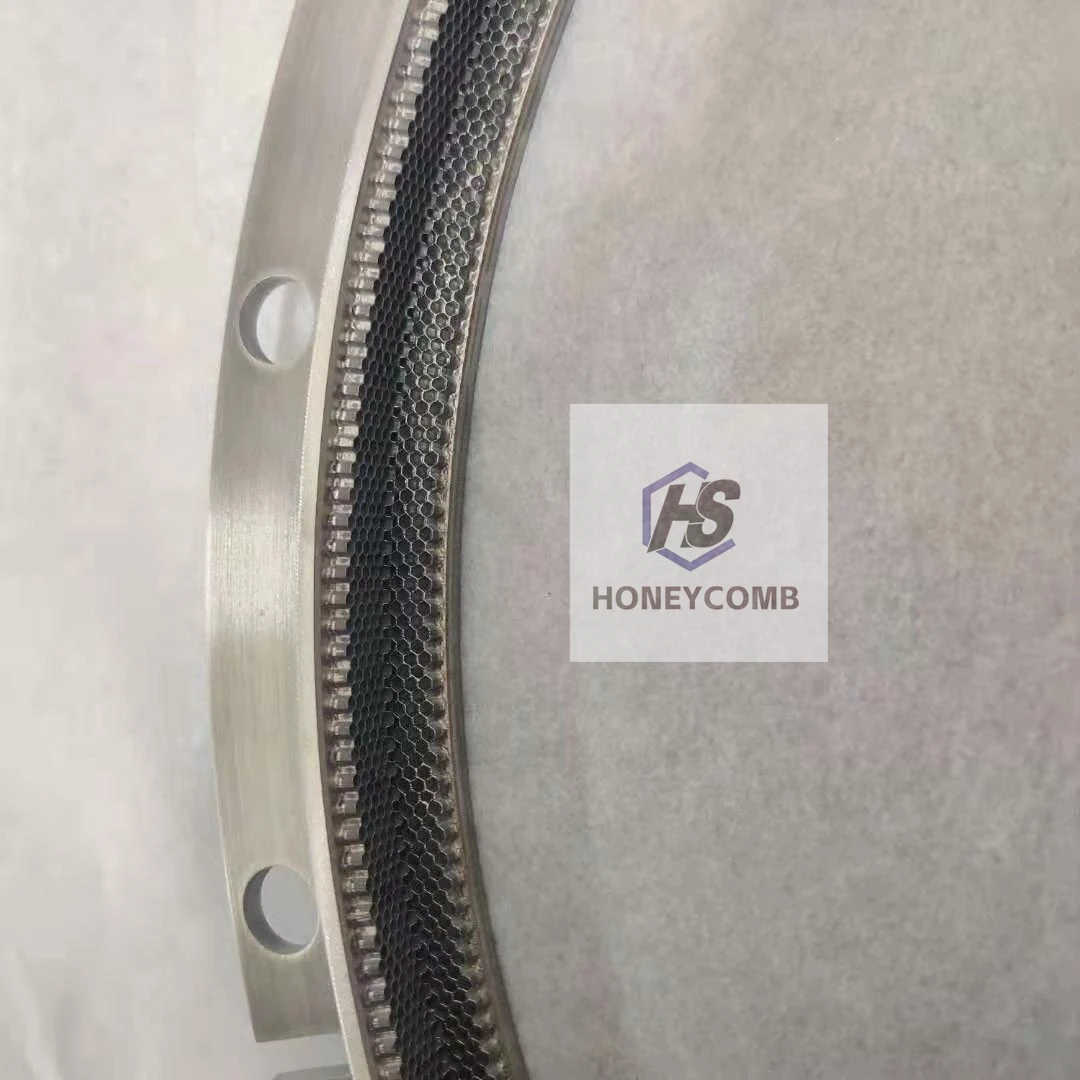
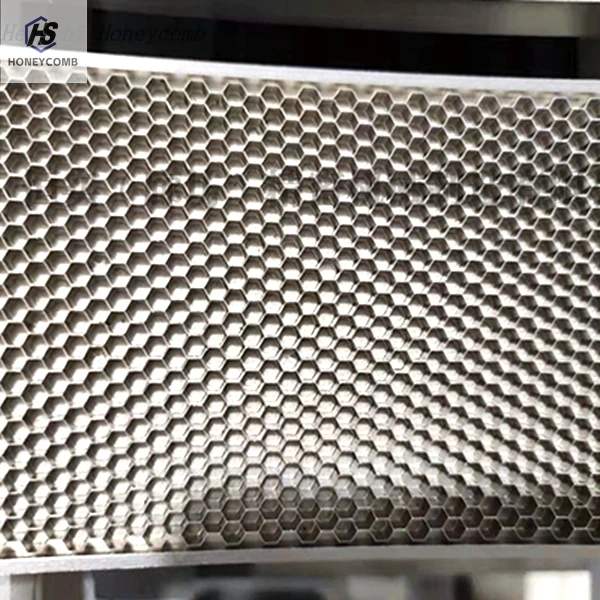
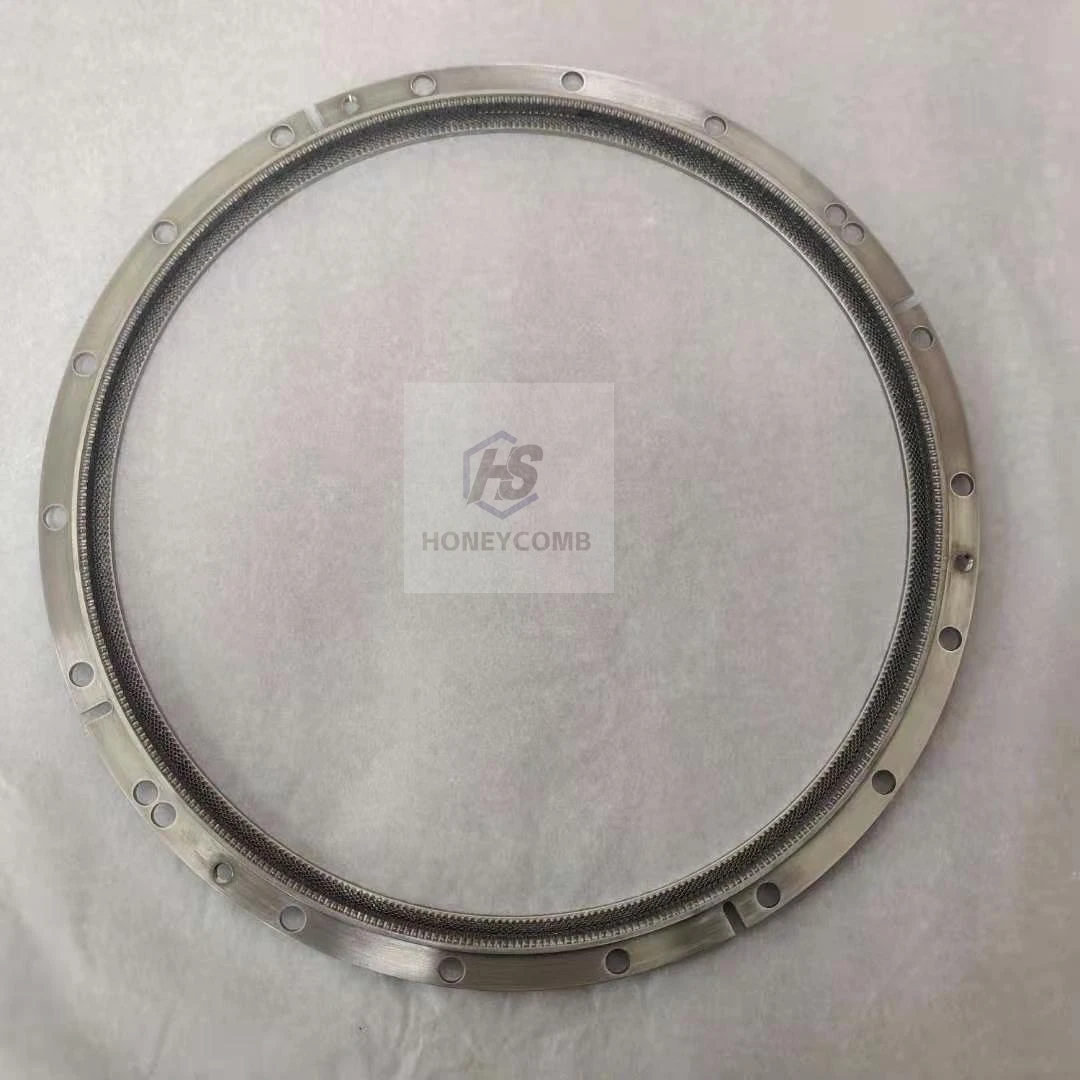
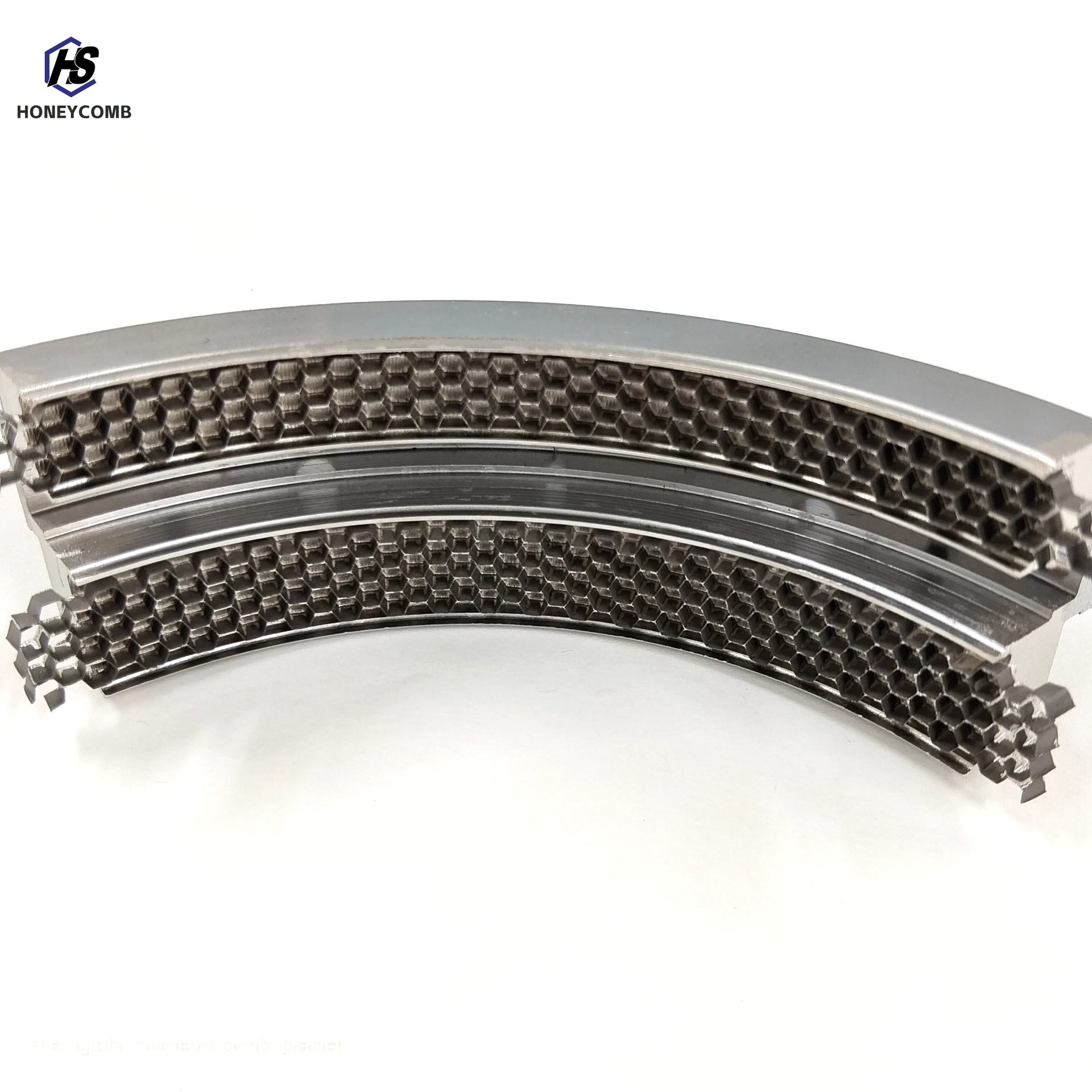
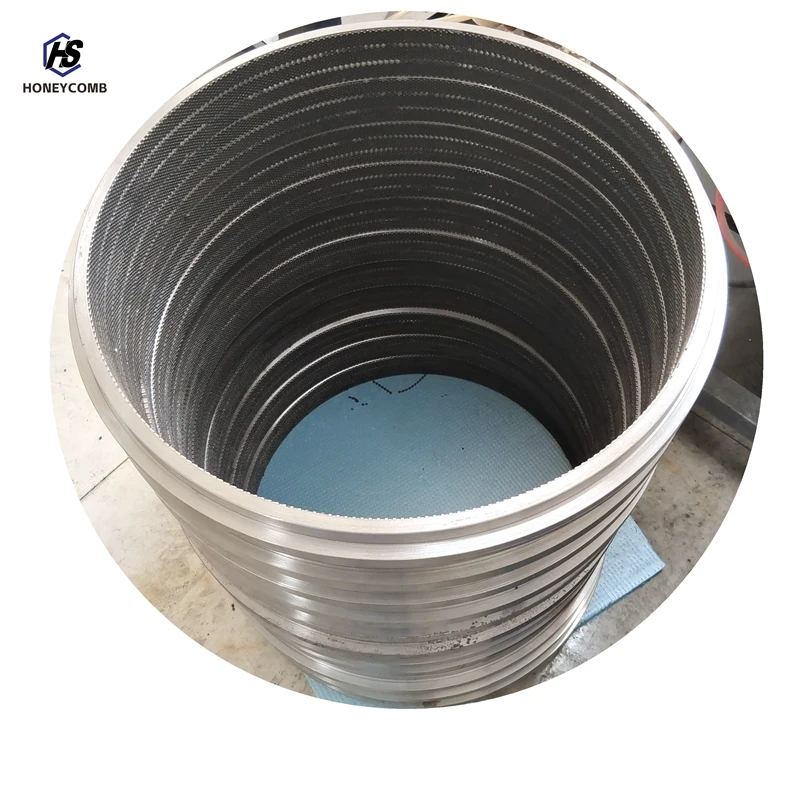
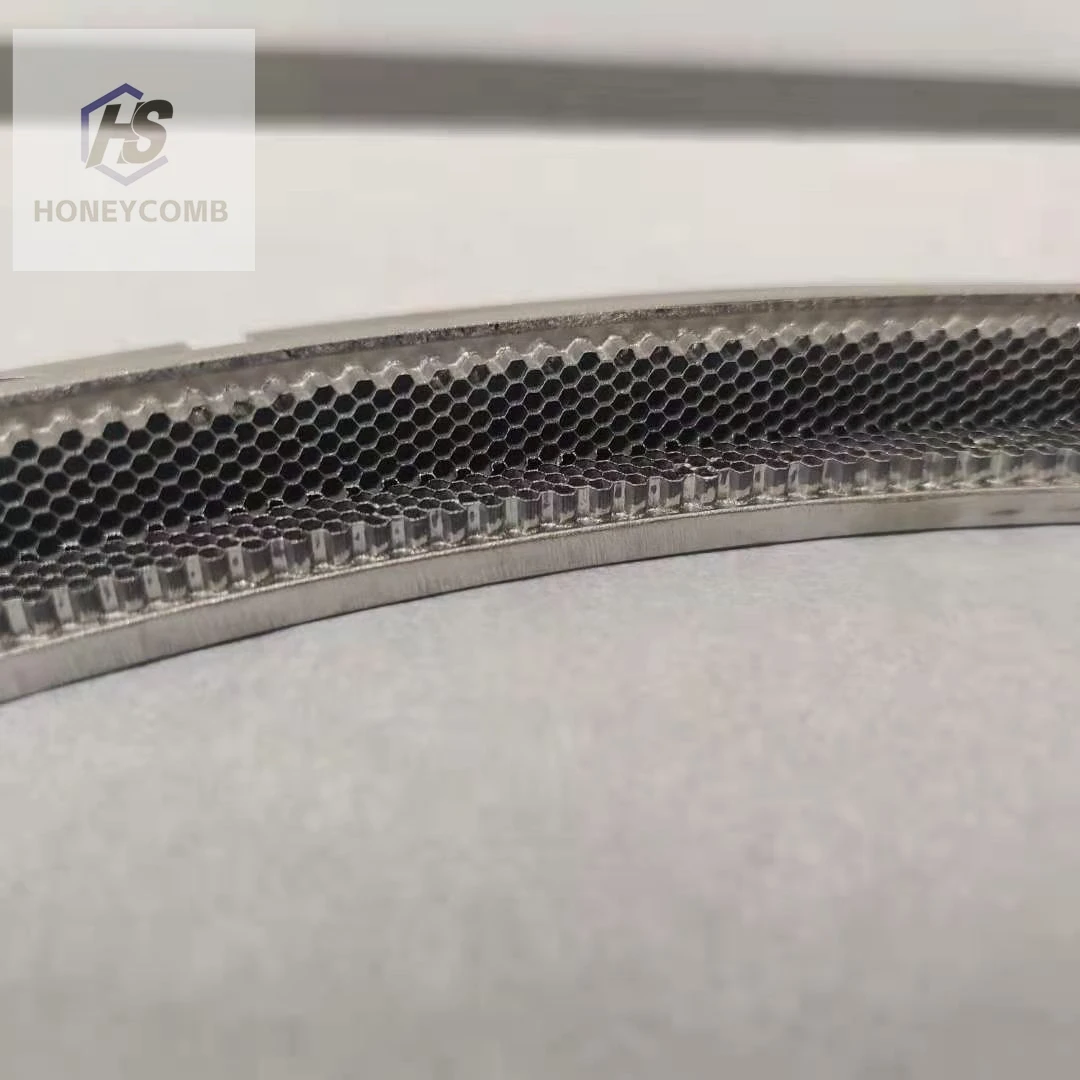
If you’re not familiar, honeycomb EMI filters consist of a metal grid structure that resembles a beehive. This distinctive “honeycomb” design isn’t just for show—it’s engineered to disrupt EMI signals while preserving ventilation, which makes it a staple in industrial settings that demand both cooling and interference suppression.
In real terms, these filters come into play in everything from aerospace electronics to medical instrumentation. Frankly, I remember a project where EMI issues caused intermittent sensor errors—and switching to a honeycomb EMI filter sorted it out almost overnight. The client was relieved, and I gained a bit of respect for how well the design balances physics and practical considerations.
Material-wise, these filters typically use stainless steel or aluminum for the honeycomb core, sometimes combined with a conductive mesh or frame. This combo governs not just EMI shielding effectiveness but mechanical toughness and corrosion resistance. When you’re on a factory floor with varying environmental hazards, these properties aren’t just bonuses—they’re essential.
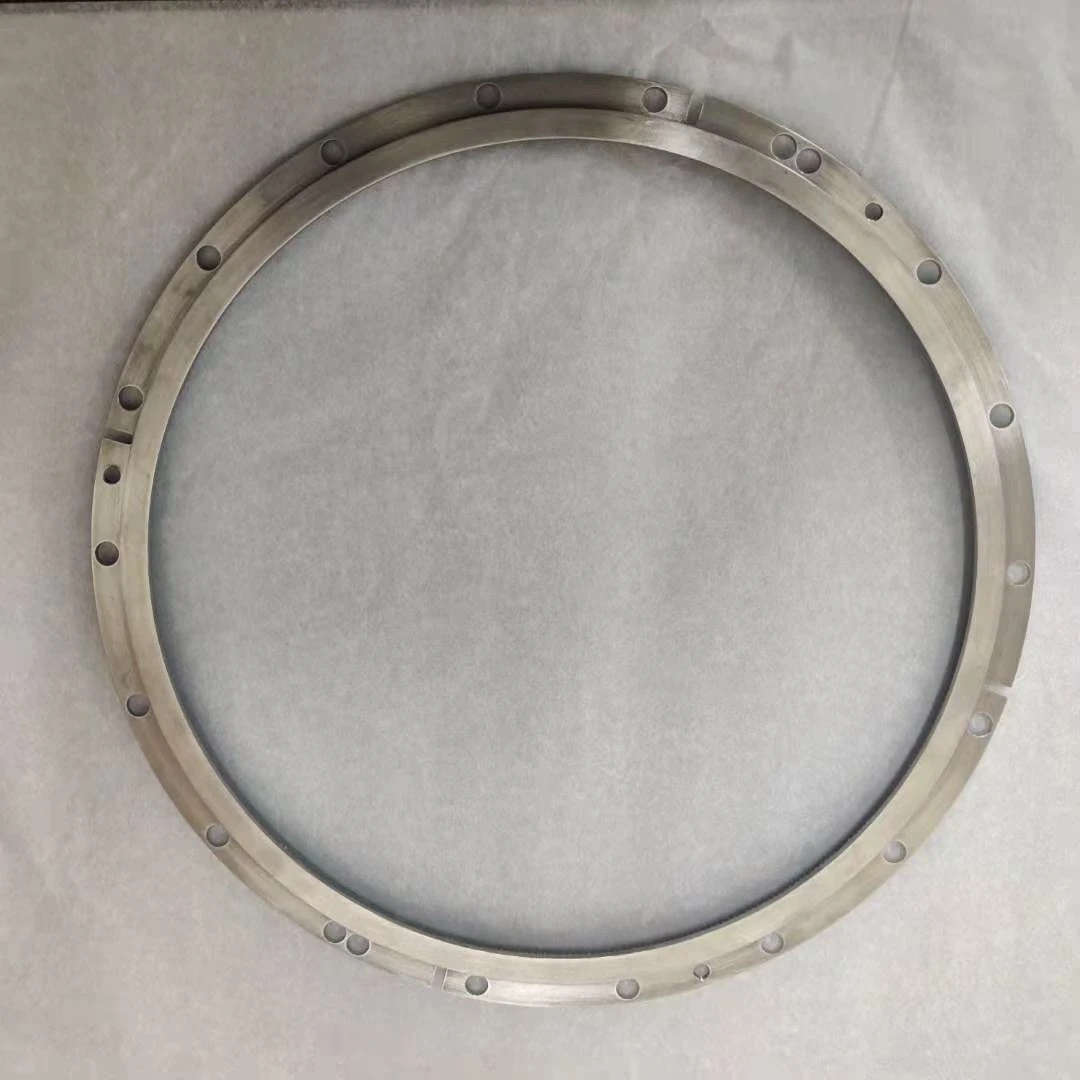
Another nuance I’ve noticed is the customization angle. The honeycomb filters can be tailored in sizes, cell diameters, and filter thickness, depending on air velocity requirements and EMI attenuation levels. For engineers and end-users, this level of adaptation often translates to cleaner signals without compromising thermal management.
| Specification | Details |
|---|---|
| Material | Stainless Steel or Aluminum Alloy |
| Cell Size | 2 mm - 10 mm |
| Shielding Effectiveness | Up to 90 dB (varies by frequency) |
| Operating Temperature | -40°C to 150°C |
| Airflow Resistance | Low to Moderate, dependent on cell size |
You might wonder how these filters stack against other EMI suppression methods, like ferrite beads or conductive gaskets. Well, from my experience, filters like the filtro favo de mel emi shine when you have a mix of EMI and airflow concerns. Rather than entirely sealing off a ventilation path, the honeycomb design maintains air exchange — quite crucial for systems overheating otherwise.
To give you a clearer picture, here’s a compact vendor comparison I’ve compiled from years of supplier evaluatons. It highlights some parameters that often influence procurement decisions:
| Vendor | Material Options | Customization | Typical Lead Time | Pricing Range |
|---|---|---|---|---|
| HSHI Honeycomb | SS, Aluminum | High (cell size & thickness) | 2-3 weeks | Mid-range |
| XYZ EMI Solutions | Aluminum Only | Medium | 3-5 weeks | Lower Budget |
| ABC Industrial Filters | Stainless Steel Only | Low | 1-2 weeks | Premium |
One thing I notice is how critical good vendor support can be. Custom EMI challenges mean that a one-size-fits-all approach often falls flat. For example, a client recently needed a honeycomb filter with a non-standard cell size to integrate into a compact air handling unit—a supplier who could tweak specs easily ended up making the sale. So if you’re shopping around, consider more than price and delivery time; look for responsiveness and engineering collaboration.
Lastly, testing and certification are your friends here. Many honeycomb EMI filters come with third-party lab reports or MIL-STD compliance, which reassures customers facing strict regulatory requirements. In fact, I always advise asking for test data up front—nothing beats empirical proof when you’re tasked with designing reliable, interference-free equipment.
In short, the filtro favo de mel emi offers a robust, airflow-friendly shield against EMI. It’s not glamorous, but it’s exactly the kind of solution that keeps complicated systems running smoothly behind the scenes. I suppose if you’ve wrestled with EMI in industrial settings, you’ll appreciate these honeycomb-style filters for their subtle yet essential role.
What really sticks with me is how simple design cues—like the honeycomb pattern—can solve complex electromagnetic problems. It’s one of those things that makes industrial engineering endlessly interesting: blending physics, materials science, and practical constraints into a tangible product that just works.
Happy filtering!
References
- Electromagnetic Compatibility in Industrial Equipment, IEEE Standards
- HSHI Honeycomb EMI Product Datasheets and Catalogs
- “Best Practices in EMI Shielding” - Journal of Electrical Engineering, 2022

-
Industrial Airflow Guide for maf воздушная правильная машинаNewsApr.16,2026
-
Best maf струйно правильная машина for Industrial EfficiencyNewsApr.09,2026
-
Сотовая правильная машина A Comprehensive Guide to Honey Packing AutomationNewsApr.07,2026
-
Build Your Own DIY газоправильная Машина A Comprehensive Guide to Gas CorrectionNewsApr.04,2026
-
Understanding Кондиционер отопления Systems for Efficient and Comfortable HeatingNewsMar.31,2026
-
Comprehensive Guide to Cellular Blinds Installation Установка сотовых жалюзиNewsMar.28,2026
-
Mobile Aerodynamic Tunnel Design A Comprehensive Guide to Applications and ImplementationNewsMar.26,2026






 English
  Afrikaans
  Albanian
  Amharic
  Arabic
  Armenian
  Azerbaijani
  Basque
  Belarusian
  Bengali
  Bosnian
  Bulgarian
  Catalan
  Cebuano
  China
China  China (Taiwan)
  Corsican
  Croatian
  Czech
Czech  Danish
  Dutch
Dutch  Esperanto
  Estonian
  Finnish
  French
  Frisian
  Galician
  Georgian
  German
  Greek
Greek  Gujarati
  Haitian Creole
  Hausa
Hausa  Hawaiian
  Hebrew
  Hindi
Hindi  Miao
Miao  Indonesian
  Italian
  Japanese
  Javanese
  Malay
Malay  Persian
  Portuguese
  Punjabi
  Russian
  Spanish
  Swahili
  Telugu
  Vietnamese