


WindkanalWabenwabe Innovations in Honeycomb Core Technology and Applications
Understanding Windkanal-Wabenwabe: Innovations in Honeycomb Core Technology
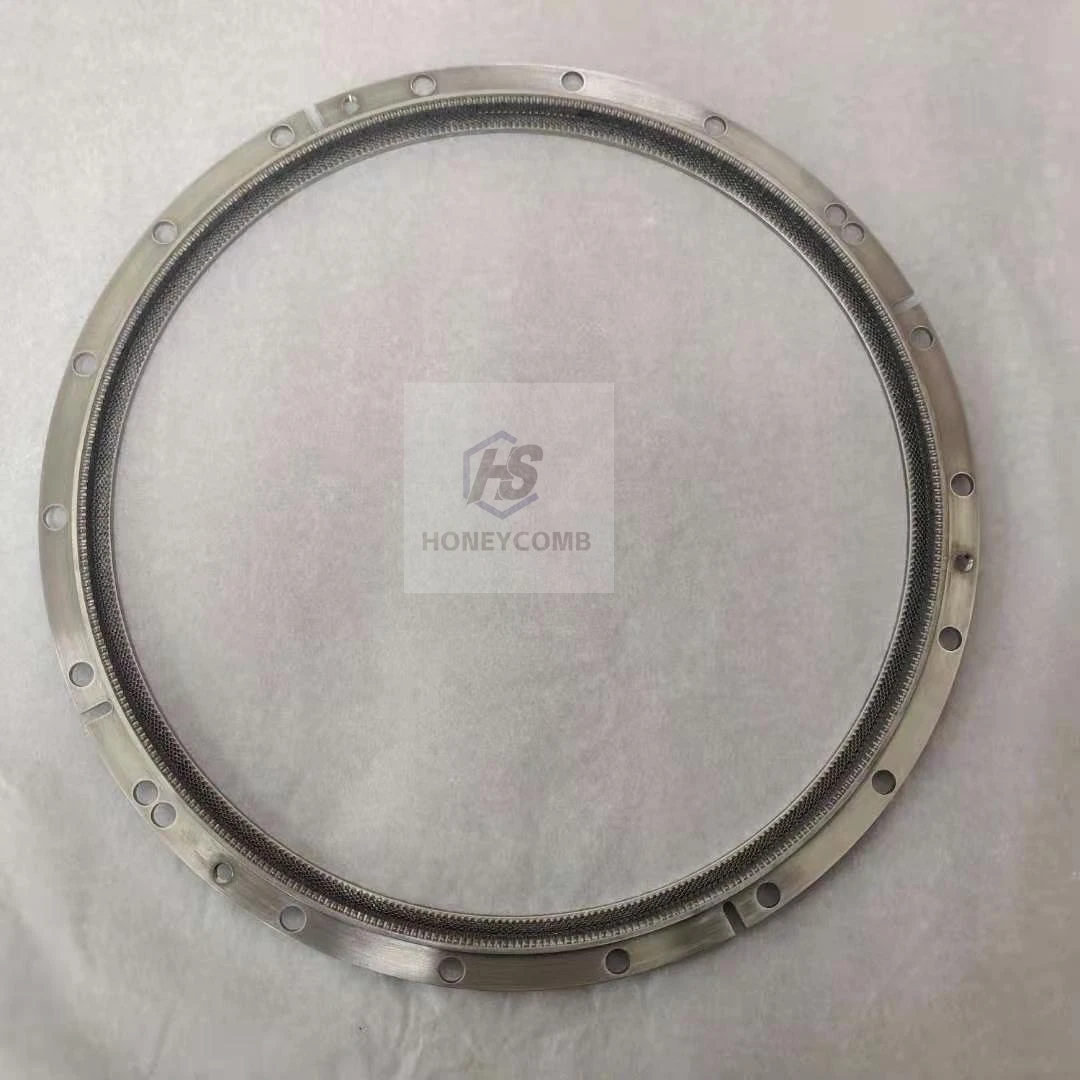
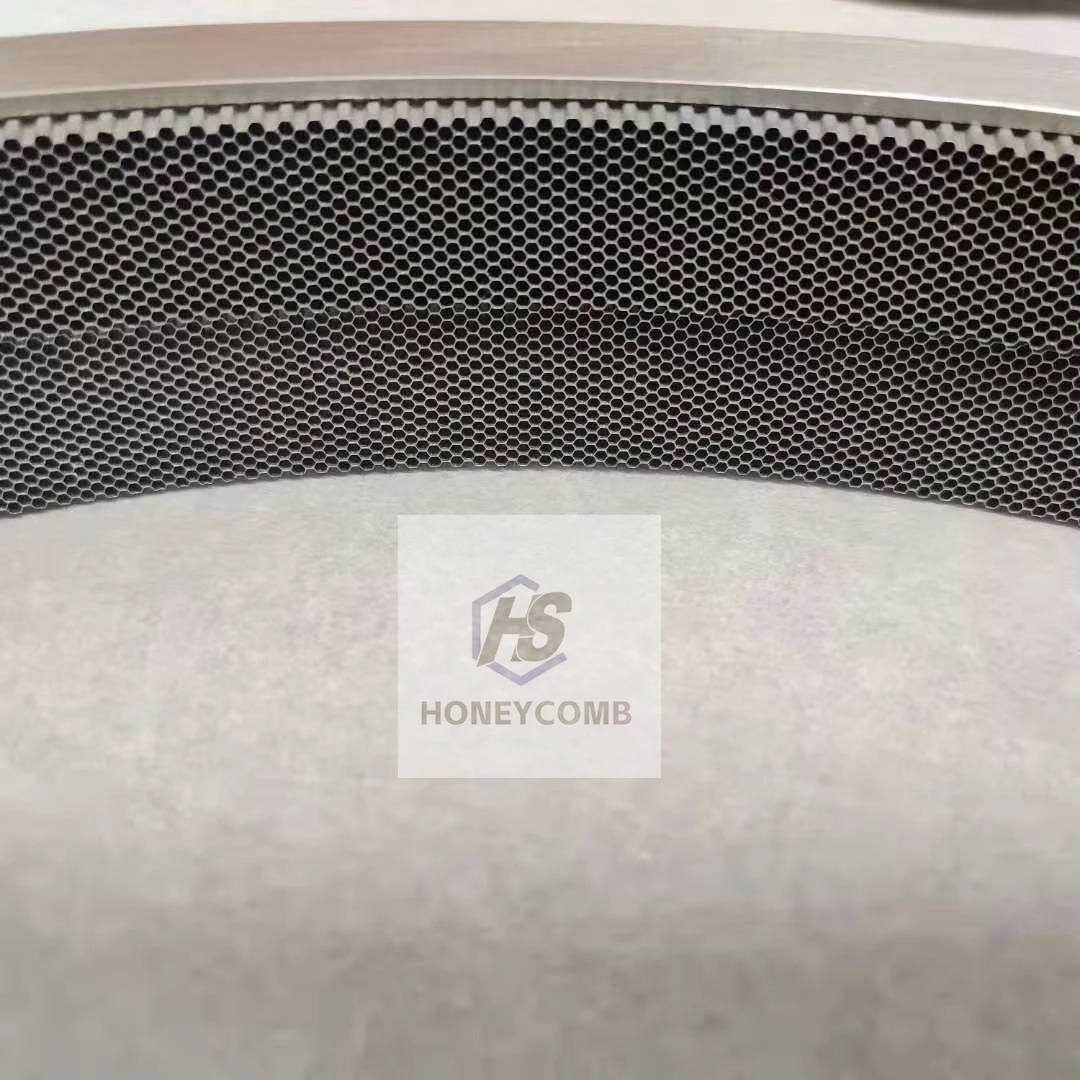
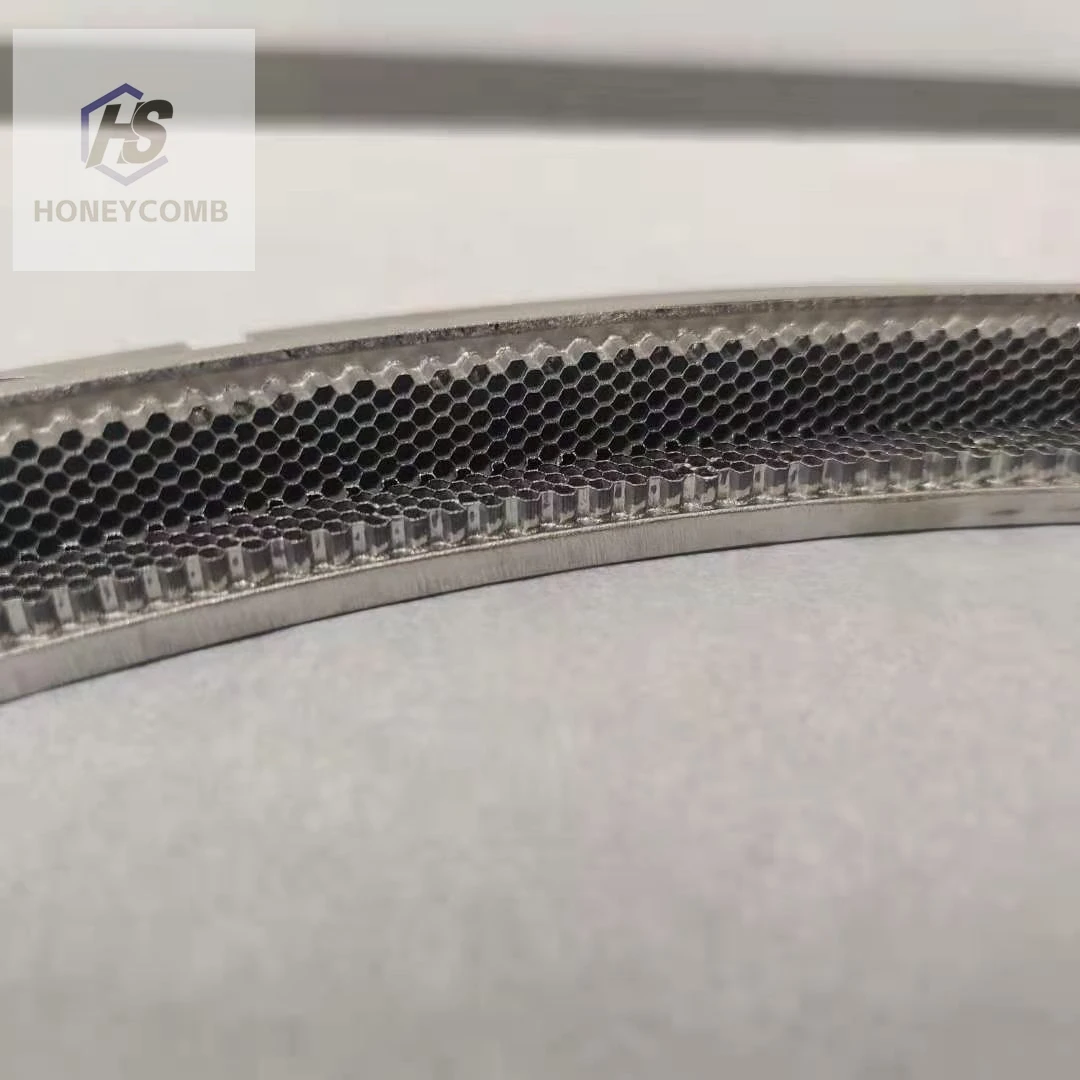
Honeycomb core materials are revolutionizing industries from aerospace to automotive, offering an exceptional strength-to-weight ratio. At the forefront of this innovation is Windkanal-Wabenwabe, a specialized honeycomb structure developed by HSHI Honeycomb. This technology excels in demanding applications requiring lightweight yet robust solutions. The unique design, optimized through wind tunnel testing (hence ‘Windkanal’), provides superior performance in shear loading and impact resistance. Exploring the intricacies of Windkanal-Wabenwabe is crucial for engineers and designers seeking cutting-edge material solutions.
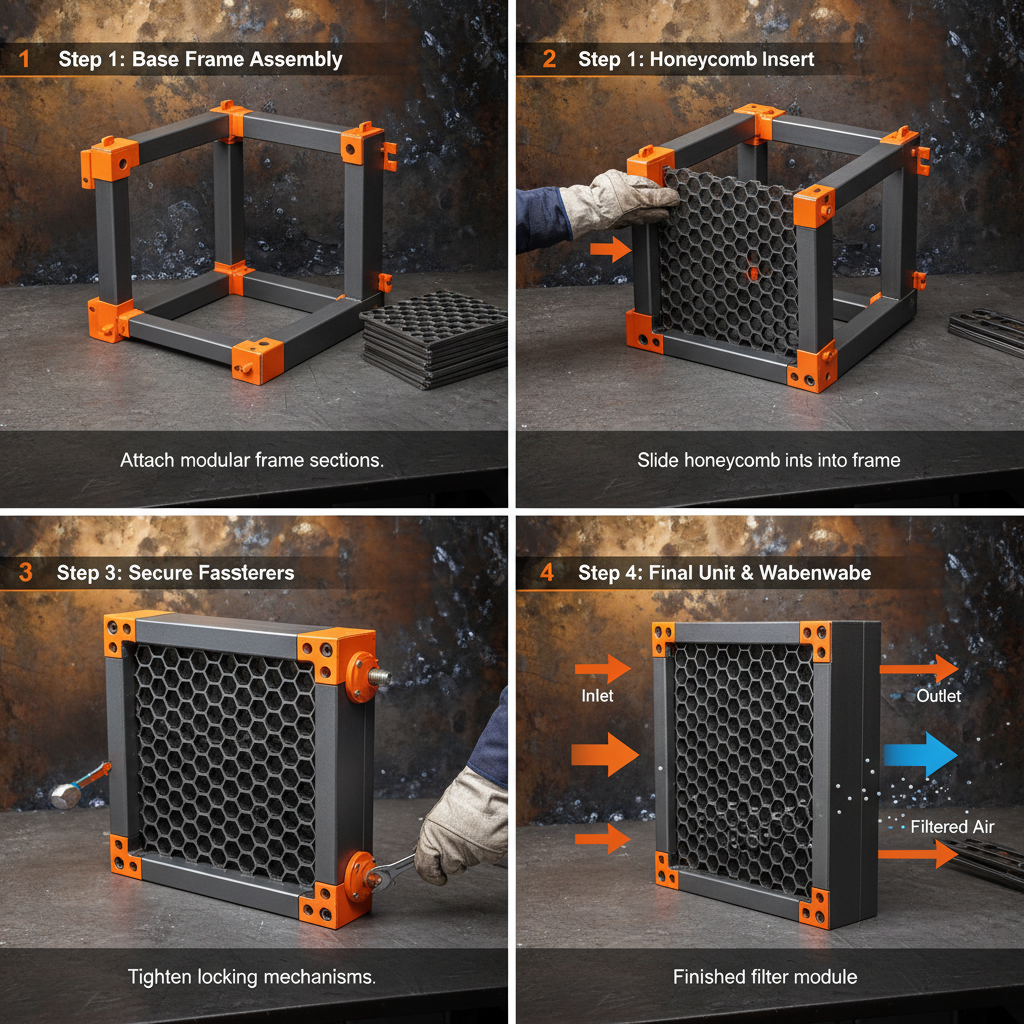
The Core Principles of Windkanal-Wabenwabe
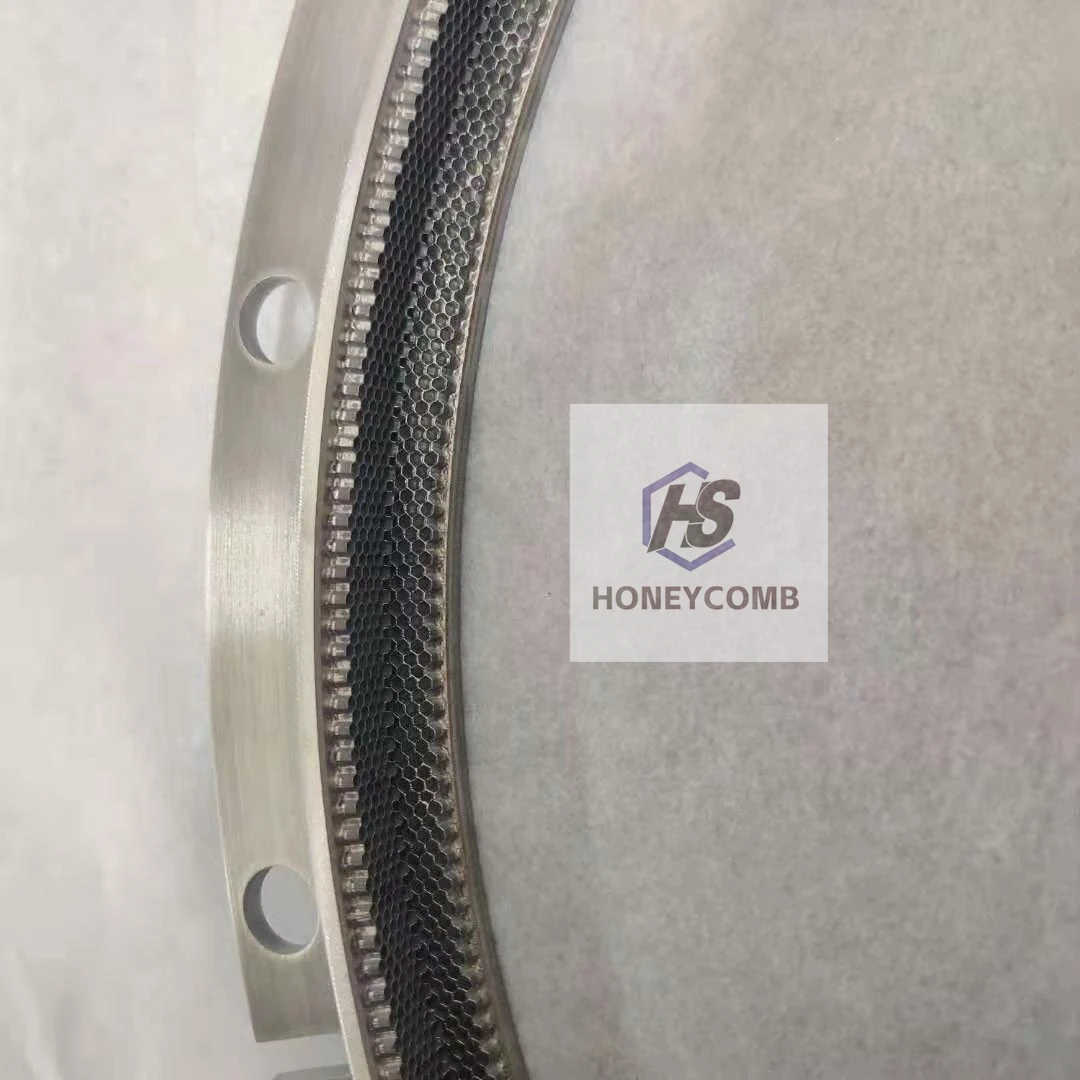
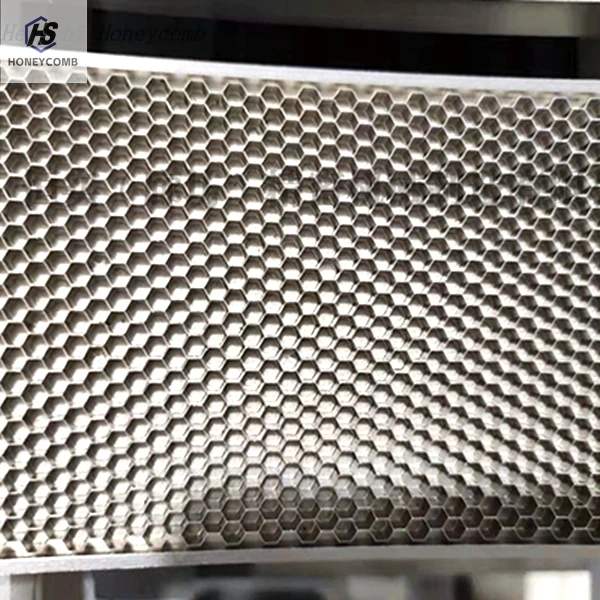
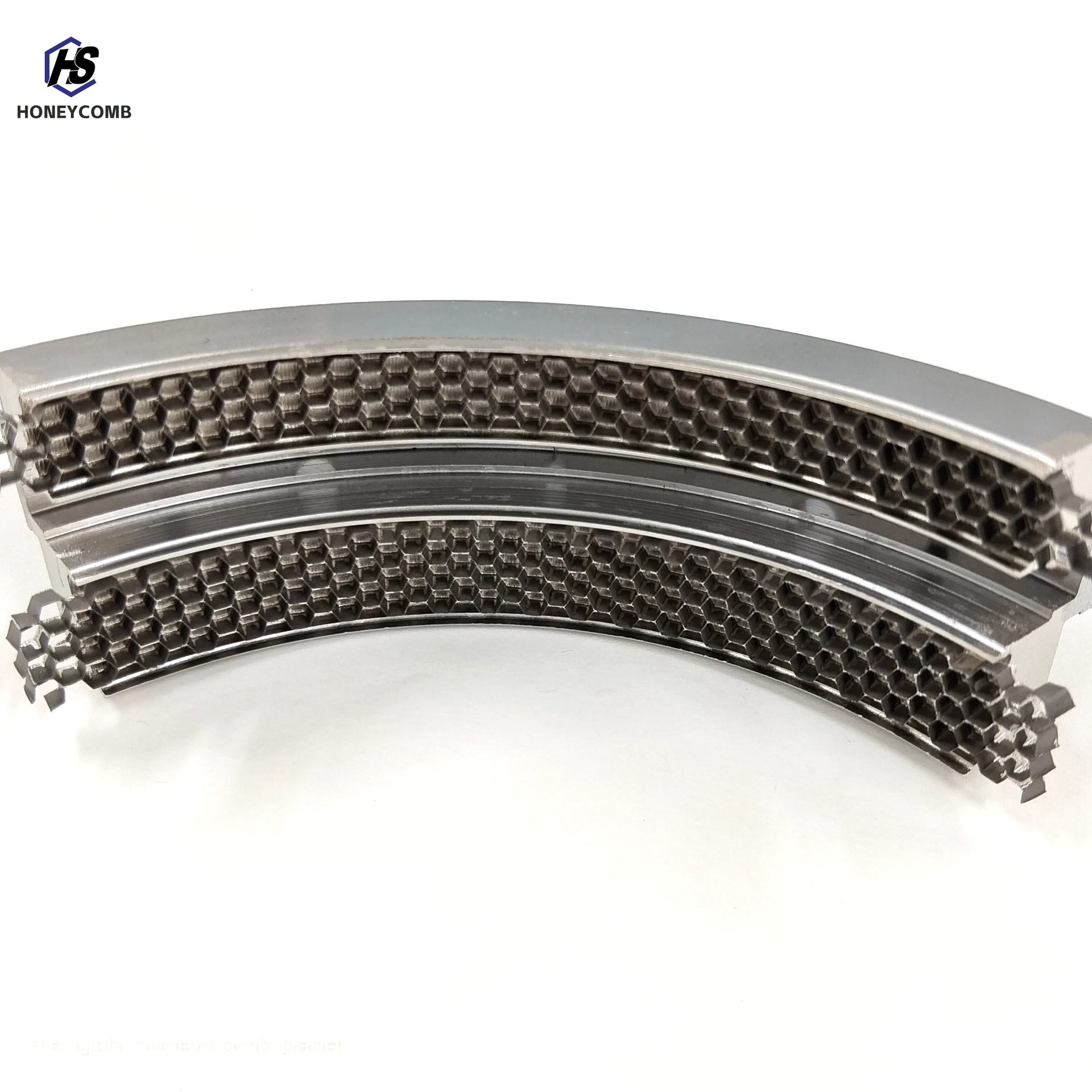
Windkanal-Wabenwabe isn't simply a honeycomb structure; it's a carefully engineered system. Its development involved extensive wind tunnel testing to analyze airflow and stress distribution. This rigorous testing process led to a cell geometry optimized for minimal drag and maximum strength. The cell walls are constructed from high-modulus materials, offering exceptional stiffness and durability. The material’s design allows for efficient energy absorption in the event of an impact, making it ideal for safety-critical applications. This innovative honeycomb design isn't just about creating a strong core; it's about intelligently distributing forces to enhance overall structural integrity.
Key Benefits: Superior strength-to-weight ratio, optimized for airflow, enhanced impact resistance, efficient energy absorption, and increased structural integrity.
Windkanal-Wabenwabe Applications: A Diverse Range
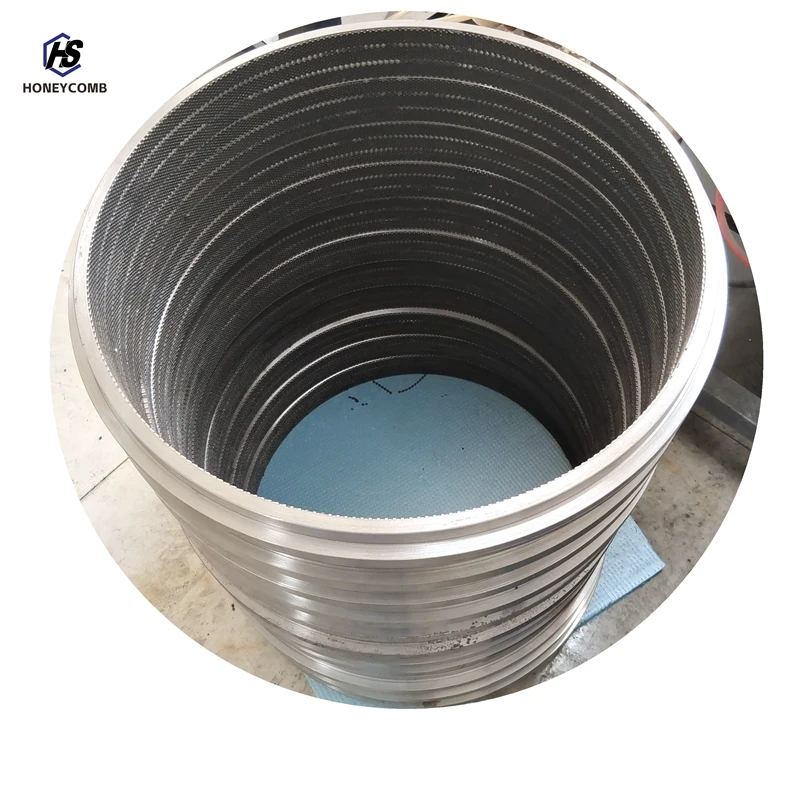
The versatility of Windkanal-Wabenwabe makes it suitable for a wide array of applications. In the aerospace industry, it’s used in aircraft components like control surfaces and interior panels to reduce weight and improve fuel efficiency. Automotive manufacturers are integrating it into body panels and structural elements for enhanced safety and performance. Furthermore, it finds applications in marine structures, sporting goods (like skis and snowboards), and even architectural panels. The ability to customize the cell size, wall thickness, and material composition allows for tailored solutions to meet specific engineering requirements.
Application Areas:
• Aerospace Components
• Automotive Structures
• Marine Engineering
• Sporting Goods
• Architectural Panels
Windkanal-Wabenwabe vs. Traditional Honeycomb Structures
While conventional honeycomb structures offer significant weight savings, Windkanal-Wabenwabe distinguishes itself through its optimized design. Traditional honeycombs often lack the aerodynamic refinements achieved through wind tunnel testing, leading to increased drag in high-speed applications. Moreover, the unique cell geometry of Windkanal-Wabenwabe provides superior shear strength and impact resistance compared to standard hexagonal cell designs. The materials used in Windkanal-Wabenwabe are also carefully selected for optimal performance and durability. HSHI Honeycomb’s technology offers a performance advantage across various criteria.
Material Options & Specifications for Windkanal-Wabenwabe
Windkanal-Wabenwabe can be manufactured from a variety of materials to suit different application requirements. Common materials include aluminum alloys, carbon fiber reinforced polymers (CFRP), and fiberglass reinforced polymers (GFRP). The choice of material depends on factors such as desired strength, stiffness, weight, and cost. HSHI Honeycomb provides extensive customization options to meet specific performance targets.
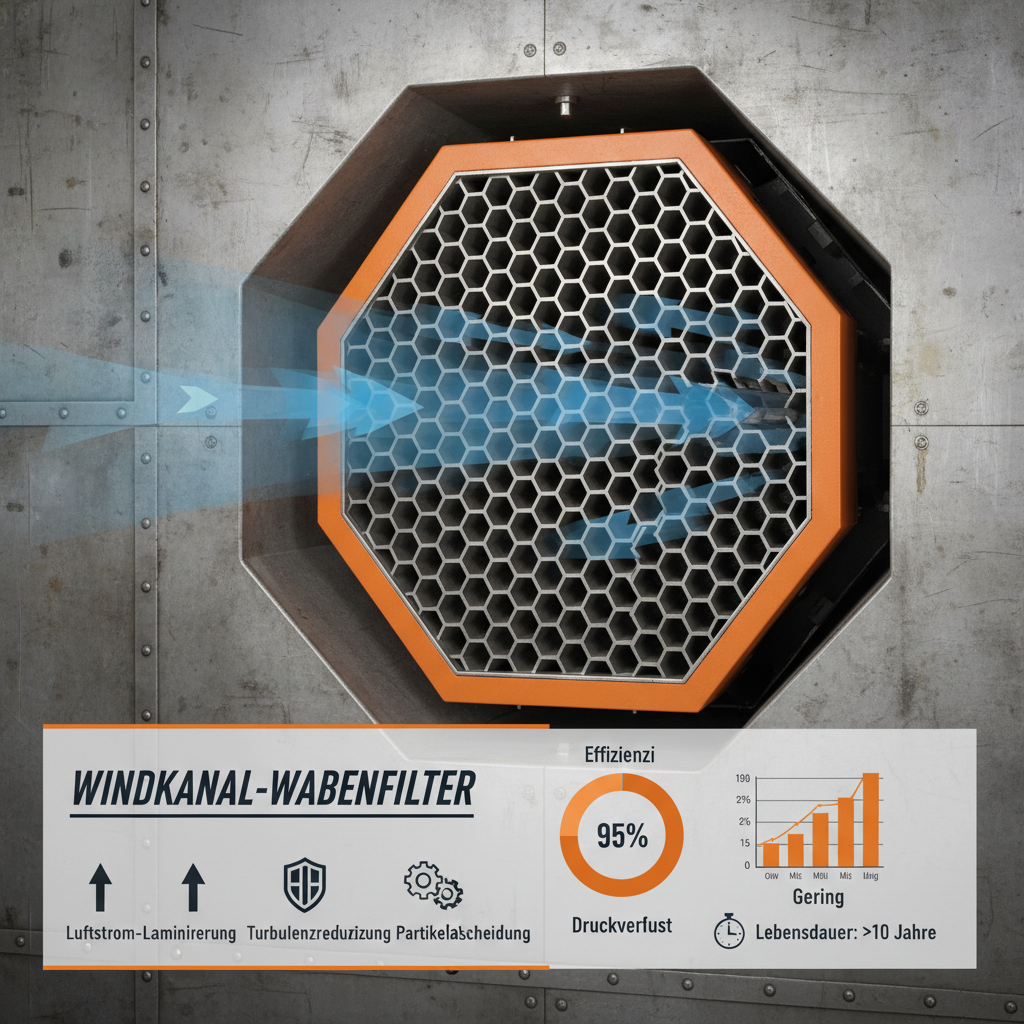
Conclusion: The Future of Lightweight Structures
Windkanal-Wabenwabe represents a significant advancement in honeycomb core technology. Its unique design, optimized through wind tunnel testing, delivers exceptional performance in terms of strength, weight, and aerodynamic efficiency. For industries demanding lightweight yet robust solutions, HSHI Honeycomb’s Windkanal-Wabenwabe offers a compelling advantage.
Frequently Asked Questions (FAQs)
What makes Windkanal-Wabenwabe different from other honeycomb cores?
Windkanal-Wabenwabe's key difference lies in its rigorous development process using wind tunnel testing. This allows for optimization of the cell geometry and material selection to minimize drag and maximize strength, particularly in dynamic applications. Traditional honeycomb cores often lack this level of aerodynamic refinement and may exhibit lower shear strength and impact resistance.
What industries benefit most from using Windkanal-Wabenwabe?
Industries prioritizing lightweighting and high performance benefit the most. This includes aerospace, where reducing weight is crucial for fuel efficiency; automotive, where it enhances both safety and performance; and sporting goods, where it improves the performance of equipment like skis and snowboards. Marine and architectural applications also benefit from its strength and durability.
Can Windkanal-Wabenwabe be customized for specific applications?
Yes, Windkanal-Wabenwabe is highly customizable. HSHI Honeycomb offers customization options for cell size, wall thickness, material composition, and overall dimensions to meet specific performance and design requirements. This flexibility allows engineers to tailor the core to their exact needs.
What are the cost considerations for implementing Windkanal-Wabenwabe?
While Windkanal-Wabenwabe may have a higher initial cost compared to traditional honeycomb cores, the long-term benefits often outweigh the expense. The enhanced performance, reduced weight, and increased durability can lead to cost savings in fuel consumption, maintenance, and overall product lifespan. A detailed cost-benefit analysis should be conducted to evaluate the specific application.
-
Industrial Airflow Guide for maf воздушная правильная машинаNewsApr.16,2026
-
Best maf струйно правильная машина for Industrial EfficiencyNewsApr.09,2026
-
Сотовая правильная машина A Comprehensive Guide to Honey Packing AutomationNewsApr.07,2026
-
Build Your Own DIY газоправильная Машина A Comprehensive Guide to Gas CorrectionNewsApr.04,2026
-
Understanding Кондиционер отопления Systems for Efficient and Comfortable HeatingNewsMar.31,2026
-
Comprehensive Guide to Cellular Blinds Installation Установка сотовых жалюзиNewsMar.28,2026
-
Mobile Aerodynamic Tunnel Design A Comprehensive Guide to Applications and ImplementationNewsMar.26,2026






 English
  Afrikaans
  Albanian
  Amharic
  Arabic
  Armenian
  Azerbaijani
  Basque
  Belarusian
  Bengali
  Bosnian
  Bulgarian
  Catalan
  Cebuano
  China
China  China (Taiwan)
  Corsican
  Croatian
  Czech
Czech  Danish
  Dutch
Dutch  Esperanto
  Estonian
  Finnish
  French
  Frisian
  Galician
  Georgian
  German
  Greek
Greek  Gujarati
  Haitian Creole
  Hausa
Hausa  Hawaiian
  Hebrew
  Hindi
Hindi  Miao
Miao  Indonesian
  Italian
  Japanese
  Javanese
  Malay
Malay  Persian
  Portuguese
  Punjabi
  Russian
  Spanish
  Swahili
  Telugu
  Vietnamese