

- Afrikaans
- Albanian
- Amharic
- Arabic
- Armenian
- Azerbaijani
- Basque
- Belarusian
- Bengali
- Bosnian
- Bulgarian
- Catalan
- Cebuano
- China
- China (Taiwan)
- Corsican
- Croatian
- Czech
- Danish
- Dutch
- English
- Esperanto
- Estonian
- Finnish
- French
- Frisian
- Galician
- Georgian
- German
- Greek
- Gujarati
- Haitian Creole
- hausa
- hawaiian
- Hebrew
- Hindi
- Miao
- Indonesian
- Italian
- Japanese
- Javanese
- Malay
- Persian
- Portuguese
- Punjabi
- Russian
- Spanish
- Swahili
- Telugu
- Vietnamese


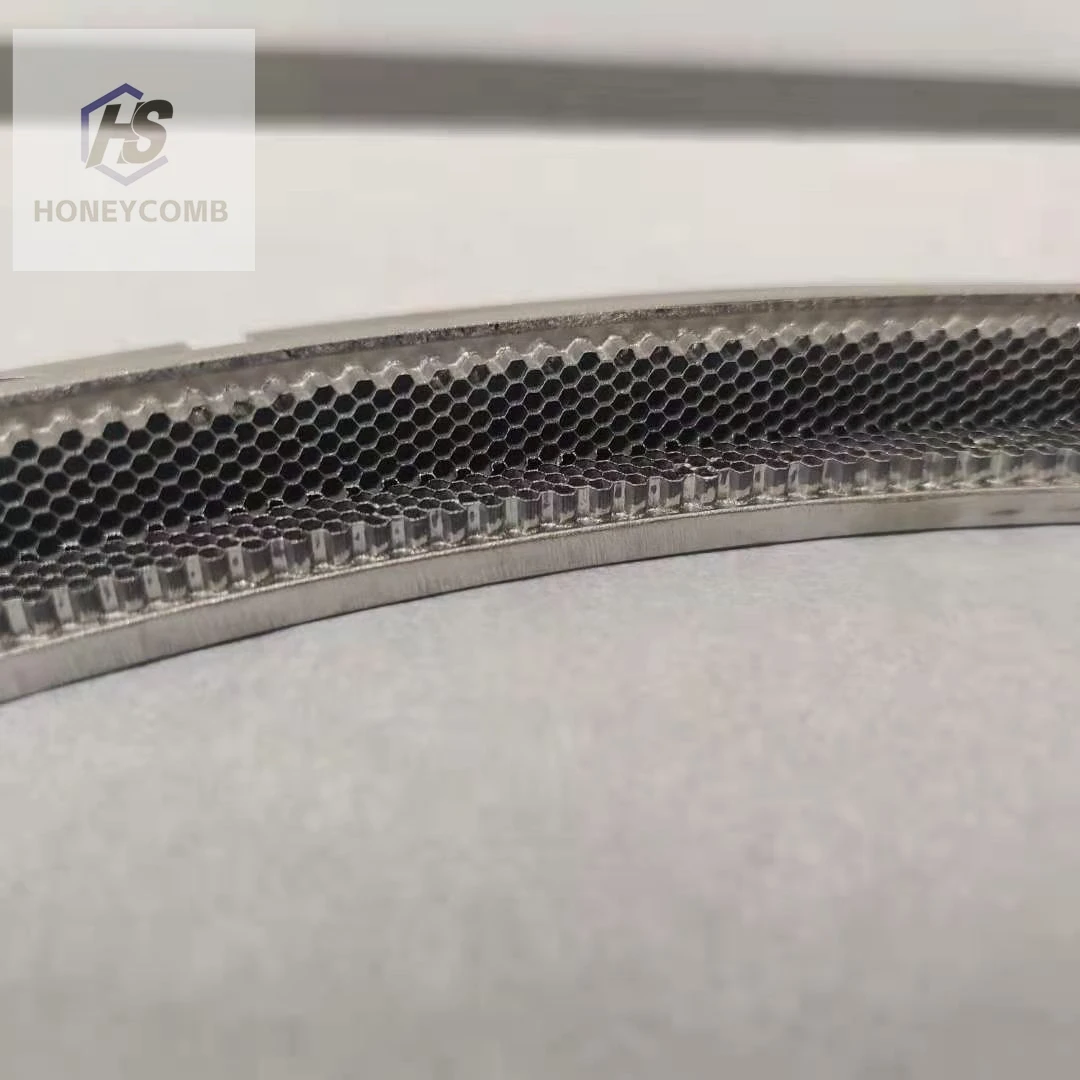
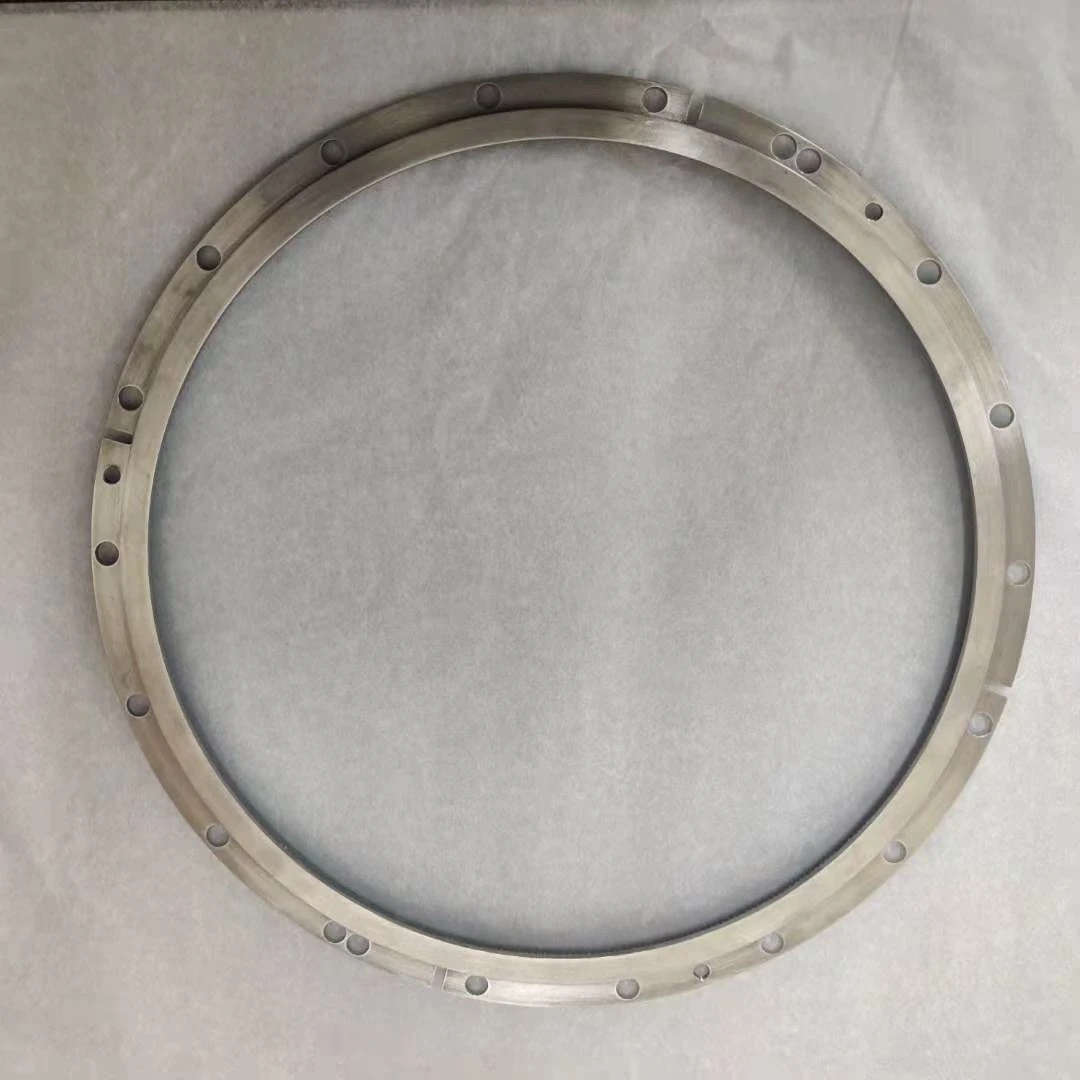
Honeycomb Waveguide Air Vents – EMI Shielding & Airflow
Honeycomb Waveguide Window/Panel: what really matters in 2025
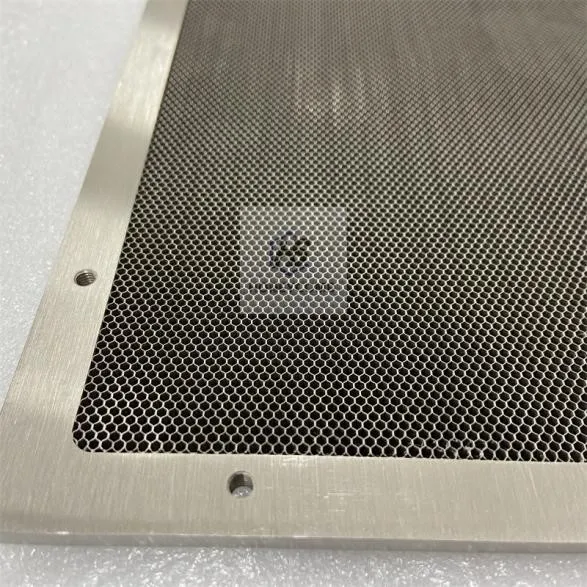
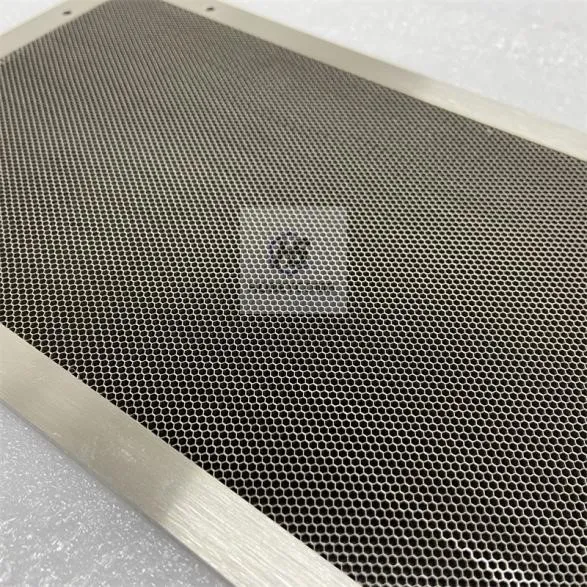
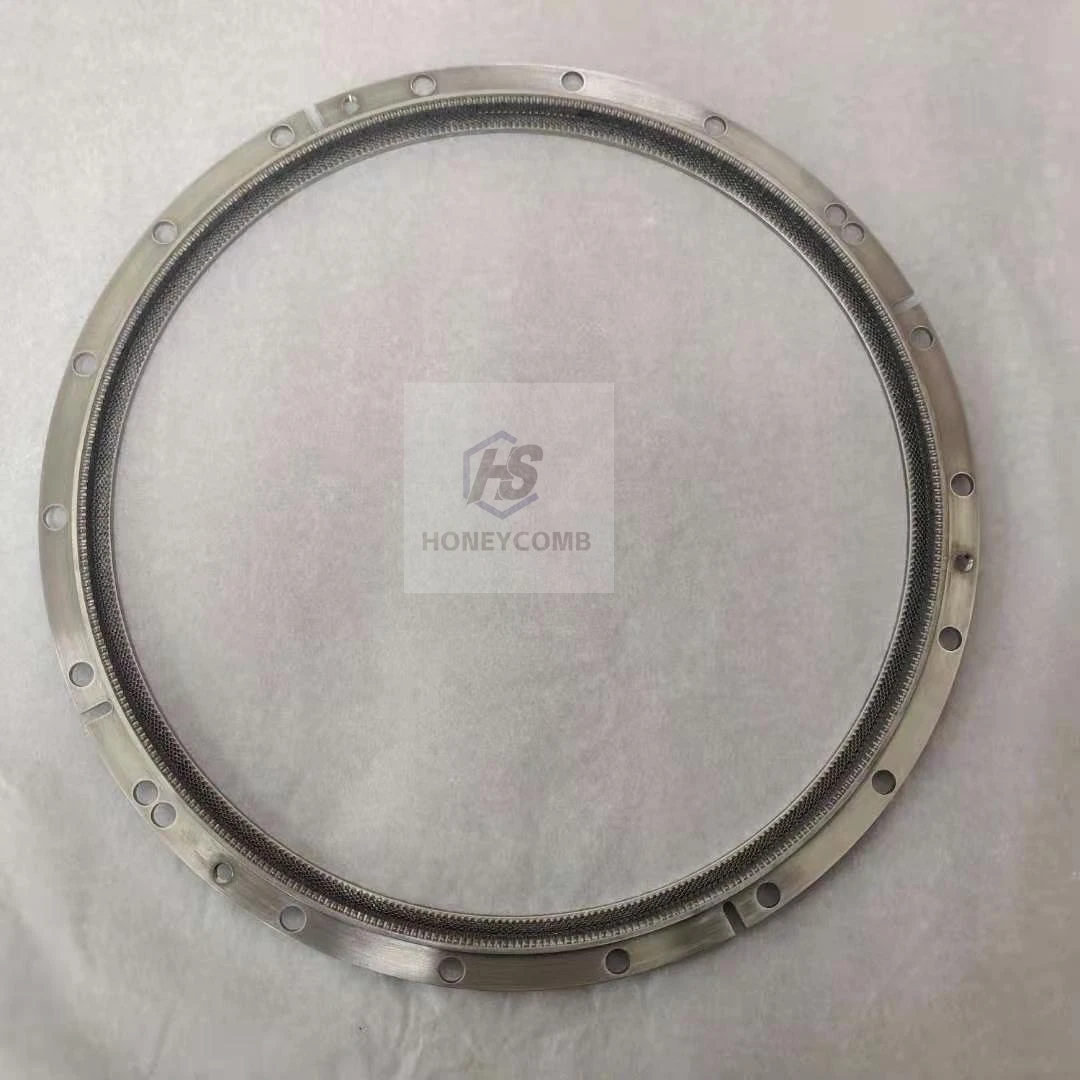
If you’re speccing honeycomb waveguide air vents for EMC-critical enclosures, a quick reality check: airflow is easy, stable shielding is hard. I’ve toured a few factories; only a handful run true high-temperature vacuum brazing at scale, which—honestly—shows up in the numbers months later in the field.
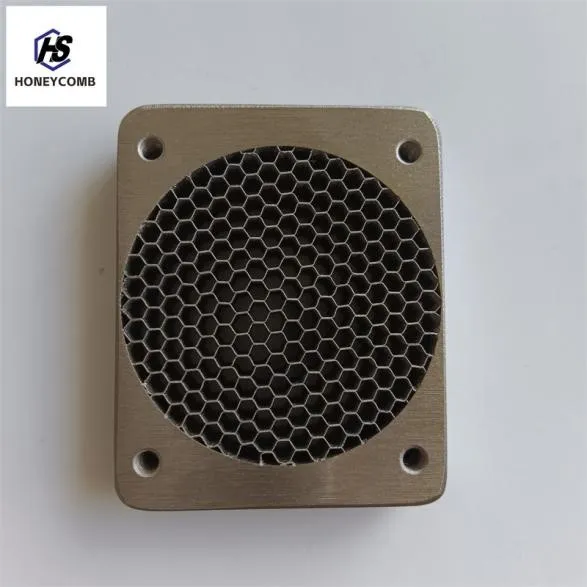
Industry trend: more RF noise, tighter footprints
5G/FR2, dense edge compute, EV chargers near residential blocks—EMI budgets are shrinking while thermal loads climb. The market is moving from glued assemblies to brazed, laser-welded panels for consistent shielding across temperature cycles. It sounds niche, but that consistency is the difference between 78 dB and 95 dB at 3–6 GHz in the wild.
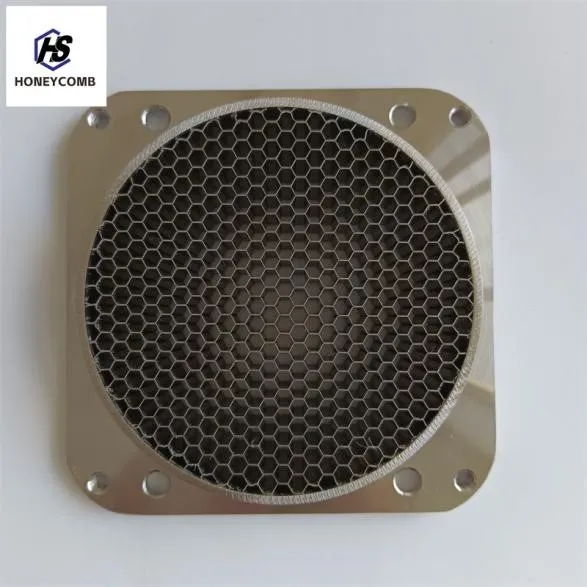
How they’re built (short version)
- Materials: Aluminum 5052/6061, copper, or stainless, chosen for conductivity vs. corrosion trade-offs.
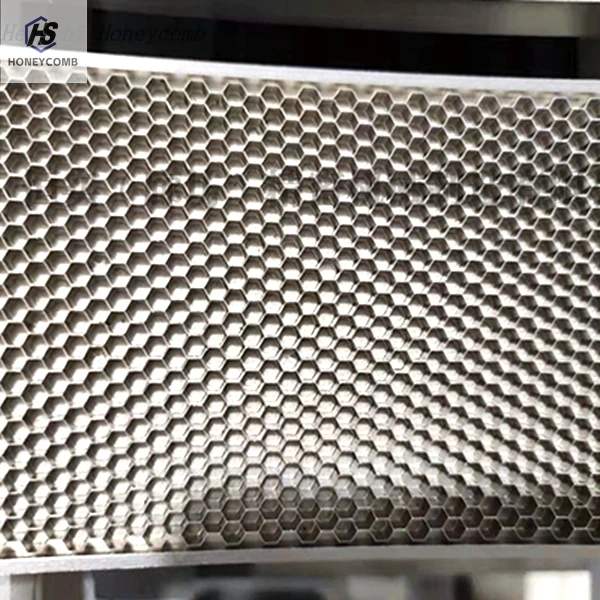
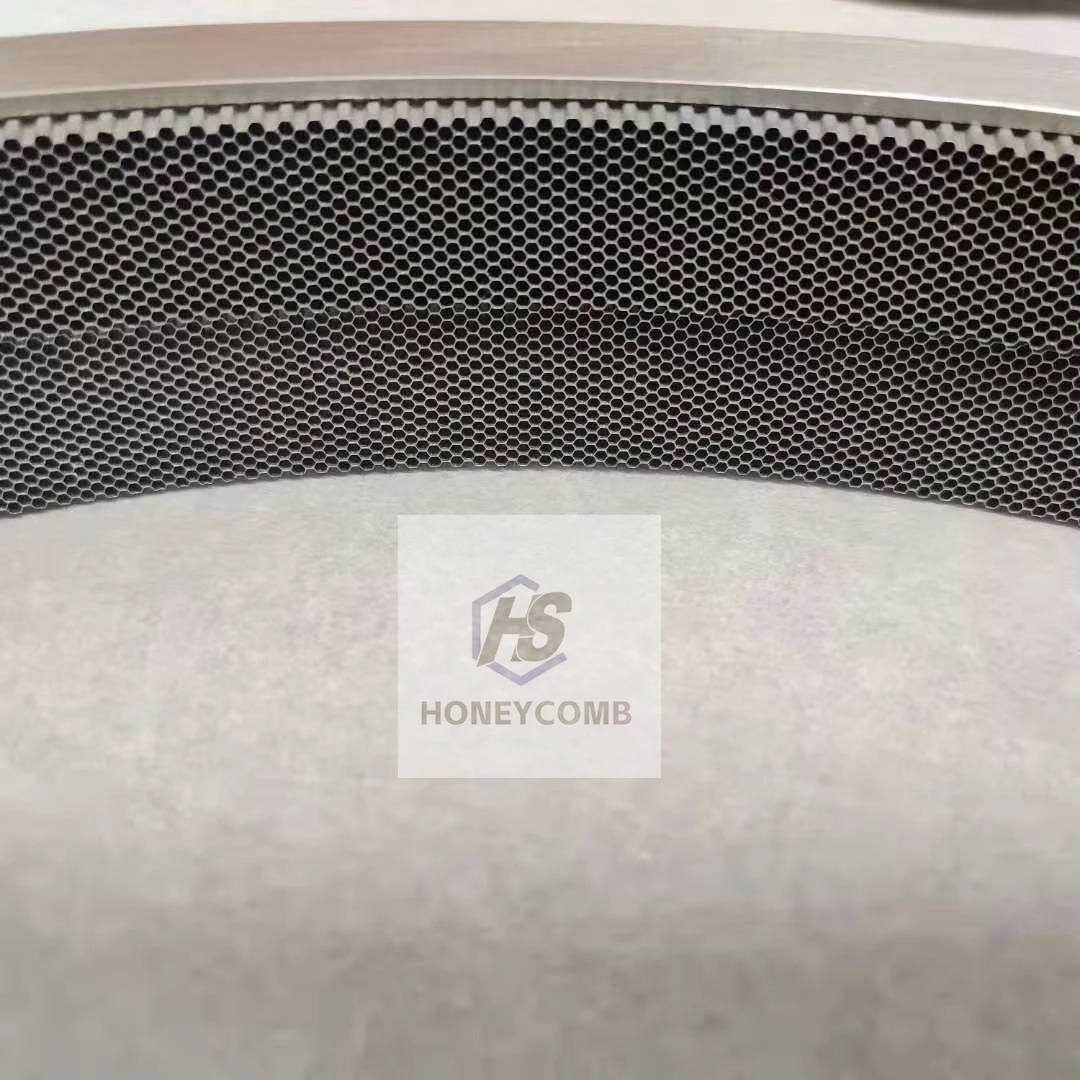
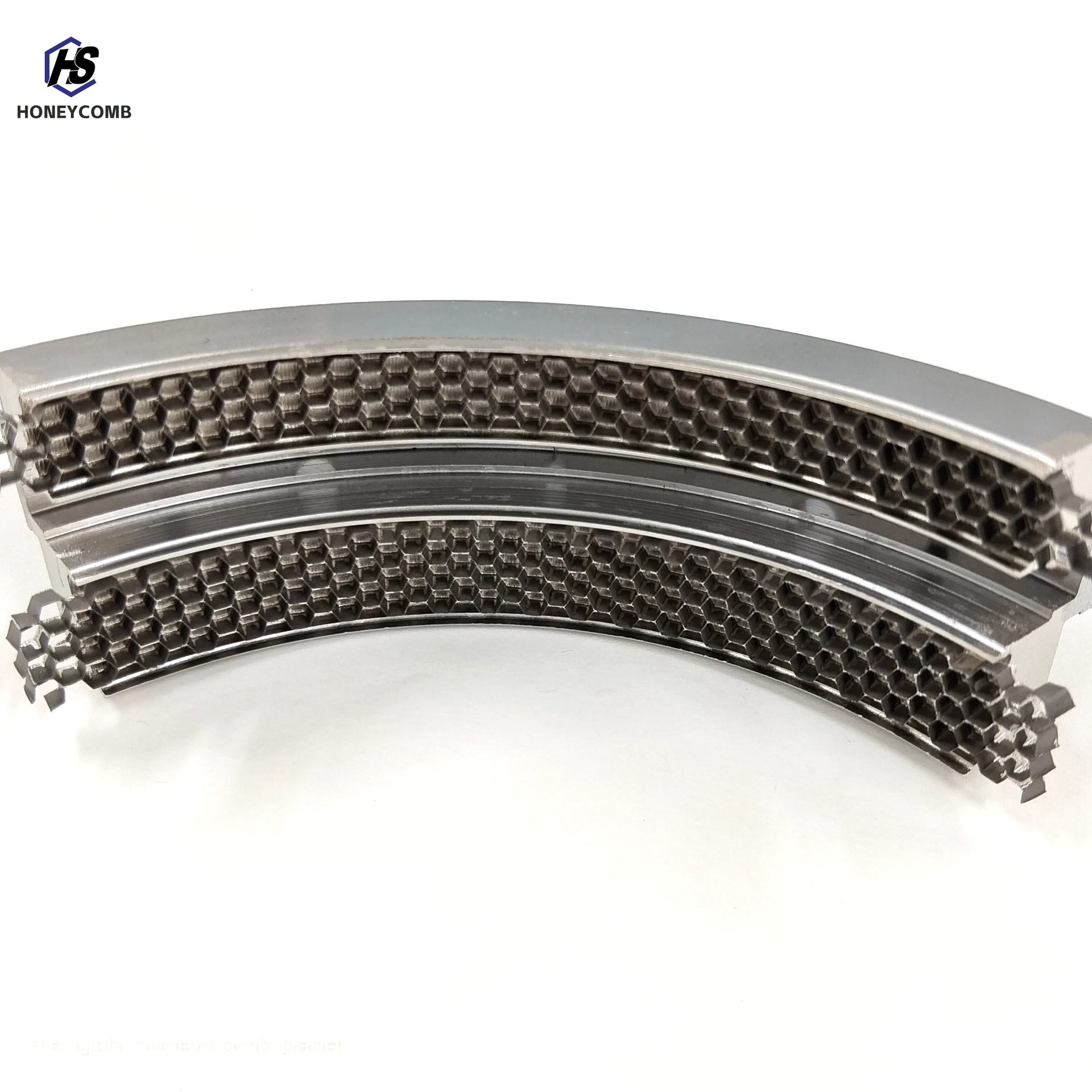
- Core: Hexagonal cells (typ. 1/8–1/4 in) expanded and sized to frequency targets.
- Frames: CNC’ed, then vacuum brazed for rigidity and RF continuity.
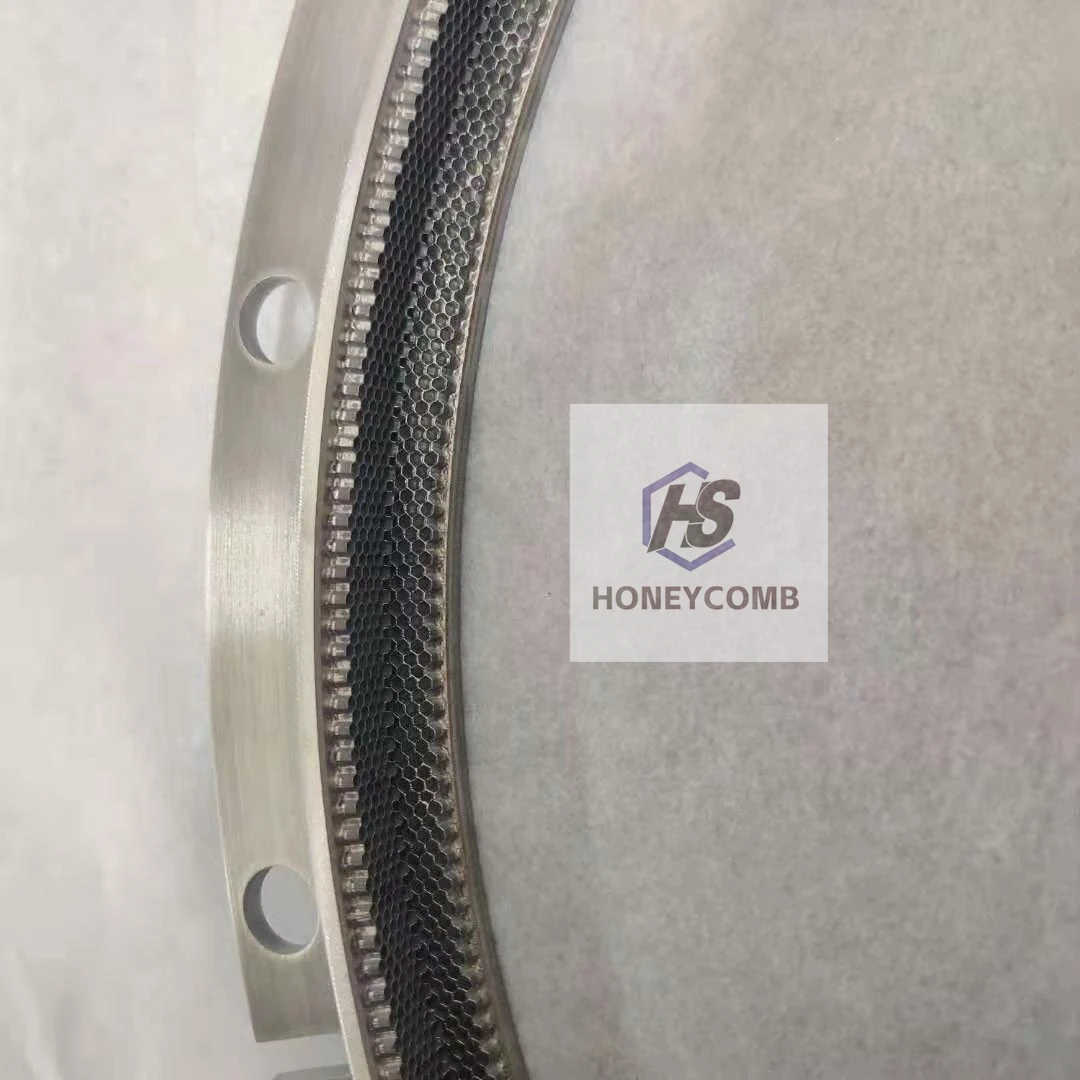
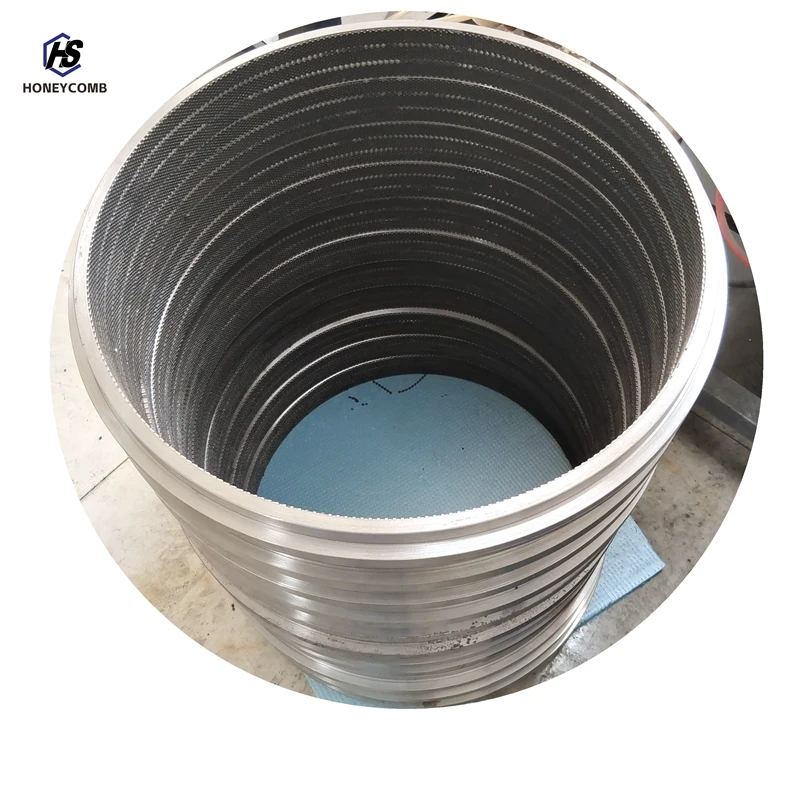
- Welding: Automatic laser spot welding for large panels or multi-stack builds.
- Finishes: Surtec/chem film, nickel, tin; conductive gaskets on request.
- Testing: Shielding per IEEE-299/MIL-STD-285, airflow in wind tunnel (AMCA-style), salt spray (ASTM B117).
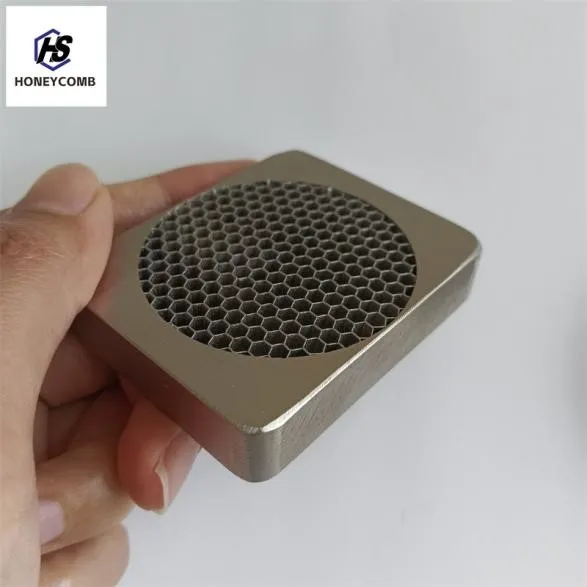
Specs at a glance
| Model | Honeycomb Waveguide Window/Panel |
| Core cell size | ≈3.2 mm (1/8") standard; 1.6–6.4 mm optional |
| Thickness | 6–25 mm typical; multi-stack for higher SE |
| Shielding effectiveness | 70–120 dB @ 1–10 GHz (real-world may vary) |
| Airflow open area | ≈90% for 1/8" cell, 6 mm thick |
| Pressure drop | ≈15–50 Pa @ 2 m/s, depending on stack and mesh |
| Finish options | Chem film, Ni, Sn; RoHS/REACH compliant |
| Service life | 10–15 years indoor; environment-dependent |
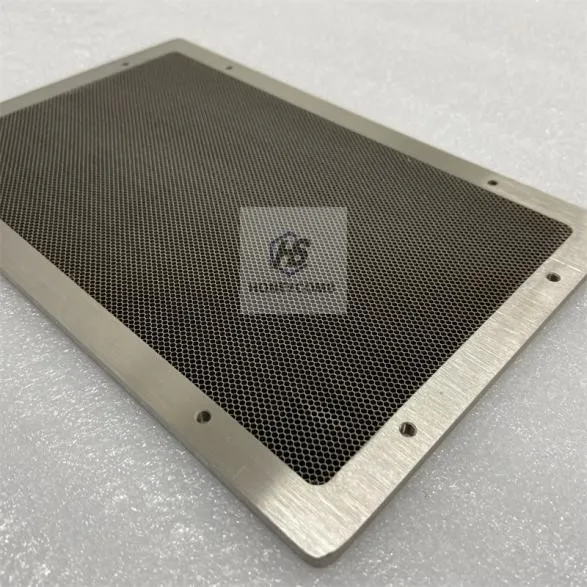
Applications and a quick case
Common use: 5G base stations, secure racks, avionics LRUs, naval consoles, EMC chambers, MRI suites, and rail traction cabinets. Many customers say swapping to honeycomb waveguide air vents with brazed frames cut RF leakage without choking fans—surprisingly rare to get both.
Case: Outdoor 5G RRU cabinet (South China). A multi-stack aluminum panel, nickel-plated, replaced a bonded honeycomb. Result: +18–25 dB SE at 2–6 GHz, pressure drop reduced ≈18% at 2.5 m/s, and no corrosion creep after 240 h ASTM B117. Lead time was ≈3 weeks due to in-house laser welding.

Vendor landscape (my notebook version)
| Vendor | Core Process | SE @ 3–6 GHz | Lead Time | Notes |
|---|---|---|---|---|
| HSHI (Hebei, China) | Vacuum brazing + auto laser spot welding | ≈90–110 dB | 2–4 weeks | Large-format panels; consistent joints |
| Vendor A | Epoxy-bonded honeycomb | ≈60–85 dB | 3–6 weeks | Lower cost; thermal drift risk |
| Vendor B | Brazed, manual welding | ≈80–100 dB | 4–8 weeks | Good SE; limited capacity |
Why HSHI keeps coming up
Origin: No.2, Tongda Street, High-tech area Gu'an County, Langfang, 065500, Hebei, China. The team puts it plainly: “We are one of the few honeycomb products manufacturers with high temperature vacuum brazing and auto laser spot welding facilities.” In practice, that’s why their honeycomb waveguide air vents don’t warp after heat soak, and why EMI numbers don’t drift across seasons.
Certifications: ISO 9001, RoHS/REACH declarations; third-party IEEE-299 reports available. Test fit and gasket kits on request.
Customization tips
- Target SE range and band first; cell size follows.
- Multi-stack for Ka-band or TEMPEST; accept higher pressure drop.
- Use nickel or tin for corrosion and gasket compatibility.
- Frame flatness matters; ask for CMM reports if racks are tall.
To be honest, most failures I see aren’t the vents—they’re grounding, gasketing, or frames. But starting with robust honeycomb waveguide air vents buys margin you’ll appreciate at certification time.
Authoritative references
- IEEE 299: Standard for Measuring Effectiveness of Electromagnetic Shielding Enclosures
- MIL-STD-285 (historical): Attenuation Measurements for Enclosures
- RTCA DO-160G/H: Environmental Conditions and Test Procedures for Airborne Equipment
- IEC 61000-4-3/-4-6: Immunity Test Methods
- AMCA 210/ASHRAE 51: Laboratory Methods of Testing Fans (airflow benchmarking)
- ASTM B117: Standard Practice for Salt Spray (Fog) Testing
-
Industrial Airflow Guide for maf воздушная правильная машинаNewsApr.16,2026
-
Best maf струйно правильная машина for Industrial EfficiencyNewsApr.09,2026
-
Сотовая правильная машина A Comprehensive Guide to Honey Packing AutomationNewsApr.07,2026
-
Build Your Own DIY газоправильная Машина A Comprehensive Guide to Gas CorrectionNewsApr.04,2026
-
Understanding Кондиционер отопления Systems for Efficient and Comfortable HeatingNewsMar.31,2026
-
Comprehensive Guide to Cellular Blinds Installation Установка сотовых жалюзиNewsMar.28,2026
-
Mobile Aerodynamic Tunnel Design A Comprehensive Guide to Applications and ImplementationNewsMar.26,2026






 English
  Afrikaans
  Albanian
  Amharic
  Arabic
  Armenian
  Azerbaijani
  Basque
  Belarusian
  Bengali
  Bosnian
  Bulgarian
  Catalan
  Cebuano
  China
China  China (Taiwan)
  Corsican
  Croatian
  Czech
Czech  Danish
  Dutch
Dutch  Esperanto
  Estonian
  Finnish
  French
  Frisian
  Galician
  Georgian
  German
  Greek
Greek  Gujarati
  Haitian Creole
  Hausa
Hausa  Hawaiian
  Hebrew
  Hindi
Hindi  Miao
Miao  Indonesian
  Italian
  Japanese
  Javanese
  Malay
Malay  Persian
  Portuguese
  Punjabi
  Russian
  Spanish
  Swahili
  Telugu
  Vietnamese