


Honeycomb Plåt - Strong, Lightweight Panels for Industrial Use
Honeycomb Plåt: A Durable Backbone for Industrial Applications
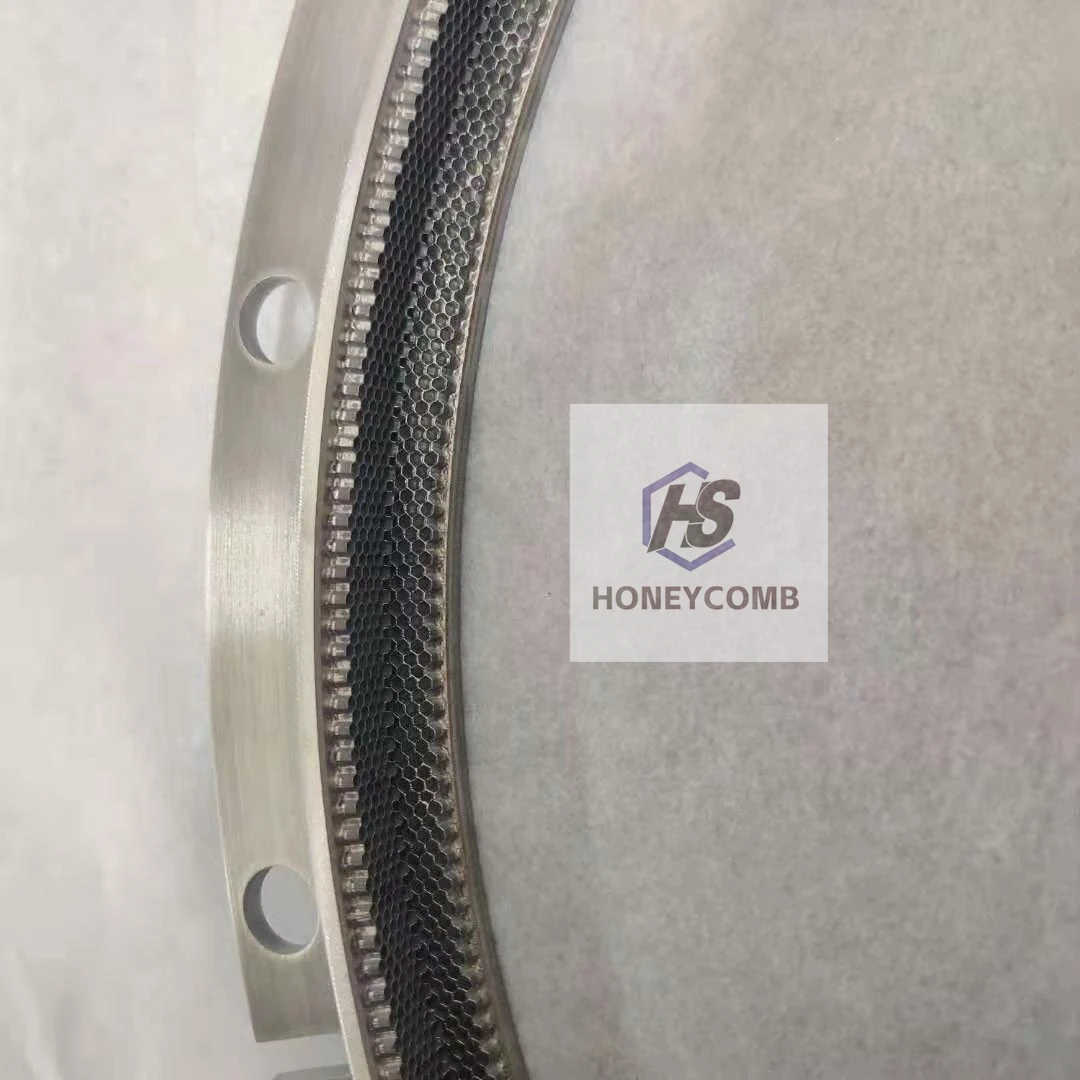
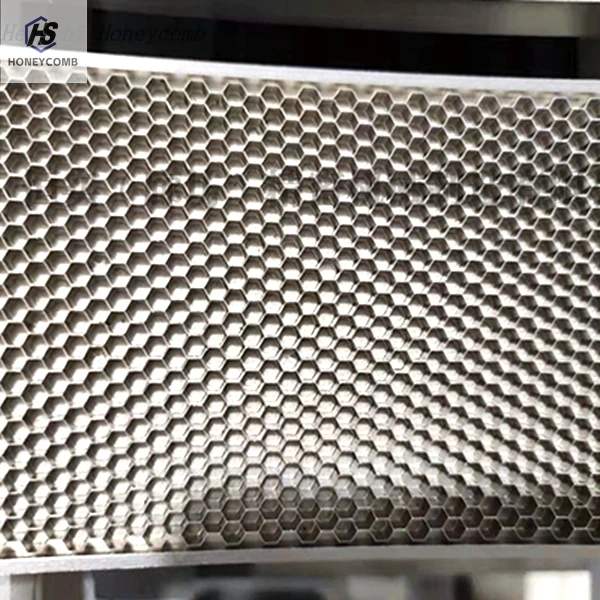
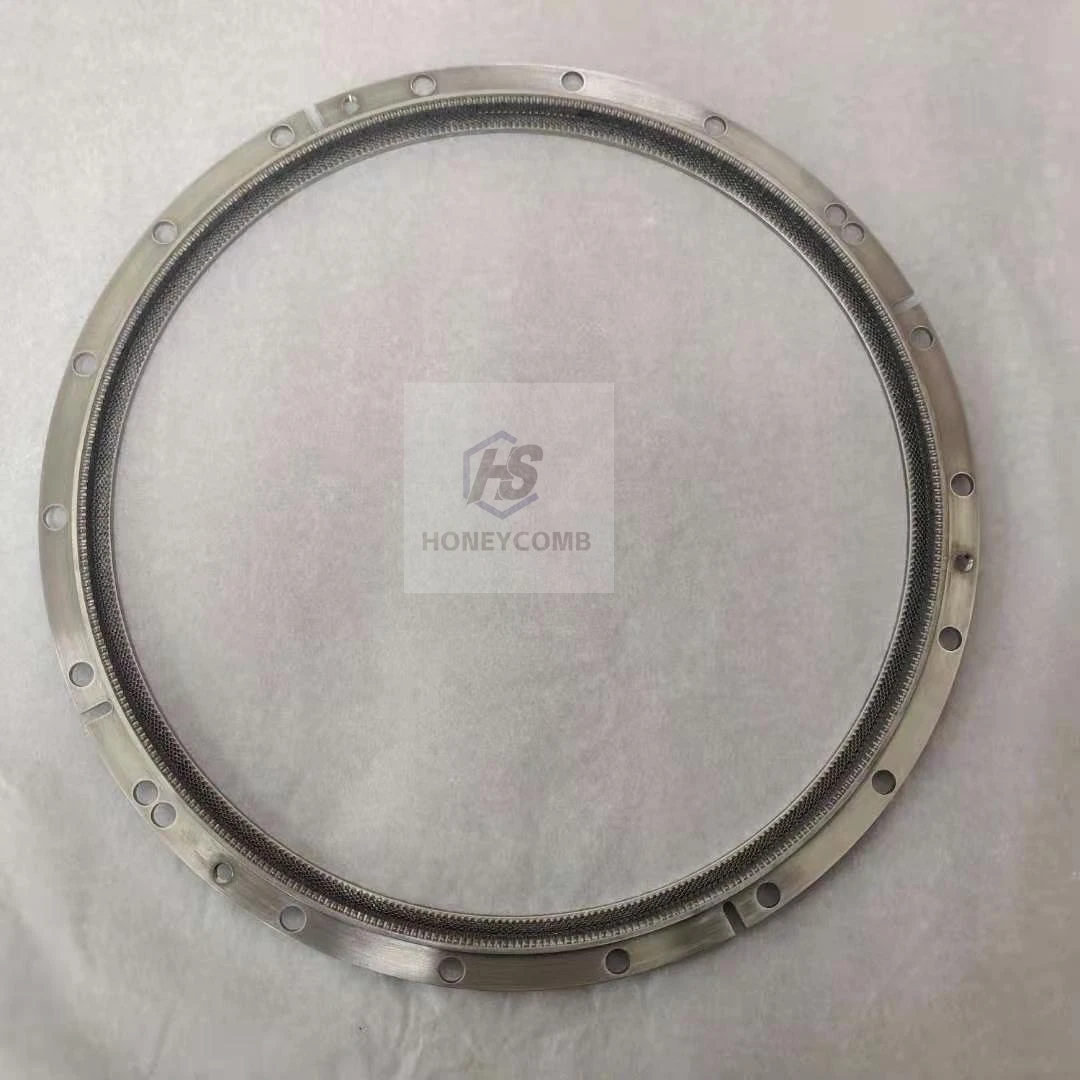
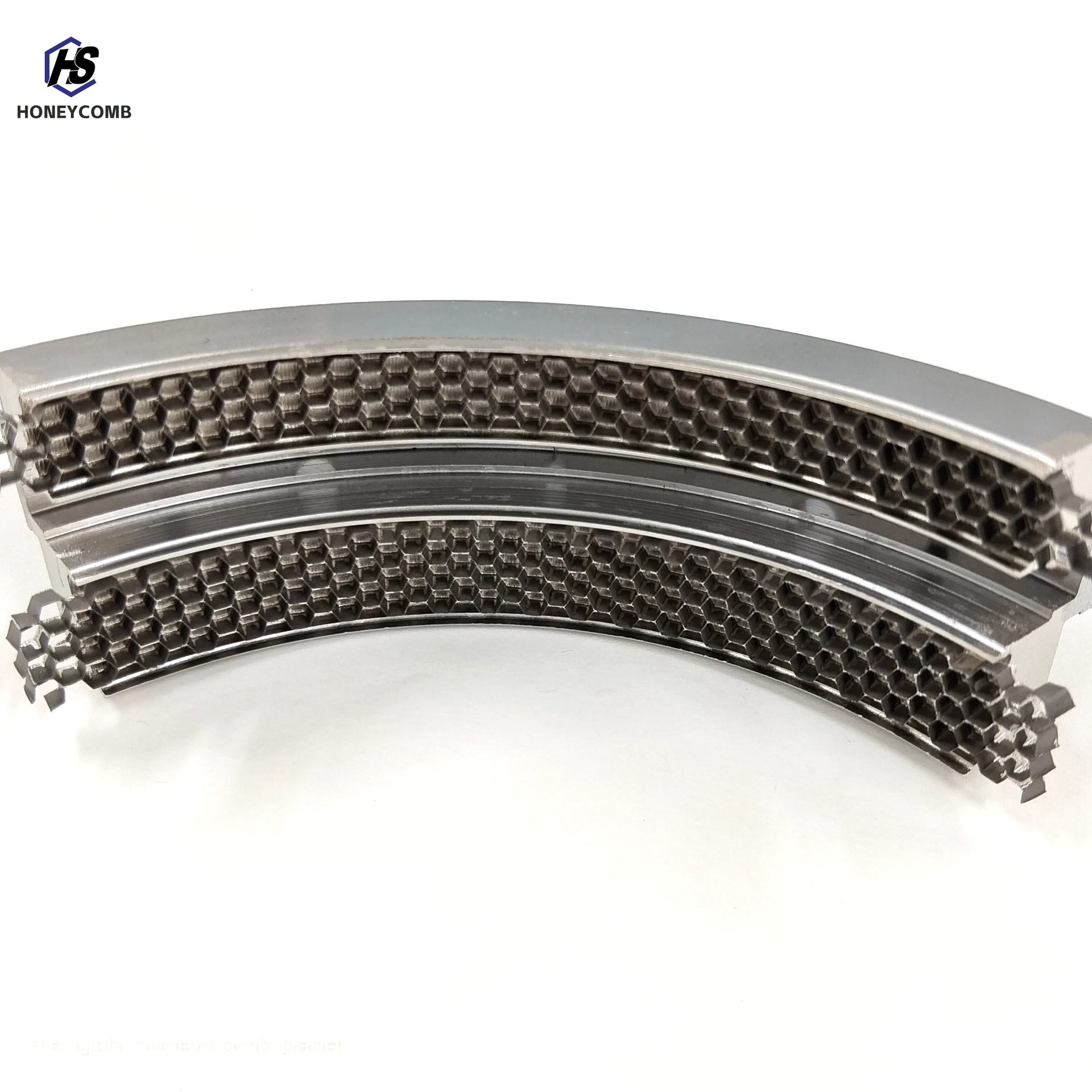
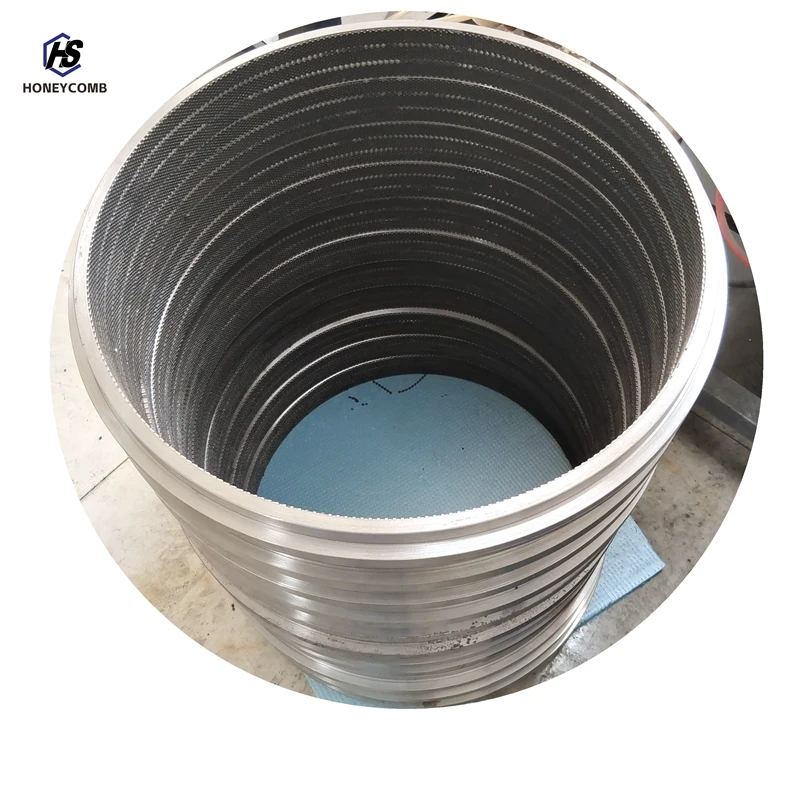
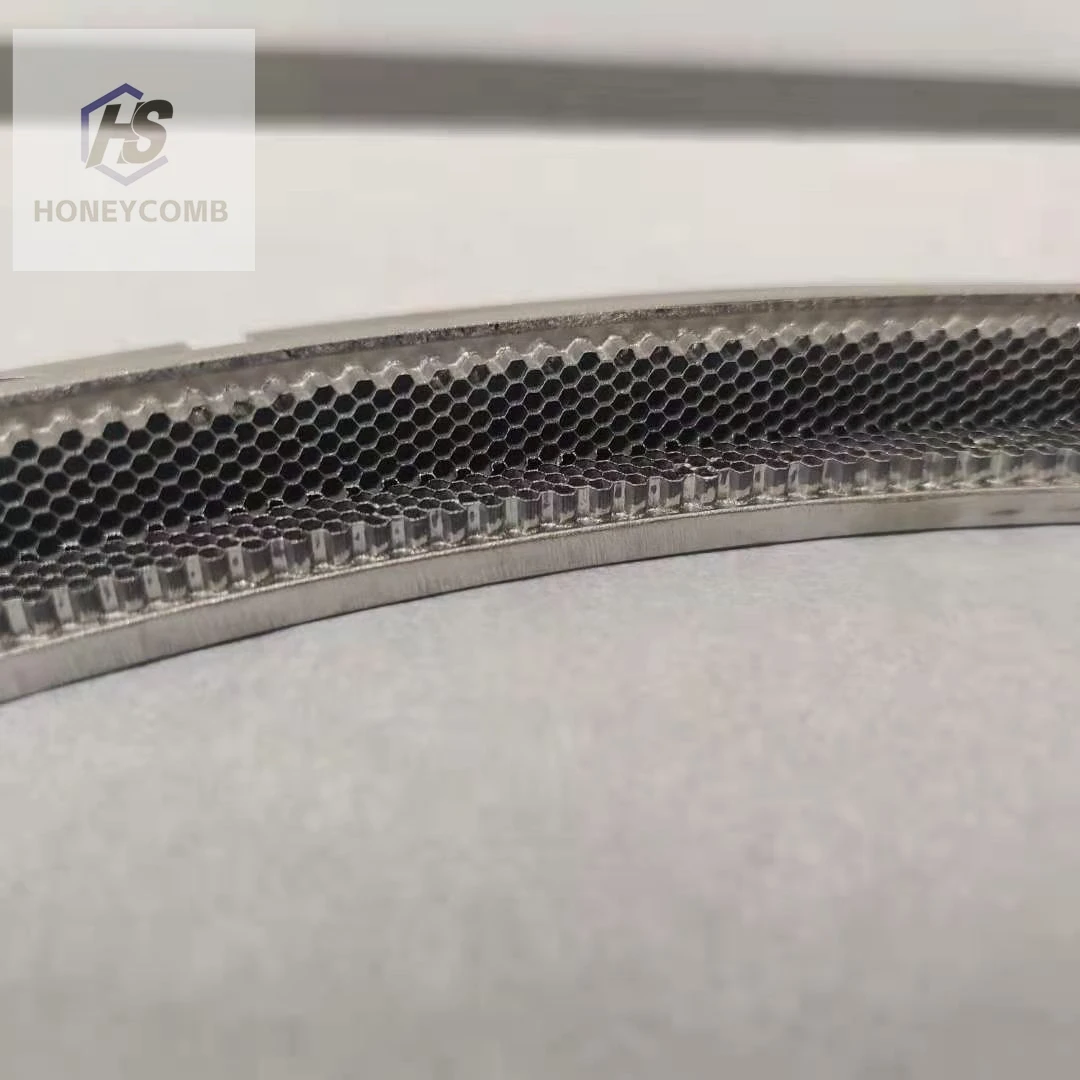
Having spent quite a few years elbow-deep in industrial equipment, I’ve come to appreciate the subtle strength of materials you don’t always notice at first glance. Take the honeycomb plåt, for instance — it’s one of those unsung heroes in structural engineering. At face value, it’s just a sheet filled with an array of hexagonal cells, but the real magic lies in how that design yields a material that’s lightweight but incredibly strong.
Oddly enough, the honeycomb structure is inspired by nature — bees literally figured out the most material-efficient way to build their hives. Engineers borrowed that idea, and the result is a sheet with exceptional stiffness-to-weight ratio. In practical terms, this means you get robust panels for frame reinforcements, aerospace components, or heavy-duty industrial shields without lugging extra weight.
What Makes Honeycomb Plåt Special?
Over the years, I’ve noticed that clients often have two main priorities: durability and customization. Honeycomb plåt checks both boxes. Depending on the application, you can specify cell sizes, core thickness, and surface materials. Most commonly, aluminum or steel facings sandwich the honeycomb core, giving you a composite that won’t easily warp under heavy loads.
Many engineers say the testing standards for honeycomb panels can be strict, and rightfully so. We’re talking about applications where failure is not an option — aircraft bulkheads or industrial flooring, for example. So the material undergoes rigorous stress tests, moisture resistance trials, and thermal cycling to ensure it holds up in real-world conditions.
| Specification | Typical Range |
|---|---|
| Core Material | Aluminum, Nomex, Steel, Paper |
| Cell Size | 3 mm to 50 mm |
| Panel Thickness | 5 mm to 150 mm |
| Facing Materials | Aluminum, Stainless Steel, Carbon Fiber |
| Weight | 0.4 to 10 kg/m² (varies by material/thickness) |
From my experience, it’s not just about off-the-shelf specs. Suppliers who offer flexibility to tweak thickness, materials, or even panel finishes tend to get the repeat business. One project I recall—installing honeycomb panels into custom modular flooring systems for a factory—needed panels that were both chemical resistant and easy to clean. A vendor who suggested a stainless steel facing nailed it perfectly.
Comparing Leading Honeycomb Plåt Vendors
Like any niche sector, the differences between suppliers can be subtle but matter a lot on the job site. Below is a simple comparison table based on my observations and conversations with peers.
| Vendor | Material Options | Customization Level | Lead Time | Typical Industries Served |
|---|---|---|---|---|
| HSHi Honeycomb | Aluminum, Steel, Nomex | High (cell size, thickness, finish) | 2-4 weeks | Aerospace, Construction, Industrial |
| Supplier B | Aluminum, Paper | Medium | 3-6 weeks | Packaging, Furniture |
| Supplier C | Nomex only | Low | 1-2 weeks | Aerospace, OEM |
In my honest opinion, the sweet spot is a vendor who balances prompt turnaround with high customization like HSHi Honeycomb (linked above). Depending on your project, that flexibility can make all the difference when specs change or unforeseen challenges pop up.
To wrap it up, honeycomb plåt continues to be a staple in demanding industries because it can stand the test of time, literally holding up key infrastructure without adding unnecessary weight. I suppose if you’re specifying materials for your next project, giving this a closer look — especially via trusted suppliers — might save you headaches down the line.
References:
- “Honeycomb Structures and Sandwich Panels” – Engineering Textbook, 2019
- HSHi Honeycomb Product Data Sheets (2024)
- Industrial Material Reports, 2023

-
Industrial Airflow Guide for maf воздушная правильная машинаNewsApr.16,2026
-
Best maf струйно правильная машина for Industrial EfficiencyNewsApr.09,2026
-
Сотовая правильная машина A Comprehensive Guide to Honey Packing AutomationNewsApr.07,2026
-
Build Your Own DIY газоправильная Машина A Comprehensive Guide to Gas CorrectionNewsApr.04,2026
-
Understanding Кондиционер отопления Systems for Efficient and Comfortable HeatingNewsMar.31,2026
-
Comprehensive Guide to Cellular Blinds Installation Установка сотовых жалюзиNewsMar.28,2026
-
Mobile Aerodynamic Tunnel Design A Comprehensive Guide to Applications and ImplementationNewsMar.26,2026






 English
  Afrikaans
  Albanian
  Amharic
  Arabic
  Armenian
  Azerbaijani
  Basque
  Belarusian
  Bengali
  Bosnian
  Bulgarian
  Catalan
  Cebuano
  China
China  China (Taiwan)
  Corsican
  Croatian
  Czech
Czech  Danish
  Dutch
Dutch  Esperanto
  Estonian
  Finnish
  French
  Frisian
  Galician
  Georgian
  German
  Greek
Greek  Gujarati
  Haitian Creole
  Hausa
Hausa  Hawaiian
  Hebrew
  Hindi
Hindi  Miao
Miao  Indonesian
  Italian
  Japanese
  Javanese
  Malay
Malay  Persian
  Portuguese
  Punjabi
  Russian
  Spanish
  Swahili
  Telugu
  Vietnamese