


Lightweight Strength with Bikakestruktur av Aluminium | Industrial Use
Understanding the Bikakestruktur av Aluminium in Industrial Applications
Having clocked quite a few years in the industrial equipment world, I’ve often come across materials and components that are deceptively simple in design but utterly vital in function. One such fascinating piece is the bikakestruktur av aluminium — or aluminum honeycomb structures, as we'd call them in English.
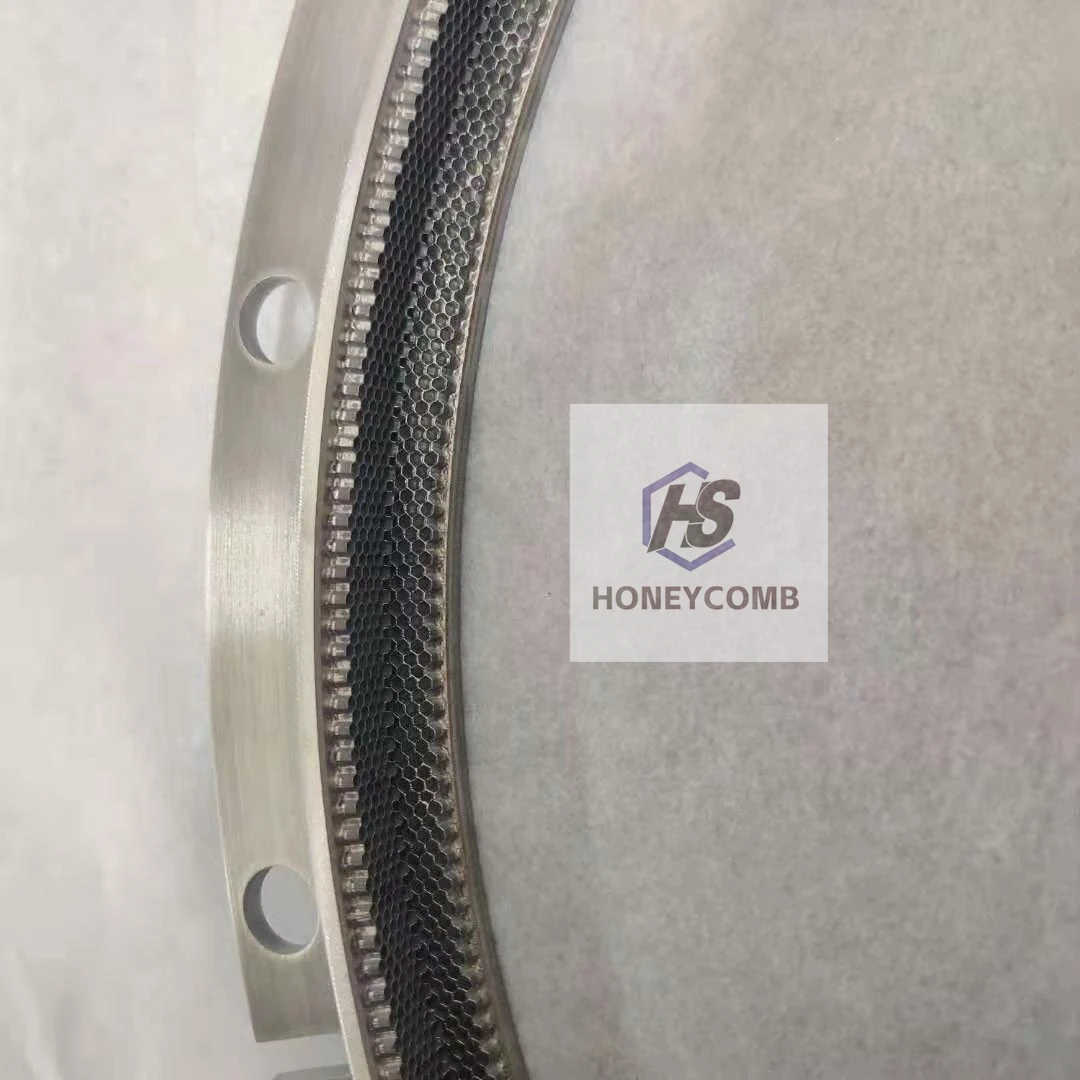
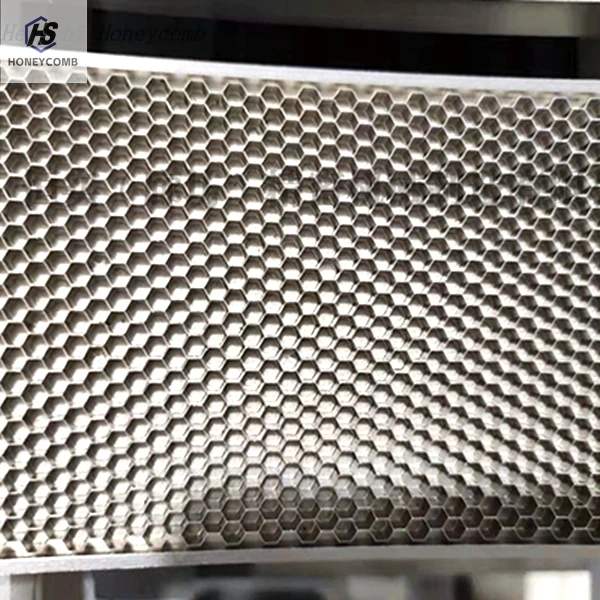
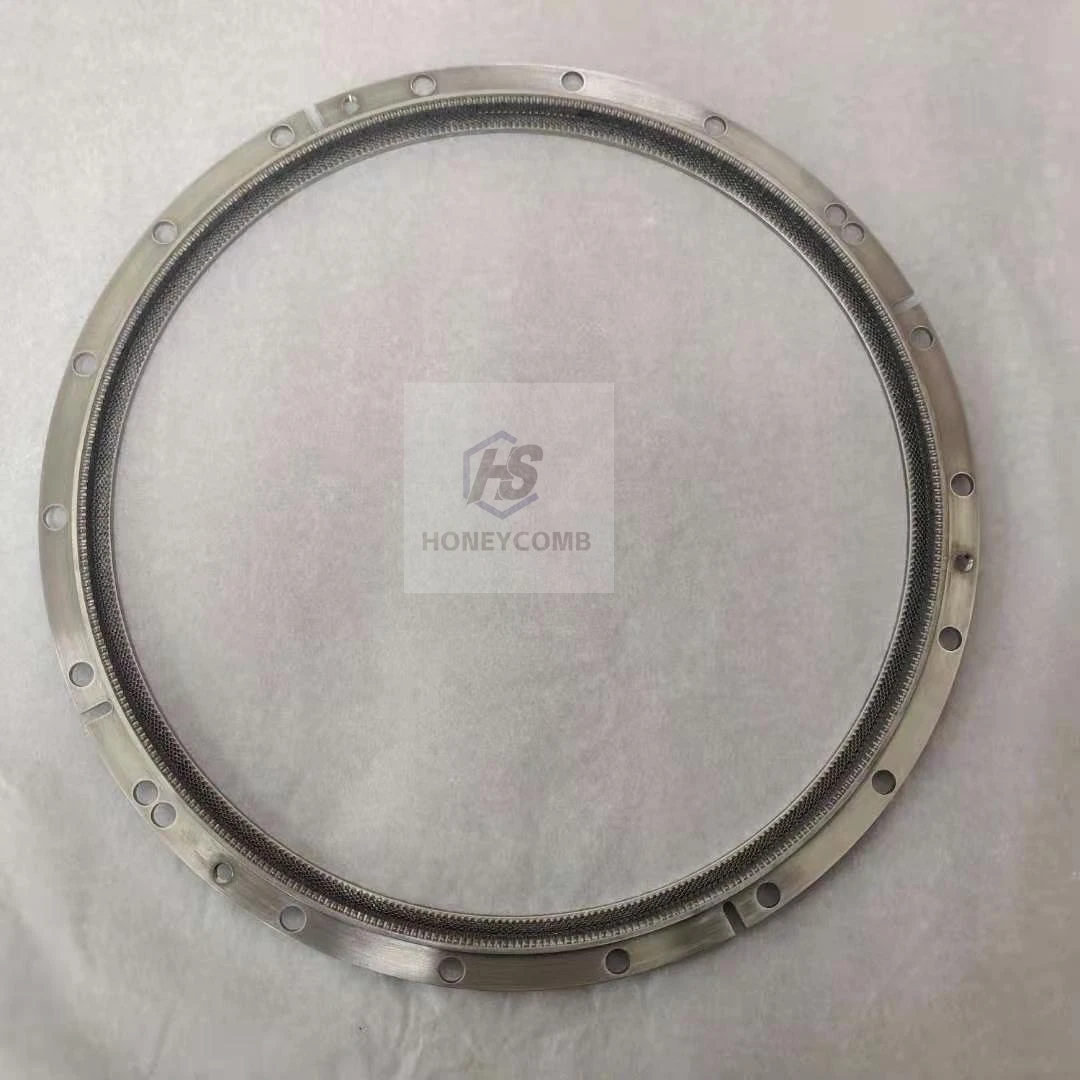
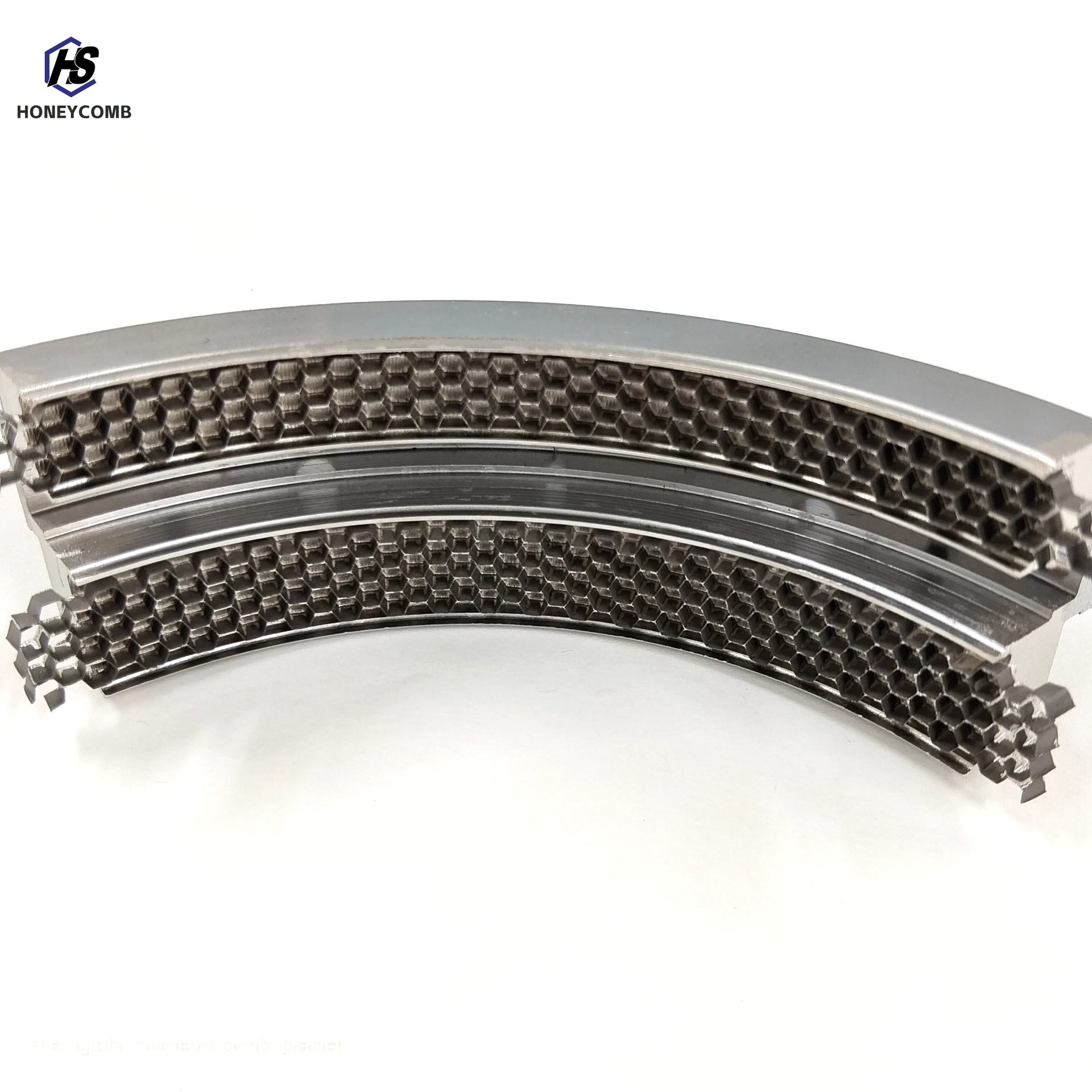
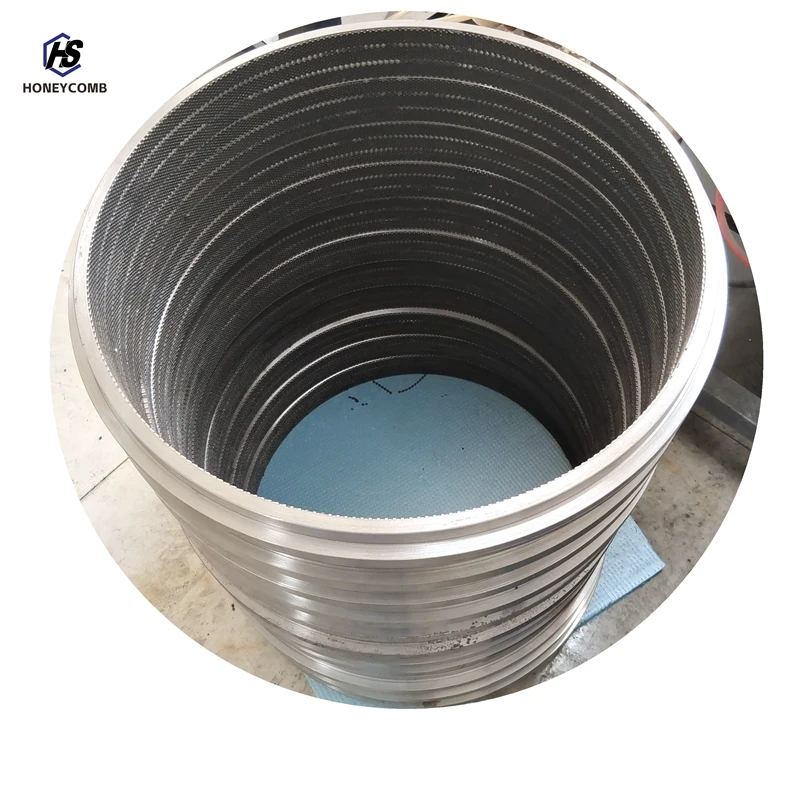
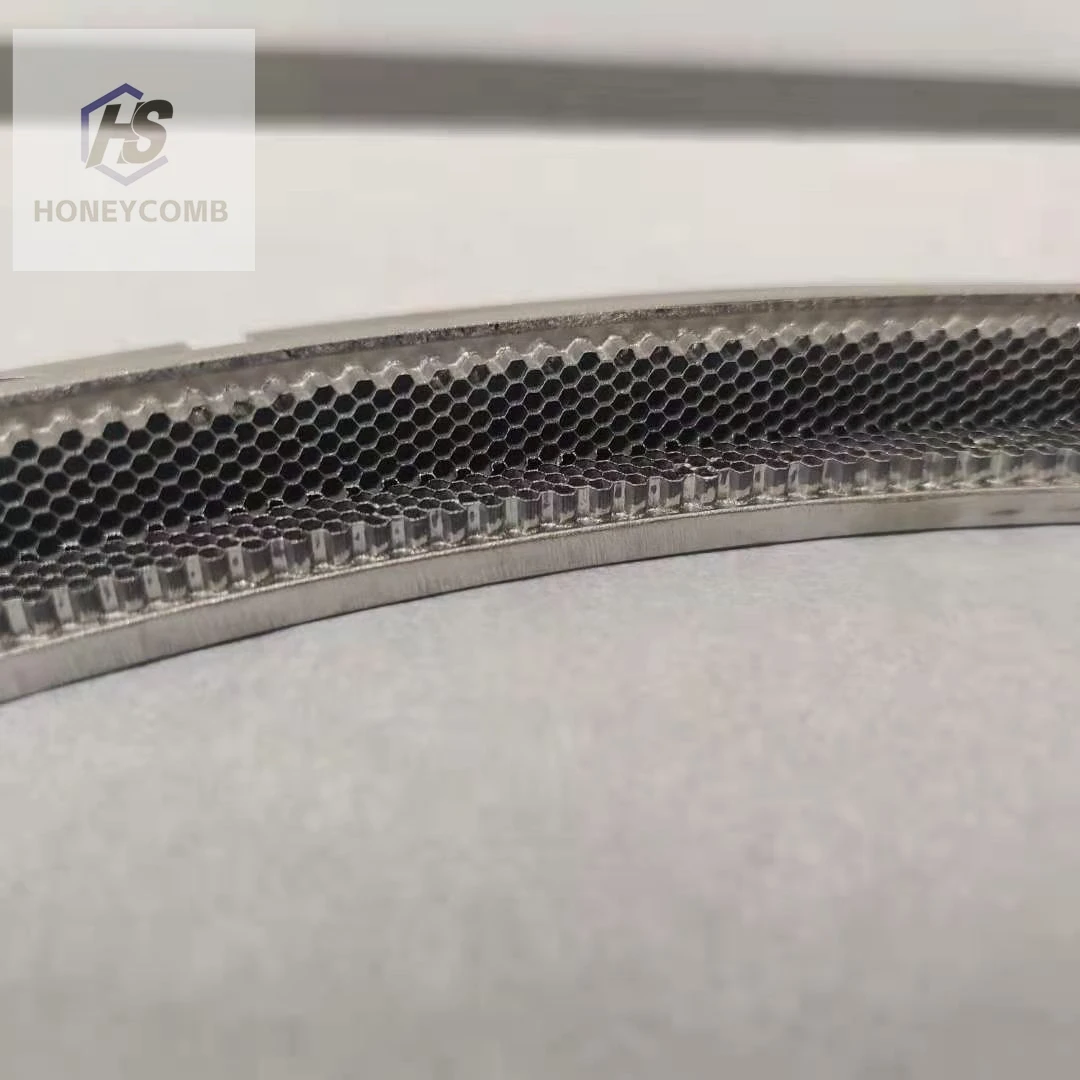
Oddly enough, the honeycomb metaphor isn’t just poetic; it’s an engineering marvel mimicking nature’s efficiency. Basically, it involves bonding sheets of aluminum formed into a hexagonal cell core, creating a sandwich panel. This innovation strikes a compelling balance between lightweight and strength — qualities industrial designers drool over.
In real-world terms, these structures have revolutionized industries from aerospace to automotive to construction. I remember working on a project involving a lightweight vehicle frame where switching to aluminum honeycomb panels shaved off nearly 25% of the weight without sacrificing rigidity. Manufacturers seem to love the flexibility they afford: you can customize cell size, thickness, bonding adhesives... the works.
Why Industry Leaders Prefer Aluminium Honeycomb
There are plenty of reasons to opt for aluminum honeycomb materials, but here’s what really stands out from my experience:
- Exceptional Strength-to-Weight Ratio: The geometry lends support against compressive and shear forces while keeping weight minimal. Frankly, it feels like a material that does more with less.
- Corrosion Resistance: Aluminum fans will appreciate this — the panels withstand tough environments better than many composites or steels.
- Thermal and Acoustic Insulation: The cells trap air, offering additional protection against heat transfer and noise.
- Customization: Vendors typically allow variations in core thickness, cell size, and surface treatments. This versatility is indispensable when prototyping or modifying designs.
Still, no product is without trade-offs. One engineer once told me, “If you don’t pay attention during fabrication, those cell edges can get crushed—losing strength and spoiling your panel.” So, handling and manufacturing precision remain critical.
Key Specifications of Aluminium Honeycomb Panels
| Specification | Typical Value | Unit |
|---|---|---|
| Cell Size | 6 - 40 | mm (diameter) |
| Core Thickness | 3 - 150 | mm |
| Panel Width (max) | 1400 | mm |
| Panel Length (max) | 3000 | mm |
| Raw Material Thickness | 0.03 - 0.12 | mm |
Comparing Key Aluminium Honeycomb Providers
Choosing the right vendor is a bit more nuanced than just specs. I’ve worked with a few over the years and it’s clear that customer service and fabrication know-how can make or break your experience. Here’s a simple comparison of three industry players, including the one from my trusted source.
| Feature | Hshihoneycomb | Competitor A | Competitor B |
|---|---|---|---|
| Customization Options | Extensive | Moderate | Limited |
| Lead Time | 2-3 weeks | 3-4 weeks | 4-6 weeks |
| Technical Support | Excellent | Good | Fair |
| Price Level | Competitive | Higher | Lower |
It’s worth noting that hshihoneycomb consistently ranks high for customization and technical support, which frankly can save you headaches down the line. I’ve seen firsthand how their advice on core thickness choices improved a client’s structural integrity without inflating costs.
A Quick Client Anecdote
A client, a mid-sized aerospace parts manufacturer, once shared how switching to aluminum honeycomb panels from standard aluminum sheets enabled them to meet stringent weight restrictions for a drone component. I remember the satisfaction in their feedback — “It’s like getting the best of both worlds: strength without bulk.” That kind of impact is why I keep believing in this material’s potential.
To wrap it up, bikakestruktur av aluminium is not just a buzzword; it’s a material solution that keeps evolving and proving its worth in demanding industrial contexts. If you’re involved in lightweight construction or equipment design, it feels almost silly not to explore it.
At the end of the day, smart choices here save you time, cost, and sometimes a lot of frustration—or worse, failure down the line.
Reflecting on the journey of aluminum honeycomb, it’s clear that marrying natural inspiration with industrial precision can produce materials that feel ahead of their time even decades later.
- “Aluminum Honeycomb Core Panels,” Aerospace Materials Handbook, 2021.
- Smith, J. “Lightweight Structures in Vehicle Design,” Industrial Engineering Journal, 2019.
- Technical overview, Hshihoneycomb official documentation, 2023.

-
Industrial Airflow Guide for maf воздушная правильная машинаNewsApr.16,2026
-
Best maf струйно правильная машина for Industrial EfficiencyNewsApr.09,2026
-
Сотовая правильная машина A Comprehensive Guide to Honey Packing AutomationNewsApr.07,2026
-
Build Your Own DIY газоправильная Машина A Comprehensive Guide to Gas CorrectionNewsApr.04,2026
-
Understanding Кондиционер отопления Systems for Efficient and Comfortable HeatingNewsMar.31,2026
-
Comprehensive Guide to Cellular Blinds Installation Установка сотовых жалюзиNewsMar.28,2026
-
Mobile Aerodynamic Tunnel Design A Comprehensive Guide to Applications and ImplementationNewsMar.26,2026






 English
  Afrikaans
  Albanian
  Amharic
  Arabic
  Armenian
  Azerbaijani
  Basque
  Belarusian
  Bengali
  Bosnian
  Bulgarian
  Catalan
  Cebuano
  China
China  China (Taiwan)
  Corsican
  Croatian
  Czech
Czech  Danish
  Dutch
Dutch  Esperanto
  Estonian
  Finnish
  French
  Frisian
  Galician
  Georgian
  German
  Greek
Greek  Gujarati
  Haitian Creole
  Hausa
Hausa  Hawaiian
  Hebrew
  Hindi
Hindi  Miao
Miao  Indonesian
  Italian
  Japanese
  Javanese
  Malay
Malay  Persian
  Portuguese
  Punjabi
  Russian
  Spanish
  Swahili
  Telugu
  Vietnamese