


Stainless Steel Honeycomb A Comprehensive Guide to Acier Inoxydable en Nid d'Abeille
Acier Inoxydable en Nid d'Abeille: A Comprehensive Guide
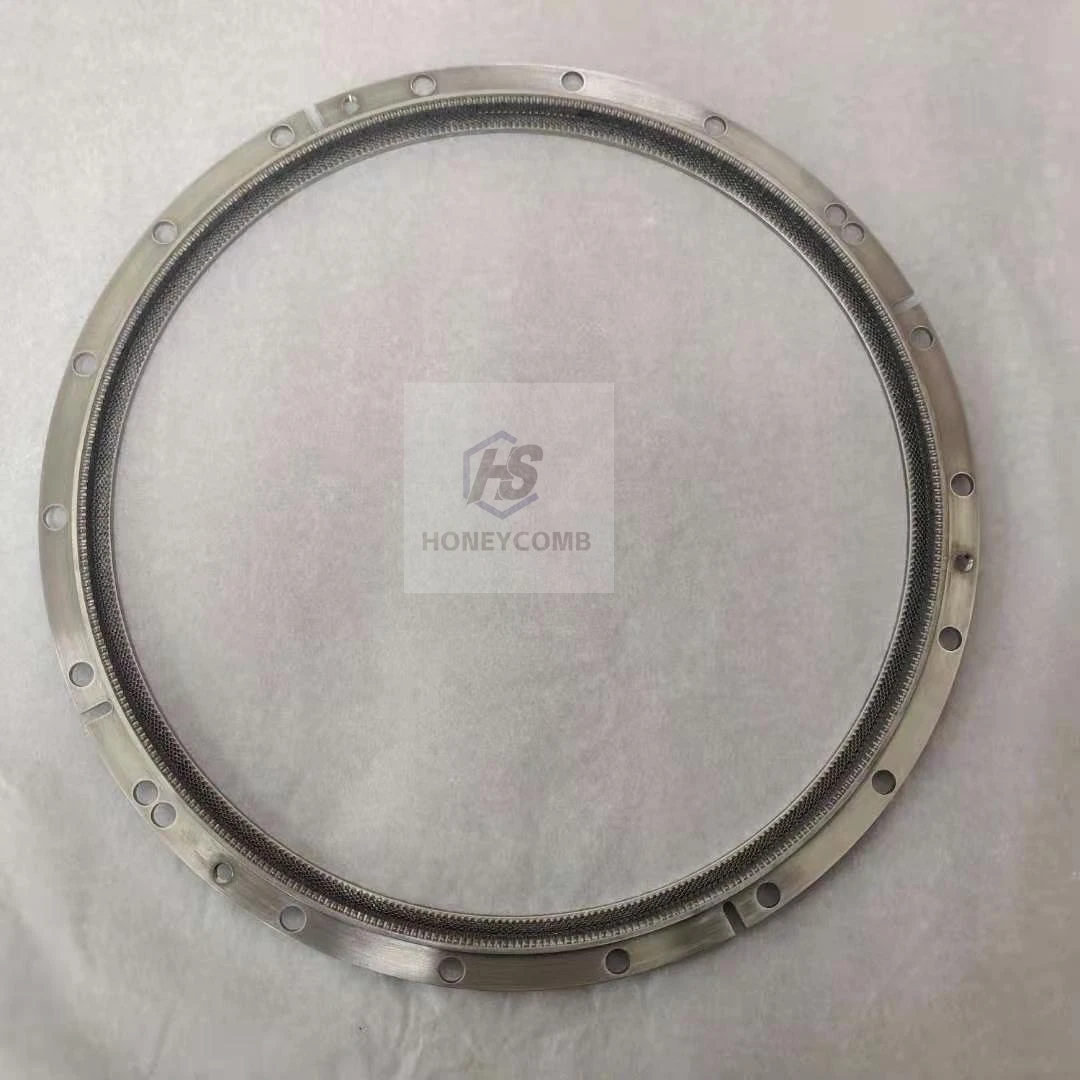
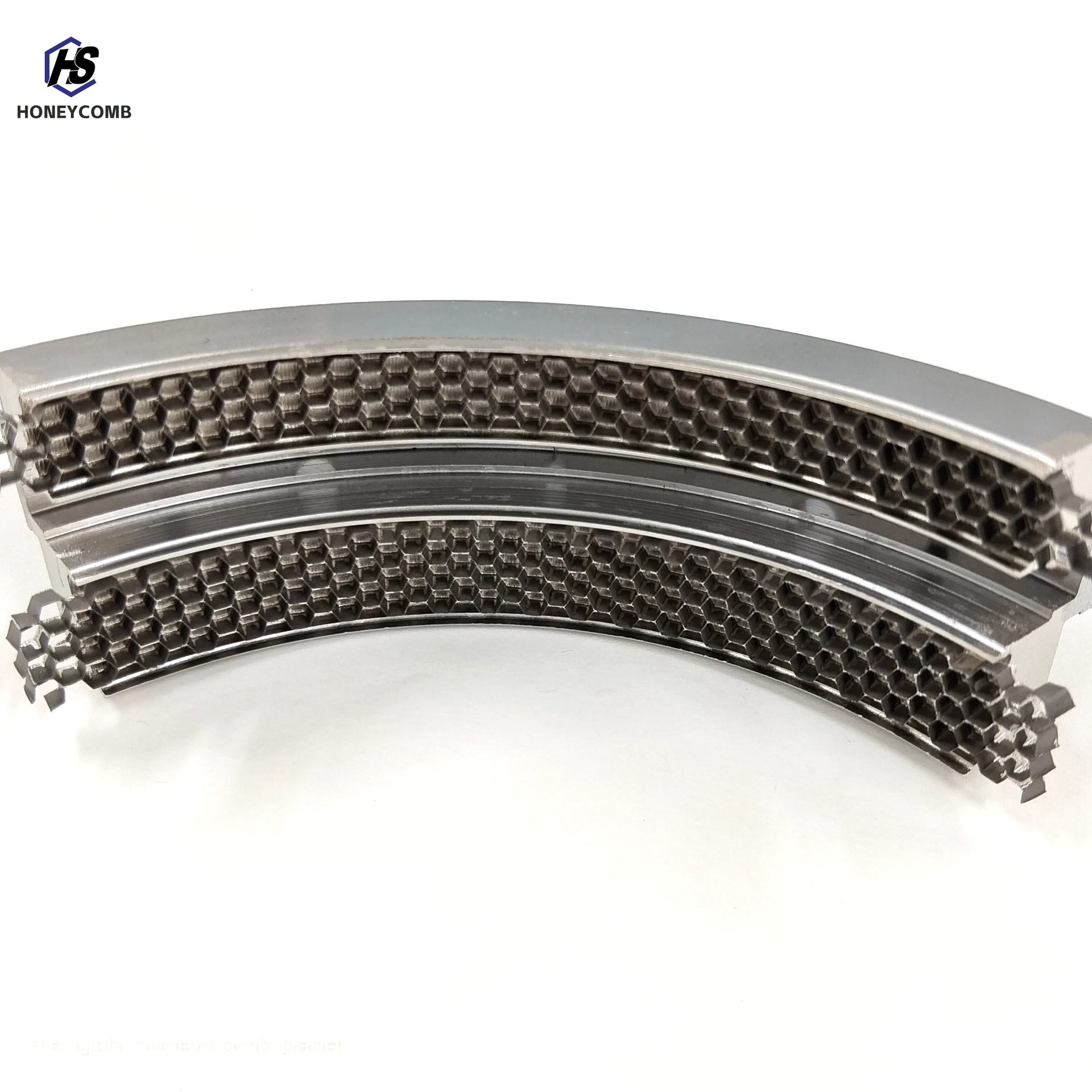
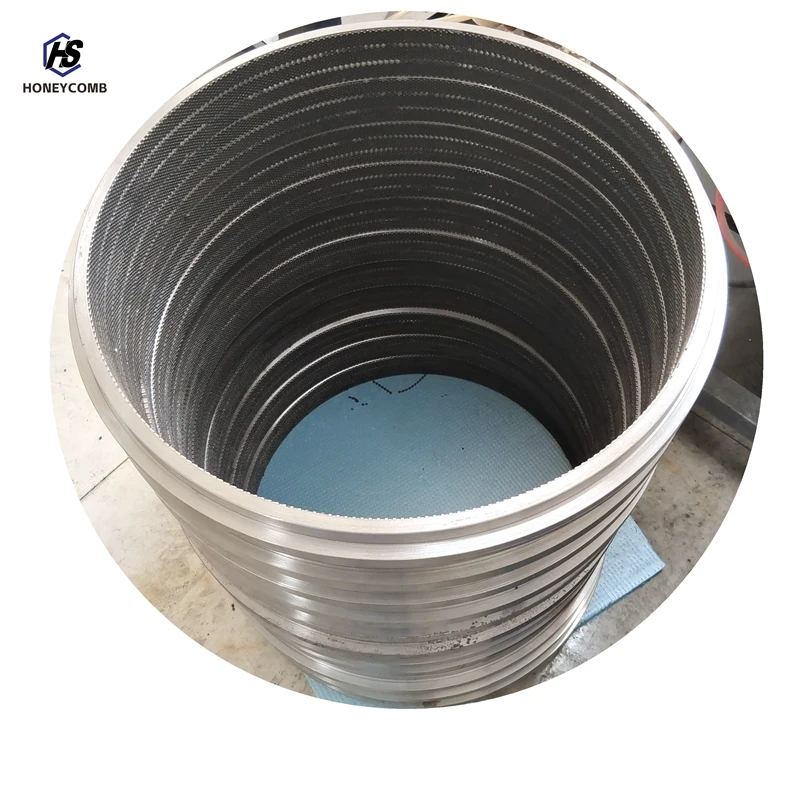
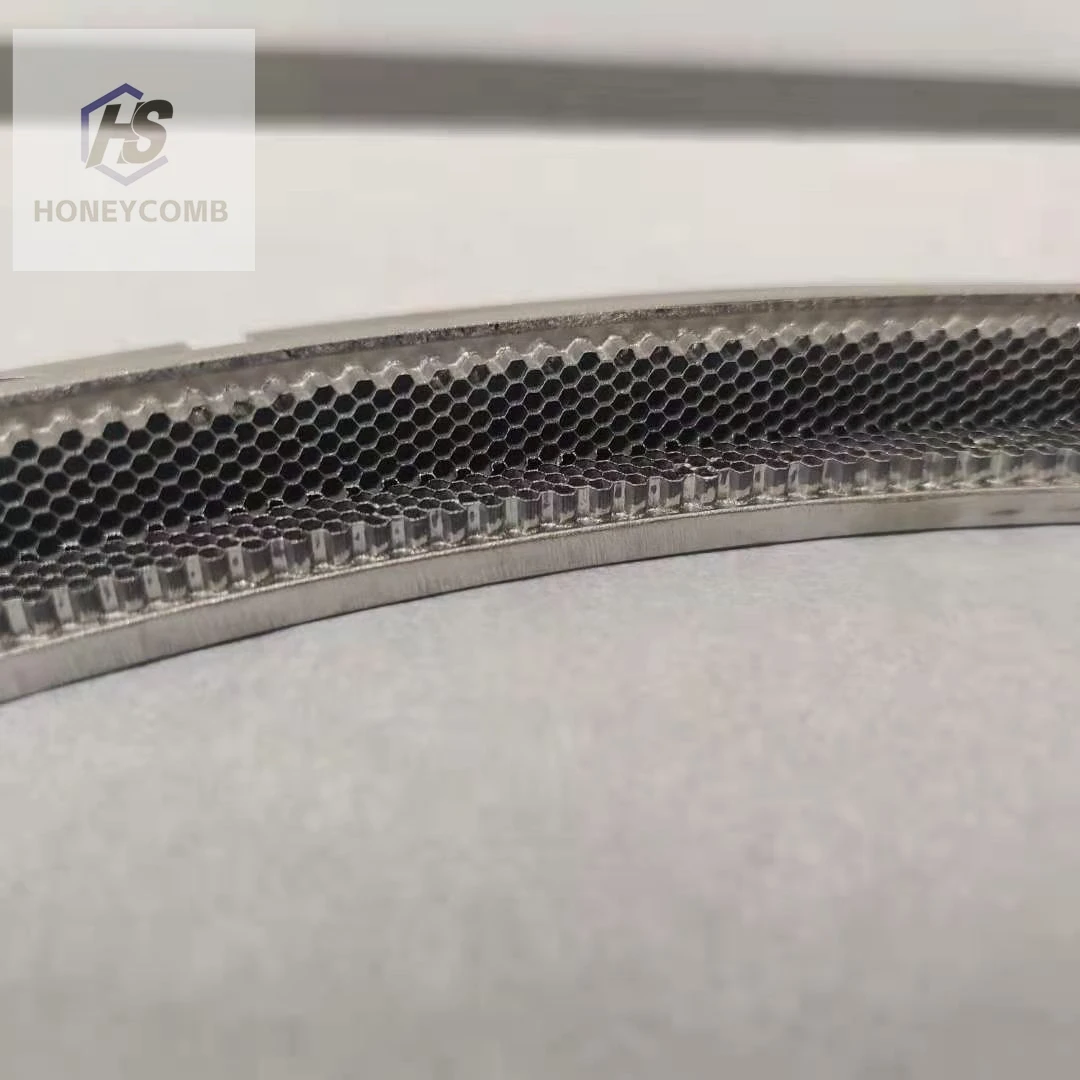
Stainless steel honeycomb panels are increasingly sought after in various industries for their exceptional strength-to-weight ratio, corrosion resistance, and unique aesthetic appeal. These panels, crafted from interlocking hexagonal cells of stainless steel, offer a versatile solution for applications ranging from architectural cladding to aerospace components. This article will delve into the properties, manufacturing process, applications, and benefits of acier inoxydable en nid d'abeille, providing a comprehensive overview for engineers, architects, and manufacturers. Choosing the right material can significantly enhance the performance and longevity of your projects.
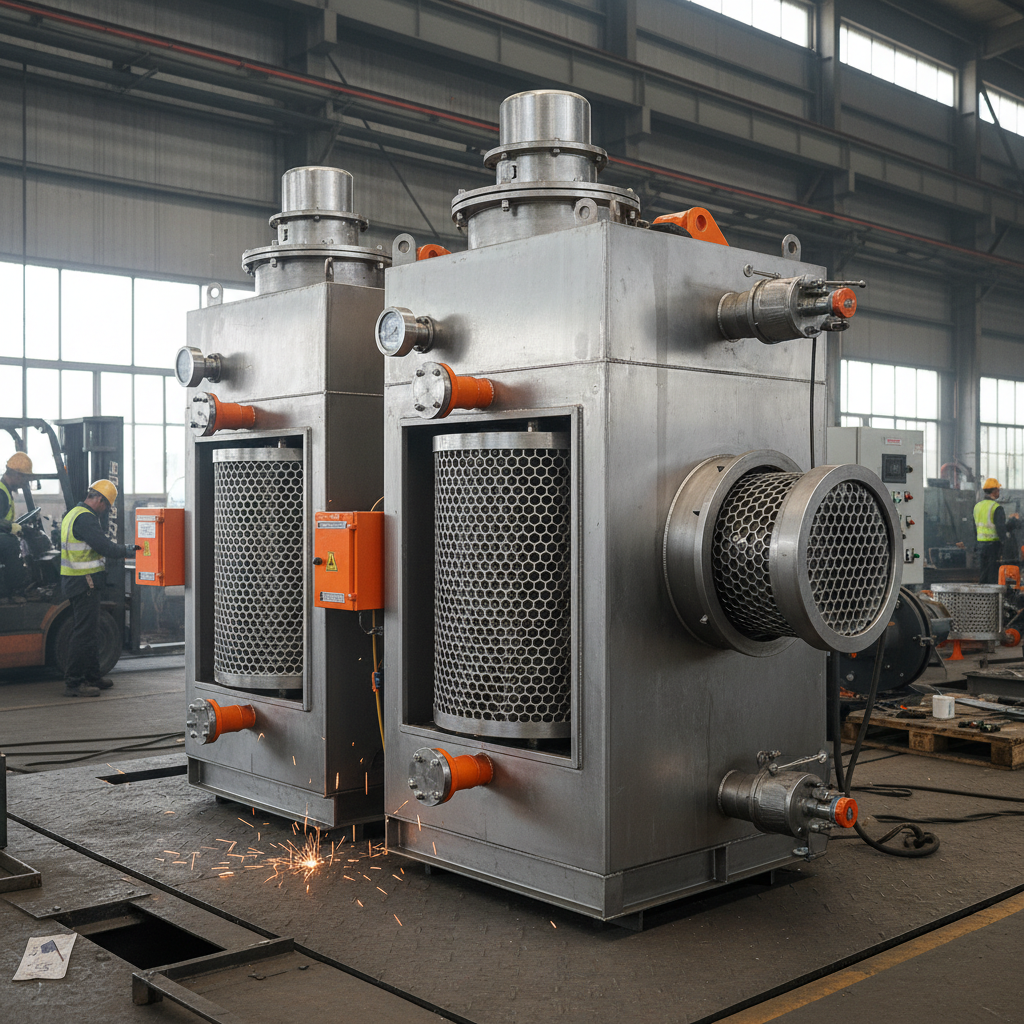
Understanding the Properties of Stainless Steel Honeycomb
Stainless steel honeycomb possesses a unique combination of properties that make it ideal for demanding applications. Its high strength-to-weight ratio, stemming from the hexagonal cell structure, provides excellent load-bearing capacity with minimal material usage. The inherent corrosion resistance of stainless steel ensures long-term durability even in harsh environments. Furthermore, the honeycomb structure offers excellent energy absorption capabilities, making it suitable for impact resistance applications. Key properties include high compressive strength, shear strength, and fatigue resistance. Stainless steel honeycomb is also recyclable, contributing to sustainable building practices.
Key Highlights: High strength-to-weight ratio, corrosion resistance, excellent energy absorption capabilities, recyclable material.
Manufacturing Process of Acier Inoxydable en Nid d'Abeille
The production of stainless steel honeycomb involves a precise and controlled process. Typically, thin sheets of stainless steel are cut into the desired hexagonal cell shape. These individual cells are then expanded and bonded together using welding, brazing, or adhesive bonding techniques. Quality control is paramount throughout the process to ensure dimensional accuracy and structural integrity. Different grades of stainless steel can be used, depending on the specific application requirements, such as 304, 316, or 410. HSHI Honeycomb utilizes advanced manufacturing techniques to produce high-quality stainless steel honeycomb panels with consistent performance.
Manufacturing Process Steps:
• Cutting stainless steel sheets into hexagonal cells
• Expanding the cells
• Bonding cells using welding, brazing, or adhesives
• Quality control and dimensional inspection
Applications of Acier Inoxydable en Nid d'Abeille
The versatility of stainless steel honeycomb allows for a wide array of applications across various industries. In architecture, it's utilized for facade cladding, interior panels, and decorative elements, offering a modern and lightweight aesthetic. In the transportation sector, it finds use in aircraft interiors, train panels, and automotive components due to its high strength-to-weight ratio. Other applications include marine structures, cleanroom panels, and industrial machinery. HSHI Honeycomb provides customized solutions for specific application needs.
Acier Inoxydable en Nid d'Abeille: Benefits and Advantages
Choosing stainless steel honeycomb over traditional materials offers numerous advantages. Its lightweight nature reduces overall structural weight, leading to improved fuel efficiency in transportation applications and reduced material costs in construction. The exceptional strength provides enhanced durability and resistance to deformation. The inherent corrosion resistance minimizes maintenance requirements and extends the service life of the panels. Furthermore, the honeycomb structure contributes to excellent sound and thermal insulation properties. HSHI Honeycomb delivers solutions that combine performance, durability, and cost-effectiveness.
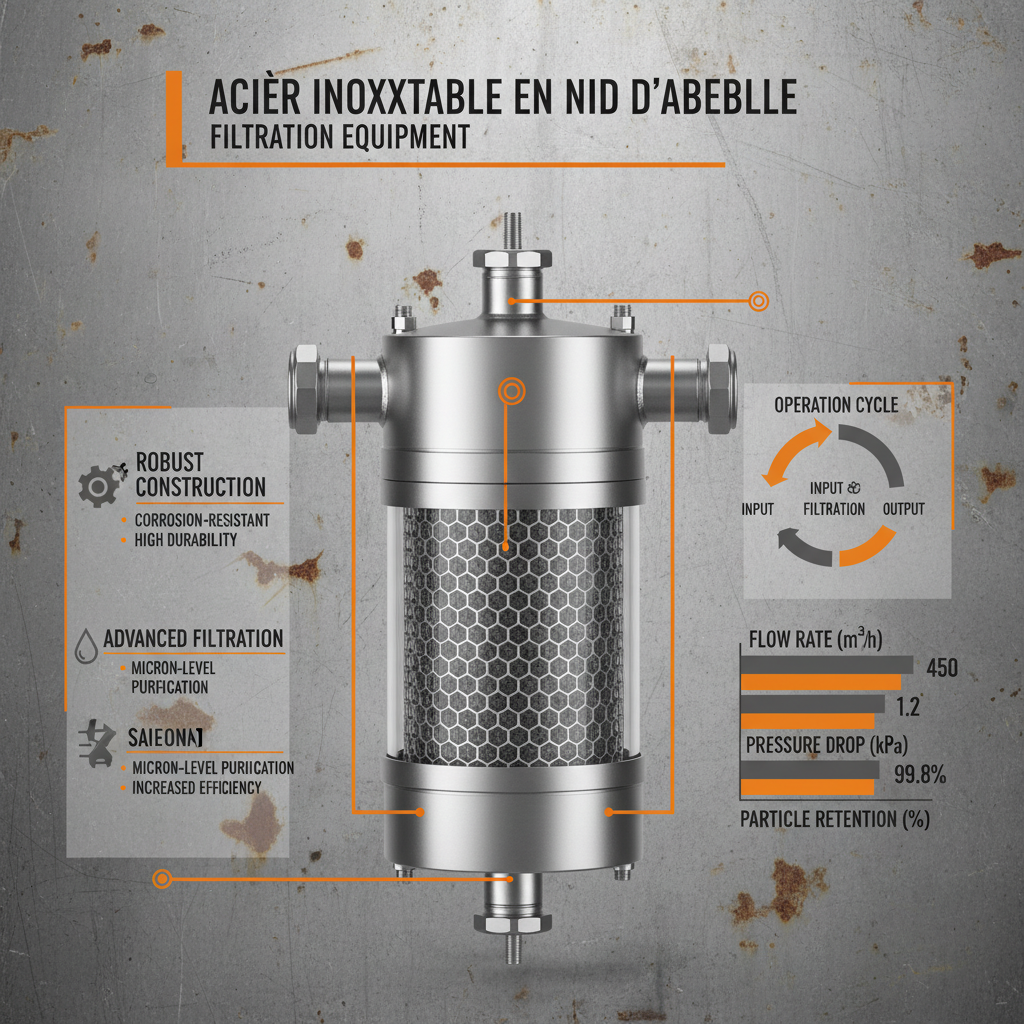
Product Specifications and Grade Options
Stainless steel honeycomb is available in various grades and configurations to meet diverse application demands. Common grades include 304, 316, and 410 stainless steel, each offering different levels of corrosion resistance and mechanical properties. Cell sizes typically range from 3mm to 12mm. Panel thicknesses can be customized based on load requirements and design specifications. HSHI Honeycomb offers a wide range of specifications to suit your needs.
Conclusion: The Future of Lightweight Strength
Acier inoxydable en nid d'abeille represents a significant advancement in material technology, offering a unique combination of strength, lightness, and durability. Its versatility and wide range of applications make it an ideal choice for industries seeking innovative solutions. By leveraging the benefits of stainless steel honeycomb, companies can enhance product performance, reduce costs, and promote sustainable practices. Invest in the future of lightweight strength with HSHI Honeycomb.
Frequently Asked Questions (FAQs)
What is the typical lead time for custom stainless steel honeycomb orders?
Lead times for custom orders vary depending on the complexity of the specifications, the quantity required, and current production schedules. Generally, lead times range from 4 to 8 weeks. However, HSHI Honeycomb prioritizes efficient production and strives to meet customer deadlines whenever possible. Providing detailed specifications upfront can help expedite the quoting and production process.
Can stainless steel honeycomb be painted or coated?
Yes, stainless steel honeycomb can be painted or coated to achieve specific aesthetic or functional requirements. Common coating options include powder coating, epoxy coating, and specialized paints designed for metal surfaces. Proper surface preparation is crucial to ensure optimal adhesion and long-term durability. HSHI Honeycomb can provide guidance on suitable coating options and surface preparation techniques.
What are the fire resistance properties of stainless steel honeycomb?
Stainless steel is inherently non-combustible, providing excellent fire resistance. Stainless steel honeycomb panels offer a significant advantage in fire safety applications. The honeycomb structure provides structural stability even at high temperatures. Fire performance ratings vary depending on the specific panel configuration and any applied coatings. HSHI Honeycomb can provide detailed fire test reports and certifications for specific products.

-
Industrial Airflow Guide for maf воздушная правильная машинаNewsApr.16,2026
-
Best maf струйно правильная машина for Industrial EfficiencyNewsApr.09,2026
-
Сотовая правильная машина A Comprehensive Guide to Honey Packing AutomationNewsApr.07,2026
-
Build Your Own DIY газоправильная Машина A Comprehensive Guide to Gas CorrectionNewsApr.04,2026
-
Understanding Кондиционер отопления Systems for Efficient and Comfortable HeatingNewsMar.31,2026
-
Comprehensive Guide to Cellular Blinds Installation Установка сотовых жалюзиNewsMar.28,2026
-
Mobile Aerodynamic Tunnel Design A Comprehensive Guide to Applications and ImplementationNewsMar.26,2026






 English
  Afrikaans
  Albanian
  Amharic
  Arabic
  Armenian
  Azerbaijani
  Basque
  Belarusian
  Bengali
  Bosnian
  Bulgarian
  Catalan
  Cebuano
  China
China  China (Taiwan)
  Corsican
  Croatian
  Czech
Czech  Danish
  Dutch
Dutch  Esperanto
  Estonian
  Finnish
  French
  Frisian
  Galician
  Georgian
  German
  Greek
Greek  Gujarati
  Haitian Creole
  Hausa
Hausa  Hawaiian
  Hebrew
  Hindi
Hindi  Miao
Miao  Indonesian
  Italian
  Japanese
  Javanese
  Malay
Malay  Persian
  Portuguese
  Punjabi
  Russian
  Spanish
  Swahili
  Telugu
  Vietnamese