


Honeycomb Vent Panels | Durable & Efficient Ventilation Solutions
Honeycomb Vent Panels: Why They Matter in a Changing World
If you haven’t stumbled across honeycomb vent panels before, you might be wondering why this buzzword keeps popping up in industrial design and building discussions alike. At their core, these panels are much more than just lightweight fillers; they're an elegant solution to several long-standing challenges in ventilation, energy efficiency, and structural integrity. Globally, as buildings, vehicles, and shelters demand better airflow control without compromising strength or adding bulk, honeycomb vent panels are stepping into the spotlight.
The stakes are high—between rising temperatures, urban density, and post-disaster rebuilding needs, engineers and humanitarian groups alike are turning to innovations that are durable, efficient, and sustainable. Understanding what honeycomb vent panels are capable of can unlock better design choices, safer environments, and surprisingly, cost savings that last.
Understanding the Global Relevance of Honeycomb Vent Panels
According to the United Nations Environment Programme, buildings alone contribute around 40% of global energy-related CO₂ emissions. Ventilation—ensuring a steady, controlled air exchange—is a pivotal part of reducing that, especially in both developed cities and remote industrial zones. Honeycomb vent panels offer a unique answer: by structurally enabling better airflow with optimized strength-to-weight ratios, they help cut reliance on heavy mechanical systems.
But the relevance goes beyond just the environment. The COVID-19 pandemic and natural disasters have underscored how vital clean air circulation is for safety, whether it’s in temporary shelters or permanent structures. Honeycomb panels not only meet these needs but do so in a way that's scalable and cost-effective — which really matters when budgets and timelines crunch.
So, What Exactly Are Honeycomb Vent Panels?
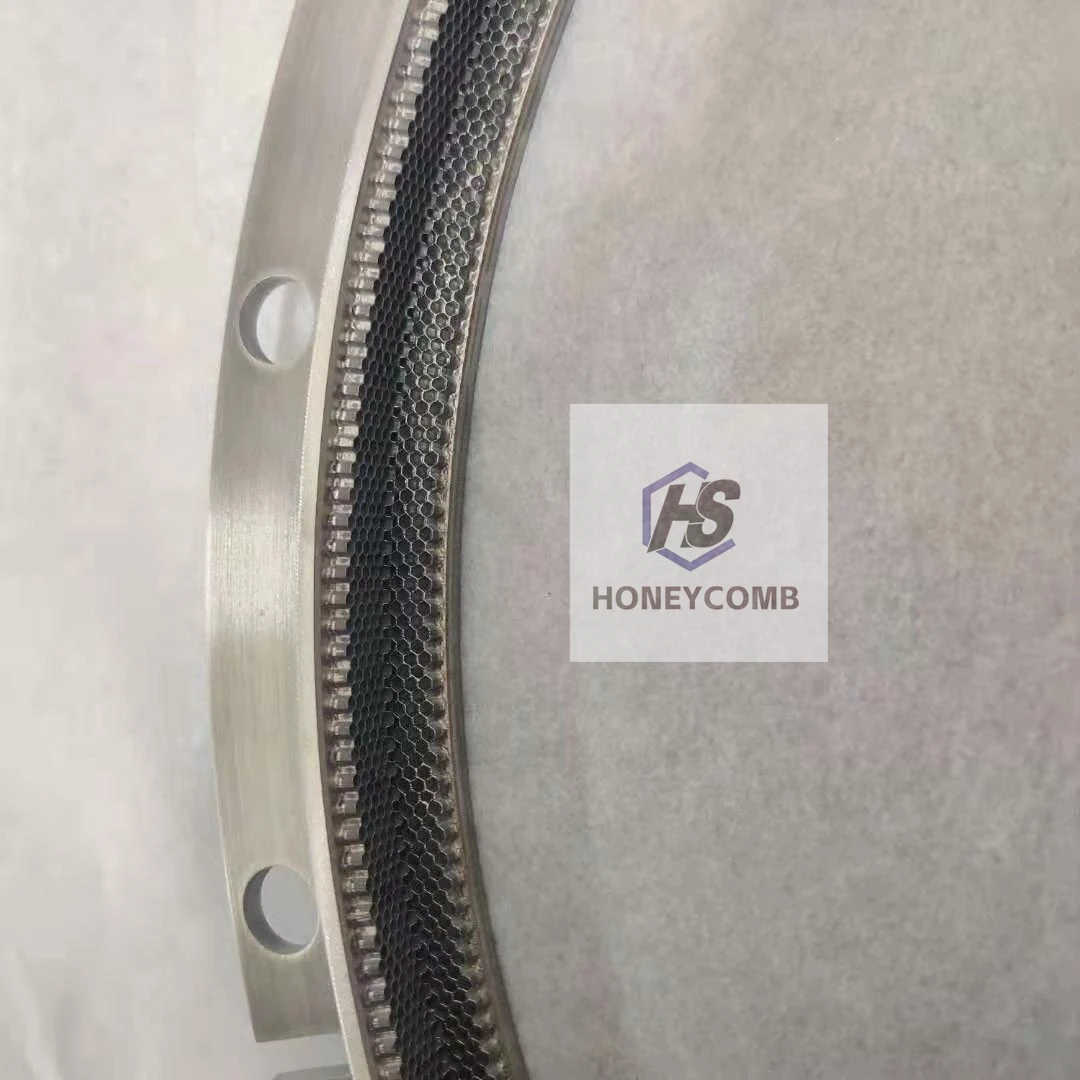
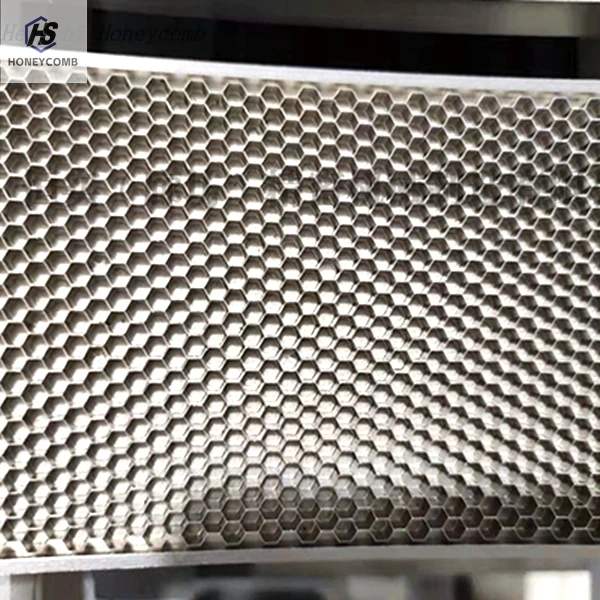
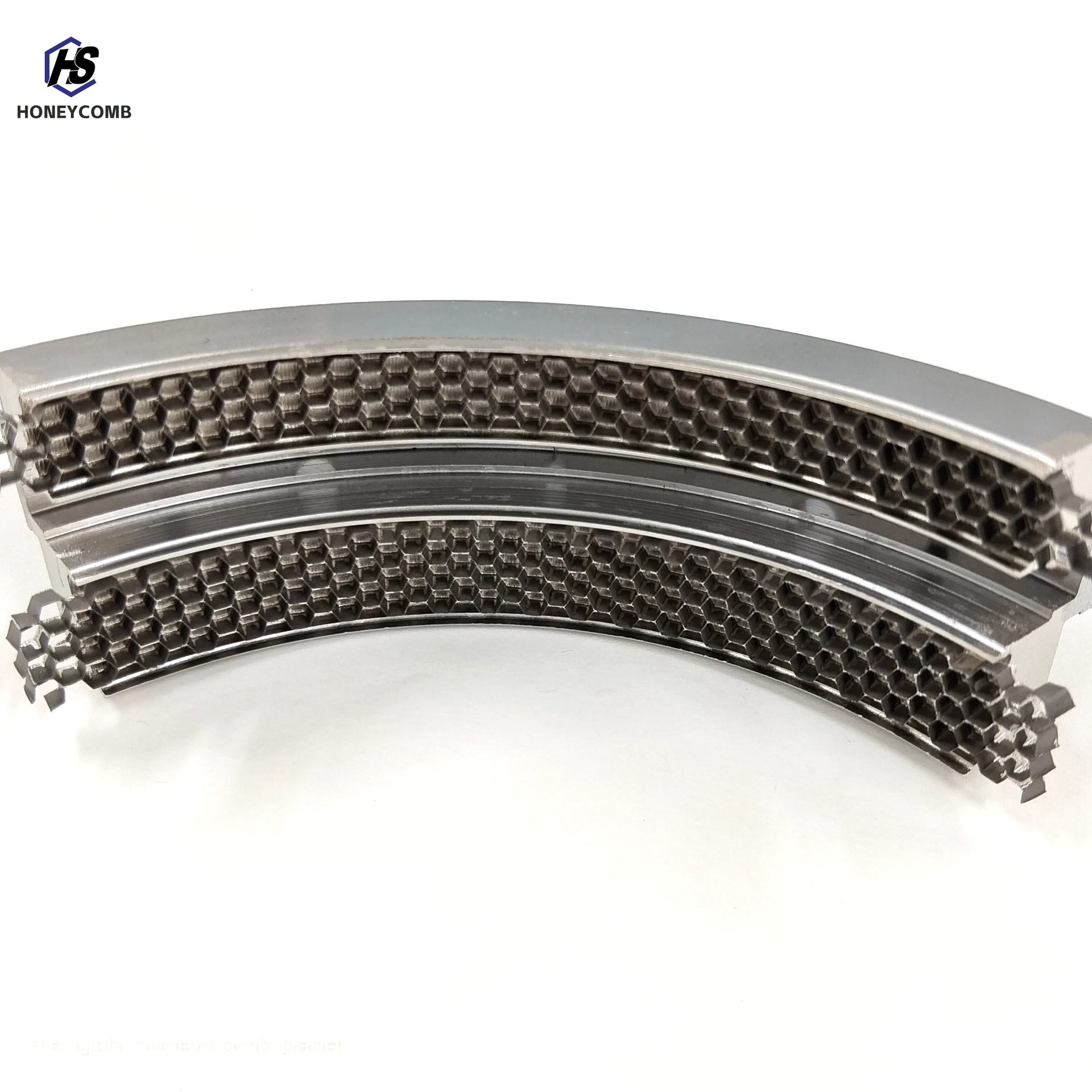
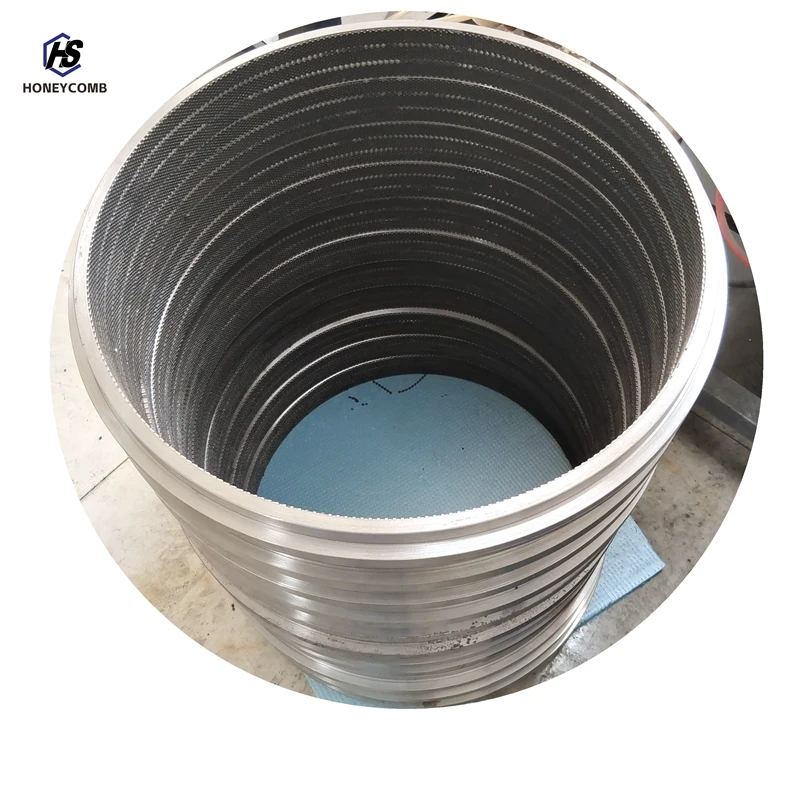
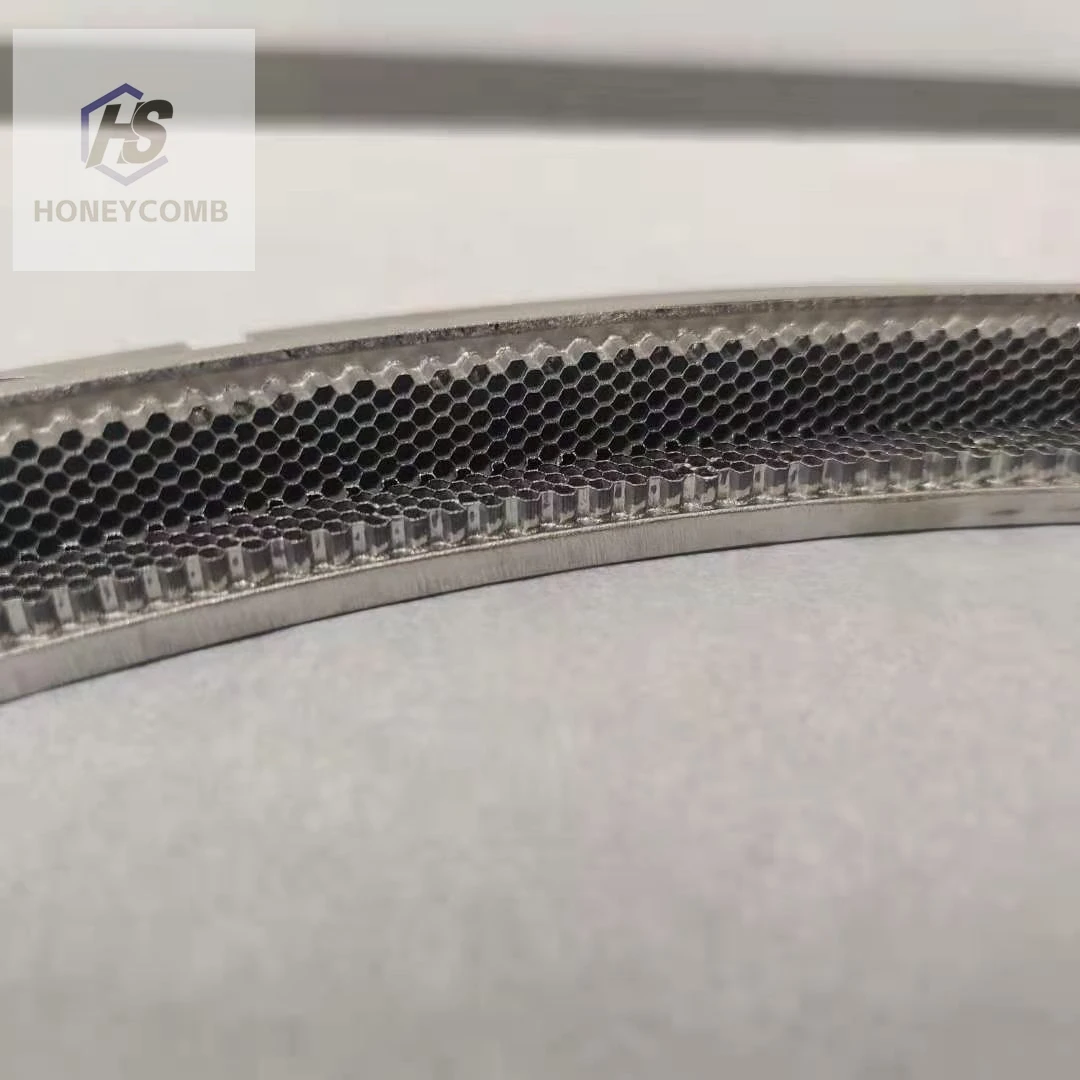
At their heart, honeycomb vent panels are lightweight composites featuring a honeycomb-shaped core sandwiched between two thin layers of materials like aluminum or fiberglass. This honeycomb structure mimics the natural hexagonal arrays seen in beehives — which, by the way, nature has been optimizing for millions of years.
This design gives the panels incredible rigidity and strength without piling on weight, all while allowing air to pass through efficiently. In practical terms, this means better ventilation, less energy needed for heating and cooling, and structures that last longer without excess bulk.
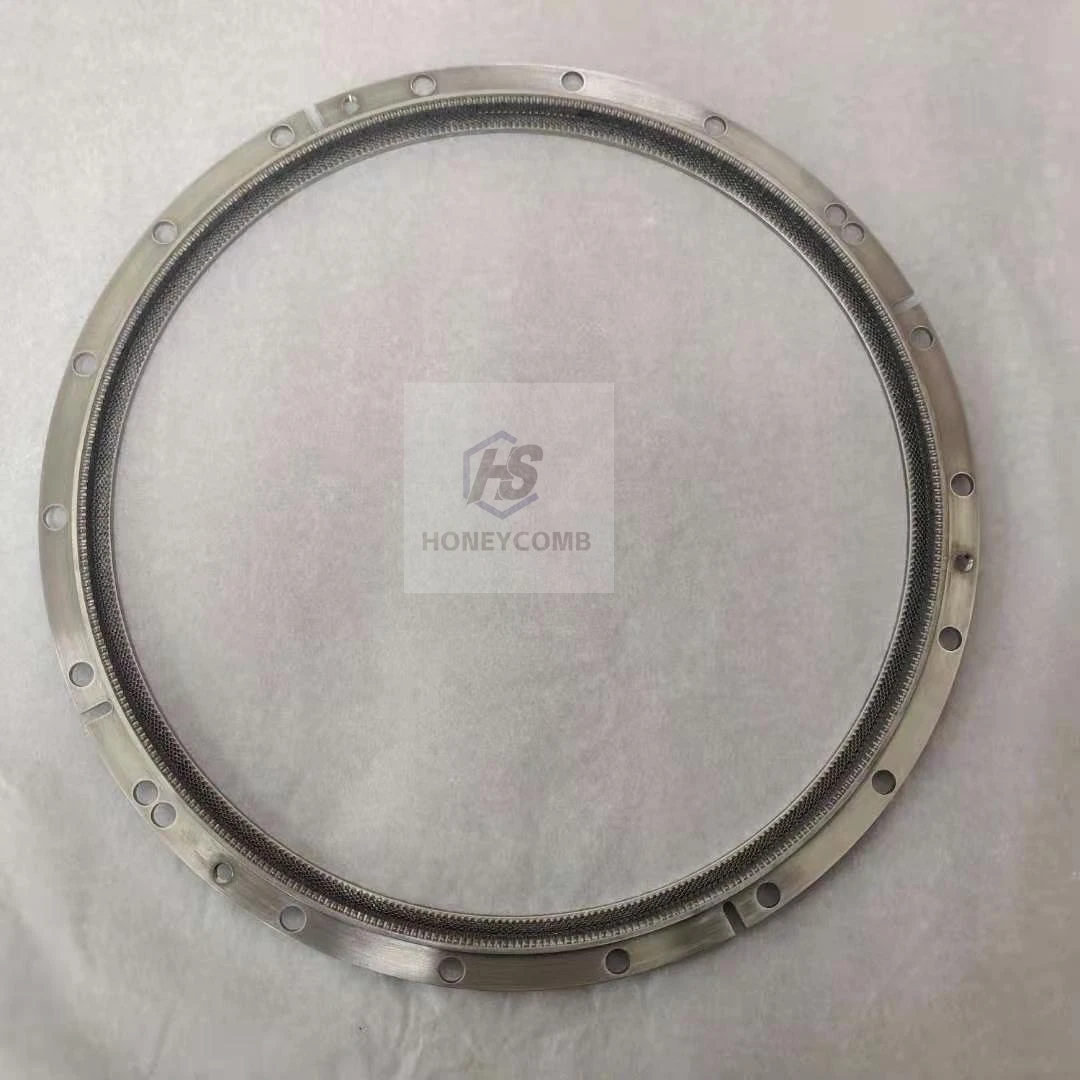
In modern industry, you’ll find these panels in everything from aircraft, HVAC units, to shipping container modifications and fast-deploy shelters in humanitarian missions. They connect the dots between engineering savvy and human needs for safety and comfort.
Key Attributes of Honeycomb Vent Panels That Make All the Difference
Durability & Strength
The honeycomb core design spreads forces evenly, meaning these panels stand up well to stress, vibrations, and harsh weather—qualities critical in aerospace and transport sectors, but also in temporary or long-term housing.
Lightweight Yet Efficient Ventilation
Because air flows through the hexagonal cells, you get excellent natural ventilation while the panel remains strikingly light. This helps reduce energy consumption for HVAC systems and cuts the carbon footprint.
Cost-Effectiveness
Oddly enough, the complexity of manufacturing these panels has come down in recent years, making them more affordable. Plus, the long lifecycle means fewer replacements or repairs, which ends up saving money.
Scalability & Customization
Whether you need dozens of square meters for industrial use or tiny vent sections for electronics cooling, honeycomb vent panels can be tailored in terms of size, thickness, and materials.
Environmental Impact
Typically recyclable and sometimes made from recycled inputs, these panels contribute toward green building certifications like LEED or BREEAM — key as sustainability goals push harder globally.
Fire Resistance & Safety
Many honeycomb materials meet stringent fire safety standards, making them suitable in sensitive places like hospitals, schools, or transport vehicles where safety can’t be compromised.
Mini takeaway: The multi-faceted benefits of honeycomb vent panels—from strength to sustainability—make them a surprisingly versatile tool for industries across the board.
How Honeycomb Vent Panels Are Changing Real-World Applications
Let’s paint a picture: in post-disaster relief operations, tents and shelters equipped with honeycomb vent panels ensure safe airflow, helping prevent mold growth and respiratory issues. In remote mining camps, ventilated yet insulated panels help workers cope with extreme temperatures without running up huge power bills.
The aerospace industry has long embraced them, integrating honeycomb cores into aircraft skins for lightweight structures that still keep pilots and passengers safe. Meanwhile, shipping container retrofits use honeycomb vents to improve airflow and temperature control, extending container lifespans and improving cargo integrity.
Even modern urban architecture relies on these panels to create facade cladding that breathes, boosting indoor air quality and reducing resource use.
| Specification | Typical Value | Notes |
|---|---|---|
| Core Material | Aluminum / Nomex / Paper | Varies by application and budget |
| Panel Thickness | 5 - 25 mm | Adjustable for strength/weight tradeoffs |
| Airflow Rate | 0.25 - 0.75 m³/s/m² | Depends on cell size and layout |
| Fire Rating | Class A / B (varies) | Must comply with local codes |
| Lifespan | 20+ years | Proper installation and maintenance |
Why Invest in Honeycomb Vent Panels? Long-Term Benefits
Cost-saving is a big one. Thanks to lower energy needs and maintenance, many users swear by the ROI of these panels—sometimes recouping investment within just a few years. On a social level, better ventilation improves occupant health and well-being, crucial in schools, refugee camps, or hospitals.
Plus, sustainability isn't just trendy—it's vital. Using recyclable, low-impact materials aligns with corporate social responsibility. The reliability also builds trust between manufacturers, contractors, and end-users—something engineers are particularly picky about, I noticed.
Looking Ahead: Innovations and the Future of Honeycomb Vent Panels
With green energy on the rise, expect panels that integrate photovoltaic cells or smart sensors to regulate airflow dynamically. Digital twin modeling is also helping engineers optimize panel layouts before fabrication, speeding up deployment especially in time-sensitive operations like disaster response.
Material science is pushing forward too—bio-based honeycomb cores, improved fire retardants, and self-healing surfaces could soon make panels even more resilient and eco-friendly.
Common Challenges and How Industry is Addressing Them
Cost remains an entry barrier for some sectors, especially those with tight margins. However, growing demand and streamlined manufacturing are driving prices down. Installation can sometimes be tricky due to panel rigidity—pre-fabricated modular systems and customizable sizes help.
Another concern is the cleaning and maintenance of vent panels in dusty or polluted settings. New coatings and design tweaks help reduce dirt accumulation and protect performance.
Vendor Comparison: Choosing the Right Supplier
| Vendor | Product Range | Price Range | Customization Options | Lead Time |
|---|---|---|---|---|
| HS Shihoneycomb | Wide (Aluminum, Nomex, Paper cores) | $$$ | Extensive | 2-4 weeks |
| VentCore Solutions | Moderate (mostly aluminum cores) | $$ | Limited | 3-5 weeks |
| EnviroHex Panels | Niche (bio-based cores) | $$$$ | Moderate | 4-6 weeks |
Frequently Asked Questions About Honeycomb Vent Panels
1. What makes honeycomb vent panels better than traditional ventilation systems?
Honeycomb vent panels combine structural strength with efficient airflow in a lightweight design, reducing the need for bulky mechanical ventilation. This leads to energy savings and easier installation. Plus, their flexibility to be customized means they fit a wider range of applications than traditional systems.
2. How long can honeycomb vent panels last in harsh or outdoor environments?
With proper materials and protective coatings, they often last more than 20 years without losing performance, even in challenging conditions like salt air or extreme temperature swings. Durable core materials like aluminum enhance longevity significantly.
3. Are honeycomb vent panels eco-friendly and recyclable?
Many panels use materials that are recyclable, such as aluminum cores and fiberglass skins, and some manufacturers employ recycled inputs. New developments are pushing bio-based cores too — all to minimize environmental footprint.
4. How can international organizations source honeycomb vent panels for rapid deployment?
Many suppliers, including honeycomb vent panels manufacturers, offer bulk ordering with worldwide shipping and can customize designs to fit emergency shelter specs. It's advisable to work with vendors experienced in logistics and certifications relevant for humanitarian projects.
5. Can these panels be used in electronics cooling or small-scale applications?
Absolutely. Scaled-down honeycomb vent panels provide efficient airflow and heat dissipation for server rooms, data centers, and other electronics, helping prevent overheating without adding significant weight or space demands.
In Closing: Why Honeycomb Vent Panels Deserve Your Attention
If you’re involved in any space where airflow, durability, and lightweight design intersect—be it construction, transport, or disaster relief—honeycomb vent panels are worth a serious look. They’re doing quietly vital work behind the scenes, often unnoticed, but with growing global relevance as sustainability and safety become non-negotiable.
For more detailed info or to explore tailored solutions, don’t hesitate to visit honeycomb vent panels’ official site and see what fits your needs.
Mini takeaway: Honeycomb vent panels merge nature’s genius, technological innovation, and practical needs in ways that feel both simple and revolutionary.
References

-
Industrial Airflow Guide for maf воздушная правильная машинаNewsApr.16,2026
-
Best maf струйно правильная машина for Industrial EfficiencyNewsApr.09,2026
-
Сотовая правильная машина A Comprehensive Guide to Honey Packing AutomationNewsApr.07,2026
-
Build Your Own DIY газоправильная Машина A Comprehensive Guide to Gas CorrectionNewsApr.04,2026
-
Understanding Кондиционер отопления Systems for Efficient and Comfortable HeatingNewsMar.31,2026
-
Comprehensive Guide to Cellular Blinds Installation Установка сотовых жалюзиNewsMar.28,2026
-
Mobile Aerodynamic Tunnel Design A Comprehensive Guide to Applications and ImplementationNewsMar.26,2026






 English
  Afrikaans
  Albanian
  Amharic
  Arabic
  Armenian
  Azerbaijani
  Basque
  Belarusian
  Bengali
  Bosnian
  Bulgarian
  Catalan
  Cebuano
  China
China  China (Taiwan)
  Corsican
  Croatian
  Czech
Czech  Danish
  Dutch
Dutch  Esperanto
  Estonian
  Finnish
  French
  Frisian
  Galician
  Georgian
  German
  Greek
Greek  Gujarati
  Haitian Creole
  Hausa
Hausa  Hawaiian
  Hebrew
  Hindi
Hindi  Miao
Miao  Indonesian
  Italian
  Japanese
  Javanese
  Malay
Malay  Persian
  Portuguese
  Punjabi
  Russian
  Spanish
  Swahili
  Telugu
  Vietnamese