


Understanding the Redresseur de Flux d'Air CVC for Optimal HVAC System Performance
Understanding the Redresseur de Flux d'Air CVC: A Comprehensive Guide
The redresseur de flux d'air CVC (Airflow Rectifier for HVAC systems) is a critical component in maintaining optimal performance and efficiency within Heating, Ventilation, and Air Conditioning (HVAC) systems. These devices are designed to ensure a consistent and controlled airflow, vital for proper temperature distribution, air quality, and overall system longevity. This article will delve into the functionality, benefits, applications, and selection criteria for airflow rectifiers, providing a comprehensive resource for HVAC professionals and building managers. Understanding these components is key to maximizing the effectiveness of any CVC system.

What is a Redresseur de Flux d'Air CVC?
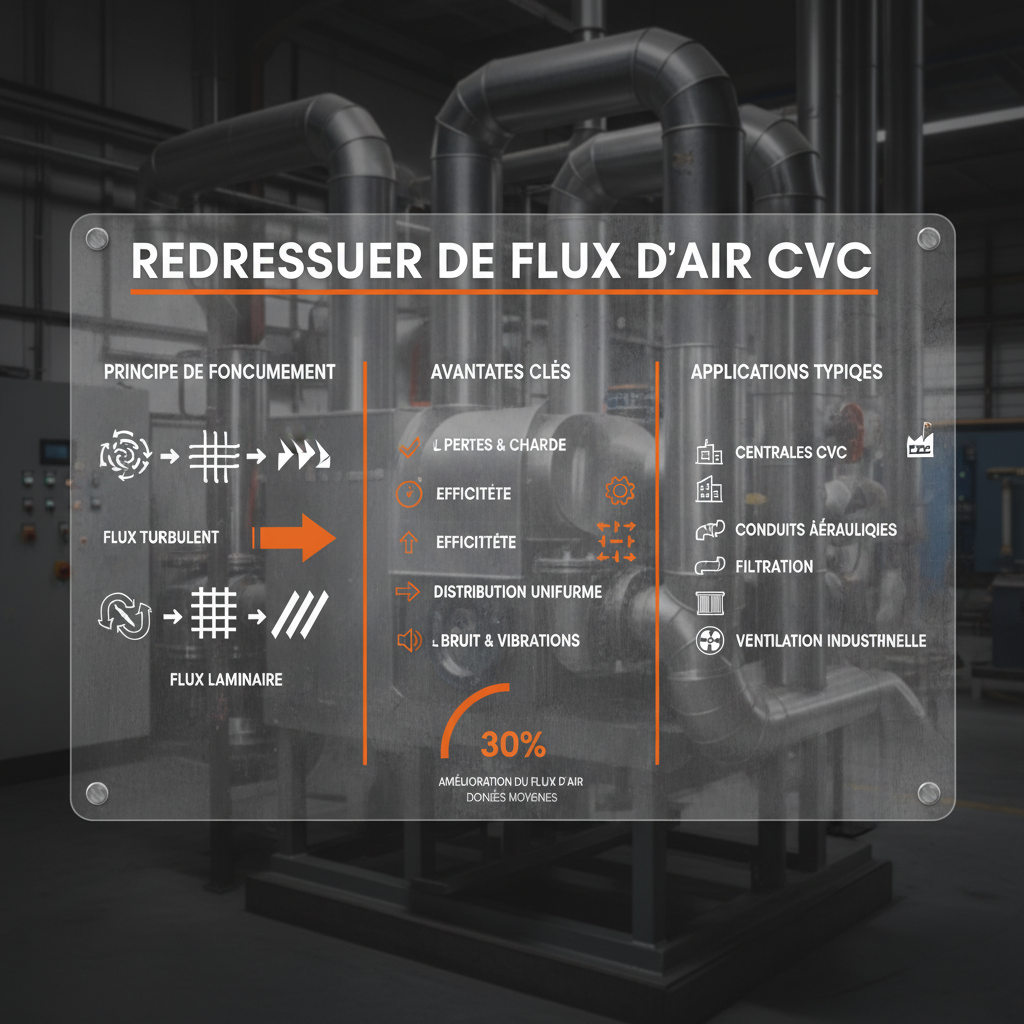
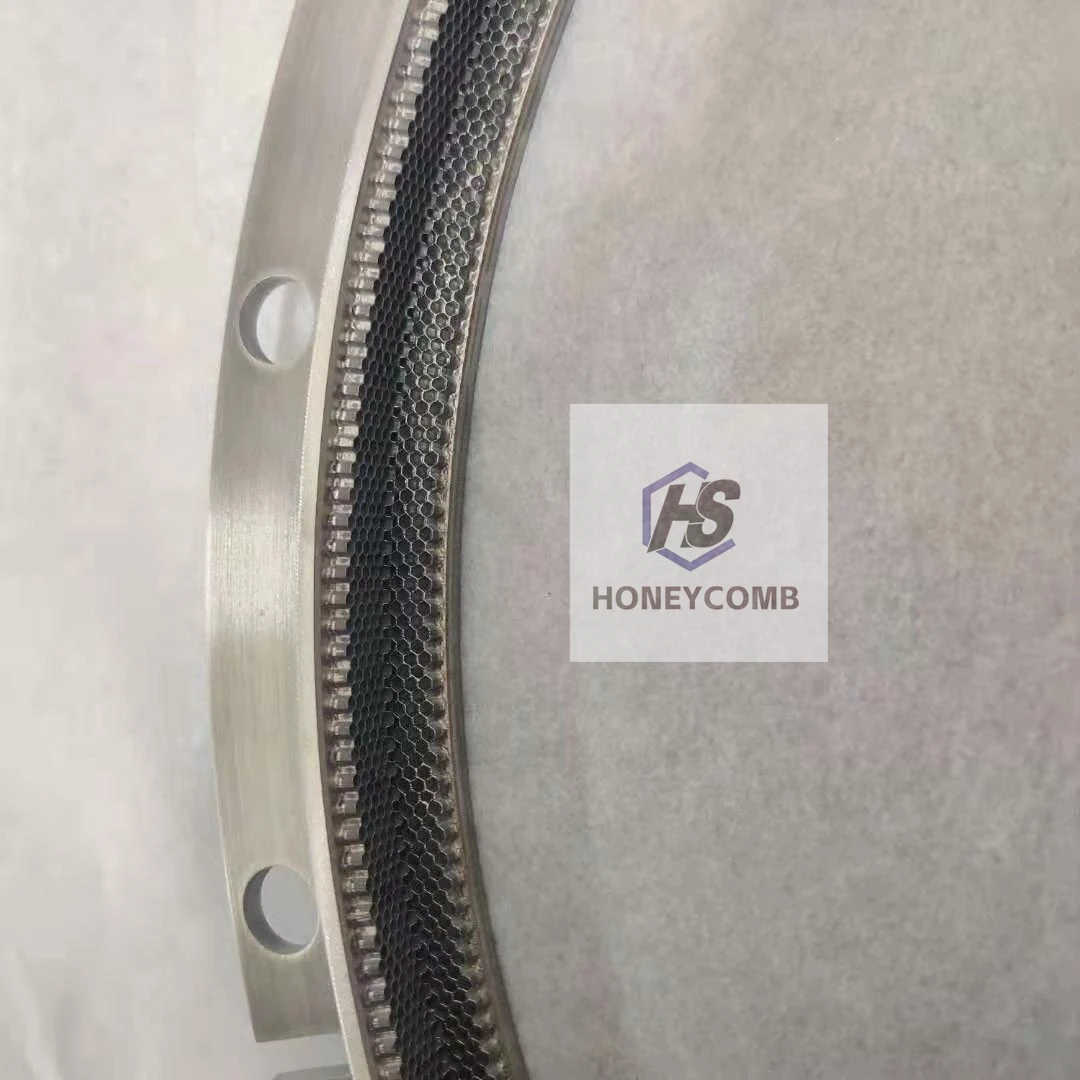
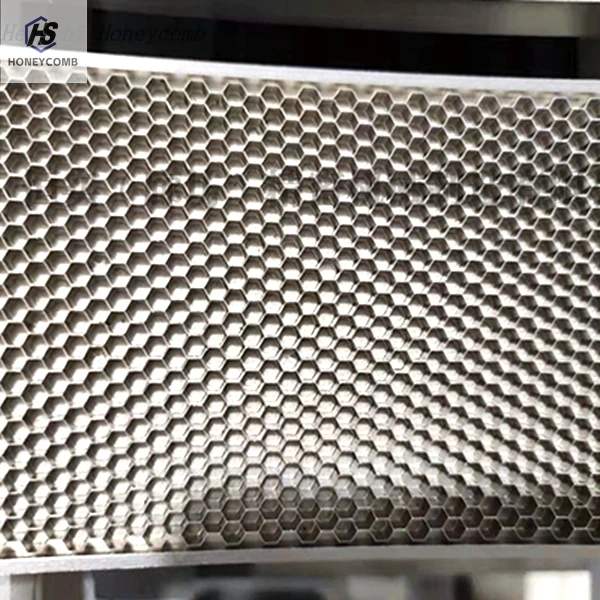
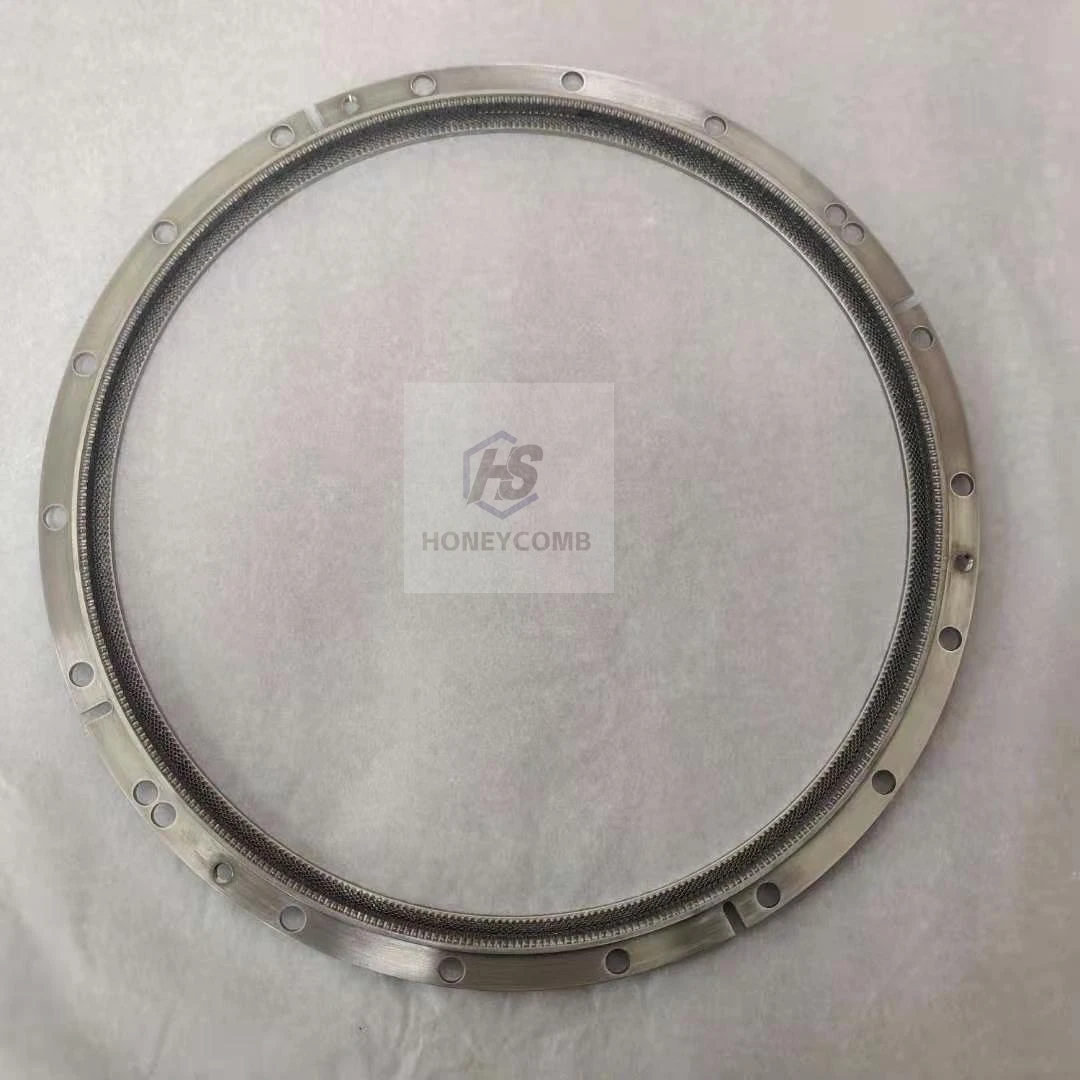
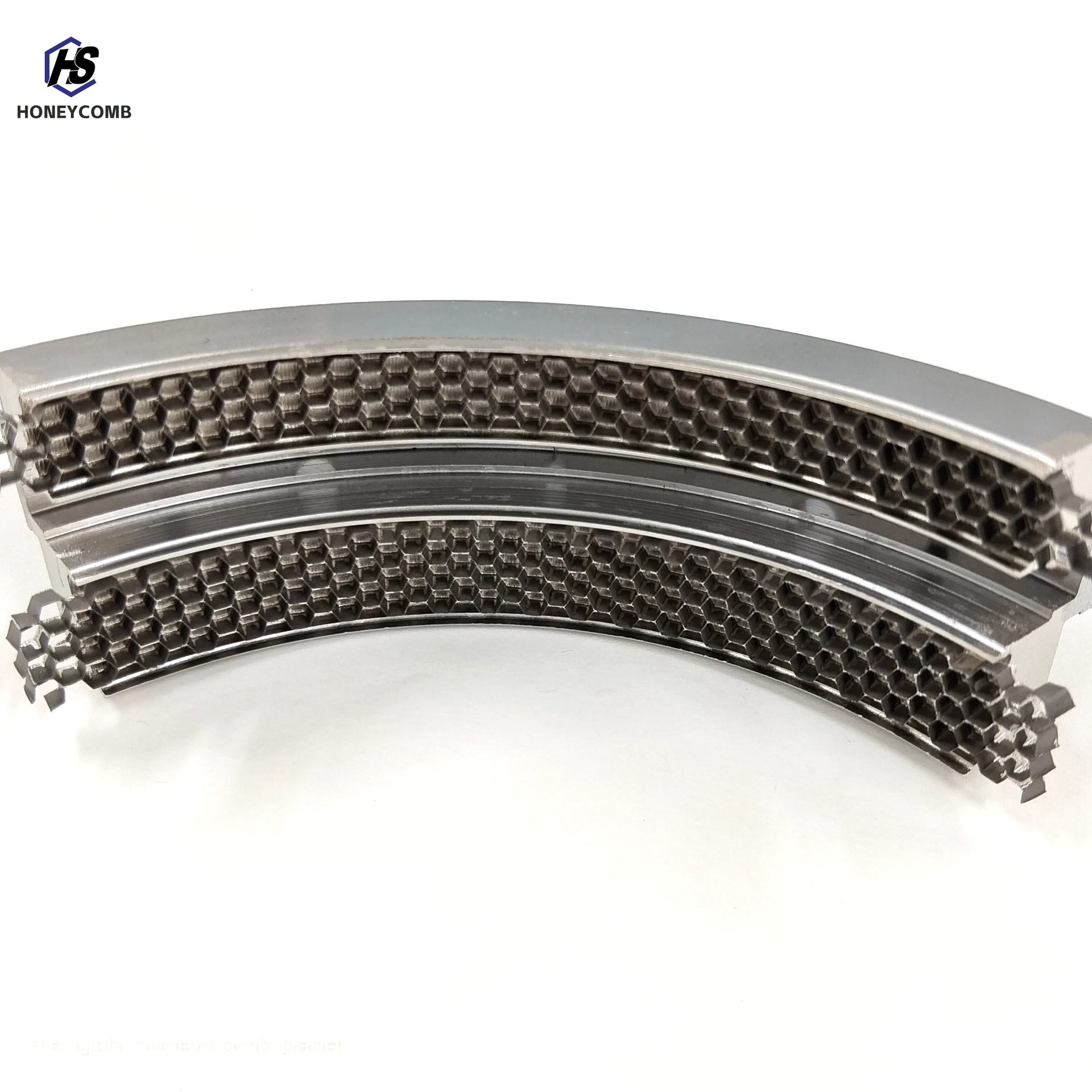
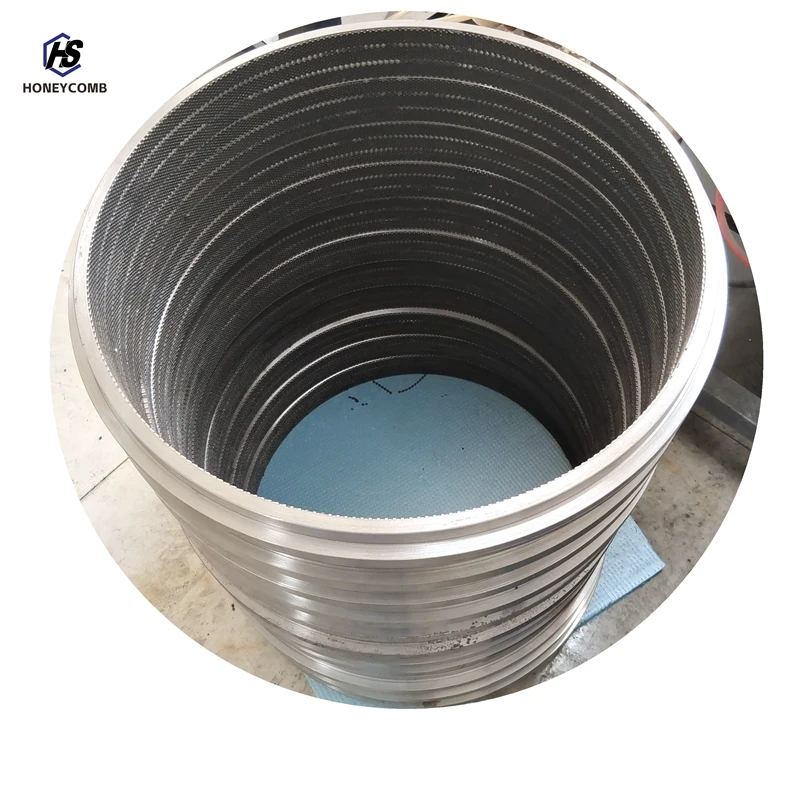
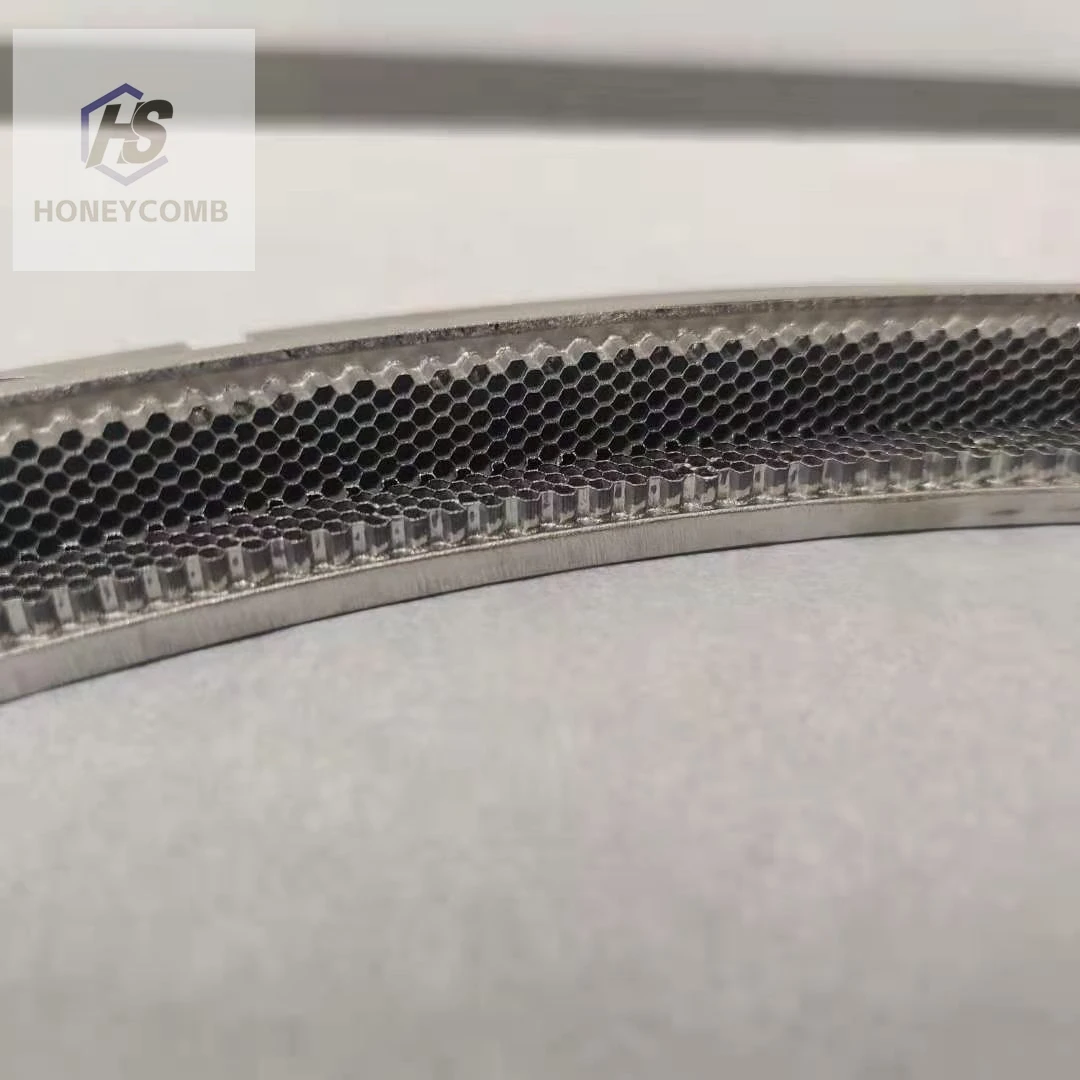
A redresseur de flux d'air CVC, often referred to as an airflow rectifier or air distribution diffuser, is a specialized component installed within HVAC ductwork. Its primary function is to convert turbulent airflow into laminar airflow, meaning it streamlines the air movement, reducing resistance and maximizing airflow efficiency. This is achieved through a carefully engineered internal structure, typically consisting of a honeycomb or vane configuration. The result is a more even and consistent distribution of air throughout the space, eliminating hot or cold spots and improving overall comfort. This is especially important in applications requiring precise temperature control.
Key Benefits: Improved airflow efficiency, Reduced energy consumption, Enhanced temperature uniformity, Minimized noise levels, Increased system longevity.
Applications of Airflow Rectifiers
The applications for redresseur de flux d'air CVC are broad, spanning various sectors. They are commonly used in commercial buildings, hospitals, cleanrooms, data centers, and industrial facilities. Specific applications include: supply air diffusers, return air grilles, fan coil units, and air handling units (AHUs). In cleanrooms and data centers, the precise airflow control provided by these rectifiers is essential for maintaining optimal environmental conditions. They are also beneficial in variable air volume (VAV) systems, ensuring consistent performance across a range of airflow rates.
Common Application Areas:
• Commercial Buildings
• Hospitals and Healthcare Facilities
• Cleanrooms and Laboratories
• Data Centers
• Industrial Facilities
Redresseur de Flux d'Air CVC: Types and Materials
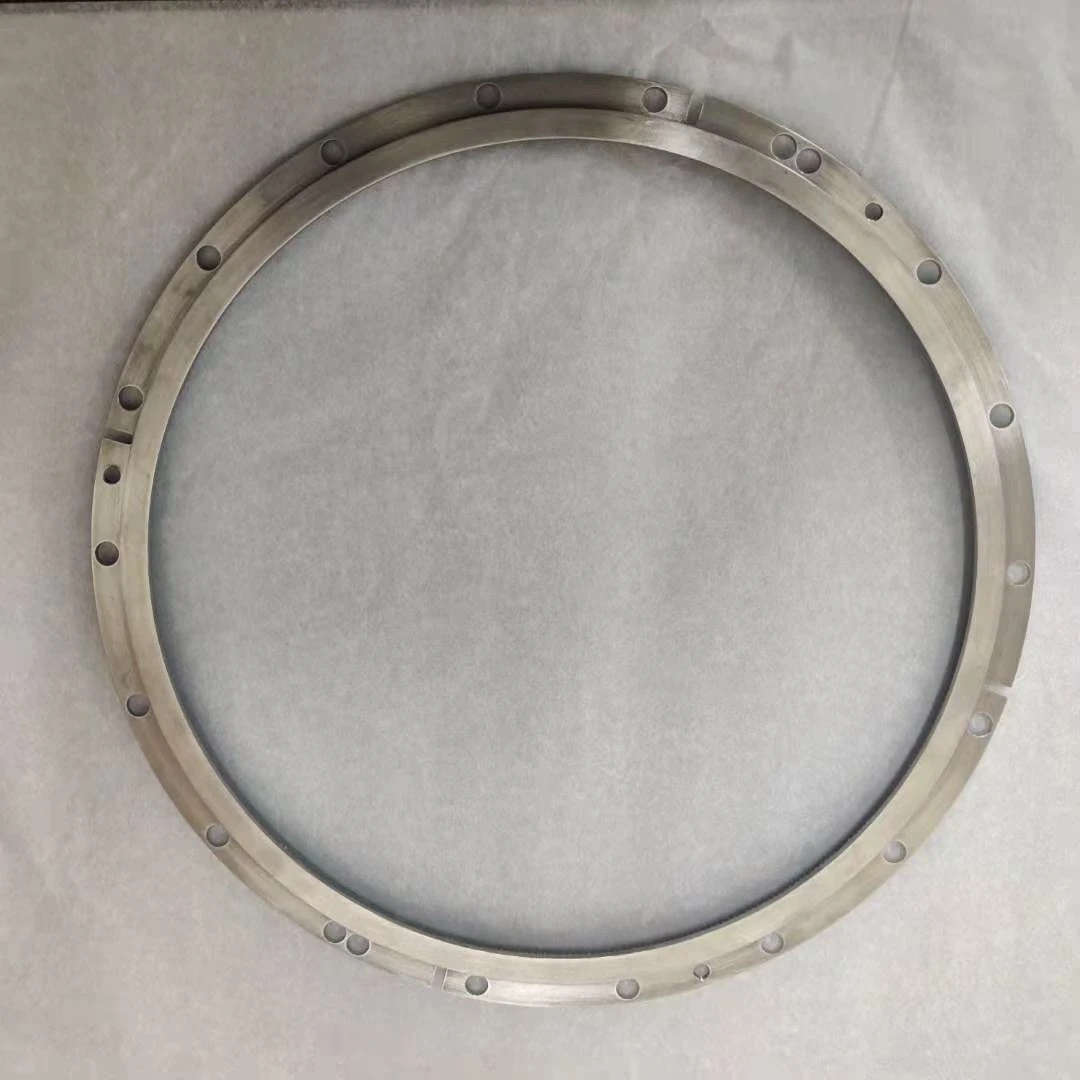
Airflow rectifiers come in various types, each suited for specific applications. Common types include honeycomb rectifiers, vane rectifiers, and perforated plate rectifiers. Honeycomb rectifiers are known for their excellent pressure drop characteristics and uniform airflow distribution. Vane rectifiers offer a higher degree of airflow control but may have a higher pressure drop. Perforated plate rectifiers are a cost-effective option for applications where precise airflow control is not critical. Materials commonly used in their construction include aluminum, galvanized steel, and polypropylene. The choice of material depends on the environmental conditions and the desired lifespan of the rectifier.
Selecting the Right Redresseur de Flux d'Air CVC
Choosing the correct redresseur de flux d'air CVC involves careful consideration of several factors. These include the airflow rate, duct size, available static pressure, and the specific application requirements. It's crucial to accurately determine the airflow requirements of the space and select a rectifier that can accommodate those needs without causing excessive pressure drop. Consulting with an HVAC professional is highly recommended to ensure proper selection and installation.
Benefits of Choosing HSHI Honeycomb
At HSHI Honeycomb, we specialize in the design and manufacturing of high-quality airflow rectifiers. Our products are engineered for optimal performance, durability, and energy efficiency. We offer a wide range of options to meet the specific needs of your project, backed by expert technical support and exceptional customer service. Partner with us to enhance the efficiency and reliability of your HVAC systems.
Conclusion: Optimizing HVAC Performance with Airflow Rectifiers
Investing in a redresseur de flux d'air CVC from HSHI Honeycomb is a strategic step towards optimizing HVAC performance and reducing energy costs. By ensuring consistent and controlled airflow, these devices contribute to improved comfort, enhanced air quality, and increased system longevity. Contact us today to learn more about our products and how we can help you achieve your HVAC goals.
Frequently Asked Questions (FAQs)
What is the typical pressure drop associated with an airflow rectifier?
The pressure drop varies depending on the type of rectifier, airflow rate, and duct size. Honeycomb rectifiers generally have the lowest pressure drop, typically ranging from 0.05 to 0.1 inches of water gauge (in. w.g.). Vane rectifiers may have a higher pressure drop, ranging from 0.1 to 0.2 in. w.g. It is crucial to select a rectifier that minimizes pressure drop while still providing the desired airflow control. Proper sizing and installation are essential to minimize any potential pressure loss. A careful calculation of the system's static pressure is needed to choose the appropriate rectifier type and size.
How often should airflow rectifiers be cleaned or inspected?
Airflow rectifiers should be inspected at least annually, or more frequently in dusty or contaminated environments. Regular cleaning is essential to maintain optimal performance. Dust and debris can accumulate on the rectifier surfaces, reducing airflow and increasing pressure drop. Cleaning can be performed using a soft brush or vacuum cleaner. Avoid using harsh chemicals or abrasive cleaners that could damage the rectifier material.
Can airflow rectifiers be used in existing HVAC systems?
Yes, airflow rectifiers can often be retrofitted into existing HVAC systems. However, it's crucial to assess the existing ductwork layout and ensure there is sufficient space for installation. A professional HVAC technician can evaluate the system and determine the feasibility of retrofitting a rectifier. Careful consideration should be given to the existing airflow rates and static pressure to select the appropriate rectifier size and type.
What are the energy savings associated with using an airflow rectifier?
By improving airflow efficiency and reducing pressure drop, airflow rectifiers can contribute to significant energy savings. A more efficient system requires less fan power to maintain the desired airflow rates, resulting in reduced energy consumption. The exact energy savings will depend on the specific application and system characteristics, but savings of 5-15% are commonly reported. Utilizing airflow rectifiers aligns with sustainable building practices and can lead to lower operating costs.

-
Industrial Airflow Guide for maf воздушная правильная машинаNewsApr.16,2026
-
Best maf струйно правильная машина for Industrial EfficiencyNewsApr.09,2026
-
Сотовая правильная машина A Comprehensive Guide to Honey Packing AutomationNewsApr.07,2026
-
Build Your Own DIY газоправильная Машина A Comprehensive Guide to Gas CorrectionNewsApr.04,2026
-
Understanding Кондиционер отопления Systems for Efficient and Comfortable HeatingNewsMar.31,2026
-
Comprehensive Guide to Cellular Blinds Installation Установка сотовых жалюзиNewsMar.28,2026
-
Mobile Aerodynamic Tunnel Design A Comprehensive Guide to Applications and ImplementationNewsMar.26,2026






 English
  Afrikaans
  Albanian
  Amharic
  Arabic
  Armenian
  Azerbaijani
  Basque
  Belarusian
  Bengali
  Bosnian
  Bulgarian
  Catalan
  Cebuano
  China
China  China (Taiwan)
  Corsican
  Croatian
  Czech
Czech  Danish
  Dutch
Dutch  Esperanto
  Estonian
  Finnish
  French
  Frisian
  Galician
  Georgian
  German
  Greek
Greek  Gujarati
  Haitian Creole
  Hausa
Hausa  Hawaiian
  Hebrew
  Hindi
Hindi  Miao
Miao  Indonesian
  Italian
  Japanese
  Javanese
  Malay
Malay  Persian
  Portuguese
  Punjabi
  Russian
  Spanish
  Swahili
  Telugu
  Vietnamese