


Honeycomb Flow Straightener – Precision Laminar Flow Control
Why metallic honeycomb flow straighteners are back in demand
If you work in wind tunnels, gas metering, or high-end HVAC labs, you’ve probably argued about flow conditioners at some point. The truth? A honeycomb flow straightener is still the most reliable, rugged way to tame swirl and achieve repeatable profiles without babying the setup.
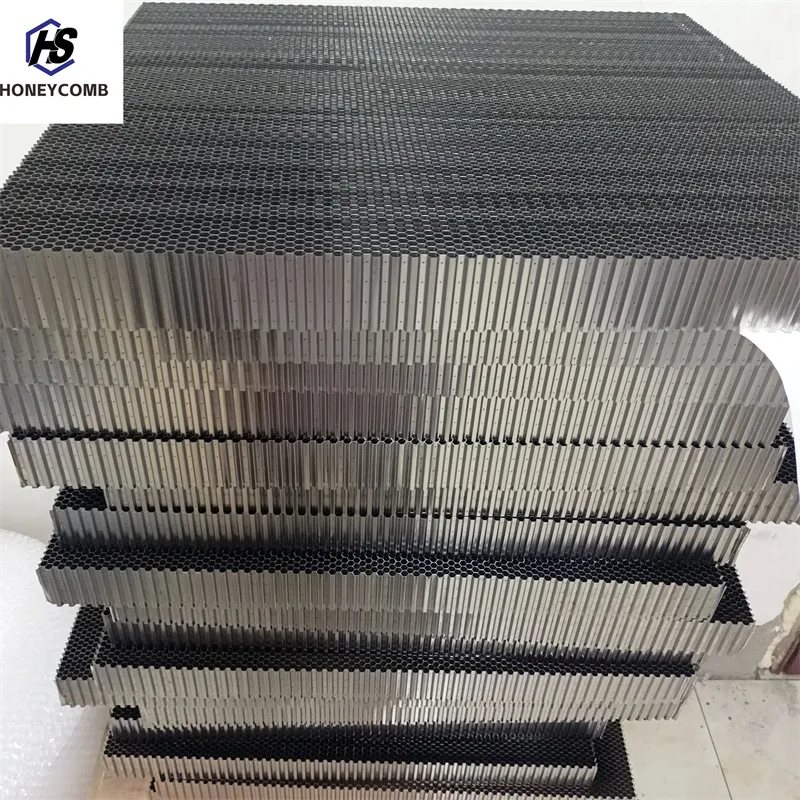
Market trend snapshot
Three things I keep hearing: hydrogen test benches need higher temperature tolerance, lab managers want traceability, and drone/propulsion teams are chasing lower turbulence intensity, not just “looks good on paper.” Interestingly, many customers say they tried polymer grids but returned to honeycomb flow straightener cores because metal holds shape under heat and gives stable L/D control. Standards bodies haven’t been idle either—ASME and ISO guidance around flow conditioning in differential-pressure and velocity measurements keep nudging users toward predictable, documented conditioners.
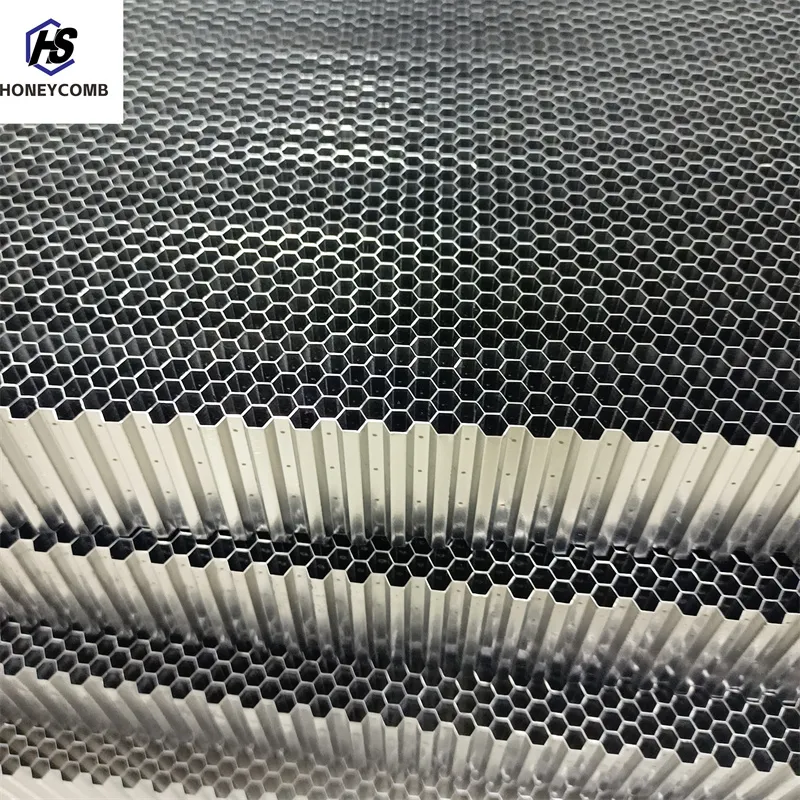
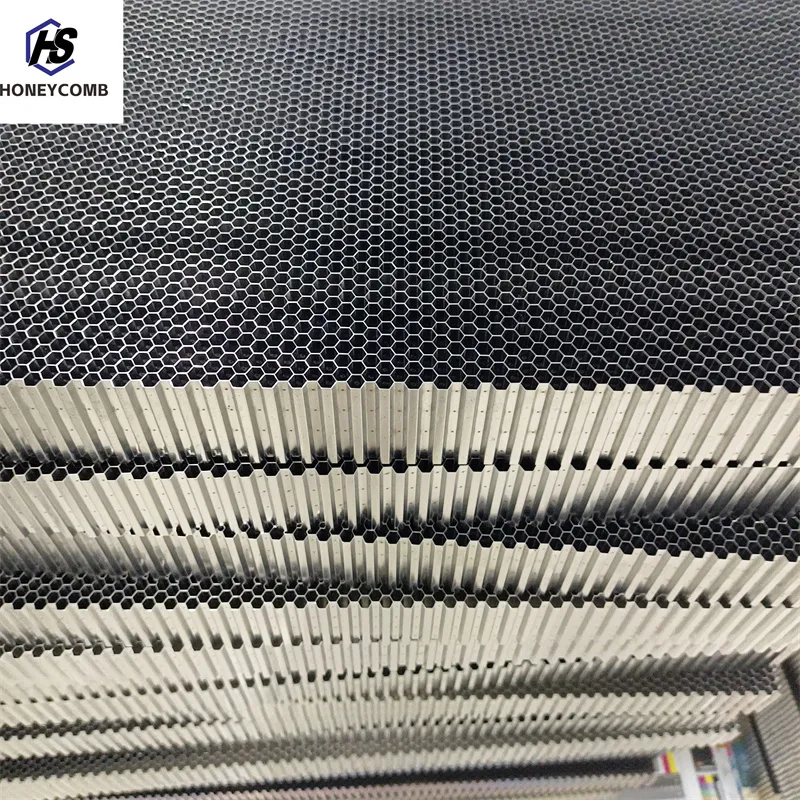
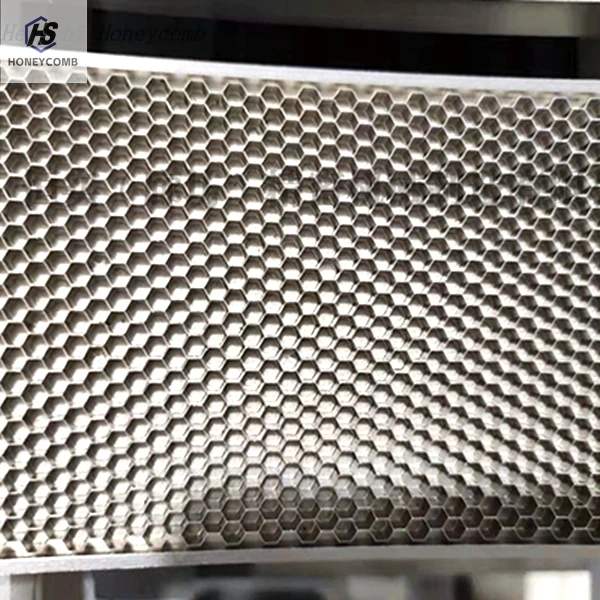
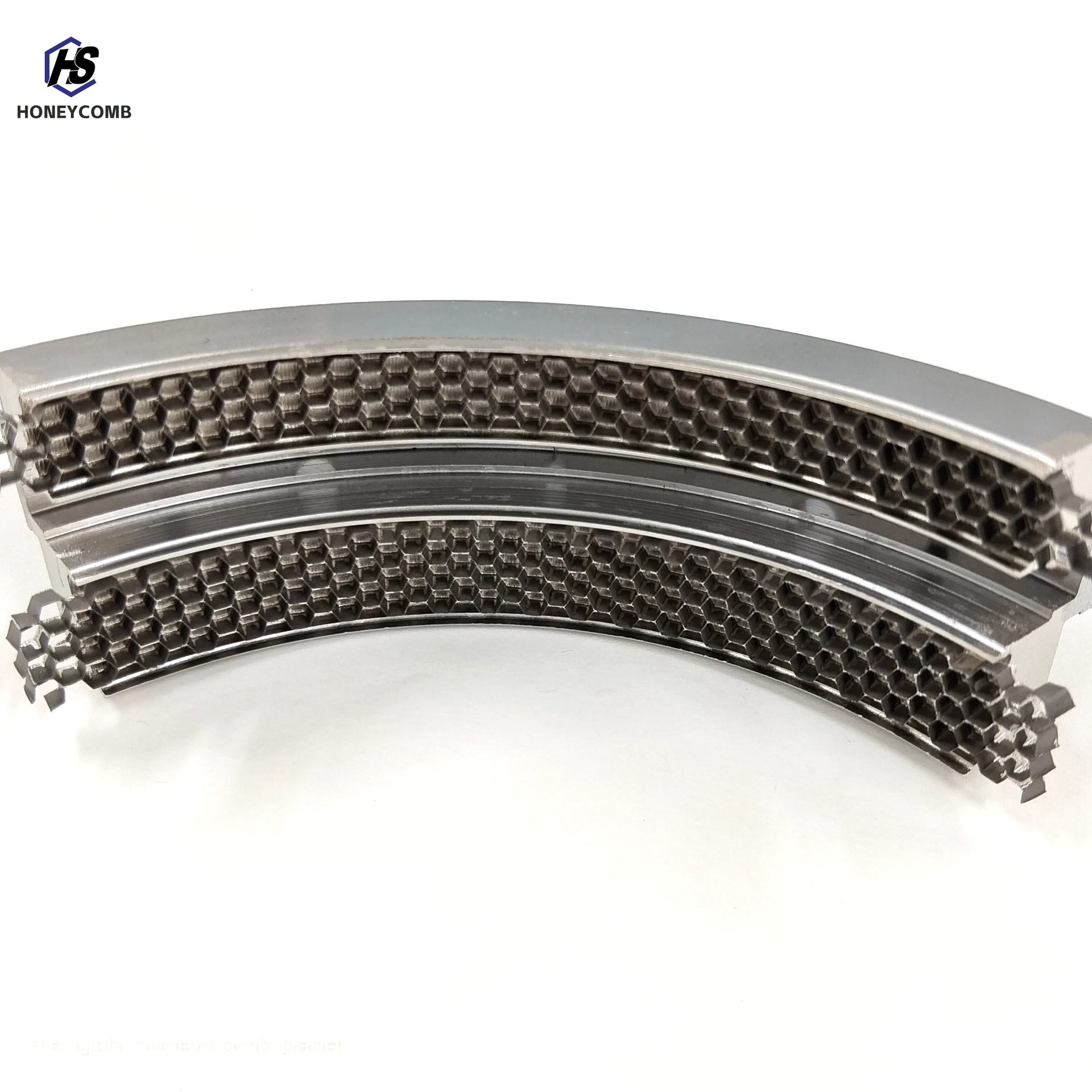
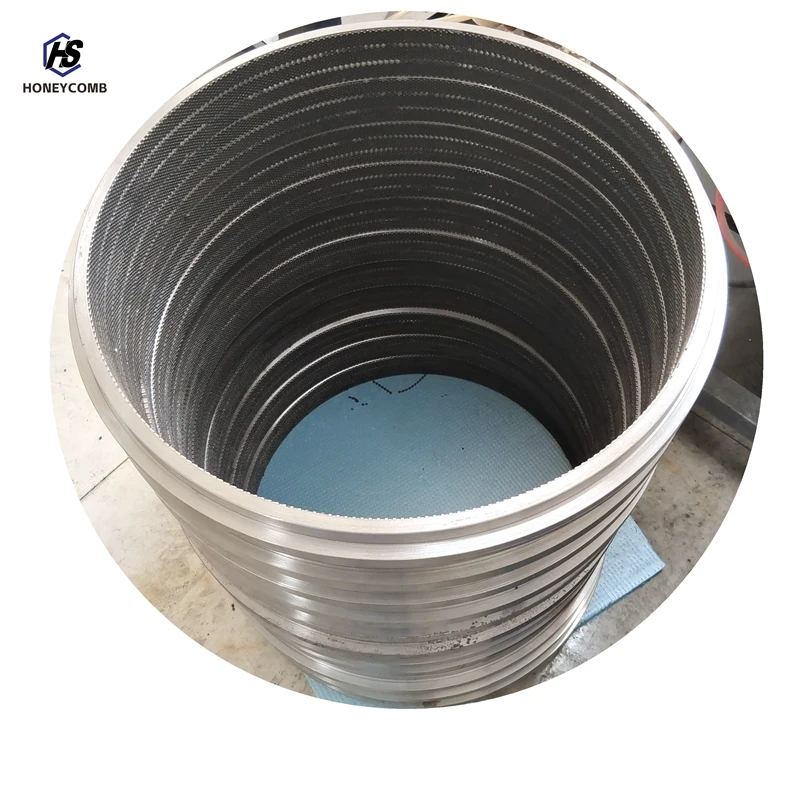
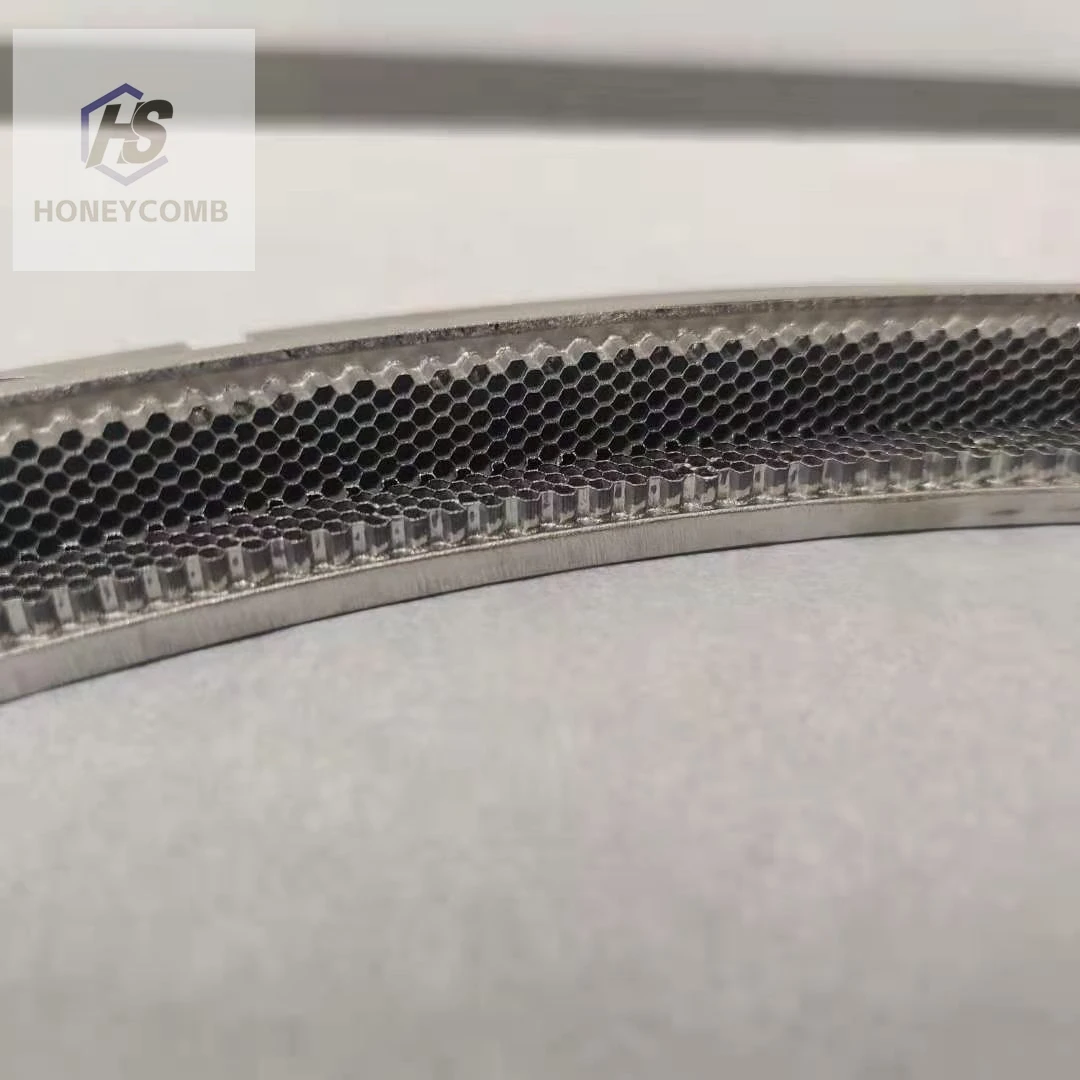
Product at a glance: Stainless Steel 304/316L Honeycomb Core for Air Flow Straightener
Origin: No.2, Tongda Street, High-tech area Gu'an County, Langfang,065500, Hebei China. Hengshi Honeycomb offers customizable metallic cores from 8 mm to 30 mm cell size—actually quite a handy range for most wind tunnel and metering rigs.
| Spec | Value (≈, real-world use may vary) |
|---|---|
| Material | SS 304 or 316L (pick based on chloride exposure) |
| Cell size | 8–30 mm |
| Foil thickness | 0.04–0.10 mm typical |
| L/D ratio | 6–10 recommended; custom up to ≈20 |
| Core thickness | 30–300 mm (modular stackable) |
| Open area ratio | ≥95% typical |
| Max temperature | ≈600°C (316L), 500°C (304) |
| Corrosion resistance | Good (salt/fog better with 316L) |
| Standards context | Supports ISO/ASME flow conditioning practices [1][2] |
| Typical pressure drop | ≈80–180 Pa at 10 m/s (varies by L/D & cell) |
Where it’s used
- Low-speed wind tunnels, UAV test bays
- Natural gas and hydrogen metering runs (pre-orifice, pre-ultrasonic)
- Cleanroom supply plenums, thermal labs, automotive intake rigs
Advantages: reduced swirl angle to ≈1–3°, turbulence intensity stabilization to ≈1–2% (with screens if needed), high temperature tolerance, easy to clean, and it just lasts. Many labs keep a metal honeycomb flow straightener in service for a decade.
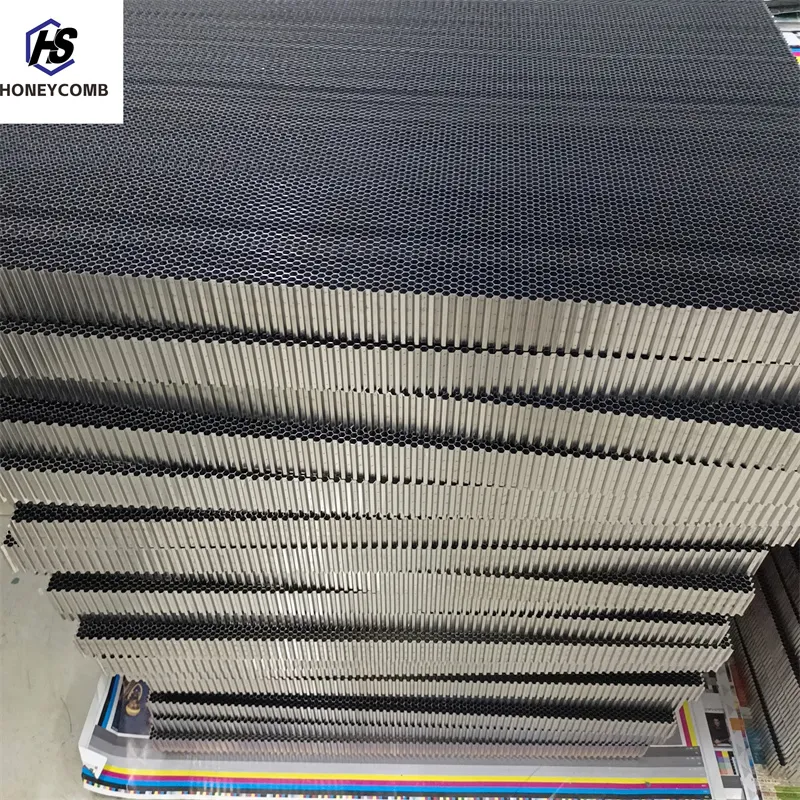
How it’s made (and tested)
Materials: 304/316L stainless foils. Methods: precision slitting, corrugation, expansion forming, spot welding; optional laser trimming and vacuum brazing for monolithic blocks. Edges can be framed to your duct ID.
Testing: dimensional checks (cell pitch, flatness), metallography on weld samples, pressure-drop bench at defined Reynolds numbers, swirl angle verification via multi-hole probe. Labs can issue ISO 17025 reports on request. Expected service life: 10–15 years in typical lab conditions; shorter if exposed to abrasive dust—use prefiltration.
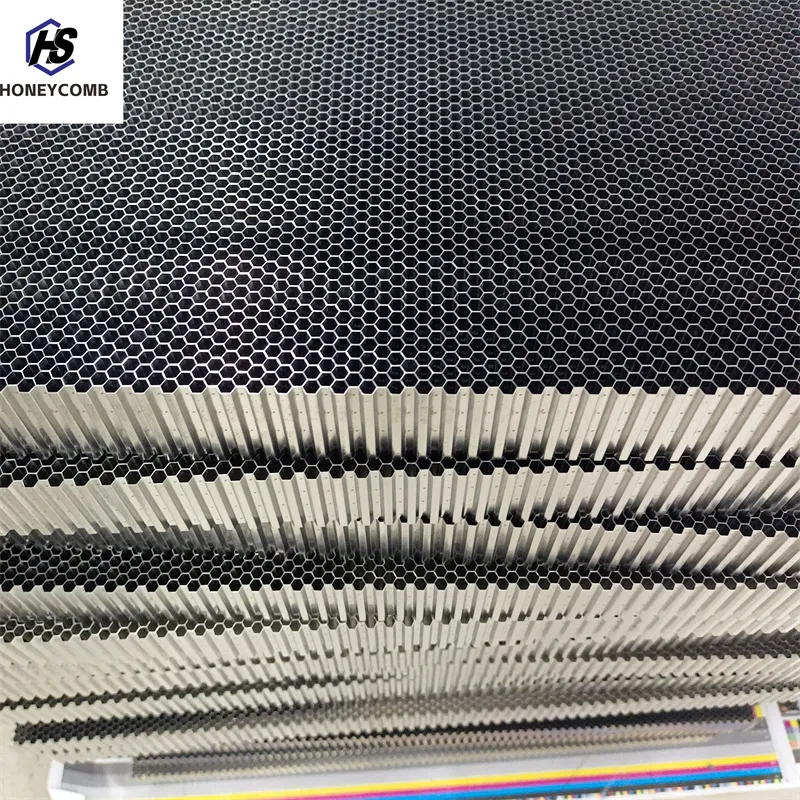
Vendor landscape (quick take)
| Vendor/type | Material | Cell range | Temp limit | Certs | Lead time |
|---|---|---|---|---|---|
| Hengshi Honeycomb (China) | SS 304/316L | 8–30 mm | ≈600°C | ISO 9001; material 3.1 | 2–5 weeks |
| Generic import | Aluminum | 6–19 mm | ≈200°C | Varies | 4–8 weeks |
| 3D-printed polymer | Nylon/PLA | Custom | ≈80–120°C | — | 1–3 weeks |
Customization
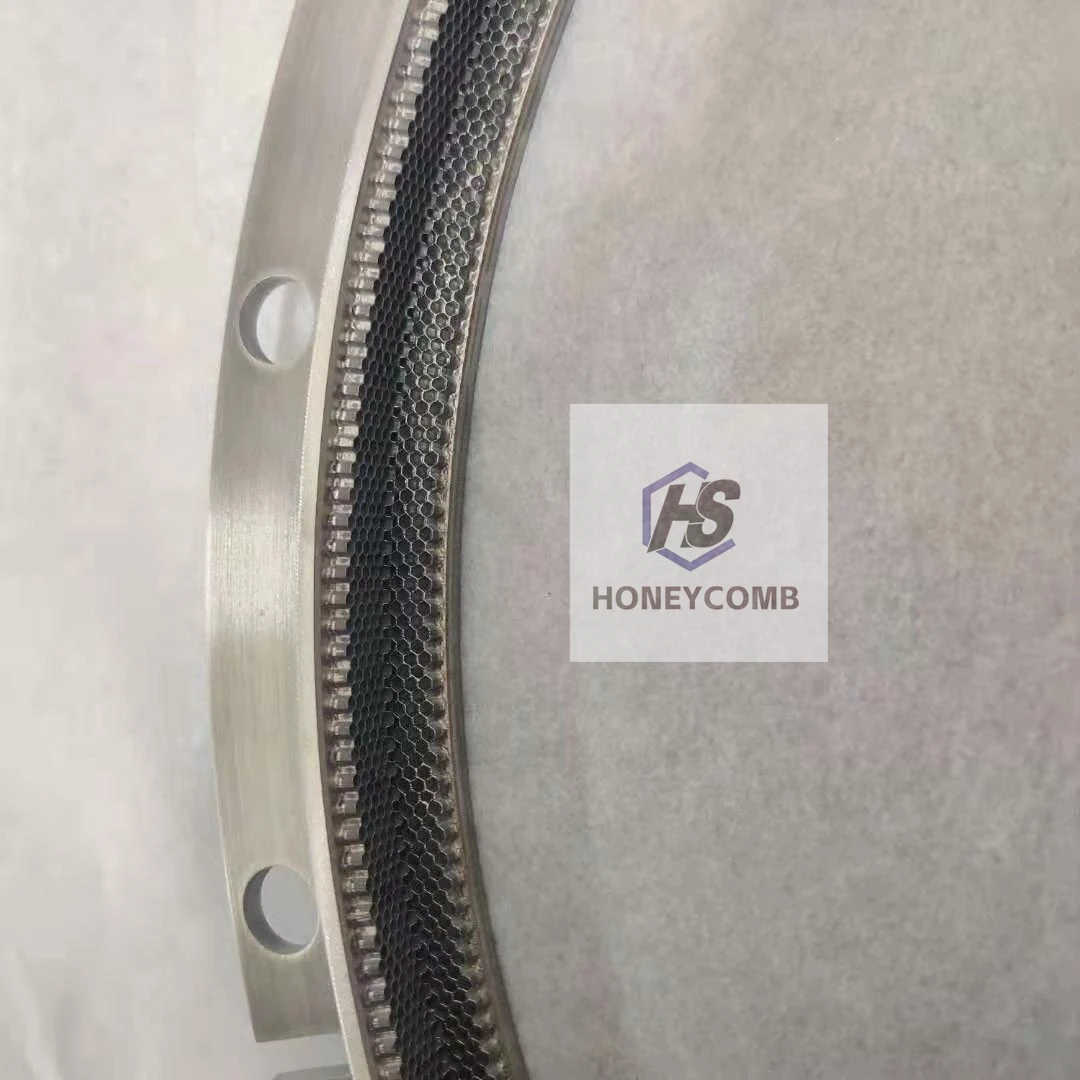
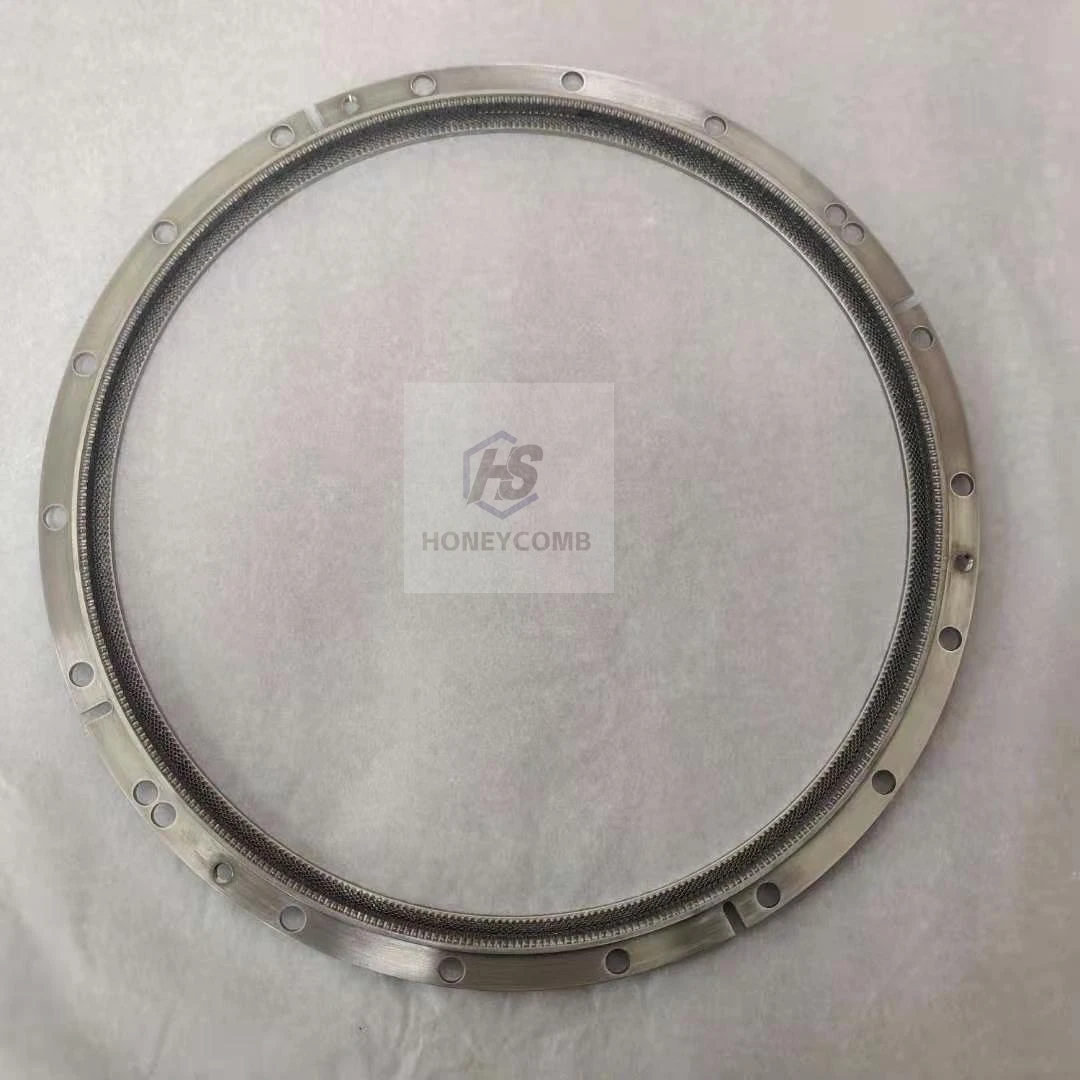
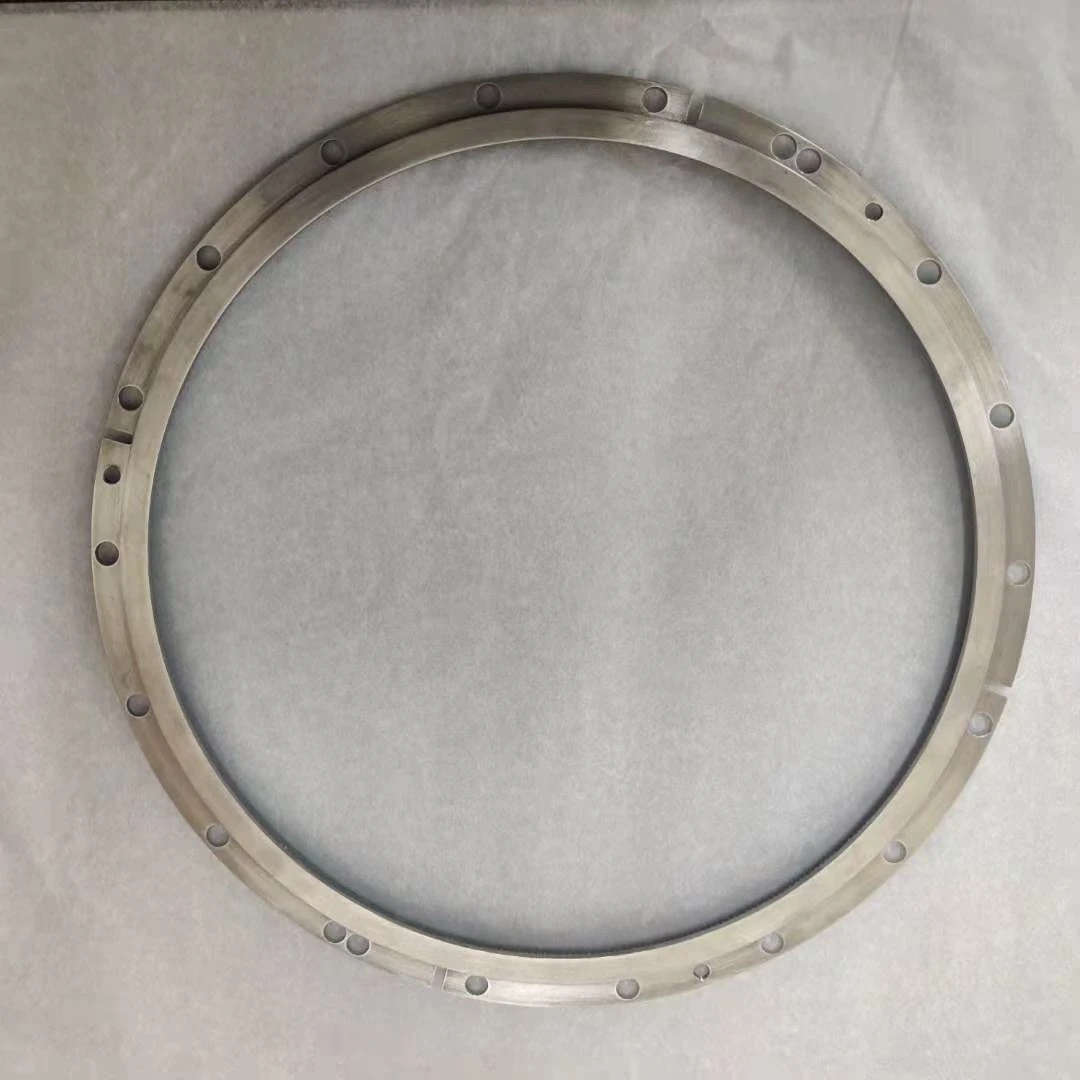
- Round, square, or odd duct shapes; framed or frameless
- Cell size mixing (graded honeycomb) and screens for finer TI tuning
- Cleanroom wipe-down finishes; electropolishing on request
Field notes (real customers)
Automotive intake rig: replaced a perforated-plate conditioner with a metal honeycomb flow straightener (10 mm cell, L/D≈8). Swirl angle fell from ~12° to
Hydrogen meter lab: 316L core survived thermal cycles to 350°C. Ultrasonic meter repeatability improved from 0.35% to 0.15% across Re range; ISO 17025 report attached to the job.
Bottom line: if you need durable, standards-aligned conditioning, a stainless honeycomb flow straightener is the boring-but-brilliant choice.
Authoritative references
- ISO 5167-1:2022 Measurement of fluid flow by means of pressure differential devices.
- ASME MFC-3M-2004 Measurement of Fluid Flow in Pipes Using Orifice, Nozzle, and Venturi.
- Mehta, R.D., Bradshaw, P. (1979). Design rules for small low-speed wind tunnels, Aeronautical Journal.
- ISO/IEC 17025:2017 General requirements for the competence of testing and calibration laboratories.

-
Industrial Airflow Guide for maf воздушная правильная машинаNewsApr.16,2026
-
Best maf струйно правильная машина for Industrial EfficiencyNewsApr.09,2026
-
Сотовая правильная машина A Comprehensive Guide to Honey Packing AutomationNewsApr.07,2026
-
Build Your Own DIY газоправильная Машина A Comprehensive Guide to Gas CorrectionNewsApr.04,2026
-
Understanding Кондиционер отопления Systems for Efficient and Comfortable HeatingNewsMar.31,2026
-
Comprehensive Guide to Cellular Blinds Installation Установка сотовых жалюзиNewsMar.28,2026
-
Mobile Aerodynamic Tunnel Design A Comprehensive Guide to Applications and ImplementationNewsMar.26,2026






 English
  Afrikaans
  Albanian
  Amharic
  Arabic
  Armenian
  Azerbaijani
  Basque
  Belarusian
  Bengali
  Bosnian
  Bulgarian
  Catalan
  Cebuano
  China
China  China (Taiwan)
  Corsican
  Croatian
  Czech
Czech  Danish
  Dutch
Dutch  Esperanto
  Estonian
  Finnish
  French
  Frisian
  Galician
  Georgian
  German
  Greek
Greek  Gujarati
  Haitian Creole
  Hausa
Hausa  Hawaiian
  Hebrew
  Hindi
Hindi  Miao
Miao  Indonesian
  Italian
  Japanese
  Javanese
  Malay
Malay  Persian
  Portuguese
  Punjabi
  Russian
  Spanish
  Swahili
  Telugu
  Vietnamese